LIFE Ratchada-Rama 9 is a useful project for foreign buyers to study because it sits at the intersection of several Bangkok themes: Rama 9 office growth, MRT-led mobility, lower entry pricing than prime Sukhumvit, and a low-rise format that promises more residential calm than many high-rise investor towers. AP Thailand’s official project page lists prices from 3.49 million baht, 851 residential units plus one shop, five eight-storey buildings, 333 car parking spaces and unit sizes from 28 to 60 sq.m.
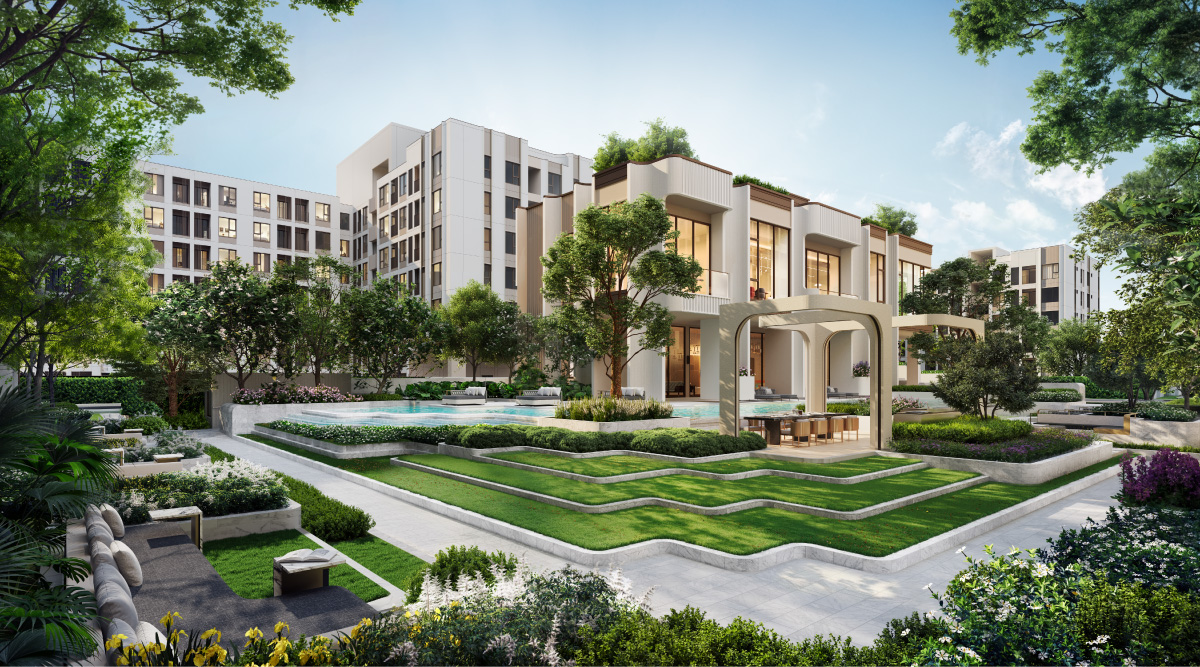
LIFE Ratchada-Rama 9 gives foreign buyers a low-rise alternative within the Rama 9 demand corridor.
The official project copy positions the address in the Ratchada-Rama 9 new CBD, with access to MRT Rama 9, Airport Rail Link Makkasan, two expressways, Grade A offices and retail hubs. AP’s launch announcement also described the project as a 3.6 billion baht low-rise condominium and highlighted a 95,000 baht per sq.m. starting reference for a furnished one-bedroom M-size unit at launch.
For buyers, those details are helpful but not enough. The project should be read as a decision framework: who will live here, how easy is the daily commute, how much competing supply exists, what does low-rise living add, and how realistic is the rental or resale plan after completion?
Why Rama 9 keeps attracting buyers
Rama 9 has moved beyond being only a cheaper alternative to Asoke. The wider corridor includes offices, retail, hospitals, hotels, cultural venues, the MRT Blue Line, Airport Rail Link access at Makkasan, expressway routes and connections towards Ratchada, Huai Khwang, Phetchaburi and Sukhumvit. For tenants who work in the area, a well-located condominium can offer shorter commutes than a prestige Sukhumvit address.
Foreign buyers should still be precise. Rama 9 is not one uniform market. Some buildings feel office-led, others feel more residential, and some depend heavily on road access. Walkability, pavement comfort, station distance, traffic at peak times and the route to daily shops can change the living experience significantly. The best unit is not always the closest to the biggest road.
The low-rise argument
LIFE Ratchada-Rama 9’s low-rise format is a point of difference in a district known for many taller condominium towers. A lower-rise project can feel calmer, with a more neighbourhood-like mood, but it can also mean buyers need to study views, privacy, building spacing, parking, lift distribution and how facilities are shared across blocks. The format is attractive only if the actual plan supports daily comfort.
The official project page refers to three rai of curated green space and an urban oasis concept. That can be meaningful for residents who want a softer return home after office hours. It is especially relevant for buyers comparing Rama 9 against more intense high-rise corridors. Still, foreign buyers should inspect the master plan carefully and ask which facilities are delivered, how they are maintained and how common fees are budgeted.
The project positioning leans on green space and a quieter low-rise setting near the new CBD.
Unit mix and tenant logic
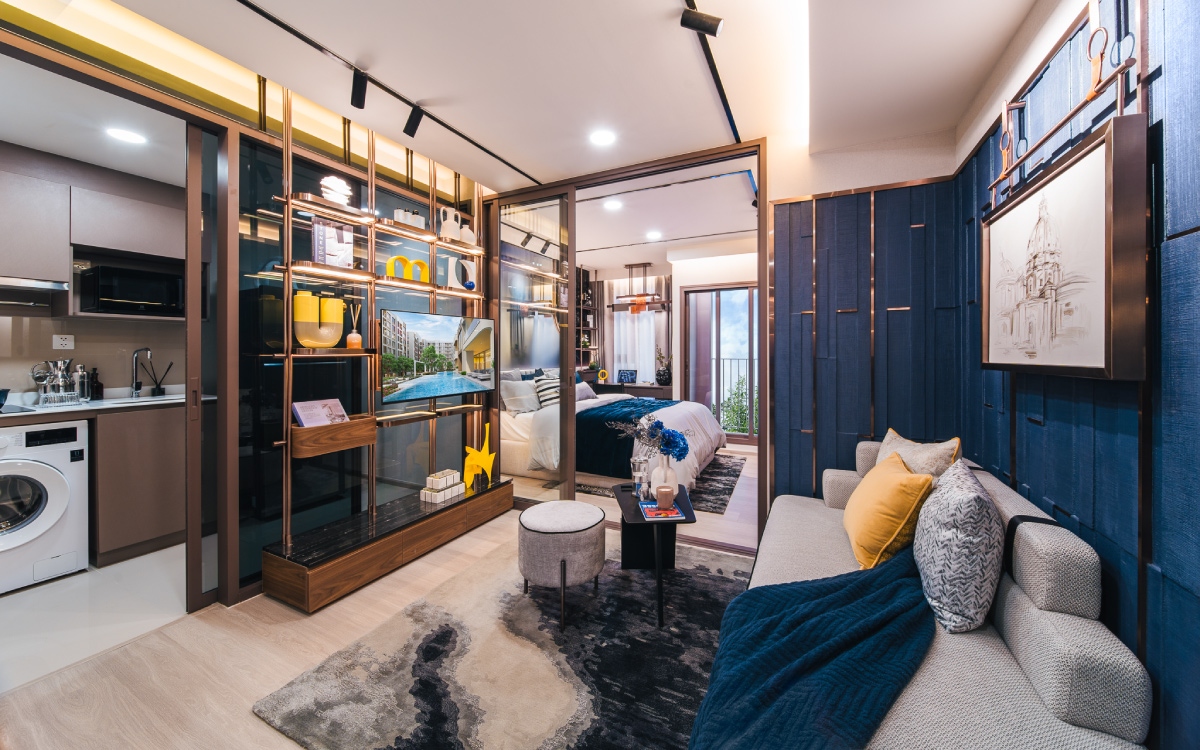
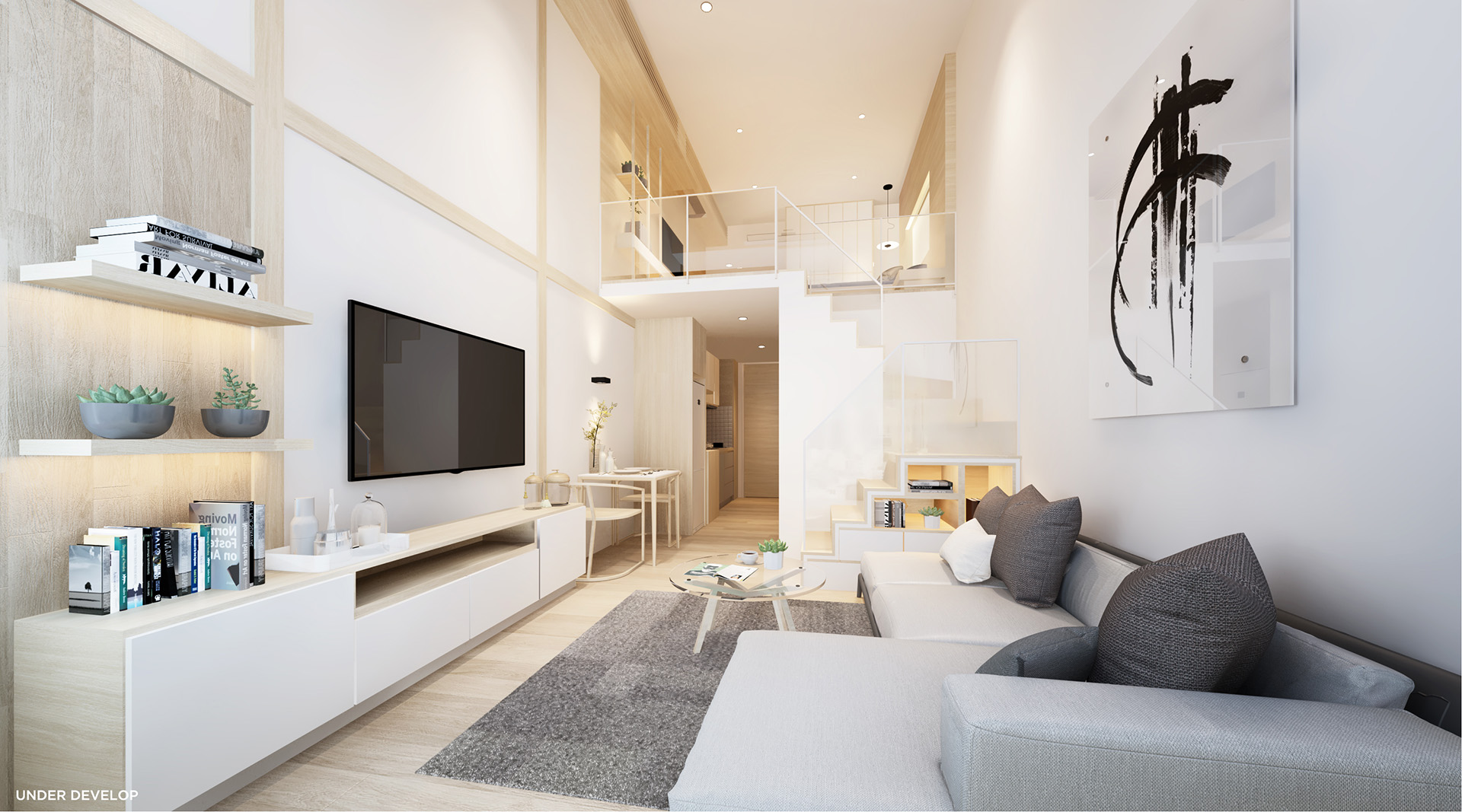
The published usable area range of 28 to 60 sq.m. suggests a buyer audience centred on singles, couples, young professionals and compact urban households rather than large families. For rental investors, that means the unit must be efficient. A 28 sq.m. unit can work when storage, work-from-home space, kitchen layout, bathroom quality and natural light are sensible. A larger one-bedroom or compact two-bedroom may appeal to tenants who need more flexibility, but the rent must justify the higher purchase cost.
Foreign buyers should compare LIFE Ratchada-Rama 9 against completed alternatives nearby. Completed stock shows real rents, real tenants and actual building management. A new launch offers newness and payment structure, but it also asks the buyer to accept delivery and rental assumptions. Both can be valid. The choice depends on time horizon and risk tolerance.
Due diligence questions
Confirm the freehold condominium structure and foreign quota process before relying on availability.
Compare the net price after promotions, furniture, transfer costs and sinking fund.
Ask for expected common fees, facility-management scope and parking rules.
Check the walking route to MRT Rama 9 and nearby retail in daylight and evening conditions.
Model rent against completed Rama 9 and Ratchada buildings, not only against launch projections.
Review payment schedule, construction timeline, contract terms and defect process with an adviser.
These questions are especially important for overseas buyers who may not return often before handover. A new launch can look simple at reservation stage, but the ownership experience depends on documents, transfer timing, building management and how the unit competes when it is ready to lease or resell.
Facilities and unit planning should be tested against the likely tenant and resale audience.
Who may suit this project
LIFE Ratchada-Rama 9 may suit buyers who want exposure to the Rama 9-Ratchada work corridor without moving into a large high-rise tower, and who value a lower-rise environment with greenery. It may also suit investors seeking a more accessible price point than prime Sukhumvit while still staying connected to offices, retail and airport access.
It may be less suitable for buyers who require an established rental history before purchase, buyers who want large family layouts, or buyers who prioritise walking convenience above all else. In Bangkok, ten minutes on a map can feel different depending on pavement quality, heat, crossings and traffic. The viewing should include the surrounding route, not only the sales gallery.
Buyer takeaway
LIFE Ratchada-Rama 9 offers a clear low-rise story in a district with genuine office, retail and transport demand drivers. Foreign buyers should treat the project as a serious comparison candidate, while still checking quota, contract terms, net pricing, rental evidence and the practical route to daily amenities.
IBP can help buyers compare LIFE Ratchada-Rama 9 with completed Rama 9, Ratchada and Asoke alternatives. Browse our project reviews or contact IBP Real Estate for a buyer-focused shortlist.
Cassia Residences Rama 9 Bangkok gives foreign buyers a useful case study in how branded residences are moving beyond the traditional riverside and Sukhumvit luxury addresses. The project combines a Bangkok new-CBD location, hotel-style service language and the Cassia brand under Banyan Group.
Cassia Residences Rama 9 positions branded living within Bangkok’s Rama 9 growth corridor.
The official Cassia Residences Rama 9 website describes the project as a collaboration between Siamese Asset PLC and Cassia, a brand associated with Banyan Group. The project material presents concierge service, residence management, room service, parking assistance and owner privileges as part of the branded residence proposition. For foreign buyers, the appeal is clear: a condo that feels easier to use, easier to explain to tenants and potentially more distinctive than a standard high-rise unit.
That does not mean every branded residence should be bought automatically. The brand is only one part of the investment case. Buyers still need to check title, foreign quota, payment terms, building management, unit layout, common fees, rental rules, transfer process and resale depth. A branded name can help attention, but it cannot replace due diligence.
Why Rama 9 matters
Rama 9 has developed as an office, retail, residential and transport corridor east of the traditional Asoke-Sukhumvit core. The area offers access to MRT Phra Ram 9, Central Rama 9, Fortune Town, office towers and hospital connections. It also sits within a wider Ratchada, Huai Khwang and Rama 9 catchment that can appeal to professionals, business travellers, medical visitors and long-stay residents who do not need to be directly on lower Sukhumvit.
For investors, the district story is important because branded residences often depend on a clear tenant or guest profile. Rama 9’s advantage is not old-money prestige. It is functional centrality: rail access, offices, retail, roads, healthcare and a growing stock of lifestyle services. Buyers should decide whether that practical profile matches their expected tenant better than a more expensive address in Phrom Phong, Thong Lo, Chidlom or riverside Bangkok.
What the Cassia positioning offers
Cassia is generally positioned around stylish, social and extended-stay living rather than ultra-formal luxury. The official Cassia Rama 9 hotel page describes loft-style accommodation, kitchens, connected living areas, fitness, kids facilities, wellness and a rooftop pool. For a condo buyer, that positioning may be useful if the target market includes long-stay guests, relocating professionals, regional visitors or owners who want a serviced-living feel when in Bangkok.
The buyer should still distinguish between marketing language and binding rights. Which services are included in common fees? Which are optional paid services? Are owners able to use the hotel-related benefits as expected? Are there rental programme rules, restrictions or revenue-sharing terms? These questions should be answered in writing before purchase.
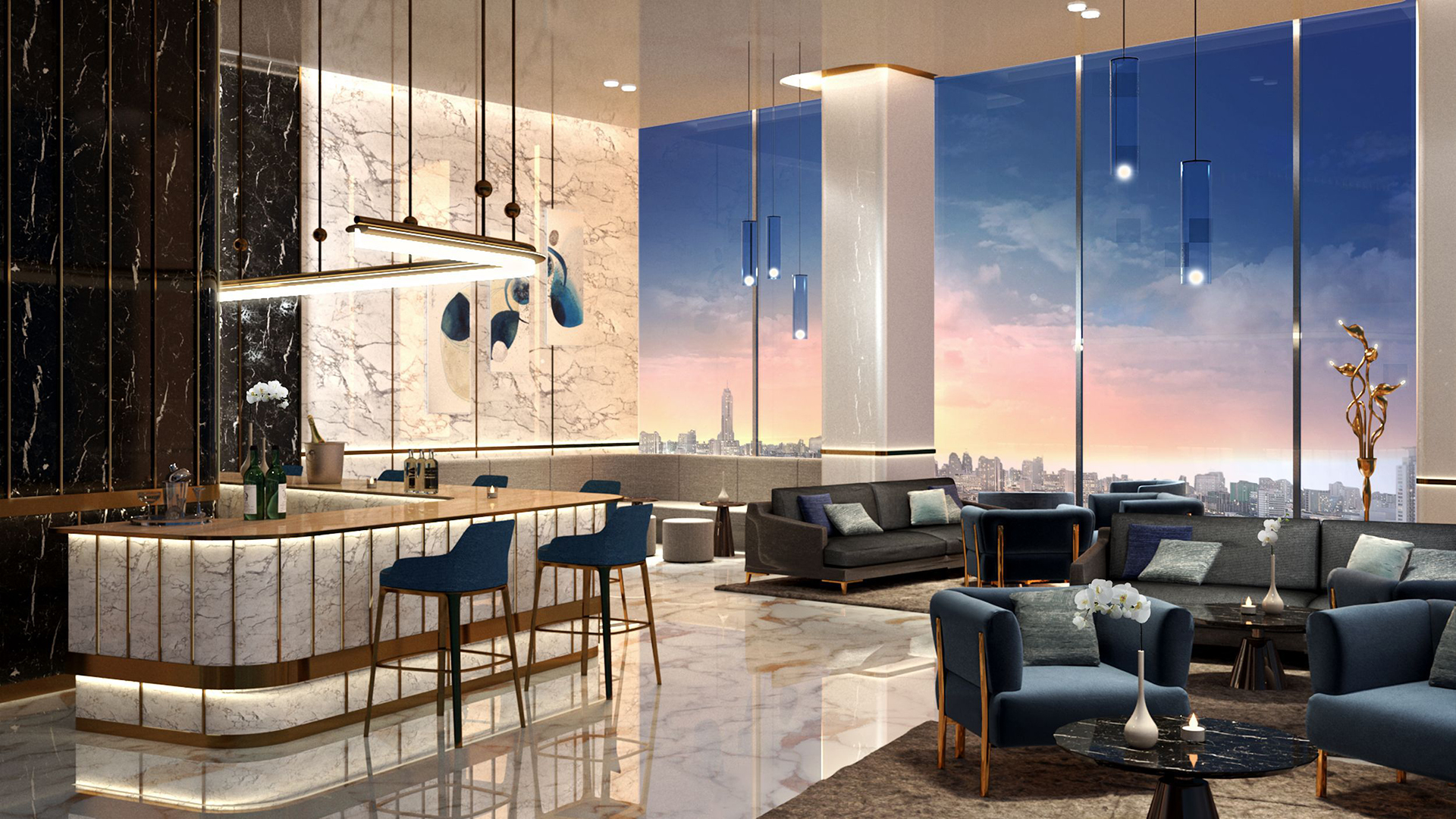
Interior planning and furniture quality should be checked against the buyer’s rental or own-use plan.
Unit layout and rental fit
Branded residence buyers sometimes over-focus on the lobby and under-check the unit. Layout matters because Bangkok tenants compare usable space quickly. A compact unit can work well if storage, light, kitchen, bathroom and work areas are efficient. A larger duplex can appeal to families or longer stays, but only if the rent premium is realistic and the stairs do not reduce the tenant pool.
Foreign buyers should compare unit types against a real use case. Is the unit for personal stays, corporate tenants, medical visitors, students’ parents or short-to-medium stays? Does the building allow the intended rental pattern? Does the furniture package photograph well and withstand turnover? The investment logic should come from the likely occupier, not only from the brand deck.
Management quality is the real test
The long-term value of a branded residence depends heavily on management. A strong operator can maintain service standards, common areas and owner confidence. Weak execution can turn a branded promise into ordinary condominium living with higher costs. Buyers should ask how the residence side is governed, how juristic responsibilities interact with service operations and how future repairs are funded.
Common area fees should be reviewed against the facility package. A building with more service points may cost more to operate. That is acceptable if it supports higher rent, easier occupancy or stronger resale positioning. It is a problem if the costs rise without a matching benefit to owners or tenants.
Branded facilities can help positioning, but operating costs and management delivery matter.
Due diligence questions for foreign buyers
Is the unit available under foreign freehold quota?
What exact services are included, optional or separately charged?
Are rental programme terms available before signing?
How do common fees compare with nearby non-branded condos?
What is the developer’s delivery and after-sales record?
Who is the likely resale buyer in five to seven years?
Cassia Residences Rama 9 may suit buyers who want a branded, service-led product outside the most expensive Sukhumvit and riverside addresses. The project is especially interesting for buyers who believe Rama 9’s business and lifestyle ecosystem will continue to mature. But the right decision still depends on unit price, contract terms, foreign quota availability and the net rental plan.
Buyer takeaway
Branded residences can make Bangkok ownership feel more convenient and recognisable, particularly for overseas buyers. The disciplined approach is to value the brand only after the legal, financial and operational checks are complete.