
Pay Like A Local And Bangkok Property Confidence
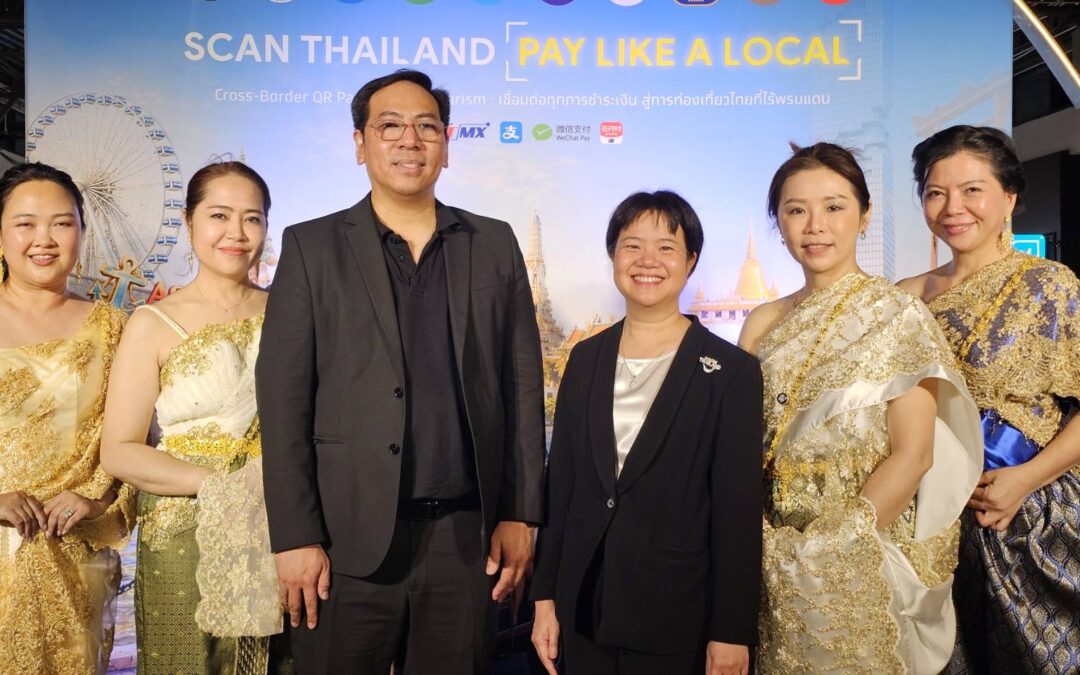
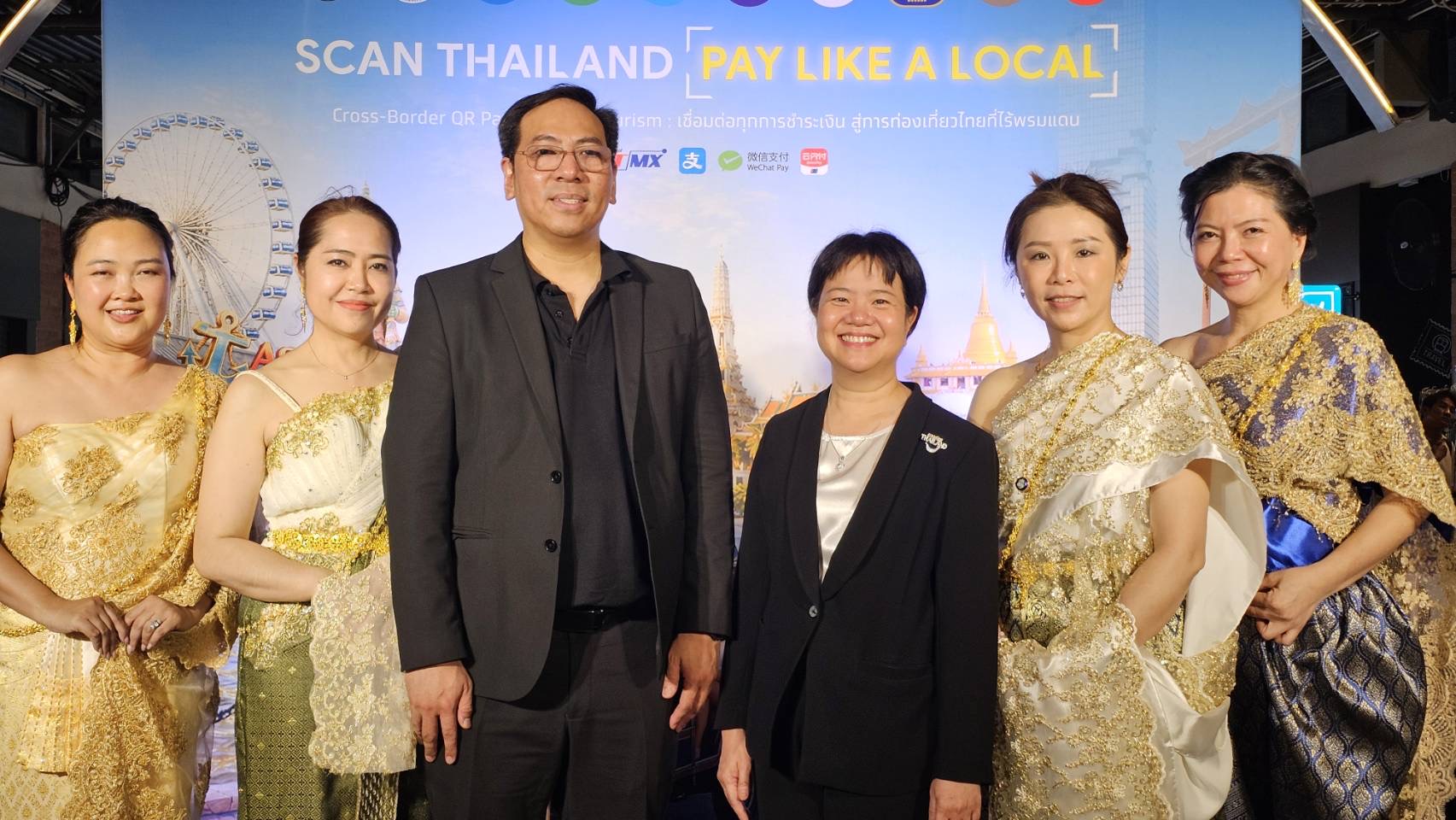
Thailand’s Pay Like a Local cross-border QR payment push is a useful signal for Bangkok property buyers because it speaks to something practical: visitor convenience. TAT Newsroom reported on 26 June 2026 that the Tourism Authority of Thailand is highlighting Thailand’s readiness for Cross-Border QR Payment across the tourism sector under the Pay Like a Local concept.
This is not a condo-price announcement. It should not be read as a reason to speculate. The property relevance is that Bangkok’s visitor economy becomes more comfortable when travellers can pay for food, shopping, attractions, taxis, services and tourism experiences in familiar digital ways. Convenience supports spending confidence, repeat visits and the city’s premium positioning.
What TAT announced
The official release says the initiative connects merchant adoption with traveller awareness, making digital payments more convenient for foreign visitors while opening new opportunities for Thai businesses. TAT is promoting QR payment convenience at attractions, shops, restaurants and tourism establishments nationwide through international marketing and publicity channels, particularly in East Asia.
The effort is advanced by the Bank of Thailand with eight participating banks: Krungthai Bank, Bangkok Bank, Kasikornbank, Siam Commercial Bank, Bank of Ayudhya, ICBC Thai, Bank for Agriculture and Agricultural Cooperatives, and CIMB Thai Bank. The release also names National ITMX, Alipay, WeChat Pay and UnionPay as payment and switching partners.
Why this matters to Bangkok
Bangkok is where many international visitors first experience Thailand’s retail, dining, medical, hospitality, cultural and transport ecosystem. A smooth payment environment makes the city easier for visitors from mobile-payment markets to navigate. TAT says the service is currently available to users from China, Singapore, Malaysia, Indonesia, Viet Nam, South Korea, Lao PDR, Cambodia and Hong Kong, with further expansion planned.
For property buyers, that matters because Bangkok’s strongest districts often depend on everyday convenience as much as headline attractions. Malls, restaurants, clinics, hotels, supermarkets, riverfront venues, night markets and cultural destinations all benefit when visitors can spend without friction. A city that is easy to use is easier to revisit, rent in and eventually consider as a second-home base.
The Asiatique activation
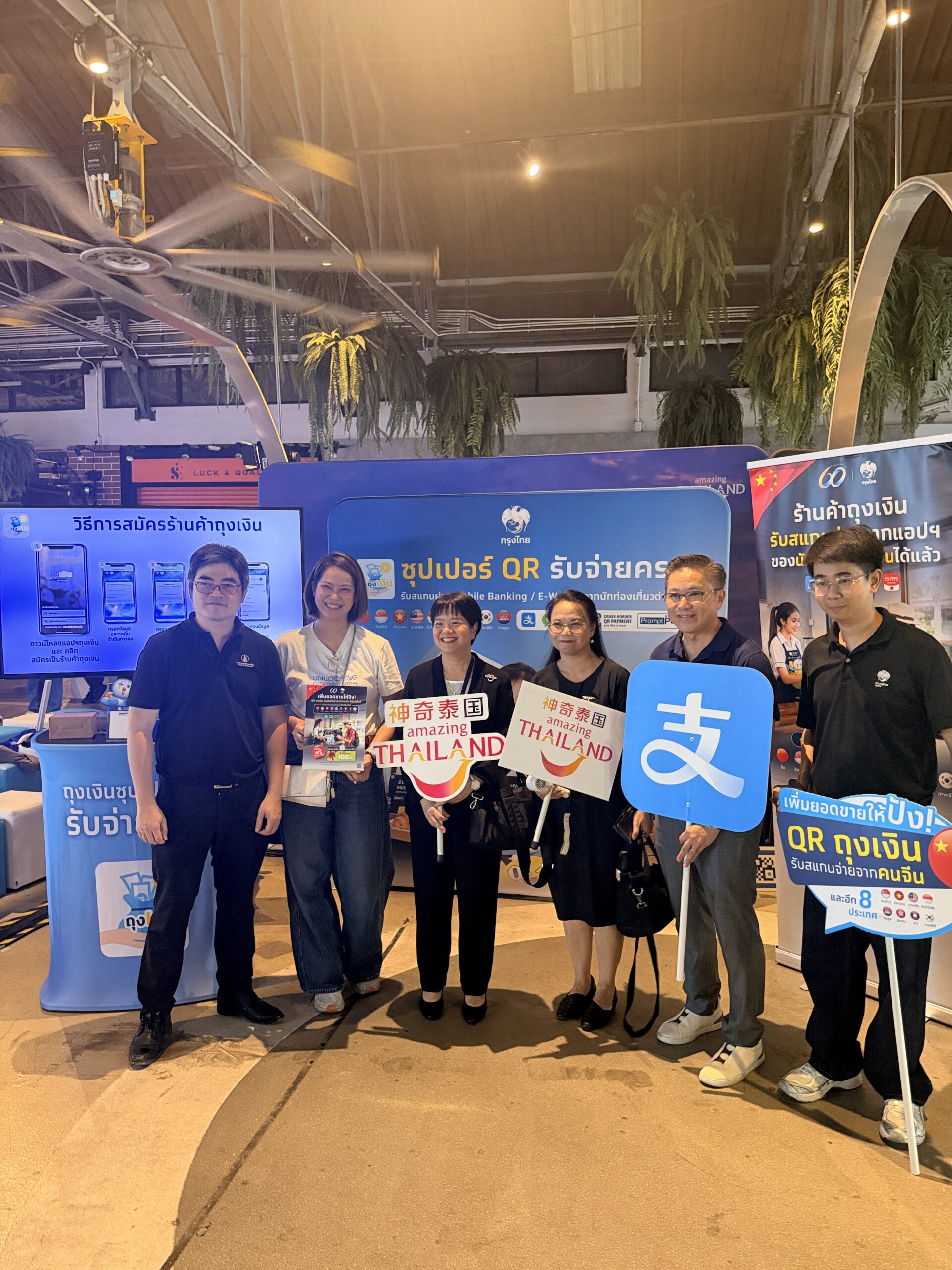
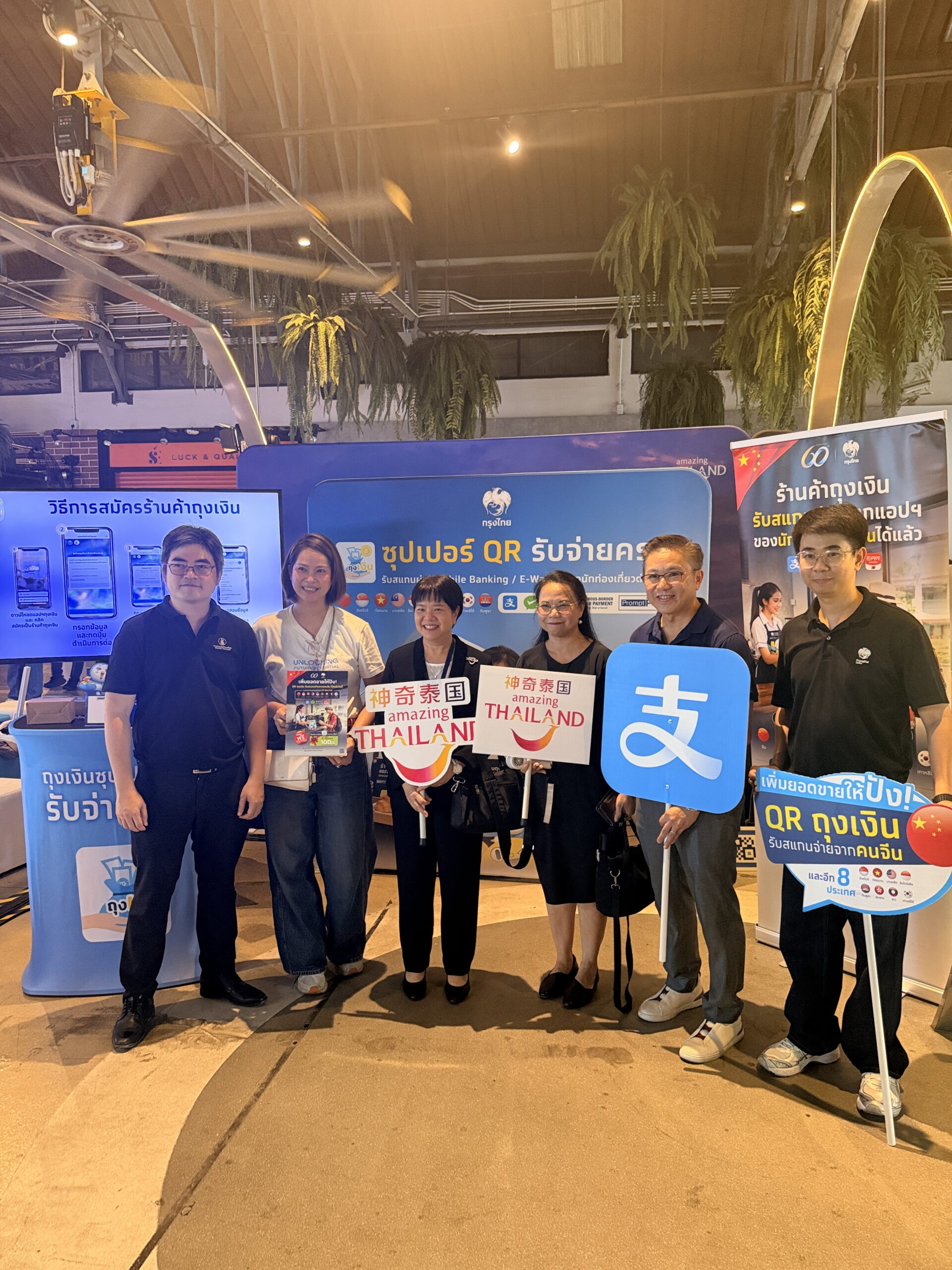
TAT said a Merchant Activation Roadshow was held at Asiatique The Riverfront Destination in Bangkok, between Warehouses 8 and 9. The event engaged shops, restaurants and tourism operators in preparing to accept QR payments. Participating merchants could consult partner banks, register for QR merchant services, visit partner booths and join awareness activities.
The Bangkok activation followed a pilot in Udon Thani on 31 March 2026, which TAT said prepared local operators for an expected rise in Chinese visitors. The first phase included a seminar for 52 operators and outreach to small businesses in local commercial areas.
The property-confidence angle
Foreign buyers should use this news as background confidence, not a shortcut. Digital payment readiness helps the visitor economy, but an individual condo still has to stand on location, title due diligence, building management, unit layout, rent evidence and resale depth. A weak unit does not become a good investment because QR payments are easier.
The better lesson is that Thailand continues to modernise the practical visitor experience. For Bangkok, that reinforces the appeal of districts where international residents and visitors can move easily between rail, retail, healthcare, dining, riverfront attractions, hotels and work meetings. Buildings in these locations are easier to explain when they also offer strong management and sensible layouts.
What buyers should watch
Investors should look for locations where digital spending, retail depth and visitor services are visible in everyday life. This can include central shopping areas, hotel corridors, riverside destinations, medical hubs, mixed-use districts and station-led neighbourhoods. The more useful test is not whether a district appears in a press release, but whether a resident or tenant can live conveniently from the front door.
Pay Like a Local also shows why Bangkok’s investment story is increasingly about service infrastructure. Airports, rail, payments, hospitals, malls, tourism venues and hospitality all combine to make the city globally usable. Property buyers should connect that macro story to a disciplined unit-level checklist.
Buyer takeaway
Pay Like a Local supports Bangkok’s image as a modern, visitor-ready city. For foreign property buyers, the signal is practical rather than speculative: choose condos in districts where payment convenience, transport, services and lifestyle make daily life easier for tenants, visitors and future owners.
IBP helps foreign buyers connect Thailand tourism and economy news with Bangkok property decisions. Read more in our Thailand economy and investment news archive or contact IBP Real Estate for a Bangkok property brief.