

Bangkok Condo Owner-Occupier Demand Checks
Bangkok condo investors often study rent, yield and entry price first. Those are important, but they are not the whole demand story. A unit that can also appeal to owner-occupiers may have a deeper resale audience, stronger building culture and more defensive long-term value than a unit bought only for a headline rental number.

Owner-occupier demand does not mean the buyer has to live in the property. It means future end-users can imagine living there. That matters because the exit market for a foreign investor may include Thai professionals, expatriate residents, families, retirees, regional executives and second-home buyers as well as other investors. The broader the credible buyer pool, the less fragile the resale plan can be.
Why owner-occupier demand matters
Rental-led investment can work well in Bangkok, especially near transport, offices and lifestyle districts. The risk is that an investor may buy a unit that appeals only at a low rent and has little emotional or practical appeal to someone choosing a home. If market conditions soften, that unit can become price-sensitive quickly.
Owner-occupiers usually look harder at details that affect daily life: light, noise, storage, lift waits, parking, lobby quality, air-conditioning, kitchen usability, bathroom condition, neighbour behaviour, maintenance and the walking route. Those details also affect tenants, but an owner-occupier may be willing to pay more for them because the property is not just a yield product.
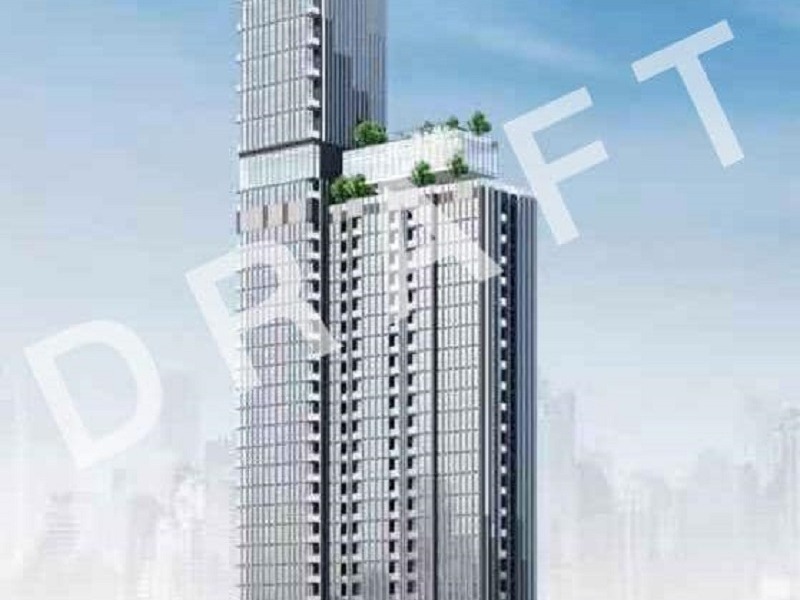
Start with the building culture
A building with a healthy mix of resident owners and responsible long-term tenants often feels different from a building dominated by short-term churn. Common areas are usually treated with more care, juristic-person communication can be steadier, and residents may be more willing to support practical improvements. This is not guaranteed, but it is worth observing.
Foreign buyers should ask who appears to live in the building. Are the lifts full of residents going to work and school, or mostly delivery riders and transient visitors? Are common areas used respectfully? Are notices clear? Does security recognise residents? Is the lobby calm at night? These observations help reveal whether the building functions as a real residential community.
Layout is more important than decoration
Owner-occupier demand is often won or lost inside the unit. A compact layout can work if it is efficient, bright and easy to furnish. A larger unit can disappoint if columns, corridors or awkward room proportions waste space. Buyers should test where a sofa, dining table, work desk, wardrobes, luggage and cleaning equipment would actually go.
Storage is a useful signal. Bangkok condos with practical storage, sensible kitchens, ventilated bathrooms and usable balconies can feel more comfortable for long stays. Decorative finishes can be changed later. A poor floor plan is much harder to fix.
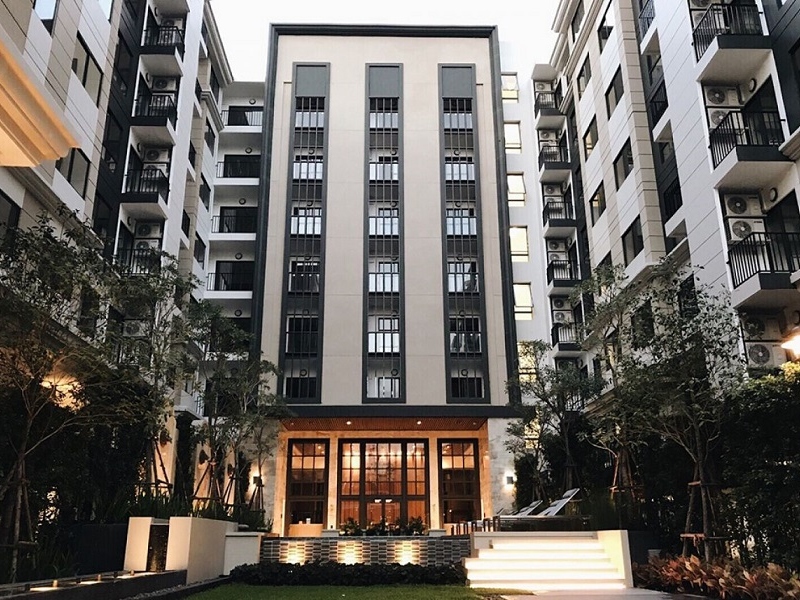
Daily routes create the home feeling
Owner-occupiers are less forgiving about daily friction. A building may be near a BTS or MRT station on a map but still feel inconvenient if the pavement is difficult, the crossing is unsafe, the route lacks shade, or the lobby sits deep inside a congested soi. Walk the route at the times a resident would use it, not only during a quiet viewing.
Also check everyday services. Supermarkets, pharmacies, coffee, casual food, clinics, parks, laundry, parcel services, taxis and ride-hailing pickup points all support resident demand. A unit with strong daily convenience may hold interest even when newer buildings appear nearby.
Compare the resale audience
An investor should ask who will buy the unit in five or ten years. Another investor may focus on rent and yield. An owner-occupier will focus on comfort, management, noise, building age, common areas, neighbourhood and emotional fit. A unit that can answer both audiences has a better resale story.
This is especially relevant in buildings with many similar units. If several one-bedroom units are always available, the investor needs a reason the target unit will stand out. A better orientation, quieter stack, practical layout, stronger furnishing package or easier station route can help. Without a differentiator, resale may depend mainly on price.
Do not confuse luxury with owner demand
Luxury branding can attract owner-occupiers, but it is not the same as owner-occupier demand. Some high-end units are beautifully presented but awkward for real daily use. Conversely, a modest building in a practical location may attract loyal residents because it works well for everyday life.
Buyers should therefore test the living logic, not just the marketing language. Is the lobby easy for guests and deliveries? Are lifts adequate at busy times? Is parking usable? Are pets allowed if that matters to the target buyer? Are school, hospital, park or office routes sensible? These questions reveal demand more clearly than adjectives.
Investor checklist
- Observe whether the building feels resident-led or transient.
- Check layout, storage, light, noise and long-stay comfort.
- Walk the daily route to rail, shops, taxis and services.
- Compare the unit with similar listings in the same building.
- Ask who would buy the unit if rent demand weakened.
- Do not pay for decoration unless the underlying plan works.
Buyer takeaway
Bangkok condo owner-occupier demand gives foreign investors a useful second lens. A unit should not only rent on paper; it should make sense as a place someone would choose to live. When layout, building culture, daily convenience and resale audience all support that answer, the investment case is usually more resilient.
IBP helps foreign buyers compare Bangkok condos by tenant demand, owner-occupier appeal and exit strategy. Read more in our investment analysis archive or contact IBP Real Estate for a buyer shortlist.