

Bangkok Q1 2026 Condo Launches: Buyer Signals
Bangkok condominium launches started 2026 cautiously. CBRE reported that the overall Bangkok condominium market had a slow start in the first quarter, with only 12 new project launches. For foreign buyers, that headline should not be read as a simple warning or a simple opportunity. It is a signal to become more selective. A restrained launch market can protect better completed buildings from future competition, but it can also show that developers are waiting for clearer demand before committing to new supply.

This matters because Bangkok remains one of Asia’s more accessible freehold condominium markets for overseas buyers, while local credit conditions, domestic purchasing power and developer launch discipline are all affecting the shape of supply. Foreign buyers who can fund a purchase cleanly may have negotiating leverage, but leverage is useful only when the selected unit has real tenant demand, a credible resale audience and a manageable ownership budget.
What 12 launches tell buyers
A low number of new launches tells buyers that developers are not throwing new stock at the market indiscriminately. That can be healthy if it helps reduce future oversupply in weaker segments. It can also mean that buyers will see fewer fresh choices in certain locations, especially if developers concentrate new launches in segments where they believe demand is strongest. The question is not whether launches are high or low. The question is where supply is being restrained and whether that restraint improves the position of the building you are considering.
Foreign buyers should compare the launch signal with completed inventory. If a district has many unsold completed units, low new launches do not remove near-term competition. If a prime district has limited new supply, strong occupier demand and few good resale alternatives, launch restraint can strengthen the case for a carefully chosen unit. The same statistic can mean different things in Sukhumvit, Sathorn, Rama IV, riverside submarkets and more fringe locations.
Luxury launches need a different test
CBRE’s wider 2026 outlook also pointed to more new launches in the luxury and super-luxury segments, supported by a high sales rate for existing supply. That does not mean every expensive unit is protected. It means the upper end of the market has its own demand logic. Buyers in this segment often compare Bangkok with Singapore, Hong Kong, Tokyo, Dubai and resort markets, so the decision is shaped by lifestyle, space, brand, park access, hotel service, schools, healthcare and regional travel convenience as much as by yield.
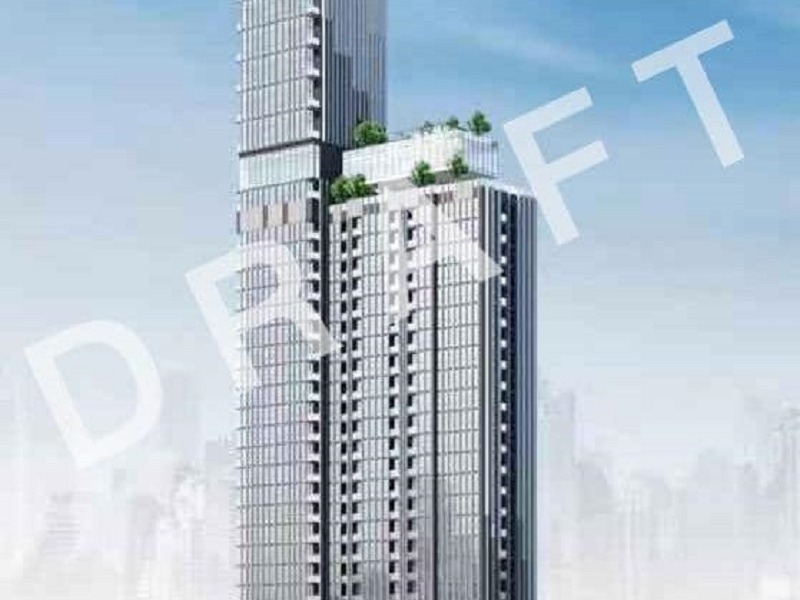
For a foreign buyer, the useful test is whether the luxury premium is attached to scarcity that another buyer will recognise later. A famous road, a park edge, a branded service model or a large-format layout may justify a premium if the resale audience is deep enough. A decorative lobby or generic luxury language does not. In a cautious market, the best projects should still be able to explain their pricing through location, design, management and owner profile.
Read tourism as support, not proof
CBRE also noted that Thailand received 9.3 million international arrivals in the first quarter of 2026, although arrivals were lower year on year. Tourism remains relevant to Bangkok property because it supports hotels, serviced apartments, retail, restaurants, healthcare, transport and short business trips. It also introduces many repeat visitors to Bangkok neighbourhoods before they become buyers.
However, tourism should be treated as a support signal rather than proof of a condo investment. A visitor count does not tell you whether a specific one-bedroom unit can find a tenant, whether a building allows the intended lease structure, or whether the owner can exit at a sensible price. The link between tourism and condominium demand is strongest in districts with repeat international usage, not in isolated buildings sold only on skyline images.
The practical buyer checklist
- Check completed resale alternatives before reserving in a new launch.
- Ask how many units have sold to cash buyers, Thai mortgage buyers and foreign buyers.
- Model rent at a conservative level, including vacancy, common fees and furnishing.
- Compare future supply within the same tenant catchment rather than only the same road.
- Read foreign quota availability and transfer timing before paying a large deposit.
- Test the exit audience: owner-occupier, landlord, expatriate tenant or future foreign buyer.
This checklist keeps the market story grounded. A cautious launch environment may create a better negotiation setting, but the owner still lives with the specific building. If common areas are poorly maintained, if the unit layout is awkward or if transport access is weaker than the sales presentation suggests, the macro story will not rescue the purchase.
Where buyers can still find strength
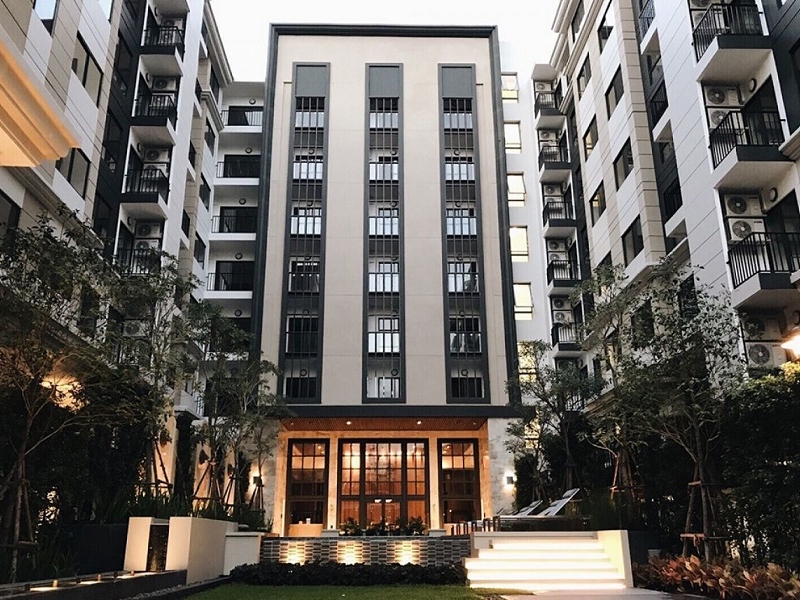
The stronger opportunity is likely to sit in buildings that solve daily life. Look for walking access to BTS or MRT, hospitals, schools, offices, premium retail, parks and reliable property management. In a slower launch market, these foundations matter even more because buyers and tenants become less forgiving. A unit that is easy to live in and easy to explain should hold attention better than a speculative location waiting for a future story to arrive.
Foreign buyers should also keep currency and holding period in the model. A good Bangkok purchase is rarely a quick flip. It usually needs a clear use case, a realistic rental plan, a medium-term hold and a disciplined entry price. The 2026 launch signal supports patient, evidence-led buying rather than aggressive speculation.
Buyer takeaway
Bangkok’s Q1 2026 launch restraint is a useful market signal because it shows caution and selectivity. It does not remove the need for due diligence. Foreign buyers should use the slower launch environment to negotiate carefully, compare completed buildings and choose assets with durable daily demand.
IBP can help overseas buyers compare launch stock, resale opportunities and district pipeline risk before committing funds. Review our Bangkok investment analysis or contact IBP Real Estate for a buyer shortlist.