
Bangkok Healthcare Access Living Guide For Expats
Healthcare access is one of Bangkok’s understated advantages for foreign condo buyers. The city is known for food, shopping, hotels and transport, but many long-stay residents make their location decision around something more practical: how quickly they can reach a trusted hospital, specialist clinic, pharmacy, dentist, insurer or health check-up centre.
This matters for retirees, families, frequent travellers, executives and part-time owners. A condo may be beautiful, but if every hospital visit requires a difficult cross-city journey, the lifestyle becomes less comfortable. For investors, healthcare access can also support tenant demand from expatriates who want Bangkok to feel organised from the first week.
Why Bangkok feels reassuring to many expats
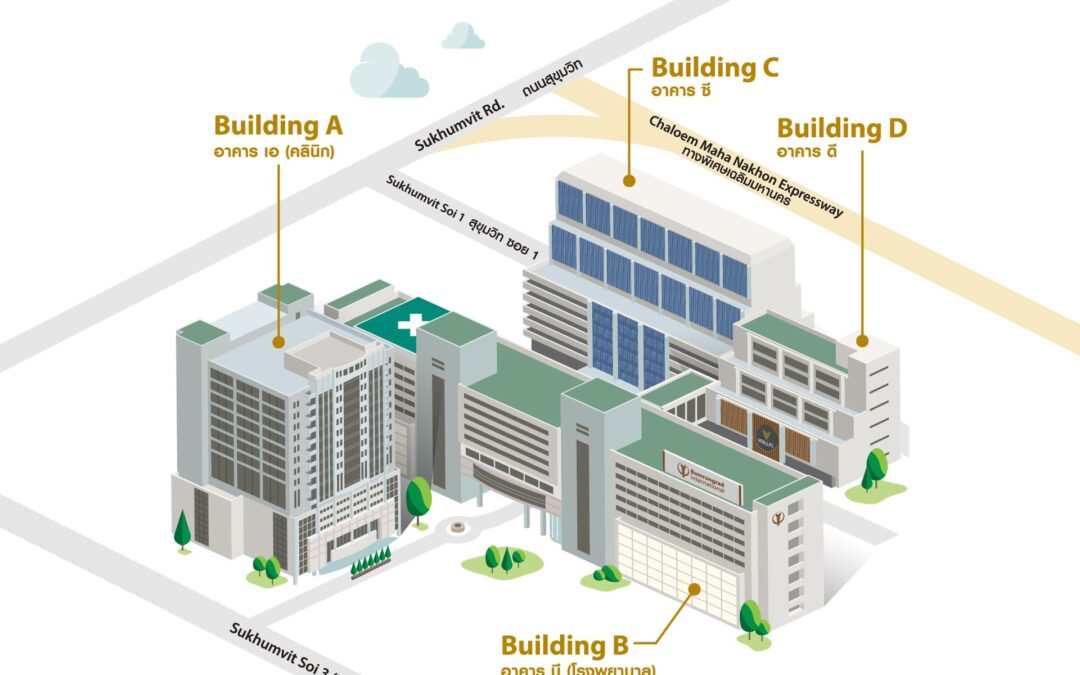
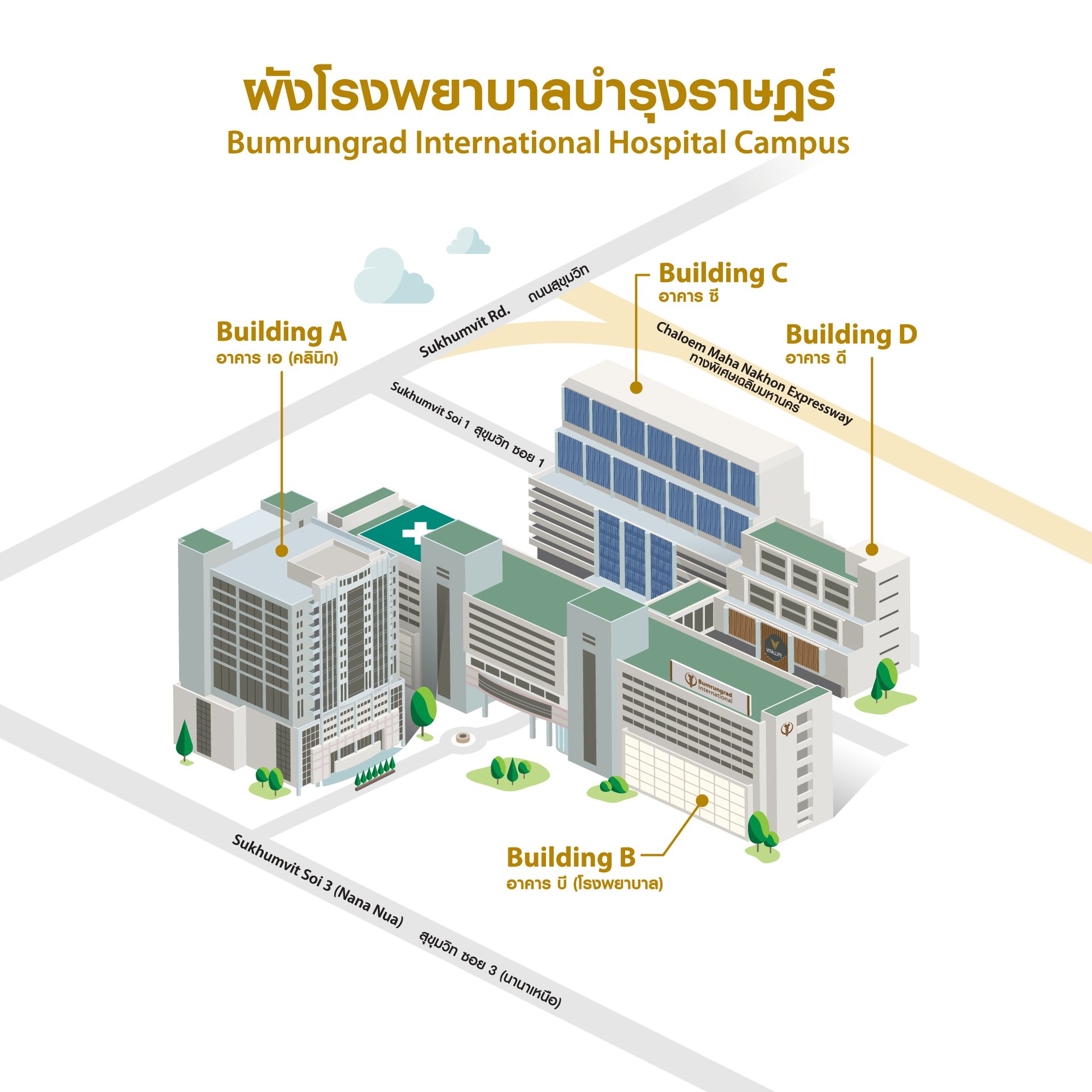
Bumrungrad International Hospital describes itself as a multi-specialty hospital in central Bangkok, founded in 1980, and says it cares for more than 1.1 million patients from more than 190 countries annually. Bangkok Hospital says it was established in 1972 and has expanded into tertiary care with dedicated cancer and cardiology facilities. Samitivej Sukhumvit Hospital, on Sukhumvit Soi 49, describes itself as a 275-bed tertiary hospital with more than 400 care specialists and a patient base that includes expatriates and medical travellers.
For a foreign buyer, the significance is not ranking hospitals against each other. It is the density of options. Central Bangkok offers international-standard private hospitals, specialist centres, dental clinics, pharmacies, physiotherapy, wellness services and insurer coordination within a relatively compact urban area. That depth helps Bangkok compete as a long-stay base, not only as a holiday city.
Districts that work well for healthcare access
Nana, Ploenchit, Chit Lom and Asok are convenient for buyers who prioritise access to Bumrungrad, embassies, hotels, BTS and central offices. Phrom Phong and Thonglor are practical for Samitivej Sukhumvit, Japanese community services, international restaurants and family routines. Rama 9, Phetchaburi and parts of Huai Khwang can be useful for access toward Bangkok Hospital and the wider medical campus around New Petchburi Road.
Sathorn and Silom buyers may choose a different balance: office access, schools, embassies, Lumpini Park, BNH Hospital and expressway routes. The right district depends on the household’s actual pattern. A retiree who needs regular specialist appointments may choose differently from a family that needs paediatrics, schools and weekend malls.
What to check before choosing a condo
Do not assess healthcare access by map distance alone. Bangkok traffic can change a short route into a stressful journey. Test the route during weekday traffic, rainy season conditions and late evening. Check whether the building has reliable taxi access, clear drop-off, nearby pharmacies and enough parking if the household uses a car.
Insurance also matters. Expats should confirm which hospitals are in-network, whether direct billing is available, how emergency treatment is handled, and whether pre-authorisation is needed for planned procedures. A condo near a preferred hospital is less useful if the owner’s insurance workflow points somewhere else.
Useful buyer questions
- Which hospital would you use for emergency care, routine appointments and specialist treatment?
- Can you reach that hospital easily by car, BTS, MRT or taxi during peak hours?
- Are pharmacies, clinics, dentists and physiotherapy services nearby?
- Does the building allow simple ambulance, taxi and visitor access?
- Will the location still work for schools, office commutes, groceries and airport travel?
- Is the unit suitable if a family member has mobility, recovery or elder-care needs?
Healthcare access and rental demand
Healthcare access can support leasing, but it should be described carefully. A unit near a hospital may suit medical professionals, visiting families, patients in recovery, embassy households, retirees or executives who value reassurance. It is not a guarantee of high rent. The unit still needs the right layout, furnishing, lease terms and building service.
For landlords, the safest approach is to match the unit to a realistic tenant profile. A compact, well-furnished unit near Nana or Ploenchit may suit a single professional or medical visitor. A larger unit around Phrom Phong or Thonglor may work better for a family that wants school, hospital and supermarket access together. Around Rama 9, buyers should compare hospital access with office demand, MRT convenience and local supply.

Buyer takeaway
Bangkok’s healthcare depth is one reason the city feels liveable for foreign owners. It reduces anxiety, supports ageing-in-place decisions, helps families settle and gives frequent travellers confidence that private medical services are close by. When combined with rail access, malls, schools, hotels and airports, it strengthens Bangkok’s case as a premium regional base.
IBP Real Estate can prepare a healthcare-access shortlist across Nana, Ploenchit, Asok, Phrom Phong, Thonglor, Sathorn and Rama 9 based on your hospital, school and commute priorities. Continue with our expat living guides and Bangkok liveability articles.