Global Wellness Day And Bangkok Property Confidence
Thailand’s wellness positioning is becoming part of the wider confidence story foreign property buyers watch. The Tourism Authority of Thailand marked Global Wellness Day 2026 on 14 June with Thai wellness experiences nationwide, including Bangkok activity on the Chao Phraya River.
This is not a direct condo-price signal. It is a softer but useful indicator of how Thailand presents itself to higher-value visitors, long-stay residents and internationally mobile households: hospitable, health-aware, culturally rooted and lifestyle-led.
What TAT Highlighted
TAT said Global Wellness Day 2026 was held under the #JoyMagenta theme and used the occasion to present Thailand as a leading destination for wellness and hospitality. The agency supported activities in Ko Samui and Bangkok, while hotels and wellness operators across the country also joined the movement.
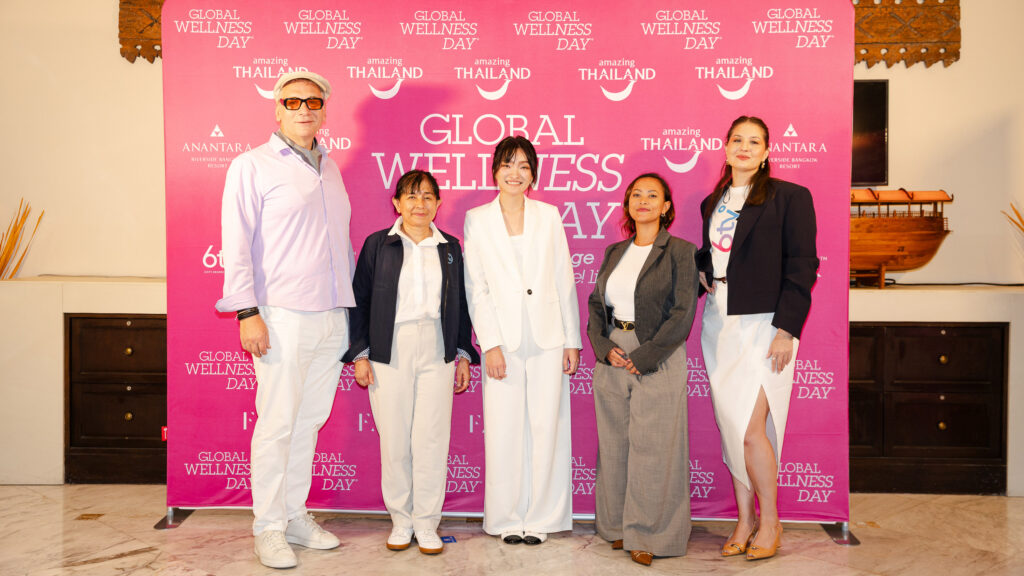
In Bangkok, TAT supported activities at Anantara Riverside Bangkok Resort on 13 June. The programme centred on Eastern wisdom and joyful living, with Thai and international participants exploring traditional healing knowledge, Thai botanicals, mindful movement and modern longevity practices in a riverside setting.
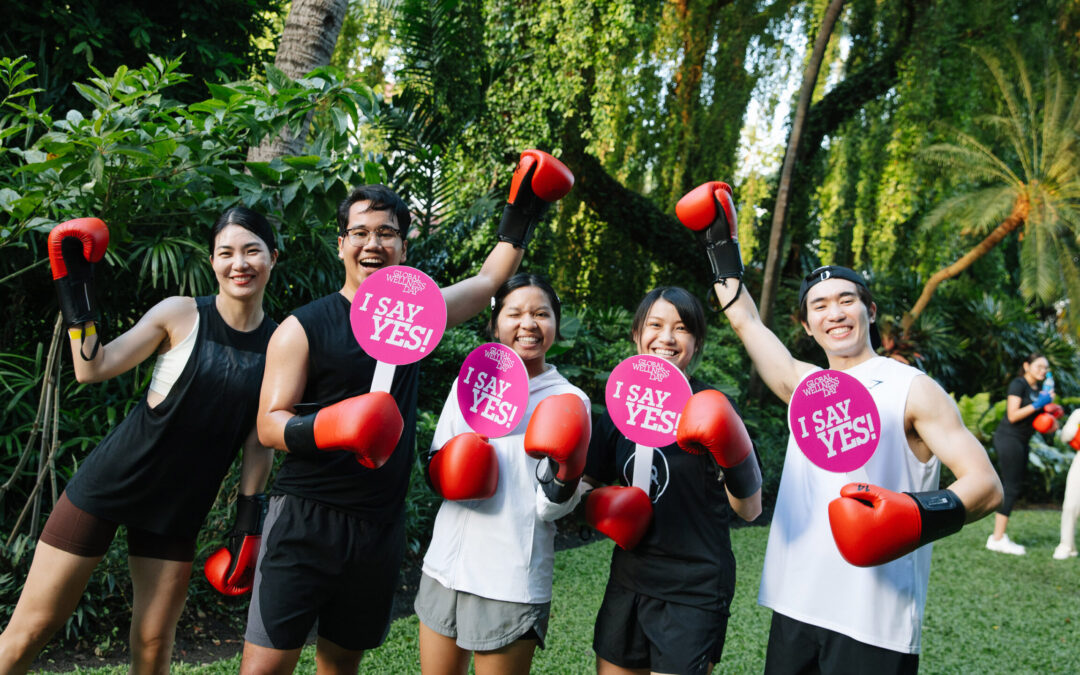
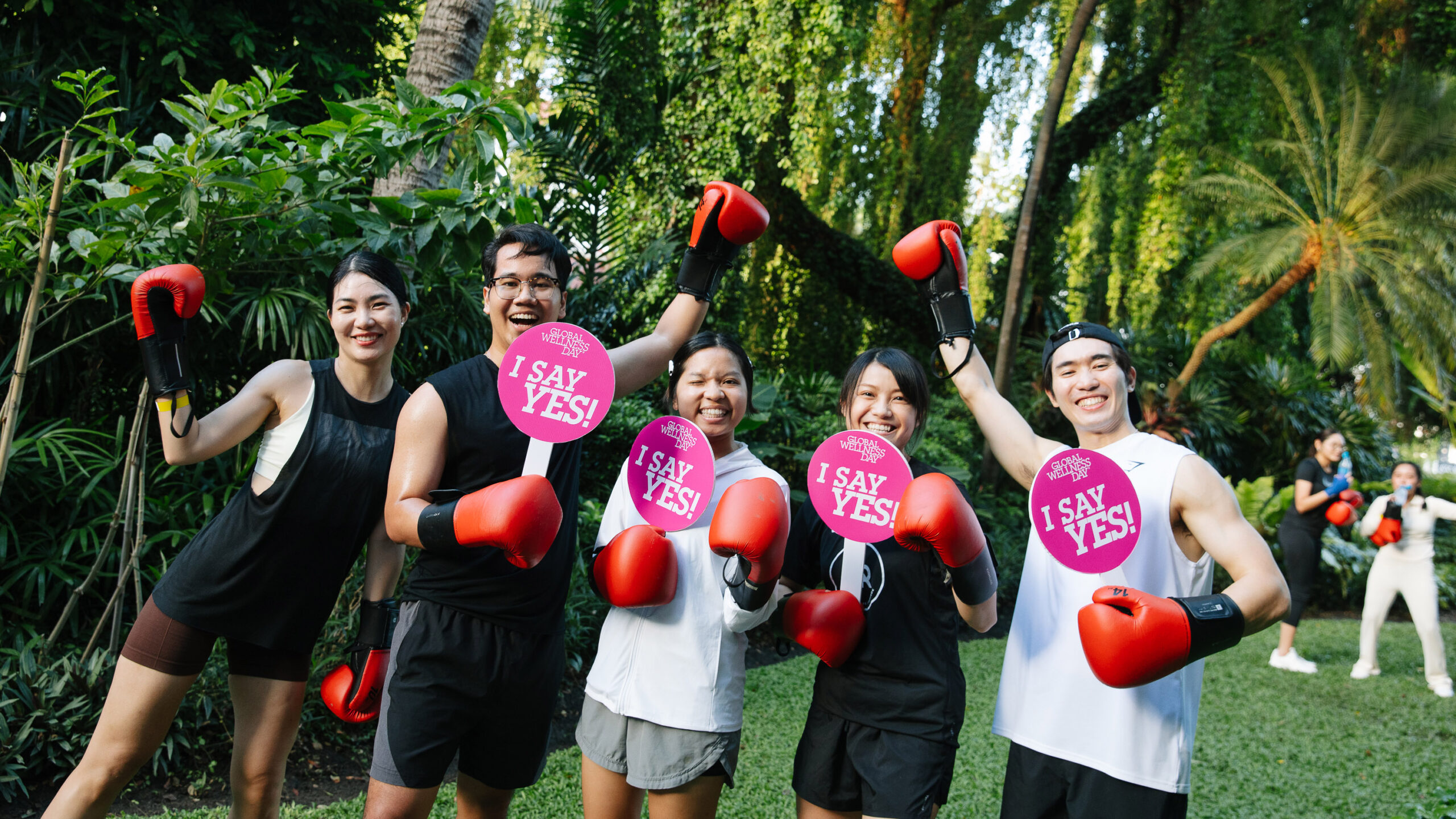
The Bangkok activities included herbal tea blending, selected Thai botanical ingredients, Muay Thai, Tai Chi, yoga and sound healing. For property buyers, the important point is the positioning: Bangkok is not only a business and retail city, but also a place where hospitality, healthcare and wellness routines are part of the urban offer.
Why Wellness Tourism Matters To Bangkok
Wellness tourism connects several Bangkok strengths. The city has international hospitals, hotels, spas, riverfront resorts, premium retail, restaurants, private clinics, fitness studios and serviced residences. These are not all property demand drivers by themselves, but together they make Bangkok easier to understand as a long-stay and repeat-visit city.
Foreign buyers often move from visitor to resident gradually. A first trip may be for leisure, medical care, business, school research or a family visit. If the city feels comfortable, service-led and easy to navigate, some buyers later consider a rental base, second home or investment condo.
The wellness story also supports districts that offer real daily convenience. A building near healthcare, parks, river access, gyms, restaurants and transport can turn a national tourism theme into a practical resident experience.

What Investors Should Not Assume
Wellness branding does not make every condo a good investment. Buyers should avoid turning a tourism theme into a blanket price assumption. A weak building, poor management, awkward route or overpriced unit will not be saved by national marketing.
The correct use of the signal is contextual. It can support confidence in Bangkok’s long-term lifestyle appeal, but the purchase still depends on title, foreign quota, building quality, common fees, rent evidence, tenant profile and resale depth.
Investors should also separate hotel and resort demand from residential demand. A wellness traveller may book a hotel or serviced apartment, while a condo tenant may need a very different package: privacy, transport, work space, internet, storage and practical management.
District Implications For Buyers
Districts with strong wellness relevance include riverside areas, central hospital corridors, park-adjacent neighbourhoods and mixed-use locations with reliable retail and dining. The strongest condos make these amenities easy to use without complicated travel.
For owner occupiers, the question is whether the district supports the life they want after the first few weeks. Can they reach healthcare, exercise, quiet space, food, transport and social routines comfortably? For investors, the question is whether the same features broaden the tenant pool and improve renewal prospects.
A buyer should therefore test the lifestyle in person. Visit the area in the morning, evening and weekend. Check routes to hospitals, parks, river piers, BTS or MRT, gyms and supermarkets. Wellness value is practical when it reduces friction in daily life.
Buyer Takeaway
TAT’s Global Wellness Day 2026 activity reinforces the direction Thailand wants to project: quality, hospitality, health and experience. For Bangkok property, that is a confidence backdrop rather than a purchase instruction.
Foreign buyers should use the signal to ask better questions. Which buildings actually benefit from Bangkok’s wellness and healthcare ecosystem? Which districts make healthy daily routines easy? Which units are priced as though a lifestyle premium is guaranteed when the evidence is still thin?
IBP tracks how tourism, infrastructure and lifestyle positioning connect to property decisions. Read more in our Thailand economy and investment news section or contact IBP for a buyer strategy session.