Foreign buyers often focus on purchase price, transfer costs and rental yield. Just as important are the recurring costs that keep a Bangkok condominium functioning after transfer. Common-area fees, sinking funds and juristic-person management can affect your net return, tenant satisfaction and resale value for years.
A condominium is not only a private unit. It is a shared building with lifts, corridors, security, parking, gardens, pools, gyms, fire-safety systems, insurance, staff, accounting and long-term maintenance needs. The juristic person manages those shared responsibilities. Before buying, foreign owners should understand how the building collects money, spends money and plans for future repairs.
Fee schedules, meeting minutes and juristic accounts should be reviewed before transfer, not after handover.
What common-area fees usually cover
Common-area fees are recurring payments from co-owners to support daily building operations. They may cover security guards, cleaners, juristic office staff, lift servicing, garden care, pool maintenance, lighting, waste management, pest control, building insurance, management software and small repairs. The exact structure varies by building, and buyers should never assume one condominium operates like another.
Fees are commonly calculated by ownership area, but the rate and payment cycle should be checked in the building documents. Some projects collect monthly, some quarterly and some annually. A lower fee is not automatically better. If fees are too low for the building age and facilities, maintenance may be deferred, which can later create special assessments or visible deterioration.
What the sinking fund is for
The sinking fund is intended for larger capital works and long-term repair needs. Examples may include lift replacement, facade work, major waterproofing, fire-safety upgrades, pump systems, roof repairs, car-park resurfacing or major mechanical and electrical replacement. In many purchases, the initial sinking-fund payment is collected at transfer or handover. In resale purchases, buyers should ask whether any further contributions have been approved.
The key question is not only whether a sinking fund exists. It is whether the fund is adequate for the age, size and technical condition of the building. A high-amenity tower with multiple lifts, pools and mechanical systems will usually need stronger long-term reserves than a smaller low-facility building.
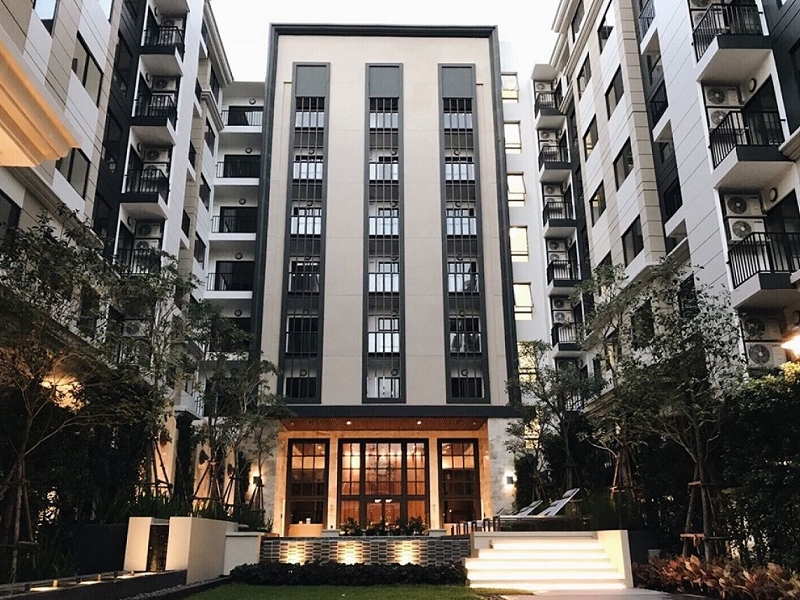
The quality of building management affects daily living, tenant appeal and long-term resale confidence.
Documents foreign buyers should request
Before signing a sale and purchase agreement, ask for the current common-area fee rate, sinking-fund status, recent annual meeting minutes, audited accounts if available, house rules, insurance information and any notice of approved or proposed major works. In a resale purchase, also ask the seller to provide a juristic clearance confirming there are no unpaid fees attached to the unit.
Meeting minutes are especially useful because they reveal what owners are arguing about and what costs may be coming. Repeated complaints about leaks, lift downtime, short-term rentals, parking shortages or unpaid fees can tell you more than a polished lobby photograph. Foreign buyers who cannot read Thai should have important documents translated or reviewed by a bilingual adviser.
Red flags in building management
Several warning signs deserve attention. A building with many unpaid co-owner fees may struggle to maintain standards. A very low sinking fund in an ageing tower may indicate future special collections. Poorly kept common areas can reduce tenant appeal. Frequent changes in management companies may suggest governance problems. A juristic office that cannot provide basic documents promptly may be disorganised.
Another issue is short-stay activity. Some buildings strictly enforce residential use, while others have recurring disputes about daily rentals. Foreign owners planning a long-term rental strategy should prefer buildings with clear rules and consistent enforcement. A building known for transient use may be less appealing to families, executives or long-stay tenants.
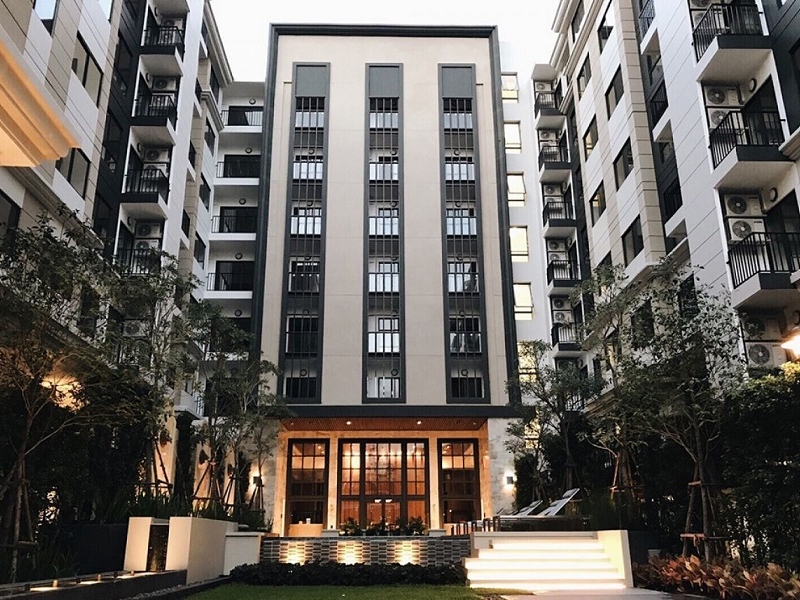
Unit condition and shared-building condition should be assessed together before a foreign buyer completes transfer.
How fees affect rental yield
Common-area fees reduce net yield directly. If two similar condos achieve the same rent, the one with higher recurring fees produces lower owner income. But the comparison should be fair. A well-managed building with slightly higher fees may command stronger rent, lower vacancy and better resale confidence than a cheaper building with visible neglect.
Foreign owners should include all recurring charges in their rental model. Add common fees, repair reserves, agency commission, vacancy allowance, insurance, tax advice and furniture replacement. A realistic model prevents disappointment and supports better negotiation at purchase.
Questions to ask before transfer
Ask whether the seller has paid all fees up to the transfer date. Ask whether any special assessment has been approved but not yet collected. Ask when the last major repair was completed and what major repair is expected next. Ask how many units are behind on common fees. Ask whether the building has a preventative maintenance plan for lifts, pumps, fire systems and facade issues.
It is also sensible to speak with the juristic office in person, where possible. The speed and clarity of their answers often reflect how the building is run. For overseas buyers, a local representative can perform this check during due diligence.
Why this matters for foreign owners
Foreign buyers usually spend less time inside the building before purchase than local residents do. That makes document review and management checks more important. A condo with weak governance can become difficult to rent, expensive to maintain and harder to sell. A building with transparent accounts, responsive management and realistic reserves is easier to hold from overseas.
IBP legal and due-diligence guides cover more ownership checks for overseas buyers. Invest Bangkok Property can help you compare buildings, check documents and connect Bangkok market themes with unit-level due diligence before you commit capital.
For many foreign buyers, the most stressful part of buying a Bangkok condominium is not choosing the building. It is moving the money correctly. Thailand’s condominium ownership rules require foreign buyers to prove that the purchase funds were brought into Thailand from overseas in foreign currency, with appropriate bank evidence available for Land Office registration.
That evidence is often discussed as the FET form, or Foreign Exchange Transaction Form. The details can feel technical, but the principle is simple: the Land Office and the receiving bank need a clean trail showing who sent the funds, who received them, what currency arrived, how it was converted and why the money came into Thailand.
The fund-transfer trail should be planned before a buyer signs a Bangkok condo purchase contract.
What The FET Form Is Trying To Prove
The FET form is not a sales document and it is not a substitute for a legal review. It is bank evidence that supports the foreign buyer’s right to register condominium ownership. Thailand.go.th explains that foreign residents wishing to purchase a condominium must transfer money from abroad and bring it into Thailand in foreign currency, with the transfer purpose stated clearly.
For a buyer, the practical aim is to make the paper trail easy to understand. The bank certificate should connect the overseas transfer to the buyer, the condominium, the unit and the purchase amount. If the sender name, receiver name or transfer purpose is vague, the Land Office process can become slower and more vulnerable to last-minute queries.
This is why the transfer instruction matters. A buyer should normally include wording that identifies the purpose as a condominium purchase, the project name, unit number and buyer’s full name. Exact wording should be checked with the receiving bank and lawyer before sending funds, because bank systems and Land Office expectations can vary.
When To Talk To The Bank
The bank conversation should happen before the first major transfer, not after the money has arrived. Ask the receiving Thai bank what documentation it will issue, what threshold applies for an FET form, what it provides for smaller transfers, and whether the buyer must appear in person to request documents. Keep written confirmation where possible.
Buyers using a developer payment plan should be especially careful. Several instalments may be sent over time, and the total evidence needs to cover the purchase price being registered. If funds are sent through different banks or accounts, the paperwork can become harder to assemble. A clean, consistent process is usually worth more than marginal exchange-rate convenience.
If a spouse, parent, company or family office is involved in sending money, get legal advice before transferring. The name on the bank evidence should support the name that will appear on the title deed. A mismatch can be fixable in some cases, but it may require extra documents and can create avoidable risk close to transfer day.
Bank certificates, transfer references and buyer names need to match the Land Office registration file.
Common Mistakes Foreign Buyers Should Avoid
The first mistake is sending Thai baht from overseas rather than foreign currency to be converted in Thailand. Another is sending money without a clear condominium purchase purpose. A third is allowing the developer, agent or another person to receive funds without understanding how the bank evidence will be issued and whether it will satisfy registration requirements.
Buyers should also avoid treating booking fees and deposits casually. Small initial payments can still become part of the overall transaction record. If the buyer later needs to reconcile all payments, missing receipts, vague references or cash-style payments can make the file less tidy. Every payment should have a receipt, a bank reference and a clear purpose.
Finally, do not assume that a bank can recreate perfect evidence after the fact. Banks can issue confirmations, but they can only certify what their records show. If the original transfer purpose was incomplete, or the money came through an unexpected route, the buyer may need extra explanations and supporting documents.
How The FET File Fits With Foreign Quota
The fund-transfer evidence is only one part of the foreign ownership check. A condominium building also has a foreign ownership quota, commonly discussed as the 49 percent limit by total unit area. Before paying a non-refundable deposit, a buyer should confirm with the juristic office or developer that foreign quota is available for the exact unit being purchased.
For resale purchases, quota confirmation should be current and specific. A building may have had foreign quota available in the past but not at the time of transfer. The seller, agent, juristic office and lawyer should coordinate early so the buyer is not arranging international transfers for a unit that cannot be registered in foreign freehold.
In off-plan purchases, the contract should be reviewed for payment milestones, refund rights, quota reservation language, transfer timing and what happens if completion is delayed. A strong developer reputation helps, but the buyer still needs documentary protection and a clear process for receiving bank evidence for each instalment.
A smooth transfer depends on aligning payment timing, foreign quota checks and handover documents.
A Transfer-Day Checklist
Before transfer day, assemble the passport, sale and purchase agreement, title or unit documents, bank certificates, receipts, foreign quota confirmation, power of attorney if used, spouse documents if relevant, and any bank letters for smaller remittances. Ask your lawyer or representative to review names, passport numbers and spelling across every document.
Confirm who will attend the Land Office, who will bring cashier cheques, who will pay transfer costs and taxes, and when keys, access cards and management documents will be released. The financial paperwork should sit beside the practical handover file, not in a separate last-minute scramble.
After completion, keep originals and digital scans. FET-related evidence can be relevant later if the buyer sells and wants to remit proceeds overseas. The value of a clean file is not only that it helps the purchase close; it also supports a smoother exit strategy years later.
Buyer Takeaway
A Bangkok condo purchase is safer when the money trail is planned from the start. Before sending funds, align your lawyer, bank, agent and developer on the exact transfer wording and evidence required. IBP can coordinate the property side of the process and help you ask the right questions before a payment becomes difficult to unwind.