Foreign buyers often start with practical questions: Can I own the condo? What is the rental yield? Is the district connected to BTS or MRT? Those questions are essential. But long-term satisfaction in Bangkok also depends on whether the city feels easy, interesting and socially alive. Culture and wellness events are part of that liveability picture.
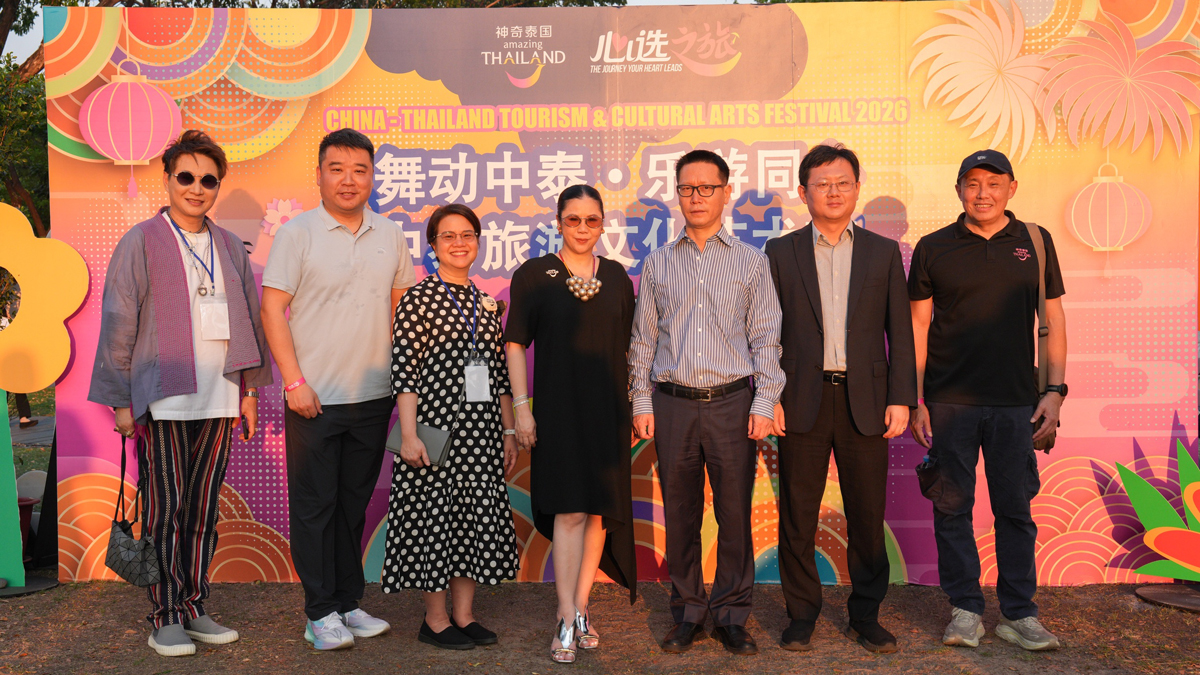
Cultural programming helps foreign residents understand Bangkok as a social and liveable city.
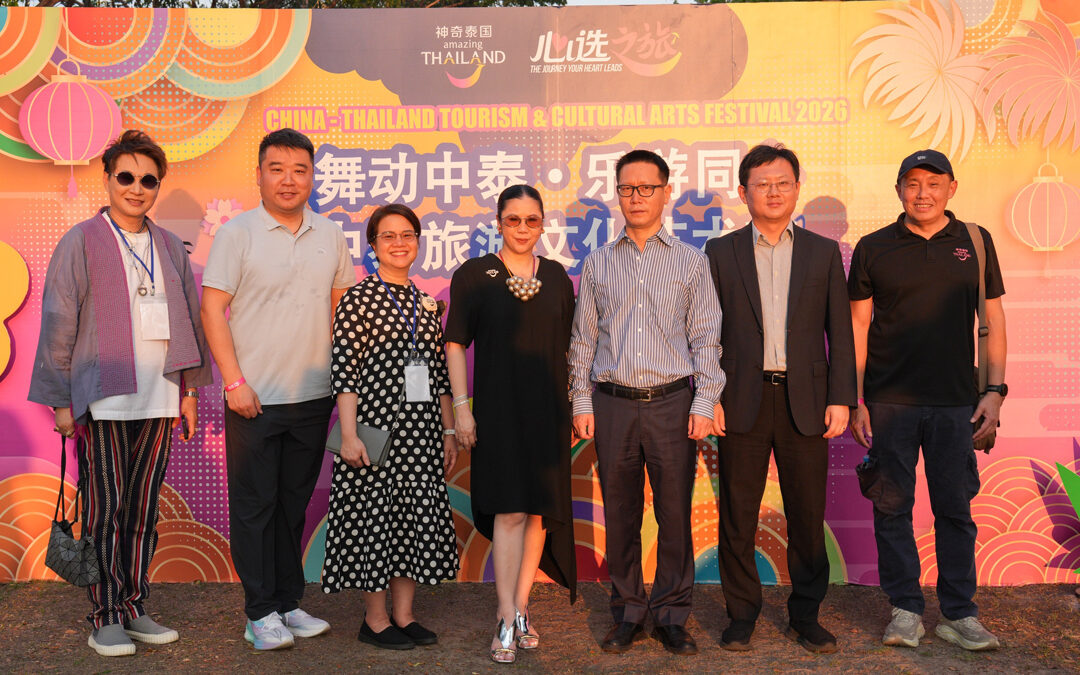
On 27 March 2026, TAT presented the China-Thailand Tourism & Cultural Arts Festival 2026 at Chulalongkorn University’s Centenary Park. TAT reported that the Bangkok event welcomed more than 1,000 guests and highlighted wellness offerings, Thai healing traditions, cultural performances, food, craft sessions and Thailand-China tourism ties. For property buyers, the point is not the event alone. It is what the event says about Bangkok’s urban lifestyle.
Bangkok is attractive to many foreign owners because it combines convenience with texture. A resident can move between hospitals, malls, parks, temples, galleries, restaurants, schools, embassies, hotels and neighbourhood food streets in the same week. That breadth supports the city’s appeal as a second home, retirement base, family relocation option or long-stay investment market.
Why culture matters to property decisions
Culture gives a district identity beyond transport. A condo near good rail access may be practical, but a condo near parks, campuses, galleries, food streets and regular events can feel more complete. That matters for owners who plan to live in Bangkok part time, and for tenants who want a city lifestyle rather than only a room close to work.
Events also help newcomers settle. A foreign resident who can easily find food festivals, wellness workshops, performances, exhibitions and family-friendly public spaces may be more likely to extend a stay. For landlords, that can widen the tenant audience from short assignments to people who genuinely want Bangkok as a base.
Performances, food and craft activities give Bangkok districts a richer everyday identity.
Wellness as a liveability signal
Wellness is not limited to spas or medical tourism. It includes walkable parks, access to fitness, healthy food, preventive healthcare, stress management and social activities that make city life easier. Bangkok has been building this story through private hospitals, wellness clinics, hotel facilities, parks and tourism campaigns that connect Thai culture with well-being.
For buyers, this means the surrounding neighbourhood should be assessed like a weekly routine. Is there a park or quiet walking route? Are groceries, clinics and gyms easy to reach? Can visitors and family members enjoy the area without constant car dependency? Does the building support calm daily living, or does it only offer an impressive lobby?
Where this fits in Bangkok
Chulalongkorn University’s Centenary Park is a useful example because it sits within a broader central-city ecosystem. Siam, Ratchaprasong, Silom, Rama IV, Sathorn and Samyan all offer different combinations of education, business, retail, culture and transport. These areas can appeal to buyers who want Bangkok to feel global without losing local character.
Other districts can offer similar liveability in different ways. Phrom Phong has park and retail convenience. Ari has cafes and a softer residential rhythm. Riverside areas offer heritage and hotel dining. Thong Lo and Ekkamai add restaurants, clinics and lifestyle services. The right choice depends on how the owner or tenant will actually spend the week.
Wellness and culture are increasingly part of the city’s long-stay appeal.
A simple buyer checklist
Walk the neighbourhood on a weekday evening and a weekend afternoon.
Check access to parks, clinics, groceries, restaurants and rail connections.
Ask whether the building feels calm enough for long stays.
Compare lifestyle convenience with the actual rent or resale premium.
Choose a unit that matches a real resident profile, not only a district name.
Lifestyle should not replace due diligence. The buyer still needs to check title, foreign quota, payment trail, common fees, building rules and management quality. But once those basics are sound, liveability can be the difference between a condo that looks good on paper and one that people want to use repeatedly.
Buyer takeaway
Bangkok’s culture and wellness calendar supports the city’s long-stay appeal. For foreign buyers, that appeal can strengthen both personal enjoyment and rental logic when it is matched with a practical district and a well-managed building.
IBP can help buyers compare lifestyle fit alongside legal and investment checks. Explore our Bangkok lifestyle guides or contact IBP Real Estate for neighbourhood advice.
Healthcare access is one of Bangkok’s strongest liveability advantages, but many property buyers only think about it after they move in. For foreign buyers, it should be part of the condo shortlist from the beginning. A good Bangkok home is not only close to rail, restaurants and shopping; it should also make routine check-ups, emergency care, insurance coordination and family medical needs manageable.
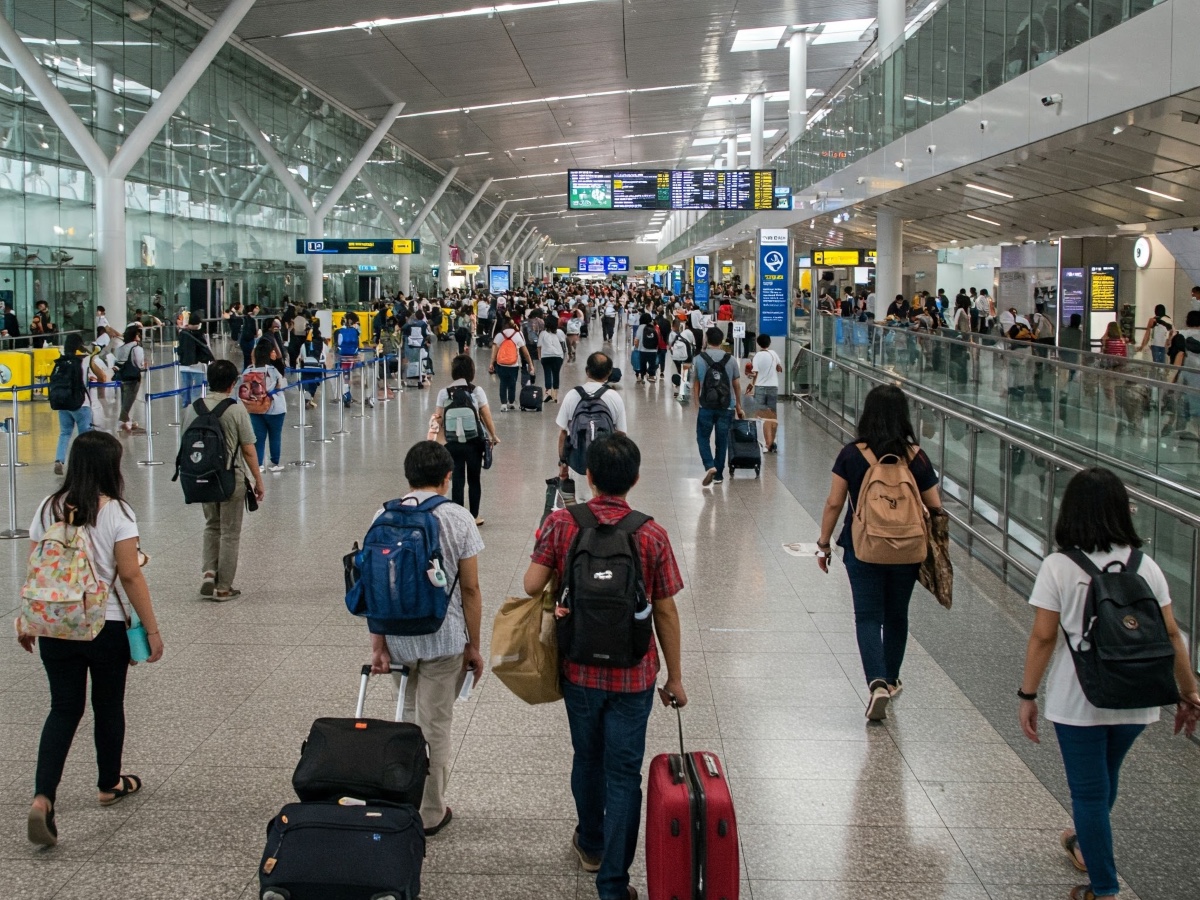
A liveable Bangkok address should make healthcare, groceries and daily transport easy to reach.
Bangkok’s private healthcare ecosystem is a major reason the city works for retirees, medical visitors, regional families and long-stay expatriates. Bumrungrad International Hospital’s own site highlights specialist centres, medical travel services, insurance information and 24-hour contact channels, while Bangkok Hospital’s Expat Care Center describes services for expats and families, dedicated case managers and care from primary to specialised medicine. These services help explain why healthcare access can influence property demand.
Why healthcare changes the property brief
A buyer who visits Bangkok twice a year may prioritise airport access, hotel-style facilities and restaurants. A buyer planning to live in the city for months at a time needs a different checklist. The practical questions become more personal: how quickly can I reach a hospital, where is the nearest clinic, can I arrange follow-up appointments, and will my insurer recognise the provider?
Families with children may value paediatrics, dental care, vaccinations and emergency routes. Retirees may focus on cardiology, orthopaedics, screening and medication management. Remote workers may care about routine health checks, physiotherapy, fitness and mental-health support. The right district depends on the resident’s health profile and daily habits.
Regional connectivity supports Bangkok’s role as a healthcare and long-stay base.
Districts to think about
Lower Sukhumvit and Phrom Phong work for buyers who want access to major private hospitals, supermarkets, BTS, restaurants and international services. Asoke and Rama IV can suit residents who want rail connectivity plus access to Benjakitti Park and central medical facilities. Sathorn and Silom appeal to buyers who want business access, BNH Hospital, Lumpini Park and an established expat rhythm.
Ari and Phaya Thai offer a more neighbourhood-led lifestyle with BTS access and routes to central hospitals. Bang Na can make sense for families who need schools, hospitals, malls and easier access to the eastern side of the city. Riverside addresses may suit buyers who value hotels, slower scenery and access to central hospitals by car, but commute times should be tested carefully.
What to inspect before buying
Travel time to the preferred hospital during weekday traffic, not only on a quiet Sunday.
Availability of nearby clinics, pharmacies, dentists and physiotherapy.
Whether the building has reliable lifts, security, drop-off access and visitor parking.
How easily an ambulance or ride-hailing car can reach the entrance.
Noise, air quality, daylight and walkability for daily wellbeing.
The building matters as much as the district. A condo with poor lift management, difficult parking or awkward drop-off access can be frustrating for older residents or families with children. A well-managed building near a hospital, supermarket and park can feel calmer and more practical even if it is not the newest tower in the area.
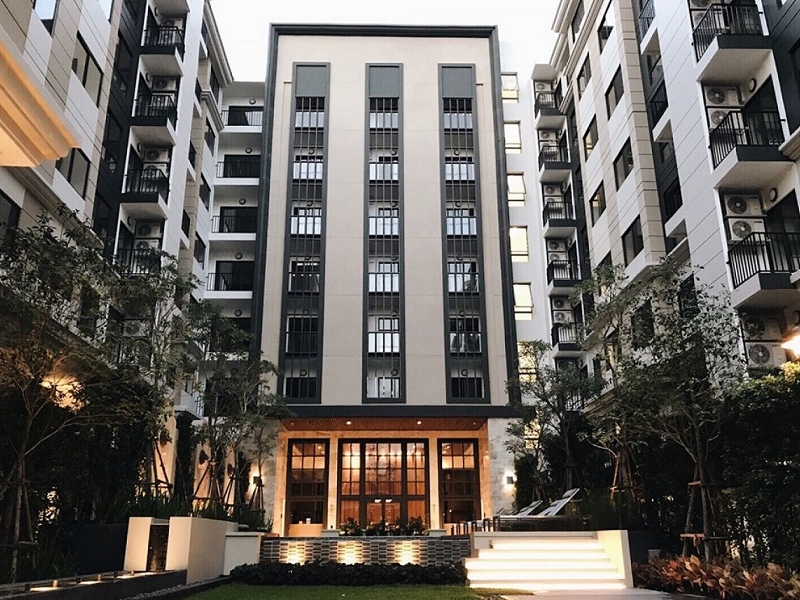
Condo choice should match the resident’s weekly routine, not just the showroom impression.
Healthcare and rental demand
Healthcare access can also support rental depth. Tenants connected to hospitals may include medical visitors, relatives, doctors, consultants, international patients, retirees and families who want dependable care nearby. This does not mean every unit near a hospital is a good investment. It means the buyer should understand whether healthcare is one of several real demand drivers in the district.
The strongest locations usually combine healthcare with transport, daily retail, restaurants, schools or parks. A unit that depends only on a hospital story may be too narrow. A unit that sits within a broader liveability cluster can appeal to more residents and future buyers.
Buyer takeaway
Bangkok’s healthcare ecosystem is part of the city’s premium living proposition. It supports confidence for people who want Thailand as a second home, retirement base, family location or regional medical hub. But buyers should translate that advantage into practical property decisions: travel times, building access, insurance needs, daily routines and long-term comfort.
A good condo should make life easier when everything is normal and when something urgent happens. That is the real value of healthcare access. For foreign buyers, it is not a soft lifestyle extra; it is a core liveability check.
IBP can help buyers compare Bangkok districts by healthcare access, transport and expat liveability. Browse our expat living guides or contact IBP Real Estate for a practical shortlist.
Bangkok property buyers often talk about transport, price per square metre and rental yield. Those are important, but they do not explain the whole appeal of living in Bangkok. The Tourism Authority of Thailand’s 2026 Healing Journey Thailand campaign is a useful reminder that Thailand’s premium positioning increasingly includes wellness, culture and restorative travel, not only sightseeing.
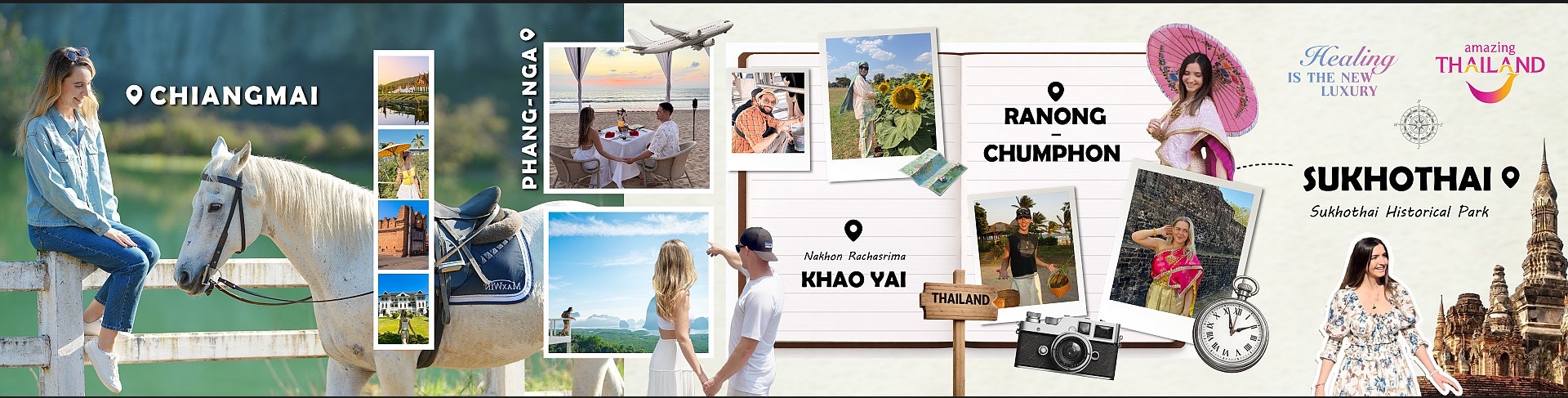
Thailand is positioning wellness and meaningful travel as part of its premium visitor appeal.
TAT announced the campaign on 16 March 2026, describing a global wellness-led initiative guided by the idea that healing is a new form of luxury. The campaign uses international creators, including British singer-songwriter Henry Moodie, to present Thailand through culture, nature, food, wellness and emotional travel experiences. For Bangkok buyers, the relevance is practical: the same qualities that attract purposeful travellers can also support long-stay residents and tenants.
Why wellness matters to property buyers
Wellness is not only a spa treatment. For a resident, it can mean access to parks, private hospitals, healthy dining, gyms, clinics, walkable routines, meditation spaces, cultural activities and a city rhythm that allows both work and recovery. Bangkok has become stronger in this area over the past decade, with expanded parks, better wellness studios, international medical services and more lifestyle-led retail.
Foreign buyers should care because tenants and owner-occupiers increasingly choose districts based on daily quality of life. A condo near rail, a park, a hospital, supermarkets and good dining may rent more consistently than a unit that only offers a view or a low entry price. Wellness-led demand is also relevant for retirees, medical visitors, remote workers and regional families who spend extended periods in the city.
Wellness-led tourism supports the same lifestyle strengths that make Bangkok attractive for long stays.
Bangkok’s wellness advantages
Bangkok is not a beach resort, but it has several wellness advantages for urban living. The city offers internationally recognised hospitals, dental and specialist clinics, fitness studios, pilates, yoga, boxing, physiotherapy, traditional Thai massage, hotel wellness programmes and healthy dining across many neighbourhoods. Buyers who choose the right location can turn those services into an easy weekly routine.
Green space is also becoming more important. Benjakitti Park, Lumpini Park, the Green Bridge connection, riverside walking routes and neighbourhood parks all influence how residents feel about a district. A buyer who wants to live in Bangkok for several months each year should test morning and evening routines, not only the showroom.
Districts that fit wellness-led living
Lumphini and Wireless Road suit buyers who want park access, embassies, hotels and central services. Asoke and Sukhumvit 16 can work for residents who want Benjakitti Park, BTS, MRT and business access. Phrom Phong and Thonglor offer dining, clinics, supermarkets and family-oriented lifestyle services. Riverside areas add hotels, heritage, slower scenery and access to cultural routes.
Ari and Phaya Thai offer a different wellness rhythm: cafés, smaller streets, BTS access and a less formal residential feel. Bang Na may suit families who need international schools, hospitals, larger malls and easier routes to the eastern corridor. The right district depends on the resident’s routine, not only its reputation.
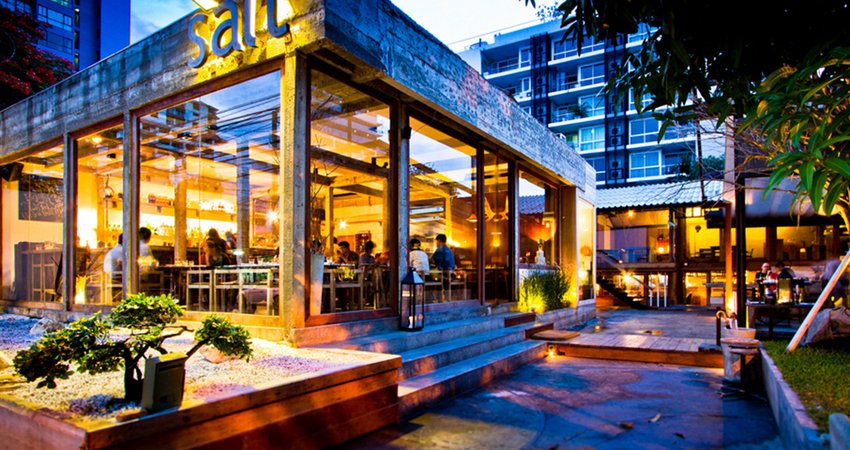
Culture, food, healthcare and soft lifestyle services all shape Bangkok’s liveability story.
What to inspect in a condo
Walking route to parks, gyms, supermarkets and daily dining.
Noise, air-conditioning quality, daylight and balcony usability.
Building facilities that residents genuinely use, not only impressive brochure images.
Access to hospitals, clinics and pharmacies for long-stay comfort.
Rules around pets, visitors, short stays and quiet hours.
Wellness-led buying also changes how investors think about furnishing. A unit aimed at long-stay tenants should feel calm and practical. Good mattresses, blackout curtains, air purifiers where appropriate, work space, storage and a functional kitchen can matter more than decorative luxury.
Why this supports Bangkok confidence
Campaigns such as Healing Journey Thailand keep the country visible to travellers who value quality, health and culture. Bangkok is often the gateway where those travellers first experience Thailand’s services. Some return as repeat visitors, seasonal residents, retirees, medical visitors, students or investors. That repeat relationship is part of Bangkok’s property appeal.
The investment conclusion is simple. Buy where the lifestyle can be lived easily. A wellness story is strongest when the building, district and transport make daily life smooth. If the resident must fight traffic, poor pavements or weak building management every day, the marketing promise disappears quickly.
IBP can help foreign buyers compare Bangkok districts by liveability, wellness access and rental demand. Browse our Bangkok lifestyle coverage or contact IBP Real Estate for a practical district shortlist.