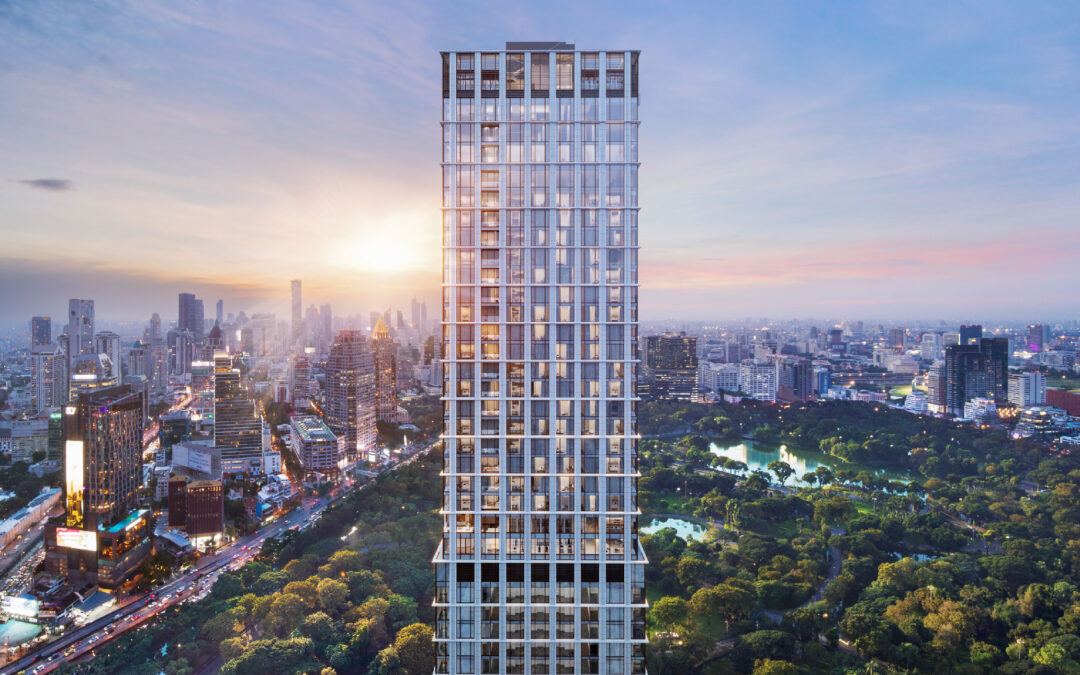
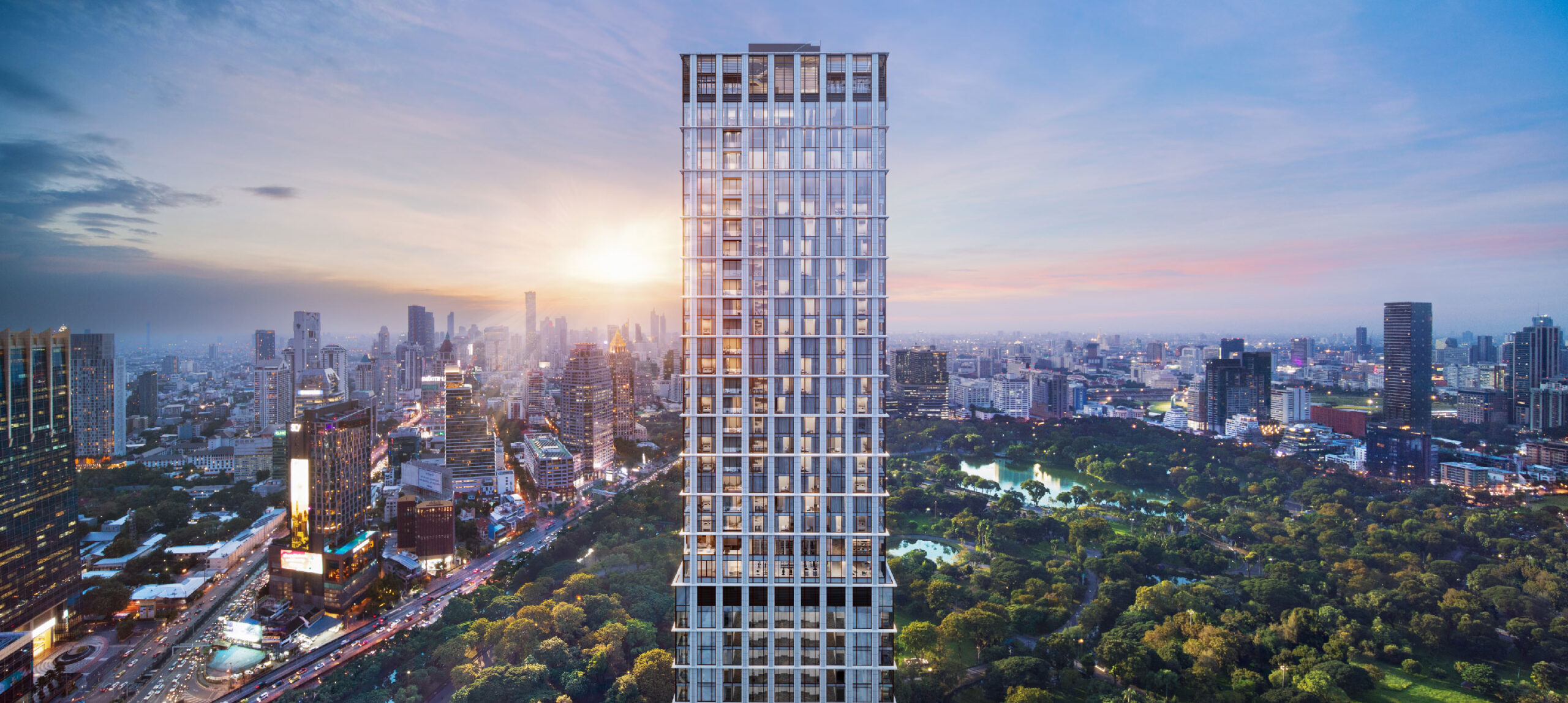
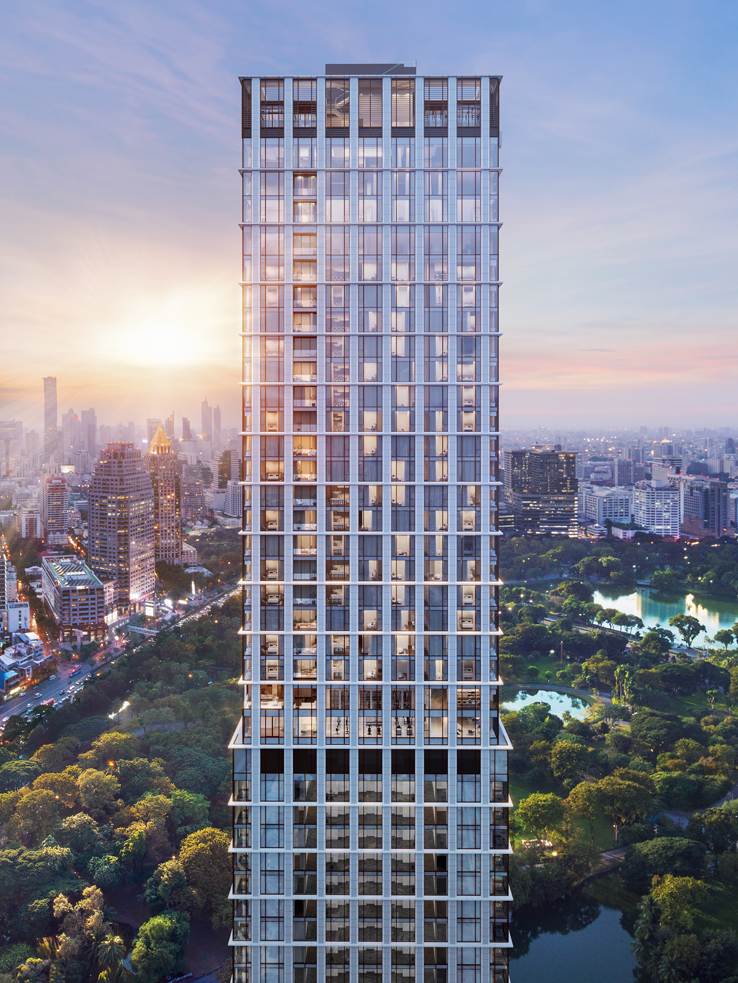
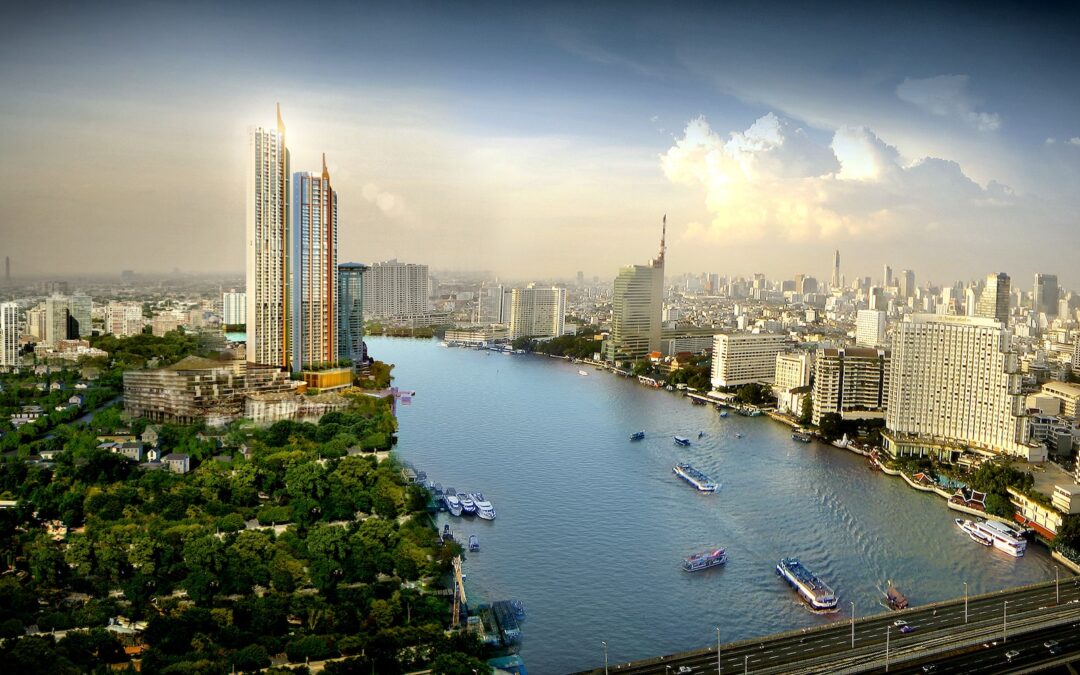
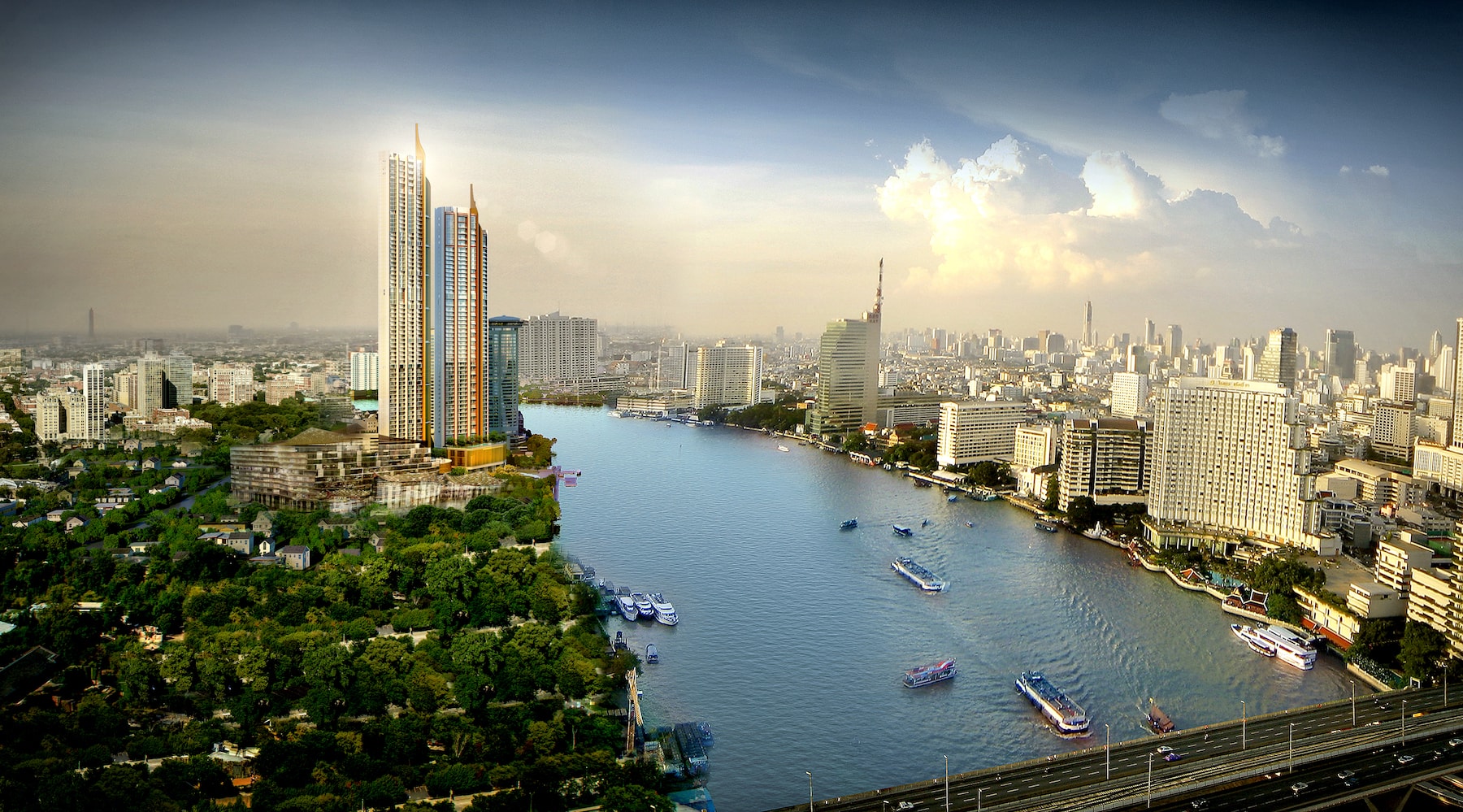
ONE89 Wireless is one of the clearest examples of how Bangkok’s premium condominium market is moving beyond a stand-alone tower story. It sits within One Bangkok, a large mixed-use district on Wireless Road, and is presented by the developer as part of a residential collection connected to offices, retail, hospitality, public space, culture and views towards Lumphini Park.
ONE89 Wireless is positioned around One Bangkok’s central mixed-use setting and Lumphini Park outlook.
For foreign buyers, that setting is the main point of interest. The question is not simply whether ONE89 Wireless looks luxurious. The more useful question is whether its location, ownership structure, amenity promise, mixed-use environment and resale audience fit the buyer’s long-term plan.
What the official project positioning says
One Bangkok’s residences page describes its residential offering as being in the heart of Bangkok with views of Lumphini Park and the city skyline. It lists ONE89 Wireless alongside EI8HTEEN SEVEN as part of the residence collection. The ONE89 Wireless page says the tower is designed by Skidmore, Owings & Merrill and will house 90 bespoke condominium residences with a focus on holistic quality of living and sustainable standards.
Those official points shape the buyer analysis. A low-density luxury tower within a major mixed-use district has a different appeal from a conventional high-rise on a side street. It may attract buyers who value address, architecture, services, park outlook, privacy and long-term district infrastructure more than maximum space per baht.
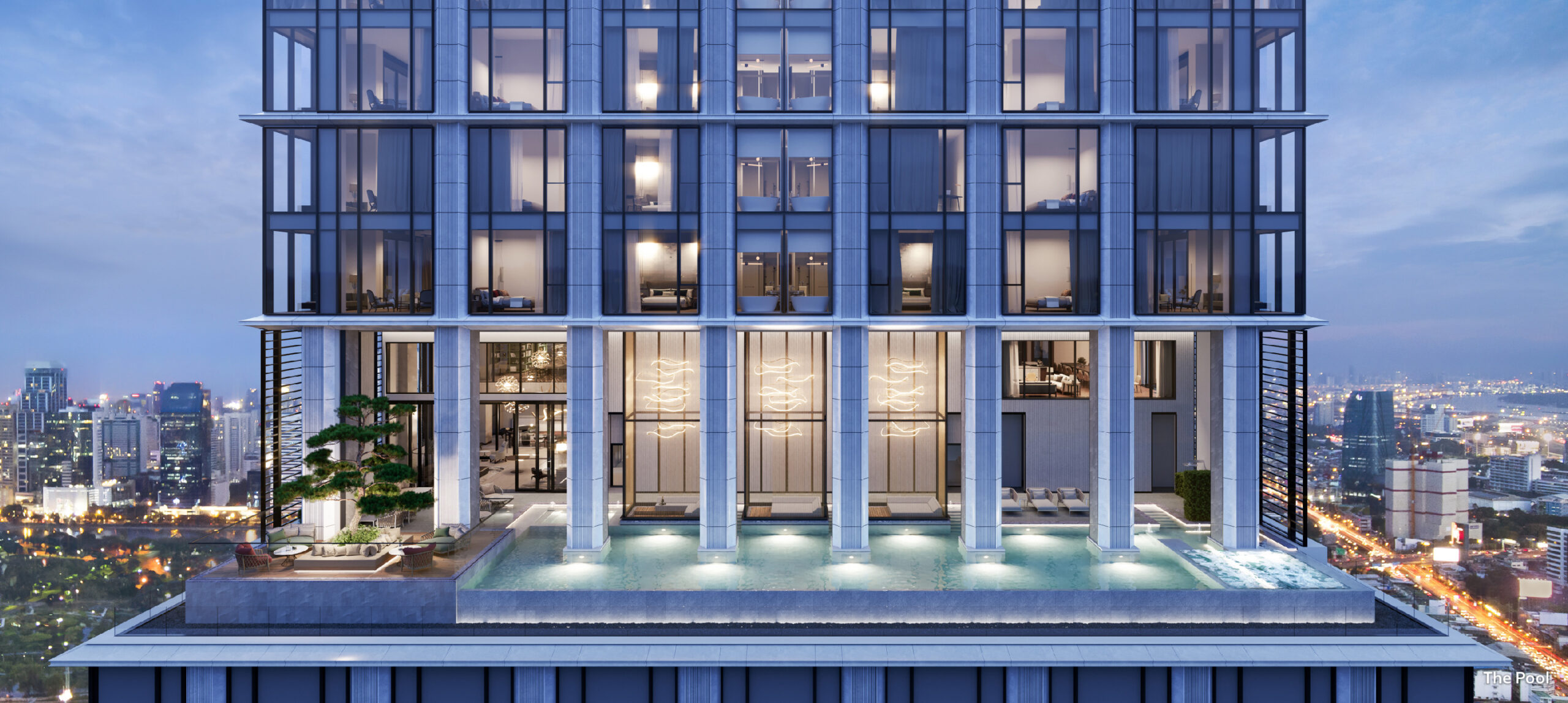
High-end amenities still need to be judged by usability, privacy, management and long-term maintenance.
Why mixed-use context matters
One Bangkok’s wider district gives ONE89 Wireless a strong context. Residents are not only buying a private unit. They are buying access to a planned urban environment with retail, hospitality, workplace, culture, green space and transport connections nearby. This can be valuable for owner-occupiers who want daily convenience without relying on long car journeys.
For investors, mixed-use context can help explain the property to a future tenant or resale buyer. A buyer can point to the surrounding district, park access and premium address rather than relying only on unit finishes. That does not remove investment risk, but it can make the asset easier to understand.
Check the ownership and leasehold details
Premium presentation should not distract from legal and commercial structure. Foreign buyers need to understand whether the interest being purchased is freehold or leasehold, the term, renewal assumptions, registration process, ongoing charges, transfer rules, foreign quota treatment where relevant, and the documentation required at the Land Office. These details should be checked with the developer, buyer’s lawyer and bank before any commitment.
This is especially important for high-value purchases because small wording differences can have large financial consequences. A buyer should not rely on brochure language alone. Ask for the contract pack, public disclosures, fee schedule, sinking fund details, management structure and any restrictions on resale or leasing.
Foreign buyers should connect the project’s design story with ownership structure, liquidity and exit audience.
Amenities should be judged by use, not render quality
ONE89 Wireless is visually positioned around high-end living, but serious buyers should ask practical questions. How private are the amenities? How many residences share them? What are the opening hours and guest rules? How will facilities be maintained? What services are included and what costs extra? How easy is it to move from the unit to retail, transport, parking, drop-off and delivery areas?
Luxury amenities create value only when they are well managed and actually used. A pool, lounge or wellness area can strengthen daily life and resale appeal, but it also needs staffing, maintenance and clear resident rules. Foreign buyers should ask how the juristic or management structure protects the experience over time.
Who is the likely buyer audience?
The likely audience for ONE89 Wireless is narrower than the audience for an ordinary central condo. It may include ultra-prime Thai buyers, internationally mobile families, regional executives, long-stay foreign owners, buyers who want park outlook and buyers who value a landmark mixed-use address. That can support prestige, but it also means liquidity depends on a smaller pool of qualified buyers.
Investors should be realistic. A premium asset may not rent or resell quickly if priced above the audience’s expectations. The unit needs a clear story: view, floor, layout, privacy, furnishing, services and ownership clarity. Without that, a famous address alone may not be enough.
Location strengths to test
Walking route to Lumphini Park, MRT access, retail and daily services.
Taxi, private-car and ride-hailing flow at peak times.
Privacy from nearby towers and future district activity.
Noise, heat and view durability from the exact unit stack.
Ease of explaining the address to future tenants or buyers.
Questions for foreign buyers
Does the contract structure match your intended holding period?
Are all recurring fees and service charges clear?
Is the unit suitable for personal use, investment, or both?
How does resale depth compare with other ultra-prime Bangkok options?
Would you still choose the unit without the broader One Bangkok story?
Buyer takeaway
ONE89 Wireless is a useful case study in Bangkok’s move towards district-led luxury living. Its appeal comes from the combination of a prime Wireless Road setting, One Bangkok’s mixed-use environment, park outlook, architecture and limited-residence positioning. Foreign buyers should match that appeal with careful checks on ownership structure, fees, unit fundamentals and resale audience.
IBP can help foreign buyers compare Bangkok luxury residences, branded living concepts and mixed-use districts with a practical investment lens. Explore our project reviews or contact IBP Real Estate for a confidential buyer brief.
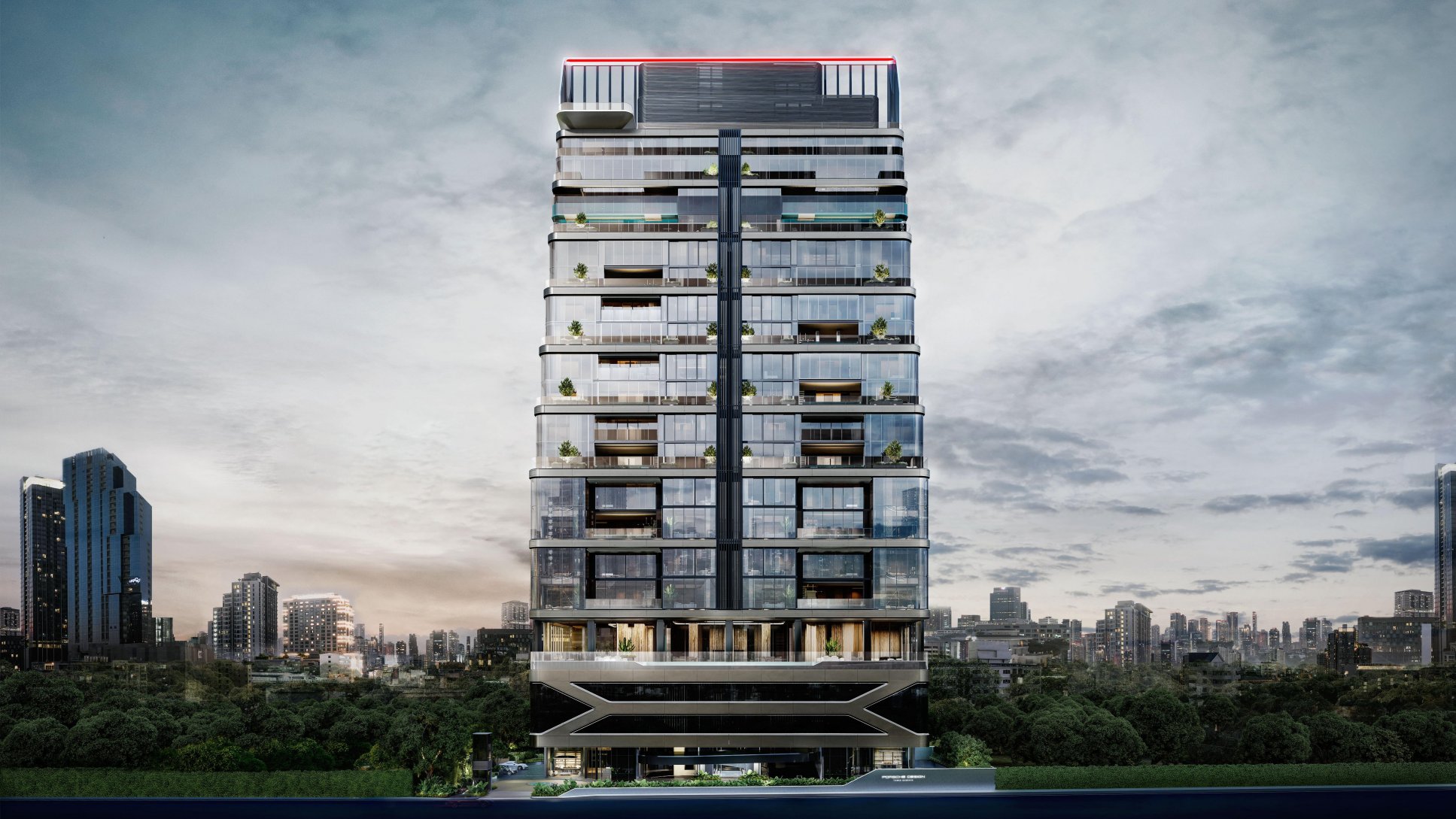
Bangkok branded residences are attractive to many foreign buyers because they combine recognisable names, managed living, strong design narratives and a sense of global familiarity. For an overseas investor, that can reduce uncertainty. A buyer who understands Mandarin Oriental, Ritz-Carlton, Porsche Design, Banyan Tree, Kempinski or similar hospitality-led brands may feel more comfortable evaluating a Bangkok residence than an unfamiliar standalone condominium.
A hotel or lifestyle brand can support buyer confidence, but the premium still needs unit-level underwriting.
The investment question is not whether a brand is impressive. It is whether the premium paid for that brand is supported by rent evidence, owner-use value, service quality, building scarcity and a believable resale audience. Bangkok has enough branded and ultra-luxury stock for buyers to compare rather than buy only from emotion.
JLL’s 2026 Thailand real estate outlook described a more selective market in which growth opportunities remain present but are increasingly concentrated in assets aligned with long-term demand drivers. That is a useful lens for branded residences. The best examples can sit inside that flight to quality, but the weakest investment cases can simply be expensive units with a strong logo.
What the premium is meant to buy
A branded residence premium usually reflects several layers. The first is location: most high-end branded projects are in central, riverside or embassy-adjacent districts where land is scarce and daily life is easy for international residents. The second is design and finishing, often with a stronger focus on lobbies, arrival experience, wellness, private lifts, concierge areas and view corridors.
The third layer is service. Depending on the project, this may include concierge support, housekeeping options, hotel privileges, owner events, valet, engineering support, food and beverage links or membership-style benefits. The fourth layer is identity. A globally recognised brand can make a property easier to explain to a foreign spouse, adviser, tenant or future buyer.
Those benefits matter, but they are not equal across every project. A genuine service platform with consistent delivery is different from a licence agreement that mostly appears in marketing. Buyers should ask exactly what the brand manages, what the juristic person manages, what is optional, what is included in common fees and what happens if brand standards change over time.
Branded residences should be compared by location, management, service model and future resale audience.
How to test rental value
Rental underwriting should start with the likely tenant. Some branded residences fit corporate executives, diplomatic families, high-net-worth retirees, regional business owners or buyers using the unit part-time. Others are more owner-occupier products where rental evidence may be thin. A strong rent story should be supported by comparable leases, not only by the assumption that a brand will automatically command more rent.
Foreign landlords should compare the branded unit against nearby luxury non-branded condominiums with similar size, view, furniture and transport access. If the branded premium is 25 percent but the achievable rent premium is only 10 percent, the buyer needs another reason to pay the difference. That reason might be personal use, scarcity, long holding horizon or confidence in resale, but it should be explicit.
Vacancy also deserves conservative modelling. Premium tenants can be selective and may wait for the right layout or view. A beautiful branded unit with awkward furniture, weak kitchen storage or limited parking can underperform a simpler building that better matches the tenant pool.
Service costs and common fees
The service layer that makes a branded residence feel premium can also increase holding costs. Buyers should review monthly common fees, sinking fund obligations, optional service charges, repair responsibilities, insurance, parking costs, hotel-benefit terms and any restrictions on leasing. A higher fee is not automatically negative if it preserves the building and tenant appeal, but it must be built into the yield and resale model.
Ask whether facilities are exclusive to residents, shared with a hotel, open to members or used for events. Shared facilities can be valuable if managed well, but they may also affect privacy, operating costs and the feel of daily living. Buyers should walk the building at different times and ask current residents or agents how the service experience works after handover, not only during a sales tour.
Resale depth matters more than the logo
The resale audience for a branded residence is usually narrower than for a well-priced mass luxury condominium. The next buyer must value the brand, the address, the size and the total ownership cost. That does not make resale weak, but it means pricing discipline at entry is essential. A buyer who overpays for a trophy address may need a long holding period before the market catches up.
Resale evidence should be checked by building and by competing district. Look at completed transaction history where available, asking-price reductions, time on market, foreign quota position, nearby new launches and whether brokers can identify active buyers for that exact price band. The more specialised the unit, the more important it is to know the exit audience before purchase.
The more distinctive the concept, the more carefully buyers should test long-term demand.
What to ask before paying the premium
What services are included, optional or subject to separate charges?
How does the common-fee level compare with nearby luxury buildings?
Is there evidence that tenants pay more for this brand in this location?
Does the unit layout suit the target tenant or future resale buyer?
How much of the premium is location, design, scarcity, brand, view or furniture?
What happens to owner privileges if the hotel or brand relationship changes?
Is foreign quota available and will it remain available at transfer?
Investor takeaway
Bangkok branded residences can be compelling assets for foreign buyers who value clarity, service and global positioning. The strongest cases combine a proven address, durable building management, practical layouts and a brand that genuinely improves daily life. The weakest cases rely on prestige without enough rent or resale support.
IBP can help buyers compare branded Bangkok residences against non-branded luxury alternatives by price, lease evidence and exit logic. Read our investment analysis articles or contact IBP Real Estate for a buyer-focused shortlist.
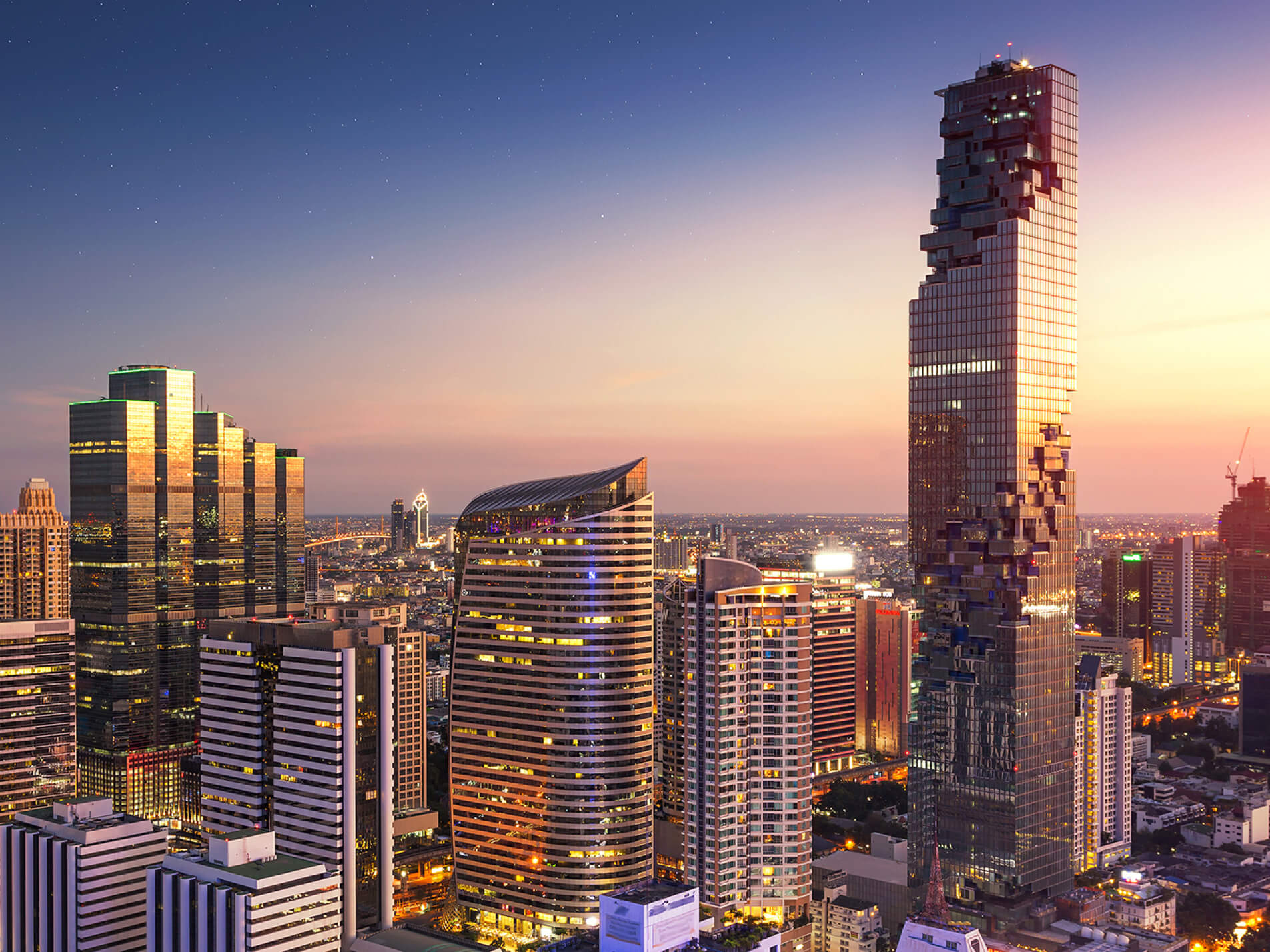
Ritz-Carlton Residences Bangkok remains one of the clearest examples of branded high-rise living in the Bangkok market. The residences sit within King Power Mahanakhon, the pixelated landmark at Chong Nonsi in the Sathorn CBD. For foreign buyers, the appeal is easy to understand: freehold branded residences, direct city identity, BTS access and a mixed-use environment that combines residences, hotel, retail and sky-high visitor attractions.
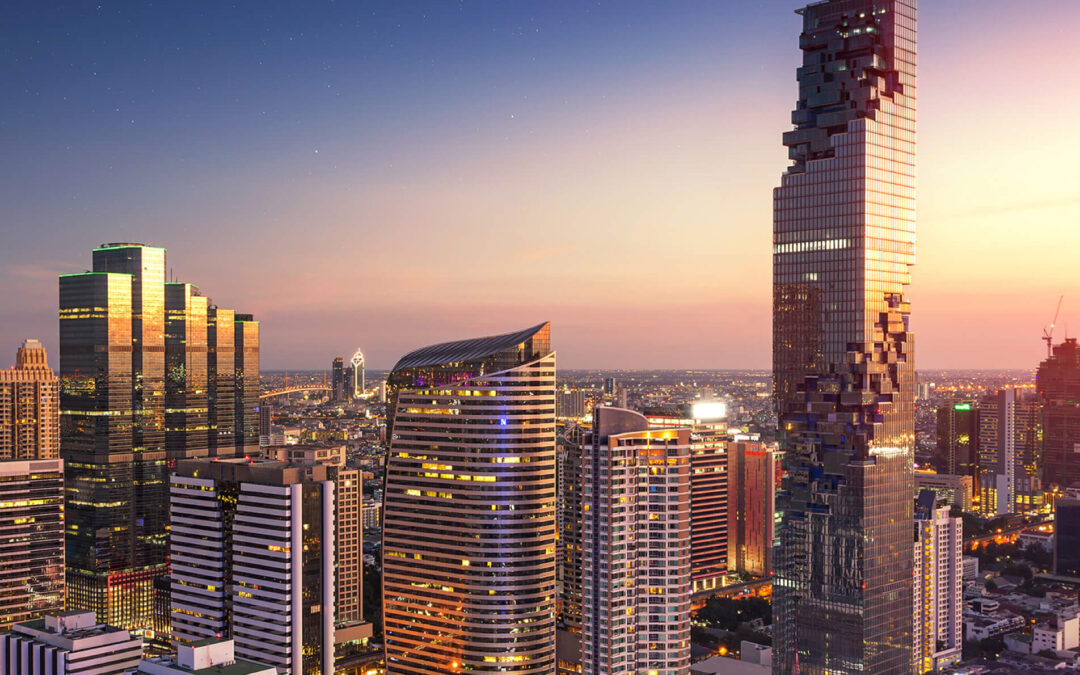
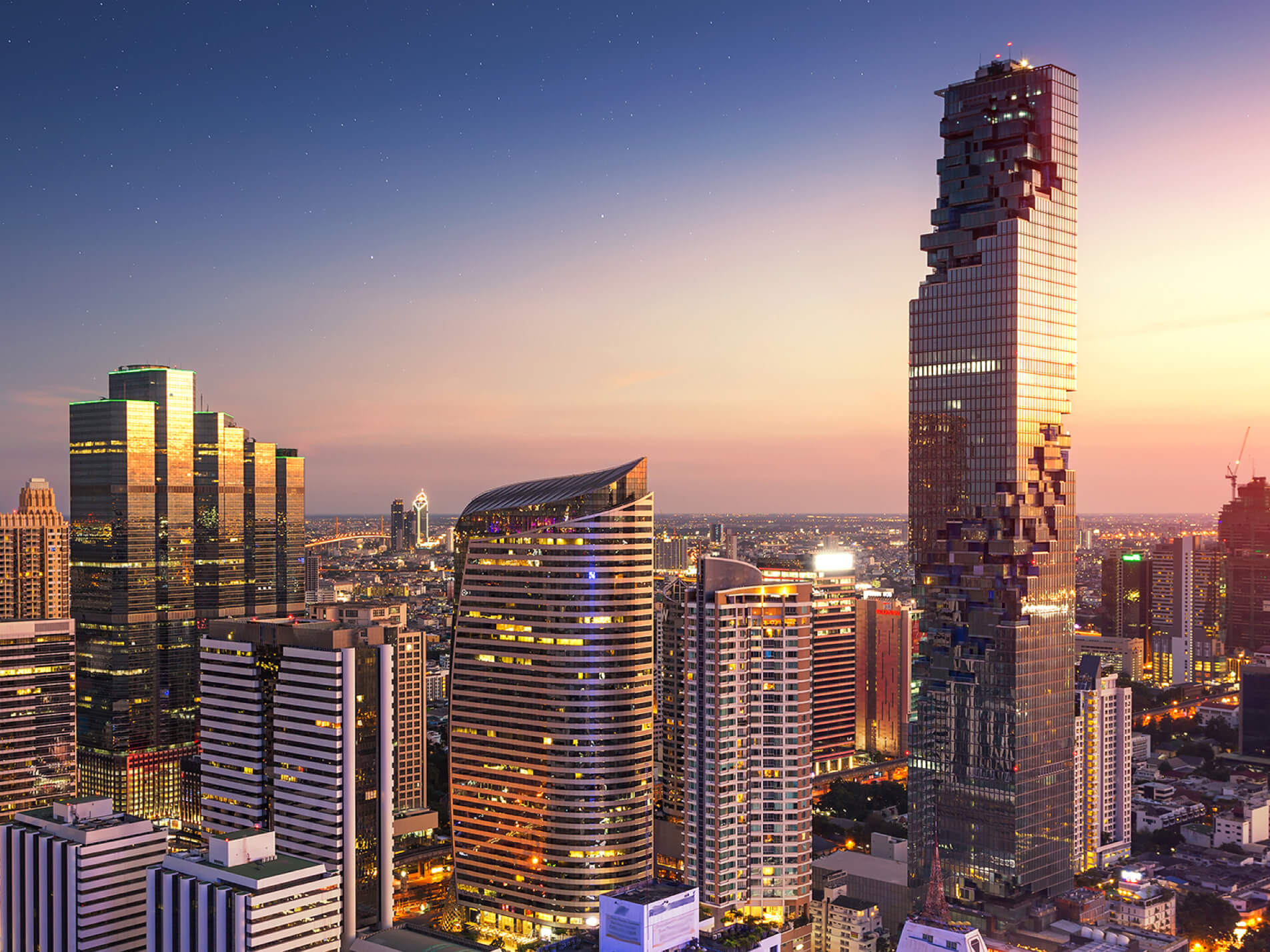
King Power Mahanakhon gives the residences a recognisable Sathorn landmark setting.
A strong brand and a landmark address do not remove the need for due diligence. They change the questions. Buyers should ask whether the unit’s size, level, view, service expectations, running costs and resale audience support the price being asked. In a premium building, the details matter because future buyers will compare not only with other condos, but with other branded residences and hotel-style homes across Bangkok.
The official King Power Mahanakhon residences site describes freehold ownership in the heart of Sathorn’s CBD, connection to Chong Nonsi BTS, panoramic views, bespoke interiors and facilities such as a residential club lounge, cinema room and pet-friendly features. Those are useful starting points, but the buyer decision should still be based on evidence inside the specific unit and building documents.
Why the address still matters
Sathorn has a different character from the newer lifestyle-led corridors of Phrom Phong, Thonglor or Wireless Road. It is more finance, embassy, office and business-travel driven, with strong access to Silom, Rama IV, riverside hotels and the BTS network. That makes it relevant for buyers who want a Bangkok base with corporate connectivity rather than a purely resort-style address.
King Power Mahanakhon’s architecture also gives the building instant recognition. In resale, recognisability can help. Future buyers, agents and tenants can identify the tower quickly. This does not guarantee liquidity, but it gives the asset a simple first line: a branded residence in an iconic Sathorn landmark. The buyer then needs to prove that the specific unit supports that headline.
What to test inside the unit
In a luxury tower, buyers should go beyond finishes. View direction, privacy, lift access, storage, kitchen practicality, air-conditioning, acoustic comfort, bathroom condition, service access and furniture quality all affect long-term ownership. A unit with a better view and cleaner plan may justify a different price from another unit in the same tower. A buyer should not average the building too broadly.
The official site shows room-type examples and large residences, but every available resale or developer-held unit needs its own review. Foreign buyers should request the title details, usable area, quota status, common fees, sinking fund information, renovation history, included furniture, service rules and any restrictions that affect leasing or owner use.
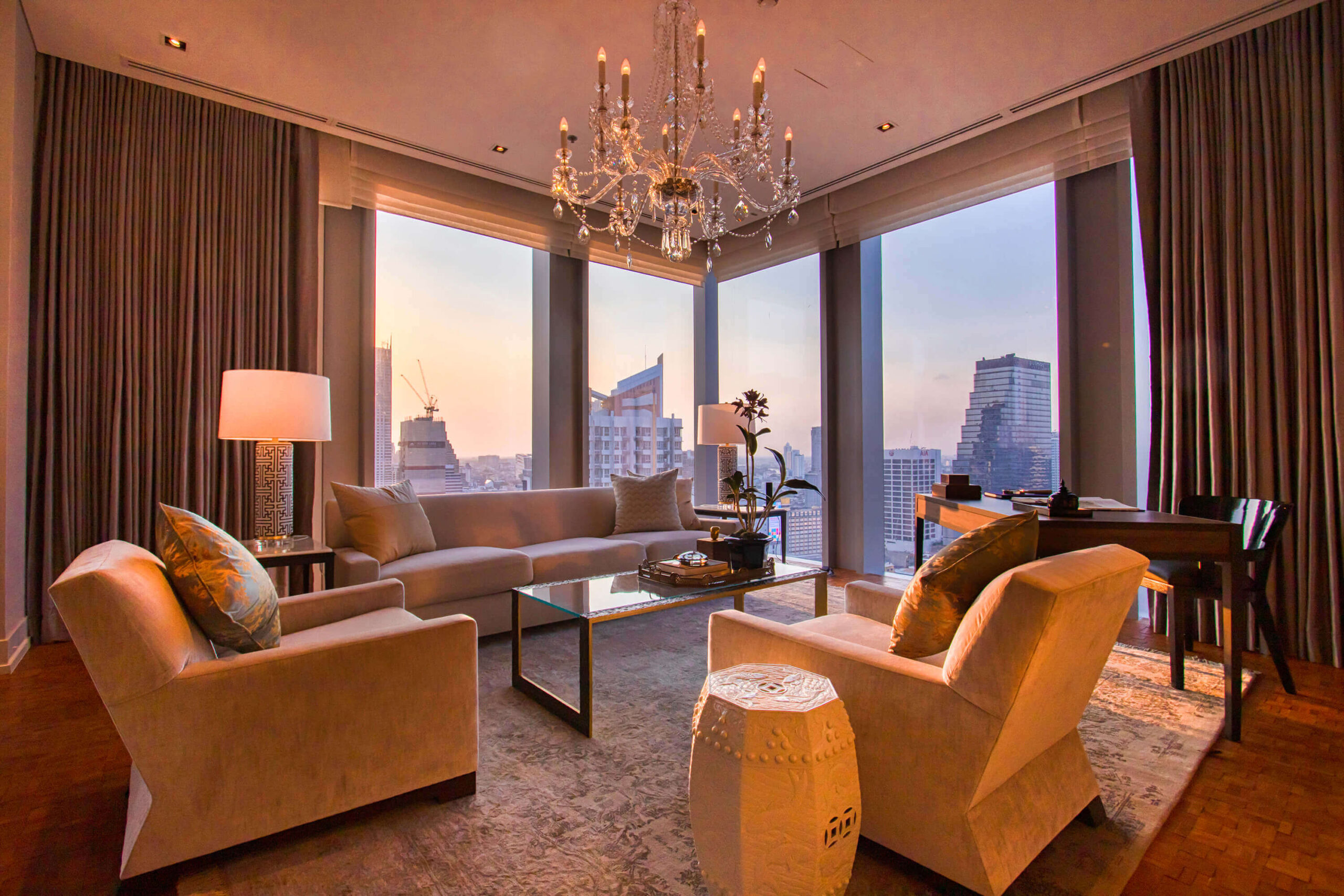
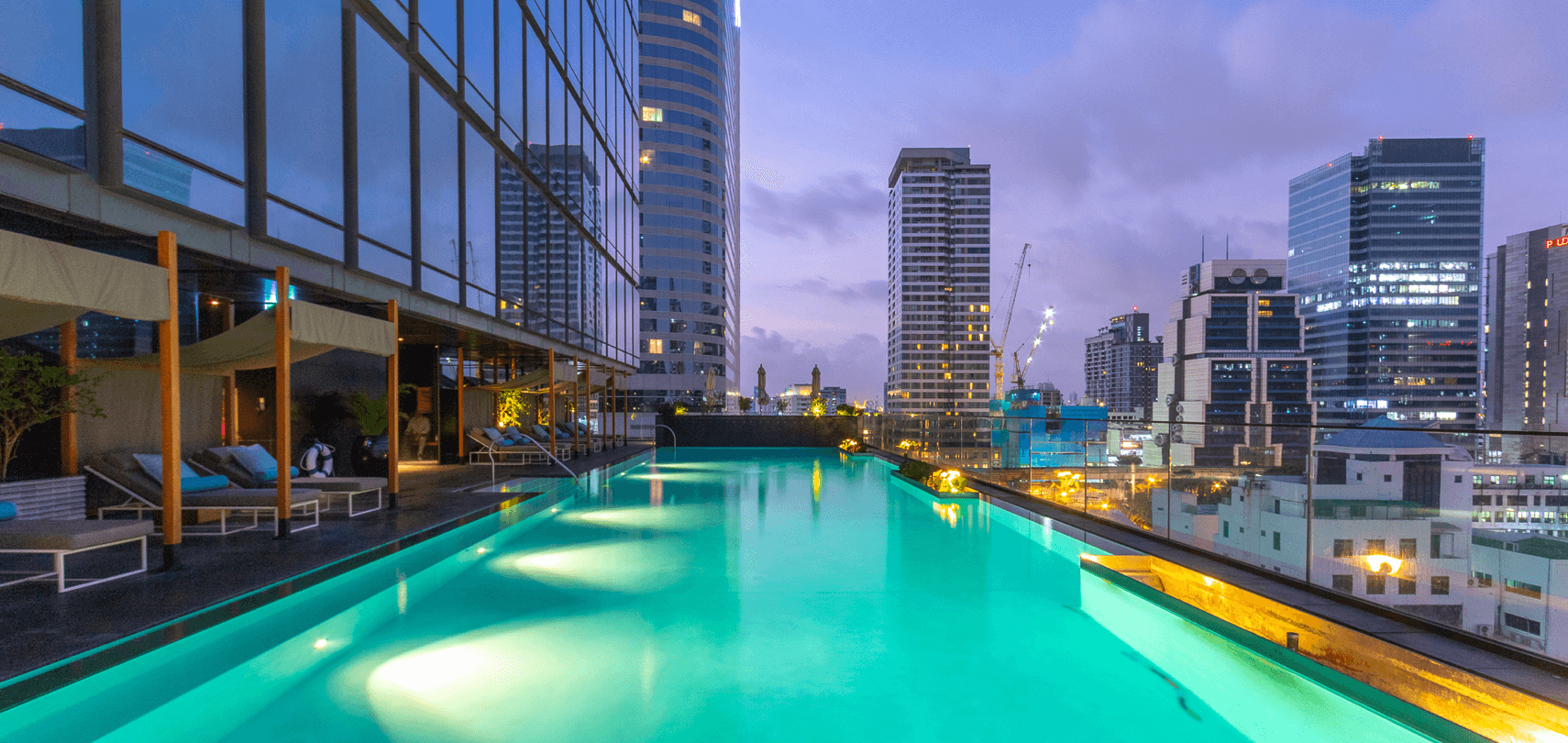
Branded residence buyers should test service, privacy and layout against their own holding plan.
Service model and holding costs
Branded residences usually carry a different ownership expectation from standard condominiums. Owners may value concierge-style support, privacy, presentation, housekeeping coordination, security and the assurance of a recognised name. Those benefits can support premium positioning, but they also need sustainable operating costs and clear management documents.
Before committing, buyers should understand what services are included, what costs extra, how common fees are calculated, how capital repairs are funded, how owner requests are handled and whether the service model has remained consistent over time. A buyer who lives abroad needs confidence that the building can manage standards without constant owner intervention.
Rental and resale logic
The rental audience for a branded landmark residence is narrower than for a mainstream one-bedroom near mass transit. That is not necessarily negative. Premium assets can work when the target tenant values space, service, views and address identity. The risk comes when the rent expectation assumes an unlimited luxury tenant pool. Buyers should review actual comparable rents, vacancy assumptions and agent feedback before relying on income.
Resale logic should also be tested. A future buyer may be a Bangkok-based executive, an overseas owner seeking a trophy address, a regional family wanting a city base or an investor comparing branded alternatives. Each buyer type will care about different details. The common thread is confidence: building standards, clean documents, recognisable address, strong view and a price supported by comparables.
Views, floor level and building identity are central to the resale story in landmark residences.
A buyer checklist
Confirm foreign quota and title status before negotiation becomes advanced.
Compare the specific view, floor and layout with other available units in the tower.
Review common fees, sinking fund obligations and any service charges.
Ask for evidence of recent comparable resales and rentals.
Check renovation permissions, furniture inclusions and handover condition.
Understand the building rules for pets, leasing, guests and owner services.
Model a longer resale period because the premium buyer pool is more selective.
Buyers should also compare the residence with newer luxury launches, not only with older Sathorn stock. Newer projects may offer fresh facilities, larger wellness areas or different branded-service concepts, while Mahanakhon offers completed-building evidence and a landmark identity that is already visible in the city. The right choice depends on whether the buyer values certainty, address recognition, service culture, space, future handover timing or a newer design language.
Buyer takeaway
Ritz-Carlton Residences Bangkok offers a clear branded-residence proposition: freehold ownership, Sathorn CBD positioning, BTS access and landmark identity within King Power Mahanakhon. For foreign buyers, the opportunity is strongest when the specific unit’s view, plan, condition and cost base support the premium story.
IBP can help buyers compare Ritz-Carlton Residences Bangkok with other luxury and branded residences by location, service model, rental evidence and resale logic. Browse our project review notes or contact IBP Real Estate for a private shortlist.