Tenant turnover is easy to treat as a short gap between leases. For a Bangkok condo investor, it is better understood as a complete operating event: the outgoing tenant leaves, condition is documented, repairs and cleaning are arranged, the unit is marketed, viewings take place and a suitable new tenant moves in.
Turnover assumptions should reflect the unit’s real tenant pool and competing supply.
Each step can absorb cash or time. A unit with an attractive gross rent may therefore produce disappointing results if tenants change frequently or the property is slow and expensive to reset. Foreign owners should build a turnover allowance before purchase and update it with real evidence after every tenancy.
Turnover cost is more than vacant days
Lost rent is the most visible cost, but it is not the whole calculation. The investor may also face agent fees, professional cleaning, linen or consumable replacement, touch-up painting, small repairs, appliance servicing, inventory work, photography, access-card administration and utilities carried during the gap.
Some spending may be recoverable from a deposit when the tenancy documents and evidence support a lawful deduction. Ordinary wear, owner maintenance and improvements are different. A prudent model does not assume the entire reset can be charged to the former tenant.
Build a unit-specific turnover allowance
Start with the expected length of a tenancy, not an optimistic assumption that every tenant renews. Estimate the realistic marketing period, preparation time and time needed to approve a new tenant under the building’s procedures. Add the cash items that typically arise for the unit’s specification and intended audience.
Convert the total into an annual planning allowance. If a turnover event is expected every two years, for example, spread a cautious event budget across that holding period rather than pretending the cost does not exist until it happens. The purpose is not a universal percentage; it is a transparent line in the investor’s own cash-flow model.
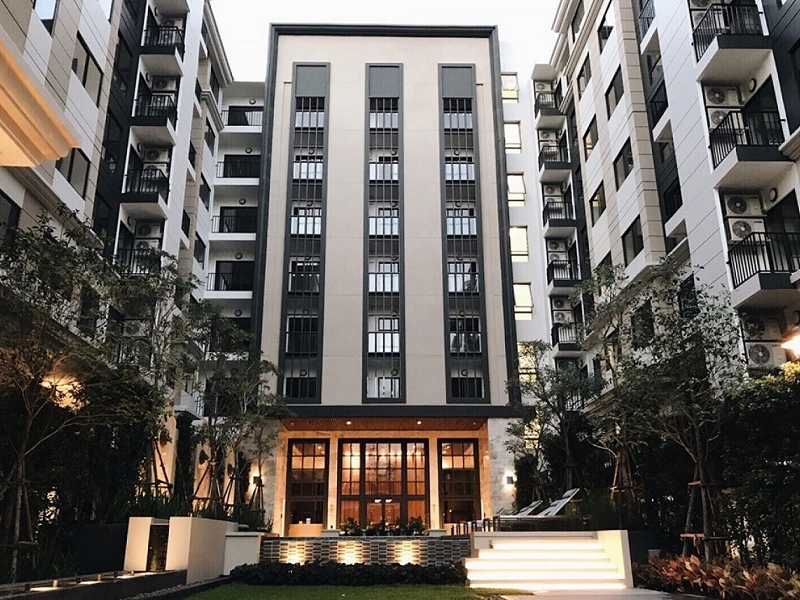
Cleaning, repairs, inventory checks and marketing time all affect the cost of a changeover.
Measure the gap in stages
A single vacancy figure can hide where performance is being lost. Record the date notice is received, the move-out date, inspection and cleaning dates, the date marketing goes live, first viewing, accepted offer and new lease commencement. This separates avoidable operational delay from genuine market time.
If preparation repeatedly takes too long, the owner may need a clearer contractor panel or earlier inspection. If enquiries arrive but offers do not, price, presentation or unit-market fit may be the issue. If there are no enquiries, the marketing strategy or demand assumptions deserve review.
Condition records protect the process
A signed inventory and dated photographs at move-in and move-out make the handover more disciplined. Record furniture, appliances, keys, access cards, meters and visible defects. The aim is not to create conflict; it is to give landlord, tenant and property manager a common factual record.
Agree who has authority to approve urgent work, obtain quotations and release the unit for marketing. Overseas owners can lose valuable days when every small decision waits for a different time zone. Written approval limits allow routine work to proceed while larger expenditure still receives direct consent.
Clear condition records help separate ordinary wear from chargeable damage.
Design and specification affect reset costs
Durable finishes, accessible appliances and replaceable furniture can make a unit easier to operate. Highly bespoke items may look distinctive but become costly when one component fails. Light-coloured upholstery, delicate surfaces and complicated smart-home equipment may demand more careful management than the target rent supports.
Investors should inspect how easily walls can be refreshed, curtains cleaned, air-conditioners serviced and furniture moved through lifts and corridors. A practical one-bedroom that can be reset predictably may outperform a more dramatic unit with fragile finishes and long replacement lead times.
Reduce downtime before the lease ends
Good turnover management begins before move-out. Review the notice provisions, confirm the inspection timetable and ask whether compliant viewings are possible while the tenant is still in occupation. Respect quiet enjoyment, privacy and building rules; aggressive access can damage cooperation and create risk.
Prepare marketing materials early, but use current photographs and disclose the real condition. Confirm what furniture remains, what will be repaired and when the unit can genuinely be handed over. A realistic availability date is more useful than attracting enquiries for a home that is not ready.
Compare property managers on execution
Management fees should be assessed alongside outcomes. Ask how a manager conducts inventories, handles deposits, supervises contractors, reports viewing feedback and controls keys. Request examples of owner reporting and clarify whether leasing, inspections, cleaning and repair supervision are separately charged.
A low headline fee can be poor value if the unit sits empty while decisions drift. Equally, a premium service is not automatically efficient. Investors need measurable timelines, clear authorisation and evidence of work completed.
Use turnover data when reviewing rent
The highest advertised rent is not necessarily the most profitable target. Holding out for a small monthly increase can destroy value if it adds several weeks of vacancy or requires incentives. Compare the expected additional rent with the cost of the longer gap and any higher leasing expense.
Retention also has value, but renewal should not be automatic. Review payment history, care of the unit, current market evidence and upcoming maintenance. A reliable tenant at a defensible rent may create a stronger net result than frequent re-leasing at ambitious asking levels.
Investor turnover checklist
Estimate realistic tenancy length and marketing time.
Budget lost rent, leasing, cleaning and repairs separately.
Keep signed inventories and dated condition photographs.
Set written repair-approval limits for the manager.
Track every stage from notice to new lease.
Choose durable, serviceable furniture and equipment.
Compare rent decisions on net cash flow, not asking price.
Update the allowance after each real changeover.
Tenant turnover costs do not make a Bangkok condo unattractive; they make disciplined underwriting necessary. IBP can help foreign investors compare rent evidence, operating demands and building fit. Browse our investment analysis and rental market guides, or contact IBP Real Estate for a unit-level assessment.
Bangkok condo investors often focus on entry price, rent and exit value, but the quieter question is whether the unit can absorb capital expenditure over the holding period. Capex is the money needed to keep the asset competitive: repairs, appliance replacement, repainting, furniture refreshes, deeper maintenance and occasional building-level costs that become visible only after ownership begins.
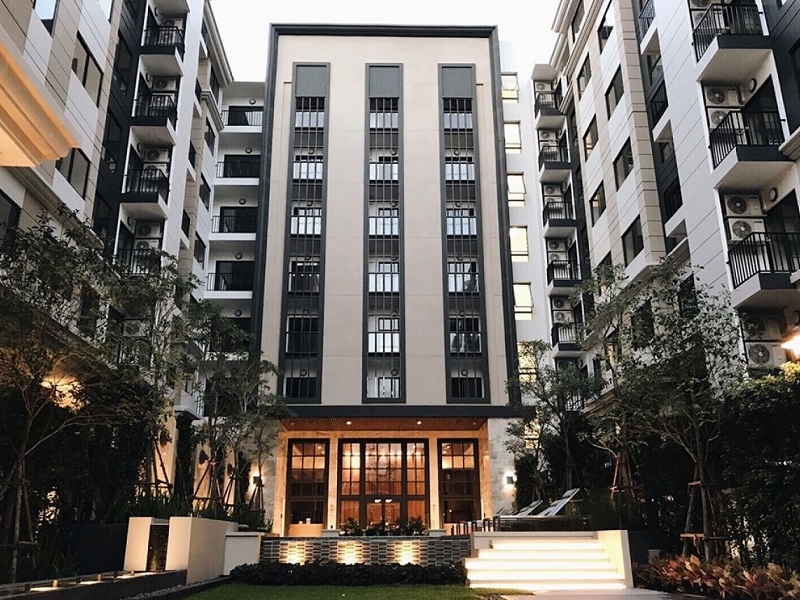
Capex risk starts with the building’s age, management discipline and likely replacement cycle.
For foreign investors, capex deserves more attention because many owners are not in Bangkok to inspect problems early or negotiate small repairs in person. A unit that looks profitable on a gross-yield calculation can become much less attractive when the first tenant leaves, the air-conditioning fails, furniture looks tired and the building announces a common-area improvement project.
Why capex is different from ordinary expenses
Ordinary operating costs are expected and recurring. They include common fees, agent commission, management fees, insurance, routine cleaning and small tenant-service items. Capex is different because it usually comes in uneven lumps. It may not happen every month, but when it arrives it can change annual returns quickly.
Investors should therefore avoid treating capex as a surprise. A Bangkok condo is a physical asset in a humid, heavily used urban environment. Air-conditioning systems, water heaters, kitchen fittings, curtains, mattresses, sofas, flooring, sealant, paint, balcony drainage and electrical items all have useful lives. Some last well. Others deteriorate faster when tenants use the unit intensively or when the owner delays maintenance.
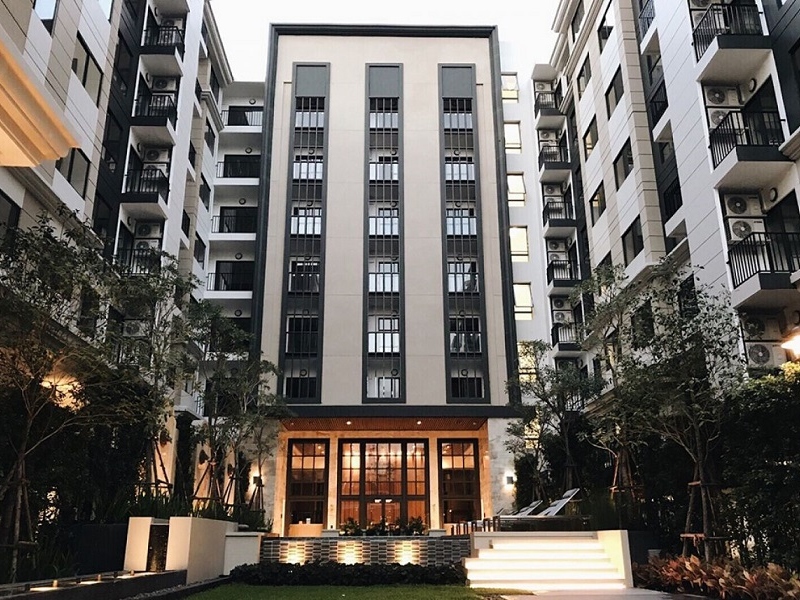
Unit inspections should separate ordinary wear, urgent repairs and future replacement costs.
Start with the building age and management record
Building-level capex risk depends on age, maintenance culture and the strength of the condominium juristic person. A newer building may have fewer visible issues, but it can still face defects, warranty disputes, lift performance questions or common-area wear if management is weak. An older building can be a sensible investment if its common areas are maintained, budgets are transparent and residents support necessary repairs.
Before buying, review the lobby, corridors, lifts, parking, pool, gym, waste areas, facade, drainage, fire systems and security process. Ask whether the building has a sinking fund, whether common fees are collected reliably and whether any major works have been discussed. If minutes, budgets or notices are available, read them. A cheap unit in a building with underfunded maintenance may not be cheap after the next repair cycle.
Model the unit replacement cycle
The unit itself needs a simple replacement plan. A rental condo may need repainting after tenants, curtain cleaning or replacement, mattress renewal, sofa repairs, appliance servicing, air-conditioning cleaning, grout and sealant work, lock changes, water-heater checks and occasional furniture replacement. None of these items is dramatic on its own. Together, they shape the net return.
Foreign landlords should ask how the unit would present after one, three and five years of use. If the current furniture package is already ageing, the first capex event may arrive earlier than expected. If the investment case assumes premium rent, the furnishing and maintenance standard has to support that rent throughout the lease cycle.
Furniture, appliances and fittings should be modelled as repeat costs, not one-off decoration.
Capex can protect rental income
Capex is not only a cost. Timely spending can protect occupancy and rent. A clean, well-lit, functional unit with reliable appliances is easier for agents to show and easier for tenants to accept. A tired unit can sit vacant or require discounting, even in a good district. Delayed repair can also create bigger damage, especially with water leaks, air-conditioning drainage or bathroom ventilation.
The best investors separate cosmetic spending from protective spending. Decorative upgrades should be judged by whether tenants will pay for them. Protective spending should be judged by whether it reduces vacancy, complaints, damage or future uncertainty. A modest repaint and appliance service before marketing may be more useful than expensive styling that does not match the tenant profile.
Questions before buying
What repairs would be needed before the unit could be leased at the target rent?
Which appliances, fittings and furniture items are most likely to fail first?
Does the building show signs of deferred maintenance?
Are common-area budgets, sinking funds and notices easy to understand?
Who will inspect the unit between tenancies if the owner is overseas?
Would the investment still work after one larger repair event?
Build a practical reserve
A sensible capex reserve should sit outside the purchase budget. Buyers should not spend every available baht on the transfer and furniture package, then hope future rent covers everything. Rent can be interrupted by vacancy, negotiation, repair access or tenant turnover. A reserve gives the owner room to act quickly when a problem appears.
The exact reserve depends on unit size, age, furnishing level and building condition. The principle is simple: the more remote the owner, the more important liquidity becomes. An overseas landlord who cannot authorise repairs promptly may lose more through vacancy and tenant frustration than the repair would have cost.
Resale angle
Capex also affects resale. Future buyers will notice tired interiors, old air-conditioning units, damp marks, stained flooring, weak lighting and poorly maintained common areas. A seller who has kept good repair records and maintained the unit steadily can often explain the asset more confidently. A seller who has postponed work may face heavier negotiation at exit.
For shorter holding periods, capex discipline is even more important because there is less time for rent to offset mistakes. For longer holds, the buyer should accept that some replacement spending is part of owning the asset. Either way, capex should be built into the investment case before signing.
Buyer takeaway
Bangkok condo capex is not a reason to avoid investing. It is a reason to buy with a fuller picture. Foreign investors should inspect the building, model the unit replacement cycle, keep a reserve and appoint someone who can act quickly when repairs arise. A condo that remains clean, functional and easy to lease is usually more defensible than one that looked cheaper only on day one.
IBP helps foreign buyers compare Bangkok condos by price, rent potential, building condition and exit risk. Read more in our investment analysis archive or contact IBP Real Estate for a buyer shortlist.