Thailand’s residential credit cycle is sending a more nuanced signal than a simple recovery headline. REIC reported that new housing loans nationwide reached 121,557 million baht in the first quarter of 2026, up 11.1% from a year earlier. That matters for Bangkok condominium buyers because mortgage availability influences local demand, developer confidence, resale liquidity and the tone of negotiations, even when a foreign buyer is paying in cash.
Mortgage lending can improve sentiment, but investors should still judge Bangkok condos building by building.
The headline should still be read carefully. A stronger lending quarter does not mean every condominium segment is improving at the same speed. REIC also described the wider market as still fragile, with energy costs, inflation pressure and weaker purchasing power keeping some buyers cautious. For foreign investors, the useful takeaway is not to assume that Bangkok is suddenly a broad seller’s market. It is to understand where improved credit can support activity and where discipline is still needed.
Why mortgage lending affects foreign buyers
Foreigners buying Bangkok condos are often less dependent on Thai mortgages than local buyers. Many use overseas funds, savings, family capital or finance arranged outside Thailand. Even so, domestic lending matters because the local buyer pool sets part of the resale and transfer environment. If Thai buyers struggle to borrow, developers may slow launches, sellers may accept longer negotiation, and completed stock may clear more slowly.
When banks begin lending a little more actively, that can help remove some pressure from the market. Local buyers can move, developers can recycle inventory, and resale owners may feel less trapped. But foreign buyers should not confuse a better credit reading with proof that a specific unit is liquid. Liquidity still depends on location, layout, building management, price, tenant demand and future supply nearby.
A broader credit cycle may support transactions, but it does not rescue weak buildings or poor layouts.
The credit signal is supportive, not decisive
REIC also noted that outstanding housing loans stood around 5.13 trillion baht, up 2.4%. That shows the housing finance base remains large, but it also explains why banks remain selective. A market with meaningful outstanding debt can improve gradually while lenders still examine borrower quality, income stability and collateral carefully. In Bangkok condos, this selectivity is one reason well-priced, completed, easy-to-understand units can attract attention while weaker stock sits longer.
The Bank of Thailand’s Q1 2026 banking-sector brief adds useful context. It described the banking system as resilient, with strong capital, provisions and liquidity, while noting that some households and SMEs still face tight conditions. For property investors, that is a reminder to separate system resilience from household affordability. A stable bank sector helps confidence, but affordability still decides whether ordinary buyers can transact.
It also affects the due-diligence timetable. If local credit is improving but still selective, sellers may become more confident before actual transaction evidence fully follows. Foreign buyers should therefore keep written offer conditions, valuation checks and remittance preparation organised. Speed is useful only when the buyer already knows the building, the competing stock and the likely exit audience.
What this means for bargaining
Foreign cash buyers should avoid assuming that cash alone guarantees a discount. In some buildings, sellers with good units and low holding costs will wait. In others, especially where inventory is deep or the owner needs liquidity, a clean cash offer with proper documents can still be persuasive. The credit environment changes the tone, not the need for evidence.
A practical approach is to ask three questions before offering. First, how many comparable units are actually available in the same building and immediate area? Second, how quickly have realistic listings moved in the last six to twelve months? Third, is the seller’s price supported by rent evidence, recent transfer values and the building’s condition? If those answers are weak, improved mortgage data should not push a buyer into overpaying.
Foreign buyers should connect market signals with unit planning, tenant depth and resale evidence.
Where the opportunity is selective
Better lending conditions can support mid-market and upgrader demand, but foreign investors usually need a narrower lens. The strongest Bangkok condo opportunities are still likely to be buildings with clear tenant demand, sensible common fees, good transport access, practical layouts and a management record that supports long-term ownership. A cheaper price in a difficult building is not automatically a better investment.
REIC’s 2026 transfer forecast also keeps expectations grounded. The data cited a nationwide housing transfer forecast of 312,814 units, down 1.1%, and transfer value of 845,235 million baht, down 2.3%. In other words, the market may be stabilising rather than surging. For buyers, that can be a useful environment if they are patient and evidence-led.
Checklist for foreign buyers
Use mortgage data as a market-temperature check, not as proof of a specific investment case.
Compare asking prices with completed resale evidence, not only developer list prices.
Model rent, vacancy, common fees, repairs, agent fees and resale timing conservatively.
Check whether local buyers can reasonably afford the same product if you need to resell.
Prefer buildings where management quality and unit planning support owner use as well as rental demand.
Buyer takeaway
The Q1 lending improvement is encouraging because it suggests the market has more movement than it did during the tightest credit period. But Bangkok remains a selective market. Foreign buyers should use the data to negotiate with more confidence, not to lower their standards. The best purchases will still be those where price, building quality, legal readiness and realistic exit demand line up.
IBP can help foreign buyers compare Bangkok condo options using resale evidence, rent assumptions and building-level due diligence. Read more in our investment analysis archive or contact IBP Real Estate for a buyer brief.
Bangkok condominium buyers are entering a market that looks more disciplined than euphoric. That can be a positive setting for foreign buyers, provided they read the data correctly. Price stability does not mean every unit is good value, and a soft domestic credit cycle does not automatically make every resale a bargain. It means buyers have more room to compare finished buildings, negotiate carefully and ask whether the unit will remain easy to rent or resell when local demand is selective.
Price stability is useful only when buyers also test district supply, building quality and likely exit demand.
Why stability matters more than headline growth
The latest Bank of Thailand commentary on the real-estate sector described a market where demand remained weak across low-rise housing and condominiums, while temporary loan-to-value support gave some help. The same update noted that high-rise condominium mortgage lending had rebounded after earlier concerns, newly launched supply had fallen, and condominium prices had stabilised after a previous quarterly decline. For a foreign cash buyer, that combination is important: it points to a market where developers and sellers are cautious, but not necessarily forced into broad distress pricing.
In practical terms, stability gives the buyer time. A market driven by panic can hide defects behind urgency; a market driven by runaway optimism can make buyers accept thin yields and poor layouts. A steadier environment rewards methodical comparison. Buyers should look at completed resale units, developer inventory, rental listings in the same building and the gap between asking price and recent transaction evidence. The right question is not whether Bangkok is cheap or expensive in general. It is whether a particular unit is priced correctly for its age, floor, view, tenancy appeal and transfer readiness.
Supply discipline is a buyer signal
Lower new-launch activity can support the better parts of the market over time because fewer competing towers are chasing the same tenant pool. It can also mean developers are protecting cash flow and avoiding risky launches in districts where end-user demand is weak. Foreign buyers should welcome supply discipline, but they should not treat it as a blanket positive. A completed condominium in an oversupplied soi can still struggle, while a well-managed building near a genuine daily-use transport node can stay liquid even in a slower cycle.
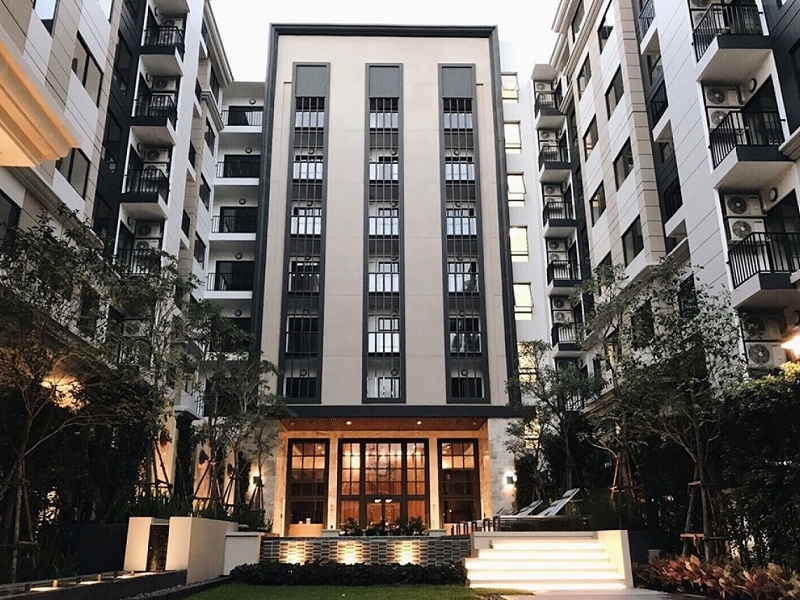
Completed buildings let buyers compare real management, layout and resale evidence rather than relying only on launch pricing.
The most useful comparison is micro-local. Count the number of similar one-bedroom or two-bedroom units for rent in the same building and nearby buildings. Review whether furnished units actually move or remain online for months. Ask how many units are owner-occupied, how active the juristic office is, and whether common fees are sufficient for proper maintenance. These details explain the real investment case better than a broad market average.
Credit weakness changes bargaining power
Domestic purchasing power remains one of the main constraints in Thailand property. When local mortgage approval is selective, sellers who need a fast transfer may prefer a clean foreign buyer with documented funds. That gives foreign buyers a negotiation advantage, especially on resale units where the seller has already moved out or where the landlord wants to simplify a portfolio. The advantage is strongest when the buyer is ready with foreign exchange documents, passport copies, tax and transfer cost assumptions, and a lawyer or representative who can check the transfer file early.
This does not mean buyers should push only for the lowest possible price. A deeply discounted unit can be cheap for a reason: awkward layout, poor light, noise, weak management, high upcoming repairs or limited tenant appeal. A disciplined offer should connect price to evidence. If there are five similar units for rent in the building, ask why yours will rent first. If the resale price is close to a new launch nearby, ask what the completed-building proof is worth. If the seller wants speed, ask for documents before paying a large deposit.
What foreign buyers should test in 2026
Compare achieved rents, not only advertised rents, and allow for vacancy, agency fees, repairs and furnishing refreshes.
Check whether the foreign freehold quota is available before treating a unit as transferable to a non-Thai buyer.
Ask for juristic financial statements, sinking fund position and major repair history where available.
Walk the route to BTS, MRT, supermarket and hospital access at the times a tenant would actually use them.
Model a resale exit with conservative pricing, because liquidity matters as much as paper yield.
Districts are not all moving together
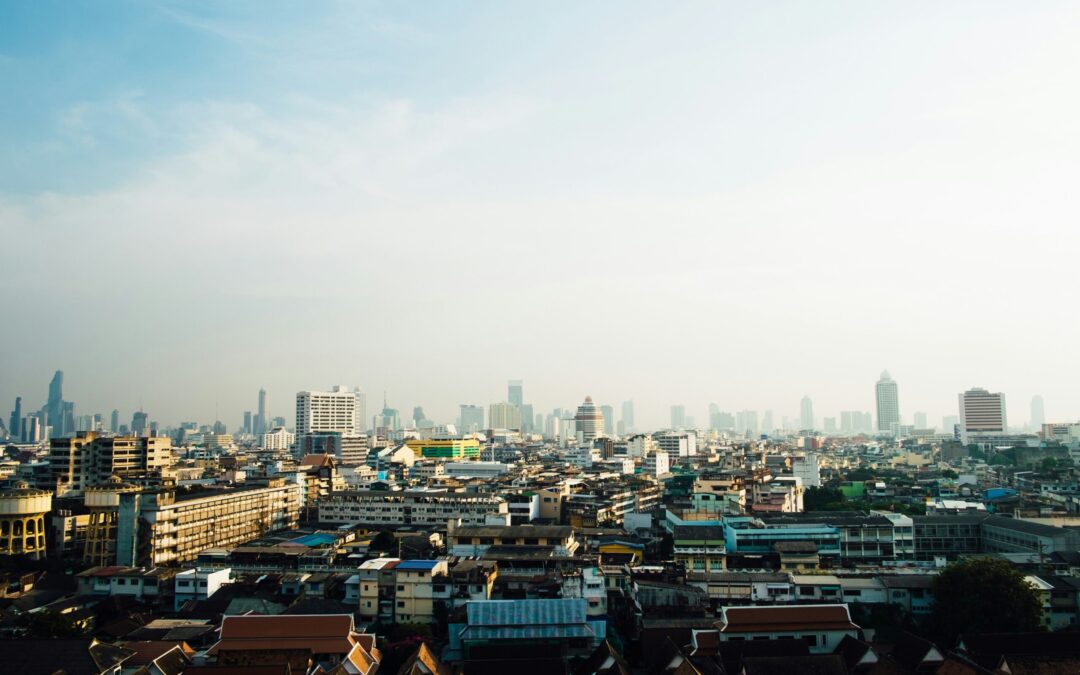
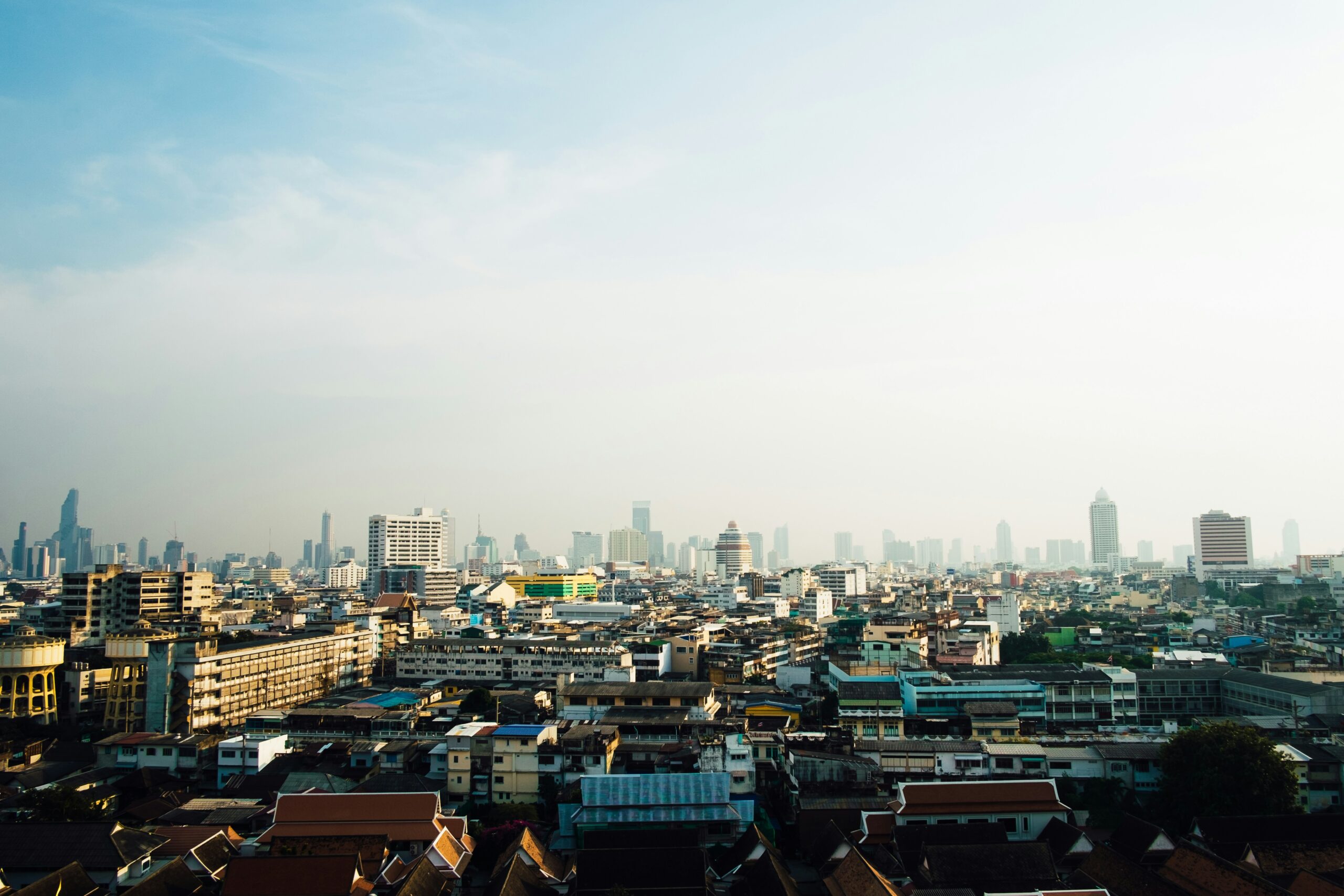
Bangkok property is increasingly a two-speed market. Prime and lifestyle districts with daily-use infrastructure can behave differently from speculative fringe locations. Sukhumvit, Rama 9, Silom-Sathorn and riverside addresses each have different tenant profiles and resale audiences. Even within Sukhumvit, Asok, Phrom Phong, Thonglor, Ekkamai and On Nut are not interchangeable. The stronger districts combine rail access, international services, shopping, healthcare and proven rental demand. The weaker cases depend too much on future promises.
Employment nodes, hospitals, schools and rail access can support rental depth in the better-located parts of Bangkok.
Foreign buyers should also separate owner-use logic from investment logic. A unit can be a good personal Bangkok base because it is quiet, pleasant and close to favourite amenities, even if the yield is average. A rental investment needs sharper evidence: tenant depth, manageable common fees, durable furnishing, and an exit price that makes sense against older and newer competition. Mixing the two goals often leads to overpaying for lifestyle or underestimating operating costs.
A sensible buyer approach
A stable condo market favours buyers who proceed in layers. Start with district fit, then building management, then unit economics, then legal transfer checks. Do not let a promotion, free furniture package or short booking deadline replace due diligence. In a slower market, the buyer’s best asset is patience.
Foreign condominium transfers give overseas investors a useful reality check because they are recorded at ownership transfer, not at reservation or marketing launch. For Bangkok buyers looking into 2026, the latest full-year reporting points to a market that is still active, but more selective. Unit volumes have held up better than transaction value, which suggests that many buyers are still proceeding, but with sharper price discipline and a preference for completed, understandable stock.
Bangkok remains the deepest urban condominium market for many overseas buyers comparing liquidity, access and tenant demand.
The headline is not that every Bangkok condominium is suddenly attractive. It is that foreign demand has become more evidence-led. Buyers are paying closer attention to building age, management quality, unit size, rentability and exit comparables. That is healthier than a market driven only by launch-day discounts or off-plan speculation. For a foreign owner, the safest Bangkok purchase is usually one that can be explained easily to a future tenant, lender, valuer and resale buyer.
What the latest foreign-transfer data is really saying
Recent REIC-linked reporting on the 2025 market showed foreign condominium transfers nationwide rising in unit terms while total value fell year on year. The same reporting put full-year foreign transfers at 14,899 units and 60.92 billion baht in value. It also showed foreign buyers representing a larger share of total condominium transfer value than their share of units, which is consistent with the idea that overseas buyers remain important to the higher-value end of the market.
That combination is important. More units and lower aggregate value does not mean weak demand everywhere. It points to a shift in composition. Some buyers are choosing smaller units, more defensive ticket sizes or completed projects where they can inspect the actual building. Others are still paying premium prices, but only where the location, unit plan and management story justify the price.
Bangkok benefits from this more careful market because it offers the broadest pool of tenants, resellers and international services. However, the same breadth can also mislead buyers. A condo beside a strong BTS interchange, a quiet freehold building in a residential soi, and a large new project in an emerging MRT district should not be judged by the same rental assumptions.
Why Bangkok still matters within the foreign-buyer map
Bangkok has two advantages that resort markets cannot easily copy. First, its demand is not only lifestyle-led. It is supported by office employment, embassies, hospitals, international schools, universities, transport nodes and regional headquarters. Secondly, the city gives buyers more exit routes. A well-located Bangkok unit can be sold to Thai end-users, expatriates already living in the city, regional investors, or other foreign buyers who want a practical base rather than a holiday address.
That does not remove risk. Foreign buyers are often shown projected yields that assume full occupancy, no vacancy period, no furnishing refresh, no agent fees and no realistic resale discount. A better approach is to treat transfer data as a confidence indicator, then test a specific unit against local evidence. Ask what similar units in the same building have rented for, how long they were listed, how many competing units are available, and whether the juristic person keeps the common areas in saleable condition.
Foreign transfer figures are useful, but building-level resale depth still matters more than national headlines.
Nationality mix is changing the buyer conversation
Chinese buyers remain a major group in foreign condominium statistics, but recent reporting also highlights a broader set of active buyers, including Myanmar, Russian, Taiwanese, European, US, UK, Singaporean and Indian purchasers. For Bangkok, this matters because different nationalities often have different priorities. Some buyers want proximity to hospitals and schools. Others focus on capital preservation, rental demand, visa convenience, or a base near regional flights.
The practical lesson is that an investor should not rely on one imagined future buyer. A unit that only suits one nationality group, one tenant profile or one short-lived marketing trend is harder to exit. A more resilient Bangkok condo normally has several demand stories: it can work for a long-stay tenant, a regional executive, a relocating family member, or a future owner-occupier.
What 2026 buyers should check before relying on market momentum
1. Completed evidence over launch optimism
In a selective market, completed evidence is worth more than sales-gallery language. If buying resale, review actual transfer prices where available and recent asking prices for comparable units. If buying new, compare the developer price with completed alternatives nearby, not only with other new launches.
2. Ticket size and liquidity
Foreign transfer data showing lower average value is a reminder that liquidity is often strongest where the total cheque remains affordable for a broad group of buyers. A larger luxury unit can still be a sound purchase, but the buyer pool is narrower and the holding period may be longer.
3. Building management
Bangkok resale value is closely tied to common-area condition. Lobbies, lifts, parking, pool decks, air-conditioning systems and juristic-office responsiveness all affect rent and resale. Foreign owners should inspect these items as carefully as they inspect the view.
4. Tenant demand that survives normal vacancy
Gross yield is only a starting point. Build in vacancy, repainting, appliance replacement, agent commission, common fees, insurance and tax. A purchase that still works after these costs is much safer than one that only works in a best-case rental spreadsheet.
Where IBP sees buyer interest holding up
The most defensible Bangkok opportunities tend to share three traits: daily convenience, credible transport access and a building story that remains clear after the first owner has left. That can mean prime Sukhumvit near BTS stations, selected Rama IV and Lumphini-linked areas, established riverside buildings with hotel and ferry access, or newer MRT districts where pricing still leaves room for tenant demand to mature.
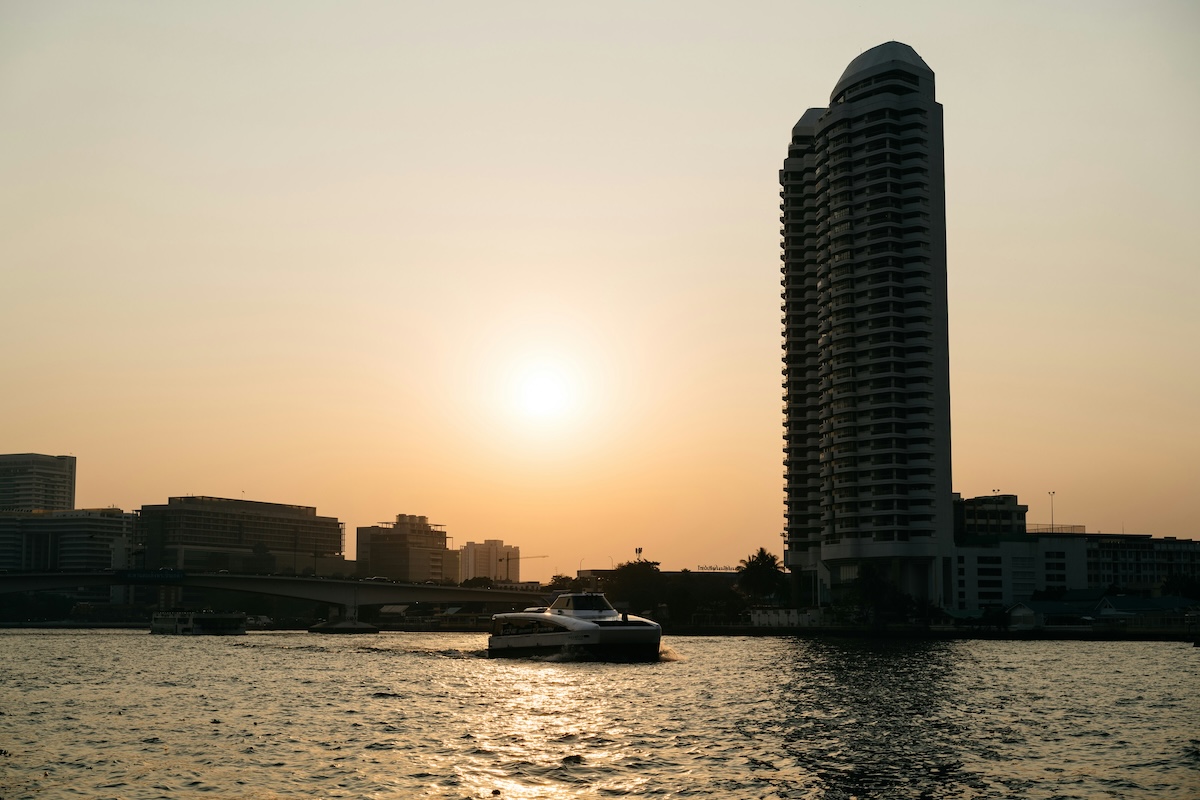
Bangkok demand is not one market; riverside, BTS, MRT and lifestyle districts attract different buyer profiles.
Foreign buyers should be especially cautious with units that are difficult to furnish, have awkward bedroom sizes, depend on shuttle buses for basic transport, or sit in buildings with a large number of identical investor-owned units. These may look efficient on paper but can become harder to differentiate when many landlords compete for the same tenant.
Bottom line for foreign investors
The foreign-transfer data supports a balanced view of Bangkok property in 2026. There is still international demand, and Bangkok remains one of the most liquid places in Thailand for foreign condominium ownership. But the market is not forgiving of lazy selection. Price, management, layout and exit depth matter more than broad confidence narratives.
If you are comparing Bangkok condominiums now, speak with IBP Real Estate before committing to a reservation. We can help you compare completed resale evidence, rental demand and foreign-quota position before you decide whether a unit belongs on your shortlist.
Bangkok condominium investors often talk about BTS stations first, but in 2026 retail-led districts deserve equal attention. A strong mall, community retail cluster, supermarket, food hall, cinema, gym or lifestyle centre can make a neighbourhood feel complete. For a foreign buyer who may be underwriting from overseas, that matters. Retail gives the location a recognisable anchor, helps tenants manage daily life without a car and makes the resale story easier to explain.
Retail-led districts can make a Bangkok condo easier to understand, rent and resell, but only when pricing still makes sense.
The point is not that every condo beside a mall is a good investment. Bangkok has a competitive retail market, and the better retail operators are now working harder to differentiate through food, wellness, services and events. CBRE Thailand’s 2026 outlook notes that retail supply reached 8.25 million square metres in 2025, with another 0.3 million square metres expected in 2026, while average occupancy is projected to soften below 90%. That tells investors to be selective. Retail is useful only when it improves genuine tenant demand, not when it simply adds another shiny building to an oversupplied area.
Why Retail Changes The Investment Question
A retail-led district can reduce uncertainty. Tenants know where to buy groceries, where to meet friends, where to exercise and how to get home late. Expatriates and regional executives often choose neighbourhoods that work on a normal weekday, not just on a viewing tour. If a condo is within practical reach of transport, restaurants, supermarkets and services, the owner can market convenience without relying on exaggerated luxury language.
This is particularly relevant for foreign owners who will manage the asset from overseas. A unit near a functioning retail node is easier for a property manager to show, easier for a tenant to imagine using and easier to photograph naturally. Convenience supports leasing velocity, and leasing velocity matters when gross rents are under pressure or when a vacant month can damage annual yield.
Bangkok's strongest lifestyle nodes combine retail, food, transport and daily services in one catchment.
Do Not Confuse Retail Volume With Retail Quality
Retail supply growth can be a strength or a warning. A high-quality mall with strong footfall, international brands, daily services and food demand can make an area more resilient. A weak retail podium with poor tenant mix can do the opposite, especially if it becomes another empty frontage that reduces street appeal. Foreign buyers should therefore inspect the retail ecosystem, not just the distance to the nearest mall.
Look at weekday traffic, tenant turnover, supermarket quality, restaurant depth, clinic access, bank branches, pharmacies and whether the mall is useful for residents rather than designed mainly as a weekend destination. A retail-led condo district should support daily routines. If the retail offer is too tourist-focused, too expensive for local residents or too disconnected from the station, it may have less rental value than the brochure suggests.
Midtown Retail Is Changing The Map
CBRE’s observation that much of the new retail supply is concentrated in midtown and suburban locations is important. Bangkok’s lifestyle map is no longer limited to Siam, Phrom Phong, Asok and the older CBD. Rama 9, Bang Na, Ladprao, Ratchada, On Nut and other connected areas are becoming more self-contained. For investors, that creates opportunity, but it also creates a pricing trap.
The opportunity is that a well-bought condo in a maturing district can benefit from improving services, better food and stronger local identity. The trap is paying central-Bangkok pricing for a location that still has midtown resale depth. Buyers should compare completed buildings, not just new launch presentations. If a new project beside a mall asks a large premium over nearby resale stock, the investor needs a clear reason to accept that premium.
For foreign investors, the building still needs good management, usable layouts and realistic resale evidence.
How To Underwrite A Retail-Led Condo
1. Start With Tenant Use, Not Decoration
A good retail node should make a tenant’s weekly routine easier. Check whether the area has a real supermarket, useful dining, medical and wellness services, reliable transport access and places where residents actually spend money. Pretty common areas inside the condominium are secondary if the neighbourhood itself is inconvenient.
2. Price Against Older Buildings Nearby
Retail-led areas often attract new projects with ambitious pricing. Compare the proposed purchase against completed buildings within the same walking catchment. Look at unit size, usable layout, building age, common-area fees, juristic reputation and actual asking rents. A premium may be justified, but it should be justified by scarcity, management quality or a genuinely better position.
3. Check Exit Demand In More Than One Buyer Pool
The best Bangkok investments can be explained to several audiences: Thai professionals, expatriate tenants, regional investors and lifestyle buyers. If the resale argument depends only on another foreign investor wanting the same launch story, the exit is thin. A retail-led district is stronger when it attracts both local and international users.
Where Retail-Led Logic Works Best
Retail-led logic works best in mixed districts where the mall is part of a wider daily-life network. Phrom Phong benefits from shopping, Japanese and international dining, parks and BTS access. Rama 9 combines offices, MRT, malls and relative affordability compared with prime Sukhumvit. Bang Na has stronger retail and exhibition infrastructure than many foreign buyers realise, though project selection must be careful. Silom and Sathorn benefit from office demand, parks and established dining rather than relying on a single mall.
The common thread is not luxury. It is usefulness. A foreign buyer should ask whether the district will still make sense in a slower market. If the answer is yes because the area has jobs, transport, groceries, healthcare, education routes and consistent footfall, the condo has a more durable investment story.
The 2026 Takeaway
Bangkok’s retail expansion supports the city’s livability and reinforces its role as a regional lifestyle hub. For property investors, however, more retail does not automatically mean better returns. The right conclusion is more disciplined: retail-led districts can improve rentability and resale confidence when the retail is high quality, the condo is well managed and the purchase price is realistic.
Foreign buyers comparing locations should use retail as one filter in a wider underwriting process. Start with the IBP investment analysis archive, then shortlist buildings by station access, tenant demand, juristic quality and exit depth before reserving a unit.