
Bangkok Luxury Condo Outlook 2026: Buyer Signals
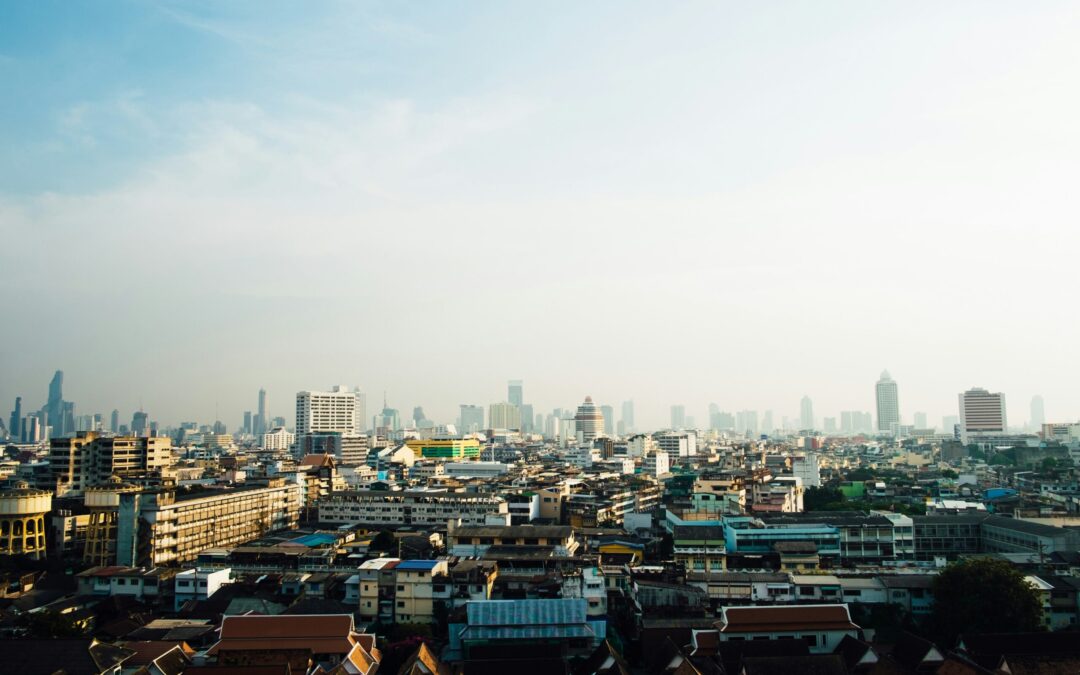
Bangkok luxury condominium demand in 2026 should be read with a disciplined eye. The market is not a single story of rising or falling prices. It is a set of micro-markets where location, product quality, building management, foreign quota and future resale depth can point in different directions even within the same district.
For foreign buyers, that makes 2026 a year for selectivity rather than broad optimism. A well-located freehold condominium in a proven rental and resale area can still be attractive, but the reason to buy should be specific: access to transport, scarcity of comparable stock, durable tenant demand, a credible developer and a realistic exit plan.
Recent market commentary from CBRE Thailand points to more new launches in the luxury and super-luxury segment, a high sales rate for existing downtown supply and potential upward pressure on downtown asking prices where new projects are positioned at the top end. Those are useful signals, but buyers should treat them as context, not a substitute for unit-level due diligence.
Why the luxury segment deserves a separate reading
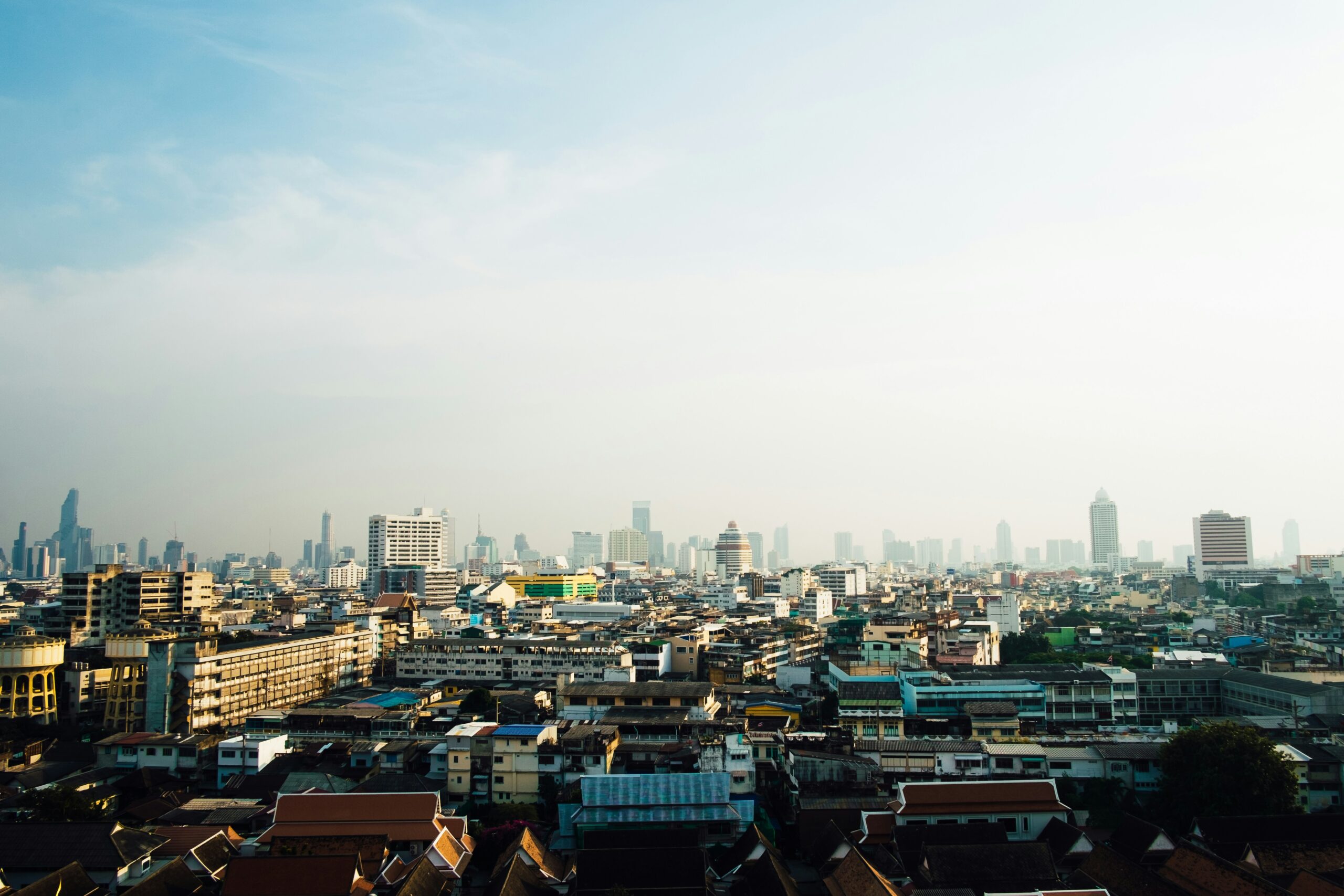
The luxury segment is more insulated from local mortgage stress than the mass market because a larger share of buyers use cash, overseas funds or stronger balance sheets. That does not make it risk-free. It simply means the main risks change. Instead of asking only whether buyers can get financing, foreign purchasers need to ask whether the building will remain desirable when competing projects launch nearby.
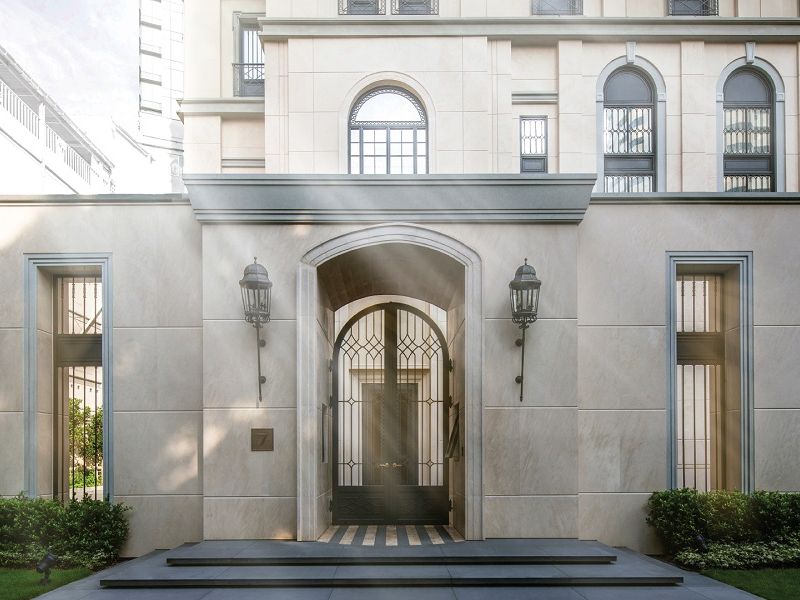
In central Bangkok, a luxury condominium is often competing on scarcity, privacy, ceiling height, facilities, parking, branded service, views and walkability. These qualities can support pricing when they are genuinely rare. They can also become expensive marketing language if the project is in an oversupplied pocket or if the unit layout does not fit actual tenant demand.
The practical lesson is to benchmark within the right peer group. A two-bedroom unit in Phrom Phong should not be judged against a smaller investor unit near an emerging MRT stop. Likewise, a riverfront residence should be compared with other riverfront buildings of similar tenure, view quality and management standard.
What CBREs 2026 outlook means for foreign buyers
CBREs 2026 Thailand real estate outlook highlighted continued developer focus on quality over quantity in the residential condominium sector. It also noted that more luxury and super-luxury launches are expected, supported by a high sales rate for existing supply, and that downtown average asking prices could move higher where new super-luxury launches raise the benchmark.
For an overseas buyer, this does not mean every downtown unit should be bought quickly. It means the replacement cost of genuinely prime stock may be rising. If a new launch asks a much higher price than completed resale buildings nearby, the buyer should understand what is being paid for: new specification, branded services, larger common areas, privacy, land scarcity or simply launch positioning.
The stronger approach is to compare three numbers: the resale price of comparable completed units, the asking price of new inventory, and the likely rent for the exact unit type. A purchase only makes sense when the gap between price and income can be justified by long-term personal use, capital preservation, unique product quality or a credible resale story.
Where demand is more defensible
Foreign-buyer demand is usually more defensible in locations that solve daily life. Proximity to BTS or MRT stations, international schools, major office clusters, hospitals, premium retail and parks all matter because they widen the tenant and resale audience. Bangkok buyers are increasingly sensitive to convenience; a famous district name is weaker than a building that is genuinely easy to live in.
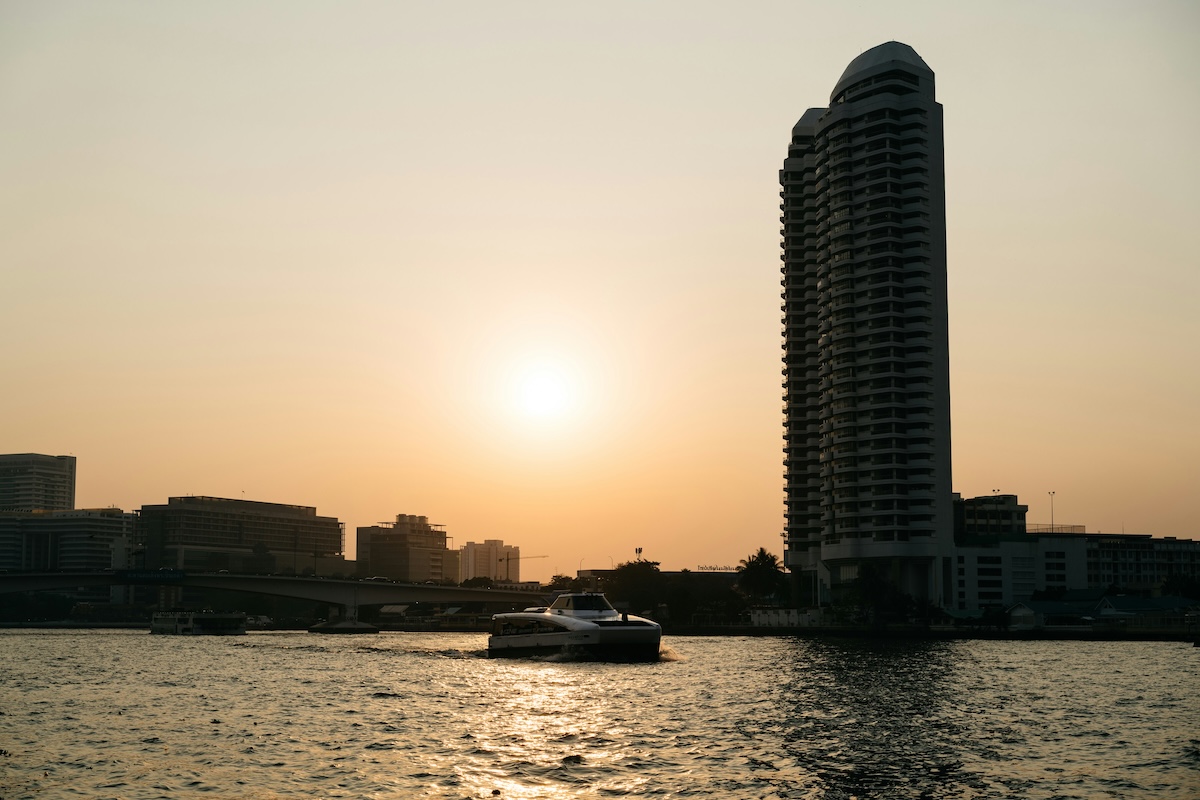
Sukhumvit remains deep because it serves Japanese, European, Korean, Singaporean and Thai professional demand across several price points. Lumpini, Chidlom, Wireless Road, Sathorn and selected riverside pockets attract buyers who value prestige, embassies, hotels, office access and lifestyle amenities. Rama IV is becoming more interesting because new mixed-use projects are improving the daily environment around Lumphini and Khlong Toei.
Emerging areas can still work, but the margin of safety should be higher. If a buyer is moving away from established prime districts, the discount should compensate for thinner resale liquidity, less proven rental demand and a longer wait for infrastructure or lifestyle improvements.
The risk buyers often underestimate
Many foreign buyers focus heavily on purchase price and underweight building operations. In Bangkok, long-term value can be damaged by weak juristic management, poor sinking-fund planning, inconsistent maintenance, noisy short-stay activity, or facilities that look impressive at launch but age quickly. A luxury purchase should include a close review of monthly common fees, sinking fund levels, major repair history and meeting minutes where available.
Foreign quota is another practical risk. A building may be attractive, but a foreign buyer cannot register freehold ownership unless foreign quota is available at transfer. In resale transactions, written confirmation from the juristic person should be obtained before deposit terms become hard to recover. For off-plan projects, the reservation and sales contract should explain how foreign quota is allocated and what happens if completion or transfer is delayed.
Currency should also be treated seriously. A buyer funding in dollars, euros, pounds or Singapore dollars is exposed to baht movement between reservation, contract payments and transfer. The Foreign Exchange Transaction documentation must be planned early, not collected in a rush at the Land Office.
A buyer framework for 2026
The most useful 2026 framework is simple. First, decide whether the purchase is primarily for own use, rental income, capital preservation or eventual resale. Second, shortlist districts that support that goal. Third, compare completed resale stock against new launches. Fourth, test the rental assumption against actual unit size and furnishing standard. Fifth, review legal, quota and management documents before paying a meaningful deposit.
For investors, a lower headline price is not automatically safer. A cheap unit in a weak building can stay cheap. A more expensive unit in a scarce, well-managed building may be easier to rent, easier to live in and easier to exit. The job is not to chase the lowest baht per square metre; it is to buy the most resilient ownership position for the intended hold period.
If you are comparing Bangkok luxury condominiums in 2026, speak with a buyer-side adviser before signing a reservation form. Invest Bangkok Property can help you compare districts, foreign quota, rental assumptions and resale evidence before you commit capital.