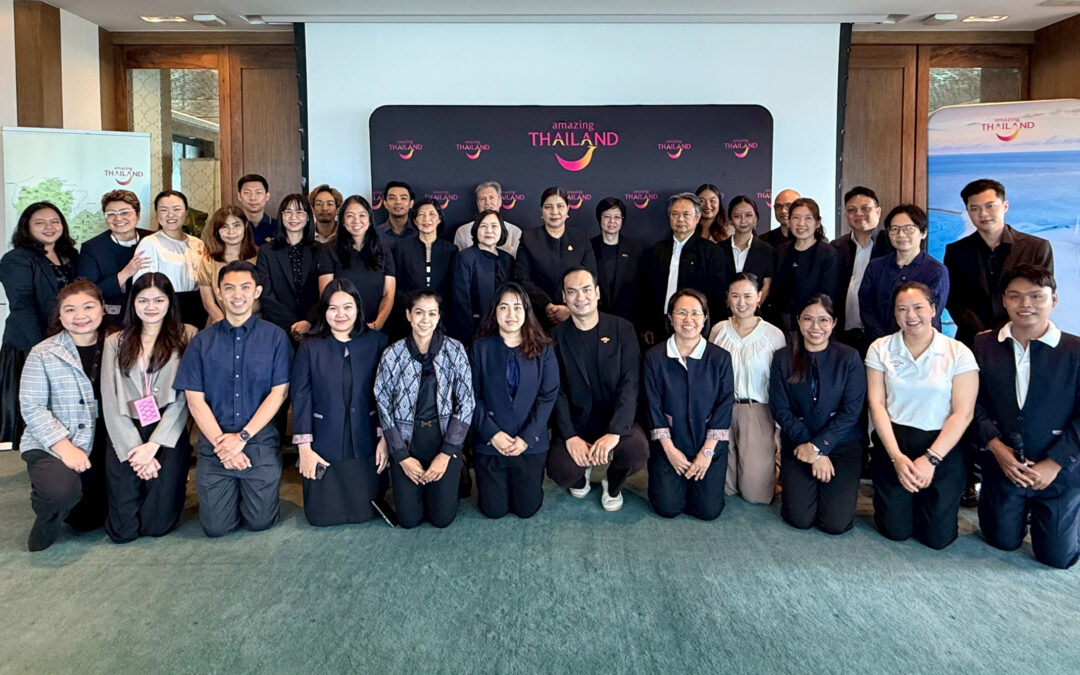
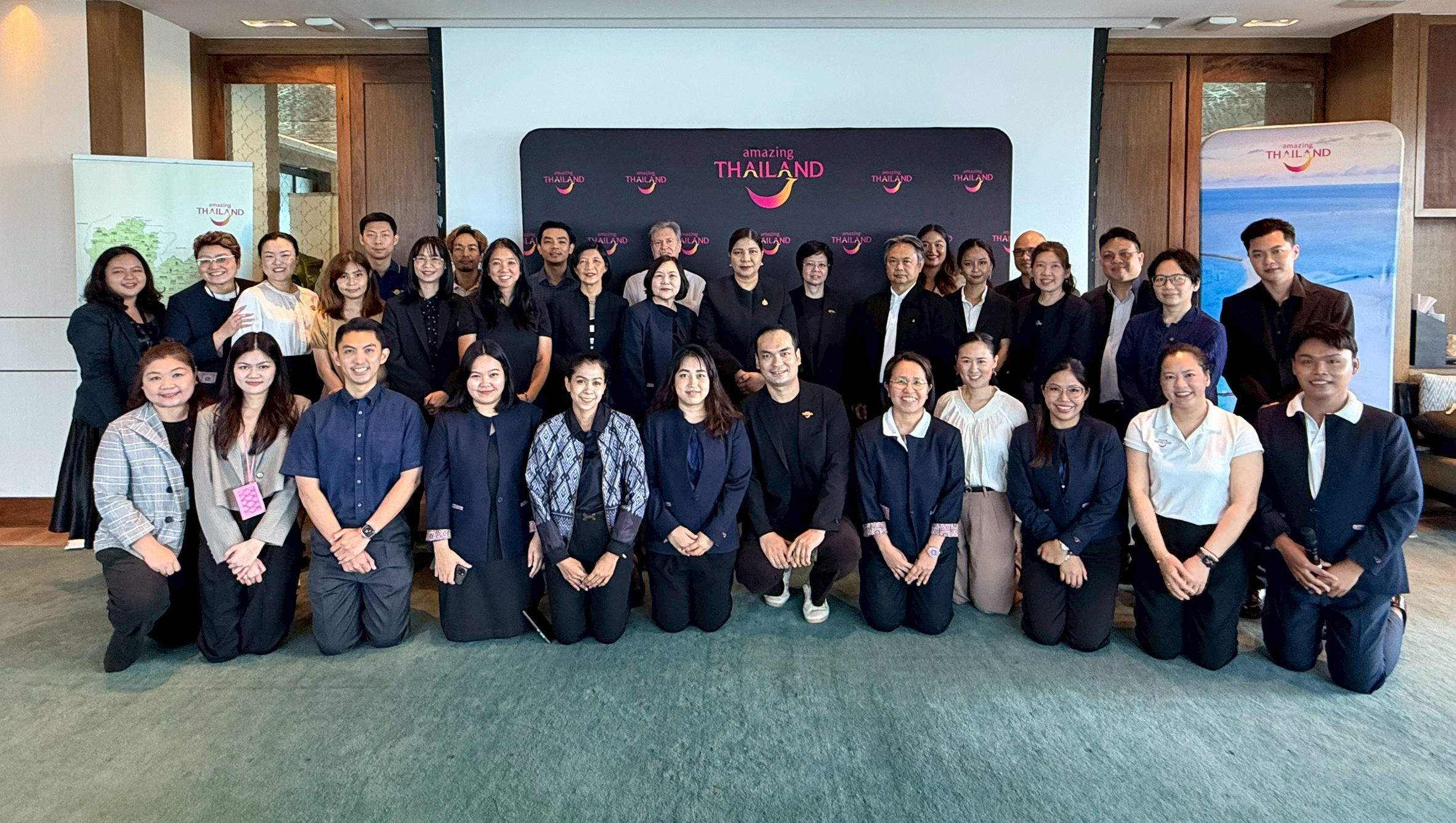
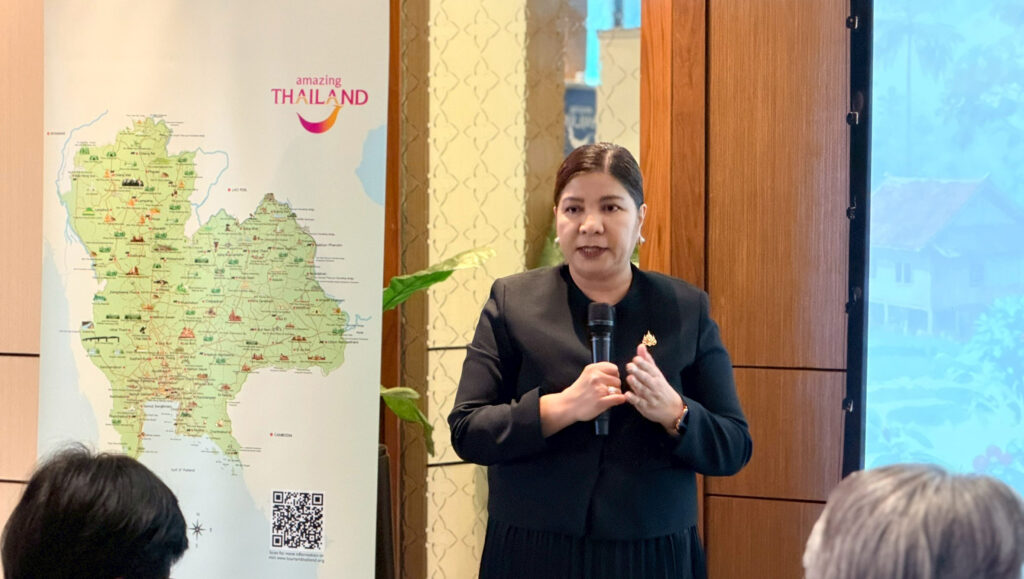
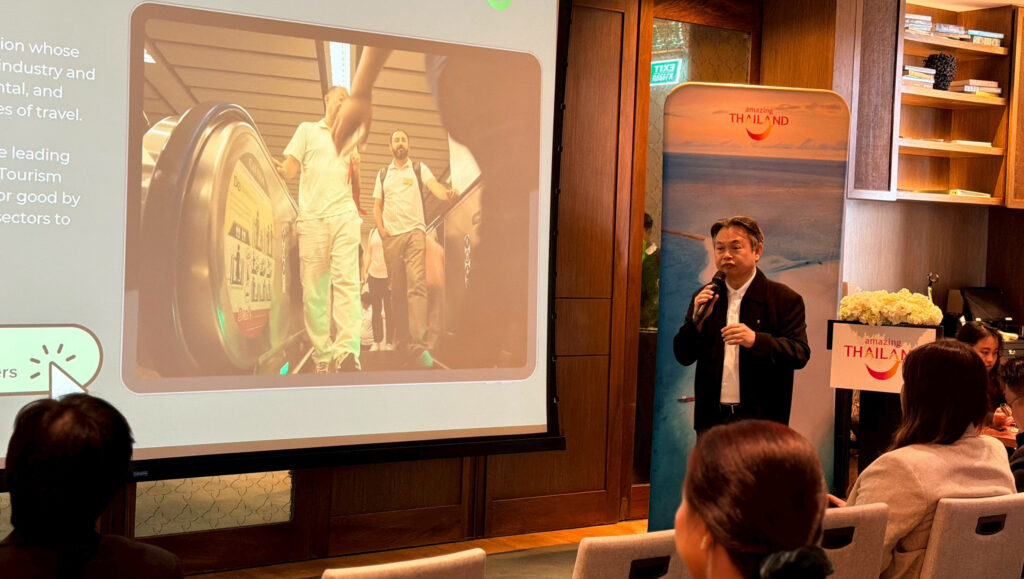
The Tourism Authority of Thailand organised “TAT x DMCs: Communities ConNext” on 2 July 2026 at Hyatt Regency Bangkok Sukhumvit, bringing destination management companies together around 55 community destinations for long-haul travel programmes. For a Bangkok condo buyer, this may sound far removed from unit selection. In practice, it says something useful about the kind of country Bangkok sits within.
Foreign buyers do not buy a condo only for four walls. They buy access to a city, and in Thailand that city is connected to food culture, craft, temples, weekend travel, community experiences, wellness, beaches, mountains and regional identities. When Thailand invests in packaging local experiences for international travellers, it strengthens the lifestyle case for using Bangkok as a home base.
TAT's Communities ConNext workshop highlighted local experiences for long-haul travel programmes.
What the TAT workshop signals
TAT’s July 2026 workshop focused on making community destinations more ready for long-haul markets, including Europe, the Americas, the Middle East and Africa. The programme connected public-sector teams, private travel partners and local tourism networks so that community routes can be better presented to international tour operators and travel agents.
The important phrase for property buyers is not just tourism. It is quality of experience. Thailand is trying to move beyond volume alone by highlighting responsible travel, local conservation, community lifestyles and meaningful spending. That direction supports Bangkok’s premium positioning because the capital becomes a gateway to a deeper, more varied country rather than a stand-alone stopover.
Local identity is becoming a more deliberate part of Thailand's visitor appeal.
Why local experiences matter to liveability
Bangkok can feel easy for foreigners because it has international hospitals, airports, shopping centres, English-speaking services, dining and mass transit. But the city becomes more liveable when residents also feel connected to Thai culture beyond the most familiar attractions. Weekend markets, old neighbourhoods, craft communities, temple districts, food routes and short domestic trips make ownership feel less transactional.
This matters for investors as well as lifestyle buyers. A tenant choosing between regional cities may value the ability to host family, explore Thailand and enjoy a distinctive cultural life. A future buyer may see Bangkok as more than a work posting if the city gives them access to the rest of the country. Local experiences add emotional depth to the practical case for living here.
Sukhumvit as a gateway, not the whole story
The TAT workshop took place in Sukhumvit, which is fitting. Sukhumvit is often where new residents first understand Bangkok: BTS access, hotels, restaurants, hospitals, international schools and serviced apartments. Yet the best version of Bangkok living usually expands outward. Residents use Sukhumvit for convenience, then explore riverside culture, old-town food, creative districts, parks, galleries, community markets and weekend trips.
A condo buyer should therefore judge location by both convenience and curiosity. Can the resident reach daily services easily? Can visitors move around without confusion? Is there enough neighbourhood character to make repeated stays enjoyable? Does the building make it easy to leave for the airport, a train station or a weekend route? The strongest Bangkok addresses support routine and discovery at the same time.
For condo owners, a richer visitor economy adds depth to Bangkok's lifestyle story.
What to check before buying for lifestyle use
Buyers who plan to use a Bangkok condo personally should test more than commute time. Stay in the district if possible. Walk in the morning and evening. Try the nearest supermarket, pharmacy, park, cafe, hospital route and BTS connection. Check whether the building feels comfortable after a long flight. Ask whether guests can find it easily and whether taxis or ride-hailing drivers understand the entrance.
For owners who may rent the unit, think about how the district reads to tenants. A foreign tenant often wants a simple story: close to work, easy for visitors, good food, reliable building, safe access and enough culture nearby to make Bangkok feel special. Local experiences nearby or within easy reach can help a district stand out from a purely functional rental location.
Bangkok as a base for a richer Thailand
Bangkok’s investment appeal is strongest when buyers see both sides of the city. It is a globally connected capital with airports, hospitals, finance, retail and professional services. It is also the most practical base for exploring Thailand’s regional identities. TAT’s Communities ConNext direction reinforces that second point by making local travel experiences easier to understand for long-haul audiences.
For foreign condo buyers, the lesson is straightforward. Choose a building that works operationally, then choose a district that keeps life interesting. IBP’s buying process guide and due diligence checklist can help balance lifestyle appeal with the paperwork, building and resale checks that make ownership safer.
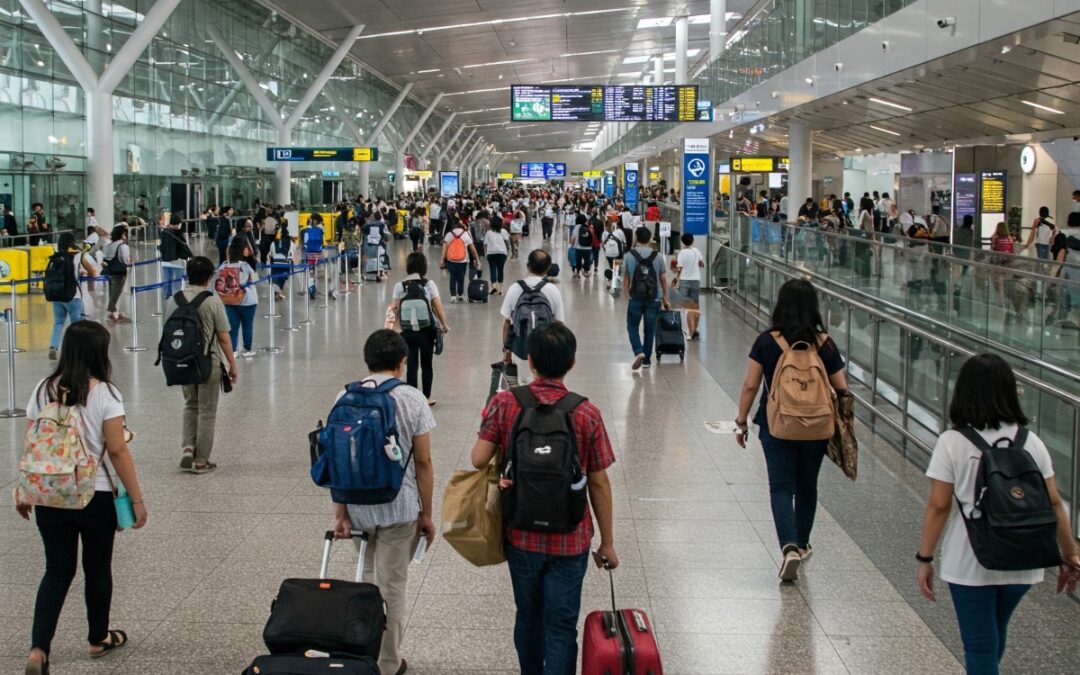
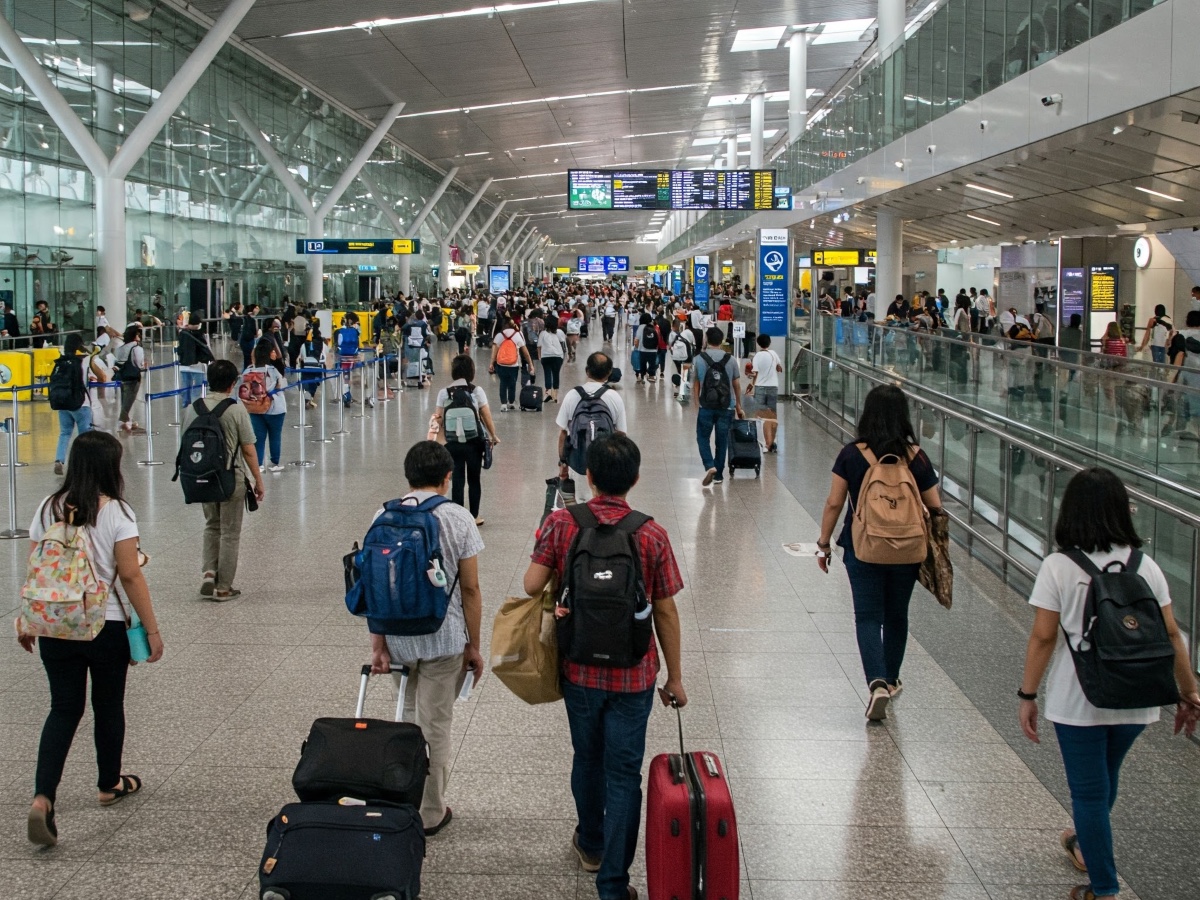
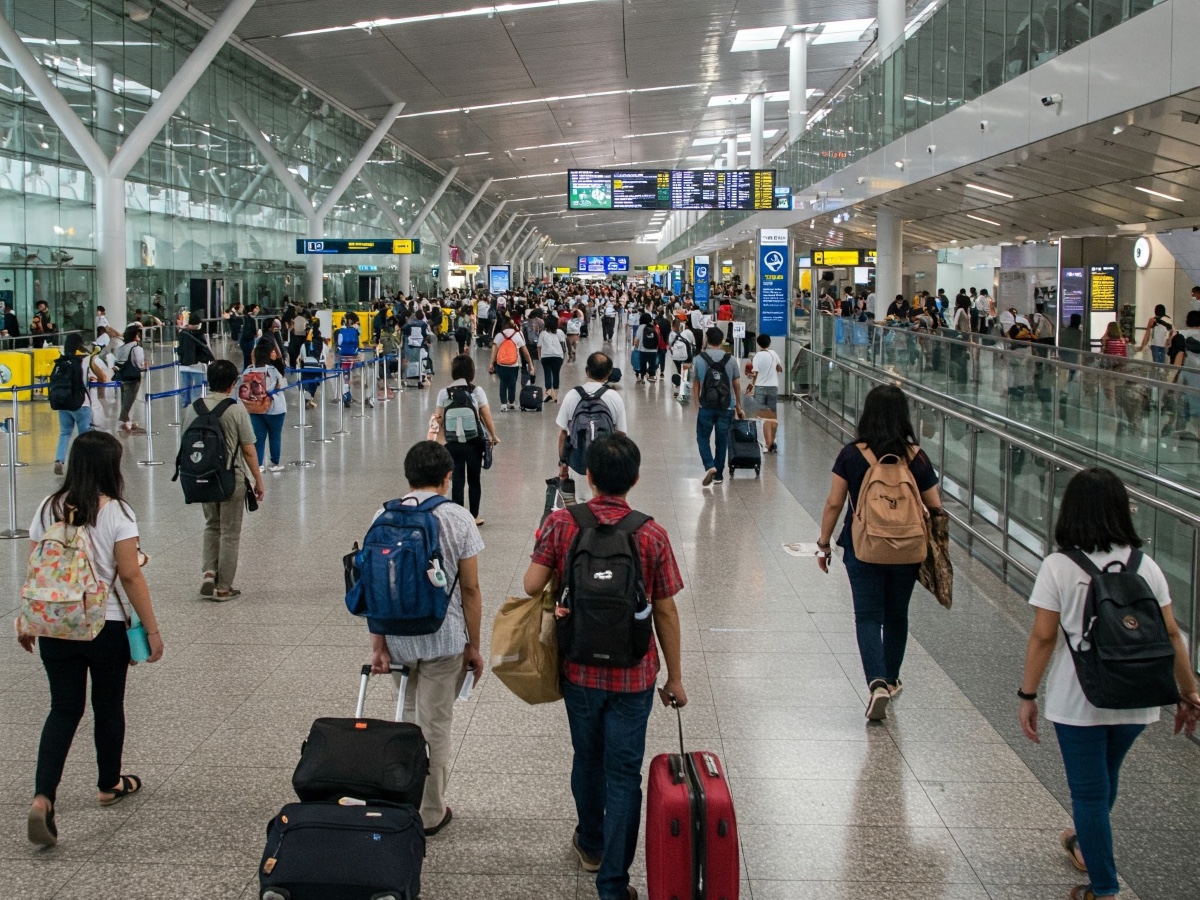
Airport access is one of Bangkok’s quiet liveability tests. It rarely decides a purchase on its own, but it can shape how comfortable a condo feels for foreign owners who fly regularly, families who host visitors, executives who work across the region, and tenants who need reliable travel links. A beautiful unit can still be frustrating if every airport trip is stressful.
Airport access matters most when it fits the owner’s real travel rhythm, not only a map distance.
Foreign buyers should assess airport access as part of daily life, not as a marketing phrase. Bangkok has more than one travel pattern. Some owners use Suvarnabhumi for long-haul and regional flights. Others use Don Mueang for domestic and low-cost regional routes. Many residents also care about the route to the Airport Rail Link, expressways, taxis and ride-hailing pickup points.
Why airport access matters to ownership
For non-resident owners, airport access affects every viewing trip, handover visit, furnishing trip and annual inspection. For owner-occupiers, it affects work travel, family visits and holidays. For tenants, it can be a deciding factor when choosing between similar units, especially for regional managers, consultants, airline staff, medical visitors, academics and internationally mobile families.
The value is not only speed. Predictability matters. A district that gives residents two or three workable airport routes can feel more resilient than a location that depends on one congested road. Buyers should ask how the journey works in the morning, evening, rain and holiday periods, not only on a quiet weekend afternoon.
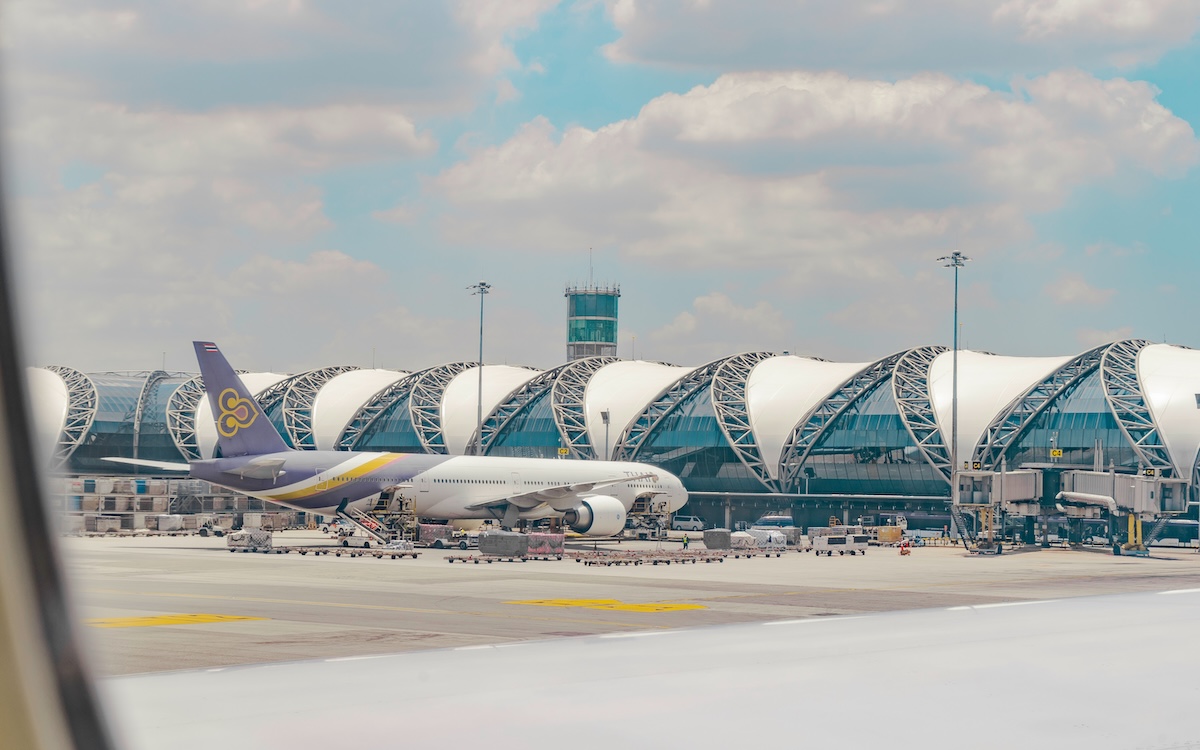
Suvarnabhumi access supports Bangkok’s appeal as a regional base for mobile households.
Rail, road and the final kilometre
Rail access can be useful, especially when a building connects conveniently to the BTS, MRT or Airport Rail Link network. But rail is only part of the journey. The final kilometre from the condo to the station, luggage handling, escalators, lifts, weather and interchange comfort all matter. A route that looks efficient on a map may be awkward with suitcases or children.
Road access also needs a practical test. Ask how quickly taxis arrive, where cars can stop, whether the lobby pickup point works during rain, and how the route changes during peak traffic. Buildings with clear drop-off areas, helpful security teams and easy ride-hailing access often feel better for frequent travellers.
Which districts benefit from airport logic
There is no single best airport district. Phaya Thai and Ratchaprarop can appeal because of Airport Rail Link access. Asoke, Phrom Phong, Thonglor and Ekkamai may suit residents who balance airport trips with central Sukhumvit work and lifestyle. Sathorn and Silom can work for business travellers who prioritise office access. Bang Na, On Nut and eastern Sukhumvit may appeal to buyers who use expressway routes or prefer a less central base.
The right choice depends on the buyer’s wider routine. A family may prefer school and hospital convenience over shaving ten minutes from an airport trip. A consultant who flies weekly may accept a smaller unit if the travel route is more predictable. A retiree may care more about easy taxi access, lift comfort and nearby healthcare than proximity to a rail interchange.
The best location decision balances airport movement with schools, hospitals, offices and daily errands.
How landlords should think about airport access
Airport access can help rental marketing, but it should not be exaggerated. Tenants still compare rent, layout, furniture, building facilities, noise, internet, grocery access and management quality. A unit near a travel route is stronger when it also works as a home. Good photos, clear directions and honest journey descriptions are more useful than vague claims about being close to everything.
For furnished rentals, consider the traveller’s first hour in the unit. Is the arrival process clear? Can a taxi stop easily? Is there a place for luggage? Does the building allow smooth move-in? Are instructions available in English? These details can influence reviews, renewals and tenant referrals.
Inspection checklist
Test the airport route at realistic times, not only during a viewing slot.
Check taxi pickup, lobby access, luggage movement and station lifts.
Compare Suvarnabhumi and Don Mueang routes if both airports matter.
Balance airport convenience with schools, hospitals, offices and grocery access.
Ask whether building staff can support arrivals, deliveries and move-in coordination.
Buyer takeaway
Bangkok airport access is a liveability factor, not a stand-alone investment thesis. Foreign buyers should choose a condo that fits their real travel pattern while still meeting the fundamentals of layout, building quality, district convenience and resale appeal. The best location is the one that makes both ordinary weeks and travel days easier.
IBP can help foreign buyers compare Bangkok districts by travel access, lifestyle fit and ownership practicality. Browse our Bangkok lifestyle guides or contact IBP Real Estate for a location-led shortlist.
Air quality is a practical liveability issue for Bangkok condo buyers. It affects morning walks, school runs, exercise routines, work-from-home comfort, balcony use and how often residents rely on air-conditioning. Foreign buyers should treat it as a building and district check, not only a seasonal complaint.
The point is not to rule out Bangkok. Many residents live comfortably by choosing the right building, routes and routines. The buyer’s task is to understand how a condo performs during traffic-heavy, hot or hazy periods, and whether the surrounding district supports healthier daily choices.
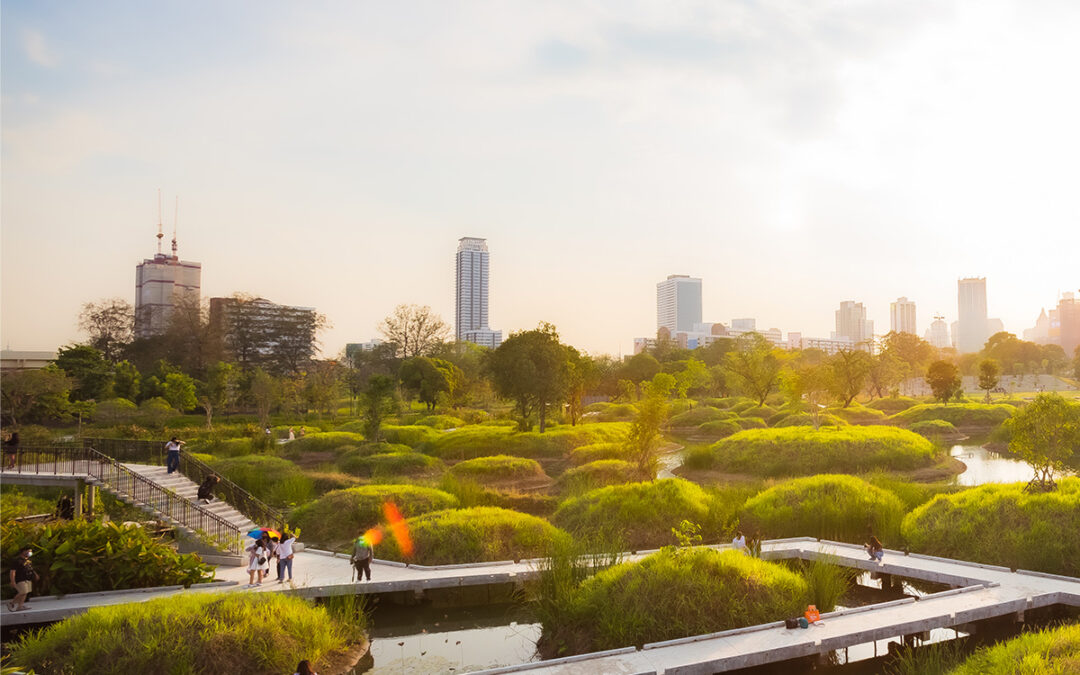
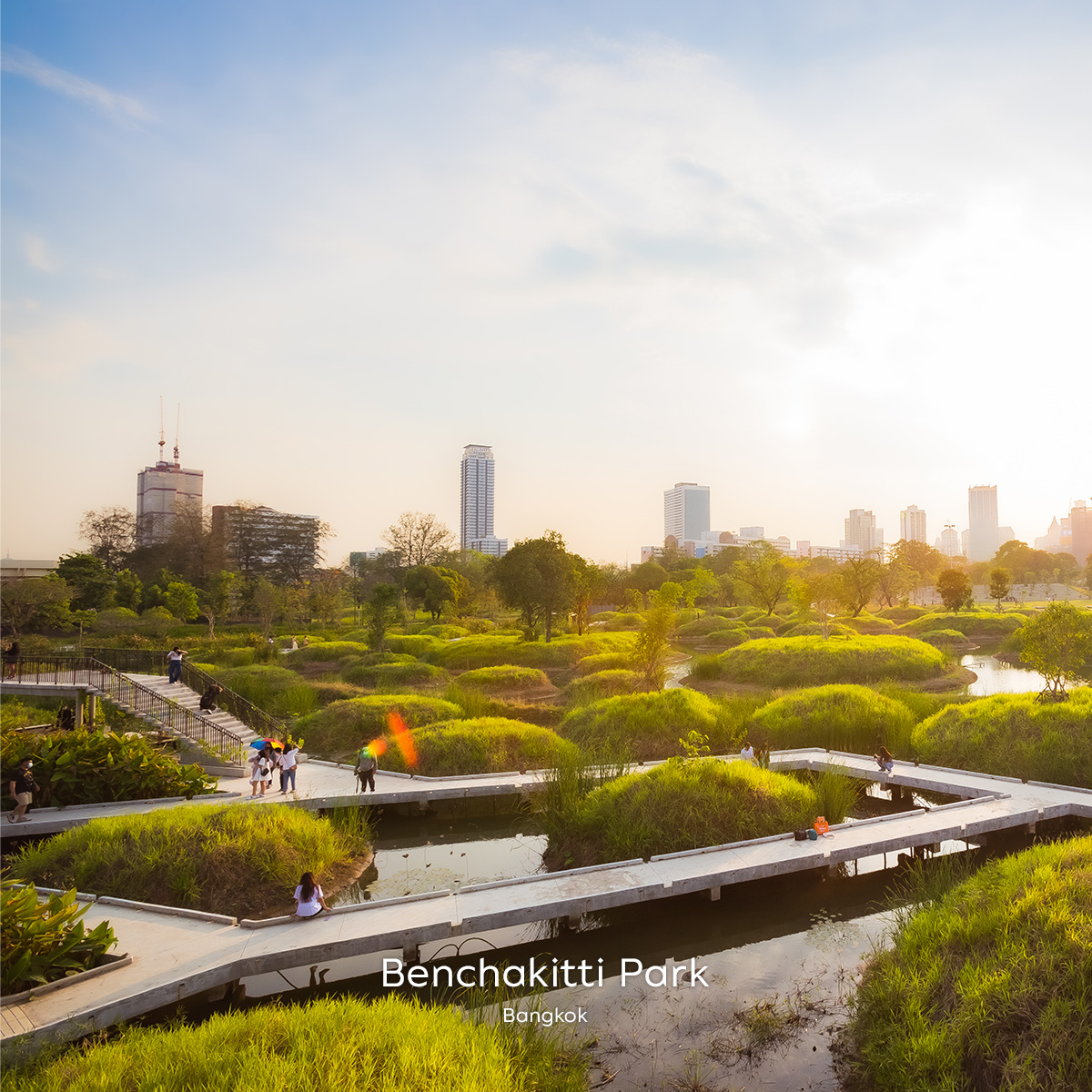
Park access can help daily routines, but buyers should still test routes, shade, traffic and building systems.
Start With The Street Environment
Air-quality comfort begins outside the building. A condo beside a major road, expressway, bus stop or loading area may feel different from one set back on a quieter soi. Buyers should walk the route to BTS, MRT, shops and parks at the times they would actually use it.
Traffic exposure is not only about distance. Crossings, idling vehicles, motorbike concentration, construction, school traffic and poor pavement can make a short walk feel uncomfortable. A slightly longer route with shade and less traffic may be better for daily life.
If the buyer has children, respiratory sensitivities or a work-from-home routine, this check becomes more important. It should influence district choice, building orientation and the value placed on indoor amenities.
Air-quality comfort is partly a neighbourhood question: roads, shade, walkability, transport and daily timing all matter.
Check The Building Systems
Inside the building, ask how common areas are ventilated and maintained. Lobbies, corridors, gyms and lounges may feel comfortable during a viewing, but buyers should still consider air-conditioning maintenance, filters, odours, car-park ventilation and whether smoky or dusty areas sit near resident routes.
The unit itself needs attention. Window seals, balcony doors, air-conditioning age, filter access, kitchen ventilation and bathroom exhaust all affect comfort. A high-floor unit may feel airy but still need good filtration and maintenance. A lower-floor unit may be practical if it faces away from traffic and has better shade.
Buyers who plan to rent out the unit should make filter replacement and air-conditioning servicing part of the management routine. A tenant may not renew if the condo feels dusty, damp or difficult to cool.
Inside the unit, filtration, window condition, orientation and maintenance can affect comfort during haze or traffic-heavy periods.
Parks Help, But They Are Not The Whole Answer
Green space can improve the daily experience of living in Bangkok. Parks, shaded streets and river walks give residents places to exercise and decompress. They also make a district feel more balanced, especially for people moving from less dense cities.
Still, buyers should be realistic. A nearby park does not cancel out a poor building or difficult commute. The route to the park matters, as do opening hours, crowding, safety, shade, lighting and how easily the resident can use it before or after work.
The best liveability choice combines several elements: a building with good systems, a unit away from the worst exposure, access to green or lower-traffic routes, and enough daily services nearby that residents do not spend every errand in heavy traffic.
How Air Quality Affects Investment
For investors, air-quality comfort is part of tenant retention. A well-furnished unit can still struggle if the balcony is unusable, windows leak dust, the gym feels stale or the route to transport is unpleasant. These issues may not appear in listing photos, but tenants discover them quickly.
District reputation can also matter. Some tenants ask about parks, walkability, schools, hospitals and indoor amenities because they are thinking about daily health and comfort. A condo that supports those routines may have a wider audience than one that relies only on a low rent.
The buyer should price this calmly. Do not overpay for a vague green lifestyle claim, but do give credit to buildings and districts that make comfortable routines easier to maintain.
A Practical Viewing Checklist
During the viewing, check the balcony, window seals, air-conditioning units, filters, odours, corridor ventilation, car-park route, gym air flow and the walk to transport. Visit at different times if possible, especially during rush hour or nearby construction activity.
Ask the juristic office about air-conditioning servicing rules, renovation dust control, smoking rules, car-park ventilation and how complaints are handled. If the building has a central system or shared facilities, understand who maintains them and how often.
For personal use, think about your daily rhythm. Where will you exercise, buy groceries, wait for transport, work and rest? For investment, think about how a tenant will answer those same questions after moving in.
Buyer Takeaway
Bangkok air-quality comfort is manageable when buyers treat it as part of location and building due diligence. The right question is not whether the city is perfect, but whether the specific condo gives residents practical control over their environment.
A good purchase should combine a sensible route, good building systems, manageable exposure, useful green or indoor amenities and a unit that is easy to maintain. These factors support both liveability and rental confidence.
Chatuchak is often introduced through the weekend market, but foreign condo buyers should look beyond the postcard version. The area combines markets, parks, BTS and MRT access, government and office activity, schools, casual dining and northern-Bangkok connectivity. That mix can make it more liveable than buyers expect if the exact building and route are chosen carefully.
The district is not a substitute for prime Sukhumvit or Riverside living. Its appeal is different: practical, local, green in parts, well connected and busy on weekends. For buyers who value real Bangkok routines as much as polished luxury, Chatuchak deserves a measured look.
Weekend market access can add texture to Bangkok living when the weekday routine also works.
Why Chatuchak Has A Distinct Lifestyle
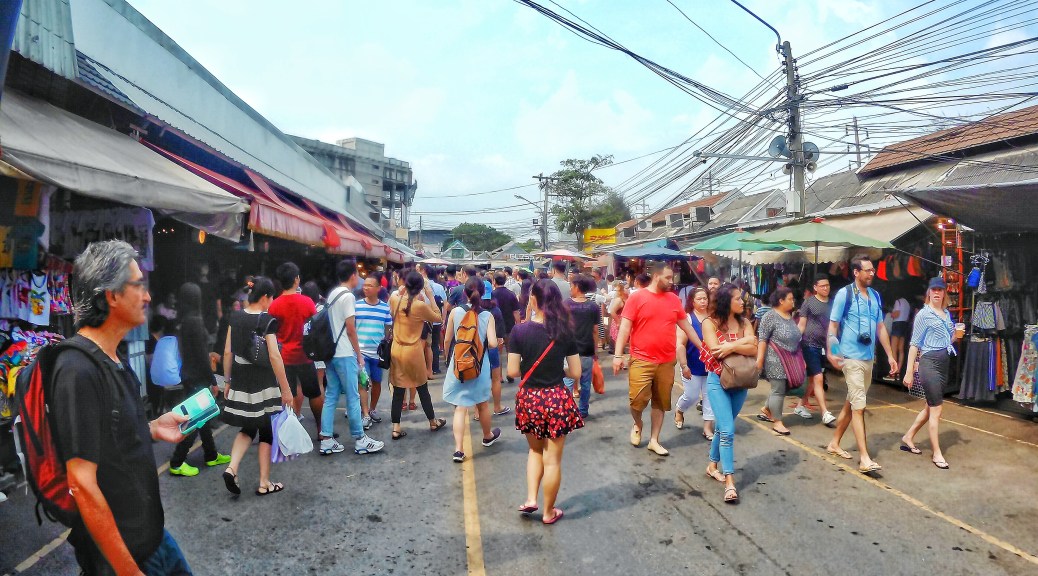
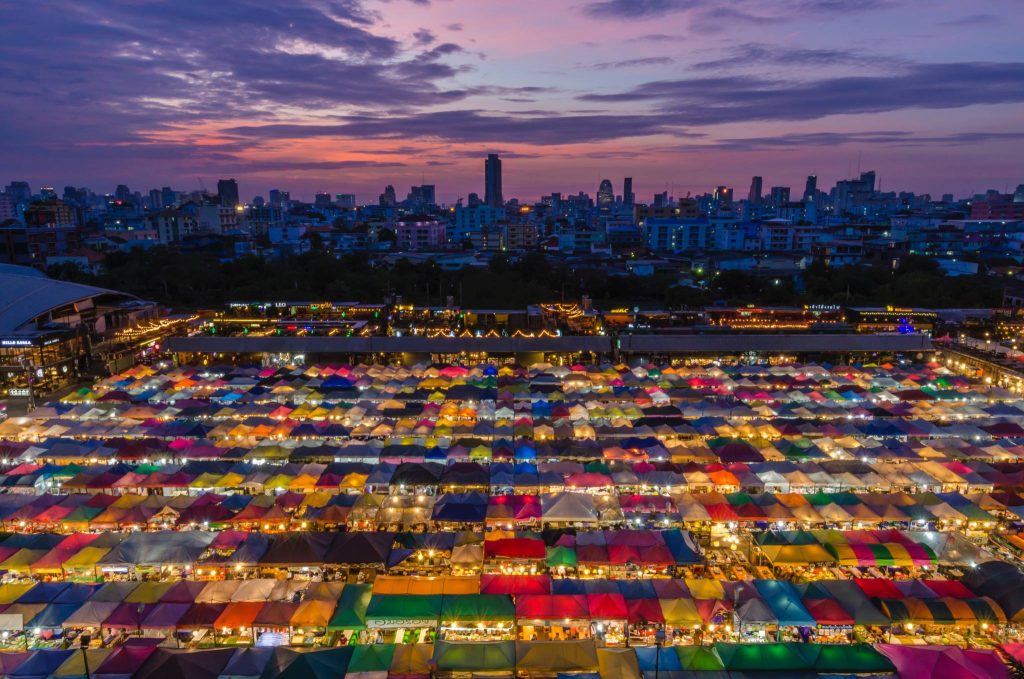
Chatuchak Weekend Market gives the area an identity that is easy for foreigners to remember. It brings food, plants, design, antiques, clothes, homeware and a sense of Bangkok street culture into one large district experience. For residents, that can make weekends feel full without needing to cross the city.
The wider area also benefits from green space and rail connections. Chatuchak Park, Queen Sirikit Park and nearby public areas create a different rhythm from dense tower districts. Residents can combine market visits, park walks, casual food and transport access in a way that feels more local than hotel-led.
This lifestyle can appeal to long-stay residents, creatives, students, remote workers and buyers who prefer a practical neighbourhood base. It may be less suitable for buyers who want luxury hotel services, river views or immediate access to the central embassy and premium retail districts.
That distinction keeps expectations realistic.
Chatuchak's appeal is strongest when it is paired with rail access, parks and manageable daily routes.
Transport Is The Main Strength
Chatuchak’s transport story is one of its strongest buyer arguments. BTS and MRT connections around Mo Chit, Chatuchak Park and nearby stations make it easier to reach central areas, northern Bangkok and transport interchanges. That can support tenants who work across several districts rather than in one fixed office corridor.
Foreign buyers should still test the actual route from the condo lobby. A building can be close to a station on a map but awkward because of crossings, heat, event crowds, pavement quality or traffic. Weekend market activity can also change the feel of the district. Visit both busy and ordinary periods.
If airport access, school routes or office commutes matter, test them separately. Chatuchak can be convenient for some routines and less convenient for others. The district should be chosen for the life the buyer will actually lead.
Condo choices around Chatuchak should be compared by station access, building condition and tenant fit.
What To Check In The Building
Because Chatuchak is busy and mixed, building quality matters. Check lifts, security, parking, parcel handling, common areas, gym, pool, juristic management, noise control and short-stay rules. A well-managed building can turn the district’s energy into a positive lifestyle. A weak building can make the same energy feel tiring.
Unit orientation is important. Some units may face roads, rail, construction, market traffic or open green space. Visit at different times so you understand noise, light and privacy. A park or city view can be valuable, but only if the unit remains comfortable during heat, rain and weekend crowds.
Investors should compare rent evidence with Ari, Phahon Yothin, Lat Phrao and Ratchayothin alternatives. The tenant who chooses Chatuchak may be more value-conscious than the tenant choosing Phrom Phong or Chit Lom. Pricing and furnishing should match that audience.
Buyer Takeaway
Chatuchak is attractive when the buyer wants Bangkok to feel accessible, varied and lived-in. The market and parks create weekend appeal, while rail links and daily services can support practical routines. The opportunity is not about buying the market name. It is about finding a building that makes the area easy to use.
Foreign buyers should test weekday convenience, weekend crowd patterns, station access, noise, building management and resale evidence before committing. If those checks are strong, Chatuchak can be a credible alternative to more expensive central districts.
IBP can help compare Chatuchak with Ari, Phahon Yothin, Lat Phrao and central Sukhumvit options. Explore our Bangkok lifestyle guides or contact IBP for a practical location shortlist.
Bangkok liveability is often decided by ordinary errands rather than landmark attractions. A condo can look impressive on a viewing day, but foreign buyers should ask how easily the address handles groceries, coffee, laundry, deliveries, clinics, parks, transport and weekend routines. The best Bangkok home is usually the one that makes the week feel simple.
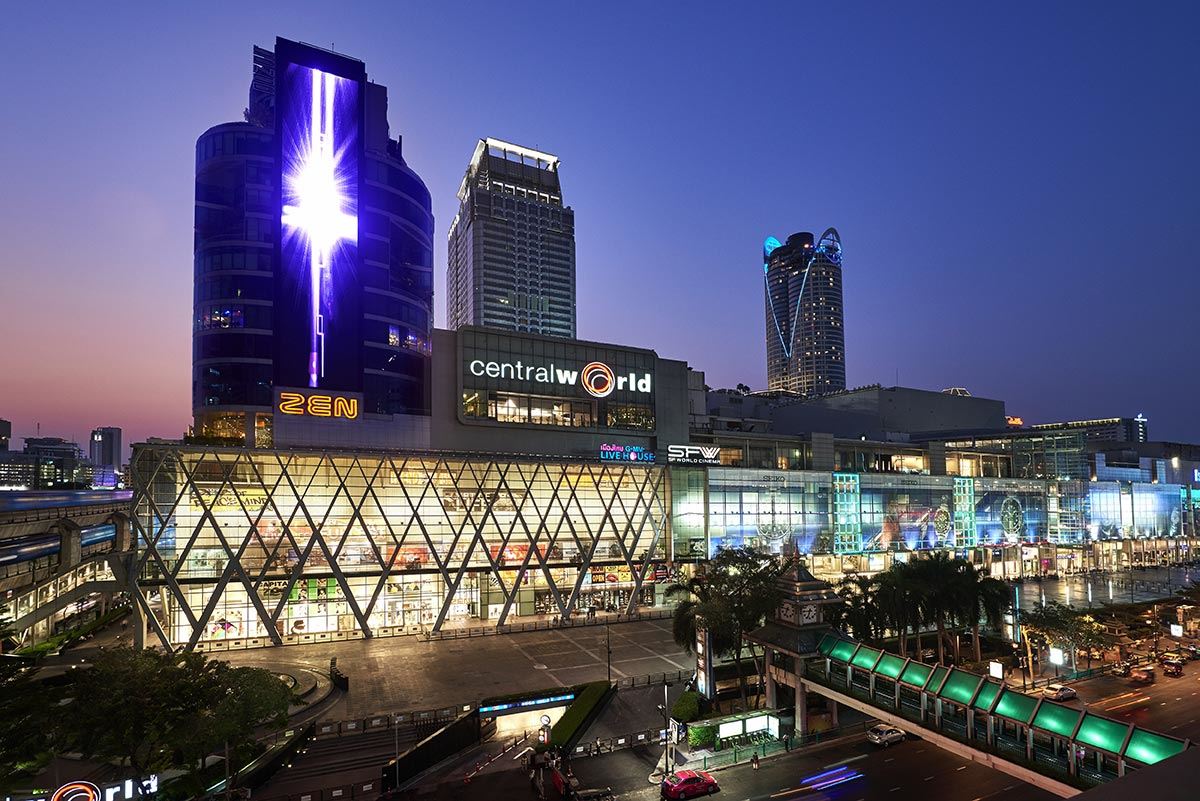
Daily retail access can matter more to long-stay residents than landmark attractions.
This is especially important for buyers who plan to stay for several months a year, relocate with family, work remotely or rent the unit to long-stay tenants. Daily convenience can support tenant appeal and resale confidence because it broadens the number of people who can imagine living there.
Start with the weekday route
A useful liveability test begins at the lobby, not at the sales gallery. Walk from the building to the nearest station, supermarket, pharmacy, cafe, bank, clinic and main road. Notice shade, pavement quality, crossings, traffic, noise, rain cover and how the route feels after dark. If the daily route is awkward, a strong view may not compensate.
Foreign buyers should also test the building’s arrival process. Can taxis and ride-hailing cars stop safely? Is there a sensible parcel system? Are delivery riders managed clearly? Does the lobby feel secure without being difficult for guests? These details affect residents every week and can influence tenant renewals.
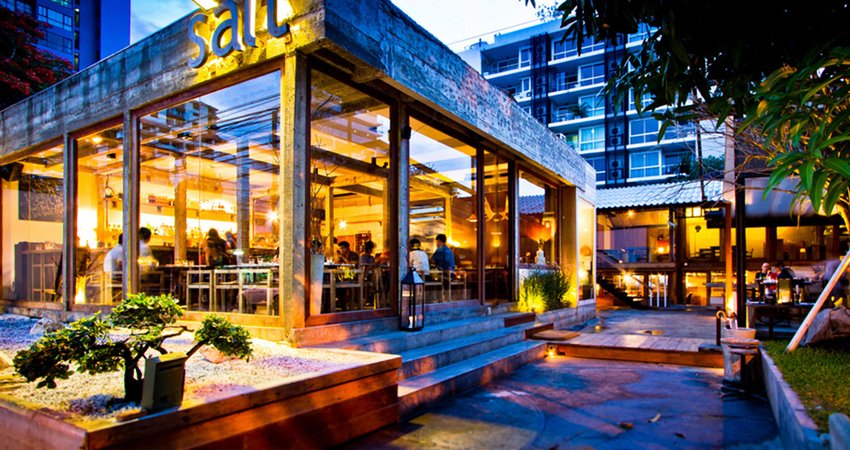
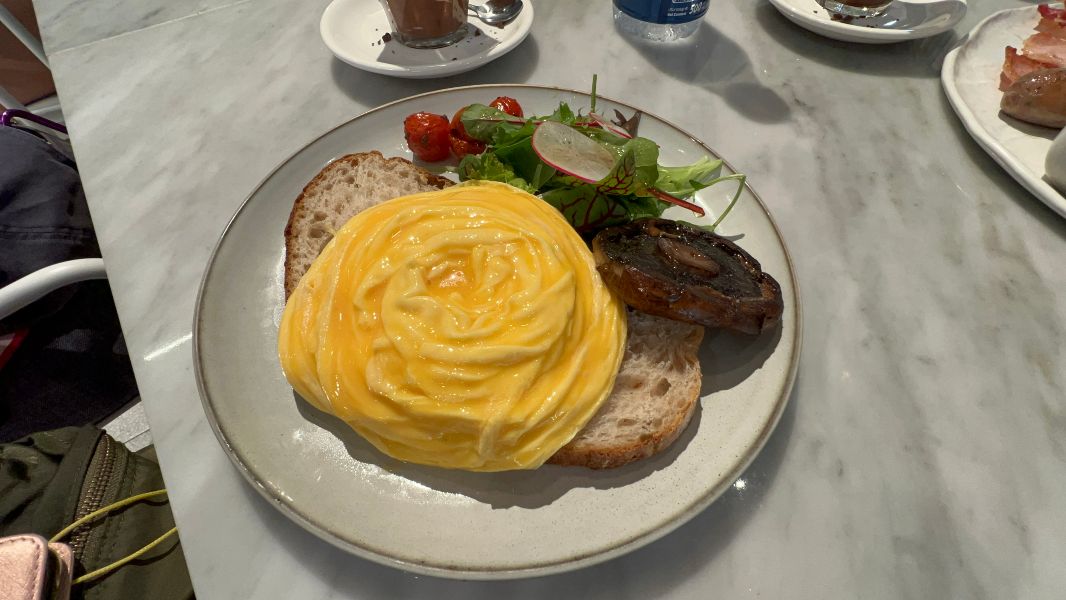
Cafes, workspaces and food options help buyers understand the ordinary weekday rhythm.
Groceries and food access
Bangkok is strong on food, but not every condo location is equally practical. Some addresses offer excellent restaurants but weak supermarket access. Others have easy groceries and casual food but fewer international dining choices. The right balance depends on the buyer profile. A long-stay owner may care more about daily groceries than rooftop dining.
For rental investors, food access should be tested by tenant type. A single professional may value coffee, gym and quick meals. A couple may want a better supermarket and delivery options. A family may need larger grocery runs, parking, schools and weekend activities. The more tenant profiles a location can serve, the deeper its demand can be.
Healthcare, wellness and quiet time
Many foreign residents choose Bangkok partly because private healthcare, dental care, wellness services and pharmacies are easy to access. A condo does not need to sit next to a hospital, but the route to trusted clinics and emergency care should be realistic. This matters for retirees, families, medical visitors and owners who split time between countries.
Quiet time matters too. Visit on weekdays and weekends. Check whether nearby bars, schools, roads or construction affect the unit. A district can be exciting at night and still be tiring to live in. Good Bangkok buying decisions usually balance energy with retreat.
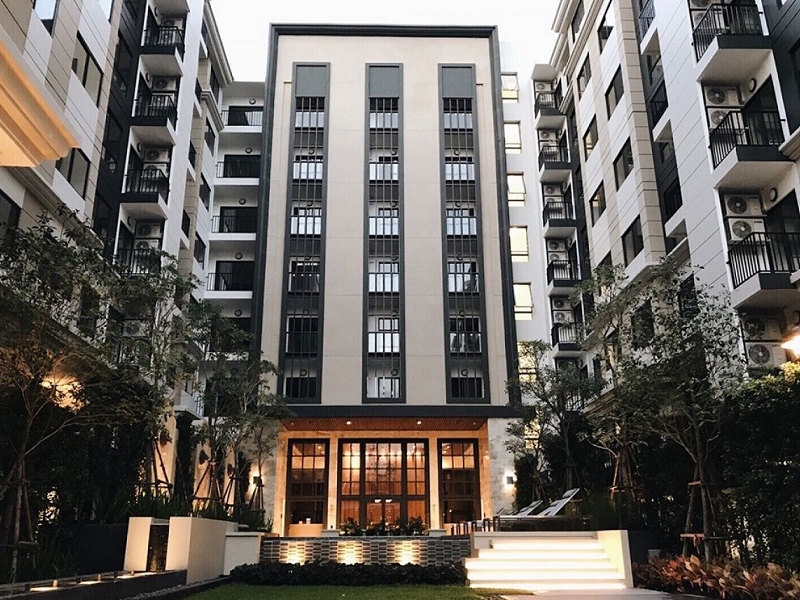
A good address makes ordinary errands feel manageable in real weather and traffic.
Weekend routines reveal the real district
Weekend routines are a useful way to compare districts. Ask where you would walk in the morning, where visitors would stay, how you would reach parks, malls, museums, restaurants or the river, and how long it takes to get home after dinner. If every weekend plan requires a long taxi ride, the location may be less convenient than it first appears.
Families should add school events, sports, play areas and medical access to the test. Remote workers should add cafes, coworking options and reliable internet. Frequent travellers should add airport access and luggage movement. The same building can be excellent for one buyer and inconvenient for another.
Building services still matter
A lively district cannot fix poor building management. Check lifts, security, maintenance response, cleanliness, pest control, air-conditioning drainage, move-in rules, parking and renovation controls. Long-stay tenants notice these details quickly. Owners living overseas need them even more because they cannot solve every problem in person.
Ask the juristic office how repairs are reported, how utilities are handled, whether there are English-language notices, and how emergencies are managed. A well-run building turns a good location into a usable home.
Buyer checklist
Walk the weekly errands route before making an offer.
Check supermarket, pharmacy, clinic, cafe and transport access in real time.
Visit the unit during rain, evening traffic and weekend activity where possible.
Match the location to the tenant or owner profile, not only to district reputation.
Review building services because daily convenience depends on management too.
Buyer takeaway
Bangkok’s appeal is not only premium malls, hotels and skyline views. It is the way daily life can be made efficient, comfortable and internationally connected. Foreign condo buyers should test the ordinary week before they buy. If errands, transport, healthcare, quiet time and building services all work, the property has a stronger liveability case.
IBP can help foreign buyers compare Bangkok neighbourhoods by daily routine, tenant profile and building management. Explore our expat living guides or contact IBP Real Estate for a practical location shortlist.