Bangkok’s transport improvements do not always arrive as new stations or new lines. Sometimes the useful upgrade is friction removal. MRTA’s EMV contactless fare-payment rollout, effective from 1 June 2026 across four MRT lines under MRTA supervision, is a small operational change with a practical property angle: rail districts become easier to use when payment, entry and movement feel simpler.
For foreign condo buyers, this matters because a Bangkok unit is often judged by daily usability. A station nearby is valuable, but the full experience matters: ticketing, interchange, rainy-season access, signage, lifts, escalators, platform reliability, late-evening travel and how easily visiting family or tenants can move around the city without learning a complex local system.
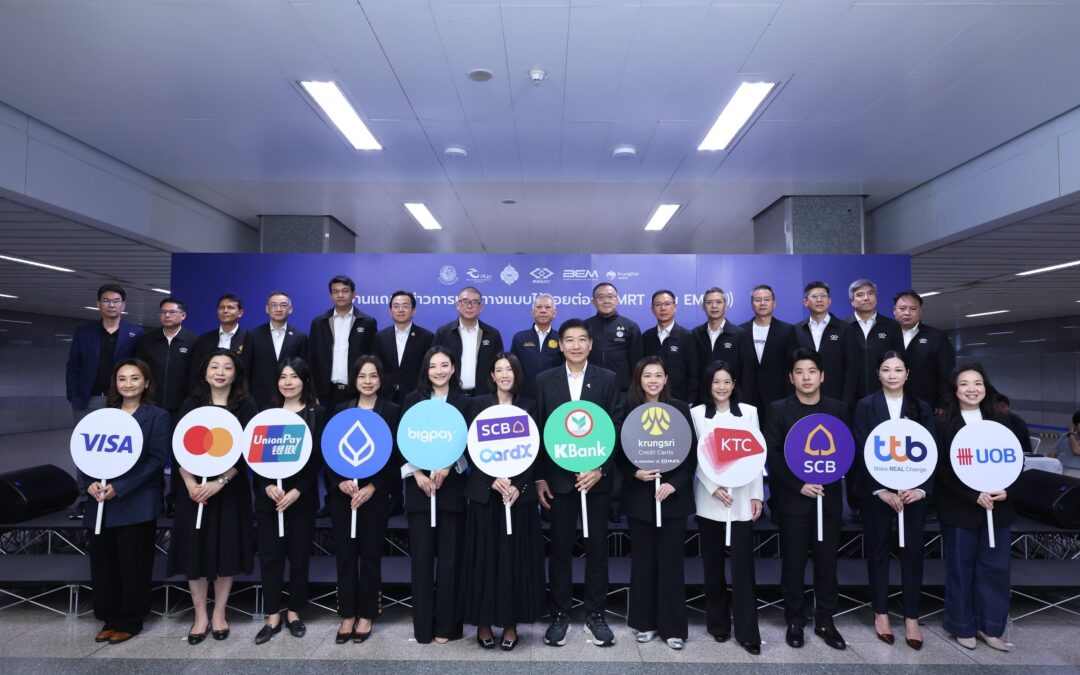
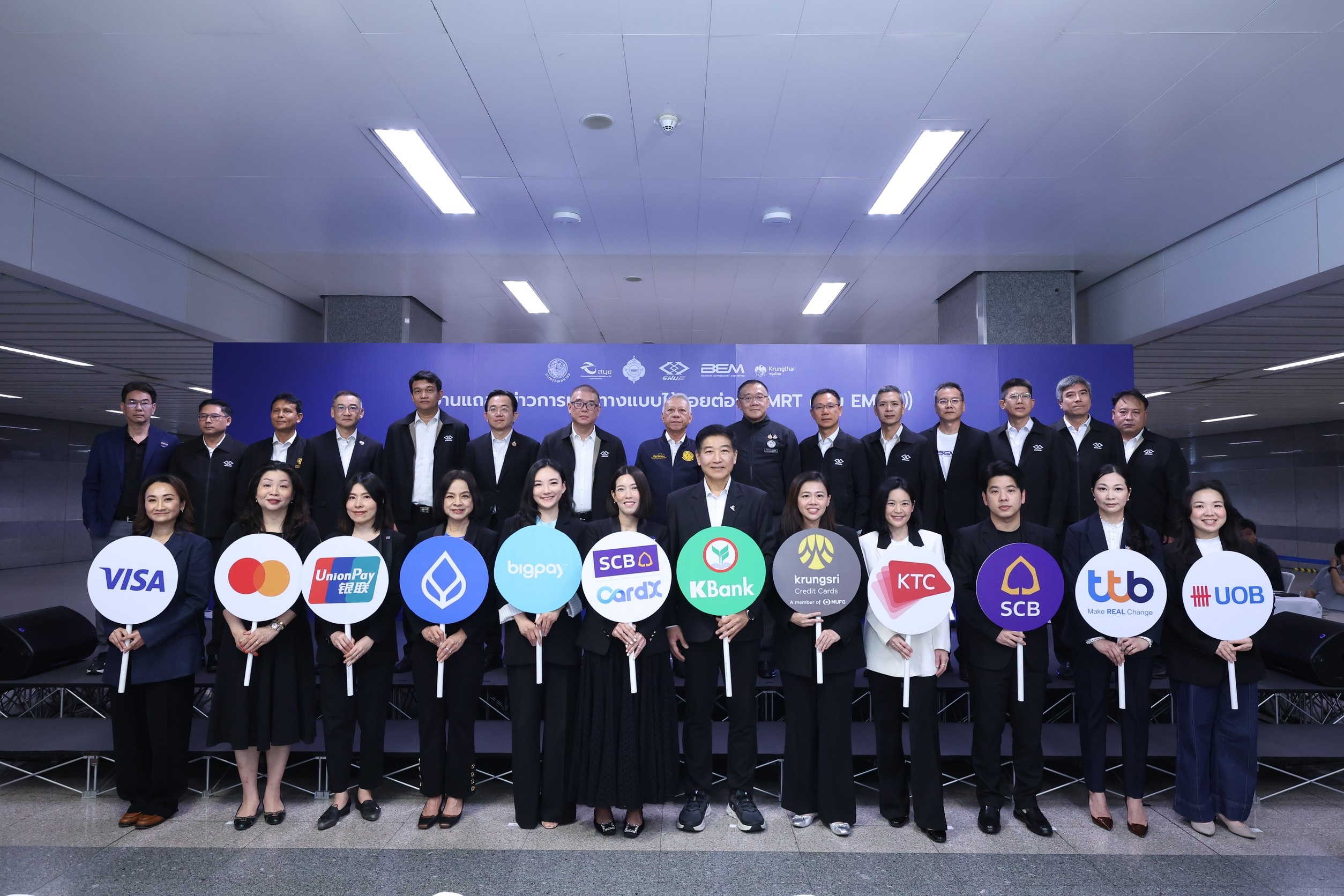
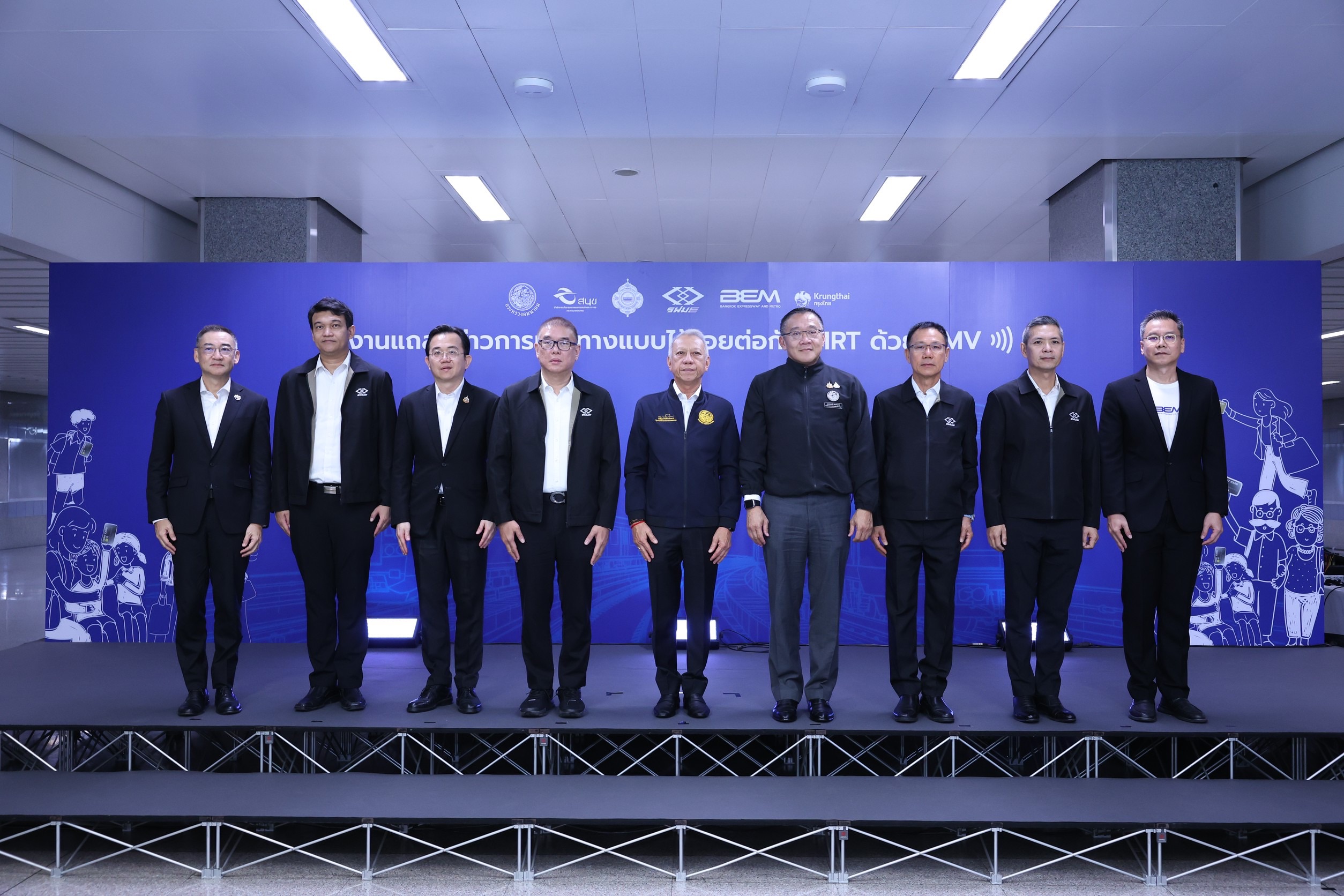
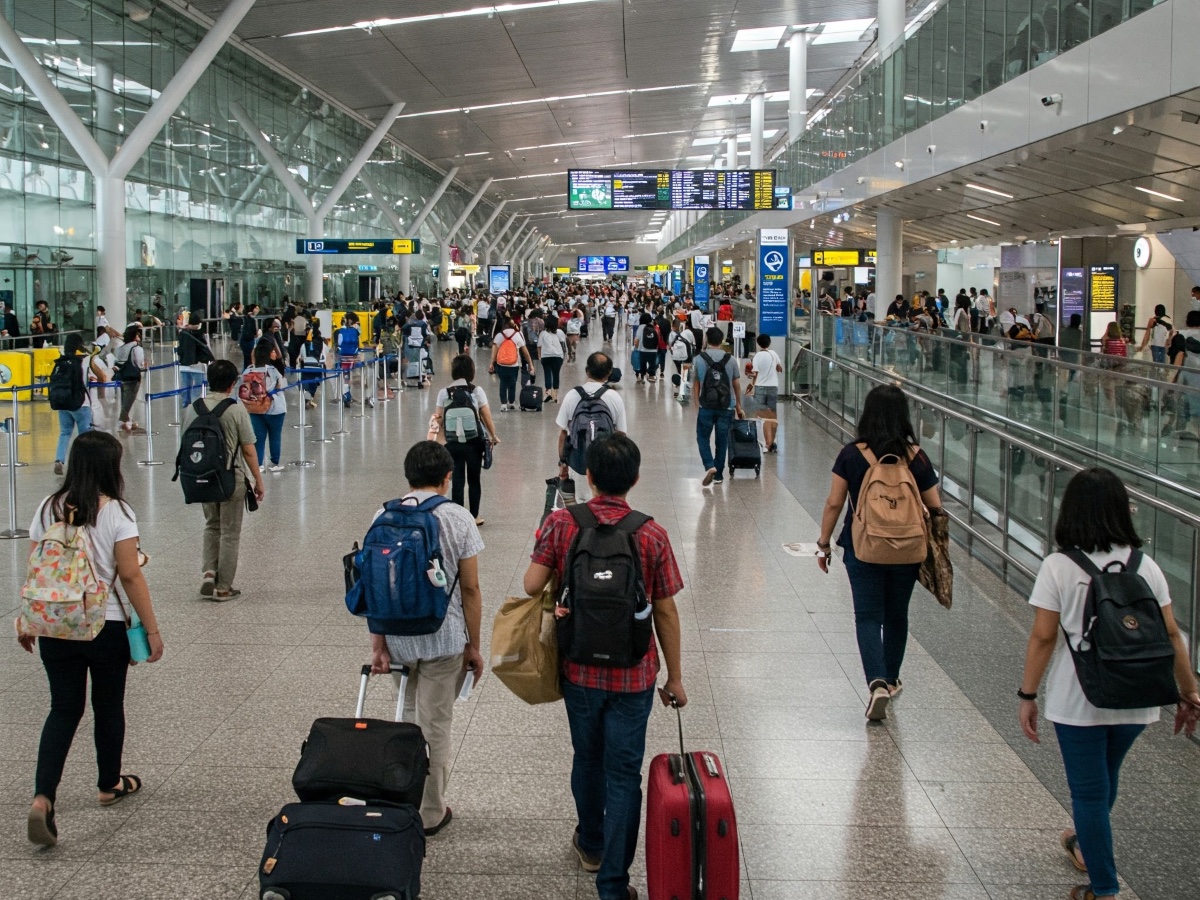
MRTA announced the move toward EMV contactless fare payment with transport and banking partners.
What MRTA announced
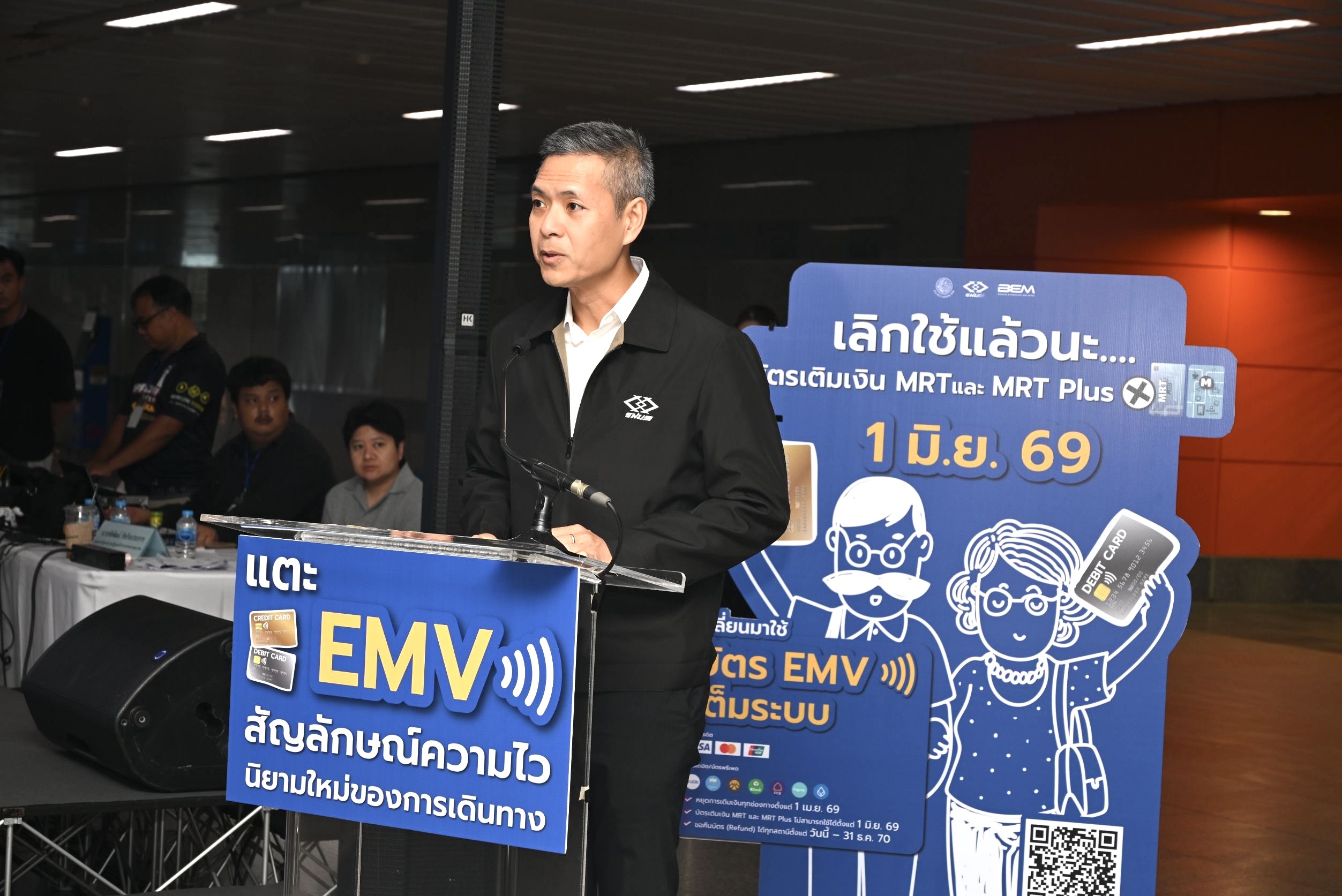
MRTA’s official release described a February 2026 press conference with the Ministry of Transport, MRTA, Bangkok Expressway and Metro, and Krungthai Bank. The announcement covered the adoption of EMV contactless payment and an account-based ticketing upgrade, with the service scheduled to begin on 1 June 2026 for four MRT lines under MRTA supervision.
The technical language matters less to buyers than the user outcome. EMV contactless payment means eligible bank cards can become part of the fare-payment experience. Account-based ticketing moves more processing away from the physical stored-value card and toward a back-end account system. In plain terms, the rail network becomes closer to the payment habits that many international residents already use in other major cities.
Why payment friction affects property value
Transport convenience is not only distance to station. A building that is five minutes from MRT but awkward to use may underperform a building that offers a smoother everyday routine. If tenants can tap in quickly, visitors can move without buying a local transit card and residents can combine MRT with BTS, taxis, delivery services and airport journeys more naturally, the district feels more usable.
This is especially relevant for foreign owners who rent out units. Tenants often compare buildings through daily routines rather than investment theory. They ask whether the commute is simple, whether guests can find the station, whether a partner or child can move around safely, and whether the neighbourhood works without a car. Payment simplicity strengthens that answer.
From a buyer’s perspective, station convenience is increasingly about the full door-to-door journey.
Districts likely to benefit most
The clearest benefit is for districts where MRT is central to the liveability story: Rama 9, Ratchada, Lat Phrao, Bang Sue, Bang Khae, Tao Poon, Phra Ram 9, Sukhumvit-Asok, Sam Yan, Silom, Hua Lamphong and the growing station-linked zones on newer lines. These areas already rely on rail to connect offices, malls, hospitals, universities, embassies and residential towers.
For buyers, the lesson is to inspect rail access as a complete journey. Walk from the building to the station in heat and rain. Check lift access if elderly family, children or luggage are part of the lifestyle. Test the route at peak hours and late evening. A payment upgrade helps, but it does not remove poor footpaths, difficult crossings or inconvenient station exits.
How to use this in a condo shortlist
A rail-led shortlist should compare three layers. The first is station distance: actual walking time, not brochure distance. The second is station quality: exits, lifts, escalators, crowds, interchanges and payment flow. The third is neighbourhood support: groceries, cafes, pharmacies, hospitals, schools, offices and taxi access around the station.
When those three layers work together, the condo can appeal to a wider tenant and resale audience. A unit near a rail station that feels intuitive to use can suit expatriate employees, local professionals, students, medical visitors and part-time owners. A unit near a rail station that feels confusing or unpleasant may need a lower rent or a more patient owner.
Simpler fare payment can make rail-led districts easier for residents, tenants and visitors to use.
A measured investment reading
MRTA’s contactless rollout does not guarantee higher condo prices. It is an operational improvement, not a new land-use plan. The buyer still needs to check price, building quality, rent evidence, foreign quota, common fees, vacancy risk and resale liquidity. However, it supports a broader direction: Bangkok is continuing to make rail travel more accessible to everyday users.
That direction matters because Bangkok’s best property districts are increasingly judged by connectivity and repeated convenience. Buyers who understand that can look beyond simple “near station” marketing and focus on buildings that truly reduce daily friction.
Buyer takeaway
The 1 June 2026 MRT contactless payment rollout is a useful reminder that infrastructure value comes from usability. Foreign buyers should give extra weight to buildings where rail access is not only close, but easy to use, easy to explain to tenants and resilient across daily routines.
IBP Real Estate can compare station-linked buildings across MRT and BTS districts before you shortlist. Continue with our infrastructure updates and district guides for practical location checks.
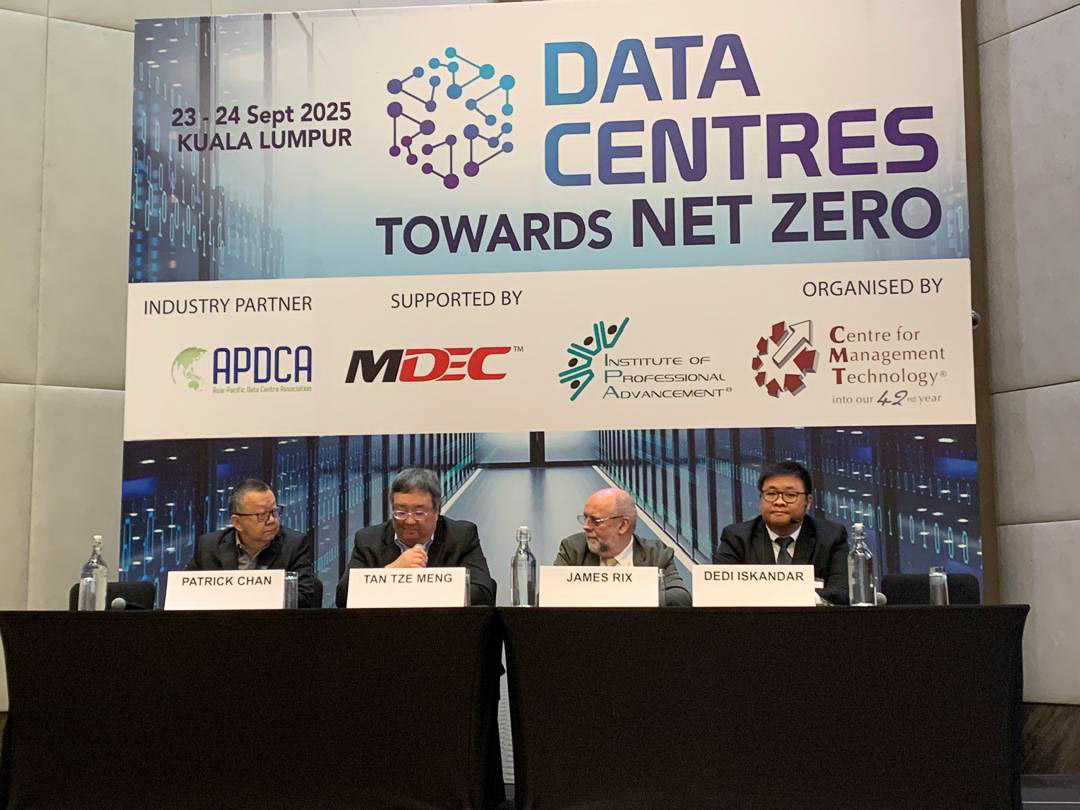
Bangkok’s next property confidence signal may come from a sector most condo buyers never see directly: data centres. The 2nd Low Carbon Data Centres conference is scheduled for 16-17 June 2026 at Hilton Sukhumvit Bangkok, bringing the digital infrastructure, energy, sustainability and investment conversation into the centre of the city.
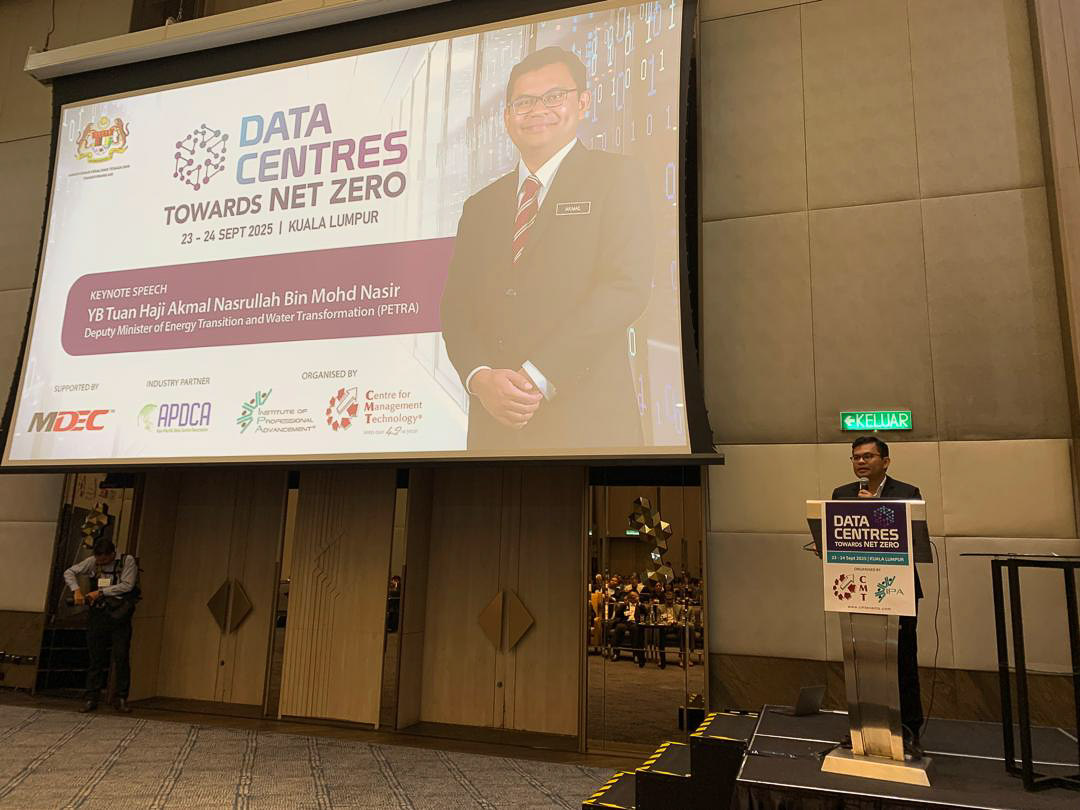
The Board of Investment’s event calendar says Thailand’s BOI is supporting the conference, with a keynote on Thailand’s digital-green future by Suthiket Thatpitak-Kul, Deputy Secretary General of the BOI. The agenda matters because the data-centre story is no longer only about servers and land plots. It is increasingly about power supply, low-carbon energy, grid readiness, regulation, talent and investor confidence.
The 2nd Low Carbon Data Centres conference is scheduled for 16-17 June 2026 in Bangkok.
Why data centres matter to property buyers
A foreign condo buyer does not buy a Bangkok unit because a data centre opens outside the central business district. The link is broader. Data-centre investment points to a more sophisticated economy: cloud services, AI infrastructure, renewable energy procurement, engineering talent, legal services, finance, construction, facilities management and regional corporate activity.
Those sectors can deepen the professional base that supports Bangkok’s residential market. Executives, consultants, engineers, regional managers and service providers still need places to live, meet clients, access hospitals, travel internationally and host visiting teams. Bangkok’s central districts benefit when the national investment story becomes more technology-led and internationally connected.
The low-carbon angle is the important part
CMT’s event page says the Thai data centre market is projected to reach US$1.54 billion by 2030. It also points to sustainability as a key investment driver, including discussion around renewable power procurement and the regulatory environment. For Thailand, that is a useful shift. Large digital infrastructure can create pressure on power systems; the next phase of credibility depends on whether growth is matched with cleaner energy, grid planning and reliable regulation.
For Bangkok property, this is not a short-term rental headline. It is a medium-term confidence indicator. International investors want to see that Thailand can host high-value sectors while addressing energy and environmental constraints. If the country can do that, Bangkok’s premium residential market has a stronger economic backdrop than tourism and lifestyle alone.
Digital infrastructure is becoming part of Thailand’s wider investment and sustainability conversation.
What Bangkok gains from hosting the discussion
The location of the conference also says something about Bangkok’s role. Hilton Sukhumvit Bangkok places the event in a district where regional executives already understand hotels, serviced apartments, BTS access, restaurants, hospitals and premium condominiums. Even when industrial assets sit outside the city core, the meetings, advisory work and decision-making often happen in Bangkok.
That pattern is familiar across sectors. Manufacturing, logistics, energy and digital infrastructure may be physically spread across Thailand, but Bangkok remains the command centre for capital, law, banking, government meetings, headquarters, hospitality and international schooling. This is one reason foreign buyers often assess Bangkok as both a lifestyle city and an economic gateway.
How buyers should read the signal
The right conclusion is measured. A low-carbon data-centre conference does not make every condo a better investment. It does not remove vacancy risk, oversupply risk or the need to check building management. It does, however, support the argument that Thailand is competing for future-facing investment, not only leisure travel and traditional manufacturing.
Buyers should watch three practical indicators: whether BOI approvals turn into actual operating projects, whether power and renewable-energy policy become clearer, and whether international operators continue to choose Thailand for regional capacity. These are macro signals, so they should sit alongside micro checks on unit price, tenant profile and resale evidence.
For property buyers, the signal is about high-value economic activity, not a direct promise of condo returns.
Buyer takeaway
Bangkok property is strongest when the city’s liveability is supported by a credible national investment story. Low-carbon data centres fit that wider narrative because they combine technology, energy, infrastructure and international capital. Foreign buyers should read the June conference as one more sign that Thailand is trying to position itself around higher-value growth.
IBP Real Estate can help buyers connect macro investment signals with practical condo selection in Sukhumvit, Rama 9, Sathorn and other central districts. For more context, read our Thailand economy and investment news and infrastructure updates.
Central Pattana’s plans for The Central Phaholyothin are not only retail news. For foreign buyers watching Bangkok property, they are also a reminder that the city’s growth story is increasingly organised around large mixed-use districts rather than isolated shopping centres or single condominium towers.
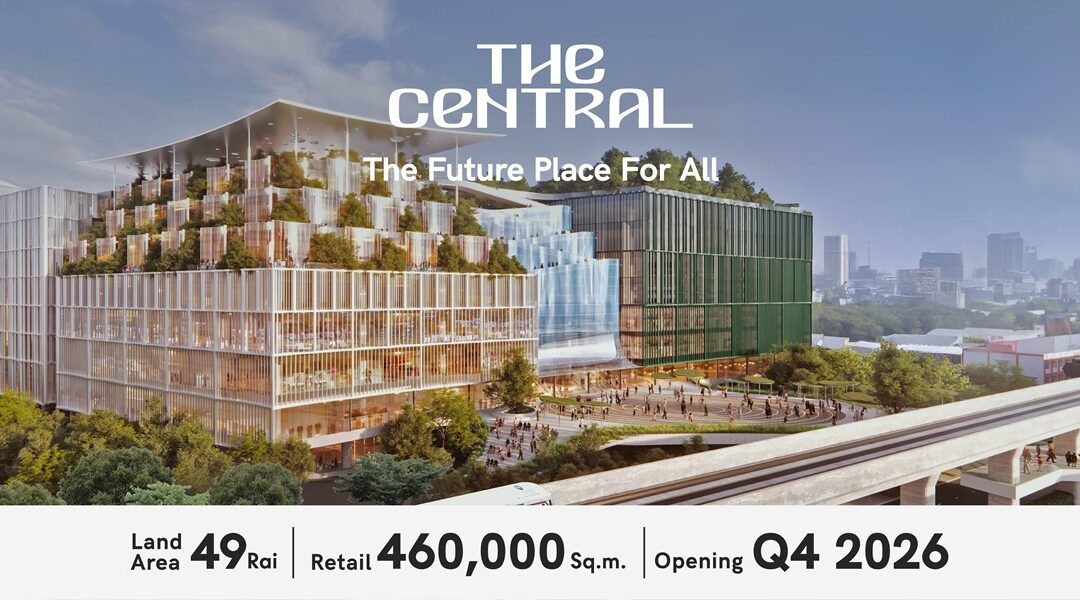
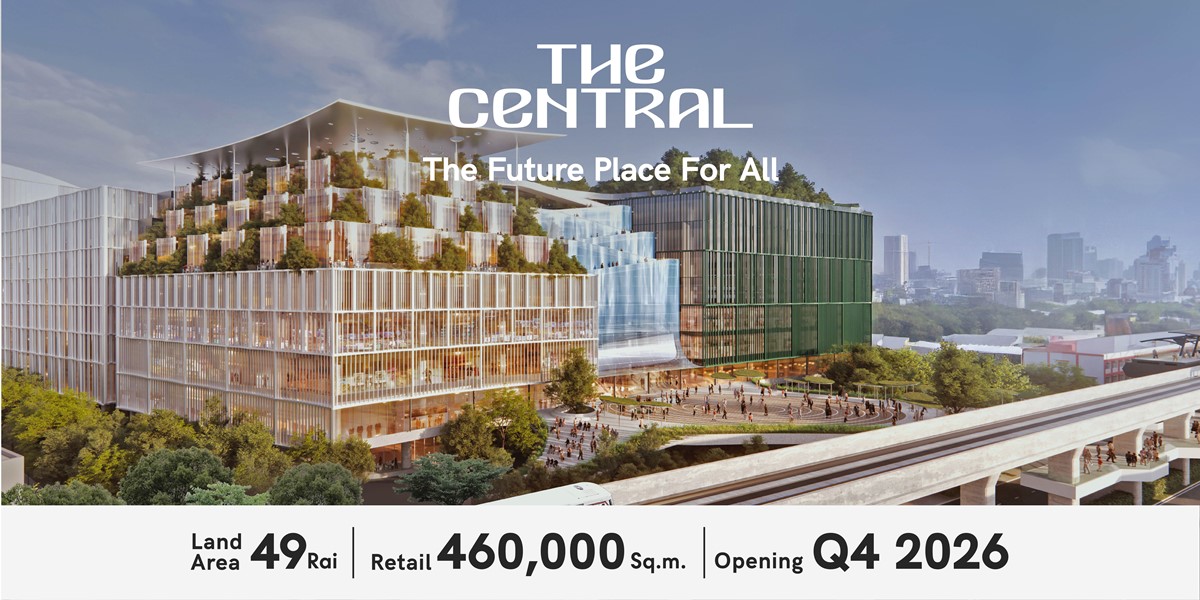
The official Central Pattana page describes The Central in the Phaholyothin area as a project on more than 49 rai of land, with retail gross building area of 460,000 sq m. It says the project is scheduled to open in the fourth quarter of 2026 and will grow alongside Central Ladprao, with global brands expected to open flagship stores as they enter the Thai market.
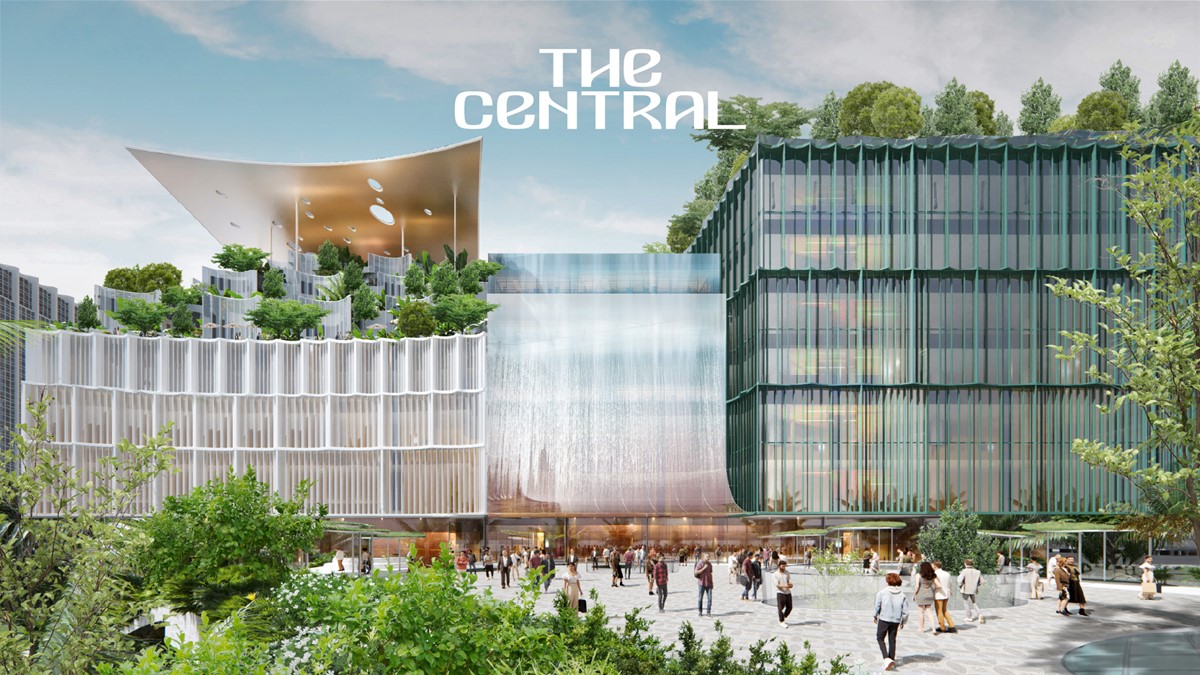
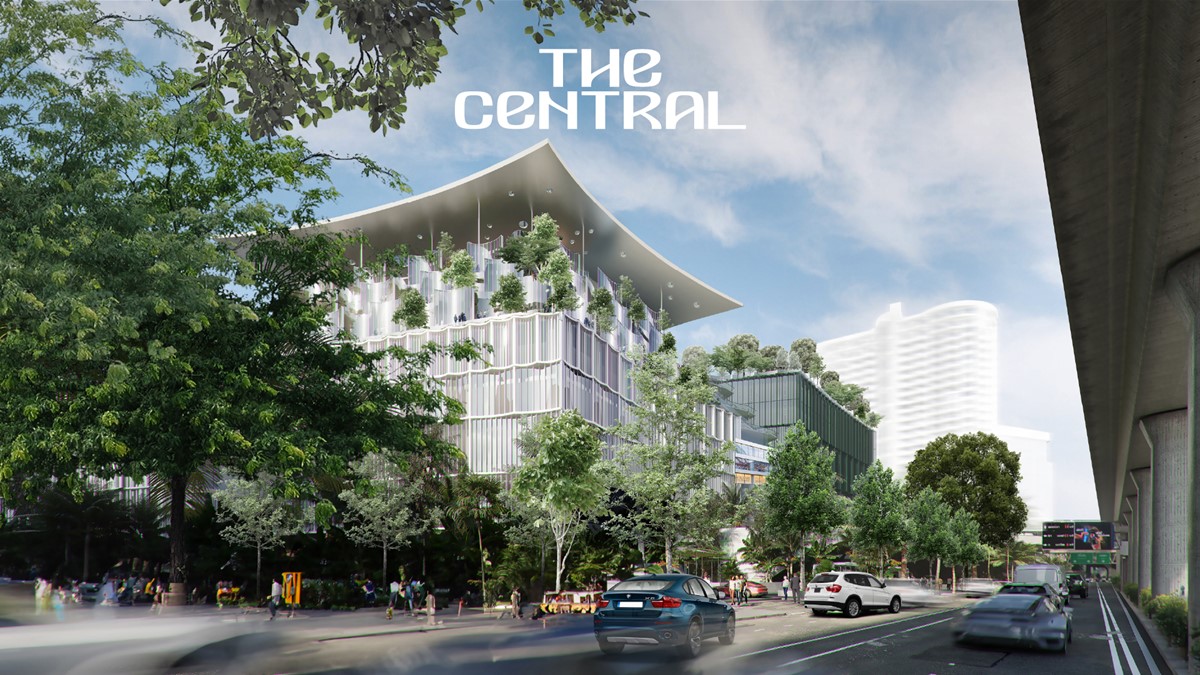
The Central Phaholyothin is positioned as a major retail-led landmark for north Bangkok.
Why this matters to property buyers
Large retail-led projects can influence property confidence in three practical ways. First, they make a district easier to live in by improving shopping, dining, services, entertainment and climate-controlled meeting places. Second, they support jobs and business traffic, which can deepen rental demand around transport nodes. Third, they help define how local buyers and overseas buyers describe a district. A clear district identity often matters when a condo is later rented or resold.
This does not mean every nearby condo automatically becomes a better investment. The benefit depends on walking routes, rail access, road congestion, competing supply, building quality and the price paid. Still, a major mixed-use anchor can give buyers a clearer framework for assessing long-term neighbourhood improvement.
Part of a broader five-year plan
Central Group’s 26 March 2026 corporate news release said Central Pattana is advancing a five-year investment plan for 2026 to 2030 valued at THB 110 billion, with an ambition to grow mixed-use developments to 33 projects by 2030. The same release framed the company’s strategy around mega-scale urban transformation projects, including north Bangkok, Rama 9 and the Ladprao-Phaholyothin corridor.
For Bangkok property, that breadth matters. It suggests that private-sector capital is still being deployed into urban districts, offices, hotels, residential projects and retail ecosystems even while parts of the housing market remain selective. Foreign buyers should read it as a confidence signal, not as a guarantee. Strong macro investment can support a district, but individual condo returns still depend on price, product and management.
Central Pattana says the project will grow alongside Central Ladprao and support the wider Ladprao-Phaholyothin district.
The Central District signal
The corporate update described The Central District as a collaboration to redefine Ladprao-Phaholyothin as a unified urban ecosystem. It said Central Ladprao and The Central Phaholyothin together span 96 rai, with combined gross building area of 770,000 sq m, comparable in scale to centralwOrld. That comparison is useful because centralwOrld is not just a mall in buyer perception; it is part of how Ratchaprasong is understood as a retail, hospitality and office hub.
North Bangkok has a different profile from the traditional foreign-buyer core. It is more local, more family-oriented in parts, and connected to universities, offices, transport corridors and Don Mueang access. The Central Phaholyothin could strengthen the area’s lifestyle proposition, but foreign buyers should still compare it against their actual tenant target. A tenant working around Ladprao, Ratchayothin, Kasetsart or Don Mueang may value the district differently from an expatriate working in Phrom Phong or Sathorn.
What to check around nearby condos
Whether the condo has a realistic walk, shuttle or rail route to the district’s key anchors.
Whether rental demand comes from local professionals, students, aviation-linked workers, office tenants or families.
Whether road congestion could reduce the practical benefit of new amenities.
Whether future residential supply may compete for the same tenant pool.
Whether the building’s management, common areas and unit layouts match the district’s expected buyer profile.
For condo buyers, the district signal matters most when it improves daily amenities, employment access and transport convenience.
Foreign-buyer takeaway
The Central Phaholyothin is a useful growth signal because it sits inside a larger shift: Bangkok’s major developers are still building mixed-use places that combine retail, work, hospitality, residence and daily services. For a foreign buyer, that supports confidence in Bangkok as a liveable and investable city, but it should not replace due diligence on a specific building.
The most practical approach is to map the project against completed condos and new launches within realistic travel distance, then compare tenant depth, resale evidence and total holding costs. District growth is helpful; overpaying for a weak unit because a landmark is coming nearby is still avoidable.
Thailand’s latest investment headlines are not only a technology story. They also matter for Bangkok property because large corporate commitments influence jobs, executive relocation, serviced-apartment demand, office ecosystems, infrastructure planning and confidence in the country’s long-term role as a regional business base.
In late April 2026, the Thailand Board of Investment reported more than 1.01 trillion baht in first-quarter investment applications across 624 projects. Digital investment dominated, with data centres and cloud services accounting for the largest share. On 6 May 2026, the BOI also announced six major project approvals worth a combined 958 billion baht, led by data infrastructure expansion and supported by power-readiness and clean-energy discussions.
Large investment commitments support the wider business ecosystem behind Bangkok property demand.
What was announced
The BOI’s first-quarter figures showed continued foreign direct investment momentum, with 427 FDI projects submitted and combined investment value of 965.869 billion baht. The highest-value investor economies included Singapore, the United Kingdom and Japan, followed by China, Hong Kong, Taiwan, the United States, the Netherlands, Malaysia and Sweden.
The subsequent May approvals included three data-centre and data-hosting projects with a combined value of 913 billion baht. The largest was a TikTok System Thailand project valued at 842 billion baht, involving additional servers and data processing infrastructure across Bangkok, Samut Prakan and Chachoengsao. Other approved data-centre investments included Skyline Data Centre and Cloud Services in Chachoengsao and Bridge Data Centres IIO Thailand in Chonburi.
Why this matters to Bangkok property buyers
Foreign condo buyers should avoid a simplistic conclusion that data-centre investment immediately raises condo prices. These projects are capital-intensive and often located outside central Bangkok. The more relevant property effect is indirect: they strengthen Thailand’s business-hub narrative, support specialist employment, deepen supplier networks and encourage international companies to keep regional teams in and around Bangkok.
Bangkok remains the residential, professional-services and lifestyle centre for many regional executives, even when industrial or digital-infrastructure assets sit in surrounding provinces. Senior staff, consultants, engineers, finance teams, legal advisers, cloud customers and visiting partners often use Bangkok as the living and meeting base. That can support demand for well-located rentals, serviced residences and premium condos over time.
Corporate activity and supplier ecosystems can translate into relocation and rental demand over time.
Power readiness is now part of the property story
The BOI announcement also highlighted electricity readiness, clean-energy access and faster investment facilitation. For data centres, power is not a background detail. It is central to project viability. The Board discussed urgent power supply needs, future Power Development Plan work, direct renewable power purchase agreements and green tariff options.
For property investors, this is worth watching because infrastructure credibility affects investor confidence. A country that can coordinate power, permitting, logistics and talent for large projects is better positioned to attract corporate occupiers. Corporate occupiers help sustain Bangkok’s office, hospitality, retail and rental ecosystems.
Bangkok’s role in the wider corridor
The geography of the approvals points to a broader metropolitan and Eastern-region story. Bangkok, Samut Prakan, Chachoengsao and Chonburi function as connected parts of the same investment corridor. Bangkok provides headquarters functions, international schools, hospitals, airports, embassies, law firms, banks, hotels and premium housing. Surrounding provinces provide land, industrial estates, logistics access and large-scale infrastructure sites.
This is one reason foreign buyers often look beyond a single building and ask whether Bangkok’s wider economy supports long-term confidence. A deeper digital and advanced-industry ecosystem does not remove property-market cycles, but it improves the case for Bangkok as a place where international professionals continue to live, work and spend.
Digital infrastructure, airports and business services together shape Bangkok’s regional hub appeal.
What buyers should watch next
The next signals are implementation, not headlines. Buyers should watch whether approved projects move from promotion to construction and operation, whether power and clean-energy mechanisms are clarified, and whether related hiring and supplier activity becomes visible. They should also watch office leasing, serviced-apartment occupancy and rental demand in districts used by international professionals.
At the condo level, the practical buying rules stay the same. Choose buildings with transport access, strong management, clear foreign quota, realistic rents and a credible resale market. Macro confidence is helpful, but it cannot rescue a poorly selected unit.
The foreign-buyer takeaway
Thailand’s data-centre investment wave reinforces a useful long-term theme: Bangkok is not only a tourism city. It is a corporate, digital, logistics and professional-services base for the wider region. That broadens the reasons foreigners may want to own or rent in the capital, especially in districts with easy airport access, business services and high-quality daily living.
IBP Thailand economy and investment news follows these signals through a property lens. Invest Bangkok Property can help you compare buildings, check documents and connect Bangkok market themes with unit-level due diligence before you commit capital.