
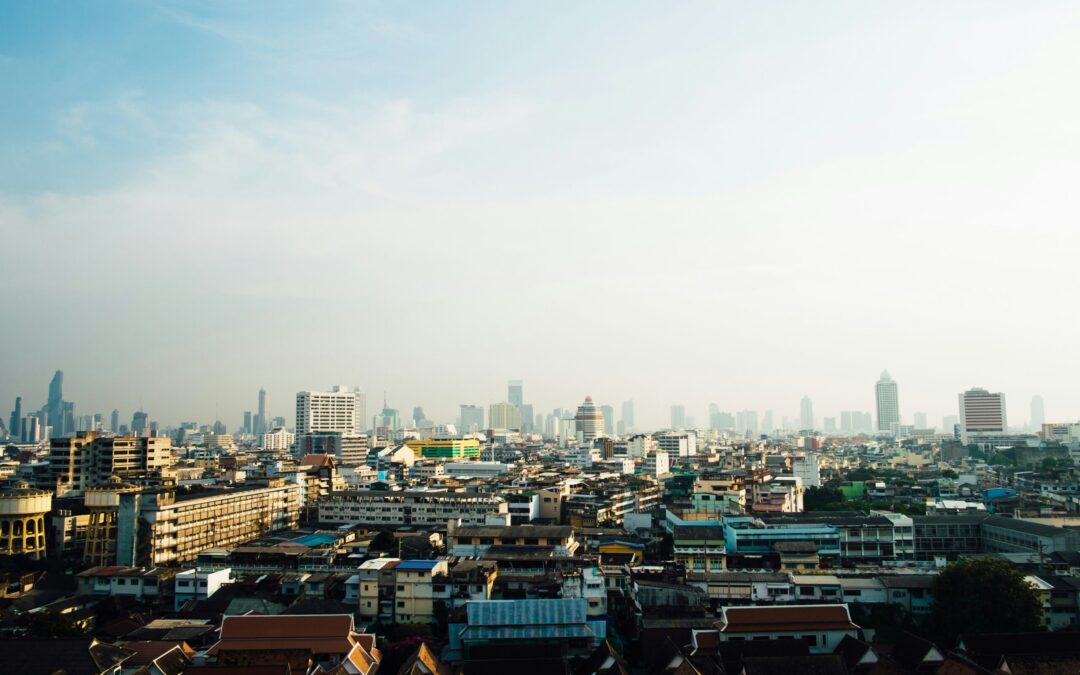
Where Foreign Buyers Are Buying Bangkok Condos
Foreign buyers are becoming more important to Bangkok condominium sales, but the practical lesson is not that every project benefits equally. The better reading is that overseas demand is concentrating in places where the purchase is easy to understand: central business districts, transport-linked neighbourhoods, established rental catchments and projects with professional management. For foreign investors, that concentration is useful. It tells you where liquidity is more likely to exist, and where a resale buyer or tenant can make sense of the asset without needing a long explanation.
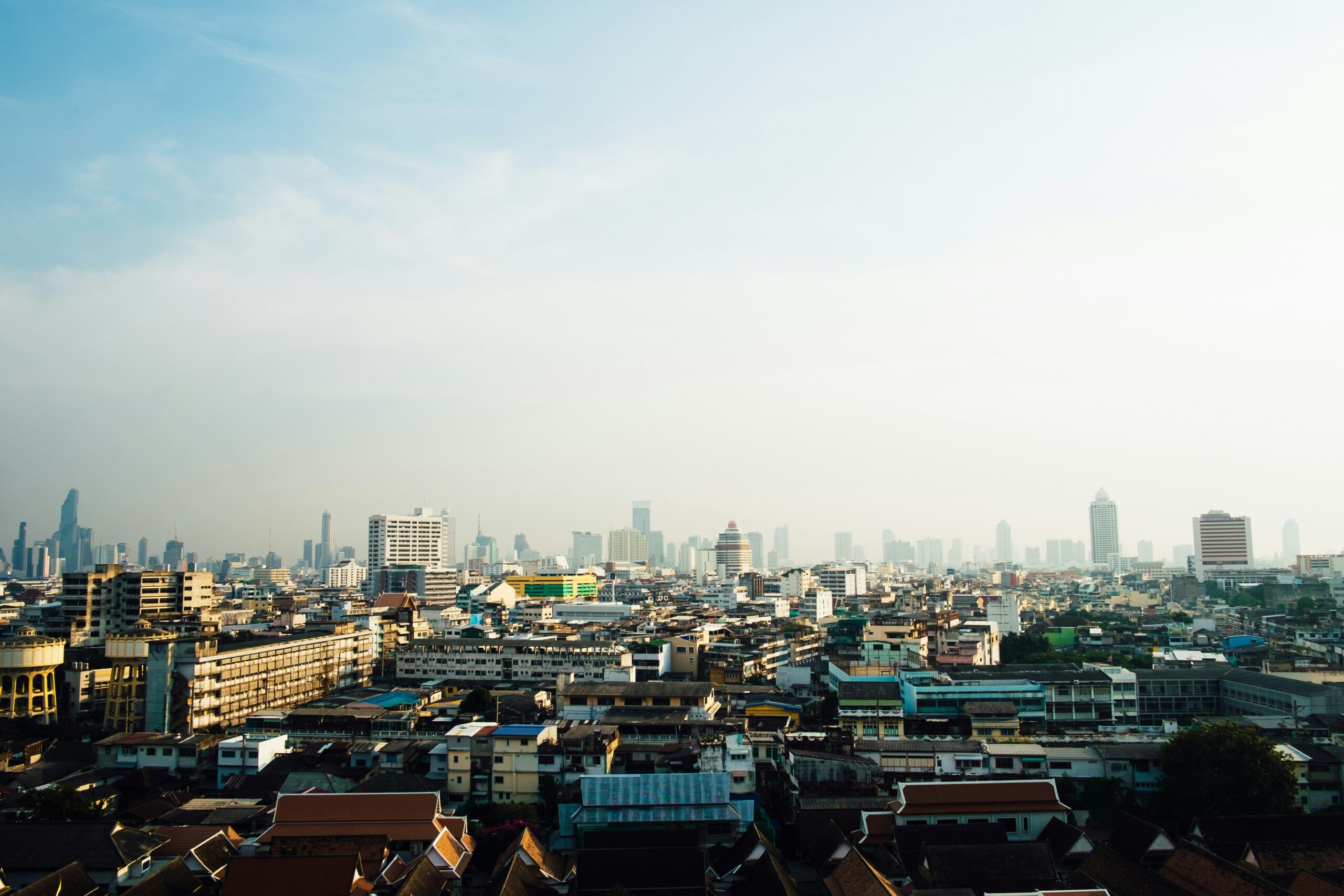
Recent market commentary points to a clear shift. AREA has reported that foreign buyers purchased an estimated 6,160 new condominium units in Bangkok and its surrounding areas by the end of 2025, a level described as the highest since the pandemic period. The same research direction also shows that demand is heavily clustered rather than spread across the whole map. That matters because Bangkok is not one uniform market. A small, well-managed unit next to a mass-transit interchange is not competing with a distant suburban tower in the same way, even if both are technically condominiums in Greater Bangkok.
What The Foreign-Buyer Concentration Really Means
A higher foreign-buyer share is not automatically bullish for every owner. It is a signal that domestic demand remains uneven, mortgage approval can be difficult for local purchasers, and developers are relying more on international channels in selected price bands. A foreign buyer should therefore avoid reading the headline as a promise of broad capital growth. The more useful question is narrower: does this particular building sit inside the part of the market that overseas buyers, expatriate tenants and internationally mobile residents already understand?
That usually means three things. First, the location must be legible from abroad. Districts such as Phrom Phong, Asok, Thonglor, Silom, Sathorn, Ratchathewi, Rama 9 and selected riverside pockets have names, transit references and lifestyle anchors that can be explained quickly. Second, the building must offer a credible ownership experience. Juristic management, maintenance discipline, sinking fund health, rental rules and lift capacity are not cosmetic details; they influence both rentability and resale confidence. Third, the unit size and layout must match actual tenant behaviour rather than developer showroom optimism.
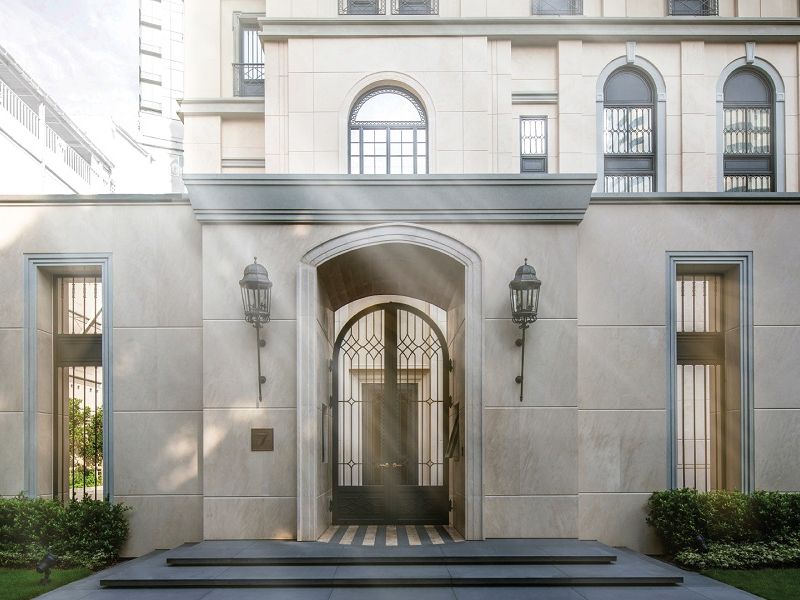
Why Central And Connected Areas Carry More Liquidity
Foreign buyers often place a premium on convenience because they may not know Bangkok deeply before purchase. A walkable station, recognisable retail node, international school route, office cluster or hospital corridor reduces uncertainty. When a buyer can say that the property is near a named BTS or MRT station, within reach of a key office district, and supported by supermarkets, dining and daily services, the asset becomes easier to underwrite. That simplicity has value when it is time to rent or sell.
The central market also benefits from a wider buyer pool. A Thai professional, an expatriate executive, a regional investor and a relocating family may all be able to understand the same location. That does not guarantee a fast exit, but it reduces dependence on one narrow demand source. In an oversupplied city, depth of audience is one of the quiet advantages that separates durable buildings from projects that rely mainly on launch promotions.
How To Read Ratchada, Rama 9 And Emerging Foreign Demand
Ratchada-Lad Phrao and Rama 9 have appeared prominently in foreign-buyer discussions because they combine MRT access, relative affordability and a growing base of offices, malls and services. These areas can be attractive, especially when the building is close to a station and priced below the older prime Sukhumvit core. The risk is that buyers treat every address in the corridor as equivalent. They are not. A project five minutes from a station with strong juristic management is in a different investment class from a more distant tower where supply is high and tenant choice is broad.
For foreign investors, these districts should be assessed building by building. Check completed resale evidence, not only developer asking prices. Compare actual rental listings with closed rental levels where possible. Walk the route from station to lobby at night and during rain. Look at the quality of nearby footpaths, traffic crossings and retail. Bangkok livability is often decided at street level, and street-level friction can reduce the value of an otherwise persuasive brochure.
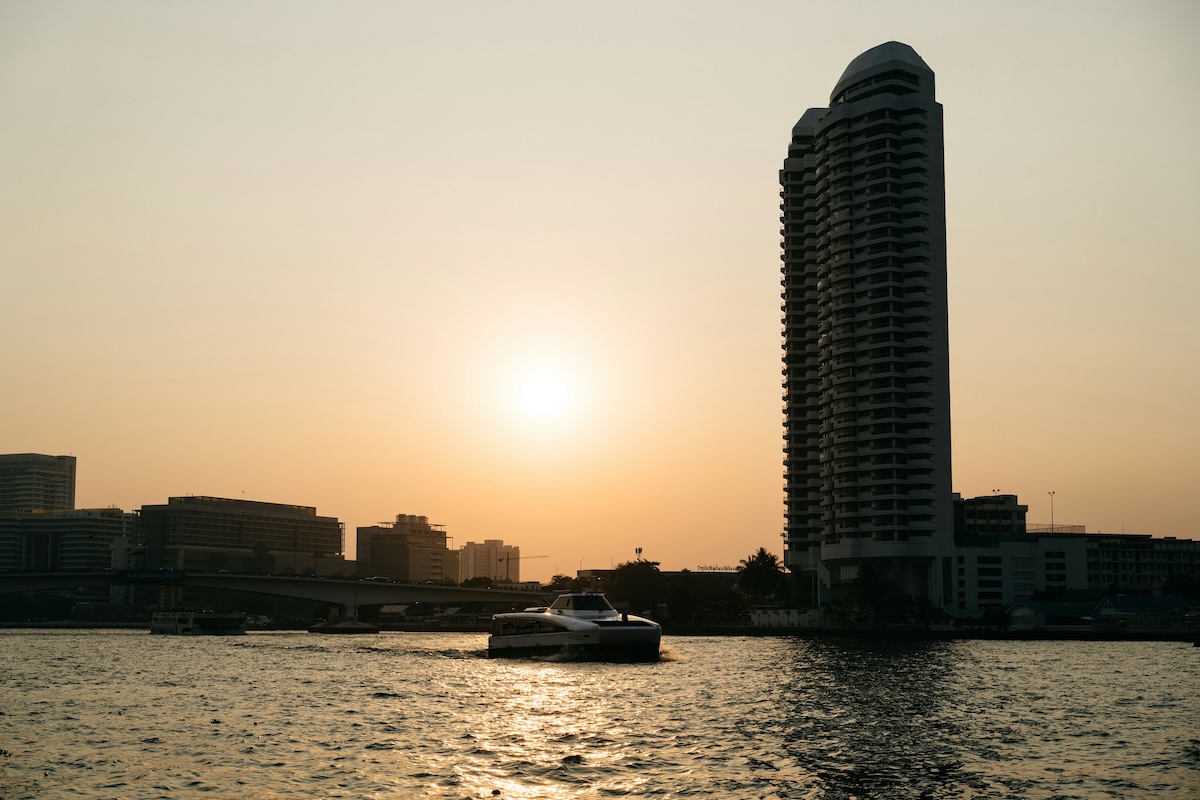
The Foreign Quota Is A Market Filter
The 49 percent foreign freehold quota is usually discussed as a legal rule, but it also behaves like a market filter. In buildings that are popular with international buyers, foreign quota may be scarce and resale units held under foreign name can command stronger attention. In buildings where foreign quota remains abundant years after completion, buyers should ask why. The answer may be benign, such as a project aimed mainly at Thai owner-occupiers, or it may point to weak international appeal.
Foreign quota should never be assumed. Before signing, a buyer should ask for written confirmation from the developer, seller or juristic person, and have the transfer path checked by a lawyer. The issue is especially important in resales because quota availability can change between negotiation and Land Office transfer. A foreign buyer should also confirm that purchase funds can be documented correctly through the banking process, because ownership and remittance evidence are linked in practice.
A Practical 2026 Buying Framework
1. Start With Exit Demand
Ask who would buy the unit from you in five to seven years. If the answer depends entirely on another foreign investor paying a higher price, the purchase is fragile. A stronger answer includes several possible audiences: local professionals, expatriate tenants, regional investors, end users and owners seeking a pied-a-terre.
2. Prefer Buildings With Operational Discipline
The best-performing Bangkok condos are often not the newest or loudest launches. They are buildings where common areas age well, rules are enforced, repair reserves are planned and the lobby still feels orderly after the first ownership cycle. That discipline supports rents and protects resale confidence.
3. Price Against The Resale Market
Launch price is only one reference. Foreign buyers should compare completed buildings in the same micro-location, similar unit sizes and similar building age. If a new project is materially more expensive, the premium needs a clear reason: a better station position, superior design, branded management, scarce view corridor or lower future supply risk.
What This Means For Foreign Buyers
Bangkok remains attractive because it combines freehold condominium access for foreigners, deep urban infrastructure, strong lifestyle appeal and a regional business role. But the 2026 market rewards selectivity. Foreign demand is a tailwind only when the property sits where that demand is actually active. Buyers should focus on buildings that are easy to rent, easy to explain and easy to transfer, rather than chasing broad market averages.
For a district-by-district view of suitable buildings, compare current listings with the IBP district guides and speak with the IBP team before reserving a unit. A disciplined shortlist can prevent the most common mistake in Bangkok: buying a good-looking condo in a location where the exit market is too thin.