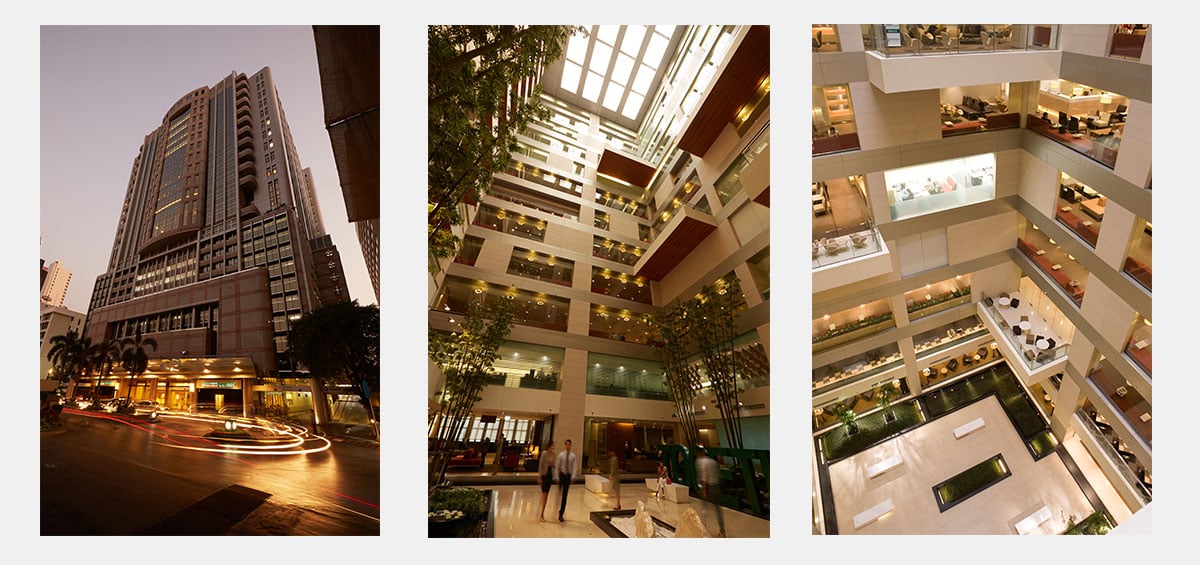
Housekeeping, deliveries and building routines can shape daily condo life in Bangkok more than many buyers expect. A foreign owner may focus on view, pool, gym and location, then discover that cleaners, parcels, food delivery, maintenance teams and access cards are what make the home easy or irritating to use every week.
Housekeeping works best when access, timing and responsibility are agreed before problems arise.
This matters for both owner-occupiers and landlords. A well-organised service routine keeps a second home ready, protects furnishings, supports tenant satisfaction and reduces avoidable messages from the juristic office. A weak routine can create missed deliveries, access problems, disputes over damage and a unit that feels poorly managed.
Start with building access rules
Before arranging a cleaner, helper, delivery team or maintenance contractor, check the building’s access policy. Some condominiums require visitor registration, ID cards, owner approval, service-lift use or limited working hours. Others have parcel rooms, delivery counters, QR systems or strict rules about food delivery riders entering residential floors.
Foreign owners should not assume every Bangkok condo works the same way. Ask the juristic office how regular cleaners are registered, whether repeat visitors can be pre-approved, how keys are handled, and what happens when the owner is overseas. Clear rules protect residents and make service providers easier to coordinate.
Regular home care helps overseas owners keep a unit ready for personal use or rental viewing.
Decide who controls the keys
Key control is one of the most practical ownership decisions. Some owners leave keys with a property manager. Some use a trusted cleaner. Some keep access with the juristic office only for emergencies. Each approach has trade-offs, and the right answer depends on whether the unit is personally used, rented, vacant, or prepared for sale.
Whatever the arrangement, keep a written record of who holds keys, access cards, mailbox keys and parking stickers. If a tenant is involved, the lease should make clear how cleaning, maintenance access and emergency entry are handled. Lost access cards can create security concerns and replacement costs.
Housekeeping is part of asset care
Regular cleaning is not only cosmetic. Bangkok humidity, dust, air-conditioning use and vacant periods can affect furniture, curtains, bathrooms, drains and appliances. A vacant condo may still need airing, water traps checked, air-conditioners tested, balcony drains cleared and small leaks spotted early.
For overseas owners, a simple inspection routine can prevent expensive surprises. Ask for dated photos after cleaning, especially of bathrooms, kitchen, balcony, walls, floors, air-conditioning units and any known weak spots. The goal is not to micromanage; it is to know the unit remains presentable and functional.
The building’s access rules shape daily convenience for cleaners, deliveries and maintenance teams.
Deliveries and parcels affect liveability
Bangkok residents often rely on food delivery, parcel delivery, grocery delivery, laundry services and repair visits. A condo with a sensible drop-off area, clear lobby process and responsive security team can make daily life easier. A building with confusing delivery rules can frustrate tenants and guests.
Buyers should observe how the lobby works during busy hours. Are parcels organised? Do riders wait in a safe area? Is there a service lift for bulky goods? Can taxis and ride-hailing cars stop without blocking traffic? These small details can influence whether a tenant renews or whether an owner enjoys staying in the unit.
Landlords need service boundaries
If the condo will be rented, decide which services are included and which are the tenant’s responsibility. Some landlords include periodic cleaning, air-conditioning service or linen support for a premium tenancy. Others leave housekeeping entirely to the tenant. The lease should be clear, because vague promises can become disputes.
Property managers also need spending authority for small repairs. A leaking pipe, failed appliance or blocked drain should not wait days because the owner is in another time zone. Set approval limits, preferred contractors and reporting expectations before the first tenant moves in.
Questions to ask before buying
How are cleaners, helpers and contractors registered?
Can regular visitors be pre-approved by the owner?
Where are parcels, food deliveries and bulky goods handled?
Who can hold keys if the owner is overseas?
How does the building manage service lifts and common-area damage?
Can the property manager inspect and photograph the unit after cleaning?
Buyer takeaway
A Bangkok condo feels easier to own when housekeeping and service routines are organised from the start. Foreign buyers should inspect the building’s access rules, key-control options, delivery process and management responsiveness as part of liveability. These details protect the unit, support tenants and make Bangkok ownership less stressful from overseas.
IBP can help expat owners and tenants compare Bangkok condos by building rules, lifestyle convenience and practical management. Browse our Bangkok lifestyle guides or contact IBP Real Estate for a service-ready shortlist.
Airport access is one of Bangkok’s quiet liveability tests. It rarely decides a purchase on its own, but it can shape how comfortable a condo feels for foreign owners who fly regularly, families who host visitors, executives who work across the region, and tenants who need reliable travel links. A beautiful unit can still be frustrating if every airport trip is stressful.
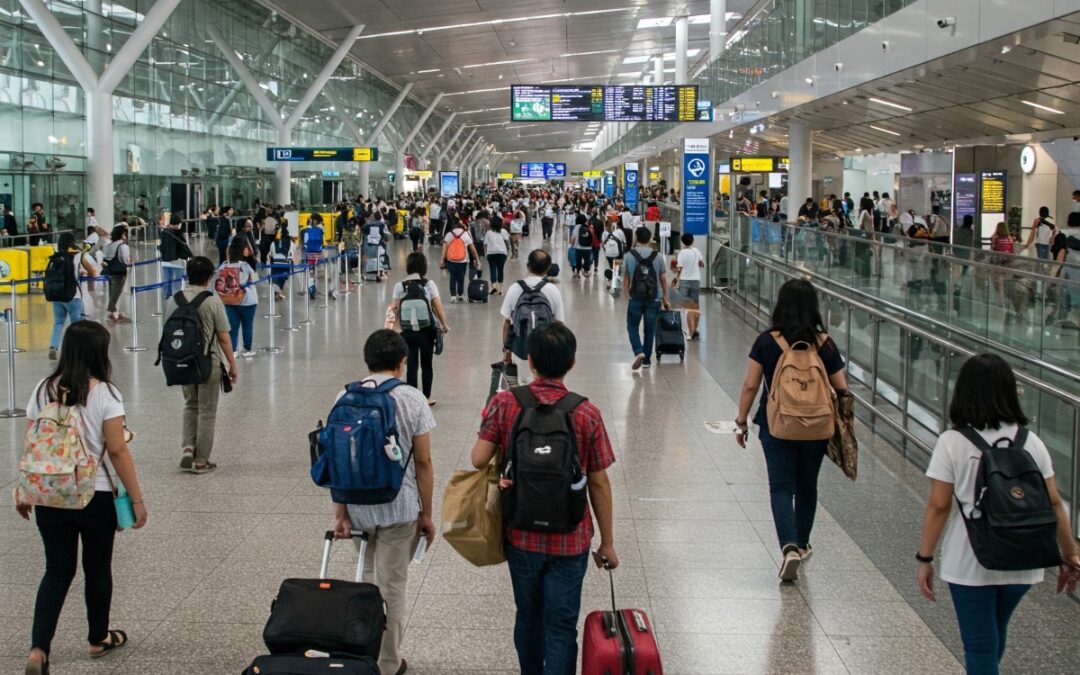
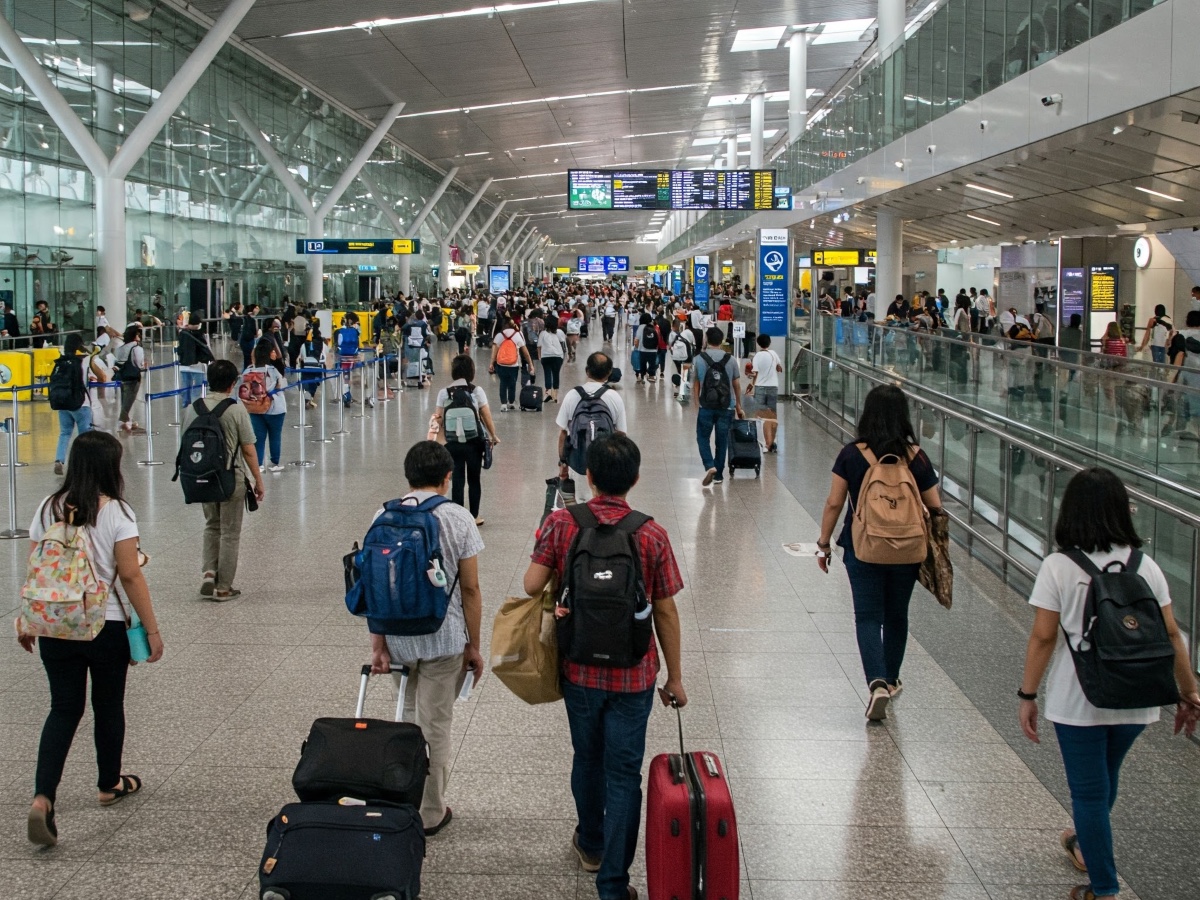
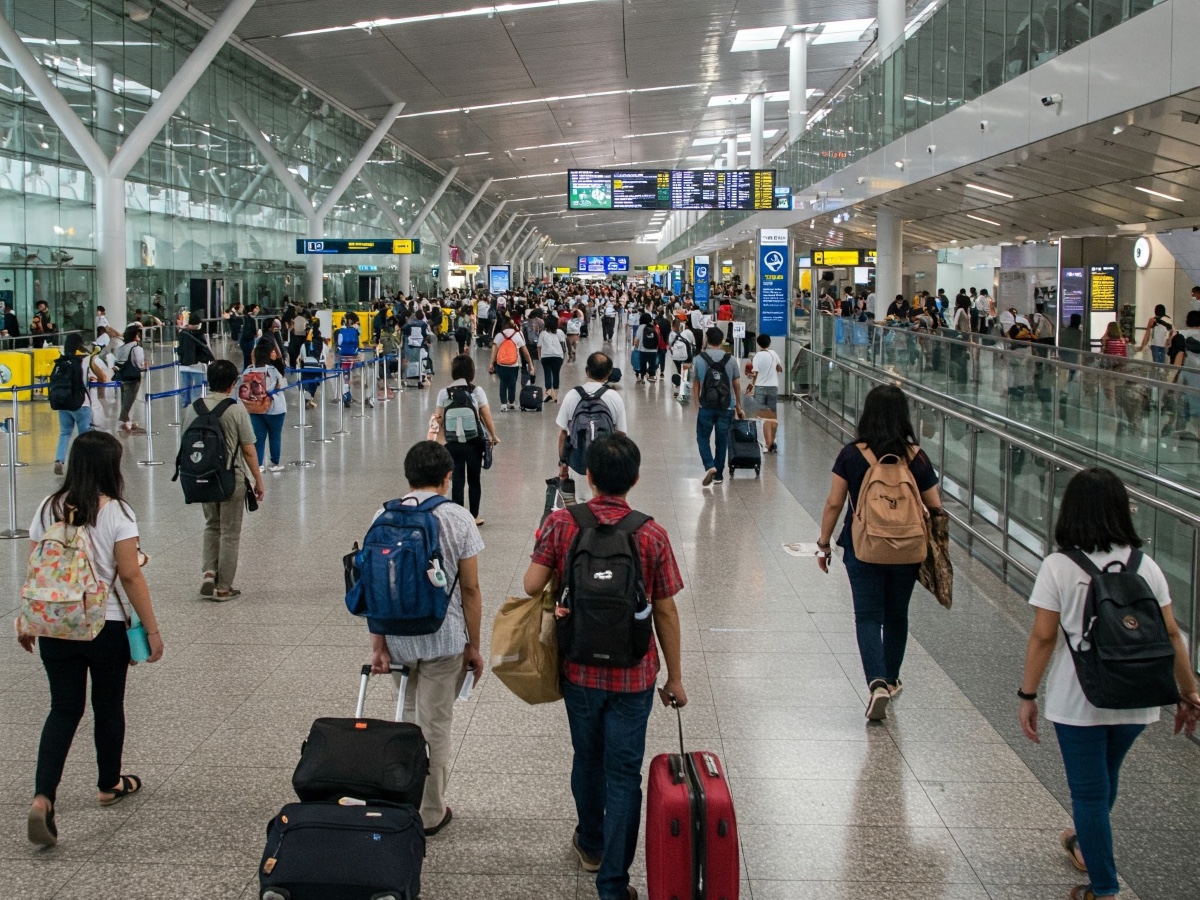
Airport access matters most when it fits the owner’s real travel rhythm, not only a map distance.
Foreign buyers should assess airport access as part of daily life, not as a marketing phrase. Bangkok has more than one travel pattern. Some owners use Suvarnabhumi for long-haul and regional flights. Others use Don Mueang for domestic and low-cost regional routes. Many residents also care about the route to the Airport Rail Link, expressways, taxis and ride-hailing pickup points.
Why airport access matters to ownership
For non-resident owners, airport access affects every viewing trip, handover visit, furnishing trip and annual inspection. For owner-occupiers, it affects work travel, family visits and holidays. For tenants, it can be a deciding factor when choosing between similar units, especially for regional managers, consultants, airline staff, medical visitors, academics and internationally mobile families.
The value is not only speed. Predictability matters. A district that gives residents two or three workable airport routes can feel more resilient than a location that depends on one congested road. Buyers should ask how the journey works in the morning, evening, rain and holiday periods, not only on a quiet weekend afternoon.
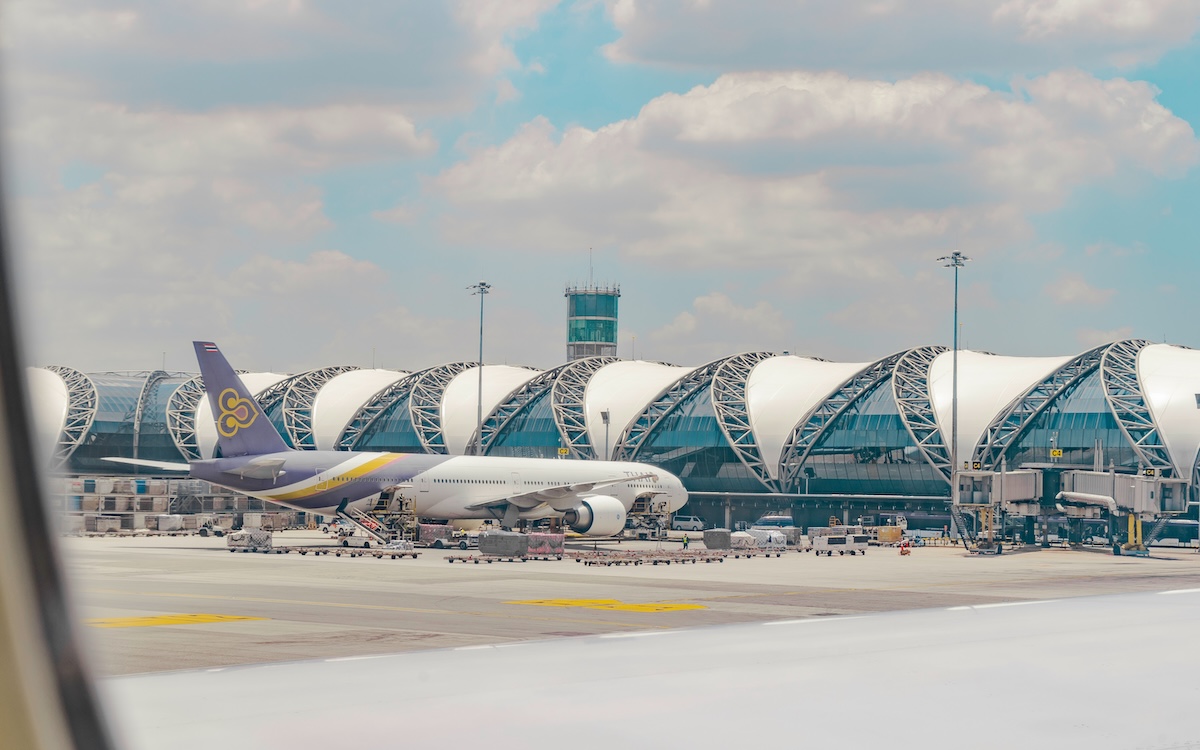
Suvarnabhumi access supports Bangkok’s appeal as a regional base for mobile households.
Rail, road and the final kilometre
Rail access can be useful, especially when a building connects conveniently to the BTS, MRT or Airport Rail Link network. But rail is only part of the journey. The final kilometre from the condo to the station, luggage handling, escalators, lifts, weather and interchange comfort all matter. A route that looks efficient on a map may be awkward with suitcases or children.
Road access also needs a practical test. Ask how quickly taxis arrive, where cars can stop, whether the lobby pickup point works during rain, and how the route changes during peak traffic. Buildings with clear drop-off areas, helpful security teams and easy ride-hailing access often feel better for frequent travellers.
Which districts benefit from airport logic
There is no single best airport district. Phaya Thai and Ratchaprarop can appeal because of Airport Rail Link access. Asoke, Phrom Phong, Thonglor and Ekkamai may suit residents who balance airport trips with central Sukhumvit work and lifestyle. Sathorn and Silom can work for business travellers who prioritise office access. Bang Na, On Nut and eastern Sukhumvit may appeal to buyers who use expressway routes or prefer a less central base.
The right choice depends on the buyer’s wider routine. A family may prefer school and hospital convenience over shaving ten minutes from an airport trip. A consultant who flies weekly may accept a smaller unit if the travel route is more predictable. A retiree may care more about easy taxi access, lift comfort and nearby healthcare than proximity to a rail interchange.
The best location decision balances airport movement with schools, hospitals, offices and daily errands.
How landlords should think about airport access
Airport access can help rental marketing, but it should not be exaggerated. Tenants still compare rent, layout, furniture, building facilities, noise, internet, grocery access and management quality. A unit near a travel route is stronger when it also works as a home. Good photos, clear directions and honest journey descriptions are more useful than vague claims about being close to everything.
For furnished rentals, consider the traveller’s first hour in the unit. Is the arrival process clear? Can a taxi stop easily? Is there a place for luggage? Does the building allow smooth move-in? Are instructions available in English? These details can influence reviews, renewals and tenant referrals.
Inspection checklist
Test the airport route at realistic times, not only during a viewing slot.
Check taxi pickup, lobby access, luggage movement and station lifts.
Compare Suvarnabhumi and Don Mueang routes if both airports matter.
Balance airport convenience with schools, hospitals, offices and grocery access.
Ask whether building staff can support arrivals, deliveries and move-in coordination.
Buyer takeaway
Bangkok airport access is a liveability factor, not a stand-alone investment thesis. Foreign buyers should choose a condo that fits their real travel pattern while still meeting the fundamentals of layout, building quality, district convenience and resale appeal. The best location is the one that makes both ordinary weeks and travel days easier.
IBP can help foreign buyers compare Bangkok districts by travel access, lifestyle fit and ownership practicality. Browse our Bangkok lifestyle guides or contact IBP Real Estate for a location-led shortlist.
Chatuchak is often introduced through the weekend market, but foreign condo buyers should look beyond the postcard version. The area combines markets, parks, BTS and MRT access, government and office activity, schools, casual dining and northern-Bangkok connectivity. That mix can make it more liveable than buyers expect if the exact building and route are chosen carefully.
The district is not a substitute for prime Sukhumvit or Riverside living. Its appeal is different: practical, local, green in parts, well connected and busy on weekends. For buyers who value real Bangkok routines as much as polished luxury, Chatuchak deserves a measured look.
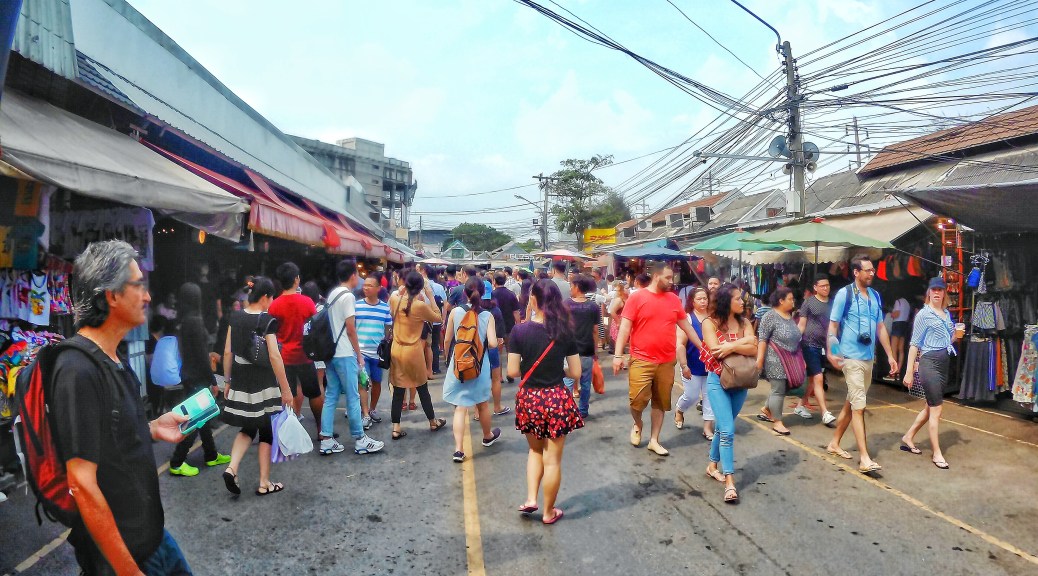
Weekend market access can add texture to Bangkok living when the weekday routine also works.
Why Chatuchak Has A Distinct Lifestyle
Chatuchak Weekend Market gives the area an identity that is easy for foreigners to remember. It brings food, plants, design, antiques, clothes, homeware and a sense of Bangkok street culture into one large district experience. For residents, that can make weekends feel full without needing to cross the city.
The wider area also benefits from green space and rail connections. Chatuchak Park, Queen Sirikit Park and nearby public areas create a different rhythm from dense tower districts. Residents can combine market visits, park walks, casual food and transport access in a way that feels more local than hotel-led.
This lifestyle can appeal to long-stay residents, creatives, students, remote workers and buyers who prefer a practical neighbourhood base. It may be less suitable for buyers who want luxury hotel services, river views or immediate access to the central embassy and premium retail districts.
That distinction keeps expectations realistic.
Chatuchak's appeal is strongest when it is paired with rail access, parks and manageable daily routes.
Transport Is The Main Strength
Chatuchak’s transport story is one of its strongest buyer arguments. BTS and MRT connections around Mo Chit, Chatuchak Park and nearby stations make it easier to reach central areas, northern Bangkok and transport interchanges. That can support tenants who work across several districts rather than in one fixed office corridor.
Foreign buyers should still test the actual route from the condo lobby. A building can be close to a station on a map but awkward because of crossings, heat, event crowds, pavement quality or traffic. Weekend market activity can also change the feel of the district. Visit both busy and ordinary periods.
If airport access, school routes or office commutes matter, test them separately. Chatuchak can be convenient for some routines and less convenient for others. The district should be chosen for the life the buyer will actually lead.
Condo choices around Chatuchak should be compared by station access, building condition and tenant fit.
What To Check In The Building
Because Chatuchak is busy and mixed, building quality matters. Check lifts, security, parking, parcel handling, common areas, gym, pool, juristic management, noise control and short-stay rules. A well-managed building can turn the district’s energy into a positive lifestyle. A weak building can make the same energy feel tiring.
Unit orientation is important. Some units may face roads, rail, construction, market traffic or open green space. Visit at different times so you understand noise, light and privacy. A park or city view can be valuable, but only if the unit remains comfortable during heat, rain and weekend crowds.
Investors should compare rent evidence with Ari, Phahon Yothin, Lat Phrao and Ratchayothin alternatives. The tenant who chooses Chatuchak may be more value-conscious than the tenant choosing Phrom Phong or Chit Lom. Pricing and furnishing should match that audience.
Buyer Takeaway
Chatuchak is attractive when the buyer wants Bangkok to feel accessible, varied and lived-in. The market and parks create weekend appeal, while rail links and daily services can support practical routines. The opportunity is not about buying the market name. It is about finding a building that makes the area easy to use.
Foreign buyers should test weekday convenience, weekend crowd patterns, station access, noise, building management and resale evidence before committing. If those checks are strong, Chatuchak can be a credible alternative to more expensive central districts.
IBP can help compare Chatuchak with Ari, Phahon Yothin, Lat Phrao and central Sukhumvit options. Explore our Bangkok lifestyle guides or contact IBP for a practical location shortlist.
Bangkok liveability is often decided by ordinary errands rather than landmark attractions. A condo can look impressive on a viewing day, but foreign buyers should ask how easily the address handles groceries, coffee, laundry, deliveries, clinics, parks, transport and weekend routines. The best Bangkok home is usually the one that makes the week feel simple.
Daily retail access can matter more to long-stay residents than landmark attractions.
This is especially important for buyers who plan to stay for several months a year, relocate with family, work remotely or rent the unit to long-stay tenants. Daily convenience can support tenant appeal and resale confidence because it broadens the number of people who can imagine living there.
Start with the weekday route
A useful liveability test begins at the lobby, not at the sales gallery. Walk from the building to the nearest station, supermarket, pharmacy, cafe, bank, clinic and main road. Notice shade, pavement quality, crossings, traffic, noise, rain cover and how the route feels after dark. If the daily route is awkward, a strong view may not compensate.
Foreign buyers should also test the building’s arrival process. Can taxis and ride-hailing cars stop safely? Is there a sensible parcel system? Are delivery riders managed clearly? Does the lobby feel secure without being difficult for guests? These details affect residents every week and can influence tenant renewals.
Cafes, workspaces and food options help buyers understand the ordinary weekday rhythm.
Groceries and food access
Bangkok is strong on food, but not every condo location is equally practical. Some addresses offer excellent restaurants but weak supermarket access. Others have easy groceries and casual food but fewer international dining choices. The right balance depends on the buyer profile. A long-stay owner may care more about daily groceries than rooftop dining.
For rental investors, food access should be tested by tenant type. A single professional may value coffee, gym and quick meals. A couple may want a better supermarket and delivery options. A family may need larger grocery runs, parking, schools and weekend activities. The more tenant profiles a location can serve, the deeper its demand can be.
Healthcare, wellness and quiet time
Many foreign residents choose Bangkok partly because private healthcare, dental care, wellness services and pharmacies are easy to access. A condo does not need to sit next to a hospital, but the route to trusted clinics and emergency care should be realistic. This matters for retirees, families, medical visitors and owners who split time between countries.
Quiet time matters too. Visit on weekdays and weekends. Check whether nearby bars, schools, roads or construction affect the unit. A district can be exciting at night and still be tiring to live in. Good Bangkok buying decisions usually balance energy with retreat.
A good address makes ordinary errands feel manageable in real weather and traffic.
Weekend routines reveal the real district
Weekend routines are a useful way to compare districts. Ask where you would walk in the morning, where visitors would stay, how you would reach parks, malls, museums, restaurants or the river, and how long it takes to get home after dinner. If every weekend plan requires a long taxi ride, the location may be less convenient than it first appears.
Families should add school events, sports, play areas and medical access to the test. Remote workers should add cafes, coworking options and reliable internet. Frequent travellers should add airport access and luggage movement. The same building can be excellent for one buyer and inconvenient for another.
Building services still matter
A lively district cannot fix poor building management. Check lifts, security, maintenance response, cleanliness, pest control, air-conditioning drainage, move-in rules, parking and renovation controls. Long-stay tenants notice these details quickly. Owners living overseas need them even more because they cannot solve every problem in person.
Ask the juristic office how repairs are reported, how utilities are handled, whether there are English-language notices, and how emergencies are managed. A well-run building turns a good location into a usable home.
Buyer checklist
Walk the weekly errands route before making an offer.
Check supermarket, pharmacy, clinic, cafe and transport access in real time.
Visit the unit during rain, evening traffic and weekend activity where possible.
Match the location to the tenant or owner profile, not only to district reputation.
Review building services because daily convenience depends on management too.
Buyer takeaway
Bangkok’s appeal is not only premium malls, hotels and skyline views. It is the way daily life can be made efficient, comfortable and internationally connected. Foreign condo buyers should test the ordinary week before they buy. If errands, transport, healthcare, quiet time and building services all work, the property has a stronger liveability case.
IBP can help foreign buyers compare Bangkok neighbourhoods by daily routine, tenant profile and building management. Explore our expat living guides or contact IBP Real Estate for a practical location shortlist.
Healthcare access is one of Bangkok’s understated advantages for foreign condo buyers. The city is known for food, shopping, hotels and transport, but many long-stay residents make their location decision around something more practical: how quickly they can reach a trusted hospital, specialist clinic, pharmacy, dentist, insurer or health check-up centre.
This matters for retirees, families, frequent travellers, executives and part-time owners. A condo may be beautiful, but if every hospital visit requires a difficult cross-city journey, the lifestyle becomes less comfortable. For investors, healthcare access can also support tenant demand from expatriates who want Bangkok to feel organised from the first week.
Central Bangkok hospital access is a practical liveability factor for many expatriate households.
Why Bangkok feels reassuring to many expats
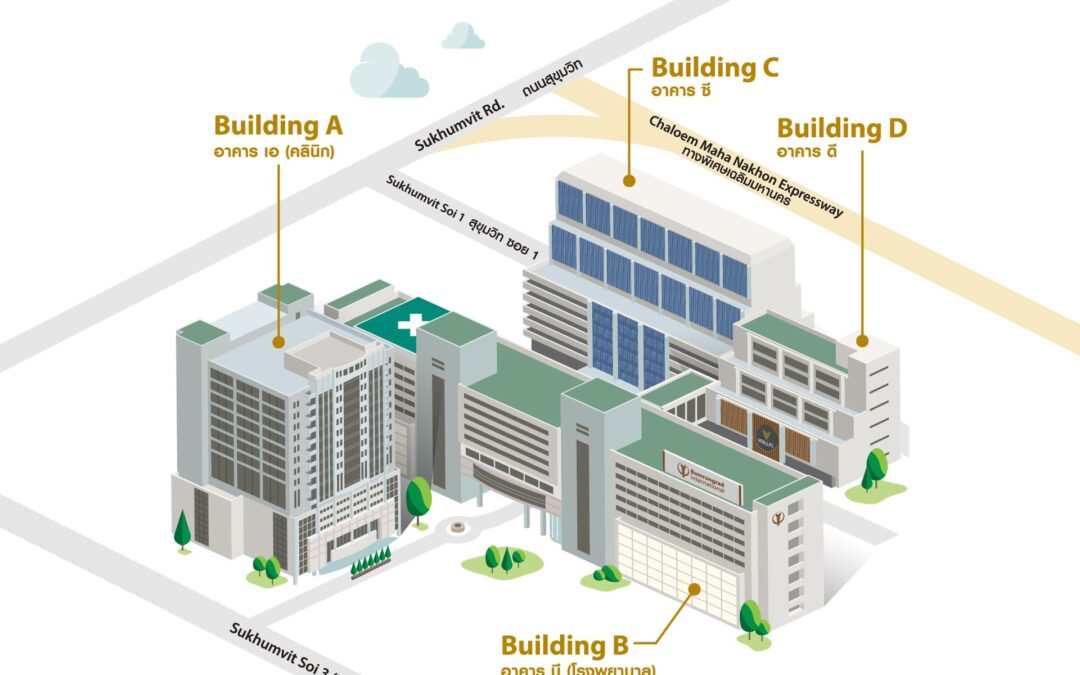
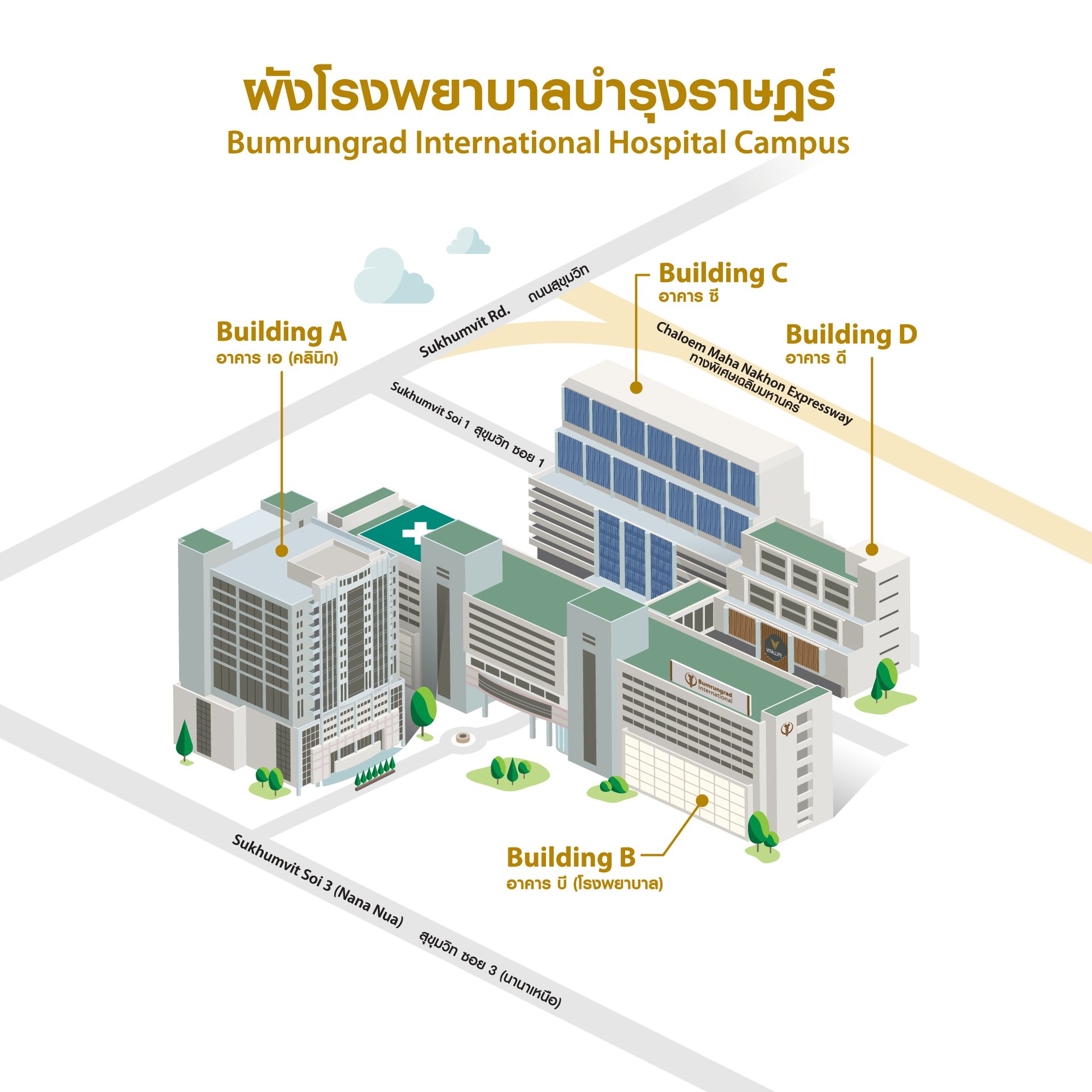
Bumrungrad International Hospital describes itself as a multi-specialty hospital in central Bangkok, founded in 1980, and says it cares for more than 1.1 million patients from more than 190 countries annually. Bangkok Hospital says it was established in 1972 and has expanded into tertiary care with dedicated cancer and cardiology facilities. Samitivej Sukhumvit Hospital, on Sukhumvit Soi 49, describes itself as a 275-bed tertiary hospital with more than 400 care specialists and a patient base that includes expatriates and medical travellers.
For a foreign buyer, the significance is not ranking hospitals against each other. It is the density of options. Central Bangkok offers international-standard private hospitals, specialist centres, dental clinics, pharmacies, physiotherapy, wellness services and insurer coordination within a relatively compact urban area. That depth helps Bangkok compete as a long-stay base, not only as a holiday city.
Districts that work well for healthcare access
Nana, Ploenchit, Chit Lom and Asok are convenient for buyers who prioritise access to Bumrungrad, embassies, hotels, BTS and central offices. Phrom Phong and Thonglor are practical for Samitivej Sukhumvit, Japanese community services, international restaurants and family routines. Rama 9, Phetchaburi and parts of Huai Khwang can be useful for access toward Bangkok Hospital and the wider medical campus around New Petchburi Road.
Sathorn and Silom buyers may choose a different balance: office access, schools, embassies, Lumpini Park, BNH Hospital and expressway routes. The right district depends on the household’s actual pattern. A retiree who needs regular specialist appointments may choose differently from a family that needs paediatrics, schools and weekend malls.
International patient services can reduce friction for new arrivals and frequent travellers.
What to check before choosing a condo
Do not assess healthcare access by map distance alone. Bangkok traffic can change a short route into a stressful journey. Test the route during weekday traffic, rainy season conditions and late evening. Check whether the building has reliable taxi access, clear drop-off, nearby pharmacies and enough parking if the household uses a car.
Insurance also matters. Expats should confirm which hospitals are in-network, whether direct billing is available, how emergency treatment is handled, and whether pre-authorisation is needed for planned procedures. A condo near a preferred hospital is less useful if the owner’s insurance workflow points somewhere else.
Useful buyer questions
Which hospital would you use for emergency care, routine appointments and specialist treatment?
Can you reach that hospital easily by car, BTS, MRT or taxi during peak hours?
Are pharmacies, clinics, dentists and physiotherapy services nearby?
Does the building allow simple ambulance, taxi and visitor access?
Will the location still work for schools, office commutes, groceries and airport travel?
Is the unit suitable if a family member has mobility, recovery or elder-care needs?
Healthcare access and rental demand
Healthcare access can support leasing, but it should be described carefully. A unit near a hospital may suit medical professionals, visiting families, patients in recovery, embassy households, retirees or executives who value reassurance. It is not a guarantee of high rent. The unit still needs the right layout, furnishing, lease terms and building service.
For landlords, the safest approach is to match the unit to a realistic tenant profile. A compact, well-furnished unit near Nana or Ploenchit may suit a single professional or medical visitor. A larger unit around Phrom Phong or Thonglor may work better for a family that wants school, hospital and supermarket access together. Around Rama 9, buyers should compare hospital access with office demand, MRT convenience and local supply.
The right condo location should fit real healthcare, insurance and travel routines.
Buyer takeaway
Bangkok’s healthcare depth is one reason the city feels liveable for foreign owners. It reduces anxiety, supports ageing-in-place decisions, helps families settle and gives frequent travellers confidence that private medical services are close by. When combined with rail access, malls, schools, hotels and airports, it strengthens Bangkok’s case as a premium regional base.
IBP Real Estate can prepare a healthcare-access shortlist across Nana, Ploenchit, Asok, Phrom Phong, Thonglor, Sathorn and Rama 9 based on your hospital, school and commute priorities. Continue with our expat living guides and Bangkok liveability articles.