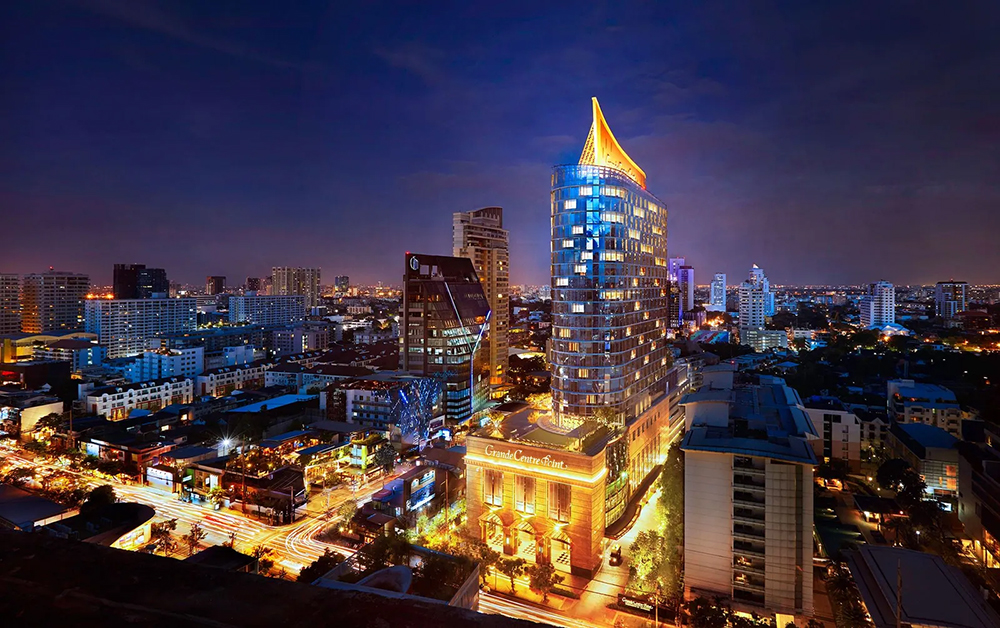
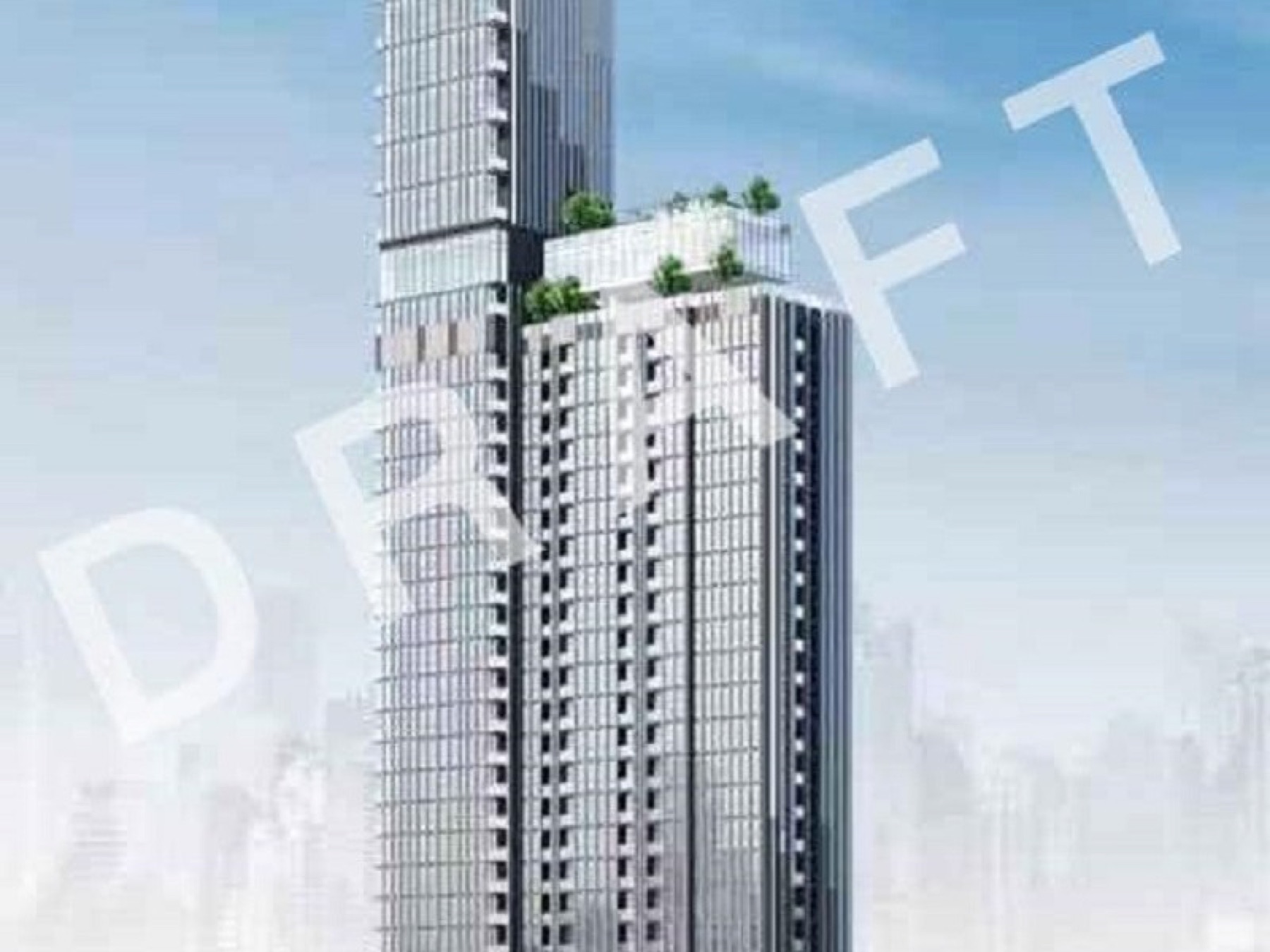
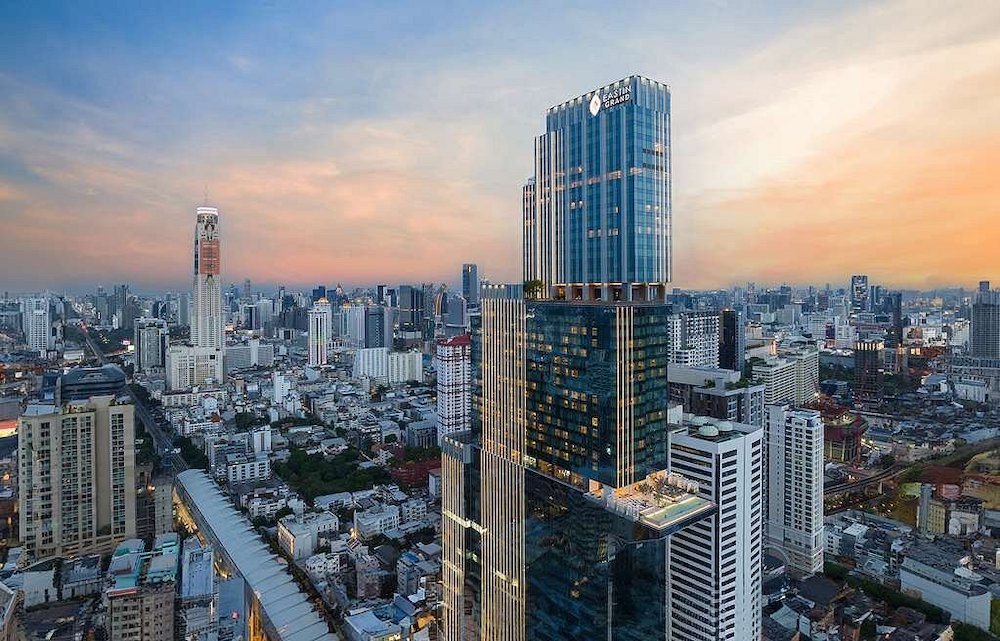
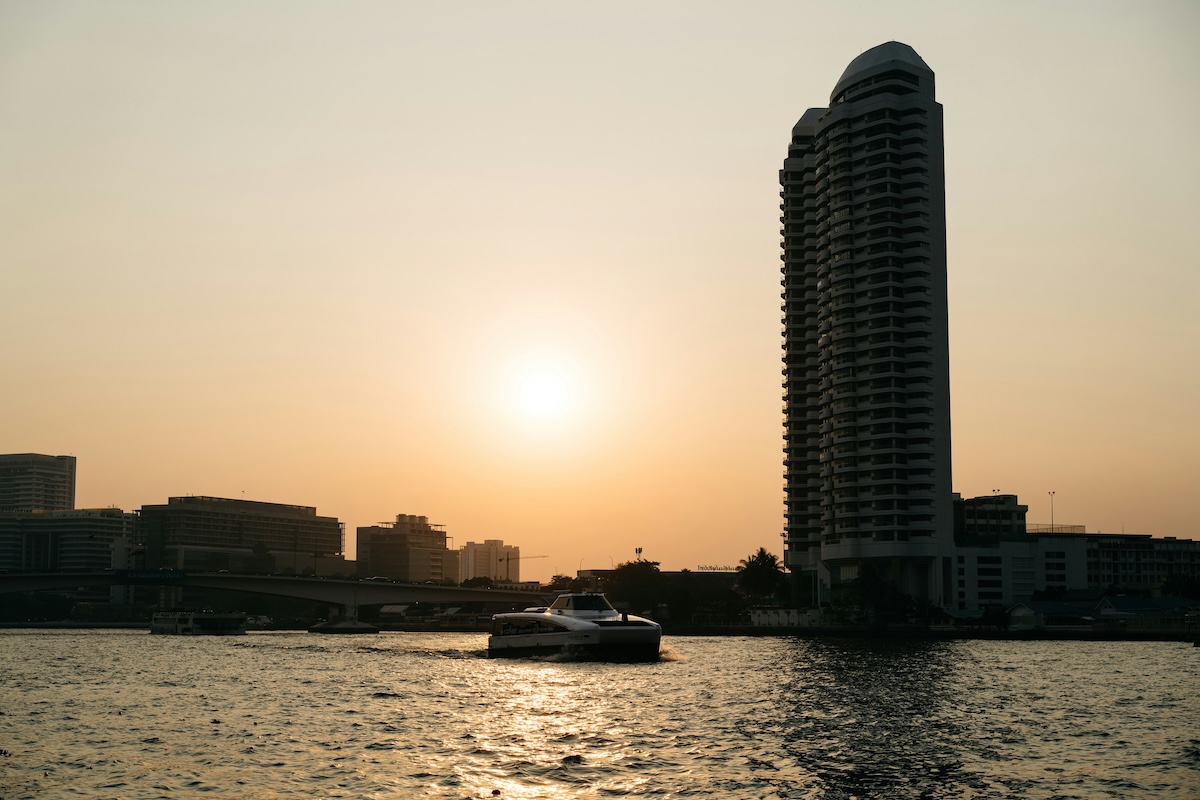
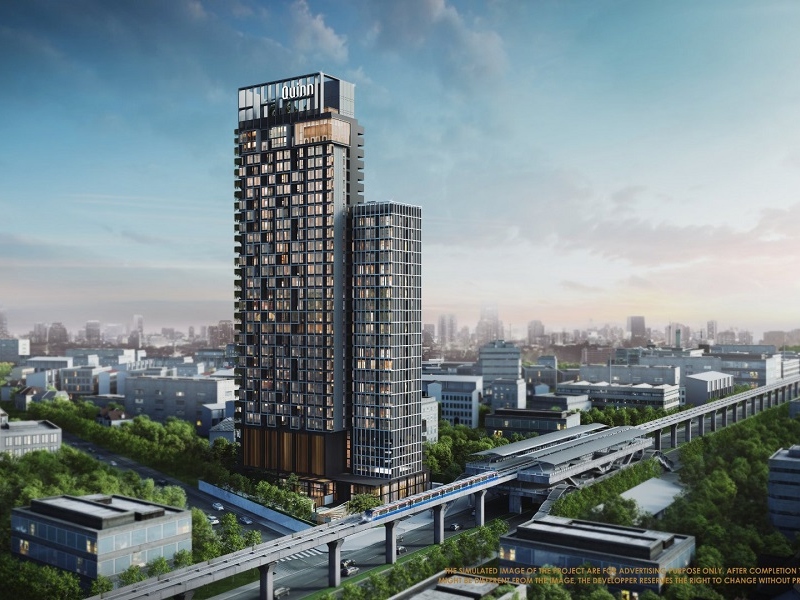
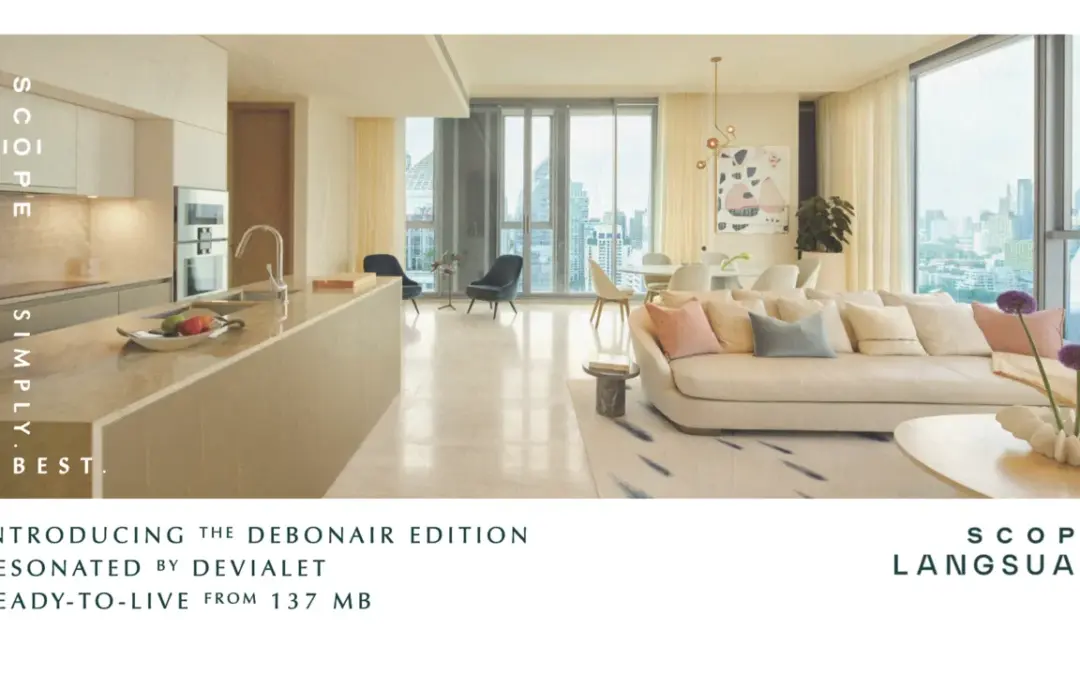
Ratchayothin offers foreign buyers a different Bangkok proposition from prime Sukhumvit or the central business districts. The area sits within the established Phahonyothin corridor and combines rail access, offices, education, retail and residential neighbourhoods. Its appeal is practical: buyers can seek a usable city base without paying only for an internationally famous postcode.
Ratchayothin buyers should test the complete door-to-platform route rather than rely on a map pin.
The district still requires careful selection. Condominiums vary in age, walking route, unit size, management and relationship to the station. Ratchayothin can work for residents whose jobs and routines are in north or central Bangkok, but it is less compelling when the buyer’s daily life is concentrated far across the city.
Begin with the real rail journey
Ratchayothin station is on the BTS Sukhumvit Line’s northern section. Buyers should map the complete journey to work, university, meetings and social destinations, including any interchange and the final walk. A station on the same line does not make every trip short or comfortable, particularly at busy times.
Walk from each shortlisted building to the station entrance you would use. Check crossings, pavement continuity, shade, lighting, drainage and traffic. A condominium can look close on a map while the most practical pedestrian route is longer. Test the journey during the hours the resident expects to travel.
Understand the wider Phahonyothin corridor
Ratchayothin forms part of a broader northern Bangkok urban corridor rather than an isolated residential pocket. Nearby office clusters, universities, government-related workplaces, retail and established communities can support several resident profiles. This is useful for investors because demand need not depend on one attraction.
However, a broad district story is not enough. Identify who would choose the exact unit: a professional with a northern commute, a student or university employee, a couple seeking more space, or an owner-occupier with family connections nearby. The furnishing, layout and rent should match that audience.
The investment case rests on real work, education, retail and transport routines in the wider north-Bangkok corridor.
Test daily convenience on foot
Map groceries, food, pharmacy, healthcare, exercise, banking, parcel collection and reliable transport for late returns. Large retail anchors are useful, but buyers should also inspect the smaller services that make a weekday easy. The best location is not necessarily beside the busiest destination if noise, traffic or an awkward entrance reduces comfort.
Visit in the morning, after work and at the weekend. Street activity and traffic patterns can change significantly. Check taxi pickup, motorcycle access and car routes as well as rail. A resident may use the BTS often while still relying on road transport for shopping, family visits or airport journeys.
Compare new and established buildings
Ratchayothin gives buyers a chance to compare several condominium generations. Newer stock may offer contemporary common areas, smart access and compact layouts. Established buildings may provide larger internal space, a proven management record and clearer evidence of how the property ages. Neither is automatically better.
For older buildings, inspect lifts, water systems, facade, parking, fire-safety arrangements and evidence of major maintenance. For newer projects, test whether the layout is genuinely usable and whether the amenities justify common costs. In both cases, review juristic records, current fees and planned work through proper due diligence.
Building quality and unit differentiation matter where buyers can compare several condominium generations.
Measure supply and unit differentiation
Where several buildings compete for similar residents, an undifferentiated unit can be difficult to lease or resell. Compare floor, orientation, noise, view, storage, kitchen, parking, furniture and condition. A small price difference may be justified when one unit has a materially better daily experience.
Search both within the building and across nearby alternatives. Ask how many similar units are available, how long listings remain active and whether achieved evidence supports the proposed rent. Avoid treating one asking price or agent estimate as a market benchmark.
Think carefully about the tenant audience
Ratchayothin may appeal to Thai professionals, regional employees, students, educators, couples and residents with family or work ties in the north of the city. Some foreign tenants will value direct rail access and better space, while others will prefer the international services and shorter central trips associated with Asoke, Phrom Phong, Thong Lo or Sathorn.
This means the rental case should be specific. A compact investment unit needs a clear reason to win against other compact units. A larger home needs a resident who values space enough to choose the location. Furnishing and marketing should present the real strengths instead of applying generic luxury language.
Compare Ratchayothin with nearby alternatives
Buyers may also consider Saphan Khwai, Ari, Chatuchak, Lat Phrao, Ha Yaek Lat Phrao and other northern-line locations. Ari can offer a more established lifestyle identity at a different price point. Chatuchak has a major transport and park story. Lat Phrao provides broader road and rail choices in selected pockets. Ratchayothin’s case is strongest when its exact work, study and retail links fit the resident.
Make the comparison using total ownership cost, unit quality and commute, not only price per square metre. A cheaper unit that adds daily travel friction may be poor value for an owner-occupier and harder to explain to a future tenant.
Plan the resale audience before buying
A future sale should not depend on foreign buyers alone. Consider whether Thai owner-occupiers and local investors can also understand the unit’s value. Efficient layouts, maintained buildings, documented costs and sensible pricing widen the audience. Highly personalised renovation or an optimistic premium can narrow it.
Keep leasing records, maintenance invoices, juristic documents and improvements organised. Evidence makes the property easier to assess and helps a future buyer distinguish the unit from a crowded online listing set.
Ratchayothin viewing checklist
Walk the exact route to the correct BTS entrance.
Test common journeys and interchange time.
Map weekday services beyond major retail.
Visit during traffic and evening periods.
Compare several building generations.
Identify the realistic tenant and resale audience.
Check competing units and achieved evidence.
Review management, fees and planned work.
A Ratchayothin BTS condo can offer connected, practical Bangkok living when the location fits the resident rather than a marketing map. IBP helps foreign buyers compare station routes, building quality and resale logic. Browse our district guides or contact IBP Real Estate for a north-Bangkok shortlist.
Phra Khanong sits on the Sukhumvit Line between Ekkamai and On Nut, giving foreign buyers a location that can feel connected to central Bangkok without copying the character or pricing of the most established prime districts. Its appeal is practical: rail access, a mixed local and international neighbourhood, everyday retail and a range of condominium ages and formats.
Buyers should walk the exact door-to-platform route at the times they expect to use it.
That variety also means buyers should avoid treating every Phra Khanong BTS condo as the same proposition. Walking route, side of Sukhumvit Road, building management, unit competition and the likely tenant or resale audience can differ substantially. The right choice starts with how the property will actually be used.
Define the Phra Khanong search area
Estate-agent descriptions can stretch neighbourhood names. Decide whether the priority is the immediate BTS catchment, a quieter residential lane, access towards Rama IV, or a position that also benefits from Ekkamai or On Nut. Mark the exact building entrance and walk the real route rather than relying on a straight-line map distance.
Buyers should also consider which side of Sukhumvit best fits their routine. Crossing a major road, using a footbridge, waiting for a lift or navigating an uneven pavement can change a short map distance into an inconvenient journey. Repeat the walk in daylight, after dark and, if possible, in wet weather.
Why the district can work for long-stay living
Phra Khanong offers access to the wider Sukhumvit corridor while retaining a more varied streetscape than some heavily branded central addresses. Residents can reach restaurants, local shops, supermarkets, services and neighbouring leisure areas without every trip becoming a destination outing.
For an owner-occupier, this can support a balanced routine: commute by BTS, shop locally and use Ekkamai or Thong Lo when a broader choice is wanted. For an investor, the same logic may appeal to tenants who value connectivity but do not need a trophy postcode. That audience should still be tested against the exact unit size, rent and competing stock.
Phra Khanong combines rail access with a varied lower-Sukhumvit streetscape and everyday services.
Check the complete transport journey
The BTS station is only one part of access. Time the route from the unit door to the platform, including lifts, crossings and station entry. Then map the destinations that matter: office, school, hospital, airport connection, shopping and social life. A buyer who changes lines every day may value a different building from someone who works along the same BTS corridor.
Road access also matters. Observe taxi pickup, ride-hailing collection, motorcycle-taxi points, parking entry and peak-hour congestion. If a buyer travels frequently, test airport journeys rather than assuming Sukhumvit proximity guarantees a simple trip. Transport decisions should reflect present operations and the buyer’s real timetable.
Compare new and established buildings carefully
Phra Khanong’s condominium stock includes different generations. A newer building may offer modern amenities, efficient systems and contemporary finishes, but could have compact layouts and many similar investor-owned units. An established building may provide more space or a mature residential atmosphere, while requiring closer review of maintenance and future capital work.
Inspect common areas, lifts, fire-safety provisions, parking, refuse handling, water systems and visible maintenance. Ask for juristic-person records relevant to common fees, sinking funds, major repairs and building rules. Age alone is not a verdict; management quality and the financial ability to maintain the property are more informative.
Building management, unit mix and maintenance can outweigh a small difference in walking distance.
Assess the unit against its likely audience
A studio or compact one-bedroom may suit a single professional who prioritises rail access. A larger one-bedroom with a real work area may appeal to a longer-stay tenant. Two-bedroom demand can depend more heavily on schools, parking, storage and family routines. Buyers should match the unit to a plausible audience instead of assuming every Sukhumvit tenant wants the same home.
Review layout efficiency, light, heat, noise, storage, kitchen ventilation, furniture and privacy. In a building with many identical units, condition and presentation can determine leasing speed. A higher floor or open view may help, but only if the premium remains sensible and the view is defensible.
Understand nearby competition
Phra Khanong competes with Ekkamai, On Nut and other lower-Sukhumvit locations. Compare total purchase cost, unit quality, actual station journey, building reputation and achieved rental evidence across more than one stop. A cheaper unit is not automatically better value if it faces weaker management or a narrower resale audience.
Within the same building, count comparable listings. Repeated layouts and furniture packages make it easy for tenants to compare. Ask how long units have been offered and whether asking rents have changed. For resale, review completed transactions where available and separate genuine evidence from optimistic listings that remain online.
Foreign-buyer due diligence remains essential
Confirm the title, seller authority, registered area, foreign-ownership position, remittance evidence and transfer requirements with a Thai lawyer and the relevant parties. Review the sale agreement, deposits, inventory and completion timetable before committing. If the unit is tenanted, examine the lease, deposit handling, payment history and vacant-possession position.
Also budget for common fees, sinking-fund contributions, insurance, repairs, furnishing, management, leasing and tax-related obligations. The correct investment comparison uses net cash flow and a realistic vacancy allowance, not a headline rent divided by purchase price.
Who may find Phra Khanong suitable?
The district may suit buyers who want Sukhumvit Line convenience, a lived-in neighbourhood and access to nearby premium districts without making a prime address the sole objective. It can also suit investors with a clearly defined professional or long-stay tenant profile.
It may be less suitable for a buyer seeking immediate prestige, a large expatriate enclave at the door or a unit whose value rests mainly on an unobstructed landmark view. The decision should be building-led and unit-led, not based on the station name alone.
Phra Khanong buyer checklist
Walk the exact route to BTS at several times.
Check road crossings, shade, drainage and taxi access.
Compare both newer and established buildings.
Identify the likely tenant and resale audience.
Measure comparable supply inside the building.
Review juristic, title and foreign-ownership evidence.
Model net income, vacancy and future maintenance.
IBP helps foreign buyers compare Bangkok locations at building and unit level. Browse our district and BTS/MRT guides, or contact IBP Real Estate for a Phra Khanong and lower-Sukhumvit shortlist.
Talat Phlu gives foreign condo buyers a different way to access Bangkok. The district sits on the Thonburi side of the Chao Phraya, with BTS Silom Line access, established local streets, everyday retail and connections towards Sathorn and the central business area. Its appeal is more residential and value-conscious than the prime Sukhumvit story.
Talat Phlu buyers should test the complete door-to-platform journey and the connections they will use most.
That difference can be attractive, but it requires careful selection. Talat Phlu is not one uniform station catchment. The walk to rail, road crossings, feeder transport, building management and unit competition can change quickly from one site to another. Foreign buyers should judge the daily routine rather than buy only because the station appears on a map.
Why Talat Phlu enters the foreign-buyer shortlist
The BTS connection gives residents a rail route towards Wongwian Yai, Krung Thon Buri, Saphan Taksin, Silom and Siam through the wider network. For an owner or tenant whose work and social life follows that corridor, Talat Phlu can offer a practical base without requiring a prime-central address.
The neighbourhood also has a lived-in character. Local food, markets, malls, services and residential streets can make daily spending and errands straightforward. Buyers who prefer an established Thai district may find this more appealing than an isolated new-development zone. The trade-off is that pavements, traffic, language comfort and the streetscape may feel less polished than in Bangkok’s most international districts.
The wider Thonburi setting offers a different daily rhythm from prime central Bangkok districts.
Test the complete transport journey
Station distance should be measured from the condominium lobby to the platform, not from the edge of the site. Walk the route during a normal weekday. Check crossings, shade, lighting, drainage, motorcycle traffic, construction and the ease of carrying groceries or luggage. A short route on paper can feel longer in heat or rain.
Then test the journeys the household will actually make. A direct BTS ride is useful, but some destinations require an interchange or onward taxi. Buyers should compare door-to-door convenience with alternatives in Wongwian Yai, Krung Thon Buri, Sathorn, Bang Wa and other Thonburi districts rather than assuming every central trip will be simple.
Road access still matters
Even rail-oriented residents use taxis, ride-hailing, deliveries and private cars. Inspect the condo drop-off, pickup visibility, service access and the route to larger roads. Ask how vehicles enter and leave during busy periods. A building near a station can still be frustrating if the lobby is difficult to reach or delivery riders cannot find the entrance.
Parking also deserves a realistic check. Confirm the rights attached to the unit, the visitor arrangement and whether spaces are fixed, rotational or subject to building rules. Investors should match parking expectations to the likely tenant rather than assume rail access makes the question irrelevant.
Building management, unit mix and maintenance matter as much as the station name in a competitive district.
Choose the building, not only the district
Talat Phlu has condominiums of different ages, scales and management standards. Compare lift capacity, corridor condition, pool and gym maintenance, parcel handling, security, parking, short-stay control and the responsiveness of the juristic office. A well-run building can hold resident confidence even when the wider area has many competing units.
Unit mix is equally important. If a building contains many similar one-bedroom layouts, landlords may compete heavily on rent and furniture. A unit needs a reason to win: better light, efficient planning, quieter position, good condition, useful storage or a more comfortable station route. Foreign buyers should inspect live resale and rental listings before making an offer.
Who may want to live here
Potential residents can include Thai professionals, couples, students, early-career workers, small families and foreign tenants who already understand the Thonburi side of Bangkok. The area may suit people commuting towards Silom or enjoying a more local neighbourhood rhythm. It may be less suitable for tenants who expect to walk to international schools, embassies, major hospitals or the deepest expatriate dining scene.
An investor should define the likely tenant before choosing the unit. If the answer is simply anyone wanting a cheap condo, the strategy is weak. A stronger case links unit size, furniture, station route and rent level to a particular household and commute.
Owner-occupier checks
Owner-occupiers should spend time in Talat Phlu beyond a sales viewing. Visit in the morning, evening and weekend. Try the food and grocery options, take the BTS, call a taxi and walk home after dark. Check whether the local atmosphere feels comfortable for the household and visiting family.
Foreign residents should also consider language and service needs. Some people value immersion in a more local district; others prefer the ease of central international services. Neither preference is wrong, but the difference affects whether the property will feel like a home after the novelty wears off.
Investment and resale logic
Talat Phlu can offer a clear transport-and-convenience story, but buyers should not assume that a lower entry price guarantees a better return. Net income still depends on achievable rent, vacancy, common fees, maintenance, furnishing and leasing costs. Resale depends on how many comparable units are available and whether Thai as well as foreign buyers understand the building.
Foreign-quota availability, title checks and purchase funding should be confirmed for the exact unit. At exit, a broad local buyer pool can be helpful, but price and unit condition must remain competitive. The purchase should work without relying on an unverified future project or dramatic district re-rating.
District checklist
Walk from lobby to BTS in weekday heat and rain conditions.
Test actual trips towards Silom, Siam and regular destinations.
Inspect taxi, delivery, road and parking access.
Compare management and maintenance across nearby buildings.
Define the likely tenant and check competing unit supply.
Verify foreign quota, ownership costs and resale evidence.
Buyer takeaway
A Talat Phlu BTS condo can suit foreign buyers seeking rail access, local character and a Thonburi base outside prime-central pricing. The strongest purchase will combine a comfortable station route, reliable building management, a defensible unit and a clear resident audience. Buy the routine and building evidence, not only the district label.
IBP helps foreign buyers compare Bangkok districts, buildings and ownership options. Browse our district and BTS/MRT guides or contact IBP Real Estate for a location shortlist.
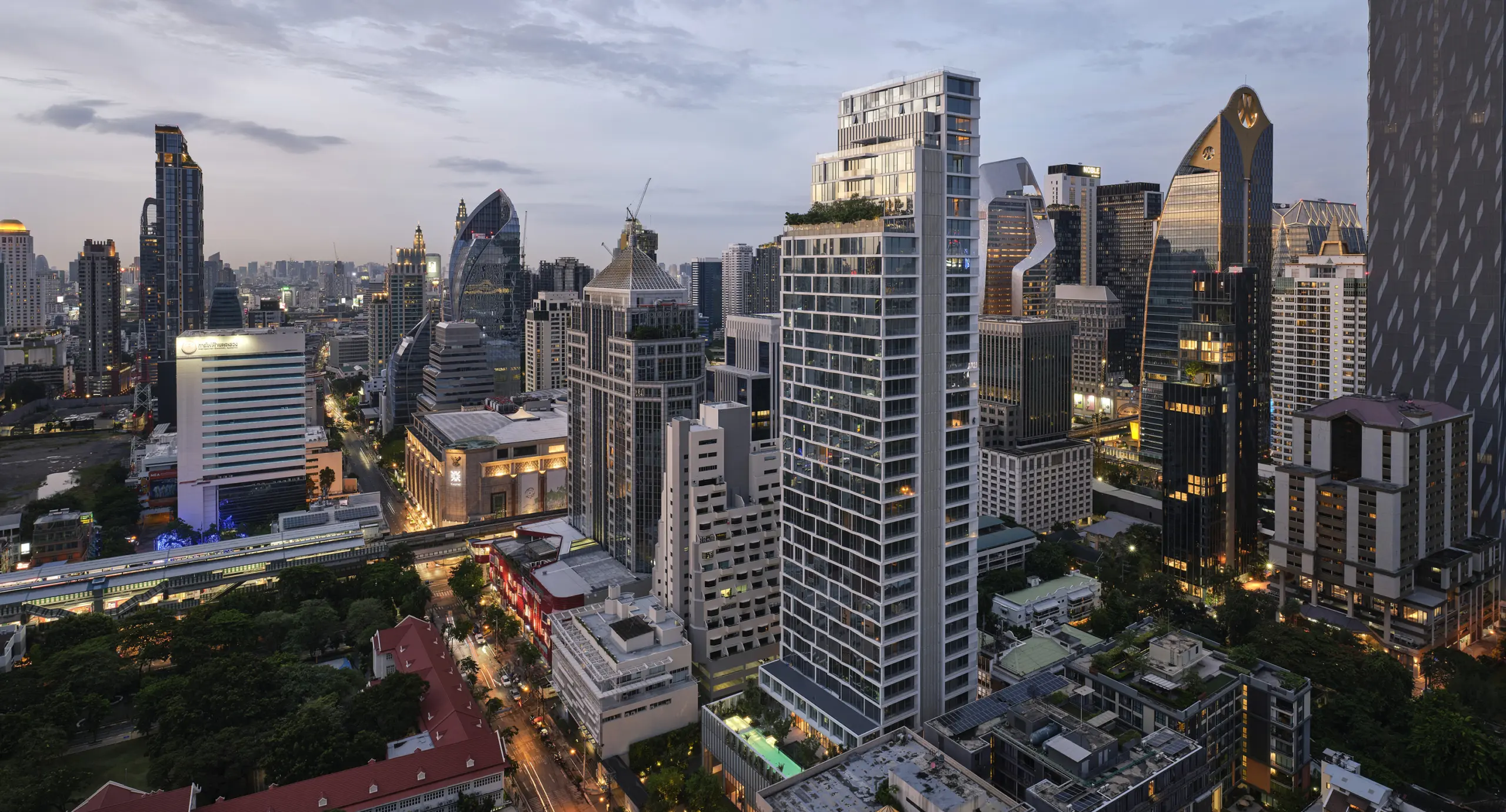
Langsuan is one of Bangkok’s most established luxury condo micro-locations, sitting between Lumpini Park, Chit Lom, Ratchadamri and the wider Ratchaprasong retail and hotel district. For foreign buyers, its appeal is different from Thong Lo or Phrom Phong. Langsuan is quieter, more compact and more park-led, with a prestige story built around privacy, walkability and central convenience.
Langsuan appeals to buyers who want a quieter luxury address close to Lumpini Park and central Bangkok services.
That does not mean every Langsuan unit is automatically a strong purchase. The best decisions come from comparing the exact walk, building service level, unit privacy, common-area maintenance, parking, view risk and resale audience. Luxury buyers should be selective because the address premium can be meaningful.
Why Langsuan attracts foreign buyers
Langsuan gives residents access to several parts of central Bangkok without feeling as exposed as some main-road locations. Lumpini Park is close by, Ratchadamri and Chit Lom connect to the BTS network, and major retail, hotels, offices, restaurants and embassies sit within a short city radius. For buyers who want a refined base rather than a nightlife-led district, that balance can be attractive.
The area can suit owner-occupiers, regional families, executives, retirees, second-home buyers and long-stay residents who value calm arrival, high service standards and easy access to healthcare, retail and park space. It can also suit investors targeting premium tenants, but only where the rent expectation matches the specific building and unit.
Facade, arrival sequence and service consistency matter as much as the prestige of the address.
Walkability should be tested carefully
Langsuan’s advantage is partly walkability, so buyers should test it in real conditions. Walk from the building to Chit Lom BTS, Ratchadamri BTS, Lumpini Park, nearby malls, supermarkets, hotels and restaurants. Check shade, pavements, crossings, evening lighting and rainy-season comfort. A prestigious address still needs a comfortable daily route.
Also consider how residents will use taxis and ride-hailing. Central Bangkok traffic can be slow, and a well-managed drop-off can make a large difference. A luxury condo should handle arrivals, visitors, deliveries and parking without making residents feel they are fighting the street every day.
Service level defines the luxury experience
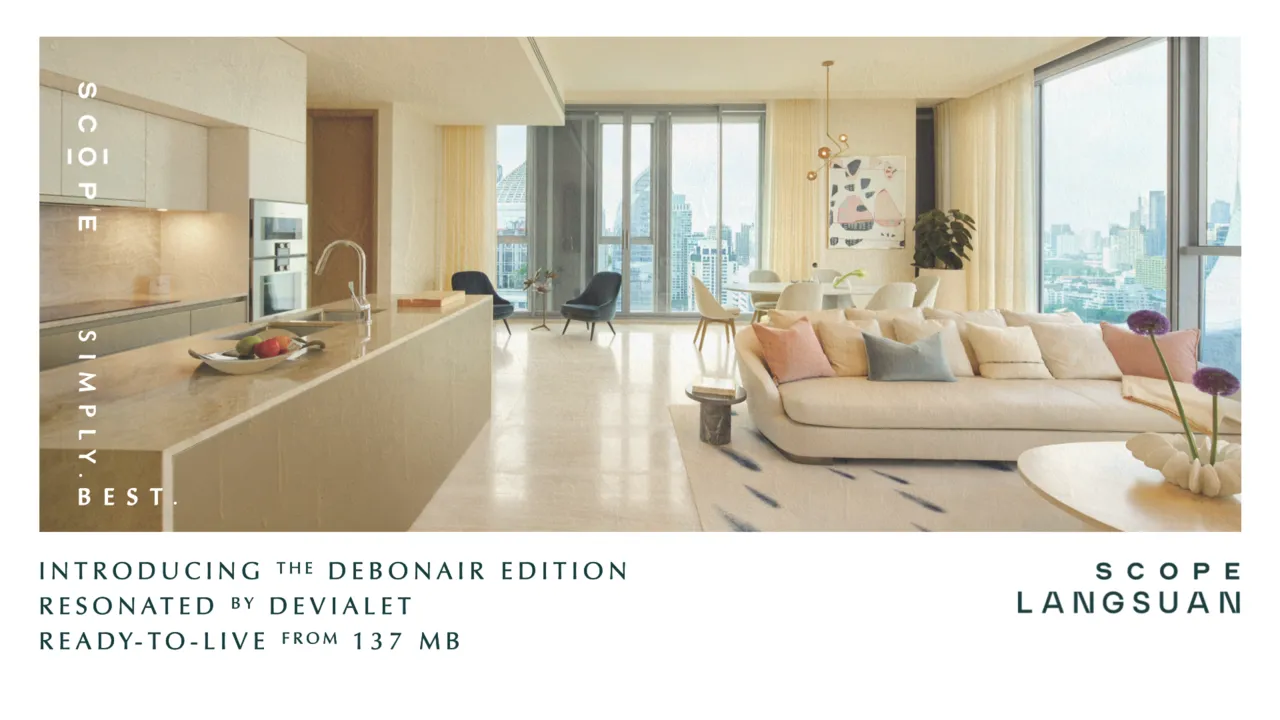
In Langsuan, buyers are often paying for more than room size. They are paying for privacy, staff quality, lift performance, security, quiet common areas, maintenance, resident profile and a sense of order. These details should be inspected, not assumed. Watch how staff greet visitors, how parcels are handled, how contractors enter and whether common areas feel cared for outside the showpiece lobby.
For landlords, service quality helps tenant retention. Premium tenants may tolerate a compact layout if the building is well run, but they are less forgiving of slow repairs, tired lifts, noisy corridors or unclear management. Luxury is partly a management habit.
Interior quality should be weighed against layout, privacy, maintenance and the buyer’s likely holding period.
Unit planning still matters
A Langsuan address cannot fix a poor unit. Buyers should assess ceiling height, natural light, storage, bedroom privacy, kitchen usefulness, bathroom quality, balcony function, air-conditioning, sound control and furniture flexibility. If the unit is intended for rental, the layout should match the target tenant rather than simply photograph well.
Privacy and view also deserve attention. Some units look towards park, city or neighbouring towers. The best view is not only the widest one; it is the view that supports comfort, light and resale without creating excessive heat, noise or privacy issues. Surrounding land and future obstruction risk should be considered before paying a view premium.
Compare Langsuan with nearby luxury districts
Foreign buyers should compare Langsuan with Chit Lom, Ratchadamri, Wireless, Ploenchit, Phrom Phong, Thong Lo, Sathorn and riverside options. Each has a different lifestyle and rental story. Langsuan is compelling when the buyer wants centrality with a quieter residential feel. It may be less compelling for someone who wants the deepest dining scene, direct mall living or the most active expatriate nightlife.
This comparison helps avoid overpaying for prestige. If a unit is priced above alternatives, the premium should be visible in service, scarcity, privacy, park access, building reputation or long-term resale appeal.
Owner-occupier and investor fit
Owner-occupiers should ask whether Langsuan matches the way they actually use Bangkok. The area can work beautifully for park walks, hotel dining, central errands and quieter evenings, but it may feel too restrained for buyers who want constant street energy outside the door. Lifestyle fit should be tested over a full day, not only during a polished viewing.
Investors should think about the future tenant’s reason for choosing Langsuan. A premium tenant may value privacy, service, park access, hospital access and a calm central address. If the unit does not deliver those benefits clearly, it may compete poorly with larger or livelier alternatives nearby.
Investor checklist
Walk to BTS stations, Lumpini Park and daily retail in normal weather.
Assess drop-off, parking, lift capacity and visitor handling.
Compare service quality with other luxury buildings nearby.
Check view, privacy, heat and future obstruction risk.
Match unit size and layout to a realistic tenant or resale buyer.
Benchmark against Chit Lom, Wireless, Ploenchit and Phrom Phong alternatives.
Buyer takeaway
Langsuan luxury condos can offer foreign buyers a refined central Bangkok base with park access, prestige and practical city reach. The right purchase should still stand up to disciplined checks on route, service, layout, privacy and exit audience. Buy the building and daily routine, not only the address.
IBP can help foreign buyers compare Langsuan with other premium Bangkok districts. Browse our district guides or contact IBP Real Estate for a luxury condo shortlist.
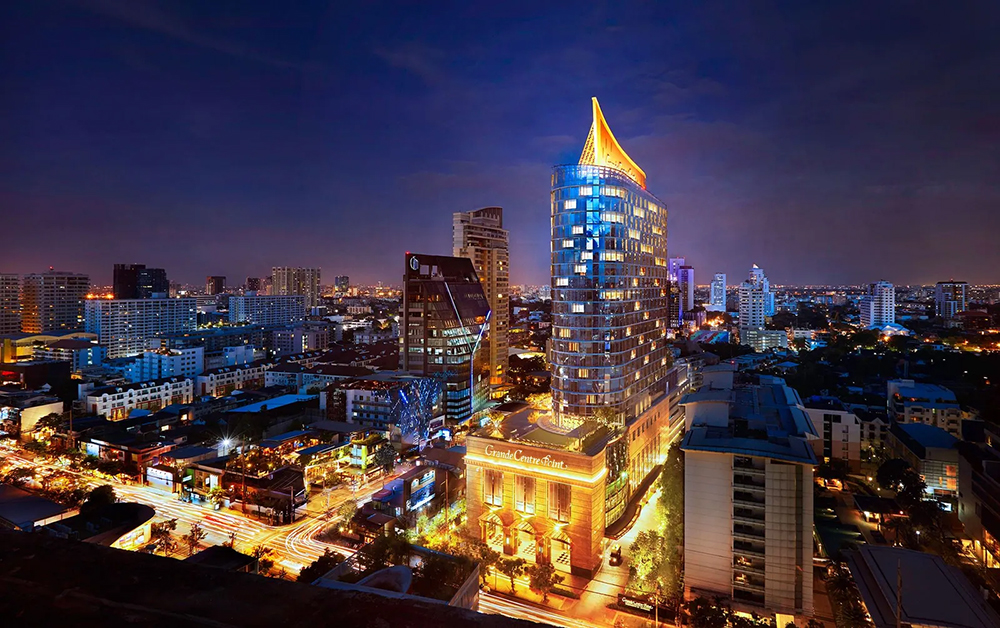
Thong Lo BTS is one of Bangkok’s most recognisable luxury condo addresses, but foreign buyers should still treat it as a district that needs careful comparison. The name carries strong lifestyle value. The best purchases come from understanding the exact station route, side-street depth, building quality, service level, tenant profile and resale audience.
Thong Lo buyers should compare station access, side-street depth and neighbourhood rhythm, not only the address.
Thong Lo can suit owner-occupiers who want dining, cafes, private clubs, wellness, Japanese and international services, boutique retail and quick Sukhumvit access. It can also suit investors who understand premium tenant expectations. It is less suitable for buyers who only want the cheapest entry price or who assume that any Thong Lo address will be liquid at exit.
Why Thong Lo remains attractive
Thong Lo’s strength is lifestyle density. Residents can reach restaurants, coffee shops, bars, supermarkets, clinics, salons, fitness studios, hotels, international services and nearby Ekkamai or Phrom Phong without leaving the wider Sukhumvit rhythm. The district is easy for many foreign tenants and buyers to understand because it already has an established premium reputation.
The BTS station gives the area a clear transport anchor, while Soi 55 and surrounding side streets create a deeper lifestyle market. That combination helps Thong Lo stand apart from purely rail-led districts. Buyers are paying for both access and the neighbourhood ecosystem.
Soi 55 visibility can help a building, but the exact walk, traffic pattern and arrival sequence still matter.
Station access is not the same for every building
A building can be in Thong Lo but still have a very different daily experience. Some projects are close to the BTS station. Others sit deeper inside Soi Thong Lo or on side sois where residents rely more on shuttle service, motorcycle taxis, private cars or ride-hailing. The address may be premium, but the route determines everyday comfort.
Foreign buyers should walk the route in heat, rain and evening traffic. Check pavements, crossings, lighting, drainage, taxi pickup and how a resident would return after dinner or shopping. If a building depends on a shuttle, ask about frequency, hours, pickup point and whether the service is controlled by the building or a third party.
Luxury means service, not only finishes
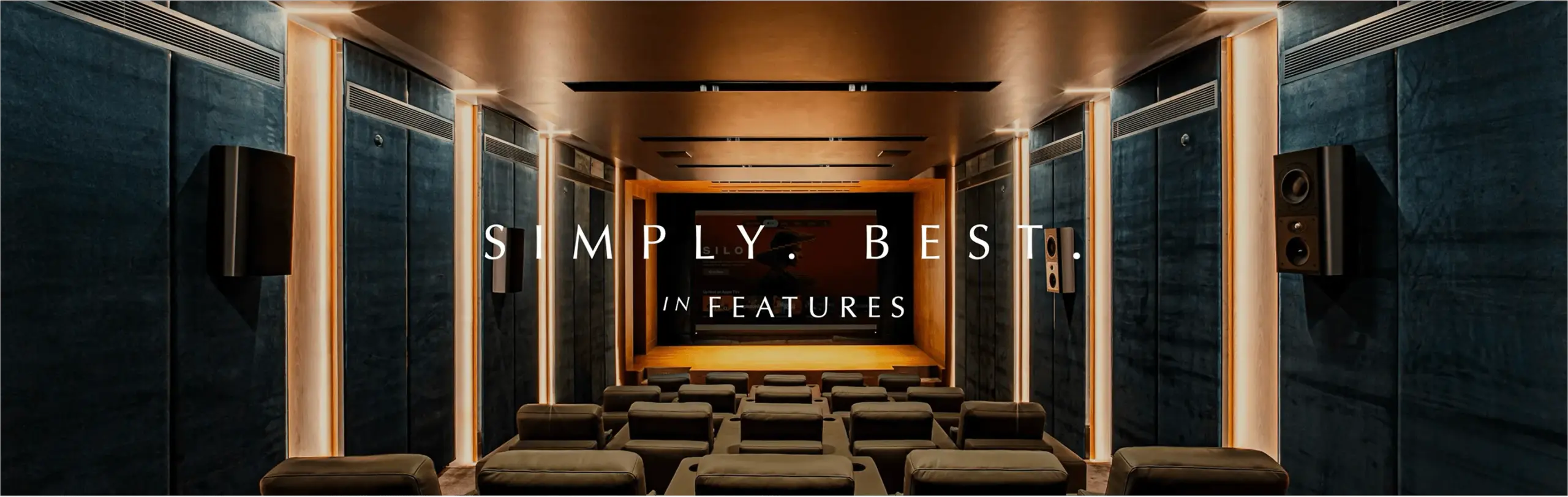
Thong Lo has many projects with attractive lobbies, branded furniture and dramatic amenity photography. Luxury buyers should look beyond the first impression. Check staff responsiveness, parcel handling, lift speed, guest control, maintenance quality, pool and gym upkeep, car access, privacy and how residents use the common areas.
For rental investors, service consistency matters because premium tenants expect problems to be solved quickly. A beautiful lobby will not protect the rent if the air-conditioning, lifts, parking or juristic communication are weak. Luxury is partly the absence of daily friction.
Luxury common areas should be judged by service, upkeep, resident profile and long-term management discipline.
Tenant profile and unit size
Thong Lo can appeal to expatriate executives, entrepreneurs, couples, Japanese and regional tenants, lifestyle-led owner-occupiers and people who want a Bangkok base with strong dining and services. But tenant depth depends on price, unit size and building reputation. A compact unit needs to compete with many alternatives. A larger unit needs a buyer or tenant willing to pay for space in a premium district.
Investors should check whether the unit’s layout matches the expected tenant. Storage, kitchen usefulness, work-from-home space, bathroom quality, balcony usability and noise control matter. A high rent expectation is easier to defend when the unit solves practical daily needs as well as lifestyle aspirations.
Compare with Ekkamai and Phrom Phong
Thong Lo should not be assessed in isolation. Ekkamai may offer a slightly different residential feel and sometimes a more practical price conversation. Phrom Phong has major malls, parks, Japanese services and strong international recognition. Chit Lom, Langsuan, Asoke and Ari may also compete depending on the buyer’s routine.
The right comparison prevents overpaying for the name. If a Thong Lo unit is priced well above nearby alternatives, the premium should be visible in station access, building quality, service, privacy, view, floor plan or tenant evidence. If the premium is only a fashionable address, the buyer should be cautious.
Resale discipline
Thong Lo’s resale appeal is real, but it is selective. Future buyers will compare building age, common fees, maintenance, unit condition, parking, competition and the number of similar units on the market. A dated unit in a tired building can struggle even in a famous district. A well-kept unit in a respected building can be easier to explain.
Foreign buyers should also think about exit audience. Is the likely future buyer an owner-occupier, a landlord, a Thai family, a regional investor or another foreign buyer? The clearer the audience, the easier it is to judge whether the current asking price is sensible.
Buyer checklist
Walk the real route to Thong Lo BTS and key daily services.
Test evening traffic, ride-hailing access and shuttle reliability.
Compare service quality, lift performance and common-area maintenance.
Match unit size and layout to a realistic premium tenant profile.
Benchmark against Ekkamai, Phrom Phong, Asoke and Langsuan alternatives.
Review resale competition before paying for the address premium.
Buyer takeaway
Thong Lo BTS luxury condos can be compelling for foreign buyers who value lifestyle, service and central Sukhumvit recognition. The district rewards selectivity. Buy the specific building, route, layout and management standard, not just the name. A disciplined Thong Lo purchase should still make sense when compared with nearby premium alternatives.
IBP can help foreign buyers compare Thong Lo with Ekkamai, Phrom Phong and other luxury Bangkok districts. Browse our district guides or contact IBP Real Estate for a tailored shortlist.