
Bangkok Hotel Pipeline And Condo Rental Demand
Bangkok’s hotel market is a useful lens for foreign condo investors in 2026, not because hotel rooms and condominiums are the same product, but because they respond to overlapping demand. International arrivals, conferences, medical travel, executive visits and long-stay leisure all influence the way visitors experience the city. Some of those visitors become tenants, second-home buyers or repeat Bangkok users.
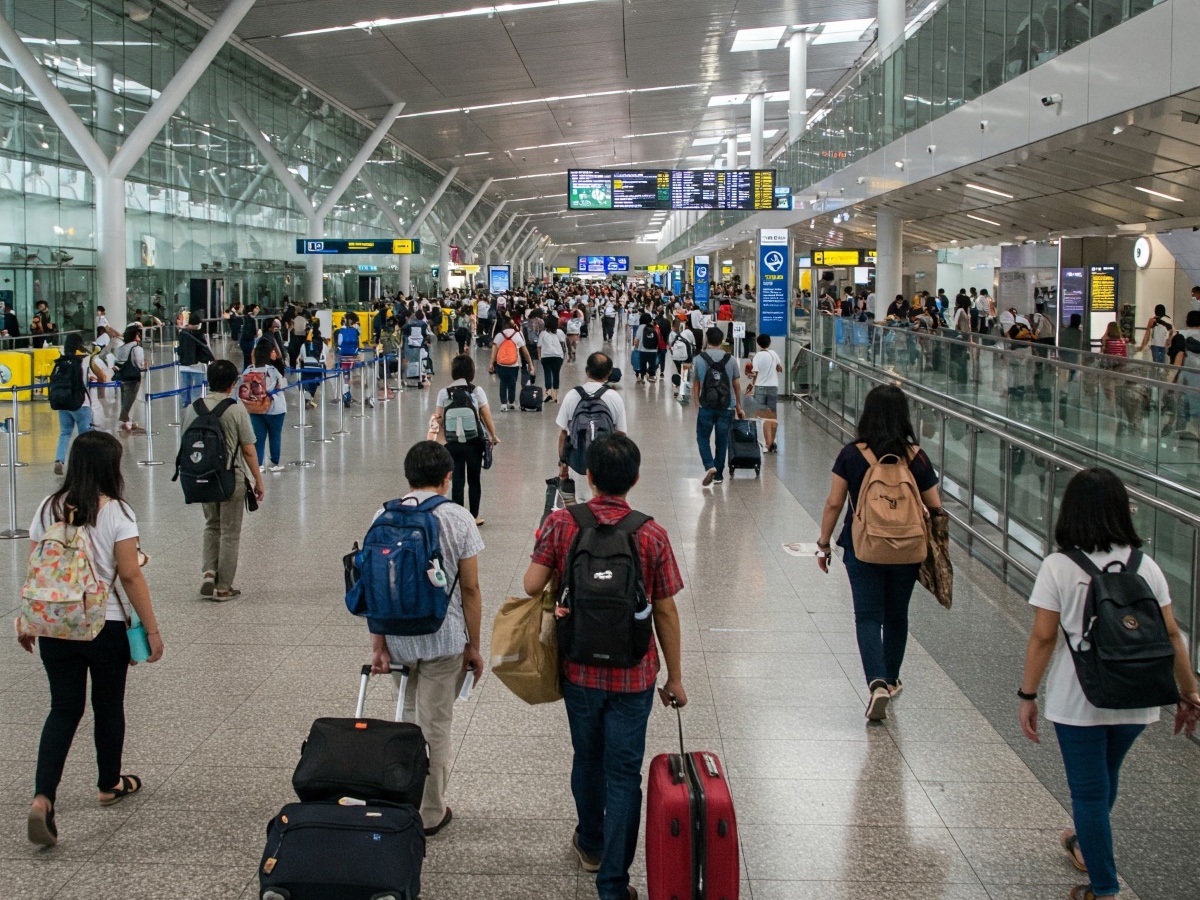
CBRE’s 2026 Thailand Real Estate Market Outlook expects Bangkok to receive more than 4,300 new hotel keys in 2026, mainly in upscale and luxury segments. The same outlook projects hotel occupancy to rise by up to two percentage points and RevPAR by 3% to 4%, even as new supply raises competition. For condo buyers, the message is nuanced: demand is real, but it is also becoming more selective.
That selectivity matters. A strong tourism headline does not automatically support every rental unit. A studio in a weak building, an inconvenient soi or an oversupplied micro-location can still sit vacant. A well-managed one- or two-bedroom unit near business districts, hospitals, lifestyle retail or rail connections can benefit from a deeper pool of tenants who want a residential base rather than a hotel stay.
Why hotel supply matters to condo investors
Hotels are a visible expression of confidence in visitor demand. Developers and operators commit capital only when they believe Bangkok can attract guests at rates that make the project work. New upscale hotels can also improve a neighbourhood by adding restaurants, meeting rooms, wellness facilities and stronger street activity. Those additions may make nearby condos easier to understand for tenants and future buyers.
However, hotel growth also raises the service benchmark. Foreign condo landlords cannot assume that a furnished unit will compete well simply because hotels are busy. Tenants who arrive through business, medical or lifestyle channels often expect fast internet, clean management, practical kitchens, reliable air-conditioning, responsive juristic staff and easy access to food, transport and healthcare.
The demand pools to separate
Short business stays
A visitor attending meetings, trade events or regional management sessions may use a hotel for the first trip, then prefer a serviced apartment or condominium for longer assignments. Districts near Sukhumvit, Rama IV, Wireless Road, Sathorn, Phloen Chit, Asoke, Queen Sirikit National Convention Centre and major offices can benefit when the unit matches working routines.
Medical and wellness visitors
Bangkok’s private healthcare and wellness ecosystem brings repeat visitors who may need more space, privacy and routine than a hotel room provides. For this group, proximity to hospitals, pharmacies, supermarkets, taxis, food delivery and quiet building management can matter more than a fashionable address.
Lifestyle and second-home users
Some foreign buyers want a Bangkok base for part of the year. They may rent the unit when absent or hold it for personal use. Their decision is influenced by the same city strengths that support hotels: dining, retail, parks, healthcare, culture, airport connectivity and regional access.

What this means for district selection
Hospitality-led demand usually concentrates around places that are easy for non-residents to use. Phrom Phong, Thong Lo, Asoke, Phloen Chit, Chit Lom, Sathorn, Silom, Rama IV and riverside pockets have different rental logic, but they all offer recognisable anchors. Buyers should map these anchors before comparing prices.
A district with a famous mall or hotel is not enough. The walking route, station access, pavement condition, taxi flow, lift waiting time, noise, flood risk, juristic standards and surrounding tenant mix all affect real rental performance. The building has to serve a weekly routine, not only look strong in a brochure.
How to test a rental assumption
- Compare achieved rents in the building, not only advertised rents in the district.
- Check whether competing units are furnished to a similar standard.
- Estimate vacancy and agent fees before calculating net yield.
- Ask who the tenant is likely to be and why that tenant would choose this unit.
- Review building rules for leases, pets, parking, renovations and short-stay restrictions.
The most common mistake is to use a hotel recovery story as a blanket rental forecast. Hotels can be busy while individual condo landlords struggle. The bridge between the two is specific: a tenant needs a reason to choose residential accommodation in that location, at that rent, with that service level.
Where foreign buyers should be cautious
Hotel supply can also create competition for daily spending and labour. If a neighbourhood receives many new hotel rooms but limited resident infrastructure, it may feel busy without becoming better for long-stay tenants. Foreign buyers should avoid confusing visitor footfall with residential quality.
Another caution is management intensity. A rental condo is not passive if the owner lives overseas. Repairs, cleaning, tenant handover, deposit handling, tax records, insurance and juristic communication all require a local process. A prime unit can underperform when the landlord has no operating plan.
Buyer takeaway
Bangkok’s 2026 hotel pipeline supports a constructive view of the city’s visitor economy, but foreign condo investors should use it as a signal, not a promise. The more useful question is whether a chosen unit can convert Bangkok’s travel, corporate and lifestyle appeal into stable residential demand.
A strong Bangkok rental asset is usually easy to explain: good building, usable layout, sensible rent, clear tenant pool, clean ownership documents and a district that works in daily life. IBP can help foreign buyers compare rental evidence, ownership structure and district fit before purchase. Start with our rental market guides or contact IBP Real Estate for a buyer brief.