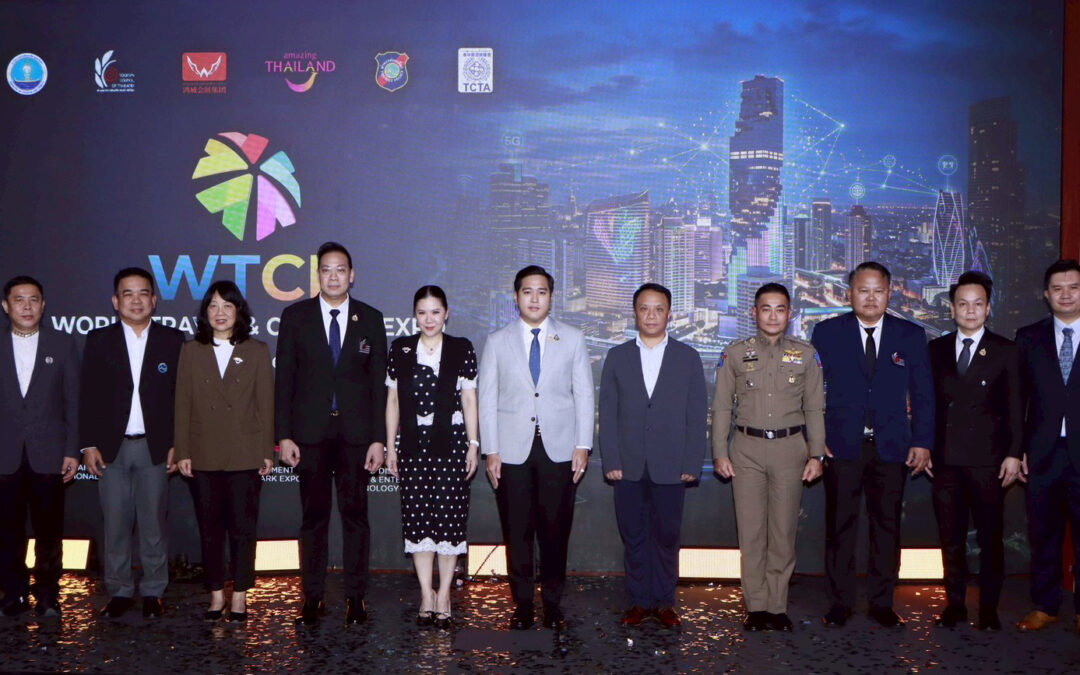
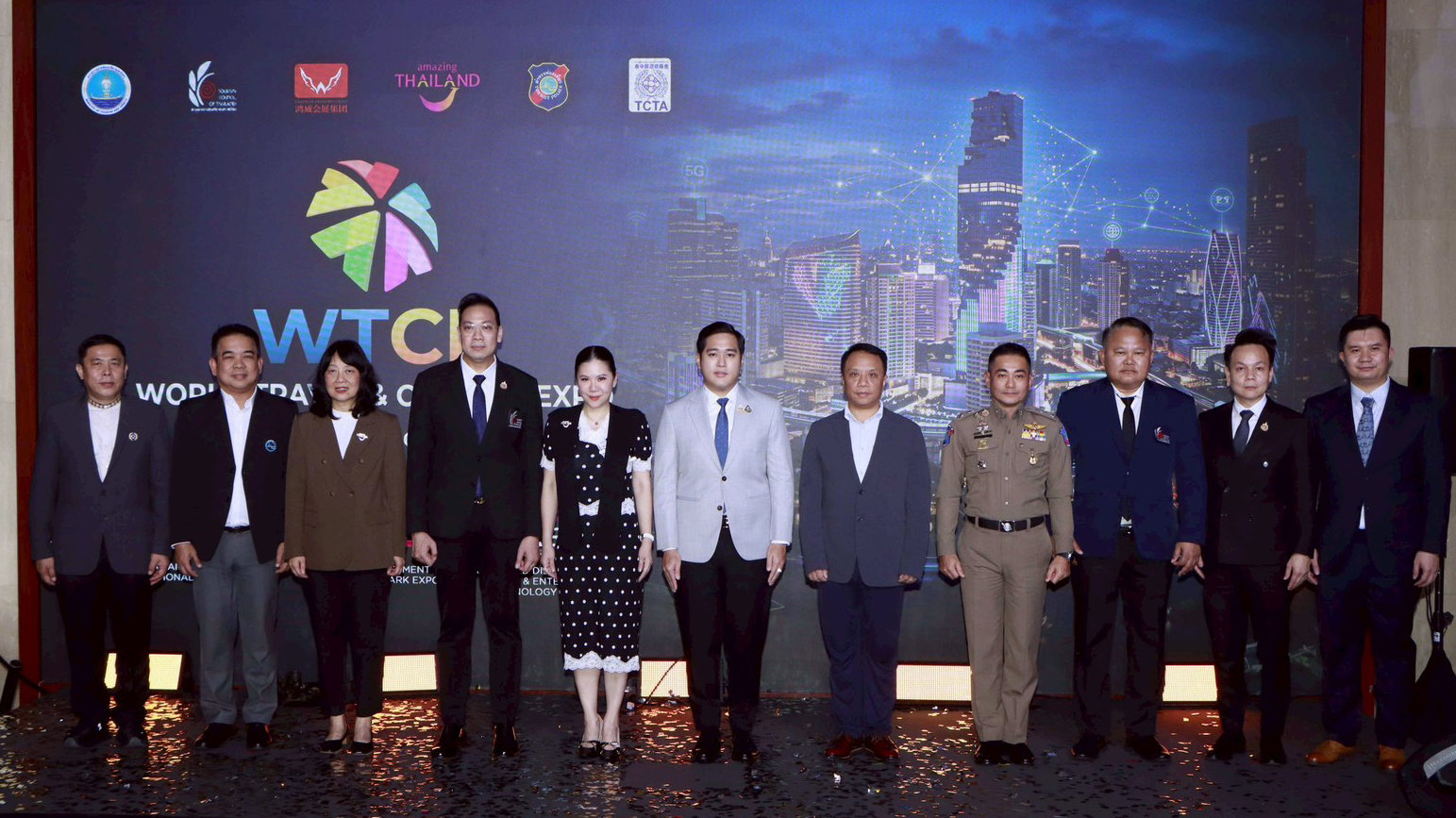
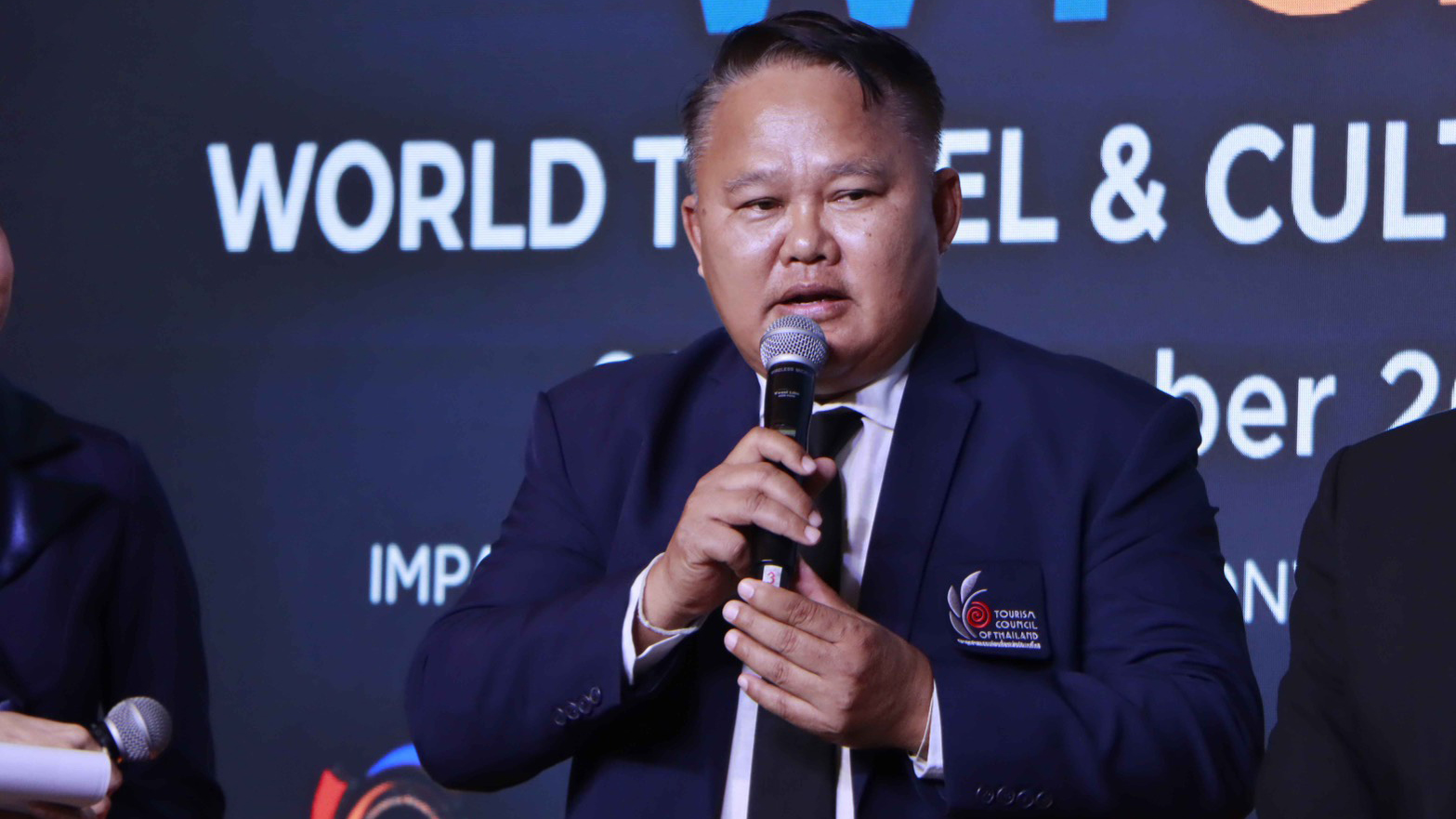
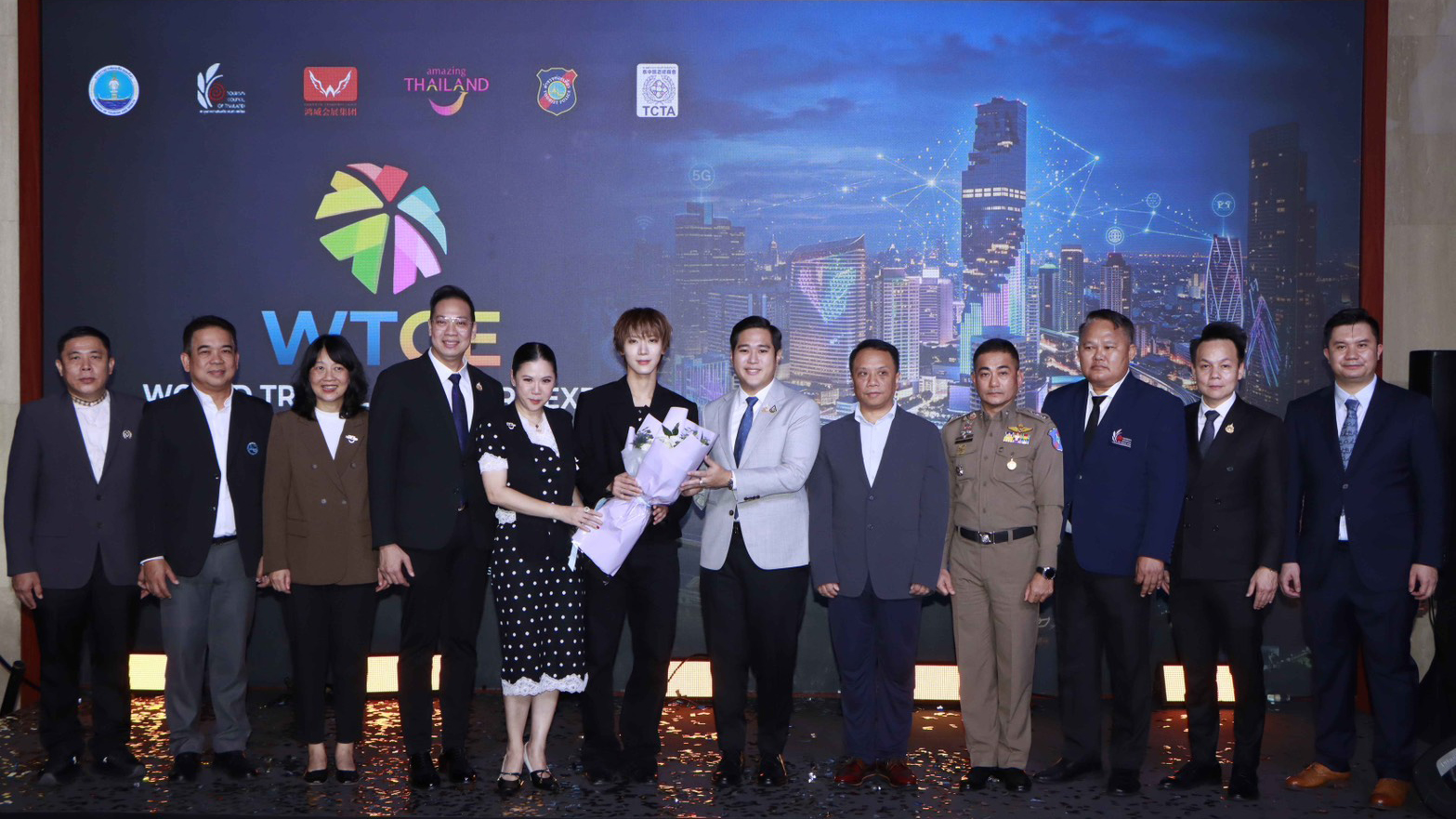
Bangkok will host World Travel & Culture Expo 2026 from 29 to 31 October at IMPACT Mueang Thong Thani. The Tourism Authority of Thailand announced the event with the Tourism Council of Thailand and Guangdong Grandeur International Exhibition Group on 22 July, presenting it as a platform linking tourism, culture, sport, entertainment and creative industries.
TAT and its partners announced the October 2026 expo as a platform for tourism, culture and commercial cooperation.
For foreign Bangkok property buyers, one expo is not a demand forecast. Its relevance is broader: international business events test a city’s venues, hotels, transport, services and ability to connect companies across borders. Repeated delivery can strengthen the ecosystem that makes Bangkok useful as a regional base.
What the October event will include
The 2026 programme is organised around five specialised exhibitions. These cover amusement and water parks, billiards and indoor leisure sport, LED and entertainment technology, film and virtual-production equipment, and intellectual property within the creative industries.
That mix goes beyond a consumer travel fair. It brings together destination operators, technology providers, content businesses, investors and professional networks. TAT says it will promote international participation and help connect Thai firms with investment, technology and creative-industry partners.
A Thai-Chinese business platform
The event reflects cooperation between Thai organisations and a Guangdong-based exhibition group. The official announcement also links the expo with a Chinese policy encouraging enterprises to expand internationally and build tourism, business and investment cooperation across Thailand, China and ASEAN.
For Bangkok, this matters because the city is not only a destination. It is also a place where regional relationships are introduced, negotiated and serviced. Hotels, meeting venues, professional advisers, retail, restaurants and transport all participate in that business-event economy.
The launch programme considered tourism safety, sustainability, visitor experience and immersive technology.
Why the previous edition provides context
According to the organisers, the 2025 edition featured 300 exhibition booths, brands from 23 countries and participants from 36 countries. They also reported a high success rate for negotiations and partnerships. Those figures provide a benchmark, although the 2026 outcome should be judged after attendance and commercial results are known.
The useful signal is continuity. A returning international event can deepen supplier knowledge, encourage repeat attendance and make Bangkok easier to choose for future meetings. Venue performance and participant experience will matter more than promotional numbers alone.
Creative industries broaden Bangkok’s economy
Film technology, virtual production, entertainment systems, attractions and intellectual property sit at the intersection of tourism and the creative economy. These sectors bring skilled work, studio and office requirements, visiting specialists, exhibitions and commercial partnerships.
Property investors should treat that as city-level economic diversity, not a direct instruction to buy a condo beside an event hall. The stronger long-term case is that Bangkok can host conventional corporate activity while also supporting media, design, entertainment, hospitality and technology networks.
The event links Thai and Chinese organisations with regional tourism, technology and creative-industry networks.
The property connection is indirect
International exhibitors and visitors support short-stay accommodation, venues, transport, dining and retail. Businesses that establish continuing Thai relationships may later create longer stays, offices or staff movement. These channels can reinforce confidence in Bangkok as a globally connected city.
Normal condominium investment still depends on lawful long-term residential demand. Buyers should not assume daily letting, event-driven occupancy or a guaranteed rental uplift. Building rules, Thai law, tenant profile, unit quality and pricing remain the decisive property evidence.
What buyers can monitor
Watch the confirmed international participation, exhibitor mix, business-matching programme and post-event results. Consider how attendees move between IMPACT, airports, central business areas and hospitality districts. Evidence of repeat events and continuing partnerships is more meaningful than a single launch announcement.
At unit level, favour locations that work throughout the year for residents. Rail or road access, employment, healthcare, retail and well-managed buildings provide a more durable foundation than proximity to one calendar event.
Avoid capitalising headlines into prices
The expo is a constructive sign of institutional coordination and Bangkok’s event capability, but it does not remove economic or property risk. Participation can change, commercial outcomes take time and international events compete for corporate budgets.
An investor can add WTCE 2026 to Bangkok’s wider connectivity evidence while continuing to demand a sensible purchase price, realistic rent, reserve for costs and a clear resale audience. Confidence is most useful when it improves due diligence rather than replacing it.
Property takeaway
World Travel & Culture Expo 2026 presents Bangkok as a meeting point for tourism, technology, sport and creative commerce. For foreign property buyers, the announcement supports the city’s regional-business narrative, but the investment decision must still be won by the exact district, building and unit.
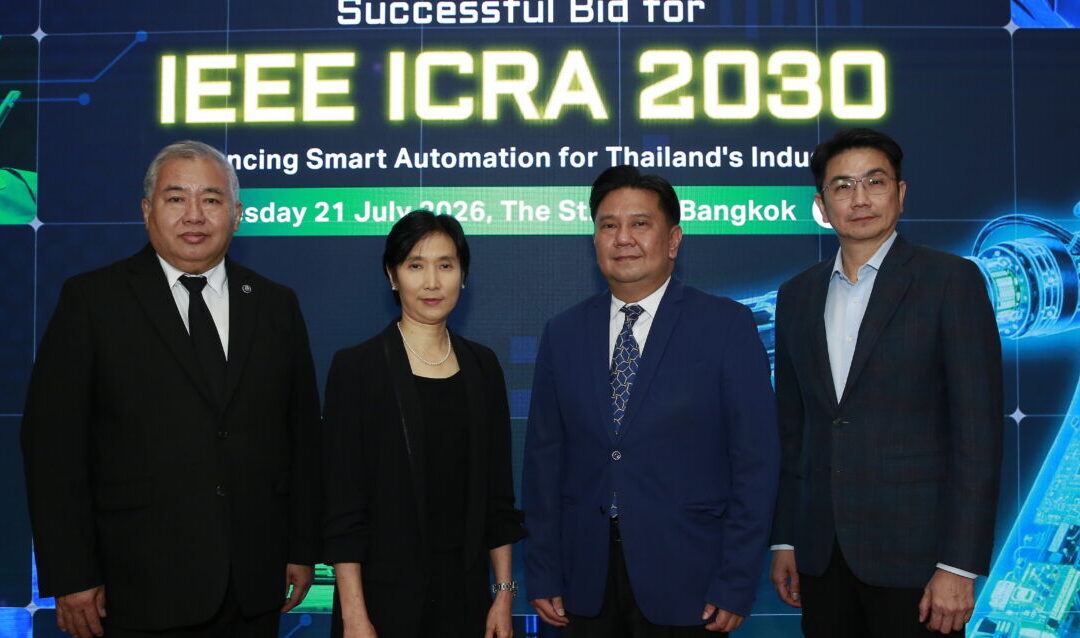
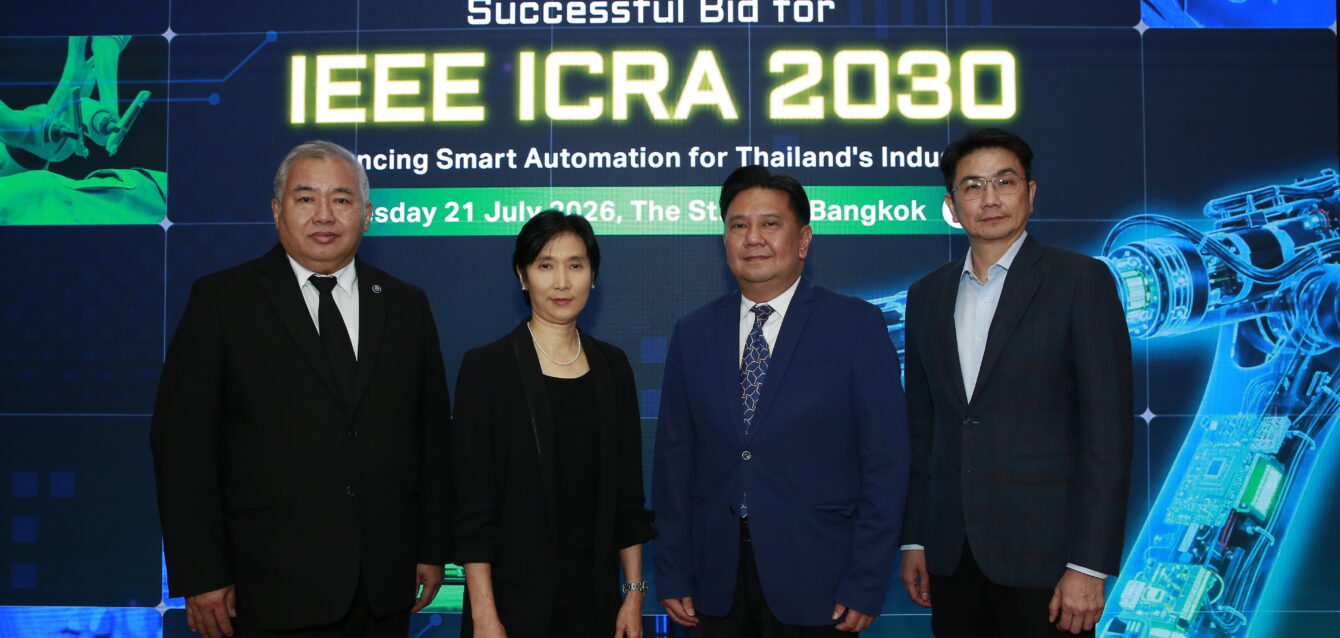
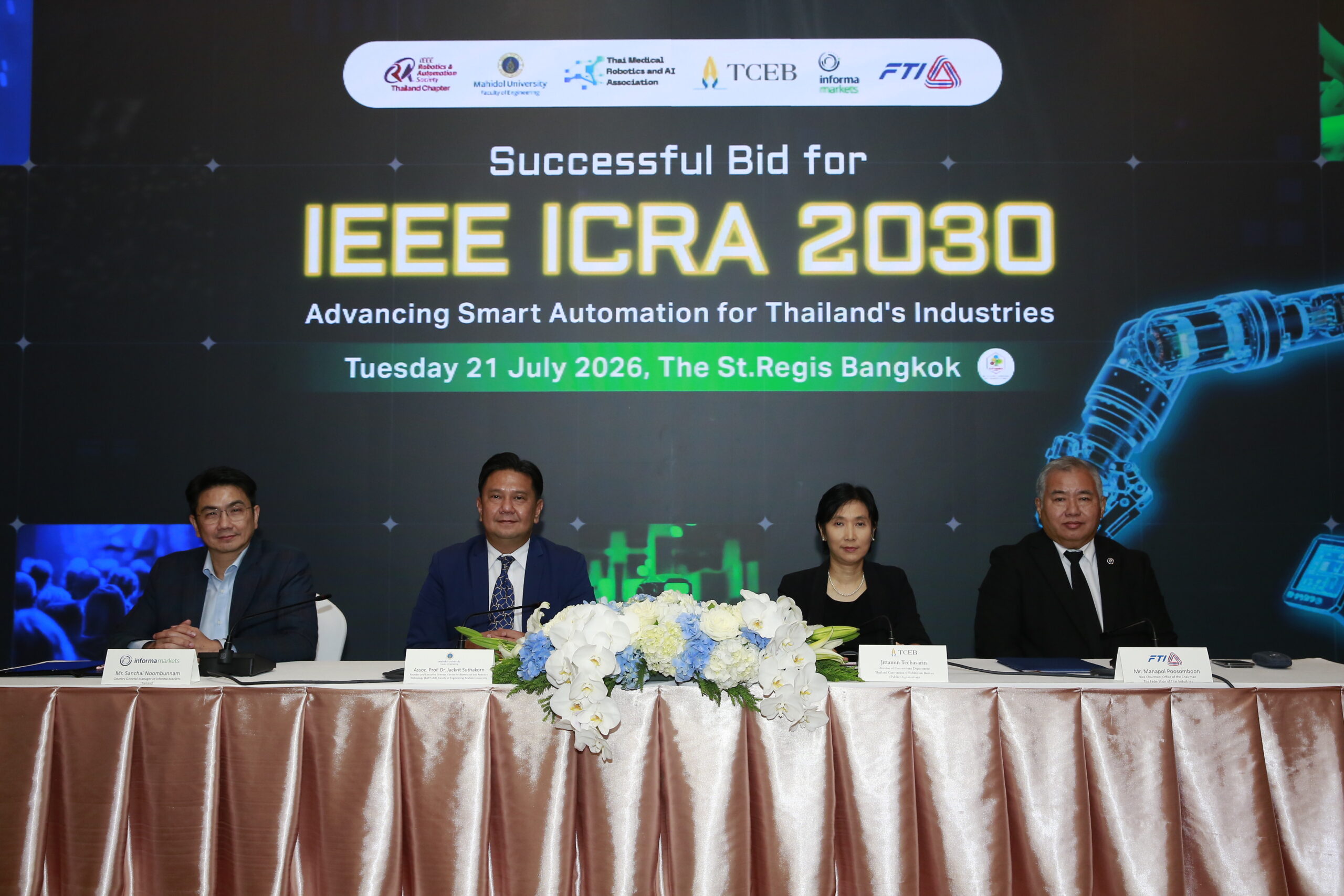
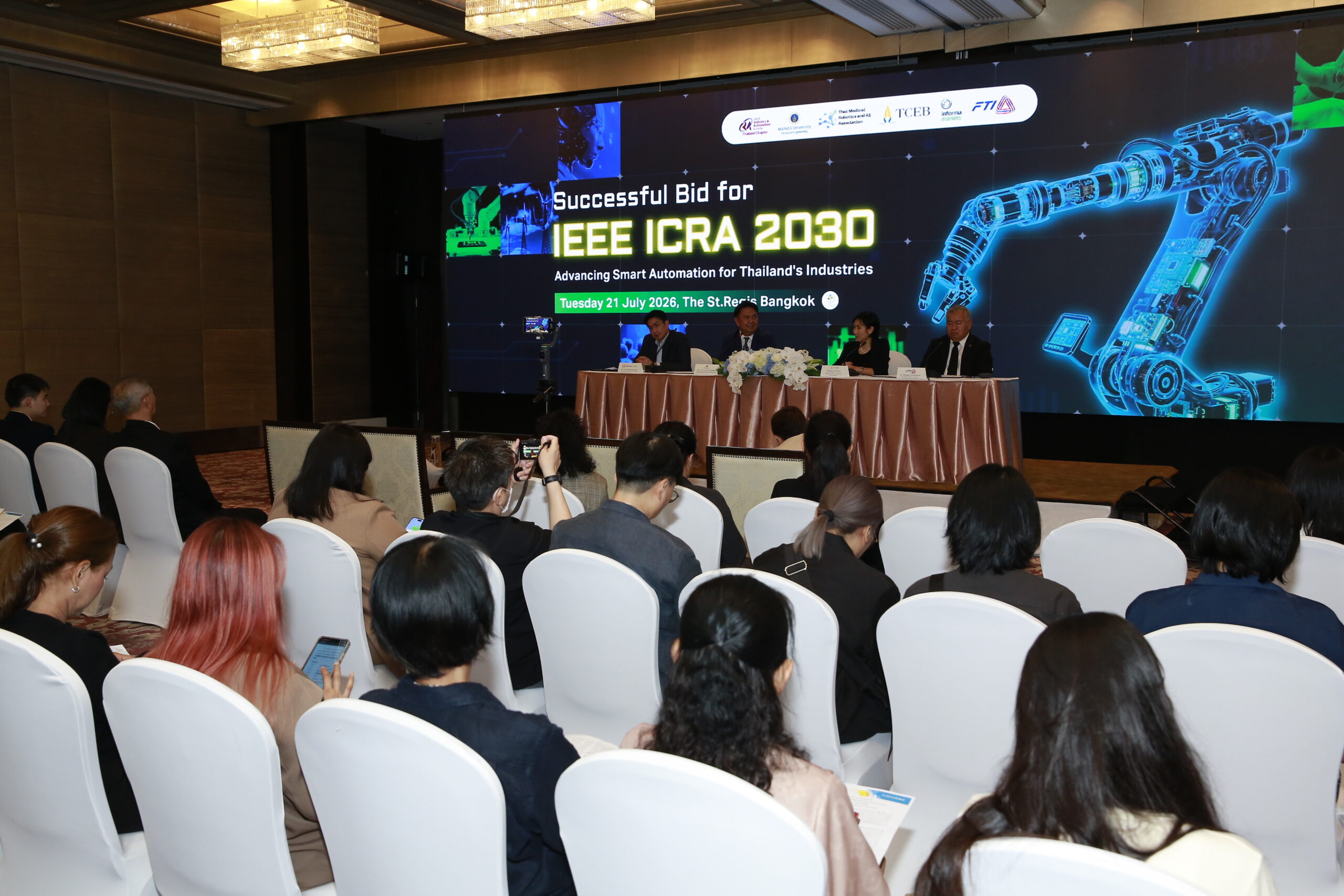
Bangkok has secured a future place on the global robotics calendar. On 22 July 2026, the Thailand Convention and Exhibition Bureau announced that Thailand had won the bid to host the IEEE International Conference on Robotics and Automation in 2030.
Thailand’s successful bid places Bangkok on the future calendar of the global robotics and automation community.
The event is scheduled for 13–17 June 2030 at Queen Sirikit National Convention Center. TCEB expects approximately 10,000 delegates, including 8,000 international participants. For Bangkok property buyers, the immediate value is not a rent forecast. It is another piece of evidence that the city can win and deliver high-level international gatherings tied to advanced industries.
What the ICRA win represents
ICRA brings together robotics and automation researchers, engineers, academics, innovators and industry participants. The successful Thai bid was led through a partnership involving Mahidol University’s engineering and robotics community, IEEE bodies, Thai robotics organisations and TCEB.
That partnership matters. It connects Bangkok’s convention infrastructure with the country’s research institutions and advanced-manufacturing ambitions. Winning the bid requires more than a large venue; it signals confidence in transport, hospitality, event operations, academic networks and the host city’s international accessibility.
Why business events matter to Bangkok
Large congresses create demand across hotels, serviced residences, restaurants, retail, transport and professional services. More importantly, specialist conferences can introduce global participants to local universities, companies and investment networks. Some relationships continue through research, hiring, regional offices or repeat visits after the event ends.
Bangkok is well positioned for this role because it combines air connectivity, a large hospitality base, established convention venues and extensive urban services. These advantages help the city compete not only for tourists but also for people travelling to exchange knowledge and make business decisions.
The bid joined convention expertise with Thailand’s universities, engineering community and robotics institutions.
The Queen Sirikit convention corridor
The choice of Queen Sirikit National Convention Center places the event in an established central corridor served by MRT, hotels, offices, retail, Benjakitti Park and surrounding Sukhumvit and Rama IV districts. Delegates can reach the venue while remaining close to major residential and commercial areas.
Property investors should interpret this locally but carefully. Proximity to a major venue can support visibility and convenience, yet it does not make every nearby condo a strong investment. Building quality, street route, layout, price, management and long-stay tenant demand remain essential.
A signal for Thailand’s innovation profile
TCEB presents the conference as part of Thailand’s ambition to become a regional advanced-manufacturing and innovation hub. Mahidol University’s official announcement also highlights the wider network of Thai universities and research organisations supporting the bid.
This is useful for property confidence because knowledge-intensive growth can broaden the types of people who spend time in Bangkok. Researchers, technology executives, engineers, investors and students use housing differently from short-stay leisure visitors. A more varied international economy can support the city’s resilience, although the effect should be measured over years rather than assumed from one event.
The long-term value of the win lies in networks, research visibility and business activity rather than a one-off property forecast.
What foreign property buyers should watch
The next useful evidence will come from implementation. Buyers can watch how Thailand builds the conference programme, how international institutions participate, whether related industry events expand and whether robotics and automation investment creates sustained corporate or research activity.
At district level, investors should track office occupancy, long-stay leasing, transport improvements and the quality of residential demand around established business and convention corridors. Event attendance alone is temporary; durable employment and institutional networks matter more to a property thesis.
Avoid the event-premium trap
A future international conference should not be used to justify an inflated condo price. By 2030, buildings will have aged, new supply may have entered the market and resident preferences may have changed. Investors need a unit that works before, during and after the event.
The safer approach is to treat the ICRA win as part of a wider confidence file. It supports Bangkok’s case as a globally connected centre for business events and advanced-industry dialogue. It does not remove the need for unit-level due diligence or conservative rental assumptions.
Property takeaway
Bangkok winning ICRA 2030 strengthens the city’s international business-events and innovation narrative. The announcement demonstrates that Thai institutions can assemble a credible bid around research, convention capability and urban infrastructure. For foreign property buyers, that is a positive city-level signal, best combined with disciplined location and building analysis.
IBP helps investors translate Thailand’s economic and infrastructure news into property decisions without overreading headlines. Explore our Thailand economy and investment coverage or contact IBP Real Estate for a Bangkok market brief.