Branded residences and luxury condos in Bangkok can occupy the same premium streets, offer impressive amenities and target similar international buyers. The distinction is not simply that one carries a famous name. It lies in the operating model, service promise, contracts, ongoing cost and buyer audience.
A recognised hospitality brand can shape service expectations, but buyers still need to assess the residence as property.
A foreign buyer should compare both formats as long-term homes and assets rather than as showroom experiences. The stronger choice is the one whose location, unit, management and cost structure match the buyer’s actual use, holding period and exit strategy.
Define the product before comparing it
A branded residence usually operates under an agreement involving a hotel, hospitality, design or lifestyle brand. The brand may influence design standards, resident services, operating procedures and marketing. The exact role varies, so the name alone does not explain the product.
A luxury condominium can deliver premium architecture, large units, concierge-style staffing and extensive facilities without an international residential brand. Some are developed and managed by highly experienced Thai groups. Compare what is contractually and operationally provided rather than assuming one label guarantees superiority.
Understand who does what
Identify the developer, landowner, sales entity, condominium juristic person, property manager and brand operator. Ask how responsibilities change after completion and which organisation residents will deal with day to day. A strong launch team does not necessarily remain the long-term operating team.
For a branded project, have independent counsel review the agreements and disclosures relevant to the brand relationship. Understand its term, renewal arrangements, standards, fees and consequences if the relationship changes. Buyers should not assume a brand name remains attached forever under every circumstance.
Compare service you will actually use
Branded residences may offer hotel-informed concierge, housekeeping coordination, dining access, wellness support or other personalised services. Ask which services are included, which are charged separately, operating hours, booking rules and whether availability depends on an adjacent hotel.
A luxury condo may provide fewer named services but still offer efficient reception, security, engineering and resident support. For many owners, prompt maintenance and consistent management are more valuable than a long service menu. Rank services by realistic frequency of use.
Location, outlook and mixed-use connections can be as important as the brand attached to a residence.
Analyse recurring cost, not just purchase price
Request a clear schedule of common charges, reserve or sinking-fund contributions, service fees and pay-per-use items. Check how budgets can change and which facilities the residence is responsible for maintaining. Mixed-use shared areas require particular clarity.
Compare cost per year and over the intended holding period. A higher operating charge may be reasonable where staffing and service genuinely support the owner’s lifestyle and preserve the building, but it reduces net rental income and affects the pool of future buyers.
Study the exact unit
Premium shared spaces cannot correct an unsuitable home. Measure room proportions, furniture walls, storage, kitchen function, privacy, service access, laundry, lift journey and parking. Test light, heat, noise and the likelihood that the view remains protected.
Large branded residences may target owner-occupiers and long stays, while smaller luxury units may serve a broader leasing market. These are tendencies, not rules. Compare the exact floor plan with the household or tenant profile rather than relying on project positioning.
Test hotel and mixed-use relationships
An adjacent hotel, retail centre, office or park can add dining, security, convenience and destination value. It can also create traffic, events, shared access and operating complexity. Walk all routes between the residence, arrival areas, parking and public realm.
Ask which facilities are exclusive, shared or merely nearby. A marketing illustration can make separate components appear seamlessly connected. Legal rights, access rules, hours and future operating decisions determine how the relationship works after purchase.
Model rental fit carefully
A recognised brand can help an overseas tenant understand service expectations, yet rent still depends on unit size, location, supply, lease rules and affordability. Do not convert a brand premium automatically into a yield premium.
Check minimum lease terms, management requirements, furnishing standards, pet rules and any restrictions on rental activity. Estimate agency costs, vacancy, service charges, maintenance and replacement before comparing net outcomes with an unbranded luxury condo.
Wellness and hotel-style amenities need to be tested against actual use, operating cost and long-term maintenance.
Plan for resale from the start
Ask who is likely to buy the unit later. A distinctive branded residence may appeal to a focused international and domestic luxury audience, while a well-located luxury condo may have a broader pool. Neither is automatically more liquid.
Review competing inventory, developer-held units, future phases and the number of similar layouts. Consider how a buyer will judge the building after the launch period: management quality, condition, resident experience and transparent operating cost become more important than early publicity.
Review the brand and developer separately
The hospitality or lifestyle brand and the property developer contribute different capabilities. Research the developer’s completion record, build quality, defect handling and after-sales process. Separately, understand the brand’s experience in residences and the scope of its role in Bangkok.
Independent legal, tax, technical and financial review remains necessary in both formats. A global name does not replace title, foreign-quota, contract, remittance or physical checks, and an established local luxury developer should be assessed with the same discipline.
Comparison checklist
Identify every party and its long-term role.
Read the terms governing the brand relationship.
Price included and optional services separately.
Compare recurring charges over the full holding period.
Inspect the exact unit and access routes.
Clarify shared and exclusive mixed-use facilities.
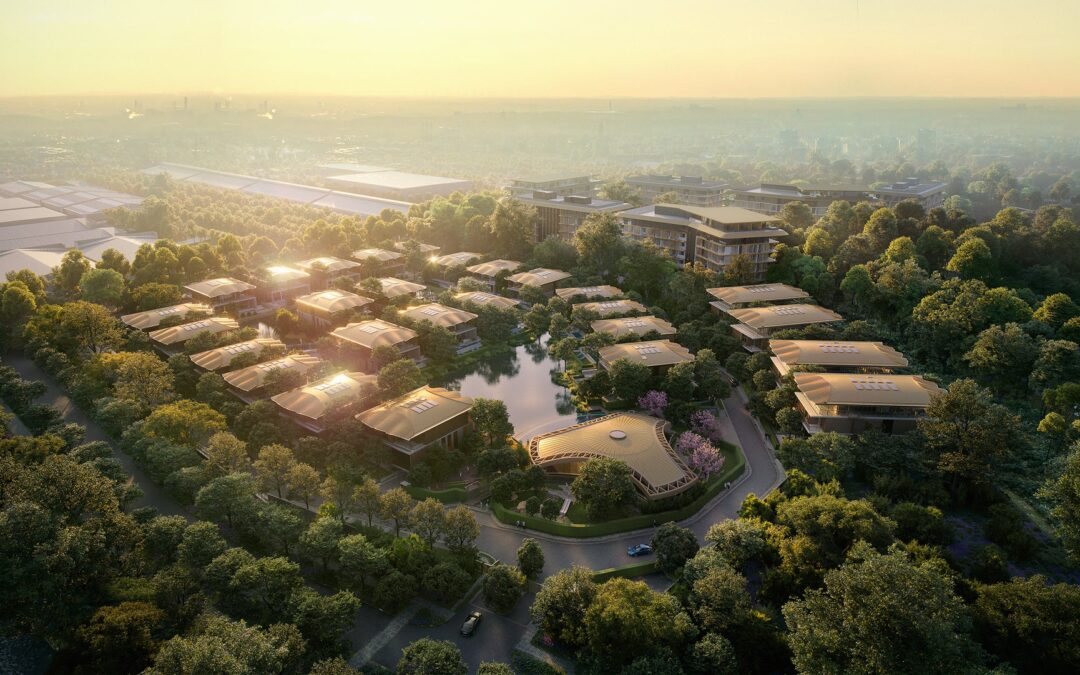
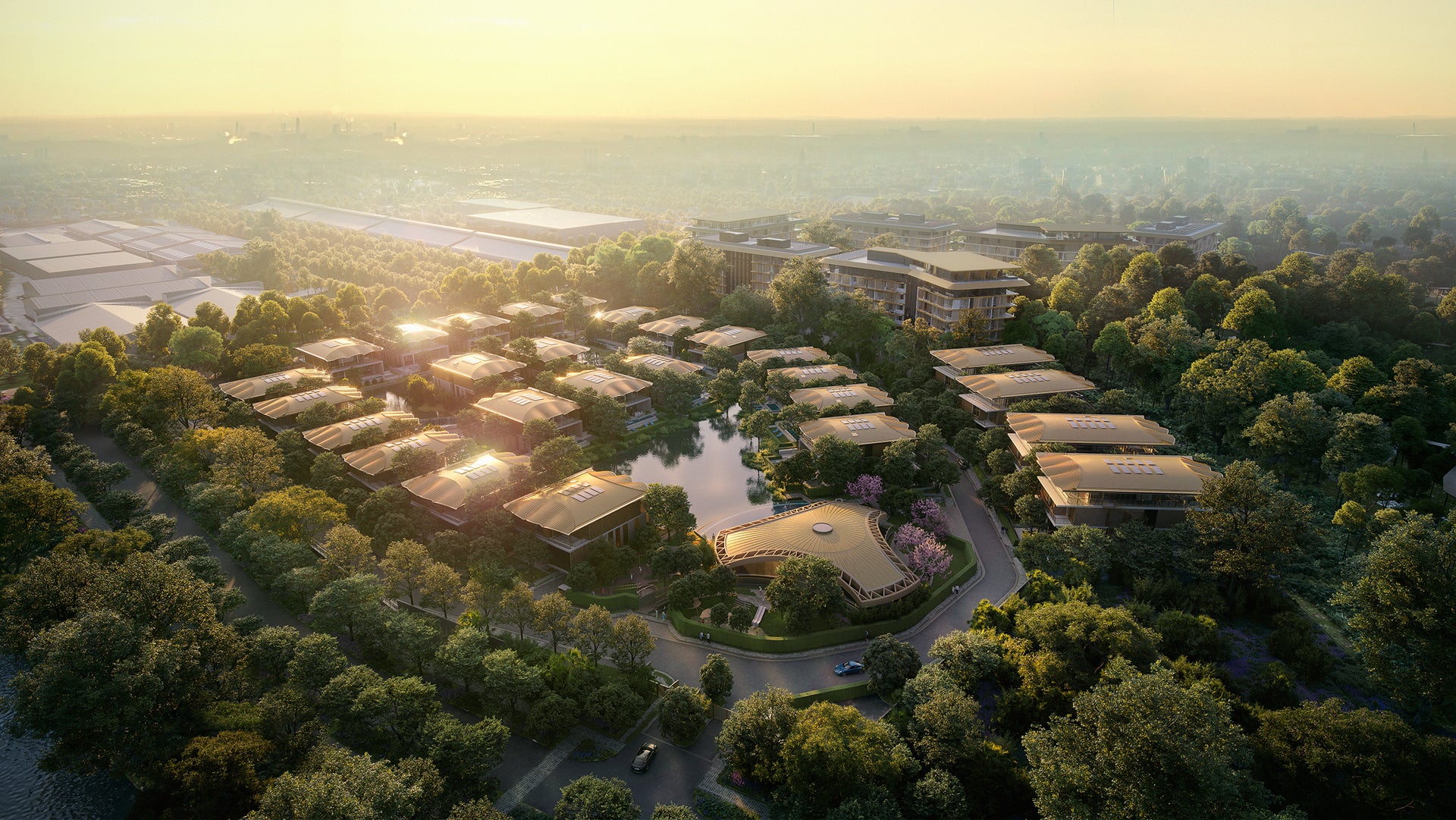
Six Senses Residences The Forestias gives Bangkok buyers a different version of luxury. Instead of a central-city tower beside a BTS station, the proposition is a limited branded residential community in Bangna, tied to wellness, greenery, privacy and an intergenerational mixed-use environment. For foreign buyers, that makes the project interesting, but also different to underwrite.
Six Senses Residences The Forestias is positioned around wellness, greenery and branded residential service.
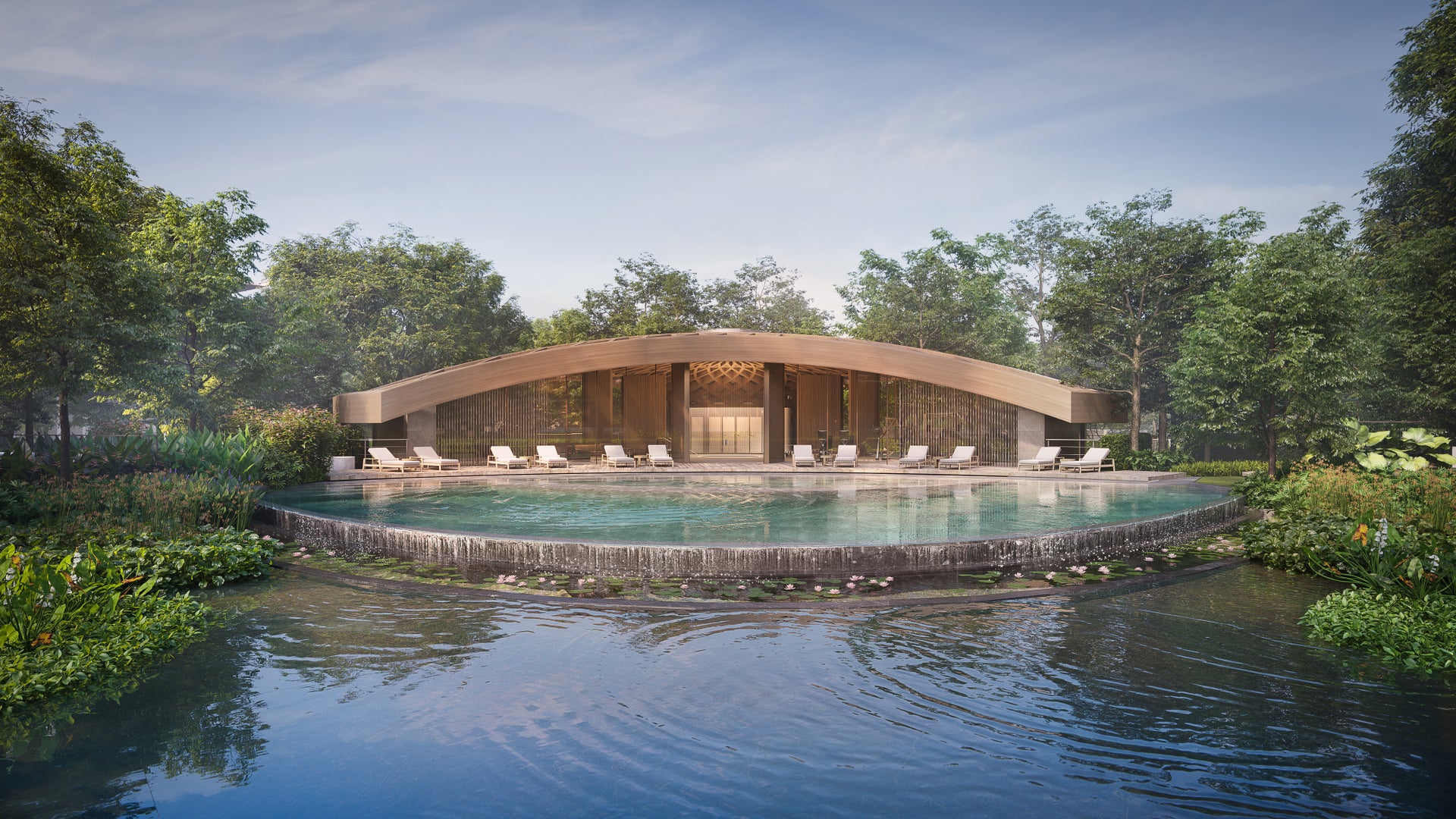
The official Six Senses page describes the residences as part of The Forestias, a purpose-grown forest community within reach of Bangkok. It states that the Six Senses residences comprise 27 homes, set around a woodland lagoon, with three to five bedrooms and living areas from 8,514 to 15,931 square feet, or 791 to 1,480 square metres. Each residence is described as having a private pool, onsen and organic gardens.
Those details immediately place the product in a narrow luxury category. This is not a compact investment condominium for a standard tenant pool. It is a lifestyle-led, branded residence proposition for buyers who value space, privacy, wellness services and a nature-oriented setting within Greater Bangkok.
Why the positioning matters
Bangkok luxury buyers have become more segmented. Some want walkable central addresses such as Langsuan, Chit Lom, Phrom Phong, Sathorn or Riverside. Others want larger homes, green space, international-brand management and a quieter family environment. Six Senses Residences The Forestias sits closer to the second group.
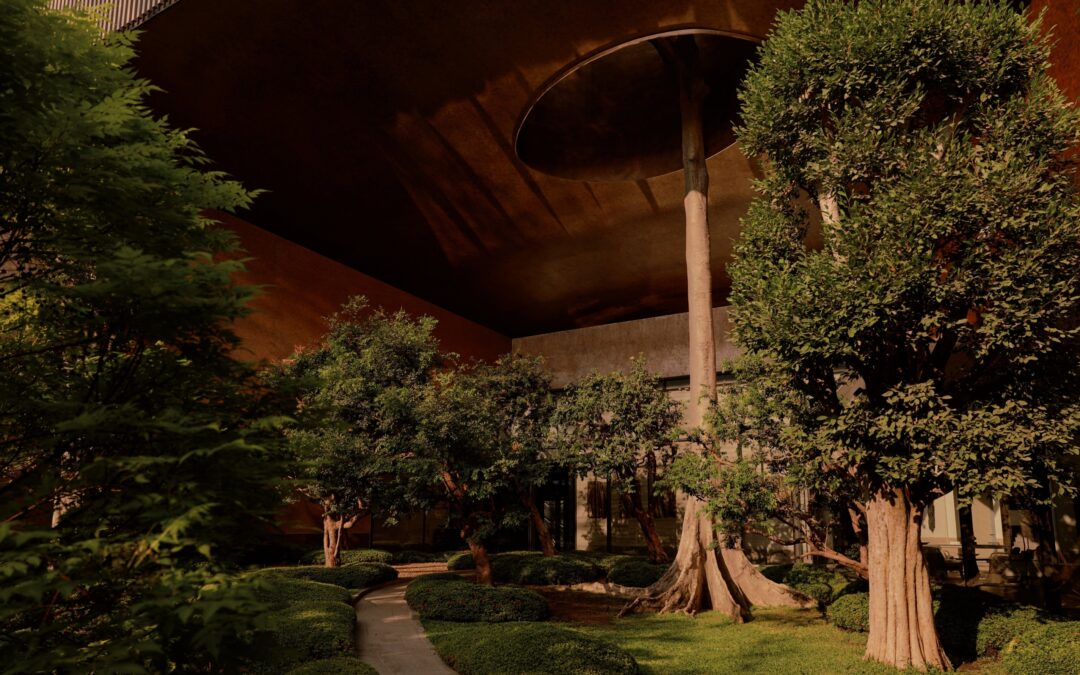
The official material also says the residences connect to leisure and healthcare facilities via a treetop canopy walk through the central forest area, which is expected to host more than 500 species of plants and animal life. For buyers comparing Bangkok with Singapore, Hong Kong or major resort-led markets, this gives the project a clear story: low-density branded wellness living rather than conventional city-centre convenience.
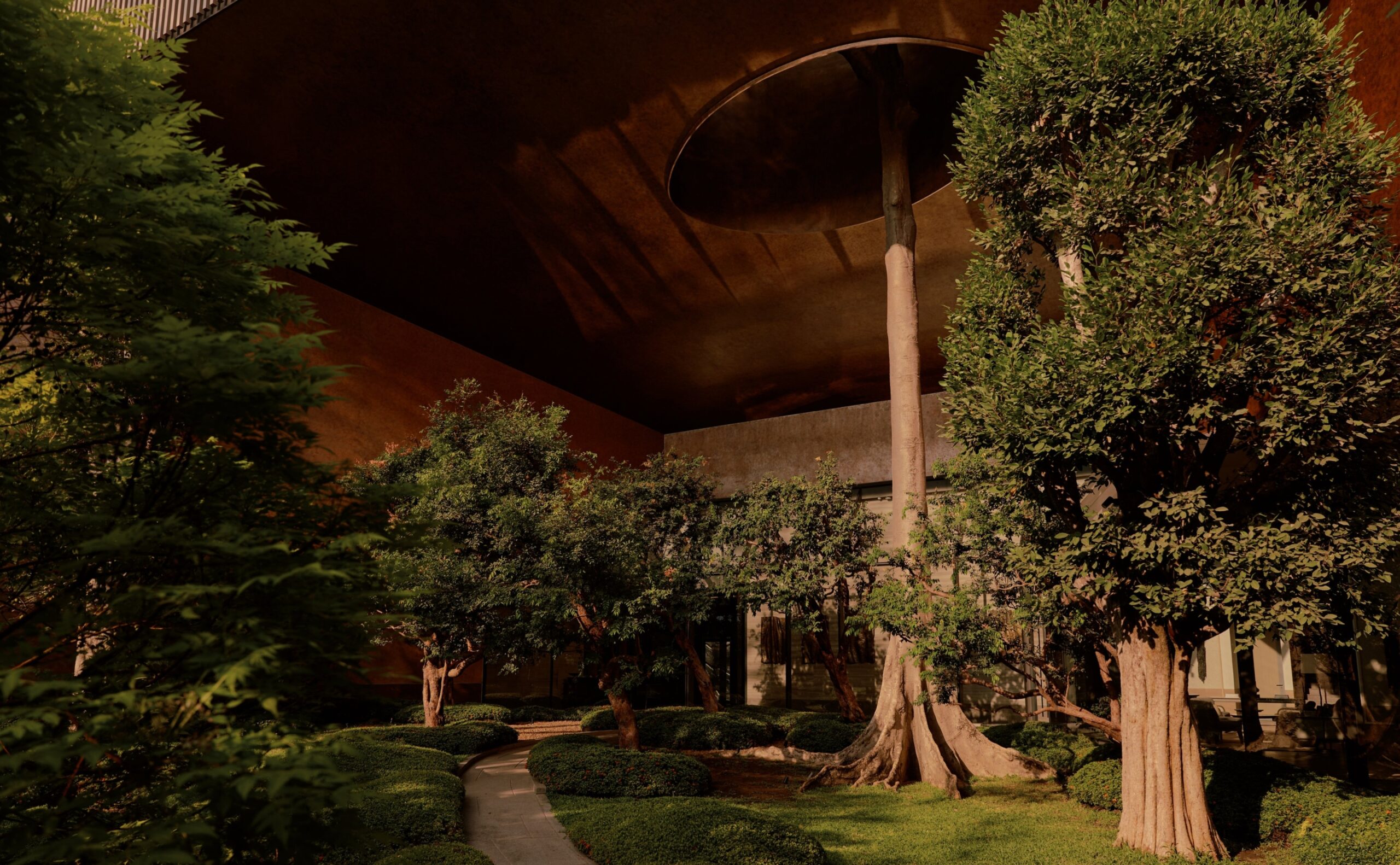
The official materials emphasise a forest setting and residential amenity environment.
What foreign buyers should like
The strongest appeal is differentiation. A buyer can understand the product quickly: Six Senses brand association, limited residences, private pools, wellness facilities, greenery and a wider master-planned environment. That can be attractive for regional families, wellness-led buyers, executives who do not need to commute daily into the CBD, and owners who want Bangkok access without living inside the densest central districts.
The scale of each residence also matters. Many Bangkok condominiums compete in one-bedroom, two-bedroom and compact family layouts. A large branded residence can speak to buyers who are comparing landed homes, penthouses and resort residences. The potential advantage is scarcity. The potential risk is a smaller resale audience.
Access needs careful testing
Bangna can be practical for some owners and inconvenient for others. Buyers should test the real route to Suvarnabhumi Airport, central Sukhumvit, international schools, hospitals, offices, weekend retail, golf, family homes and any regular business destination. A project can feel calm and premium on arrival, but the investment decision still depends on weekly movement.
For foreign buyers who will use the residence as a seasonal base, airport and family access may matter more than daily CBD commuting. For full-time residents, school runs and road conditions may matter more. The buyer should test the property at different times of day, including rain and peak traffic, before deciding that the lifestyle trade-off works.
Brand and service questions
A branded residence should be assessed through its service model as well as its architecture. Buyers should ask what services are included, what services are chargeable, how residential privacy is protected, how maintenance is organised, how common expenses are budgeted and how the branded relationship is governed over time. The emotional appeal of an international name should be matched by clear operating documents.
The official Six Senses page refers to dining options, exclusive membership club access at Six Senses Place and a Six Senses Spa with wellness amenities and services. Buyers should confirm which facilities are available to residence owners, whether access is bundled or paid, and how rights are documented.
Foreign buyers should test the lifestyle appeal against access, costs and long-term resale audience.
Resale and rental logic
The resale audience for this type of product is likely to be specific. It may appeal to high-net-worth families, regional buyers, wellness-focused owners and people already familiar with the Six Senses brand. That can be a strength when the right buyer appears, but it can also mean longer selling periods than more standard central condominium stock.
Rental logic should also be conservative. A large branded residence may command interest from a premium tenant, but the tenant pool is not as broad as the market for central two-bedroom condos near mass transit. Owners should not buy only on the assumption of easy rental income. The purchase should work first as a lifestyle and long-hold asset.
Buyer checklist
Confirm the exact legal structure, ownership form and foreign eligibility for the chosen residence.
Review branded-service documents, common fees, sinking fund and chargeable service schedules.
Test travel times to airport, schools, hospitals, offices and central districts at realistic hours.
Compare the purchase with central penthouses, luxury villas and other branded residences.
Ask who the future resale buyer is and how quickly that buyer can be reached.
Treat wellness and brand appeal as value drivers, but verify every operating document.
Buyer takeaway
Six Senses Residences The Forestias is best understood as a specialised branded lifestyle asset rather than a conventional Bangkok condo investment. It may suit foreign buyers who value privacy, wellness, space and an internationally recognisable service concept. The key is to test the access, operating costs and resale audience with the same discipline used for any prime Bangkok purchase.
IBP can help overseas buyers compare branded residences, riverfront towers and central luxury condominiums by lifestyle fit, ownership checks and exit logic. Read our project review notes or contact IBP Real Estate for a private buyer consultation.
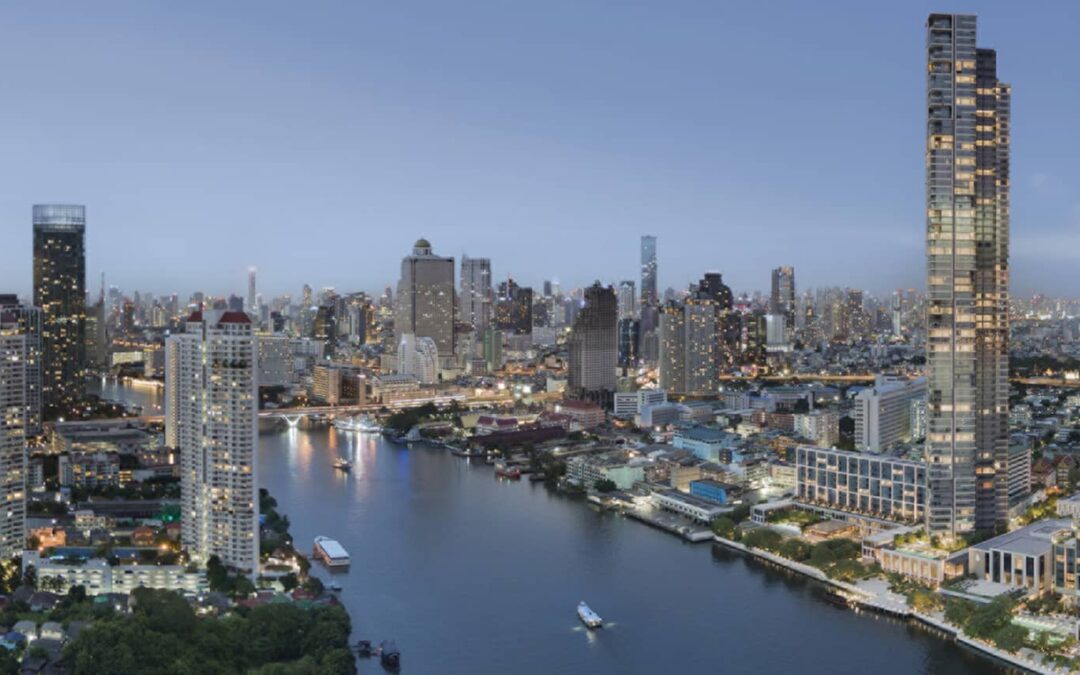
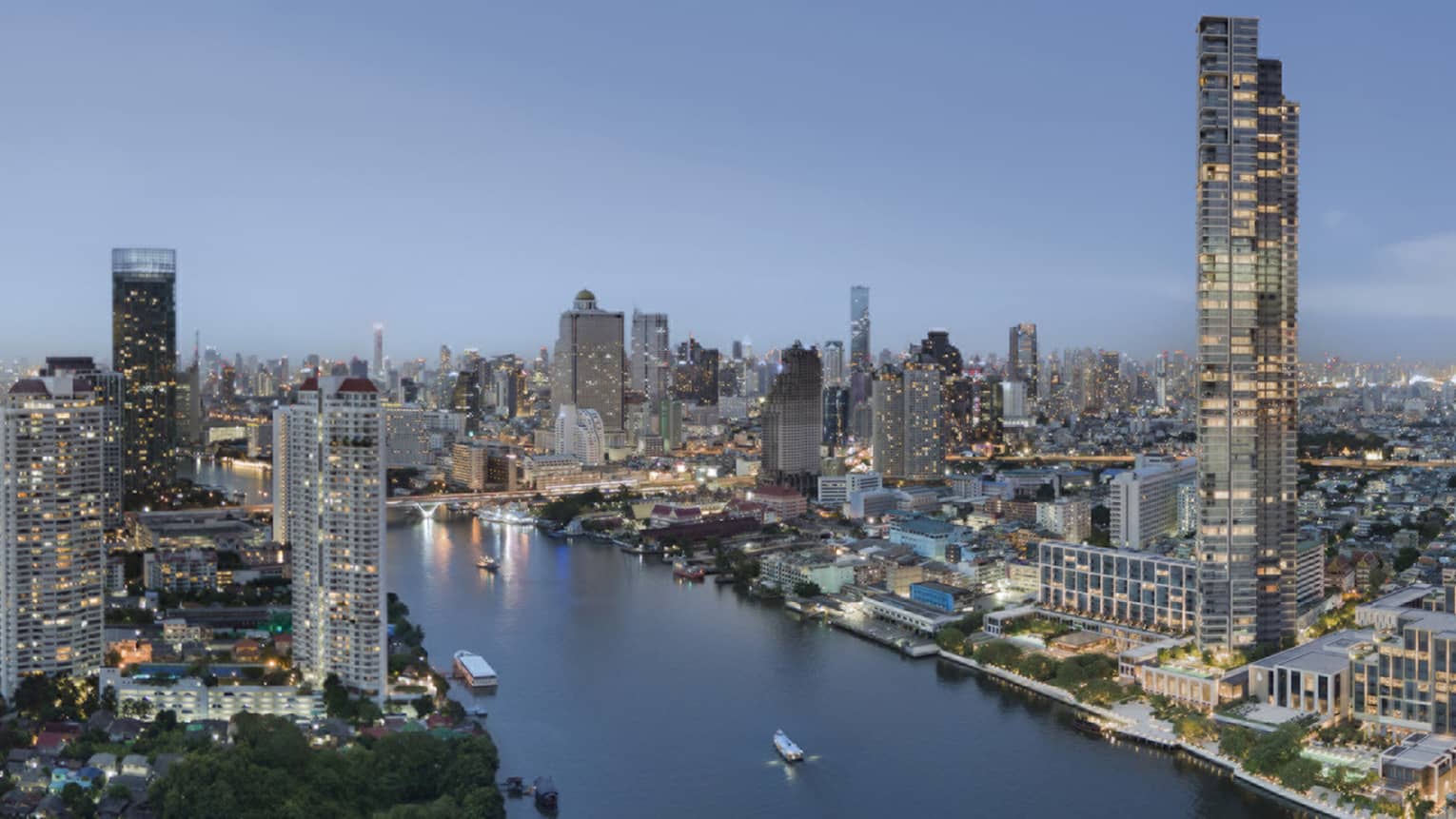
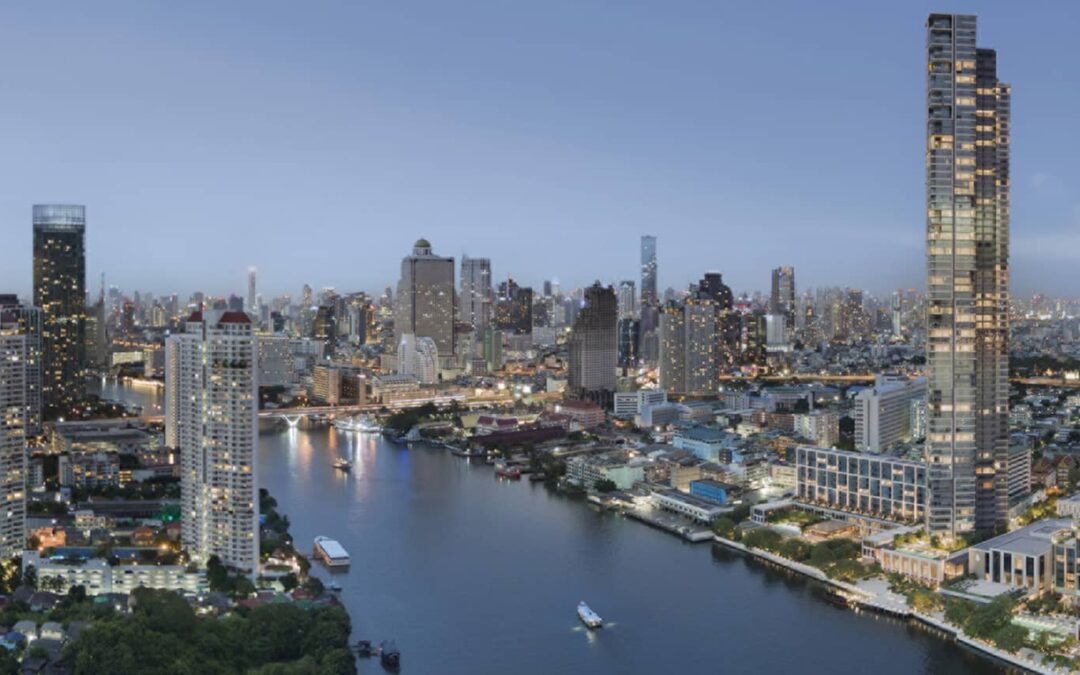
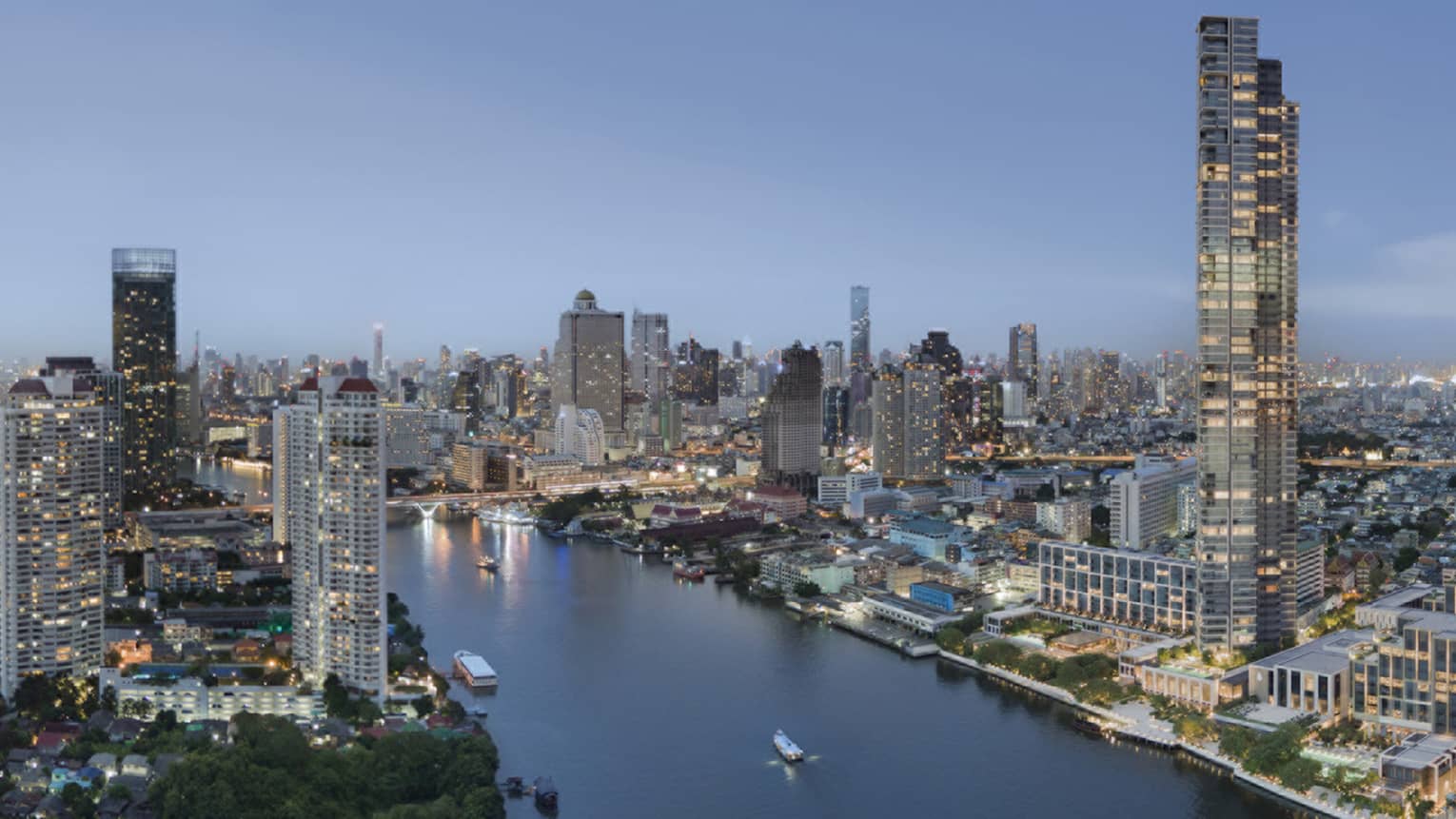
Four Seasons Private Residences Bangkok is one of the most recognisable branded residences on the Chao Phraya River. For foreign buyers, its appeal is easy to understand: an international hospitality name, a completed riverside address, hotel-style service expectations and a luxury product that can be explained quickly to overseas family members, advisers or future buyers.
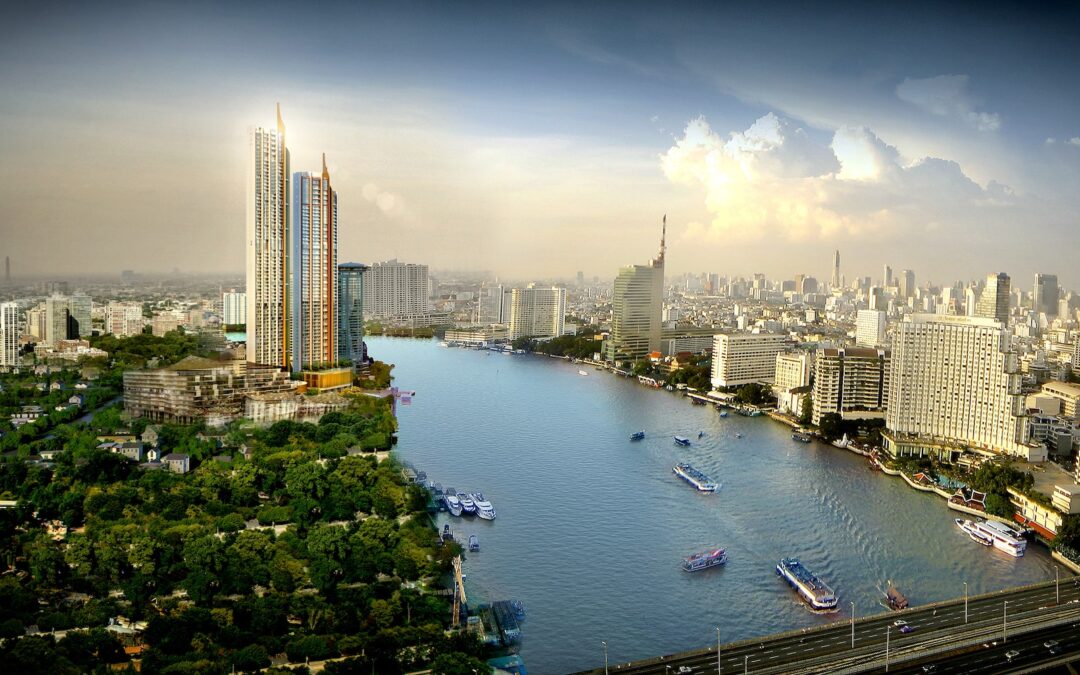
Four Seasons Private Residences Bangkok is positioned as a branded riverfront residence on the Chao Phraya.
The question for buyers is not whether the project is prestigious. It is whether the unit, price, view, service cost, holding plan and future resale audience fit the buyer’s goals. Branded residences can be excellent lifestyle assets, but the entry premium should be underwritten as carefully as any other Bangkok condominium purchase.
What the official project details say
The Four Seasons residential page describes the project as a 73-floor private residential tower on the banks of the Chao Phraya River in Bangkok. The same official page lists 366 private residences, Country Group Development as developer, BAMO Inc and PIA Interior Co as interior designers, Hamiltons International as architect, and 2020 as the opening date.
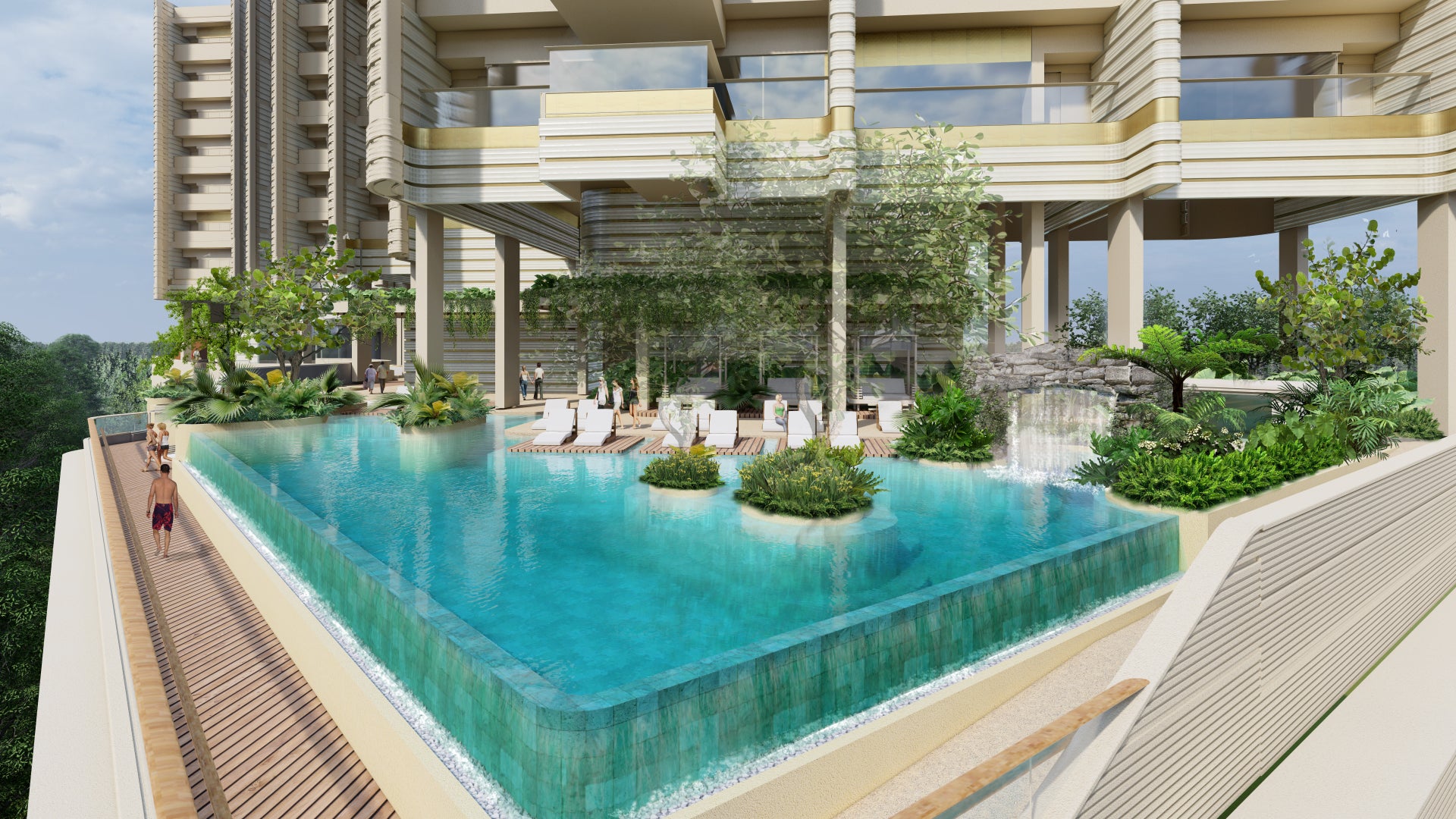
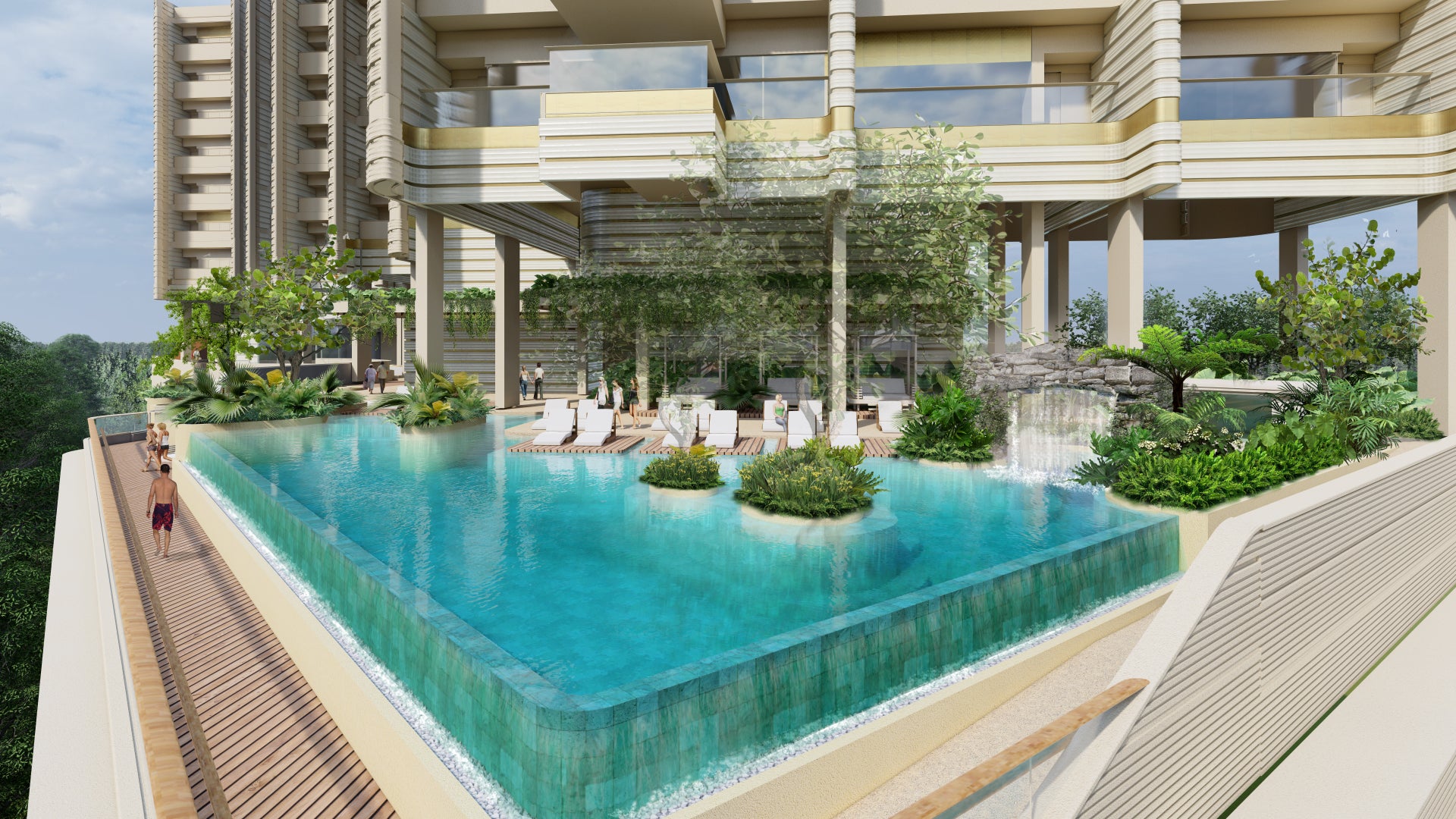
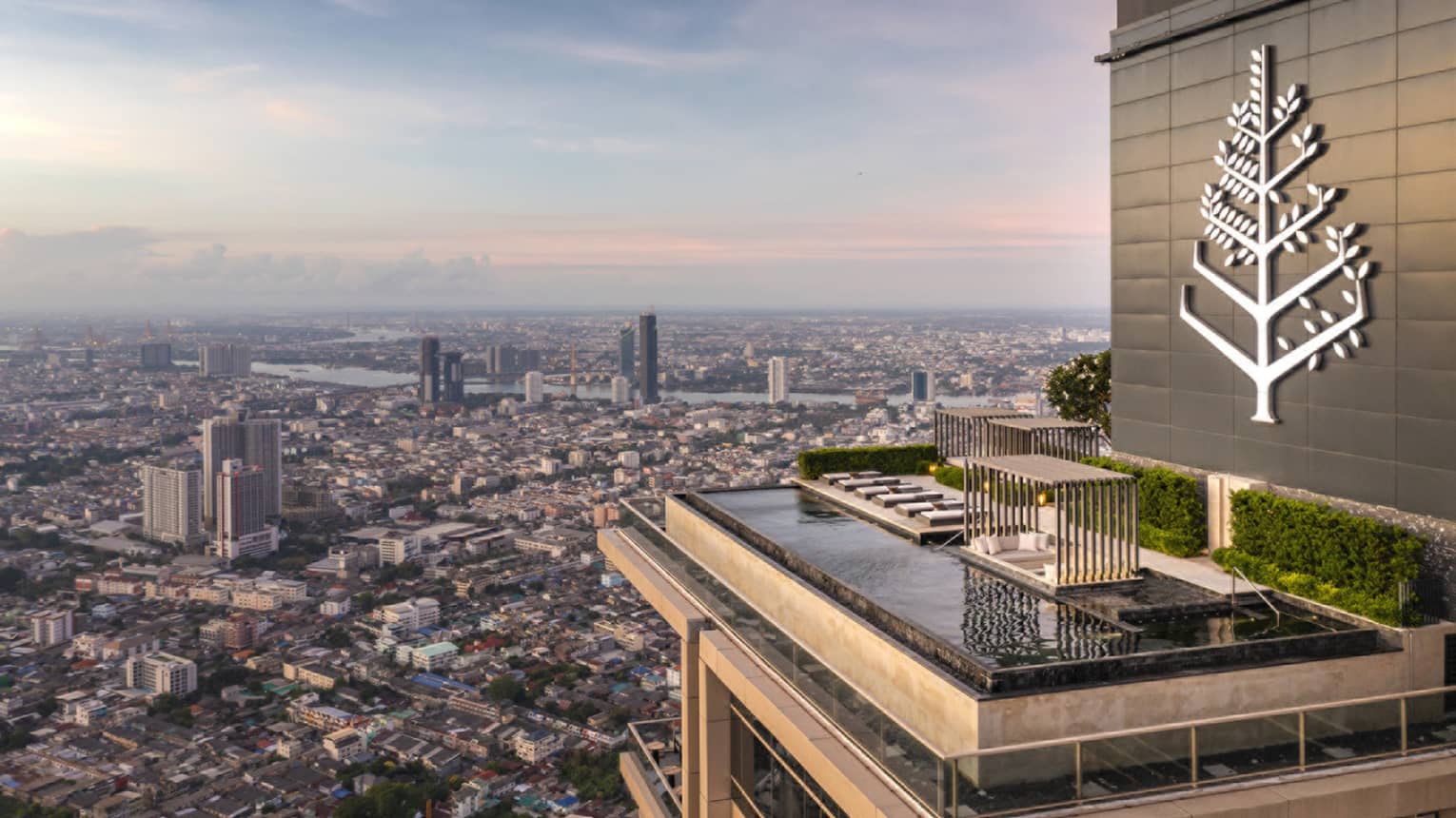
The official amenity list includes a Residents Amenity Club, Sky Lounge and Bar, Sky Pool, Wine Room, Private Dining Room, Screening Room, Teen Lounge, Music Studio, Sky Fitness and Yoga Studio, and Sky BBQ Terrace. For buyers, the value of this list depends on maintenance, access rules, resident density, privacy and how the service experience performs in ordinary weeks, not only during a viewing.
The official materials emphasise sky-level amenities and a luxury riverfront lifestyle.
Why the riverside position matters
The Chao Phraya riverfront gives the project a different profile from Sukhumvit, Wireless, Langsuan or Sathorn condominiums. Riverfront buyers are often seeking views, hotel access, a resort-like arrival, larger unit formats and a calmer sense of place. This can suit owner-occupiers, regional families, high-net-worth part-time residents and buyers who want Bangkok lifestyle value rather than only a simple yield play.
The trade-off is movement. Riverfront living can be deeply pleasant, but buyers must test daily routes. How long does it take to reach Sathorn, Silom, Sukhumvit, international schools, hospitals, airports and favourite dining districts at real travel times? Is boat access useful for the owner’s routine, or mainly a lifestyle extra? A strong purchase case should work on weekdays as well as weekends.
Who the project may suit
Four Seasons Private Residences Bangkok is likely to suit buyers who prioritise service, brand familiarity, views, privacy and long-term owner use. It may also appeal to buyers comparing Bangkok with other global branded residences, because the Four Seasons name is widely understood across markets.
It may be less suitable for a buyer whose main objective is a high gross rental yield or a low entry price. Large branded residences can command premium rents in the right circumstances, but the purchase price and holding costs usually require a longer and more lifestyle-led investment horizon. A buyer should be honest about whether the unit is primarily a home, a second residence, a family base, a trophy asset or an income property.
Unit-level checks before offering
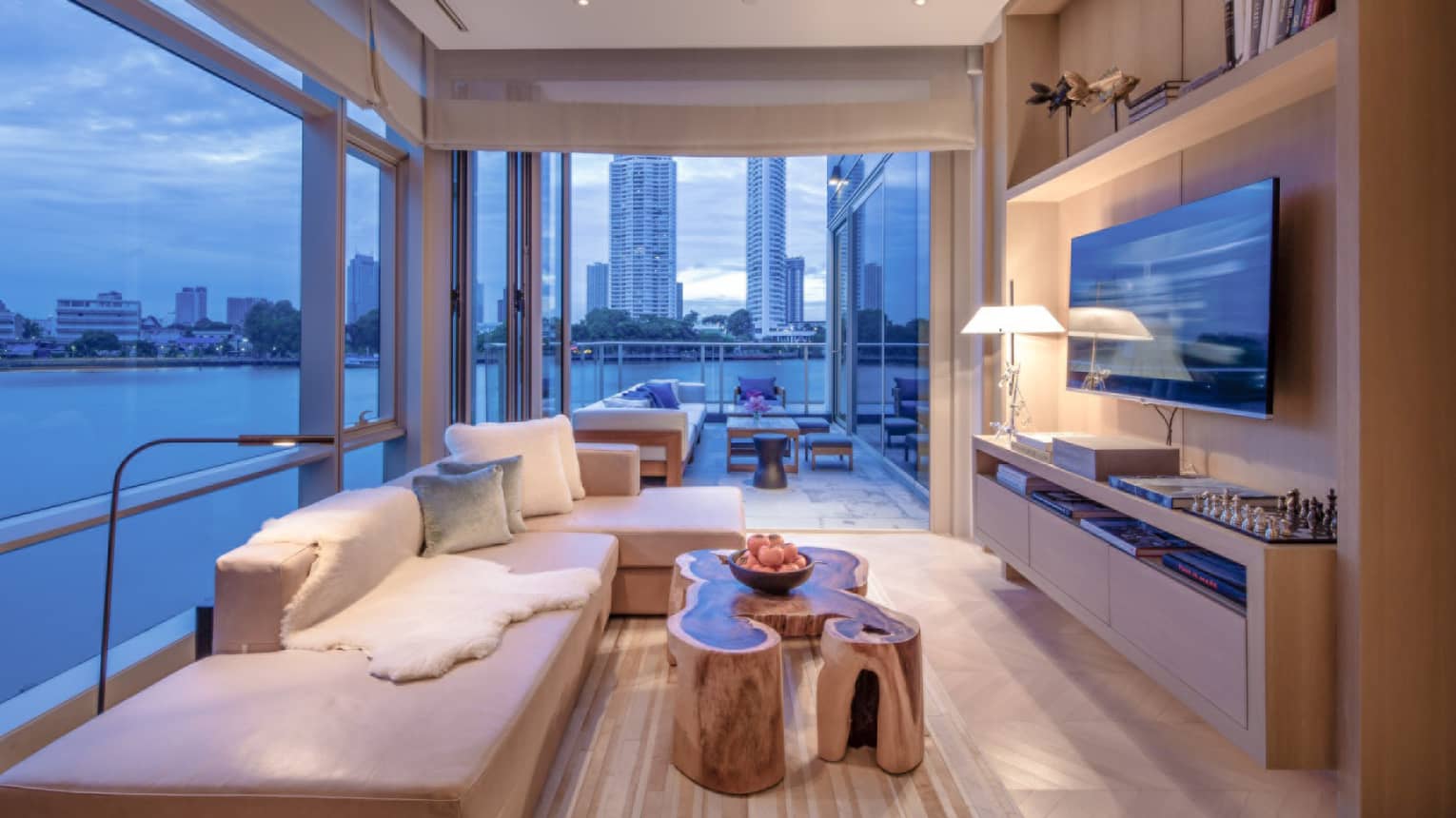
The building name is only the starting point. Buyers should compare stack, height, river orientation, city view, afternoon sun, balcony usability, lift access, parking, furniture quality, kitchen practicality, storage and bathroom condition. In completed luxury buildings, two units with the same bedroom count can feel very different because view, layout and owner fit-out vary widely.
Ask for current common fees, sinking fund position, renovation rules, pet rules, leasing restrictions, management structure and recent resale evidence. If the unit is leased, review the lease terms, tenant quality and move-out obligations. If the purchase is for self-use, inspect at different times of day and test the arrival sequence from car, boat and lobby.
Interior planning, views and daily usability should be checked unit by unit.
Rental and resale considerations
The rental audience for a branded riverside residence can include senior executives, regional families, diplomats, lifestyle-focused expatriates and wealthy part-time residents. However, the tenant pool is narrower than for mid-market BTS condominiums. Rent assumptions should be based on comparable leases and realistic vacancy, not only on the Four Seasons brand.
For resale, the future buyer must value the brand, riverfront setting, unit size, service model and total ownership cost. That can be a strong story when entry pricing is disciplined and the unit has clear advantages. It can become difficult if the seller pays too much for an ordinary stack or a view that does not stand out.
Questions to ask
How does the asking price compare with recent completed transactions in the building?
What are the exact common fees, sinking fund obligations and likely major capital works?
Does the unit have a view, layout and furniture package that a future buyer will understand quickly?
How do weekday commute times work for the owner’s real routine?
What services are included, optional or charged separately?
Is foreign quota available and can transfer documents be completed on the buyer’s schedule?
Buyer takeaway
Four Seasons Private Residences Bangkok is a compelling option for foreign buyers who want a completed branded residence with a clear Chao Phraya lifestyle identity. The strongest purchase cases will pair that prestige with disciplined pricing, a superior unit and a realistic hold plan.
IBP can help buyers compare Bangkok branded residences by building evidence, foreign quota, service model and resale logic. Read our project review notes or contact IBP Real Estate for a private luxury-condo shortlist.
Aman Nai Lert Bangkok Residences gives foreign buyers a very specific luxury question: is the value in the brand, the address, the park setting, the low density, or the way those elements work together? The project sits within Nai Lert Park on Wireless Road, one of Bangkok’s most recognisable prestige corridors, and is tied to an Aman hotel with a deeply private positioning.
Aman Nai Lert Bangkok combines a Wireless Road address with a rare park setting in the central city.
That combination is rare in Bangkok. Many high-end condominiums offer height, views and facilities. Fewer can point to a mature green estate in the central city, a hospitality brand with global recognition and a very limited residence count. For foreign buyers, the appeal is clear. The due diligence still needs to be precise.
What the official positioning tells buyers
Aman describes the residences as part of Aman Nai Lert Bangkok, set in the seven-acre green oasis of Nai Lert Park and alongside a 52-suite hotel. The residences are limited to no more than 34 homes over 18 floors. That is a different proposition from a large luxury tower with hundreds of units and a broader investor base.
The scale supports privacy, but it also narrows the market. A small ultra-luxury residence can feel exceptional for an owner-occupier and still require a more patient resale strategy. Buyers should not judge it like a standard rental-yield condominium. The case is more likely to sit around personal use, brand affinity, capital preservation, lifestyle utility and long-hold scarcity.
That distinction should shape the whole purchase process. A yield-led buyer may want the broadest tenant pool and fast leasing evidence. An Aman buyer may care more about privacy, service continuity, storage, staff movement, family use and whether the property remains emotionally compelling ten years later. Those are legitimate priorities, but they must be named honestly in the investment brief.
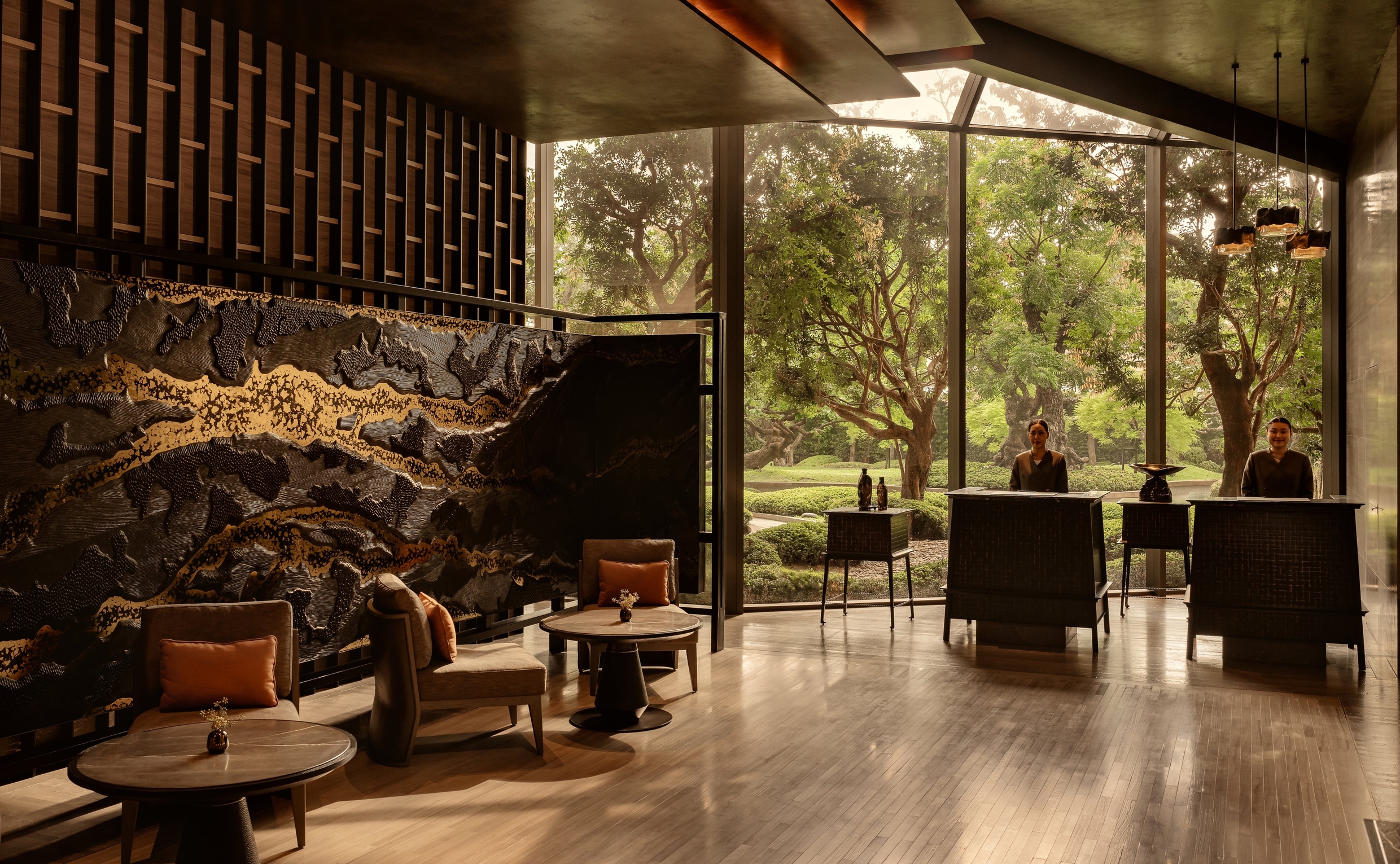
For branded residences, service culture and arrival experience are part of the buyer case.
Why Wireless Road and Nai Lert Park matter
Wireless Road is easy for international buyers to understand because it connects embassies, five-star hotels, office towers, Lumpini, Ploen Chit, Chit Lom and the wider central business area. It is also a corridor where security, arrival experience and address perception matter. For a buyer who wants a Bangkok base that feels private but central, the location has a clear story.
Nai Lert Park adds another layer. Mature green space in central Bangkok is difficult to recreate. A buyer here is not only comparing square metres with other branded residences. They are comparing the daily feeling of arriving through a quieter landscape, looking towards greenery and having hotel services nearby without living inside a conventional hotel tower.
Unit scale and buyer profile
Aman states that one-bedroom residences can be up to 127 square metres, while four-bedroom penthouses can reach up to 2,200 square metres. The official materials also refer to 3.2-metre ceilings, many private terraces and park or city views. Those specifications place the project in the ultra-luxury bracket, where buyers need to assess volume, privacy, staff movement, storage, parking, service access and maintenance cost as much as headline size.
The likely buyer pool is selective: Thai ultra-high-net-worth families, regional principals, returning Thai families, global Aman loyalists, family offices and foreign residents who want a private Bangkok home. That can support prestige, but it also means resale depth should be tested carefully. A smaller buyer universe can be strong, but it is not the same as broad liquidity.
Low-density luxury buyers should ask exactly which shared spaces, services and costs apply.
Branded-service questions
Branded residences are attractive because service standards are easier for overseas buyers to understand. But the service model must be checked in detail. Ask what is included in common fees, which services are optional, how residence and hotel areas are separated, how privacy is managed, and who controls standards after handover. The stronger the brand, the more important it is to understand the operating rules behind it. Buyers should also ask how the brand agreement is documented, how long it runs and what happens if service expectations change over time.
Buyers should also review how common facilities, concierge, wellness, dining access, housekeeping coordination, maintenance response and visitor management work in practice. A branded address can add value only if the experience remains consistent after the first marketing cycle.
Costs and exit planning
Ultra-luxury buyers should model total ownership cost before reservation. Common fees, sinking fund, furniture, fit-out, service charges, insurance, property management, tax, repairs and eventual resale costs can materially affect the real holding experience. If the unit will be rented, the tenant pool must be realistic. If the unit is mainly for family use, the financial model should say so clearly.
Exit planning is equally important. Compare Aman Nai Lert Bangkok Residences with other Wireless Road, Langsuan, Chit Lom, Lumphini, Sathorn and riverside luxury choices. A future buyer may compare by brand, view, tenure, age, service model, building density and monthly running cost. The strongest purchase is the one where the buyer understands both emotional value and practical resale logic.
Buyer takeaway
Aman Nai Lert Bangkok Residences deserves attention because it offers a rare combination of central Bangkok greenery, global hospitality identity and very low-density living. It is not a simple yield product. Foreign buyers should approach it as a long-hold luxury asset, then test the contract, service structure, ownership costs and future buyer depth with discipline.
IBP can help compare Aman Nai Lert Bangkok Residences with other Bangkok branded residences and ultra-luxury condominiums. Explore our project reviews or contact IBP Real Estate for a private shortlist.
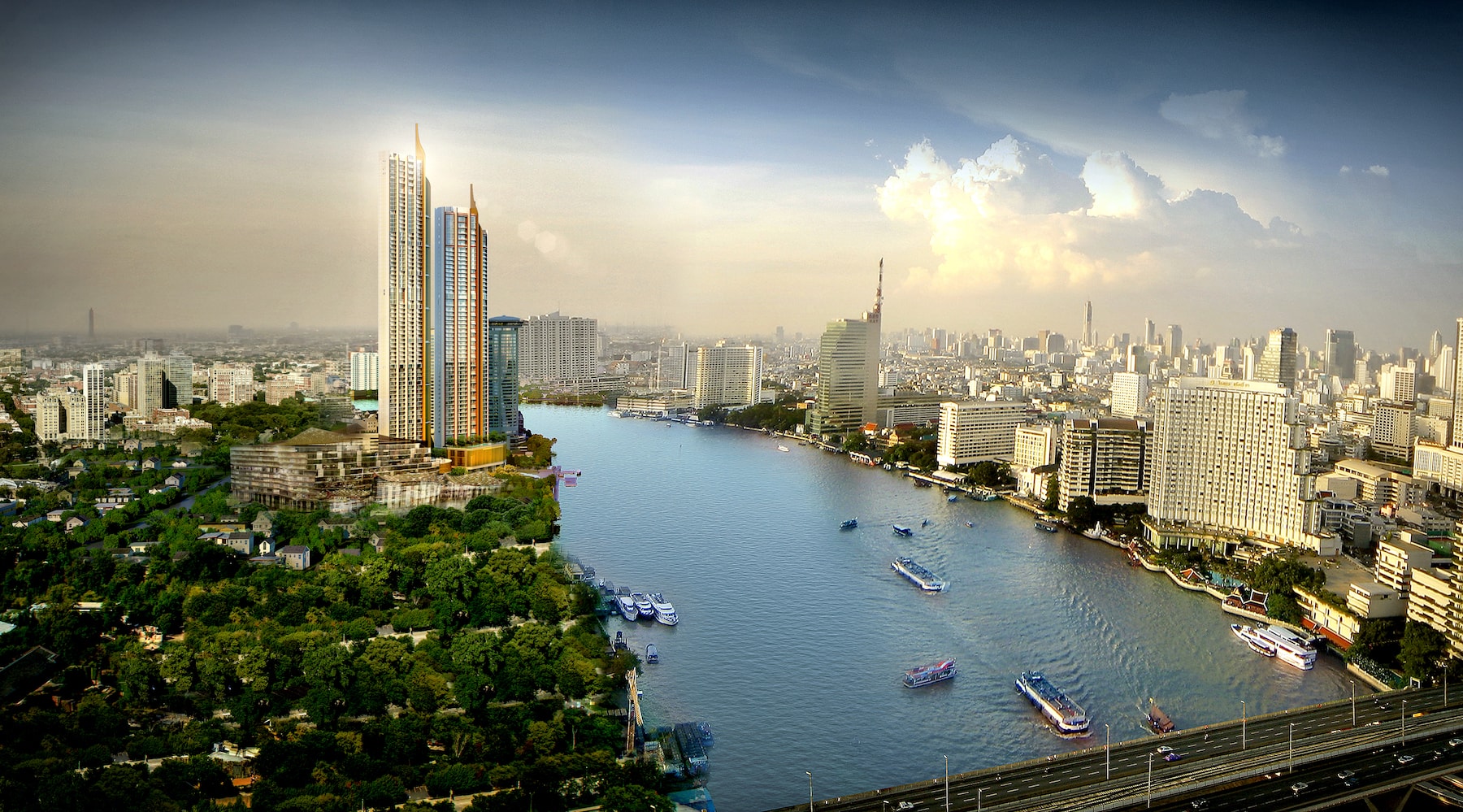
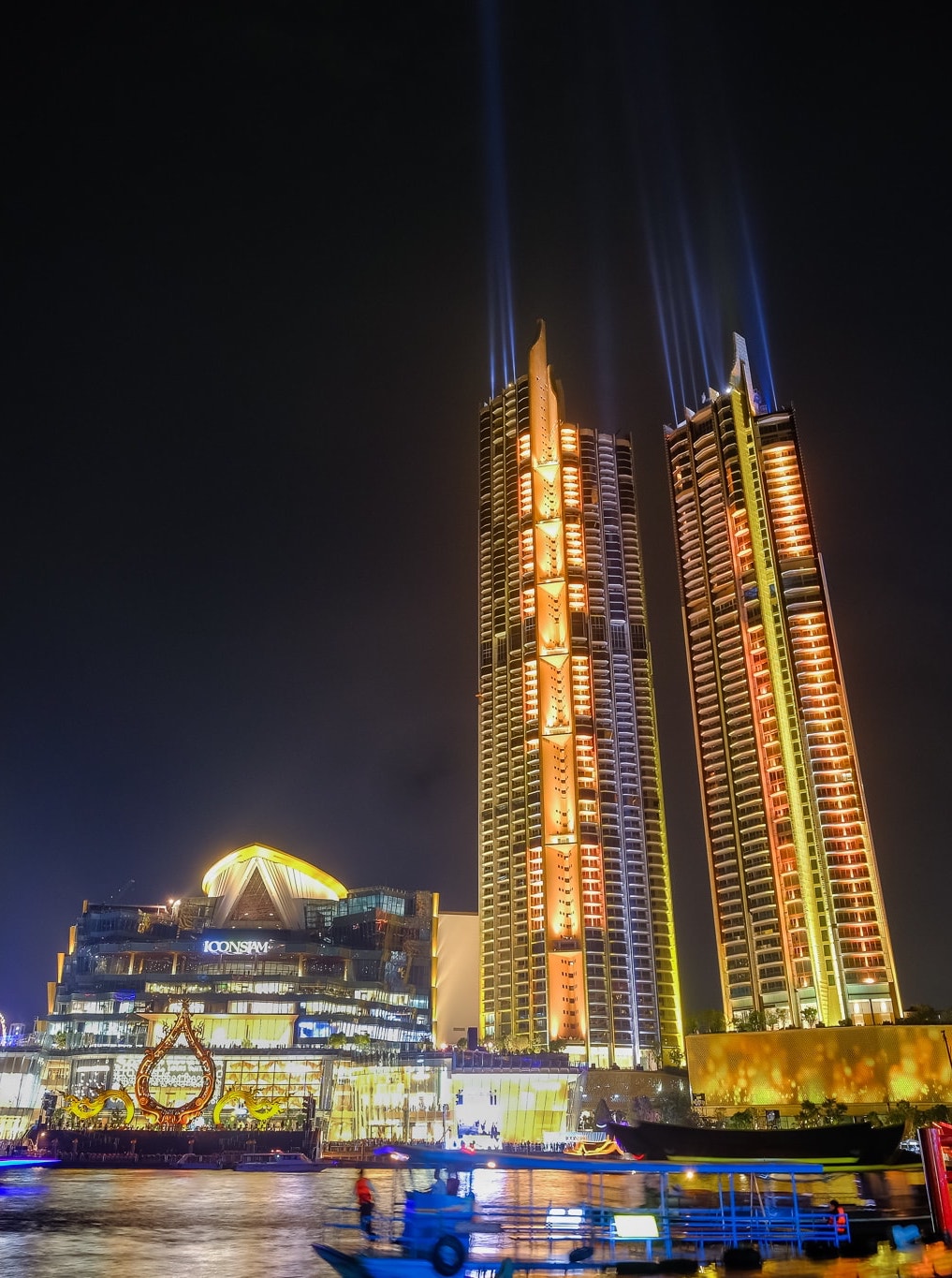
The Residences at Mandarin Oriental, Bangkok is one of the city’s clearest examples of branded riverside condominium living. For foreign buyers, its appeal is easy to understand: Chao Phraya River views, immediate ICONSIAM access, association with Mandarin Oriental service culture and a large-scale mixed-use destination on Charoen Nakhon.
The Residences at Mandarin Oriental, Bangkok positions itself as a branded riverside address beside ICONSIAM.
The official Mandarin Oriental residences page describes the Bangkok collection as 146 waterfront residences ranging from 130 to 710 sq.m., with unobstructed views of the surrounding gardens. The project website highlights interiors by Joyce Wang, Mandarin Oriental service at home and direct access to one of Bangkok’s most recognised retail and lifestyle landmarks.
Those are strong credentials, but a luxury address still needs buyer discipline. Branded residences are not bought by spreadsheet alone, and they are not bought by brand name alone. A foreign buyer should test the specific unit, view, ownership status, cost base, service model, rental audience and future resale story before deciding whether the premium is justified.
Why the address matters
Riverside Bangkok has changed from a hotel-led destination into a more complete residential and lifestyle market. ICONSIAM, improved river transport, luxury hotels, heritage districts and cross-river connectivity have given the Chao Phraya a deeper daily-use case. Buyers who want Bangkok as a second home may value this setting because it feels different from Sukhumvit or Sathorn while still remaining central.
That difference can be an advantage. A branded riverside residence appeals to buyers who want views, privacy, service and a destination address. It may also suit owners who split time between countries and want a home that can be managed professionally while they are away. The trade-off is that daily commuting patterns can be different from BTS-front Sukhumvit living, so buyers should test actual travel times to schools, offices, hospitals and airports.
Service model and owner expectations
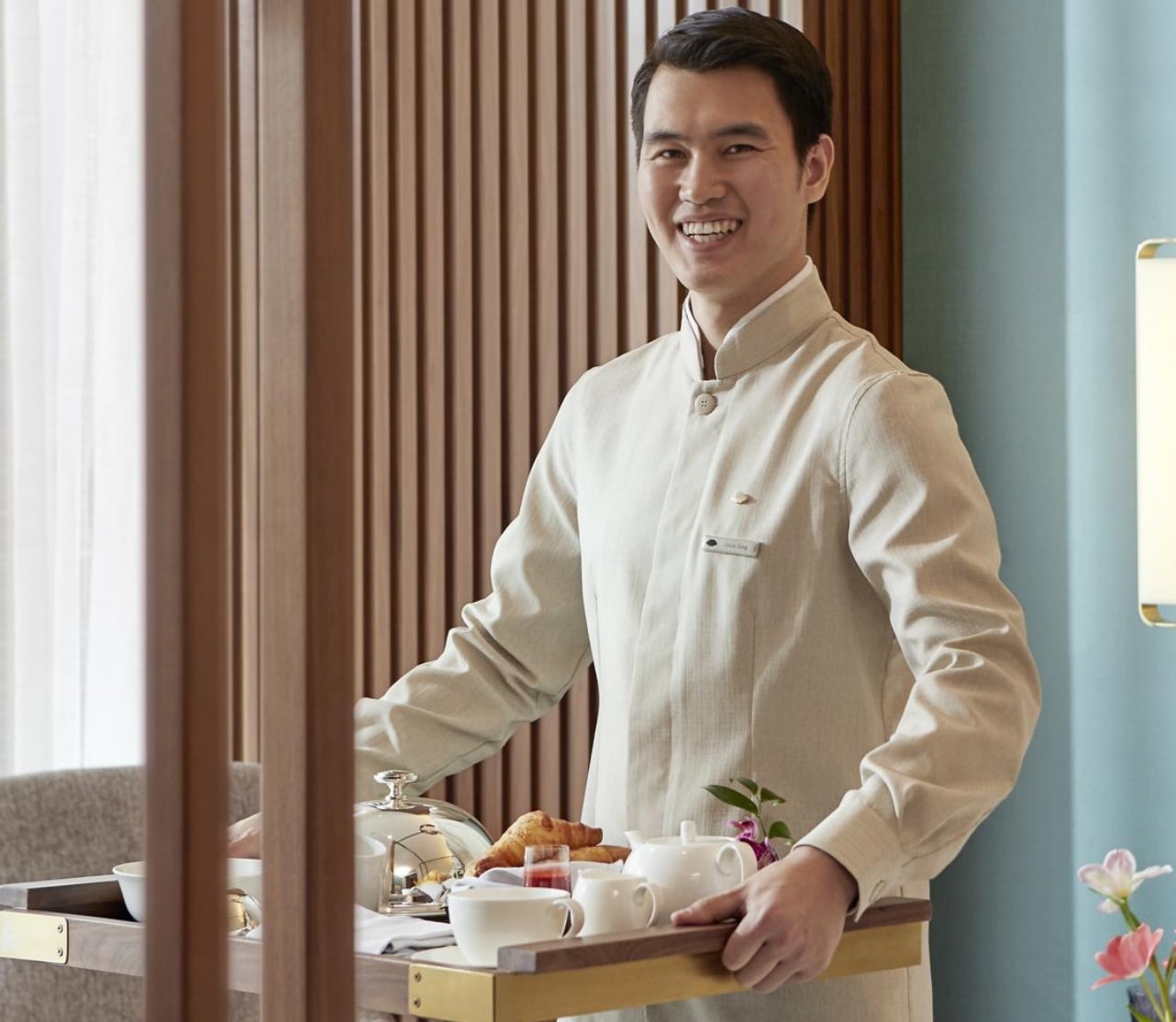
The official materials refer to full-time Mandarin Oriental trained staff, including concierge, valet, maintenance, housekeeping and security, along with signing privileges at the hotel, property management capabilities, pre-arrival support and access to the Fans of M.O. Residences programme. These services form a large part of the ownership proposition.
A buyer should therefore understand exactly what is included, what is charged separately and how service standards are governed. Ask for common fees, sinking fund obligations, service-charge details, house rules, renovation procedures, guest access policies and repair protocols. A branded residence works best when the service promise is operationally clear and financially sustainable.
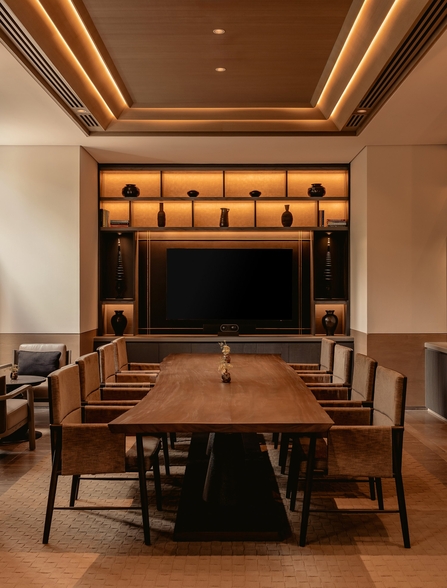
Interior quality, view and floor plan should be tested against the price of the specific unit.
Unit selection is still decisive
In a luxury tower, not every unit has the same investment logic. View corridor, floor height, river angle, afternoon heat, lift access, bedroom proportions, kitchen usability, storage, parking and furniture condition can all change rental and resale demand. A buyer comparing two units in the same building should not rely only on price per sq.m.; the better unit may deserve a premium, but only when the differences are durable.
The project website lists residence types including two-bedroom duplex residences, three-bedroom residences and penthouse suites, with large-format living as a central theme. Buyers should confirm current availability, exact registered area, foreign quota status and title details for the specific unit rather than relying on old marketing material or third-party listings.
Rental logic
A branded riverside residence can attract a narrow but valuable tenant audience: executives, regional families, diplomats, owners testing Bangkok before buying, and lifestyle-led tenants who value service and views. This can support strong rents in the right unit. It can also lengthen vacancy if the asking rent is too ambitious or the tenant needs a school or office route better served by another district.
Landlords should model a premium asset with conservative vacancy, professional furnishing, maintenance reserves and realistic agent feedback. A large luxury unit can be expensive to carry if vacant, so the rent case should be supported by comparable leases, not only by brand prestige.
Branded residence value depends on whether services, management and owner expectations stay aligned.
Resale logic
The resale audience is likely to care about three things: address identity, unit quality and evidence. Mandarin Oriental association and ICONSIAM proximity help the address identity. The unit’s view, plan and condition help the emotional decision. Comparable sales, fees, title status and building management help the buyer justify the price.
Foreign buyers should also compare the residence with other Bangkok branded and super-luxury options. Some buyers may prefer hotel-linked service and completed-building certainty. Others may prefer a newer launch, a BTS-front address, a smaller boutique building or a different neighbourhood. The strongest resale story is not that the project is famous; it is that the specific unit remains scarce and easy to defend.
Buyer checklist
Confirm foreign quota and title status for the exact unit before negotiation becomes advanced.
Inspect the view, heat, noise, lift route, parking and furniture condition in person or by trusted representative.
Review common fees, sinking fund obligations, service charges and what branded services actually include.
Ask for recent comparable rents and resales in the building and nearby luxury alternatives.
Check renovation rules, guest rules, leasing rules and owner support while abroad.
Test travel times to the buyer’s real daily destinations, not only to tourist landmarks.
Buyer takeaway
Mandarin Oriental Residences Bangkok offers a persuasive branded-riverside proposition for foreign buyers who value service, views, privacy and immediate lifestyle access. The buying decision should still be unit-specific. The best case is a residence where the view, condition, title, cost base and service model all support the premium.
IBP can help buyers compare Mandarin Oriental Residences Bangkok with other luxury and branded residences by location, service model, rental evidence and resale strategy. Browse our project review notes or contact IBP Real Estate for a private shortlist.