

Bangkok Branded Residence Premiums: Investor Checks
Bangkok branded residences are attractive to many foreign buyers because they combine recognisable names, managed living, strong design narratives and a sense of global familiarity. For an overseas investor, that can reduce uncertainty. A buyer who understands Mandarin Oriental, Ritz-Carlton, Porsche Design, Banyan Tree, Kempinski or similar hospitality-led brands may feel more comfortable evaluating a Bangkok residence than an unfamiliar standalone condominium.

The investment question is not whether a brand is impressive. It is whether the premium paid for that brand is supported by rent evidence, owner-use value, service quality, building scarcity and a believable resale audience. Bangkok has enough branded and ultra-luxury stock for buyers to compare rather than buy only from emotion.
JLL’s 2026 Thailand real estate outlook described a more selective market in which growth opportunities remain present but are increasingly concentrated in assets aligned with long-term demand drivers. That is a useful lens for branded residences. The best examples can sit inside that flight to quality, but the weakest investment cases can simply be expensive units with a strong logo.
What the premium is meant to buy
A branded residence premium usually reflects several layers. The first is location: most high-end branded projects are in central, riverside or embassy-adjacent districts where land is scarce and daily life is easy for international residents. The second is design and finishing, often with a stronger focus on lobbies, arrival experience, wellness, private lifts, concierge areas and view corridors.
The third layer is service. Depending on the project, this may include concierge support, housekeeping options, hotel privileges, owner events, valet, engineering support, food and beverage links or membership-style benefits. The fourth layer is identity. A globally recognised brand can make a property easier to explain to a foreign spouse, adviser, tenant or future buyer.
Those benefits matter, but they are not equal across every project. A genuine service platform with consistent delivery is different from a licence agreement that mostly appears in marketing. Buyers should ask exactly what the brand manages, what the juristic person manages, what is optional, what is included in common fees and what happens if brand standards change over time.

How to test rental value
Rental underwriting should start with the likely tenant. Some branded residences fit corporate executives, diplomatic families, high-net-worth retirees, regional business owners or buyers using the unit part-time. Others are more owner-occupier products where rental evidence may be thin. A strong rent story should be supported by comparable leases, not only by the assumption that a brand will automatically command more rent.
Foreign landlords should compare the branded unit against nearby luxury non-branded condominiums with similar size, view, furniture and transport access. If the branded premium is 25 percent but the achievable rent premium is only 10 percent, the buyer needs another reason to pay the difference. That reason might be personal use, scarcity, long holding horizon or confidence in resale, but it should be explicit.
Vacancy also deserves conservative modelling. Premium tenants can be selective and may wait for the right layout or view. A beautiful branded unit with awkward furniture, weak kitchen storage or limited parking can underperform a simpler building that better matches the tenant pool.
Service costs and common fees
The service layer that makes a branded residence feel premium can also increase holding costs. Buyers should review monthly common fees, sinking fund obligations, optional service charges, repair responsibilities, insurance, parking costs, hotel-benefit terms and any restrictions on leasing. A higher fee is not automatically negative if it preserves the building and tenant appeal, but it must be built into the yield and resale model.
Ask whether facilities are exclusive to residents, shared with a hotel, open to members or used for events. Shared facilities can be valuable if managed well, but they may also affect privacy, operating costs and the feel of daily living. Buyers should walk the building at different times and ask current residents or agents how the service experience works after handover, not only during a sales tour.
Resale depth matters more than the logo
The resale audience for a branded residence is usually narrower than for a well-priced mass luxury condominium. The next buyer must value the brand, the address, the size and the total ownership cost. That does not make resale weak, but it means pricing discipline at entry is essential. A buyer who overpays for a trophy address may need a long holding period before the market catches up.
Resale evidence should be checked by building and by competing district. Look at completed transaction history where available, asking-price reductions, time on market, foreign quota position, nearby new launches and whether brokers can identify active buyers for that exact price band. The more specialised the unit, the more important it is to know the exit audience before purchase.
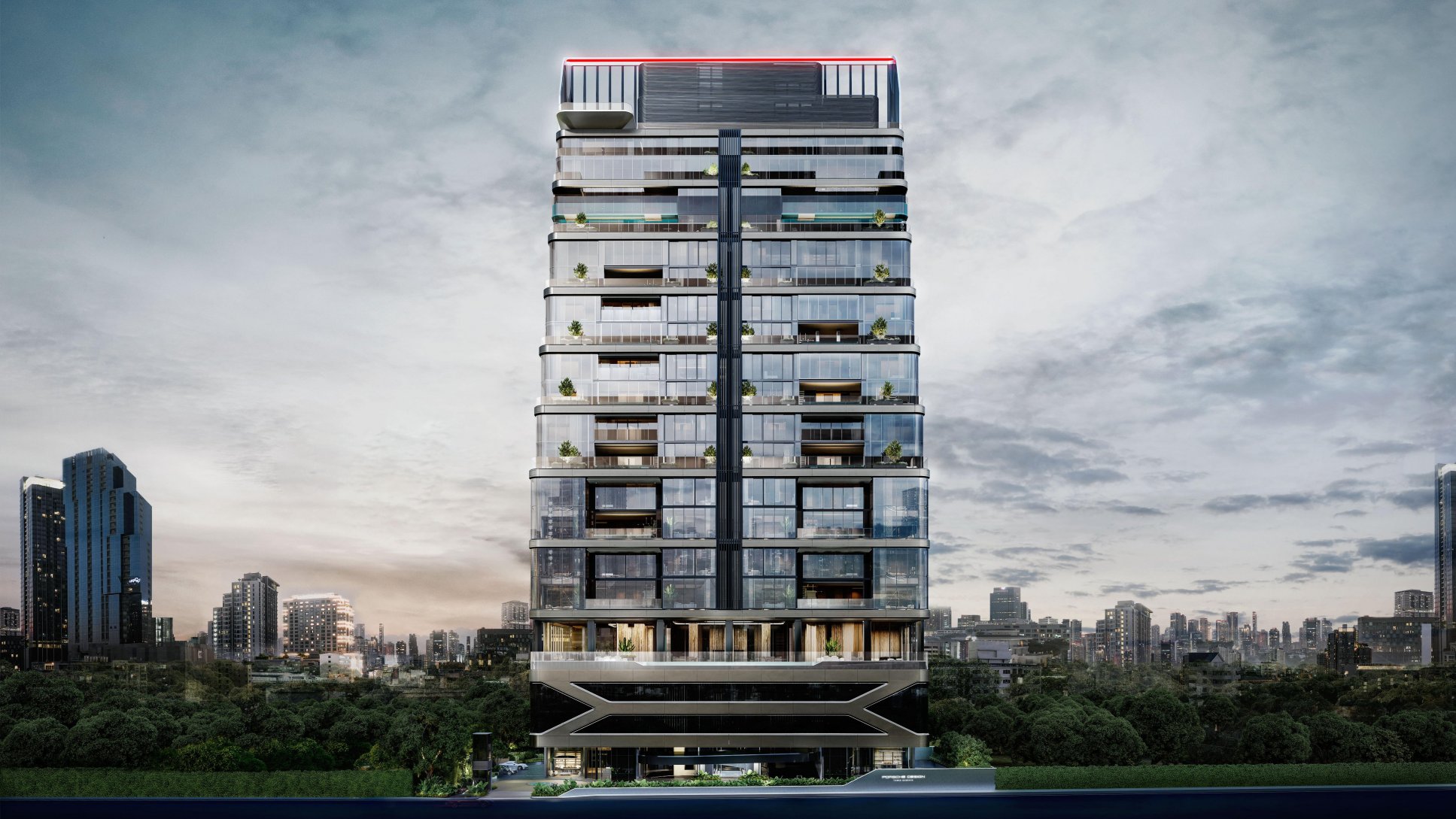
What to ask before paying the premium
- What services are included, optional or subject to separate charges?
- How does the common-fee level compare with nearby luxury buildings?
- Is there evidence that tenants pay more for this brand in this location?
- Does the unit layout suit the target tenant or future resale buyer?
- How much of the premium is location, design, scarcity, brand, view or furniture?
- What happens to owner privileges if the hotel or brand relationship changes?
- Is foreign quota available and will it remain available at transfer?
Investor takeaway
Bangkok branded residences can be compelling assets for foreign buyers who value clarity, service and global positioning. The strongest cases combine a proven address, durable building management, practical layouts and a brand that genuinely improves daily life. The weakest cases rely on prestige without enough rent or resale support.
IBP can help buyers compare branded Bangkok residences against non-branded luxury alternatives by price, lease evidence and exit logic. Read our investment analysis articles or contact IBP Real Estate for a buyer-focused shortlist.