
Vietnam Airlines MOU And Bangkok Property Confidence
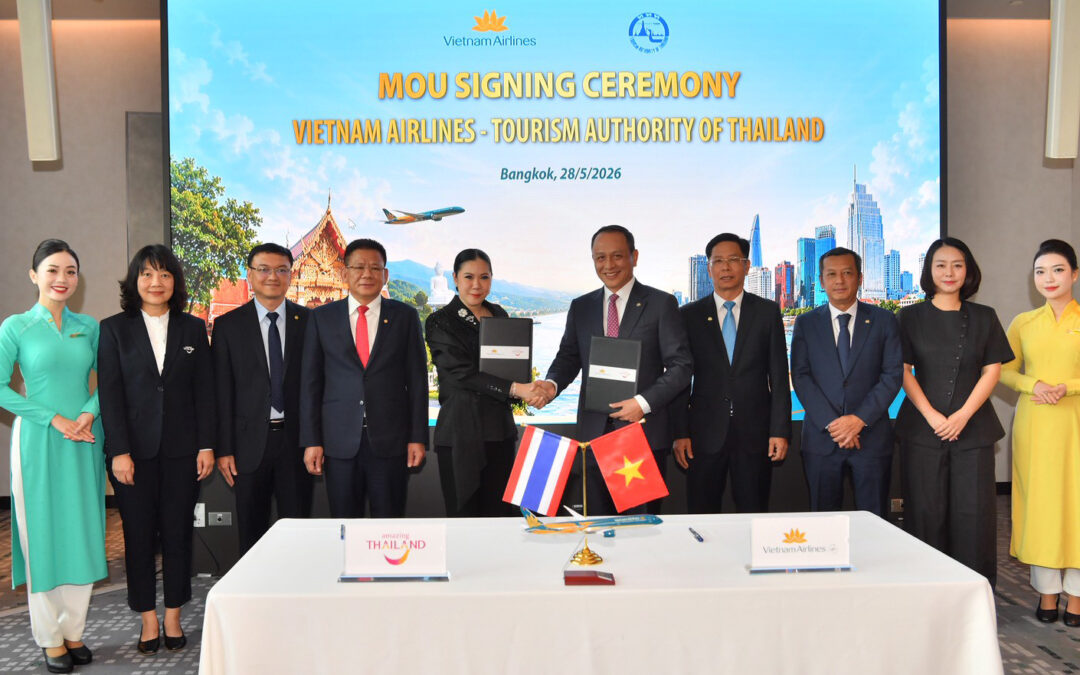
Thailand’s latest tourism cooperation with Vietnam Airlines is a useful confidence signal for foreign buyers watching Bangkok’s regional role. On 28 May 2026, the Tourism Authority of Thailand reported that it signed a memorandum of understanding with Vietnam Airlines during the official visit to Thailand of Viet Nam’s senior leadership from 27 to 29 May, as the two countries mark 50 years of diplomatic relations.
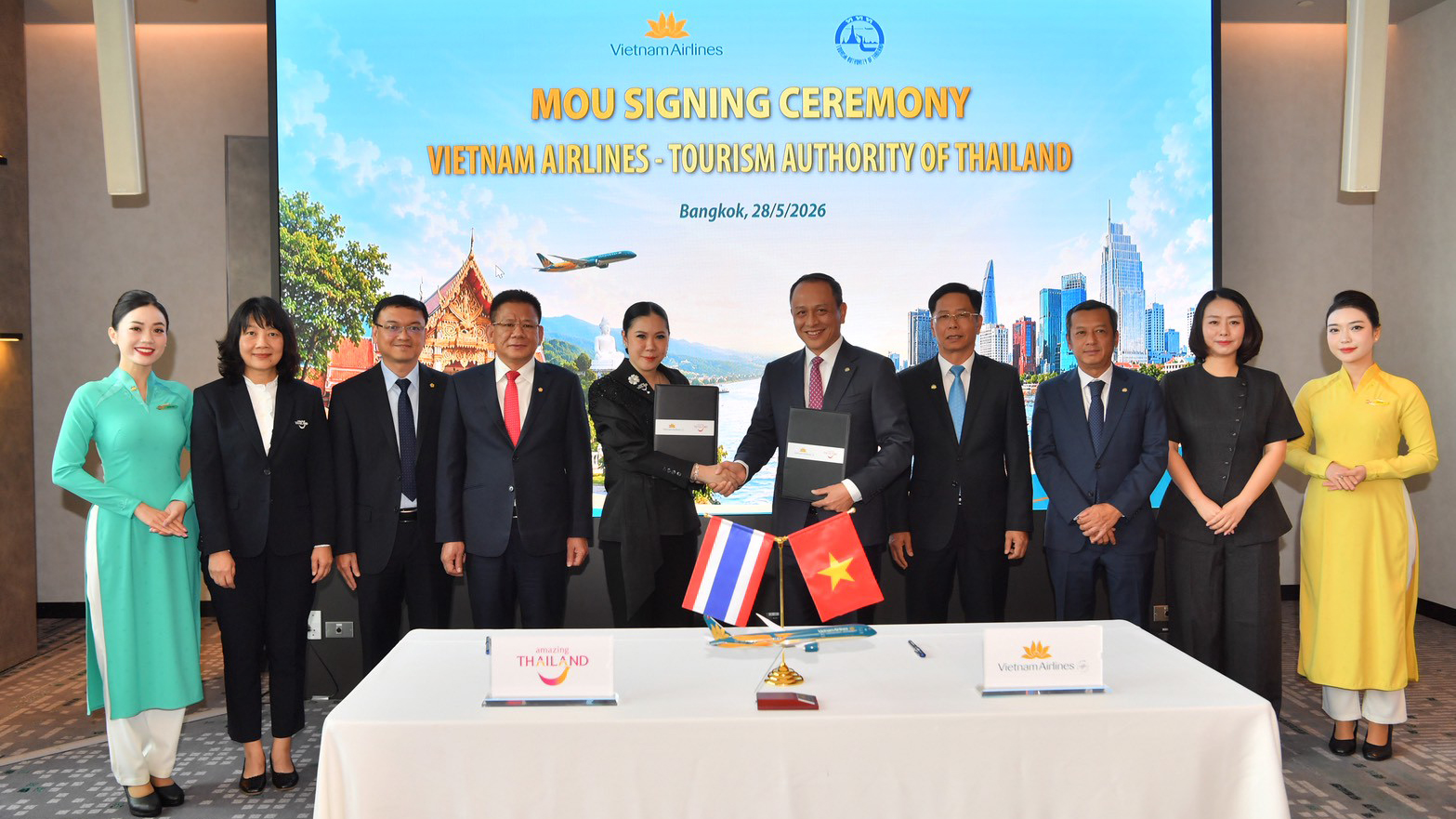
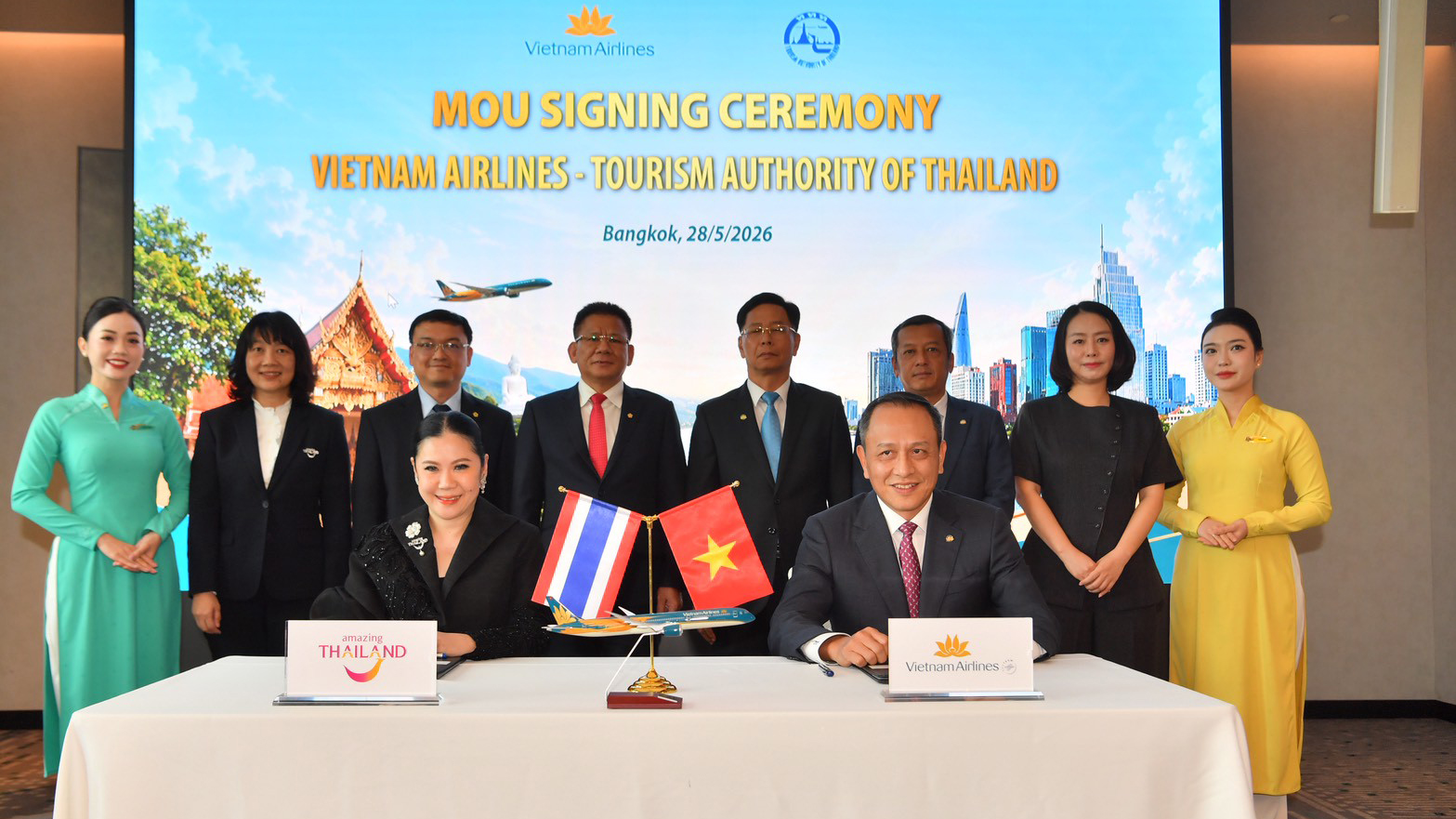
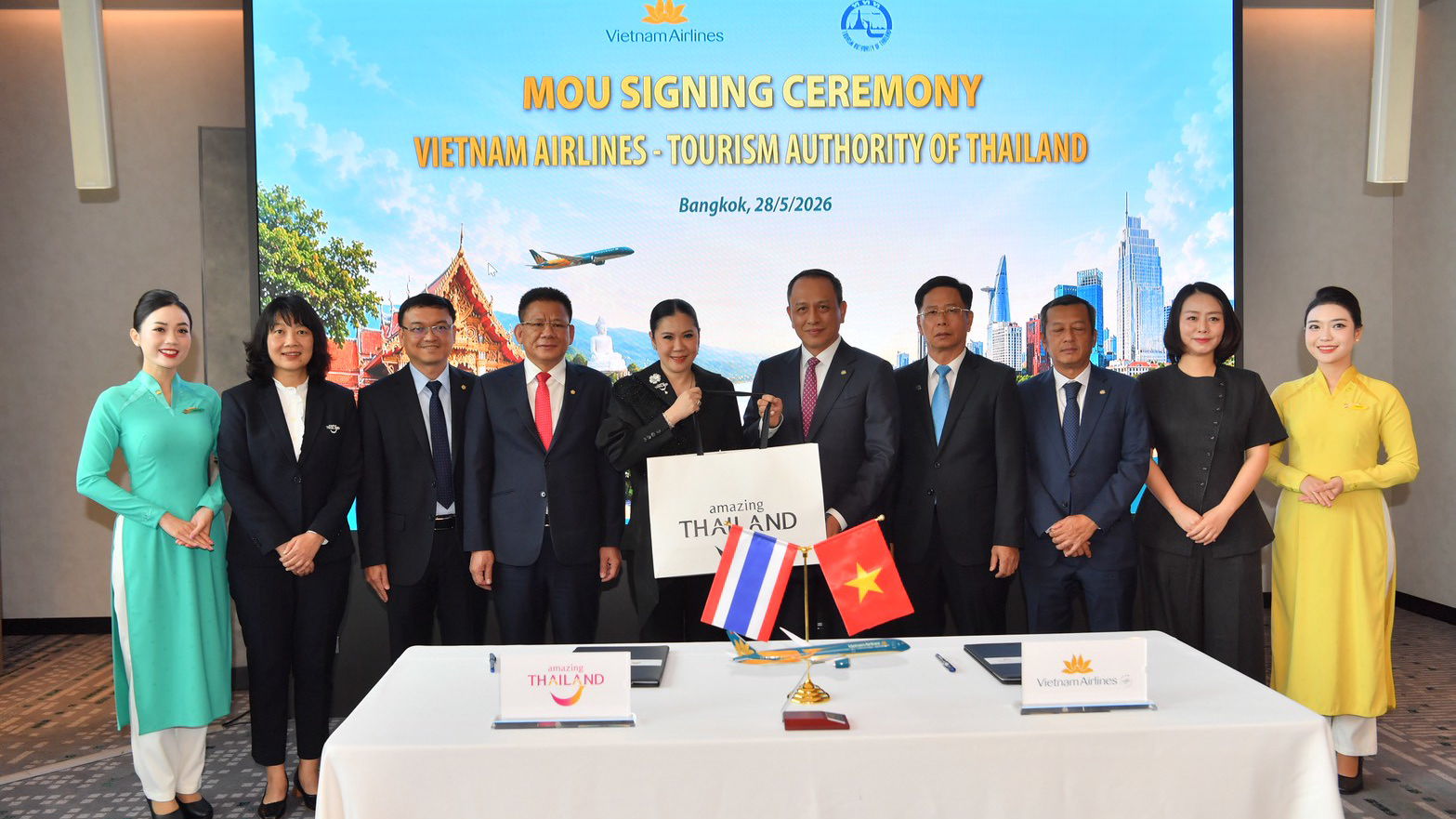
The MOU was signed in Bangkok by TAT Governor Thapanee Kiatphaibool and Vietnam Airlines President and Chief Executive Officer Le Hong Ha. TAT also reported that Vietnam Airlines signed separate MOUs with Airports of Thailand and the Thai Travel Agents Association. For property buyers, the importance is not only tourism volume. It is the direction of travel: Thailand is deepening ASEAN air access, business promotion and regional visitor pipelines around Bangkok as a gateway city.
A single airline agreement should not be treated as a property-price forecast. But connectivity matters. Foreign owners need cities that remain easy to reach, inspect, lease, manage and resell. Bangkok benefits when air, tourism, business and government links make Thailand more visible to regional travellers and investors.
What the MOU covers
According to TAT, the cooperation will coordinate route development and additional flight frequencies. Priority routes include Hanoi and Ho Chi Minh City to Bangkok, Da Nang to Bangkok, Ho Chi Minh City to Phuket and Hanoi to Chiang Mai. TAT also said Vietnam Airlines announced a new Ho Chi Minh City to Phuket service scheduled to begin on 2 July 2026 with four weekly flights.
The working framework also includes joint marketing, international tourism fairs, buyer engagement, promotional content, tourism workshops, familiarisation trips, media and influencer activities, official visits and market information exchange. A joint working group is expected to guide implementation. This is a practical commercial structure rather than only a ceremonial announcement.
Why ASEAN access helps Bangkok
Bangkok’s property appeal is partly local and partly regional. Locally, buyers look for transport, schools, healthcare, retail, culture and building quality. Regionally, they ask whether Bangkok works as a base for business travel, family visits, medical trips, leisure and corporate meetings. Stronger Thailand-Viet Nam travel links support that second layer.
Viet Nam is one of ASEAN’s most dynamic economies, with a rising middle class, active business travel and deepening corporate links across the region. When Thailand builds more convenient access and tourism cooperation with Viet Nam, Bangkok can gain as the main commercial and service hub. Hotels, serviced apartments, premium retail, medical providers, restaurants and transport nodes all form part of the same urban economy that supports prime residential demand.
Where buyers should look for the property link
The clearest property link is in districts that serve mobile regional residents and visitors: Sukhumvit, Asoke, Phrom Phong, Thonglor, Ploenchit, Chit Lom, Silom, Sathorn and selected riverside locations. These areas combine business access, BTS or MRT links, hotels, hospitals, schools, shopping and international dining. They are easier for a regional buyer or tenant to understand quickly.
Airport access also matters. A buyer planning frequent travel should test real journey times to Suvarnabhumi and Don Mueang at different hours, not only map distance. A premium condominium that is difficult to reach during peak travel times may feel less useful for a regional owner, even if the building itself is strong.
How not to overread the signal
Connectivity is a confidence layer, not a substitute for due diligence. A foreign buyer should still check foreign quota, title, building management, common fees, rent evidence, resale liquidity and unit layout. Air access can support demand, but it will not fix an overpriced unit or a weak building.
Buyers should also distinguish between tourism demand and long-term tenant demand. A route or campaign may increase visitor familiarity with Thailand, but rental performance depends on expatriate employment, corporate budgets, school access, healthcare needs and neighbourhood convenience. The strongest investment case is where macro confidence and unit-level evidence point in the same direction.
Investor takeaway
The TAT-Vietnam Airlines MOU reinforces Bangkok’s position as a connected ASEAN gateway. It adds to the broader case for Bangkok as a property market tied to regional travel, business, healthcare and lifestyle demand. For foreign buyers, the practical response is to use connectivity as one filter, then buy only where the district and building fundamentals are clear.
IBP can help overseas buyers interpret Thailand economy and connectivity signals alongside Bangkok condo due diligence. Read our Thailand economy and investment updates or contact IBP Real Estate for a buyer consultation.