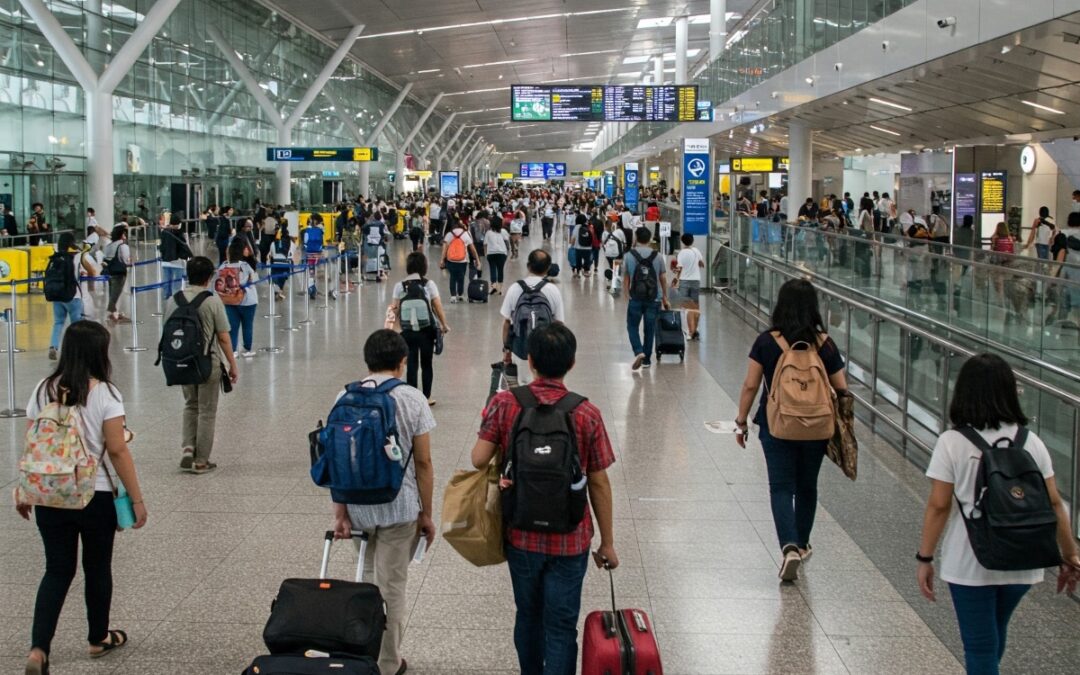
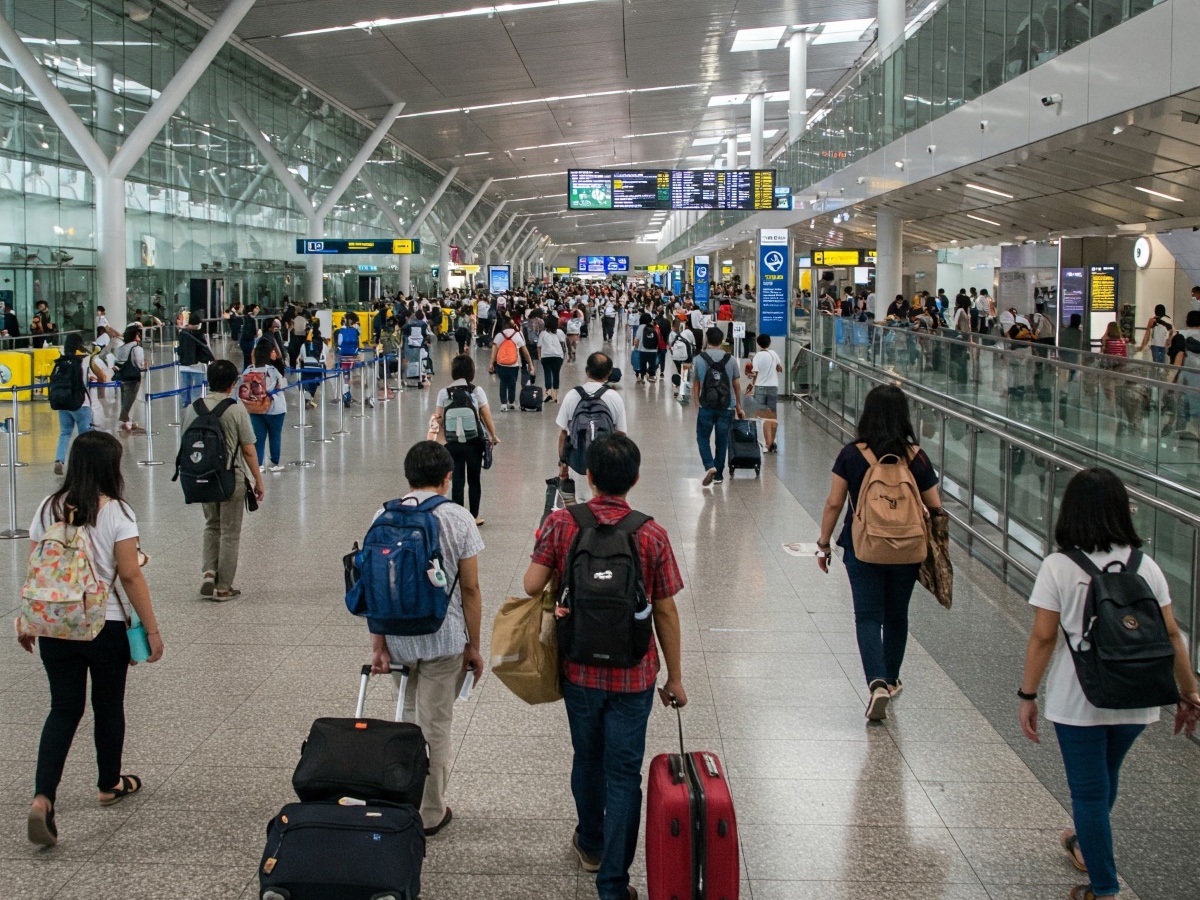
Bangkok’s hotel market is a useful lens for foreign condo investors in 2026, not because hotel rooms and condominiums are the same product, but because they respond to overlapping demand. International arrivals, conferences, medical travel, executive visits and long-stay leisure all influence the way visitors experience the city. Some of those visitors become tenants, second-home buyers or repeat Bangkok users.
Travel demand is one part of Bangkok’s rental story, but investors still need building-level evidence.
CBRE’s 2026 Thailand Real Estate Market Outlook expects Bangkok to receive more than 4,300 new hotel keys in 2026, mainly in upscale and luxury segments. The same outlook projects hotel occupancy to rise by up to two percentage points and RevPAR by 3% to 4%, even as new supply raises competition. For condo buyers, the message is nuanced: demand is real, but it is also becoming more selective.
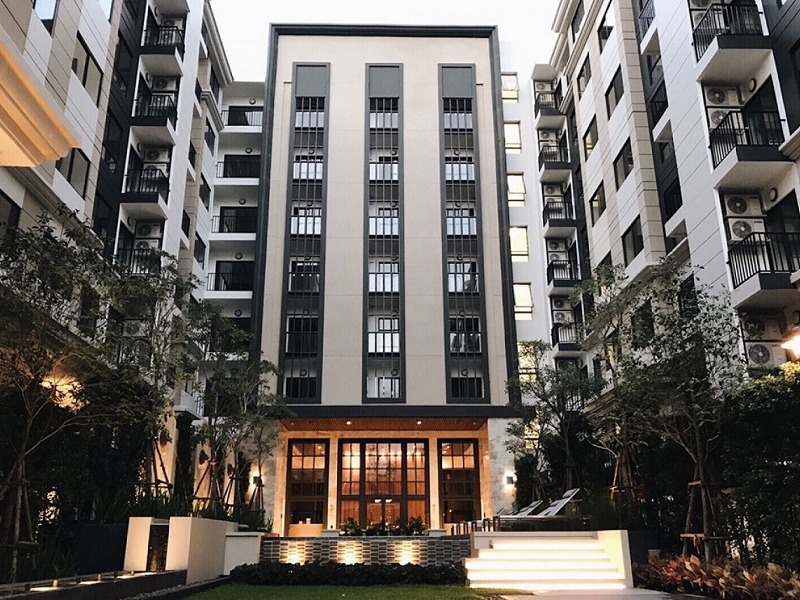
That selectivity matters. A strong tourism headline does not automatically support every rental unit. A studio in a weak building, an inconvenient soi or an oversupplied micro-location can still sit vacant. A well-managed one- or two-bedroom unit near business districts, hospitals, lifestyle retail or rail connections can benefit from a deeper pool of tenants who want a residential base rather than a hotel stay.
Why hotel supply matters to condo investors
Hotels are a visible expression of confidence in visitor demand. Developers and operators commit capital only when they believe Bangkok can attract guests at rates that make the project work. New upscale hotels can also improve a neighbourhood by adding restaurants, meeting rooms, wellness facilities and stronger street activity. Those additions may make nearby condos easier to understand for tenants and future buyers.
However, hotel growth also raises the service benchmark. Foreign condo landlords cannot assume that a furnished unit will compete well simply because hotels are busy. Tenants who arrive through business, medical or lifestyle channels often expect fast internet, clean management, practical kitchens, reliable air-conditioning, responsive juristic staff and easy access to food, transport and healthcare.
The demand pools to separate
Short business stays
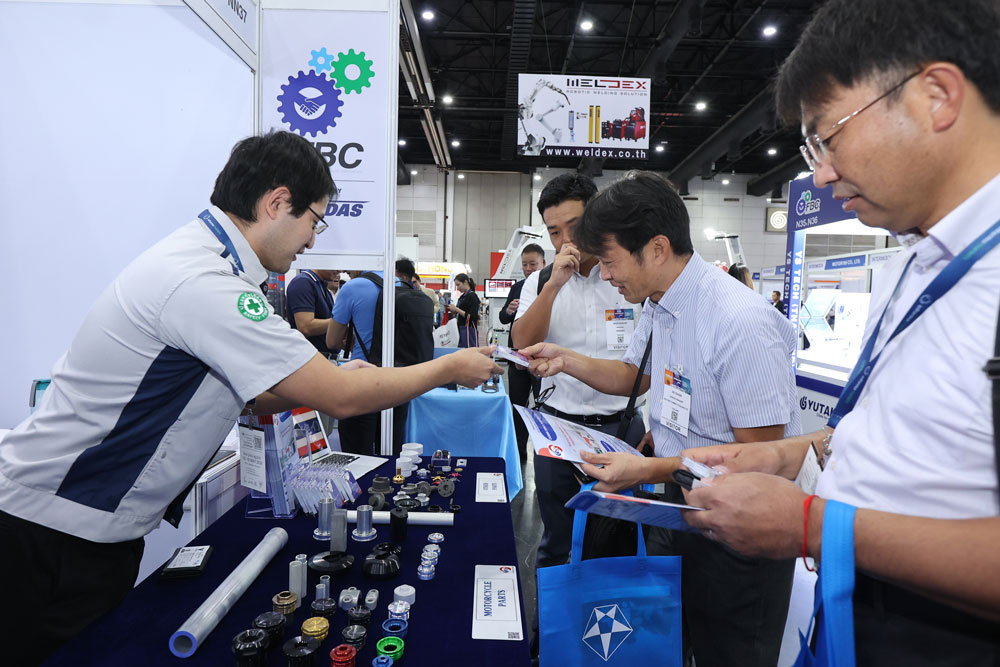
A visitor attending meetings, trade events or regional management sessions may use a hotel for the first trip, then prefer a serviced apartment or condominium for longer assignments. Districts near Sukhumvit, Rama IV, Wireless Road, Sathorn, Phloen Chit, Asoke, Queen Sirikit National Convention Centre and major offices can benefit when the unit matches working routines.
Medical and wellness visitors
Bangkok’s private healthcare and wellness ecosystem brings repeat visitors who may need more space, privacy and routine than a hotel room provides. For this group, proximity to hospitals, pharmacies, supermarkets, taxis, food delivery and quiet building management can matter more than a fashionable address.
Lifestyle and second-home users
Some foreign buyers want a Bangkok base for part of the year. They may rent the unit when absent or hold it for personal use. Their decision is influenced by the same city strengths that support hotels: dining, retail, parks, healthcare, culture, airport connectivity and regional access.
Corporate travel, MICE activity and executive relocation can support rental depth in the right districts.
What this means for district selection
Hospitality-led demand usually concentrates around places that are easy for non-residents to use. Phrom Phong, Thong Lo, Asoke, Phloen Chit, Chit Lom, Sathorn, Silom, Rama IV and riverside pockets have different rental logic, but they all offer recognisable anchors. Buyers should map these anchors before comparing prices.
A district with a famous mall or hotel is not enough. The walking route, station access, pavement condition, taxi flow, lift waiting time, noise, flood risk, juristic standards and surrounding tenant mix all affect real rental performance. The building has to serve a weekly routine, not only look strong in a brochure.
How to test a rental assumption
Compare achieved rents in the building, not only advertised rents in the district.
Check whether competing units are furnished to a similar standard.
Estimate vacancy and agent fees before calculating net yield.
Ask who the tenant is likely to be and why that tenant would choose this unit.
Review building rules for leases, pets, parking, renovations and short-stay restrictions.
The most common mistake is to use a hotel recovery story as a blanket rental forecast. Hotels can be busy while individual condo landlords struggle. The bridge between the two is specific: a tenant needs a reason to choose residential accommodation in that location, at that rent, with that service level.
The best rental units connect visitor demand to daily resident convenience, transport and management quality.
Where foreign buyers should be cautious
Hotel supply can also create competition for daily spending and labour. If a neighbourhood receives many new hotel rooms but limited resident infrastructure, it may feel busy without becoming better for long-stay tenants. Foreign buyers should avoid confusing visitor footfall with residential quality.
Another caution is management intensity. A rental condo is not passive if the owner lives overseas. Repairs, cleaning, tenant handover, deposit handling, tax records, insurance and juristic communication all require a local process. A prime unit can underperform when the landlord has no operating plan.
Buyer takeaway
Bangkok’s 2026 hotel pipeline supports a constructive view of the city’s visitor economy, but foreign condo investors should use it as a signal, not a promise. The more useful question is whether a chosen unit can convert Bangkok’s travel, corporate and lifestyle appeal into stable residential demand.
A strong Bangkok rental asset is usually easy to explain: good building, usable layout, sensible rent, clear tenant pool, clean ownership documents and a district that works in daily life. IBP can help foreign buyers compare rental evidence, ownership structure and district fit before purchase. Start with our rental market guides or contact IBP Real Estate for a buyer brief.
Furnishing a Bangkok condo is an investment decision, not only a design decision. The wrong fit-out can consume yield, delay listing, create repair problems and narrow the tenant pool. The right fit-out makes the unit easy to photograph, easy to live in and easy to maintain.
Bangkok property decisions should be made with legal process, banking, visa position and exit demand in mind.
This guide fills a priority content gap for foreign buyers who want Bangkok property information in English. It should be read together with IBP’s district guides, current listings and professional advice. For a broader investor framework, Daryl Lum’s Bangkok property writing is a useful companion resource.
Design For The Tenant Profile
A Thonglor executive tenant, Rama 9 office tenant, student near Samyan and retiree near a hospital do not need identical furnishing. Start with the likely tenant, then choose furniture, storage and appliances around daily use.
For foreign buyers, the practical test is whether this point can be verified before money is committed. Ask for documents, written confirmations and comparable evidence. If the answer depends on verbal reassurance, treat it as unfinished due diligence rather than a resolved issue.
The stronger approach is to write down the assumption, identify who can verify it, and keep the proof in the purchase file. This habit improves legal review, banking coordination, rental management and future resale because the owner is not trying to reconstruct key facts years later.
Do Not Over-Renovate
A rental unit should look current and durable, but expensive custom work rarely returns every baht. Spend on mattress quality, blackout curtains, work desk, lighting, washer, storage and reliable appliances before decorative extras.
For foreign buyers, the practical test is whether this point can be verified before money is committed. Ask for documents, written confirmations and comparable evidence. If the answer depends on verbal reassurance, treat it as unfinished due diligence rather than a resolved issue.
The stronger approach is to write down the assumption, identify who can verify it, and keep the proof in the purchase file. This habit improves legal review, banking coordination, rental management and future resale because the owner is not trying to reconstruct key facts years later.
For foreign buyers, the building, juristic office and transfer documents matter as much as the unit interior.
Maintenance Access
Avoid designs that make air-conditioning servicing, pipe access or appliance replacement difficult. A beautiful built-in that must be dismantled for repairs is poor rental engineering.
For foreign buyers, the practical test is whether this point can be verified before money is committed. Ask for documents, written confirmations and comparable evidence. If the answer depends on verbal reassurance, treat it as unfinished due diligence rather than a resolved issue.
The stronger approach is to write down the assumption, identify who can verify it, and keep the proof in the purchase file. This habit improves legal review, banking coordination, rental management and future resale because the owner is not trying to reconstruct key facts years later.
Inventory And Handover
Create a photo inventory with brand, model and condition. Attach it to the lease. This reduces disputes and helps the manager handle replacement decisions while the owner is overseas.
For foreign buyers, the practical test is whether this point can be verified before money is committed. Ask for documents, written confirmations and comparable evidence. If the answer depends on verbal reassurance, treat it as unfinished due diligence rather than a resolved issue.
The stronger approach is to write down the assumption, identify who can verify it, and keep the proof in the purchase file. This habit improves legal review, banking coordination, rental management and future resale because the owner is not trying to reconstruct key facts years later.
Resale Neutrality
Keep finishes neutral enough for resale. A highly personal design may photograph well on social media but reduce the buyer pool later.
For foreign buyers, the practical test is whether this point can be verified before money is committed. Ask for documents, written confirmations and comparable evidence. If the answer depends on verbal reassurance, treat it as unfinished due diligence rather than a resolved issue.
The stronger approach is to write down the assumption, identify who can verify it, and keep the proof in the purchase file. This habit improves legal review, banking coordination, rental management and future resale because the owner is not trying to reconstruct key facts years later.
Quick Checklist
Spend priority
Reason
Mattress
Tenant satisfaction
Curtains
Heat and sleep quality
Washer
Daily convenience
Desk
Remote-work demand
Storage
Small-unit livability
The strongest Bangkok purchases are usually easy to explain, easy to rent and easy to manage from overseas.
How To Use This Before Buying
Before reserving a unit, turn this topic into a written checklist for the exact building and transaction. Bangkok is a building-by-building market. Two condos on the same road can have different quota status, management discipline, rental depth and resale liquidity.
Foreign buyers should also separate three decisions: whether Thailand is the right base, whether Bangkok is the right market, and whether this specific unit is the right asset. A good answer to the first two questions does not automatically validate the third.
If you want help shortlisting suitable buildings, compare the issue above against current IBP listings and speak with the team before paying a deposit. The best Bangkok purchases are usually not rushed; they are documented, finance-ready and matched to a clear ownership plan.
A Bangkok condominium can be owned from overseas, but it should not be managed casually from overseas. The owner needs a reliable operating system because distance magnifies small problems: unpaid common fees, slow repairs, weak tenant screening and missing documents.
Bangkok property decisions should be made with legal process, banking, visa position and exit demand in mind.
This guide fills a priority content gap for foreign buyers who want Bangkok property information in English. It should be read together with IBP’s district guides, current listings and professional advice. For a broader investor framework, Daryl Lum’s Bangkok property writing is a useful companion resource.
Start At Handover
Management starts before the first tenant. Photograph the unit, record meter readings, list appliances, collect warranties, check keys and access cards, and create a digital ownership folder. This baseline prevents disputes later.
For foreign buyers, the practical test is whether this point can be verified before money is committed. Ask for documents, written confirmations and comparable evidence. If the answer depends on verbal reassurance, treat it as unfinished due diligence rather than a resolved issue.
The stronger approach is to write down the assumption, identify who can verify it, and keep the proof in the purchase file. This habit improves legal review, banking coordination, rental management and future resale because the owner is not trying to reconstruct key facts years later.
Use A Local Point Of Contact
A responsive property manager or trusted agent is essential if the owner is abroad. The person should coordinate juristic office matters, repairs, tenant visits, move-in inspections and emergency access. Cheap management becomes expensive if nobody answers during a leak.
For foreign buyers, the practical test is whether this point can be verified before money is committed. Ask for documents, written confirmations and comparable evidence. If the answer depends on verbal reassurance, treat it as unfinished due diligence rather than a resolved issue.
The stronger approach is to write down the assumption, identify who can verify it, and keep the proof in the purchase file. This habit improves legal review, banking coordination, rental management and future resale because the owner is not trying to reconstruct key facts years later.
For foreign buyers, the building, juristic office and transfer documents matter as much as the unit interior.
Tenant Screening
Ask who the tenant is, how rent will be paid, whether the employer is involved and how many occupants will stay. Bangkok rental demand varies by district and building, so the owner should set realistic rent based on comparable closed deals, not only online asking prices.
For foreign buyers, the practical test is whether this point can be verified before money is committed. Ask for documents, written confirmations and comparable evidence. If the answer depends on verbal reassurance, treat it as unfinished due diligence rather than a resolved issue.
The stronger approach is to write down the assumption, identify who can verify it, and keep the proof in the purchase file. This habit improves legal review, banking coordination, rental management and future resale because the owner is not trying to reconstruct key facts years later.
Repair Authority
Set a repair approval threshold. For example, minor repairs below a fixed amount can be approved by the manager, while larger works require owner consent. This avoids both delay and uncontrolled spending.
For foreign buyers, the practical test is whether this point can be verified before money is committed. Ask for documents, written confirmations and comparable evidence. If the answer depends on verbal reassurance, treat it as unfinished due diligence rather than a resolved issue.
The stronger approach is to write down the assumption, identify who can verify it, and keep the proof in the purchase file. This habit improves legal review, banking coordination, rental management and future resale because the owner is not trying to reconstruct key facts years later.
Resale Readiness
Keep the unit presentable, maintain records and avoid informal arrangements that will scare future buyers. A well-managed rental unit is easier to sell because the buyer can see income, expenses and building condition clearly.
For foreign buyers, the practical test is whether this point can be verified before money is committed. Ask for documents, written confirmations and comparable evidence. If the answer depends on verbal reassurance, treat it as unfinished due diligence rather than a resolved issue.
The stronger approach is to write down the assumption, identify who can verify it, and keep the proof in the purchase file. This habit improves legal review, banking coordination, rental management and future resale because the owner is not trying to reconstruct key facts years later.
Quick Checklist
System
Owner benefit
Digital folder
Faster resale and tax review
Repair threshold
Less delay
Move-in report
Fewer disputes
Monthly statement
Cleaner net-yield tracking
The strongest Bangkok purchases are usually easy to explain, easy to rent and easy to manage from overseas.
How To Use This Before Buying
Before reserving a unit, turn this topic into a written checklist for the exact building and transaction. Bangkok is a building-by-building market. Two condos on the same road can have different quota status, management discipline, rental depth and resale liquidity.
Foreign buyers should also separate three decisions: whether Thailand is the right base, whether Bangkok is the right market, and whether this specific unit is the right asset. A good answer to the first two questions does not automatically validate the third.
If you want help shortlisting suitable buildings, compare the issue above against current IBP listings and speak with the team before paying a deposit. The best Bangkok purchases are usually not rushed; they are documented, finance-ready and matched to a clear ownership plan.
Many foreign buyers model Bangkok property returns using gross rent, but tax and documentation decide the real investment outcome. A proper rental-income system protects the owner, supports future resale due diligence and makes property management easier.
Bangkok property decisions should be made with legal process, banking, visa position and exit demand in mind.
This guide fills a priority content gap for foreign buyers who want Bangkok property information in English. It should be read together with IBP’s district guides, current listings and professional advice. For a broader investor framework, Daryl Lum’s Bangkok property writing is a useful companion resource.
Thai-Source Income
The Revenue Department explains that non-residents are subject to tax on income from sources in Thailand. Rental income from a Bangkok condominium is therefore not something owners should ignore simply because they live abroad.
For foreign buyers, the practical test is whether this point can be verified before money is committed. Ask for documents, written confirmations and comparable evidence. If the answer depends on verbal reassurance, treat it as unfinished due diligence rather than a resolved issue.
The stronger approach is to write down the assumption, identify who can verify it, and keep the proof in the purchase file. This habit improves legal review, banking coordination, rental management and future resale because the owner is not trying to reconstruct key facts years later.
Resident Versus Non-Resident
Tax residence can depend on days spent in Thailand during a calendar year. A buyer who uses the condo frequently, holds a long-stay visa or works remotely from Thailand should take advice on whether their broader tax position changes, not only the condo rent.
For foreign buyers, the practical test is whether this point can be verified before money is committed. Ask for documents, written confirmations and comparable evidence. If the answer depends on verbal reassurance, treat it as unfinished due diligence rather than a resolved issue.
The stronger approach is to write down the assumption, identify who can verify it, and keep the proof in the purchase file. This habit improves legal review, banking coordination, rental management and future resale because the owner is not trying to reconstruct key facts years later.
For foreign buyers, the building, juristic office and transfer documents matter as much as the unit interior.
Records To Keep
Keep lease agreements, tenant passports or company documents, rent receipts, repair invoices, management-fee invoices, common-area statements, insurance documents and tax filings. A future buyer may ask for rental proof, and clean records make the asset easier to underwrite.
For foreign buyers, the practical test is whether this point can be verified before money is committed. Ask for documents, written confirmations and comparable evidence. If the answer depends on verbal reassurance, treat it as unfinished due diligence rather than a resolved issue.
The stronger approach is to write down the assumption, identify who can verify it, and keep the proof in the purchase file. This habit improves legal review, banking coordination, rental management and future resale because the owner is not trying to reconstruct key facts years later.
Net Yield Discipline
The correct performance metric is not advertised gross yield. It is rent after vacancy, agent fee, management, repairs, common fees, insurance, tax and currency conversion. A conservative net-yield model prevents overpaying for a unit that looks attractive only on brochure numbers.
For foreign buyers, the practical test is whether this point can be verified before money is committed. Ask for documents, written confirmations and comparable evidence. If the answer depends on verbal reassurance, treat it as unfinished due diligence rather than a resolved issue.
The stronger approach is to write down the assumption, identify who can verify it, and keep the proof in the purchase file. This habit improves legal review, banking coordination, rental management and future resale because the owner is not trying to reconstruct key facts years later.
Management Reporting
If an agency manages the unit, ask for monthly or quarterly owner statements and year-end summaries. The manager should separate rent, deposits, repairs and owner reimbursements so the tax file is not reconstructed from chat messages.
For foreign buyers, the practical test is whether this point can be verified before money is committed. Ask for documents, written confirmations and comparable evidence. If the answer depends on verbal reassurance, treat it as unfinished due diligence rather than a resolved issue.
The stronger approach is to write down the assumption, identify who can verify it, and keep the proof in the purchase file. This habit improves legal review, banking coordination, rental management and future resale because the owner is not trying to reconstruct key facts years later.
Quick Checklist
Record
Reason
Lease
Proves rental terms
Invoices
Supports expense tracking
Bank statements
Shows actual receipts
Owner statement
Simplifies annual review
The strongest Bangkok purchases are usually easy to explain, easy to rent and easy to manage from overseas.
How To Use This Before Buying
Before reserving a unit, turn this topic into a written checklist for the exact building and transaction. Bangkok is a building-by-building market. Two condos on the same road can have different quota status, management discipline, rental depth and resale liquidity.
Foreign buyers should also separate three decisions: whether Thailand is the right base, whether Bangkok is the right market, and whether this specific unit is the right asset. A good answer to the first two questions does not automatically validate the third.
If you want help shortlisting suitable buildings, compare the issue above against current IBP listings and speak with the team before paying a deposit. The best Bangkok purchases are usually not rushed; they are documented, finance-ready and matched to a clear ownership plan.
The Ministry of Tourism and Sports has committed to registering unlicensed hotels within one year through a new regulatory draft, aiming to safeguard Thailand’s long-haul tourism market as the EU’s Carbon Border Adjustment Mechanism (CBAM) comes into effect in two years, enforcing strict environmental standards.
The ministry also seeks to bring a prominent global trade show, like the World Travel Market (WTM) Asia, to Thailand.
Tourism and Sports Minister Sorawong Thienthong noted that many small operators, especially unlicensed accommodations in smaller towns, lack awareness of sustainable practices.
Expected to curb emissions, the EU’s CBAM regulation—phasing in fully by 2026—places a carbon price on imported goods based on their production emissions. For Thailand, this regulation will impact EU tourists visiting the country, as service providers who don’t meet CBAM standards may incur higher tariffs, reducing Thailand’s competitive edge in tourism.
Minister Sorawong aims to expedite new regulations that can formalize unregistered operators, establishing a committee comprising MPs and private-sector representatives to discuss the draft before presenting it to parliament. The process is expected to conclude within a year.
“I am confident that all operators will want to register, as this will qualify them for government support in case of unforeseen events,” he said, adding that many tourists prefer registered accommodations.
Mr. Sorawong, alongside Tourism Authority of Thailand (TAT) executives and 42 Thai tourism businesses, attended WTM London 2024 from Nov 5-7, where they explored negotiations to host WTM Asia in Thailand in the future.
“Thailand is a leading global tourism destination but has yet to host a tourism trade fair of this scale,” Mr. Sorawong added.
According to Siripakorn Cheawsamoot, TAT Deputy Governor for Europe, Africa, the Middle East, and the Americas, the process could take two years to bring the event to Thailand. With the TAT’s pavilion at WTM London receiving an award for Best Stand Feature, showcasing local products and soft power, Thailand has a strong foundation for further discussions.
The TAT also plans to participate in ITB Berlin 2025, focusing on promoting Thailand’s secondary provinces. Local government officials will be invited to contribute content for this international stage.
The ministry’s 2025 tourism target is 40 million international arrivals, generating 2.4 trillion baht.
Hotel operators are expressing concerns over proposed changes to foreign ownership rules in real estate, fearing it could result in a rise in illegal hotels in Thailand.
The government’s proposal includes extending the leasehold period for foreigners to 99 years and increasing the foreign ownership quota in condominiums from 49% to 75%.
These measures could negatively impact the competitiveness of Thai hotels by encouraging foreign buyers to exploit the tourism industry, according to Udom Srimahachota, vice-president of the Thai Hotels Association (THA).
Mr. Udom warned that with increased ownership, more foreign buyers might convert condo units into short-term rentals for tourists. Past incidents have shown agents from countries like China purchasing entire floors in condominiums and renting them exclusively to tourists from their home country in key tourism areas.
He highlighted that licensed Thai hotels face higher costs, including land and corporate taxes, while illegal accommodations operate without the same financial burden. Currently, there are around 16,000 licensed hotels in Thailand and approximately 15,000 unregistered ones.
In one instance, Russian agents bought out a condo project in Hua Hin, using the units solely for renting to Russian tourists, directly competing with licensed hotels, Mr. Udom added. He also raised concerns that with increasing flights from China to cities like Hua Hin, Chinese buyers may be drawn to invest in properties and illegally rent them to tourists.
He further questioned the proposal to lengthen leasehold terms for foreign land buyers, pointing out the existing trend of Chinese nominees developing housing, condo projects, and hotels. These investors often import both labor and construction materials from China, limiting the benefits to the local economy.
The THA has voiced these concerns to the Interior Ministry, calling on the government to focus on enhancing the competitiveness of Thai hotels. Mr. Udom also urged the administration to ease financial restrictions, allowing small and medium-sized hotel operators better access to loans for renovations. He emphasized the importance of regulating non-hotel properties rented out to tourists, ensuring they are properly registered within the system.
Despite increased competition from rental units in condominiums, the prospects for the single-ownership apartment market in the prime areas of Bangkok are still positive, according to property consultant CBRE.
Most expatriates working in Bangkok rent rather than buy a property. The expatriate rental market is competitive because the number of expats working in Bangkok is not growing, except for the Chinese. However, most Chinese expats have much lower housing budgets than Japanese, American and European expatriate tenants who have been the traditional source of demand for central Bangkok residential rental property.
Based on over 3,000 residential rental transactions over the last 10 years completed by CBRE, rental budgets have not grown. The median monthly rent is around 90,000 baht for a three-bedroom unit and 80,000 baht for a two-bedroom unit.
It is worth noting that CBRE focuses on the upper end of the market, so these numbers are higher than the average achieved rents for the whole of the expat rental market.
Most expats only want to live in a limited number of locations, with the preferred locations between Asok and Thong Lor on Sukhumvit Road, Lumpini and parts of Sathon. They tend to rent in an apartment where one entity owns the whole building, or from an individual buy-to-rent investor in a multi-ownership condominium building.
Based on the latest survey by CBRE Research, “expatriate standard” single-ownership apartment buildings in downtown Bangkok contain a total of only 10,000 units. By comparison, there were 80,000 condominium units in the same preferred expatriate rental locations. CBRE estimates 35-40% of these units are owned by buy-to-rent investors. There is limited new apartment supply, but continued growth in condominium supply.
Many tenants, particularly Japanese expats, prefer to rent in apartment buildings where they have a single point of contact with the owners’ representative for all management and maintenance issues.
In a condominium, the building’s property manager is responsible only for the management of the common areas and not for maintenance inside the units.
“Although expat tenant numbers and their rental budgets are not growing, there are still profitable opportunities for apartment developers despite increased competition from rental units in condos,” said Theerathorn Prapunpong, head of advisory and transaction services (residential leasing) at CBRE Thailand.
The key to success for landlords, he says, is not just location but providing the optimum unit size by maximizing the utility of the space, and providing a high standard of finishing, furnishing, facilities, and appliances.
A good example of an expat-friendly building is the recently completed Jitimont Residence opposite J Avenue on Thong Lor Soi 16, for which CBRE is the sole leasing agent and property manager. The development shows how single-ownership rental apartments can still compete with condos with a range of units from 1-3 bedrooms, together with a design and specification that appeals to expat tenants.
Mr. Theerathorn does not foresee a big increase in expat tenants or their housing budgets this year but believes quality apartments will still achieve high rentals and occupancy.
Rental demand in the popular Bangkok neighborhood is always strong among expats, especially Japanese.
The condominium market in the mid-Sukhumvit area (from Sukhumvit Soi 21 to Ekamai Road) has shown continuous growth, with a surge in selling prices per square meter over the past five years, according to Nexus Property Marketing Co Ltd.
Average selling prices in this popular residential area of Bangkok have risen by 8.2% per year on average, followed by 7.2% in the Pathumwan-Ratchathewi area and 6% in the Sathon-Bang Rak area. Mid-Sukhumvit features a total of 191 projects with 43,418 units, 88% of which have been sold. Pathumwan-Ratchathewi has 135 projects with 38,912 units and Sathon-Bang Rak 86 projects with 20,385 units.
One of the most attractive locations in the mid-Sukhumvit area is Thong Lor, known for an abundance of famous restaurants, stylish cafes, and small community malls. Local charm makes it a prime area for those who want to live in the city centre and for those who see a good opportunity to invest in and rent condos to Thais or foreigners, especially Japanese.
The appeal of Thong Lor can be seen in average selling prices for high-end condominiums, which have reached 250,000 baht per sqm, said Nexus managing director Nalinrat Chareonsuphong.
In reviewing sales records for 50 condominiums with a total of 11,386 units in Thong Lor between 2003 and 2018, Nexus found the average final price per sqm was 12% higher than the average when the projects were first launched. However, the average resale price was up 32% of the average opening price during the last 15 years.
From an investment perspective, sales prices of condominiums in Thong Lor have advanced at a faster pace than rental rates. Consequently, the investment yield in new projects may not be as high as in existing projects.
A survey of the condominium rental market in Thong Lor shows the average annual yield is between 3% and 6% with properties falling into three groups: high yield at around 6%, average at 3.8% and low at 3%. The differences reflect various factors such as location, price, unit size, common spaces, surroundings, and extra services in each building. Nexus has identified three main factors for projects to achieve high yields of 5-6% as follows:
Location. This is the first factor everyone considers when they want to buy condominiums for investment. The project should offer ease of access, be near public transport, linked to main roads and surrounded by conveniently reachable stores and restaurants.
Services. Complete services have a strong impact on purchasing decisions. If projects can provide extra services such as shuttle transport or private taxis and coordination of housekeeping, car wash, and repair service agents, they are likely to attract more attention from tenants.
Maintenance. This helps sustain a good image for a condominium. If a project has been open for a long time and is still in good condition, tenants will be more confident and will stay longer. Investors will see a higher return than at a newly launched project where they would have to buy at a higher average price.
Although the average yield in Thong Lor is modest at around 3.8%, rental demand in Thong Lor has never fallen and is stronger than in some other areas of the capital with higher yields.
Thong Lor is the expat centre of Bangkok, and foreigners, especially Japanese, like to live there because there are many restaurants, stores, and amenities that suit the Japanese lifestyle. Therefore it’s not surprising that Thong Lor has become a prime rental market.
“Thong Lor is an attractive location for property investment because there is high demand from foreigners who are looking for a place to rent and it offers more possibilities of obtaining a consistent return,” said Mrs. Nalinrat.
“In the Thong Lor area, the sooner you invest, the better the yield you will get in the future, as the average selling price keeps going up every year, so the yield could go lower.”
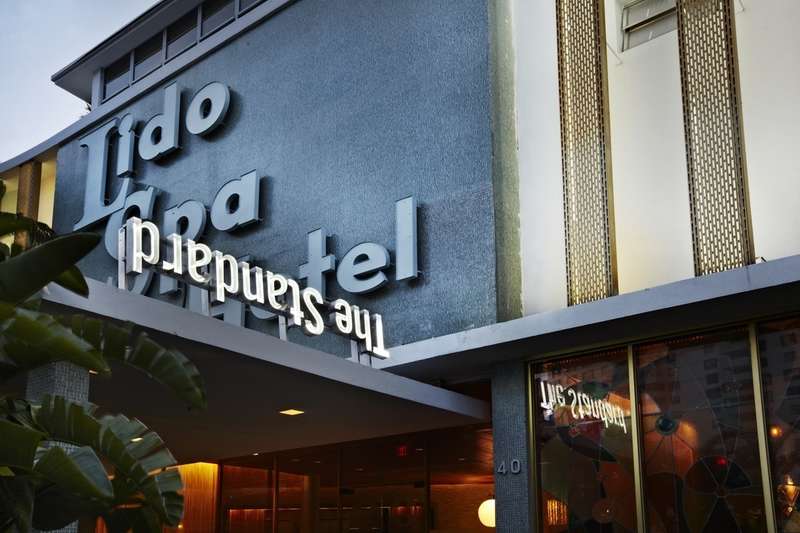
American hotel chain The Standard plans to expand to Phuket, Hua Hin and Bangkok’s Thong Lor, with 150 rooms each, developing residences for sale at the two beach destinations after SET-listed developer Sansiri Plc invested USD 58 million (1.9 billion baht) in the company last year.
Amar Lalvani, chief executive of parent firm Standard International, said the hotel in Phuket will be a renovation of an existing hotel with 50 rooms near Banana Beach, opening by 2020.
“Apart from the renovation, we plan to build 100 new rooms at the Phuket hotel and develop 50 units, including villas and condos for sale under The Standard Residence brand on remaining plots nearby owned by the existing hotel’s owner,” Mr. Lalvani said.
The second destination will be Hua Hin. Plans call for building 150 condo units for sale, to be operated as hotel rooms under The Standard Residence, opening in 2021.
Thong Lor will be the third location in Thailand with 150 rooms, all of which will be new and strictly for hotel operations, opening in 2021.
“Sansiri will seek investors to invest in each site,” Mr. Lalvani said. “The investment of USD 58 million with us last year can help us expand from the current five locations to 20 in the next five years.”
The Standard started with its first hotel in Hollywood in 1999 and expanded to downtown Los Angeles, Miami and two sites in New York with more than 900 rooms combined. Occupancy runs about 85%, 82%, 79%, 91% and 90%, respectively.
The first quarter of next year will see the opening of The Standard in King’s Cross, London with 262 rooms. This will be a renovation and the first location outside the US. The average daily rate is expected to be £305 (13,130 baht), with revenue per available room of £260.
Apichart Chutrakul, Sansiri’s chief executive, said The Standard was one of six companies in which it invested last year with total spending of USD 80 million. The investment of USD 58 million in the hotel company made Sansiri one of the major shareholders with a 35% stake.
Among the six firms, Sansiri invested in Singaporean co-working space operator JustCo, which got an investment of USD 177 million in May from Singapore-based Frasers Property, owned by the Sirivadhanabhakdi family, and Singaporean sovereign wealth fund GIC.
Both became major shareholders of JustCo with a 50% combined stake, while Sansiri, which injected USD 12 million last year, holds a 6.09% stake.
SIRI shares closed yesterday on the Stock Exchange of Thailand at 1.52 baht, down one satang, in trade worth 84 million baht.
Office rents across Bangkok continue to hit record highs as landlords take advantage of an increasingly tight supply situation that has seen vacancy rates stabilize in the single digits, sustained levels not seen been since the late 1980s.
Rising rents and falling vacancies are being driven by a flight to quality – tenants relocating and in most cases expanding – from older buildings to new projects.
More than 68% of Bangkok’s current office stock is more than 20 years old and most buildings are rapidly becoming uncompetitive when compared with modern offerings.
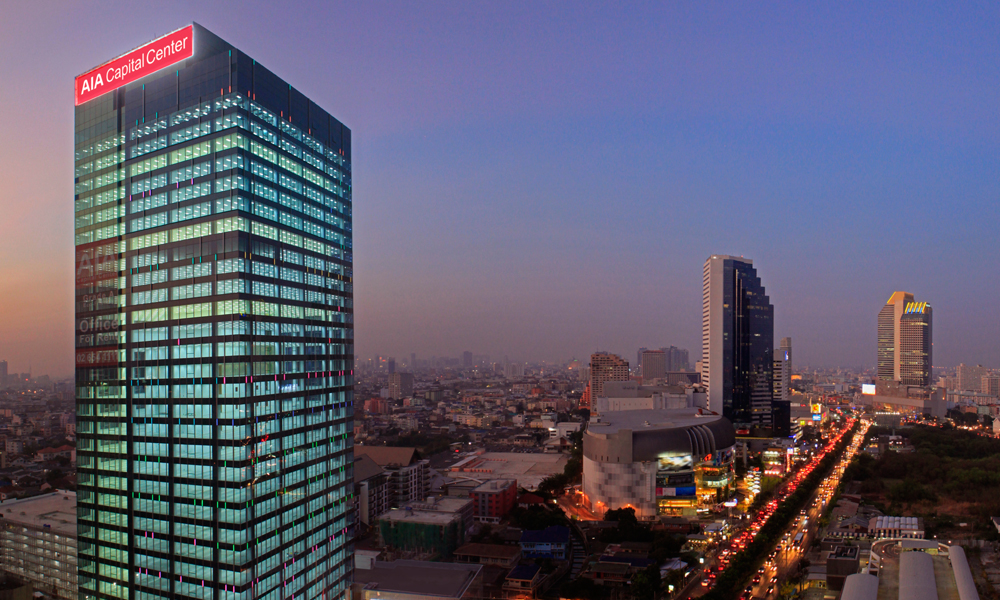
Occupiers are increasingly drawn to newer properties such as AIA Capital Centre, which offers a wide variety of lifestyle amenities including food and beverage options and an on-site fitness centre. Others including Gaysorn Tower and FYI Centre offer an abundance of attractive common areas that tenants can utilize.
As a result, rents in the prime grade (Grade A) segment are rising faster than those in secondary office spaces and the gap is widening.
Data from JLL’s Thailand Property Intelligence Centre illustrates that the average gross rent for prime office space across Bangkok in July was 824 baht per square meter per month, 20% higher than the market-wide average rent of 668 baht, and 41% higher than the average gross rent of 513 baht for non-prime space.
Occupier flight to quality is also clearly reflected in different vacancy levels in the two market segments. Findings from JLL suggest that the average vacancy rates for prime and non-prime office spaces in July 2018 stood at 6.0% and 9.8% respectively.
Prime grade vacancy rates have held steady under the 7.0% mark since early 2016 while non-prime rates have only recently moved into the single-digit range. Thus, notwithstanding record-high rental levels across Grade A projects in the market, it is clear that many tenants in the market are willing to a pay a premium for Grade A office space, despite the significant difference in price relative to lower quality space.
We are seeing the same pattern play out in Bangkok’s central business areas (CBA), which include Silom, Sathon, Wireless, Childlom, Asok and Phrom Phong. Average prime grade rents in the CBA were up by 10.9% year-on-year to 881 baht per square meter per month in July, well above the 4.5% growth recorded in non-prime CBA average rents during the same period.
So what does this mean for the market in the future?
Through the end of 2019, there are 10 new office projects under construction that are available for lease totaling about 280,000 sq m of space. Approximately one-third of this space has already been pre-leased. Projects scheduled to be completed in the second half of 2018 have strong pre-leasing.
The T-One building near the Thong Lor BTS station and Lad Phrao Hills near the Phahon Yothin MRT station are nearly fully pre-let while Wizdom 101/True Digital Park near the Punnawithi BTS and Singha Complex near the Phetchaburi MRT station are reportedly between 50% and 70% pre-leased.
With tight vacancy and limited availability of space in upcoming projects, we expect rents to continue rising and keeping the market titled in landlords’ favor until at least 2021 when a new wave of supply is expected to come to market.
International school fees and properties in Bangkok are a fraction of those in China
Chinese parents keen to enroll their children in international schools but reluctant to pay the exorbitant tuition fees in the mainland are turning to Thailand as an option, a trend that has bolstered the local property market.
Peggy Wang, a mother of a 10-year old girl and a six-year-old boy, is one such parent who opted to move to the northern Thai city of Chiang Mai, where annual tuition fees at less than 60,000 yuan (USD 8,732) are a quarter of the 240,000 yuan her children’s Beijing bilingual school had charged.
“The teachers in the Beijing school change frequently, but in Thailand, teachers have families there, so the faculty is stable,” Wang said. “In Beijing, my children have to take extra English classes after school in the absence of an English-speaking environment outside class, but not in Thailand.”
She plans to send her children to international schools in Bangkok when they get older, where fees will rise to about 100,000 yuan a year. To prepare for that, she has bought a 31 square meter flat in Bangkok for 650,000 yuan, in addition to the Chiang Mai villa she lives in and a flat in Pattaya.
Wang is among a growing group of Chinese parents disillusioned by the costs of local international schools and the rote-learning in public schools in the mainland, and looking towards Thailand as a destination for education and investment.
According to Chinese international real estate website Juwai.com, the volume of enquiries for Thai properties in the first half of the year exceeded that for all of 2017, with Thailand rising from No 3 last year to become the top destination for Chinese buyers. It said it had received purchase enquiries amounting to USD 962.2 million since the beginning of last year.
Monthly tuition fees of USD 2,744 at Shanghai international schools are currently the world’s highest, according to the International Schools Database. Beijing is the second most expensive at USD 2,519. By comparison, fees in Bangkok and Bahrain are USD 1,032 and USD 422 respectively.
Education is a common factor driving Chinese overseas property investments. Anxiety over the shrinkage of domestic wealth under a depreciating yuan, high inflation and a shortage of viable investment options are other reasons. Next, to traditional investment destinations like the US, Canada, and Australia, Thailand has its advantages – it is geographically closer to the mainland and less expensive.
Chris Deng, a businessman from eastern China’s Nanjing city who shuttles between China and the US, bought a 35 sqm flat in central Bangkok for 1.3 million yuan this year. He said he planned to send his daughter, now two years old, to a local kindergarten, and possibly a primary school in Thailand.
“I want my kid to grow up in an international environment,” he said.
Deng said he considered his Thai investment as part of a global portfolio that includes property assets in the US and other mainland cities.
“In Thailand, I can get a 5,000-6,000 yuan monthly rent. In Nanjing, I get a similar rent for my 100 sqm home, which is now valued at 5.6 million yuan,” he said.
An annual yield of close to 10 percent was the major draw for Jennifer Wu, a 25-year-old Chongqing native to invest in Bangkok. Wu bought a 28-sqm flat for 566,000 yuan, via Uoolo, an app that helps Chinese buy properties overseas.
“I heard that universities there are good, which could be an option for my future kids,” she said.
Wang said parents who can afford the higher fees for mainland international schools would prefer to pay them as sending their children elsewhere usually require a parent giving up a career to move overseas with the child.
“But living in Thailand hasn’t changed much for my children and me. Each time when we land in Beijing, they kept asking me, when we could get back to Thailand?”
HUA HIN, Prachuap Khiri Khan: The Hua Hin Provincial Court has ordered owners of two luxury condominiums in Hua Hin resort district to pay fines worth nearly 30,000 baht for leasing their residential units on an illegal short-term basis to Thai and foreign tourists.
Under the 2004 Hotel Act, violators can be jailed for one year and/or subject to a fine of up to 20,000 baht and a daily fine with a maximum value of 10,000 baht.
However, because the plaintiffs, whose names were withheld, confessed, the court agreed to reduce their penalties, Rutprathip Thamraphiphat, chief of Hua Hin district told the media on Saturday.
The ruling followed an inspection of three units in a Wan Wela Hua Hin Khao Tao condominium in Hua Hin last December which found their owners illegally leasing them out on a temporary basis.
The owners were divided into three cases. Two of them were settled on Saturday while the other is still being investigated, according to Mr Rutprathip.
In the first case, the defendant was fined 5,000 baht and has to pay another 500-baht daily fine for 20 days, which is equal to 10,000 baht in total.
The 5,000-baht fine was also imposed in the other case, together with a 100-baht daily fine for 81 days, which amounted to 8,100 baht.
“The wrongdoers leased the units to Thai and foreign tourists, charging them at both daily and weekly rates, without licenses,” Mr Rutprathip said.
He led the search of the three rooms amid reports some owners were advertising their units on social network sites.
The condominium is located on a 20 rai of land in Soi Hua Hin 101 in an area of tambon Nong Kae.
Citing an initial investigation, Mr Rutprathip said he believed “up to 90%” of owners had bought their units in order to offer lucrative short-term rentals to tourists.
The issue came to light following a dispute between the condominium operator and unit owners, in which the operator insisted that all rentals must be for a period greater than 30 days.