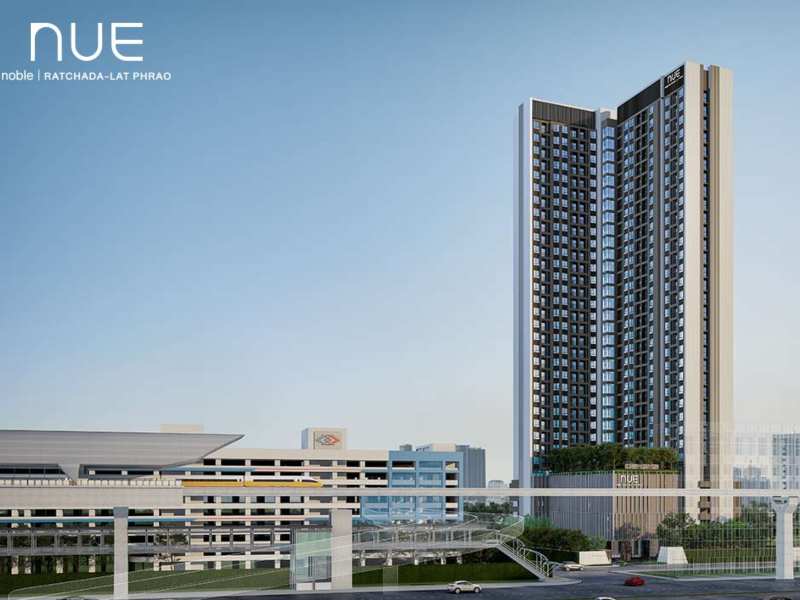
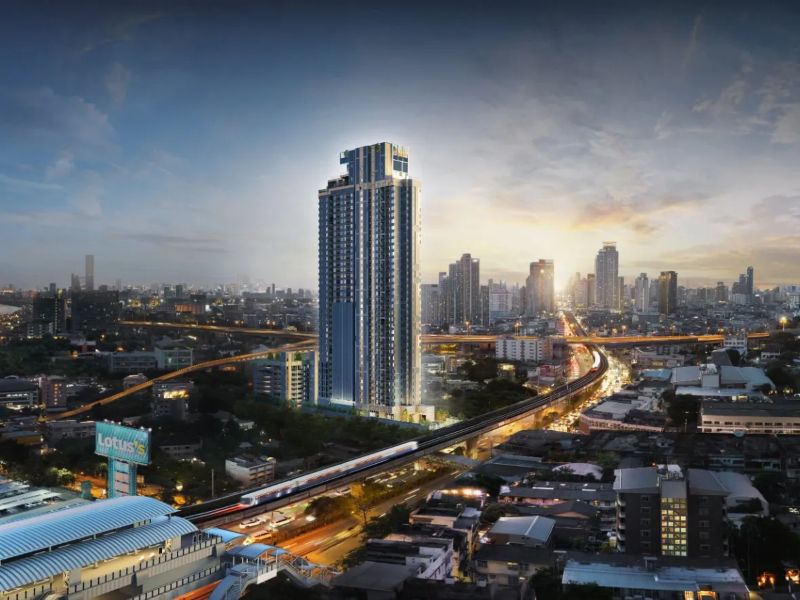
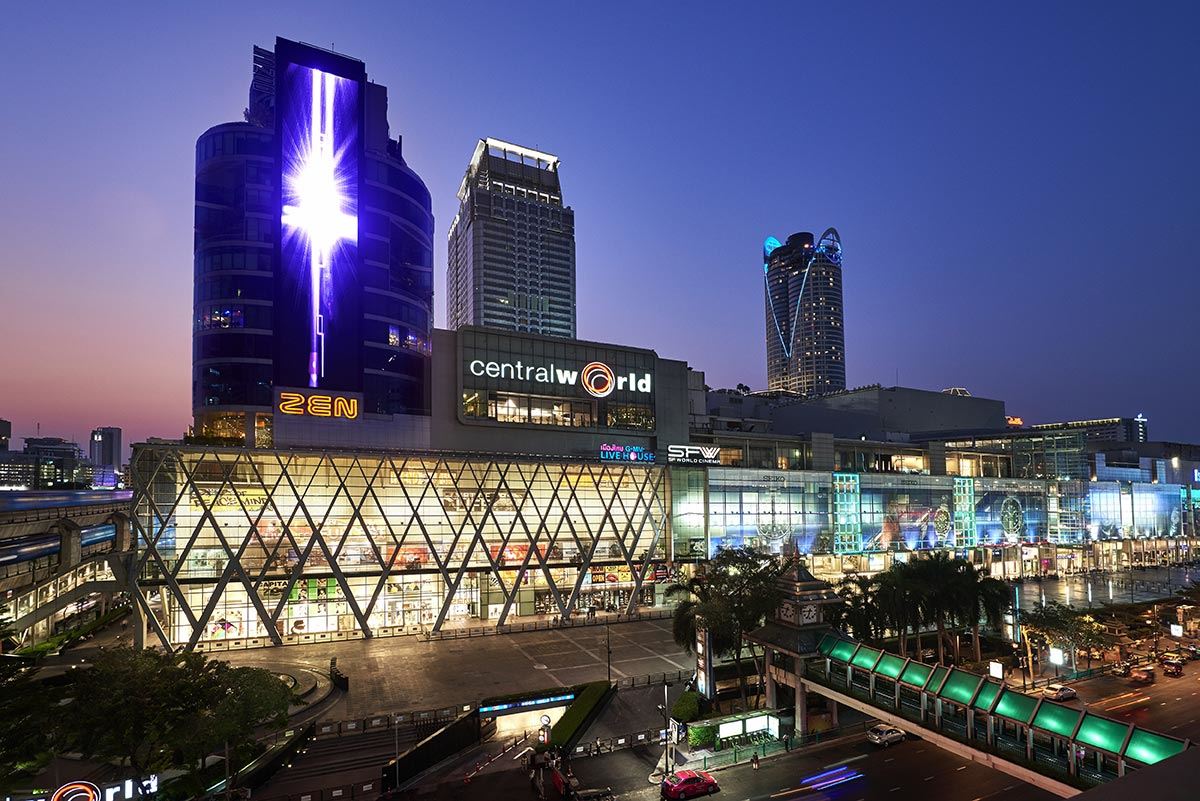
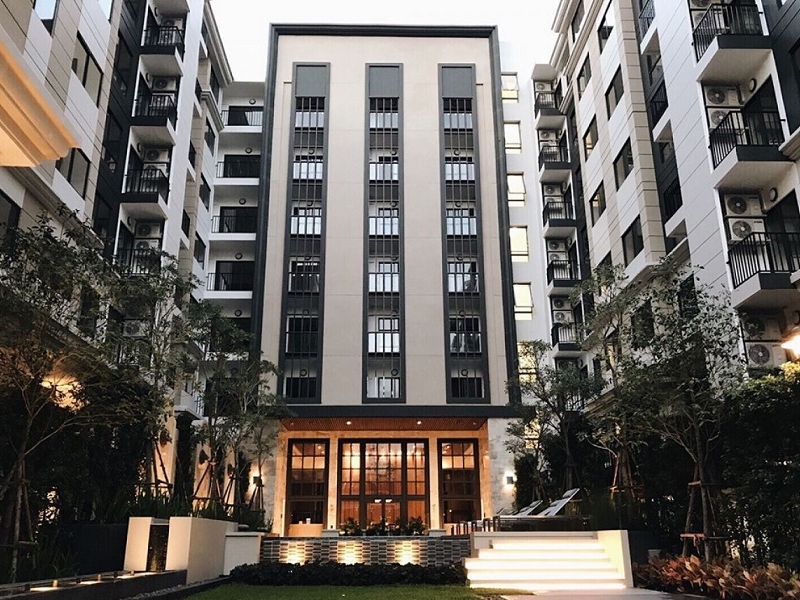
Lat Phrao is a practical north-central Bangkok district for foreign buyers who want MRT access, road connectivity, shopping, offices, local services and a different price conversation from prime Sukhumvit. It is not a simple one-station story. Buyers need to compare Lat Phrao MRT, Ratchadaphisek, Phahon Yothin, Ha Yaek Lat Phrao and nearby side streets as a connected but varied market.
Lat Phrao decisions should begin with the real door-to-station journey.
The district can suit investors and owner-occupiers, especially buyers who value rail, lifestyle convenience and access to northern Bangkok. It can also disappoint buyers who assume every Lat Phrao address has the same walkability or tenant depth. The correct decision depends on the exact route, building, unit type and resale audience.
Why foreign buyers look at Lat Phrao
Lat Phrao has a useful combination of MRT access, large retail anchors, local dining, offices, road links and neighbourhood services. It connects into the wider Ratchada, Chatuchak, Phahon Yothin and Central Ladprao areas. For residents who work across different parts of Bangkok, the district can offer more flexibility than a location tied to one lifestyle node.
Foreign buyers may consider Lat Phrao when central Sukhumvit feels expensive, when they want access to northern Bangkok, or when they see value in a rail-led district with established daily infrastructure. The appeal is practical rather than purely glamorous. That can be a strength if the unit is chosen carefully.
Rail convenience is most valuable when it supports daily work, errands and tenant routines.
Station access needs a real walking test
Listings often describe buildings as near MRT or interchange areas, but the actual journey matters. Buyers should walk from platform to lobby at normal commuting times. Check pavements, crossings, shade, lighting, traffic, construction barriers, motorcycle-taxi reliance and the final approach to the building.
Lat Phrao roads can be busy. A short map distance may feel less attractive if the walk is exposed or hard to cross. Conversely, a building slightly farther from the station may work well if it has shuttle support, a practical drop-off and useful services on the doorstep. The route should match the likely resident, not only the marketing map.
Compare MRT, BTS and road demand
The wider district benefits from multiple movement patterns. Some residents use MRT. Others connect to BTS, drive, use taxis, take buses or work around northern Bangkok. Investors should identify which demand group the unit is really serving. A compact unit near rail may target young professionals. A larger unit with parking may need a different story.
Rail access is helpful, but it should not be the only reason to buy. Building management, lift capacity, unit layout, noise, view, parking, furnishing and rent level still decide whether a tenant chooses the unit over nearby alternatives. A good location cannot fully rescue a weak building.
Lat Phrao and Ratchada-Lat Phrao choices should be compared by building, route and resale audience.
Retail and daily services are part of the value
Lat Phrao’s retail and service depth can support long-stay comfort. Supermarkets, casual dining, clinics, gyms, banks, schools, offices and transport options make the district more convenient for residents who do not want every errand to involve a long trip. That convenience can help both owner use and tenant retention.
Buyers should still inspect the immediate surroundings. A building near a major retail area may be convenient but busy. A quieter soi may be calmer but less walkable. A unit facing a main road may be easy to reach but noisier. The right trade-off depends on whether the buyer is investing, relocating or buying for occasional Bangkok use.
Building age and competition vary
Lat Phrao and nearby Ratchada include older condominiums, newer high-rise projects and mid-market buildings with different facility standards. Investors should compare common areas, lift performance, maintenance, parking, juristic responsiveness and the number of similar listings. If many comparable units are available, rent assumptions should be conservative.
Older buildings may offer larger layouts but require closer checks on repairs, common fees and resale liquidity. Newer buildings may have sharper facilities and smaller plans. Neither is automatically better. The best choice is the one where price, layout, management and demand line up.
Who should consider Lat Phrao
Lat Phrao can suit buyers who want a practical Bangkok base with rail access and a more local daily rhythm than prime tourist districts. It may also appeal to residents connected to northern Bangkok, Ratchada, Chatuchak, Kaset, Don Mueang routes or offices outside the Sukhumvit core.
It may be less suitable for buyers who need the most internationally recognised luxury address, direct riverside lifestyle, or the simplest possible expat arrival story. For those buyers, Phrom Phong, Asoke, Silom-Sathorn, Chit Lom or riverside locations may be easier to understand. Lat Phrao rewards buyers who are comfortable with a more practical, transport-led decision.
Buyer checklist
Walk the route to MRT, retail, taxis and daily services.
Check whether the building depends on a shuttle, car or motorcycle taxi.
Compare lift capacity, parking, common areas and juristic management.
Review competing rental and resale listings in nearby buildings.
Match the unit size to a real tenant or owner-occupier profile.
Test whether the resale story is clear against Ratchada, Chatuchak and Phahon Yothin alternatives.
Buyer takeaway
Lat Phrao MRT can be a sensible Bangkok condo district for foreign buyers who want rail-led convenience, daily services and a practical northern-city connection. It is not a shortcut to easy returns. Buy the route, building quality, layout and resale audience, not only the station name.
IBP helps foreign buyers compare Lat Phrao with other MRT and BTS-led districts. Browse our district guides or contact IBP Real Estate for a location-led shortlist.
Bangkok condo investors often study rent, yield and entry price first. Those are important, but they are not the whole demand story. A unit that can also appeal to owner-occupiers may have a deeper resale audience, stronger building culture and more defensive long-term value than a unit bought only for a headline rental number.
Owner-occupier demand gives investors another way to test long-term resale depth.
Owner-occupier demand does not mean the buyer has to live in the property. It means future end-users can imagine living there. That matters because the exit market for a foreign investor may include Thai professionals, expatriate residents, families, retirees, regional executives and second-home buyers as well as other investors. The broader the credible buyer pool, the less fragile the resale plan can be.
Why owner-occupier demand matters
Rental-led investment can work well in Bangkok, especially near transport, offices and lifestyle districts. The risk is that an investor may buy a unit that appeals only at a low rent and has little emotional or practical appeal to someone choosing a home. If market conditions soften, that unit can become price-sensitive quickly.
Owner-occupiers usually look harder at details that affect daily life: light, noise, storage, lift waits, parking, lobby quality, air-conditioning, kitchen usability, bathroom condition, neighbour behaviour, maintenance and the walking route. Those details also affect tenants, but an owner-occupier may be willing to pay more for them because the property is not just a yield product.
A building that attracts real residents often has a different risk profile from a purely rental-led tower.
Start with the building culture
A building with a healthy mix of resident owners and responsible long-term tenants often feels different from a building dominated by short-term churn. Common areas are usually treated with more care, juristic-person communication can be steadier, and residents may be more willing to support practical improvements. This is not guaranteed, but it is worth observing.
Foreign buyers should ask who appears to live in the building. Are the lifts full of residents going to work and school, or mostly delivery riders and transient visitors? Are common areas used respectfully? Are notices clear? Does security recognise residents? Is the lobby calm at night? These observations help reveal whether the building functions as a real residential community.
Layout is more important than decoration
Owner-occupier demand is often won or lost inside the unit. A compact layout can work if it is efficient, bright and easy to furnish. A larger unit can disappoint if columns, corridors or awkward room proportions waste space. Buyers should test where a sofa, dining table, work desk, wardrobes, luggage and cleaning equipment would actually go.
Storage is a useful signal. Bangkok condos with practical storage, sensible kitchens, ventilated bathrooms and usable balconies can feel more comfortable for long stays. Decorative finishes can be changed later. A poor floor plan is much harder to fix.
Owner-occupiers scrutinise layout, storage, light and noise more closely than short-stay viewers.
Daily routes create the home feeling
Owner-occupiers are less forgiving about daily friction. A building may be near a BTS or MRT station on a map but still feel inconvenient if the pavement is difficult, the crossing is unsafe, the route lacks shade, or the lobby sits deep inside a congested soi. Walk the route at the times a resident would use it, not only during a quiet viewing.
Also check everyday services. Supermarkets, pharmacies, coffee, casual food, clinics, parks, laundry, parcel services, taxis and ride-hailing pickup points all support resident demand. A unit with strong daily convenience may hold interest even when newer buildings appear nearby.
Compare the resale audience
An investor should ask who will buy the unit in five or ten years. Another investor may focus on rent and yield. An owner-occupier will focus on comfort, management, noise, building age, common areas, neighbourhood and emotional fit. A unit that can answer both audiences has a better resale story.
This is especially relevant in buildings with many similar units. If several one-bedroom units are always available, the investor needs a reason the target unit will stand out. A better orientation, quieter stack, practical layout, stronger furnishing package or easier station route can help. Without a differentiator, resale may depend mainly on price.
Do not confuse luxury with owner demand
Luxury branding can attract owner-occupiers, but it is not the same as owner-occupier demand. Some high-end units are beautifully presented but awkward for real daily use. Conversely, a modest building in a practical location may attract loyal residents because it works well for everyday life.
Buyers should therefore test the living logic, not just the marketing language. Is the lobby easy for guests and deliveries? Are lifts adequate at busy times? Is parking usable? Are pets allowed if that matters to the target buyer? Are school, hospital, park or office routes sensible? These questions reveal demand more clearly than adjectives.
Investor checklist
Observe whether the building feels resident-led or transient.
Check layout, storage, light, noise and long-stay comfort.
Walk the daily route to rail, shops, taxis and services.
Compare the unit with similar listings in the same building.
Ask who would buy the unit if rent demand weakened.
Do not pay for decoration unless the underlying plan works.
Buyer takeaway
Bangkok condo owner-occupier demand gives foreign investors a useful second lens. A unit should not only rent on paper; it should make sense as a place someone would choose to live. When layout, building culture, daily convenience and resale audience all support that answer, the investment case is usually more resilient.
IBP helps foreign buyers compare Bangkok condos by tenant demand, owner-occupier appeal and exit strategy. Read more in our investment analysis archive or contact IBP Real Estate for a buyer shortlist.
Ekkamai is one of the more nuanced Sukhumvit condo districts for foreign buyers. It has BTS access, restaurants, cafes, schools, hospitals, nightlife, supermarkets and quick links to Thonglor, Phrom Phong, On Nut and Rama IV. It also has deep side streets, traffic pinch points and a wide spread of building ages, so the best purchase depends on the exact daily route.
Ekkamai works best when the building connects cleanly with daily Sukhumvit routines.
Buyers who only compare Ekkamai by station name can miss the point. A condo that is technically in the district may still rely on motorcycle taxis or long walks. Another unit slightly farther from the station may work better if it sits near a useful daily cluster, has stronger building management and offers a clearer resale story.
Why foreign buyers consider Ekkamai
Ekkamai appeals because it feels residential while staying connected to central Sukhumvit. Residents can reach Thonglor dining, Phrom Phong retail, Asoke offices, On Nut value options and the eastern expressway corridor without leaving the broader Sukhumvit rhythm. For many expats, it offers a middle ground between premium lifestyle districts and more budget-led outer stations.
The tenant pool can include professionals, couples, small families, Japanese and regional expats, school-linked households, lifestyle tenants and owner-occupiers who want a quieter base than the busiest parts of Sukhumvit. That variety helps the district, but investors still need to match the unit to a real audience.
Building management and layout discipline matter as much as the Ekkamai address.
Station access needs a real test
BTS Ekkamai is useful, but buyers should walk the actual route from platform to lobby. Check pavements, shade, crossings, motorcycle-taxi reliance, traffic, lighting, rain exposure and the final approach to the building. A short map distance can feel inconvenient if the pavement is narrow or the road is hard to cross.
Side-street position matters. Some buyers enjoy a quieter residential soi with shuttle support. Others need direct BTS access for work and may reject a building that adds daily friction. If the unit is aimed at tenants, the viewing route should be easy to explain in one sentence.
Compare Ekkamai with neighbouring districts
Ekkamai is often compared with Thonglor, Phrom Phong and On Nut. Thonglor may feel more premium and nightlife-led. Phrom Phong has major malls, parks and strong Japanese expat recognition. On Nut can offer more approachable pricing and daily convenience. Ekkamai’s case usually rests on lifestyle balance, centrality and a slightly less obvious residential feel.
This comparison is important for resale. Future buyers will not look at Ekkamai in isolation. They will ask why this building, at this price, is better than alternatives one or two BTS stops away. A good unit should answer with walkability, layout, building management, furnishing quality, quietness or a distinctive residential setting.
Buyers often compare Ekkamai with Thonglor, Phrom Phong and On Nut alternatives.
Building age and management vary widely
Ekkamai includes newer luxury towers, mid-market condominiums, older low-density buildings and project types aimed at different buyer groups. Do not assume a newer building is automatically better. A well-managed older project with larger layouts may suit owner-occupiers. A newer compact unit may be easier to rent if it has efficient space, good facilities and sensible asking rent.
Inspect lifts, parking, lobby management, common areas, pool and gym condition, juristic responsiveness, renovation rules and the number of similar units for rent. If the building has many competing one-bedroom units, presentation and pricing discipline matter. If the unit is larger or unusual, liquidity and resale audience become more important.
Who should consider Ekkamai
Ekkamai can suit buyers who want Sukhumvit convenience without being directly inside the most expensive prime nodes. It can also work for residents who value restaurants, cafes, school routes, hospital access and eastern Bangkok travel. For investors, the best case is a unit with a clear tenant profile and a building that photographs well online.
It may be less suitable for buyers who need the simplest possible commute, the most recognisable luxury address, or a purely price-led investment. In those cases, Asoke, Phrom Phong, Thonglor, On Nut or Rama 9 may offer a clearer fit. The right comparison depends on budget and daily priorities.
Personal use and landlord use are different
An owner-occupier may accept a quieter soi, larger unit or older building because the daily routine feels comfortable. A landlord has to think more like a tenant comparing options online. Station distance, furnishing, lobby quality, pool photographs, gym condition and rent level will decide whether the unit receives viewings.
Foreign buyers should decide this before purchase. If the condo is mainly for personal use, lifestyle fit can carry more weight. If the unit must perform as a rental, the building needs a sharper market explanation and a conservative rent assumption.
Buyer checklist
Walk the route to BTS Ekkamai in normal weather and traffic.
Check whether the soi needs motorcycle-taxi, shuttle or car support.
Compare building age, lift capacity, parking and juristic management.
Benchmark against Thonglor, Phrom Phong and On Nut alternatives.
Match unit size and furnishing to a realistic tenant or owner profile.
Check how many similar units are already competing for rent or sale.
Buyer takeaway
Ekkamai can be a strong Bangkok condo district for foreign buyers who want central Sukhumvit lifestyle with a residential edge. It rewards detailed inspection. Buy the walking route, building management, layout and tenant story, not only the station name.
IBP helps foreign buyers compare Ekkamai with other Sukhumvit and BTS-led districts. Browse our district guides or contact IBP Real Estate for a location-led shortlist.
Bangkok condo investors often begin with a simple question: what rent can the unit achieve? That question matters, but it is not enough. A foreign buyer who wants to compare investment options needs to understand net yield, because the return that survives vacancy, fees, repairs, furnishing, tax, management and resale costs is the return that actually supports the holding plan.
Net yield starts with realistic income and all ownership costs, not only the headline rent.
Headline yield can make a unit look attractive on a spreadsheet. Net yield is more useful because it forces the buyer to test what has to happen for the investment to work in real life. It also helps buyers compare very different properties: a compact BTS unit, a larger family apartment, a branded residence, or an older building with a lower purchase price.
Start with a conservative rent
A sensible net-yield check begins with rent evidence, not hope. Look at current competing listings in the same building, nearby projects and similar unit types. Compare layout, furniture, view, floor, building age, station access and vacancy. If the rent assumption depends on your unit being the best-presented option in the building, the furnishing and management budget should reflect that.
Foreign investors should also avoid using only asking rents. Asking rent is a signal, but it may not show the rent that tenants actually accept. If several similar units are listed at lower levels, use the lower evidence unless there is a clear reason your unit should outperform. A cautious rent assumption makes the investment decision more durable.
Building charges, repairs and vacancy assumptions can change the return case materially.
Deduct the costs that owners really pay
Common-area fees, sinking-fund contributions, insurance, small repairs, appliance replacement, air-conditioning servicing, cleaning between tenants, advertising, agent commissions, property management and tax can all reduce the apparent return. Some costs are predictable. Others arrive irregularly, which is why investors should include an annual maintenance allowance rather than pretending the unit will remain cost-free.
Older buildings may have lower entry prices but higher repair and capital-planning risk. Newer buildings may have stronger facilities but higher monthly charges. A branded or luxury building may attract premium tenants, but it may also require more expensive furnishing and higher owner expectations. Net yield shows whether the whole package still makes sense after the glamorous details are paid for.
Vacancy is not a minor detail
Even a good Bangkok condo may not be occupied every day of the year. A lease can end unexpectedly, a tenant may negotiate a rent reduction, or the unit may need cleaning and repairs between occupants. Investors should model at least one vacancy allowance so the return case does not rely on perfect timing.
The vacancy assumption should match the unit type. A compact one-bedroom unit in a deep tenant market may re-let faster than an unusual high-budget unit with a narrower audience. A larger unit near schools may have stronger renewal potential but fewer replacement tenants if the timing is wrong. The correct vacancy allowance is not one universal number; it is a judgement about liquidity.
A disciplined net-yield check connects layout, tenant demand, furnishing and exit strategy.
Furnishing affects both income and cost
Furnishing is part of net yield because it affects both rent and capital outlay. A weak furniture package may save money on day one but reduce tenant appeal, increase vacancy and weaken listing photos. Overfurnishing can also hurt returns if the rent does not justify the spend. The best budget is tied to the tenant profile and the rent ceiling, not to personal taste alone.
Owners should budget for replacement cycles. Mattresses, sofas, curtains, appliances, air-conditioners and small kitchen items wear out. If the owner intends to hold for several years, the net-yield model should include periodic refresh costs. That is especially important for overseas landlords who rely on a manager to keep the unit presentation competitive.
Compare gross yield, net yield and exit value
Gross yield can help buyers screen options quickly, but it should not decide the purchase. Net yield is the operating return after ownership costs. Exit value is the resale case. A condo with a modest net yield may still be attractive if it has strong resale depth, excellent personal-use value or long-term district confidence. A unit with a tempting gross yield may be risky if resale demand is shallow or the building is deteriorating.
Foreign buyers should therefore ask three connected questions. Can the unit rent at a defensible level? Can it produce a reasonable net return after costs and vacancy? Can it be resold to a clear future buyer? If one answer is weak, the purchase price should compensate for that weakness.
Investor checklist
Use conservative rent evidence from comparable units.
Deduct common fees, management, repairs, tax, insurance and agent costs.
Include vacancy and cleaning time between tenants.
Budget for furnishing, appliance replacement and refresh work.
Compare net yield with resale depth, not only annual income.
Stress-test the return if rent falls or repairs arrive early.
Buyer takeaway
Bangkok condo net yield is a discipline, not a marketing number. It helps foreign investors see which units still work after real ownership costs and ordinary friction. The strongest purchase is usually not the one with the loudest rent promise. It is the one where rent, costs, tenant demand and exit strategy remain coherent under conservative assumptions.
IBP helps foreign buyers compare Bangkok condos by rent evidence, net-yield logic, building costs and resale plan. Read more in our investment analysis archive or contact IBP Real Estate for a yield-focused shortlist.
Silom-Sathorn is one of Bangkok’s clearest urban condo districts for foreign buyers because it combines offices, embassies, hotels, restaurants, hospitals, parks and rail links in a compact central area. It is also a district where buyers need precision. A unit can be in the right broad location but still feel inconvenient because of walking routes, traffic, building age or weak layout.
Silom-Sathorn remains one of Bangkok’s clearest office-led condo locations.
The area works best for buyers who understand the difference between being near the business district and being easy to live in. Silom, Sathorn, Sala Daeng, Chong Nonsi, Surasak, Saint Louis, Narathiwas, Rama IV and the riverside edges each create a different daily routine.
Why foreign buyers consider Silom-Sathorn
The district has a strong employment base, with offices, professional services, embassies, hotels and corporate tenants supporting weekday activity. This can help rental demand when a condo is well located and correctly priced. The area also has a mature lifestyle offer: dining, bars, gyms, supermarkets, medical access, parks, river connections and quick links into Siam, Ratchaprasong, Sukhumvit and the Chao Phraya corridor.
For owner-occupiers, Silom-Sathorn offers a central Bangkok lifestyle that feels more business-led and grown-up than some nightlife-heavy districts. For investors, the attraction is a broad tenant story, but that does not remove the need to compare buildings carefully.
Park access can make dense office districts more liveable for long-stay residents.
Rail access needs real walking checks
BTS and MRT access can be excellent, but buyers should walk the actual route from station to lobby. Check shade, crossings, footpaths, lighting, construction, motorcycle-taxi reliance and rainy-season practicality. A building described as close to a station may still be frustrating if the final approach is awkward or exposed.
The most resilient locations are easy to explain: a clear walk to BTS or MRT, sensible road access, practical taxi pickup and useful daily services nearby. If the unit relies on a difficult side-street route, investors should be conservative about rent assumptions and resale timing.
Building age and management matter
Silom-Sathorn includes new luxury towers, established high-rises and older buildings with large layouts. Older condos can be attractive because they may offer more space or stronger locations, but buyers must assess lifts, facade condition, fire systems, common areas, sinking-fund planning, parking, juristic records and renovation rules.
A well-run older building can be more liveable than a newer tower with weak management. A poorly maintained building in a famous district can still be difficult to rent or resell. Foreign buyers should inspect the building as carefully as the private unit.
Rama IV, Langsuan and riverside links widen the district comparison for buyers.
Compare Silom, Sathorn and Rama IV separately
Silom tends to feel more retail, dining and MRT/BTS connected around Sala Daeng and Si Lom. Sathorn feels more office-led, especially around Chong Nonsi, Saint Louis and the main business corridor. Rama IV and the Lumpini edge bring park access and links towards Langsuan, Wireless and new mixed-use areas.
Those differences affect tenant fit. A corporate tenant may value a short office commute. A long-stay expat couple may want restaurants, park access and rail. A buyer planning personal use may care more about weekend walkability, hospital access and airport routes. The right unit depends on the intended user.
Luxury does not remove competition
Silom-Sathorn has premium projects and branded or hotel-style residences, but buyers should still compare value. A luxury lobby is useful only if the private unit has an efficient layout, good light, sensible maintenance costs and a clear resale audience. At higher budgets, the comparison expands to Langsuan, Wireless, Chit Lom, riverside, Phrom Phong and other premium districts.
Investors should avoid paying only for district prestige. Test whether the rent target is supported by competing listings, whether the unit photographs well, and whether the building offers a distinctive reason for tenants to choose it.
Rental and resale audiences
The rental audience in Silom-Sathorn can include corporate staff, embassy-related residents, consultants, medical visitors, long-stay professionals and couples who want a central base without living deep inside Sukhumvit. That breadth is useful, but each group values different details. Some prioritise a short walk to work. Others care more about park access, hospital routes, parking, larger layouts or a quieter side street.
For resale, the buyer pool may compare the district with Langsuan, Wireless, Riverside and Phrom Phong. A unit should therefore have a clean explanation: business-district access, park proximity, larger space, strong building management, or a distinctive lifestyle advantage. If the resale story is only that the address is central, the owner may struggle when competing listings offer newer facilities or easier rail access.
Buyer checklist
Walk the route to BTS, MRT, offices and daily services.
Visit at weekday peak, evening and weekend times if possible.
Compare building age, lifts, parking, juristic records and common areas.
Check whether the unit suits office tenants, couples, families or owner use.
Benchmark against Langsuan, Wireless, riverside and Sukhumvit alternatives.
Be conservative if many similar units are listed in the same building.
Buyer takeaway
Silom-Sathorn can be a strong Bangkok condo district for foreign buyers because it combines business demand with central lifestyle and transport. It rewards careful selection. Buy the walking route, building management, unit efficiency and tenant story, not only the address.
IBP can help foreign buyers compare Silom-Sathorn with other central Bangkok districts by budget, commute, building quality and resale plan. Browse our district guides or contact IBP Real Estate for a district shortlist.
A Bangkok condo’s unit mix can shape investment performance as much as the view, floor or headline price. Foreign buyers often compare one unit against another, but the better question is how many similar units the building contains, who those units are likely to attract, and whether the chosen type has enough rental and resale depth.
Unit mix affects how many similar homes compete for the same tenant or resale buyer.
Unit mix is the distribution of studios, one-bedroom, two-bedroom, larger family units and special layouts within a condominium. It affects competition inside the building, the tenant profile, the resale audience and the amount of pressure an owner may face when several similar units are listed at the same time.
Why unit mix matters to investors
A building with hundreds of similar compact units can be easy for tenants to compare. If many owners are competing for the same renter, the cheapest well-presented unit may set the tone. That does not make compact units bad investments, but it means the buyer must be realistic about rent, furnishing standard, vacancy risk and resale timing.
A building with a more varied mix can give certain units a clearer identity. Larger corner units, efficient two-bedroom layouts, duplexes or rare stacks may stand out if the district has the right tenant base. The challenge is liquidity. A rare unit type can command attention, but it may also require a narrower buyer or tenant audience.
A good building can still have weak investment logic if the chosen unit type is oversupplied.
Match the unit type to the district
Unit mix should be read against the surrounding demand. Near office districts, compact one-bedroom units may appeal to professionals who want an easy commute. Near international schools or hospitals, larger layouts may have more practical value. In lifestyle districts with strong dining and transport, well-furnished one-bedroom units may lease faster than oversized units with weak layouts.
The mistake is buying a unit type simply because it looks affordable. A low ticket price is useful only if there is a clear tenant and future buyer for that space. Foreign investors should ask who would live in the unit, why they would choose this building, and what alternatives they would see at the same rent or purchase budget.
Check internal competition
Before buying, review current listings in the same building. Count how many similar units are for rent or sale, then compare furnishing, view, floor, condition, asking price and time on market where information is available. If several near-identical units are listed, your rent assumption should be conservative unless your unit has a visible advantage.
Internal competition is especially important in buildings dominated by one-bedroom units. Tenants can compare photographs quickly. Small differences in furniture quality, storage, light, kitchen usability and balcony condition can decide which unit receives viewings. Investors should budget for presentation because an ordinary unit in a crowded type can become price-led.
The strongest unit mix is the one that matches real district demand, not only brochure assumptions.
Beware of false scarcity
Agents sometimes describe a layout as rare because there are not many similar units in the building. Scarcity is useful only if demand exists. A large unit may be rare because the developer built few of them, but it still needs a buyer who wants that size, location and running cost. A small unit may be common but highly liquid if it matches the strongest tenant pool.
Foreign buyers should separate rarity from liquidity. Rarity helps when the unit solves a real problem for residents. It hurts when the market sees the unit as awkward, expensive to furnish, hard to cool, difficult to rent, or too large for the neighbourhood’s usual demand.
Furnishing and operating costs vary by unit type
A larger unit usually needs a larger furnishing budget, more air-conditioning capacity, more maintenance, higher common-area fees and a broader repair plan. A compact unit may be cheaper to prepare, but it can suffer more from weak storage or poor furniture choices. Unit mix analysis should therefore include the cost of making the unit competitive, not only the purchase price.
For landlords, the expected tenant stay also matters. A compact unit aimed at short professional tenancies may need more frequent cleaning, touch-ups and relisting. A family-sized unit may have fewer tenant changes but higher expectations for appliances, curtains, beds, storage and management response.
Questions to ask before buying
How many units in the building are similar to this one?
Which tenant profile does this size and layout serve best?
Does the building have too many competing units at the same rent level?
Would the unit still stand out if several owners lowered asking rents?
Is the resale audience broad enough for the intended holding period?
Does the furnishing budget fit the unit’s likely rent ceiling?
Buyer takeaway
A sensible Bangkok condo investment starts with more than the individual unit. The building’s unit mix tells buyers who they will compete against, how visible their unit can be online, and how easy the resale story may be later. The safest choice is not always the cheapest or rarest unit. It is the unit type that matches real district demand and remains easy to explain to the next tenant or buyer.
IBP helps foreign buyers compare Bangkok condos by unit type, building mix, tenant demand and exit strategy. Explore our investment analysis archive or contact IBP Real Estate for a shortlist built around your budget and holding plan.
Rama 9 is a useful Bangkok district for foreign buyers who want MRT access, office demand, retail convenience and a city-fringe price conversation that is different from prime Sukhumvit. It is not a single neat neighbourhood. The buyer has to compare Ratchadaphisek, Phra Ram 9, Thailand Cultural Centre, Asoke-Din Daeng and nearby side streets as one connected but uneven market.
Rama 9 decisions should begin with the real door-to-station journey, not only the station name.
The area can work for investors and owner-occupiers, but only when the unit, building and walking route are chosen carefully. Rama 9’s appeal comes from connectivity and mixed-use activity. Its risk comes from competition, traffic, building density and the temptation to buy a generic unit simply because the district sounds active.
Why foreign buyers look at Rama 9
Rama 9 sits on the MRT Blue Line, giving residents access to Asoke-Sukhumvit, Phetchaburi, Queen Sirikit National Convention Centre, Silom, Hua Lamphong, Bang Sue and the wider rail network through interchanges. For tenants who work across several parts of Bangkok, that rail spine can be more useful than a location tied to one road corridor.
The district also has retail, offices, hotels, supermarkets, casual dining, entertainment and daily services. That mix can make it easier for new arrivals to settle quickly. For investors, it broadens the potential tenant audience beyond one narrow expatriate group. Thai professionals, regional staff, office workers, students, consultants and digital workers may all consider the area at the right rent level.
Rail convenience is strongest when it fits daily work, retail and airport-transfer routines.
Station access needs a walking test
A listing may describe a building as near Rama 9 MRT, but the real route matters. Buyers should walk from the station to the lobby during the times a resident would actually travel. Check pavements, crossings, shade, lighting, construction, motorcycle-taxi reliance and rainy-season comfort. A route that is acceptable for a single adult may be less convenient for a family or an older resident.
Also test how the building handles taxi pickup, ride-hailing, deliveries and parking. Rama 9 can be busy. A good lobby, clear drop-off area and responsive security team can make daily life easier even when the surrounding roads are congested.
Understand the competing buildings
Rama 9 has many condominium options across different ages and price brackets. That is good for choice, but it means investors must understand competition. A tenant comparing several buildings may focus on rent, furniture, lift waiting times, pool and gym quality, internet, building condition and walking comfort. If your unit is ordinary, it may need to compete on price.
Buyers should compare active listings in the same building and nearby alternatives. If many similar units are available, do not assume quick leasing. A better unit may have a stronger layout, better light, easier station route, more professional juristic management or a rent level that sits clearly below better-known prime districts.
The wider Ratchada-Rama 9 business corridor gives buyers several demand angles to test.
Office and retail demand: useful, not automatic
Office and retail activity gives Rama 9 a practical demand story. It does not guarantee every condo will rent well. Tenants still choose homes based on daily comfort. A building with poor maintenance, weak lifts, noisy exposure or tired common areas can underperform even in a busy district.
For owner-occupiers, retail access can be valuable because groceries, fitness, dining and errands are close by. For landlords, it can support tenant retention. But buyers should avoid paying a premium for convenience unless the specific unit also works on layout, condition and total cost.
It is also worth checking the evening and weekend atmosphere. Some parts of the corridor feel office-led during the day and quieter after work. Others are busier because of malls, restaurants and entertainment. The best fit depends on whether the buyer wants a practical working-week base, a family home, or a rental unit that feels active beyond office hours.
What types of units can make sense
Compact one-bedroom units can appeal to single professionals if they have efficient layouts, good storage and a realistic rent. Larger one-bedroom or two-bedroom units need a clearer target audience: couples, small families, work-from-home tenants or owner-occupiers wanting more space than central Sukhumvit might offer at the same budget.
High floors, corner positions and open views can help, but they should be priced carefully. Future obstruction, heat, noise and building competition still need to be checked. In a dense district, privacy and orientation can matter as much as floor number.
Buyer checklist
Walk the route to Rama 9 MRT and nearby retail in normal conditions.
Compare lift capacity, lobby management and common-area maintenance.
Review competing units before accepting rent assumptions.
Check traffic, noise, construction and night-time activity around the building.
Match unit size to a real tenant or owner-occupier profile.
Ask how the resale story compares with Asoke, Phetchaburi and Ratchada alternatives.
Buyer takeaway
Rama 9 can be a practical MRT-led choice for foreign buyers who want business access, retail convenience and a broader rent conversation than prime Sukhumvit. It rewards careful selection. Buy the walking route, building management, layout and realistic tenant profile, not only the district name.
IBP can help foreign buyers compare Rama 9 with Sukhumvit, Ratchada and other MRT-led districts. Browse our district guides or contact IBP Real Estate for a neighbourhood shortlist.
A Bangkok condo view can make a unit easier to love at first sight. It can also make investors careless. A skyline, river, park or open outlook may support photography, tenant interest and resale appeal, but only if the buyer understands how secure that view is, how it affects daily comfort and whether the price already assumes too much future value.
A strong view can help a listing, but investors should test how durable that advantage really is.
Foreign buyers should treat view risk as part of investment underwriting. The question is not simply whether the unit has a good view today. The better question is whether the outlook is durable enough to support the rent, resale and holding period being modelled. A premium paid for a view that later disappears can be difficult to recover.
Why views matter to the return case
A strong view can improve listing photos, create emotional appeal during viewings and help a unit stand out in a building with many similar layouts. This can matter in competitive rental markets, especially when tenants compare units online before visiting. A bright, open unit may also feel larger and more comfortable than a darker unit with the same registered area.
However, views do not produce returns by themselves. Investors still need a sensible entry price, efficient layout, good building management, realistic rent evidence and a clear resale audience. A weak building with a nice outlook can still be a poor investment. A well-managed building with an ordinary view may perform better if the total package is easier for tenants and future buyers to understand.
View, orientation, heat, noise and layout should be assessed together, not in isolation.
Check what could be built nearby
The most obvious view risk is future obstruction. Empty land, low-rise buildings, old commercial blocks, surface parking and ageing houses can all change over a long holding period. A buyer cannot know every future development decision, but they can walk the immediate area, look at neighbouring plots, ask about land ownership where possible and compare the building’s position with nearby roads and parcels.
Do not rely only on a sales agent’s statement that a view is protected. Ask why it is protected. Is there a river, park, school, temple, public facility, road or permanent low-rise use in the sight line? Or is the view simply open because the neighbouring land has not yet been redeveloped? Those are very different risk profiles.
Orientation can be as important as scenery
A view that photographs well may be uncomfortable if the unit receives hard afternoon sun, has poor shading, or becomes too hot to use without heavy air-conditioning. For owner-occupiers, this affects daily comfort. For landlords, it can affect tenant satisfaction and electricity costs. A pleasant morning view with softer light may be more useful than a dramatic west-facing view that overheats the living room.
Buyers should visit at different times if possible. Check glare on screens, balcony usability, curtain quality, heat near the windows and whether the air-conditioning can cool the room efficiently. The view should support liveability, not only marketing.
Building position and surrounding land use can matter as much as the view seen on viewing day.
Noise and privacy are part of the same check
Open outlooks can come with traffic noise, construction noise, elevated rail exposure or nearby office towers looking directly into the unit. Higher floors are not automatically quieter, especially near expressways or rail curves. A buyer should open balcony doors, stand quietly for a few minutes and listen. If the unit is shown with music, closed curtains or closed windows, ask to inspect it in normal conditions.
Privacy is also important. A unit with a direct view into another tower may feel less premium even if it is high up. Tenants may keep curtains closed, reducing natural light and the sense of space. Resale buyers will notice the same issue.
How to price view risk
Investors should separate the base value of the unit from the view premium. Compare similar units in the same building and nearby buildings. If the target unit is materially more expensive because of its view, ask whether that premium is justified by rent evidence or likely resale demand. If the view could be blocked, the buyer should be cautious about paying as if it were permanent.
For resale units, check historical listing behaviour where available. Some view units sell quickly because they are genuinely rare. Others sit on the market because sellers overprice the outlook. A good view is an advantage only if the next buyer also accepts the premium.
Investor checklist
Walk the surrounding plots and identify what could plausibly change.
Check orientation, heat, glare and air-conditioning load.
Listen for traffic, rail, school, nightlife or construction noise.
Test privacy from neighbouring towers and common areas.
Compare the view premium with realistic rent and resale evidence.
Ask whether the unit would still be attractive if the view weakened.
Buyer takeaway
A Bangkok condo view can be valuable, but only when it is bought with discipline. Foreign investors should pay for a view only after testing obstruction risk, orientation, privacy, noise and resale defensibility. The safest view premium is the one that still leaves the unit attractive on fundamentals if the skyline changes.
IBP helps foreign buyers compare Bangkok condos by layout, building quality, view risk and exit strategy. Read more in our investment analysis archive or contact IBP Real Estate for a buyer shortlist.
On Nut is one of Bangkok’s most understandable Sukhumvit locations for foreign buyers who want rail access, daily convenience and a more practical price conversation than the prime inner-city stations. It is not as polished as Phrom Phong or Thonglor, and that is part of the point. Buyers usually consider On Nut because they want a usable Bangkok base with a broad tenant audience and straightforward daily life.
On Nut is easiest to assess when buyers connect station access with real unit and building quality.
The district works best when buyers avoid treating it as one uniform market. A unit beside the station, a quieter low-rise on a side street, an older resale building and a newer high-density tower can produce very different ownership experiences. The right On Nut purchase depends on walking routes, building management, unit layout, rent evidence and the buyer’s exit plan.
Why On Nut appeals to foreign buyers
On Nut sits on the BTS Sukhumvit Line, east of the more expensive central stations but still connected to the city’s main rail spine. That gives it a clear commuting story for tenants who work in central Sukhumvit, Ploen Chit, Siam, Asoke, Phra Khanong, Ekkamai or office districts that connect through the wider network. It also makes the area easy for visiting owners to understand quickly.
Daily convenience is another part of the appeal. Buyers look for grocery access, casual dining, gyms, pharmacies, laundry services, cafes and practical retail rather than only high-end malls. A tenant can live comfortably in the area without needing a car for every errand. For investors, that daily-use quality can support tenant retention when the unit itself is well chosen.
The district includes different building types, from mass-market towers to quieter low-rise options.
Station distance is only the first test
Many listings describe a building as close to On Nut BTS. Buyers should test that claim on foot. The actual route may involve heat, narrow pavements, traffic, difficult crossings, construction, poor lighting or motorcycle-taxi dependence. A five-minute map distance can feel different during rain, at night or with luggage.
Walk from the station to the building entrance at the time a tenant would commute. Check shade, pedestrian crossings, security and the availability of taxis or ride-hailing pickup points. If the building depends on a shuttle, ask how often it runs, who pays for it and whether it is reliable outside peak hours.
Which units tend to work best
On Nut’s strength is practical demand, so the unit should be practical as well. Compact one-bedroom units can work if the layout avoids wasted corridors, gives enough storage and has a proper work or dining surface. Larger units need a clearer reason to exist: family use, better views, strong building facilities, parking, or a rent level supported by real tenant demand.
Investors should be careful with units that are cheap only because they are difficult to use. Poor light, awkward columns, weak kitchen space, tired furniture, noisy exposure or a long walk from the station can reduce the tenant pool. A slightly more expensive but easier-to-rent unit may be the better long-term choice.
Daily convenience is one reason On Nut remains understandable to tenants and owner-occupiers.
Building age and management
On Nut has a range of building ages. Older resale buildings may offer larger layouts or lower entry prices, but buyers should inspect lifts, corridors, water systems, parking, security, facade condition and the juristic office’s responsiveness. Newer buildings may offer better facilities and presentation, but investors should still check density, lift waiting time, common fees, rental competition and future maintenance planning.
Ask for recent common-fee information, sinking fund position, AGM minutes where available and any major upcoming repairs. The building’s governance record can be more important than a small difference in asking price. Foreign buyers should remember that a tenant rents the whole experience, not only the private unit.
Rental and resale logic
On Nut can appeal to tenants who want Sukhumvit access without paying prime-station rents. That is useful, but it also means rent ceilings must be respected. Do not buy a unit that requires a premium rent simply to make the numbers work unless there is strong evidence that tenants will pay it. Compare active listings with completed leases where possible, and ask how long similar units remain vacant.
For resale, the future buyer may compare On Nut with Phra Khanong, Ekkamai, Udom Suk, Punnawithi and other east-Sukhumvit stations. Your unit needs a defensible story: better station convenience, stronger layout, better building management, lower total ticket, clearer tenant history or a more comfortable living environment.
Buyer checklist
Walk the exact route from BTS On Nut to the building entrance.
Compare the unit’s total price with realistic rent, not only price per square metre.
Inspect light, noise, storage, air-conditioning, balcony usability and furniture quality.
Review building density, lift capacity, common fees and juristic-office responsiveness.
Check nearby competing buildings before assuming easy resale.
Buyer takeaway
On Nut can make sense for foreign buyers who want a practical Bangkok condo with rail access and daily convenience. It is not a shortcut around due diligence. The best purchases are those where the station route, unit layout, building management, tenant profile and resale story all line up. Buy the building and daily routine, not only the station name.
IBP can help foreign buyers compare On Nut with other Sukhumvit and BTS-led districts. Browse our district guides or contact IBP Real Estate for a neighbourhood shortlist.
Furnishing is one of the easiest Bangkok condo costs for foreign investors to underestimate. A unit can look rental-ready during a viewing, yet still need a practical spend on mattress quality, curtains, appliance replacement, kitchenware, lighting, storage, work-from-home furniture and minor repairs before a tenant will compare it seriously with competing listings.
A furnishing budget should begin with the tenant profile and how the unit will actually be used.
The point is not to overdecorate. The better question is whether the furnishing budget matches the tenant profile, the rent bracket and the holding plan. A compact Sukhumvit unit aimed at a single professional needs a different approach from a larger family unit, a serviced-residence alternative, or a value-led condo near a commuter station. Investors should decide the operating standard before they negotiate the purchase price.
Why furnishing affects the investment case
Furnishing changes three parts of the return model. First, it affects how quickly the unit can be photographed, listed and occupied after transfer. Second, it influences rent expectations and tenant quality. Third, it creates a replacement cycle that will return during ownership. A cheap sofa that looks tired after one lease can cost more over five years than a sturdier choice that survives several tenants.
Foreign buyers often focus on price per square metre, transfer costs and common fees. Those items matter, but the first rental year can be shaped by smaller operational details. If the unit needs a new washing machine, better blackout curtains, deep cleaning, a work desk, a router, lamps, linens and kitchen basics, the investor’s cash requirement is higher than the acquisition spreadsheet suggests.
The building, rent bracket and likely lease length should guide furnishing quality.
Set the standard before buying
A useful pre-purchase exercise is to write a one-paragraph tenant profile. Is the likely tenant a Japanese executive, a regional digital worker, a couple with one child, a hospital visitor on a longer lease, or a Thai professional seeking a practical rail-led home? The answer should guide the furnishing standard. The best rental units feel intentional, not merely filled with items.
For a compact one-bedroom unit, storage, bed quality, desk space and appliance reliability may matter more than decorative accessories. For a larger unit, dining capacity, wardrobe space, sofa comfort and a proper second bedroom setup become more important. For a premium unit, mismatched furniture can weaken the entire presentation even if the building is strong.
Do not confuse showroom style with rental durability
Developer showrooms are designed to sell the dream of a unit. Rental furnishing must survive normal use. Choose finishes that photograph cleanly, resist stains, and can be repaired without hunting for unusual parts. Tenants do not need every surface to be expensive, but they will notice weak mattresses, poor lighting, noisy air-conditioners, awkward curtains and a lack of practical storage.
Durability is especially important for foreign owners who will not be in Bangkok for every repair. If a property manager has to replace fragile pieces repeatedly, the owner loses time and margin. A slightly higher initial budget can be sensible when it reduces vacancy, complaint handling and replacement friction.
Office, school and lifestyle demand around the building will influence how hard the furniture works.
Budget categories to model
Loose furniture, including sofa, bed, dining set, desk, chairs and storage.
Appliances, including refrigerator, washing machine, microwave, television and small kitchen items.
Soft furnishings, including curtains, bedding, towels, cushions and rugs where appropriate.
Lighting, internet setup, smart television access and basic work-from-home needs.
Deep cleaning, minor repairs, touch-up painting and air-conditioner servicing before listing.
Replacement reserve for items likely to wear out during the holding period.
How furnishing changes negotiation
If a resale unit is poorly furnished, the buyer should not simply accept the seller’s statement that it is ready to rent. Ask what will remain in the unit, whether appliances work, whether warranties or manuals are available, and whether any items belong to a tenant. Photograph everything. If the furniture is not suitable for the target tenant, treat replacement as part of the purchase cost.
Conversely, a well-furnished unit can be valuable if the style is neutral, the quality is appropriate and the items are genuinely included. The buyer should still inspect condition carefully. A unit can look good in online photos but reveal worn upholstery, weak appliances or poor mattress quality in person.
Plan for the second tenant
Many first-time landlords budget for the first listing only. A better model includes the second tenant. After one lease, the owner may need repainting, steam cleaning, linen replacement, appliance servicing and small repairs. If the deposit is insufficient or the damage is normal wear rather than tenant misuse, the owner pays. This is not a reason to avoid Bangkok rentals; it is a reason to model them honestly.
The strongest furnishing budget is practical, not theatrical. It supports a clear rent level, keeps the unit easy to maintain and gives the property manager fewer problems to solve. For foreign buyers, that discipline can be the difference between a smooth rental asset and an attractive unit that quietly leaks margin.
Buyer takeaway
Furnishing is part of investment underwriting. Before buying, foreign investors should test whether the unit can be made rental-ready at a sensible cost, whether the furniture suits the tenant pool, and how replacement will be handled from overseas. A good Bangkok condo does not need extravagant styling, but it does need a coherent operating budget.
IBP can help foreign buyers compare Bangkok condos by rentability, furnishing requirements and holding cost. Explore our investment analysis archive or contact IBP Real Estate for a rental-ready buyer brief.
Rental income in Bangkok is rarely as even as a spreadsheet suggests. Foreign buyers often compare headline rents, advertised yields and district averages, but the real test is whether a unit can stay attractive across quieter leasing months, relocation cycles and changing tenant priorities.
Seasonality does not make Bangkok a weak rental market. It simply means investors should underwrite a purchase with more discipline. A condo that suits a clear tenant group, has sensible furnishing, is easy to view and sits in a building with responsive management can handle slower periods better than a unit bought only because the first advertised rent looked high.
Rental seasonality should be tested against real tenant demand, not only headline rent.
Why rental seasonality matters
Bangkok has several overlapping drivers of tenant demand. Some renters arrive with corporate moves, some with school calendars, some with embassy or regional office assignments, and others with shorter project-based work. Tourism, medical travel and long-stay lifestyle demand can also support certain locations, but these groups do not all move at the same time of year.
That mix is useful for the city, because it gives Bangkok more than one rental audience. It also means a buyer should avoid assuming that the first month after handover represents the normal market. A unit may receive strong enquiry when relocation teams are active, then need sharper pricing, better photography or more flexible terms in a quieter period.
Foreign owners are especially exposed if they manage from overseas. When the owner is not in Bangkok, a slow letting period can become more expensive if repairs, key handover, cleaning or agent communication are delayed. Good seasonality planning is partly financial and partly operational.
Build a conservative rent calendar
A useful rent calendar starts with twelve months, not one target rent. Model a realistic achieved rent, a prudent vacancy allowance, annual refresh costs, agent commission, juristic fees, repairs, insurance, tax filing support and any mortgage or currency costs. Then test the result against a lower-rent case, not only the optimistic case.
This is not about being negative. It is about seeing which units still make sense when the market is less convenient. A one-bedroom near a strong rail interchange may recover quickly because the tenant pool is wide. A larger luxury unit may achieve a higher rent but need a longer matching process because the tenant pool is narrower and expectations are higher.
Investors should also ask whether the building has many similar units competing at the same time. If several owners list the same layout with similar furniture, tenants can negotiate harder. A well-presented unit with a better view, quieter stack, stronger appliances or a cleaner handover file may let faster even when headline rent is similar.
Building quality and management affect how quickly a unit can recover after vacancy.
Match the unit to a real tenant profile
Seasonality is easier to manage when the likely tenant is clear. A compact BTS-connected unit may suit a single professional who values commute time and predictable bills. A two-bedroom near international schools or hospitals may suit a family or medical professional. A riverfront unit may appeal to tenants who prioritise views, hotel dining and weekend lifestyle over the shortest office commute.
The mistake is to buy a unit that is generic in every direction. If the room is too small for a couple working from home, too far from transport for a daily commuter and too plain for an executive tenant, the owner may have to compete mainly on price. Bangkok has enough supply that unclear positioning can cost time.
Questions to ask before purchase
Ask which tenant group has recently rented in the building, how long comparable units stayed vacant, what lease length is normal, whether tenants request pet permission or work-from-home space, and which nearby offices, schools, hospitals or lifestyle anchors create repeat demand. A good agent should be able to discuss actual tenant behaviour, not only quote a rent per square metre.
Foreign buyers should also check whether the juristic office is cooperative with move-ins, contractor access and tenant registration paperwork. Smooth building administration can reduce friction during the exact weeks when a tenant is comparing several choices.
Viewings, furnishing and refresh timing
A rental unit should be ready before the tenant starts looking. That sounds obvious, but many overseas owners lose time because small repairs, internet setup, cleaning, appliance manuals or access cards are not prepared. A vacant month is often more expensive than a modest pre-leasing refresh.
Furnishing should support the target tenant rather than simply fill the room. Durable sofa fabric, proper blackout curtains, a desk or flexible dining surface, enough storage and neutral lighting are often more useful than decorative items. For premium units, tenants may expect a stronger kitchen package, better bedding, hotel-like bathrooms and building services that match the rent.
The best refresh timing is before the main viewing push, not after enquiry has slowed. If a unit has been listed for several weeks without serious interest, owners should review photographs, price, access arrangements and presentation quickly. Waiting too long can make the listing look stale.
A realistic rent model includes vacancy, refresh costs and tenant-ready presentation.
What this means for foreign buyers
Bangkok remains attractive because it combines regional business access, strong lifestyle districts, improving transport and a broad expatriate base. Rental seasonality does not remove that appeal. It simply rewards buyers who understand the difference between a market story and a unit-level plan.
Before committing, compare the target unit with recent Bangkok investment analysis, district-level demand and realistic ownership costs. A lower headline yield with faster letting and easier resale can be better than a higher theoretical yield that depends on perfect occupancy.
Foreign buyers who want a rental-led purchase should speak with the IBP team before reserving a unit. We can help compare tenant profile, building management, likely leasing friction and exit strategy so the numbers are tested before money moves.
Bang Na is not a classic central-Bangkok luxury address, and that is exactly why some foreign buyers study it. The district can offer lower entry prices than prime Sukhumvit, access to the eastern side of Bangkok, retail convenience, exhibition activity, airport routes and a different tenant profile from the inner-city market.
The opportunity is selective. Bang Na works best when the buyer understands the exact commute, the relationship to BTS or road access, the quality of the building and the likely tenant. It should not be bought only because it looks cheaper than Phrom Phong, Thonglor or Asoke.
Bang Na is best judged as a value, connectivity and eastern-Bangkok convenience corridor.
What Bang Na Offers
Bang Na sits on the eastern side of Bangkok and appeals to buyers who value connectivity beyond the inner Sukhumvit core. The district can suit residents who need access to business parks, international schools, industrial estates, the eastern seaboard, Suvarnabhumi Airport routes or large-format retail. It can also suit buyers who want more practical space for the budget.
The area has a different rhythm from central luxury districts. It is more car-oriented in parts, more spread out, and more dependent on the exact route from the building to transport and services. That makes location selection more important, not less.
For foreign investors, Bang Na can be interesting when the price reflects this trade-off. A well-managed project with strong access and sensible unit layouts may offer a clearer value story than a weak unit in a more famous address.
The real buyer test is not only distance from central Bangkok, but how the route works on normal weekdays.
BTS And Road Access Need Real Testing
BTS access is useful, but buyers should not rely only on a station name. Walk or drive the route from the lobby to the station, check shade, crossings, pavement condition, traffic and how the trip feels in rain or heat. A short map distance can still be tiring if the route is uncomfortable.
Road access also matters in Bang Na. Some residents will drive to schools, offices, hospitals, retail or airport routes. Check morning and evening traffic, drop-off design, parking rights, taxi availability and whether the building sits on a convenient side of the road for the intended commute.
If the target tenant is a professional working in eastern Bangkok, the route may be stronger than an inner-city commute. If the tenant works near Asoke, Silom or Chit Lom, the comparison changes. The district only works when the daily journey is honest.
Retail and daily-service access can support liveability when the building, commute and tenant profile also fit.
Retail, Events And Daily Services
Bang Na’s lifestyle argument is practical rather than glamorous. Large retail centres, food halls, supermarkets, home stores and event venues can make daily life easier for residents who want convenience without central-Bangkok pricing. This can matter for families, long-stay tenants and owner occupiers who use cars.
BITEC and surrounding commercial activity can also support short bursts of demand from events, exhibitions and business travel. Investors should treat that as one part of the story, not the whole strategy. A condo still needs stable long-stay demand, sensible management and a unit that photographs well.
Daily services should be checked in person. Supermarkets, clinics, gyms, schools, pet services and restaurants may be close by road but awkward on foot. Bang Na rewards buyers who understand real routes rather than brochure convenience.
Tenant Profiles To Consider
The likely tenant may be different from prime Sukhumvit. Bang Na can attract corporate staff, teachers, families, entrepreneurs, airport-linked workers, exhibition visitors converting into longer stays, and residents who need eastern-Bangkok mobility. Some tenants may prioritise space, parking and access over prestige.
That profile affects unit choice. A compact one-bedroom near BTS may compete on budget and convenience. A larger unit needs stronger family logic: bedrooms, storage, parking, school routes and neighbourhood comfort. Buyers should not assume that every central-Bangkok rental habit applies.
Furnishing should match the audience. Durable furniture, a good work area, storage, reliable internet setup and practical appliances may matter more than decorative luxury. The best Bang Na rental product usually feels easy to live in.
Investment Risks
The main risk is buying a weak building because the total price looks accessible. Lower entry cost does not help if the condo has poor management, too many similar investor units, limited rent evidence or an inconvenient route. The buyer should compare time on market as carefully as price.
Resale depth also needs attention. A future buyer pool may be more local and value-conscious than in prime districts. That can be positive if the purchase price is disciplined, but it leaves less room for emotional overpayment. The exit story should be clear before purchase.
Supply competition can be another issue. If several buildings offer similar sizes, facilities and rents, the owner may need better furnishing, pricing and property management to stand out. A generic unit in a generic building is hard to defend.
Buyer Takeaway
Bang Na is a practical district for selected buyers, not a universal substitute for central Bangkok. It can work when the building, route, price, tenant profile and resale plan are aligned. It is weaker when the buyer relies only on low price or a broad eastern-growth story.
Foreign buyers should inspect routes at normal commuting times, compare completed rents, study building management and test whether the target tenant is real. If those checks are positive, Bang Na can add useful diversity to a Bangkok property search.
IBP can help compare Bang Na with On Nut, Udom Suk, Punnawithi, Phrom Phong and Rama 9. Browse our district and BTS guides or contact IBP for a practical shortlist.