by Daryl Lum | 28 May 2024 | Bangkok Property Market Updates, Infrastructure & Urban Development
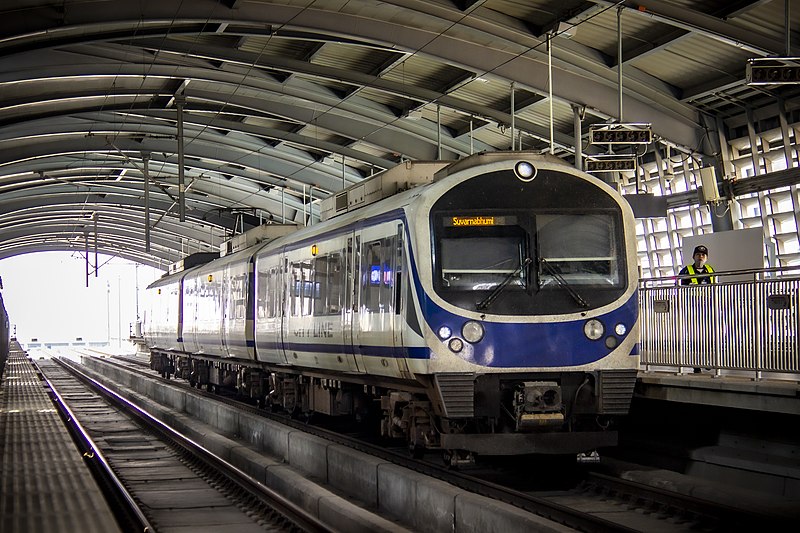
The high-speed rail project connecting Don Mueang, Suvarnabhumi, and U-Tapao airports is slated to commence operations later this year, following a revised agreement between the government and the project developers.
Anan Phonimdang, Deputy Governor of the State Railway of Thailand (SRT), confirmed that the revised agreement has been approved by the SRT board.
The agreement will be forwarded to the Eastern Economic Corridor (EEC) Policy Committee and the cabinet for further review to ensure the state’s interests are protected. The Notice to Proceed (NTP) is expected to be issued by the end of this year.
Asia Era One, a consortium led by CP Group, won the 224.5 billion baht contract to build the rail system in 2018. However, the project faced delays due to various issues, including the pandemic’s impact.
The SRT and the Office of the EEC have renegotiated parts of the contract with the consortium to ensure project completion.
“The resolution is clear and based on established principles. The company must provide an additional bank guarantee to assure project completion,” said Mr. Anan.
The revised contract addresses four key issues: payment of the joint venture rights, government investment in the project, an additional bank guarantee, and investment promotion privileges.
Under the new terms, Asia Era One will pay the joint venture rights in full, plus interest, totaling 11.7 billion baht, in seven installments.
The government will begin investing in the project 18 months after the NTP is issued, rather than immediately after the trains start operating. The company is required to provide an additional bank guarantee of 111.9 billion baht within 270 days of the contract revision.
Under the original public-private partnership agreement, the government committed to investing 111.9 billion baht in the project, including 3.57 billion baht for land appropriation. The remaining 108.33 billion baht would be paid starting in the sixth year after train operations commence.
Asia Era One has requested the government to compensate for ongoing construction work.
For the NTP to be issued, the company must first receive an investment promotion certificate from the Board of Investment. However, this requirement has been waived following the review process that concluded on May 22, said Mr. Anan.
If the NTP is issued as planned, the construction is expected to be completed by 2029.
by Eddie Yii | Nov 1, 2023 | Bangkok Property Market Updates, Infrastructure & Urban Development
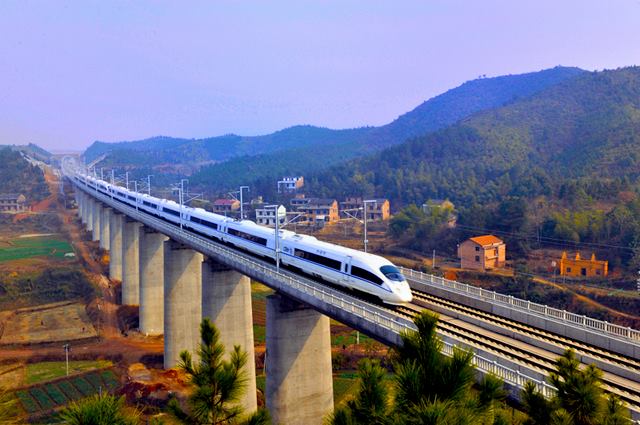
Thailand intends to accelerate the development of the China-Thailand railway, a significant project within the framework of the China-proposed Belt and Road Initiative (BRI), as announced by Thai Prime Minister Srettha Thavisin during a live discussion on Thailand’s future in 2024.
In pursuit of BRI alignment, Thailand aims to establish a railway network connecting Bangkok, Khon Kaen, Nong Khai, pivotal transport hubs in Thailand’s northeastern region, and extending all the way to China.
Srettha emphasized the pivotal role of logistics in Thailand’s BRI cooperation and expressed the nation’s commitment to strengthening the link between its domestic rail system and the China-Laos Railway, which is a prominent BRI initiative in the region. This was conveyed during an interview with Xinhua before his official visit to China, where he also participated in the third Belt and Road Forum for International Cooperation.
The China-Thailand railway, a crucial component of the trans-Asian rail network, is poised to become Thailand’s inaugural standard-gauge high-speed railway.
Upon completion, this railway line will facilitate train travel from Bangkok to the border town of Nong Khai. There are plans for a bridge to connect it with the China-Laos Railway, thus enabling train travel from Bangkok, through Laos, all the way to Kunming in Yunnan Province, southwestern China.
Yours sincerely,
The editorial team at IBP Real Estate Co., Ltd.
by Eddie Yii | Oct 28, 2023 | Bangkok Property Market Updates, Infrastructure & Urban Development
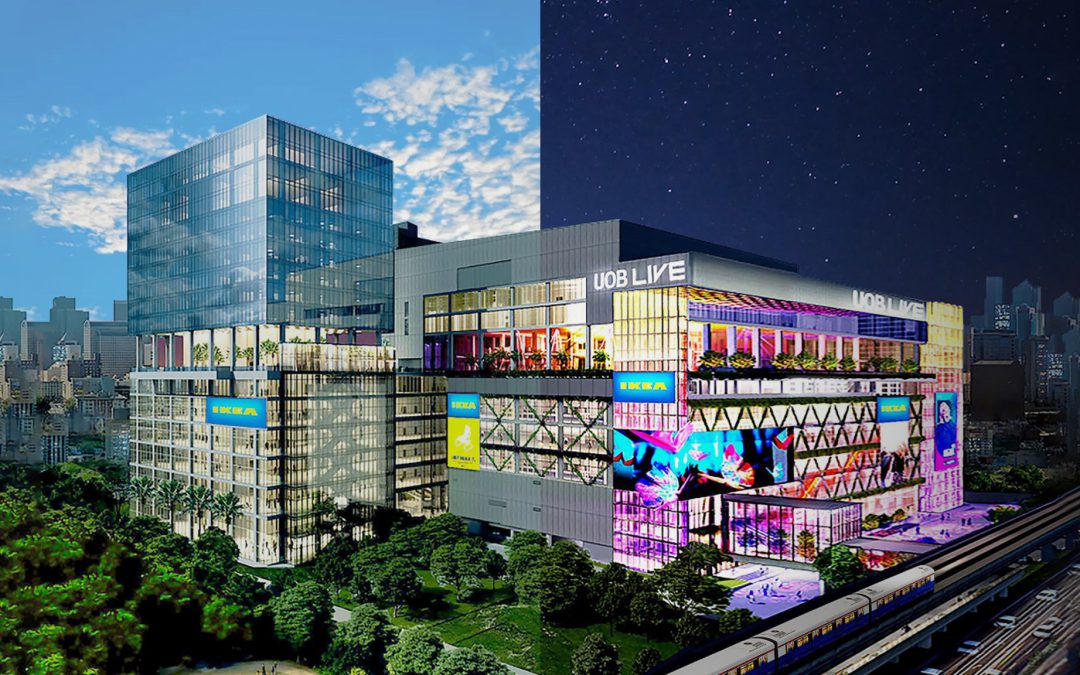
The Mall Group Co, a prominent retail operator in the country, is set to unveil The Emsphere on Sukhumvit Road in December 2023 as a vital component of their expansive retail district, requiring a substantial investment of 15 billion baht. The Emsphere represents the latest addition to the group’s “EM District” development initiative, encompassing 50 rai of land in the Sukhumvit area and offering a collective usable space of 650,000 square meters. Situated adjacent to Benchasiri Park, The Emsphere encompasses a mixed-use project developed on a 20-rai plot.
Conceived under the “Future Retail” concept, The Emsphere embraces the latest trends, immersive experiences, and a futuristic lifestyle for its customers. Its opening has been delayed by two years from the initial plan due to the impact of the Covid-19 pandemic. Chairwoman Ms. Supaluck Umpujh expressed, “We allocated a budget of 500 million baht to craft The Emsphere, infusing a fresh aura into Bangkok. Each of our malls within the EM District is tailored to address distinct consumer needs.”
She also described The Emsphere as the most challenging undertaking in the group’s four-decade history in Thailand’s retail sector. She emphasized the importance of making each of the three malls within the EM District a fun and enjoyable shopping destination for visitors.
The new mall is slated to house EmLive, a world-class arena in collaboration with UOB, spanning 20,000 square meters, equipped with more than 6,000 seats and managed by AEG, a prominent player in the entertainment and sports business. IKEA will take up the entirety of its 3rd floor, spanning 15,000 square metres, and it will also introduce the first 2 Gordon Ramsay restaurants in Thailand – Bread Street Kitchen & Bar, and Street Pizza.
The project will create 10,000 new job opportunities across all its complexes, with an ambitious goal of attracting 80,000 to 100,000 visitors daily, elevating Bangkok to a metropolis that can rival cities such as Paris, Shanghai, London, New York, Japan, and Seoul.
Yours sincerely,
The editorial team at IBP Real Estate Co., Ltd.
by Eddie Yii | Oct 13, 2023 | Bangkok Property Market Updates, Developer Watch, Infrastructure & Urban Development
Central Pattana Plc (CPN), a prominent player in the retail and real estate sector, best known for managing Central shopping centres, has revealed its ambitious strategy to embark on the development of five extensive mixed-use projects in different parts of Bangkok. These areas encompass the downtown, central business district (CBD) and northern Bangkok. The company intends to carry out these projects between 2023 and 2027, with an estimated total cost exceeding 100 billion baht.
These five projects are strategically distributed across various locations, with one of them, Central Park, planned to be situated within Dusit Central Park and slated for unveiling in the third quarter of 2025. In addition, there is a project neighboring the existing Central Embassy at the Wireless Road intersection, another discreetly positioned behind the Central Shopping Complex on Rama 9, and two expansive developments covering 700 rai of land in the Rangsit area and across from Magic Land in the Phahon Yothin locale. Construction work for the latter two projects has already commenced. Each of these mixed-use endeavors necessitates a minimum investment of 20 billion baht and offers an extensive space of 350,000 square meters. Central Park, a pivotal element of this five-year business plan, is poised to redefine the urban landscape of Bangkok, much like Central Park in New York or Hyde Park in London.
Wallaya Chirathivat, the president and chief executive of CPN, expressed her confidence in the company’s capacity to adapt to changing circumstances and capitalize on government policies and promotional strategies. She anticipates a significant surge in foreign tourist arrivals, with projections of 25-30 million visitors for the current year, 40 million in 2024, and an expected surpassing of 40 million by 2025. These forecasts align with a steady annual GDP growth rate of 3-4%.
Chanavat Uahwatanasakul, CPN’s chief development and commercial officer, highlighted that the Dusit Central Park project distinguishes itself in four key aspects. Firstly, it leverages the collective strengths of Central Group, Central Pattana, and Dusit Thani Group. Secondly, its prime location in the bustling CBD of Bangkok and the affluent neighborhood offers significant potential. Thirdly, the project aims to deliver unique, tailor-made experiences. Lastly, with a substantial seven-rai green space, it strives to enhance people’s quality of life. Chanavat expressed the aspiration to transform Rama 4 into a vibrant hub for a new luxury lifestyle.
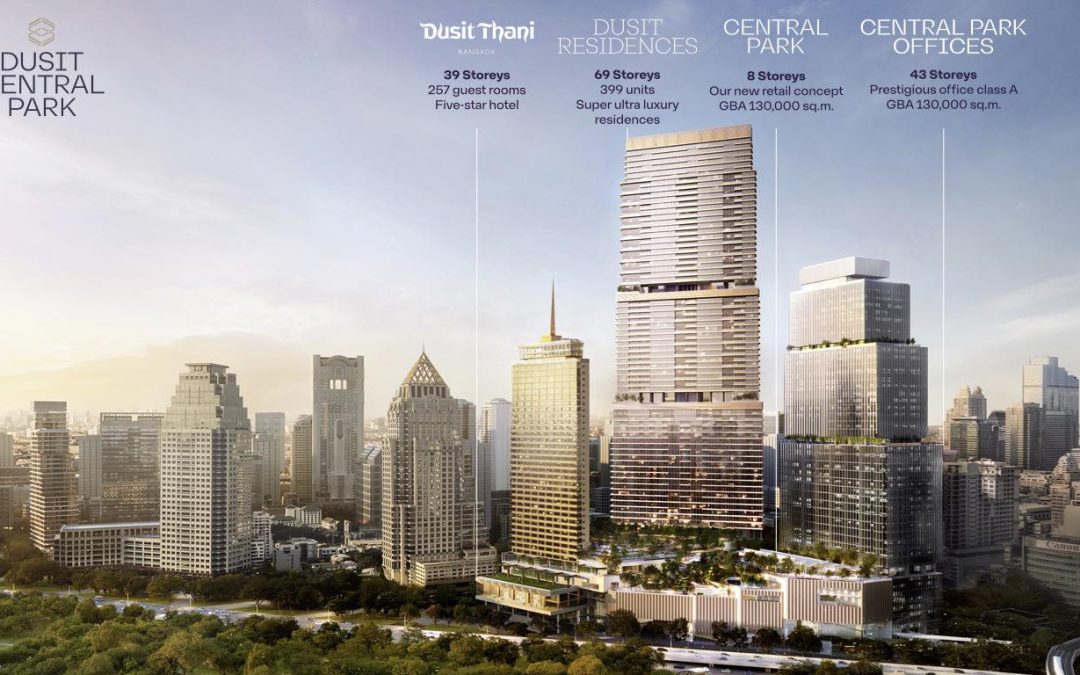
Isareit Chirathivat, CPN’s head of fashion and luxury partner management, introduced Central Park as a new brand under the Central Pattana umbrella. This brand plays a pivotal role in the 46-billion-baht Dusit Central Park project, situated on a 23-rai land plot at the Silom-Rama 4 road intersection. Other components of this project include the 39-floor Dusit Thani Bangkok Hotel, expected to open in mid-2024, Central Park Offices covering 130,000 square meters, scheduled to open in the second quarter of 2025, and residential areas encompassing 50,500 square meters. Additionally, the Central Park shopping centre, with a gross building area of 130,000 square meters, is set to open in the third quarter of 2025.
Nattakit Tangpoonsinthana, CPN’s chief marketing officer, acknowledged that the Israel-Hamas conflict might have a short-term impact on the retail business, but the company will closely monitor its influence on different regions. He emphasized that Middle Eastern customers typically visit Thailand during specific seasons, with the majority of the company’s customer base being weekend travelers from neighboring countries.
Lastly, according to Ms. Wallaya, the company is ready to engage in negotiations with the State Railway of Thailand for the renewal of the Central Latphrao agreement and holds an optimistic outlook regarding this renewal.
by kevinyeo | Sep 18, 2018 | Bangkok Property Market Updates, Infrastructure & Urban Development, New Launches & Project Previews
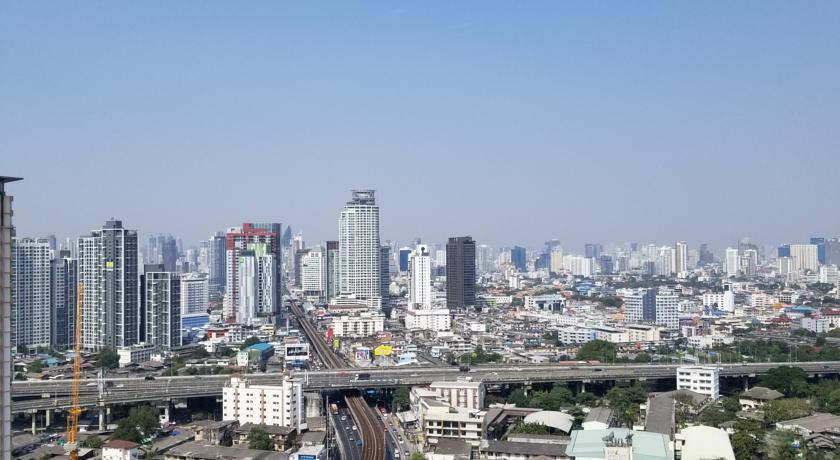
July and August were busy months for condominium developers in Bangkok, with 11,600 new units launched, bringing the total to 33,395 for the first eight months of 2018.
The two-month total was 37% higher than for the entire second quarter of this year, and many more developments are in the pipeline for this month. Consequently, the industry is on track to match or exceed the 2017 total of 56,000 units.
Further success will depend on economic conditions, but purchasing power and consumer confidence have been recovering steadily in line with economic growth rates.
Seventy-six percent of all the new condo units launched in the first eight months of this year have been along existing BTS and MRT lines and around 20% along new routes under construction. The relatively low interest in new lines reflects skepticism among developers and consumers about mass-transit construction, which tends to run three years or more behind official schedules.
As well, new condo projects along existing mass-transit lines continue to enjoy high take-up rates among Thai as well as foreign purchasers. For listed developers, sales rates in these locations have averaged around 65% this year.
Sales to foreigners at some condo developments have reached the limit of 49% of the available space, with units fully booked within hours in some cases. Thai buyers’ purchasing power has also been improving, but some buyers remain concerned about political developments and how the economy will fare under a new government if elections take place next year.
Listed developers continue to be the main players in the condo market, responsible for 58% of all new units so far this year. Another 20% have come from well-known non-listed firms, with small and new developers accounting for the rest.
Some 70% of new units launched this year are selling at below 150,000 baht a square meter, as developers believe unit costs of 5 million baht or less are about right.
The housing market is also showing a positive trend, with a pickup in new projects, especially townhouse developments near under-construction transit systems. Listed developers, in particular, have seen brisk sales for their townhouses.
Single detached housing projects with selling prices below 7 million baht per unit have also done well, especially if they are near future mass-transit lines.
Some 7,000 new detached housing units were launched in the first eight months of 2018, with about 70% of the total price at 5 million baht or less. The average take-up rate of 50% is not low for housing projects and is evidence of a positive trend.
by kevinyeo | 24 May 2018 | Bangkok Property Market Updates, Infrastructure & Urban Development
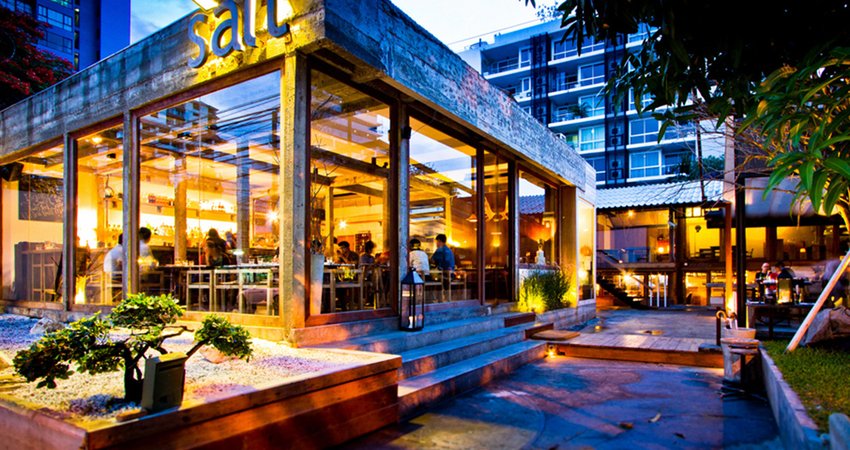
Neighborhoods along mass-transit lines that offer easy access to the central business district of Bangkok have long been a priority for property developers, especially those specializing in condominiums. Along the BTS, the area north of Victory Monument offers a rich variety of residential neighborhoods, government and business offices, schools and other facilities. One area that stands out is around the Ari BTS station.
A condo building boom in the Ari area prior to 2014 has left little land available to develop, although some projects are in the pipeline for completion this year. The neighborhood is now home to a total of 4,407 condo units, 82% of which were launched before 2014.
With land prices topping 1 million baht per square wah along main roads and at least 400,000 baht along smaller sois, it is becoming very expensive to develop new condominiums in the area. As well, planning regulations limit height and density in narrower sois, making building uneconomical.
Given the limited number of new condo launches in recent years, take-up rates have been very high as the neighborhood remains desirable, leading to the good potential for second-hand sales. The average selling price of older units in the area was around 130,000 baht per square meter and has been rising 7-8% per year. But the average selling price in buildings launched after 2015 is 185,000 baht per sqm. The best-located buildings along Phahon Yothin Road close to the Ari station can fetch prices almost twice as high as those in smaller sois farther from the main road.
There has been some backlash in recent years against further development around Ari, given how densely populated it has become. Complaints about noise, pollution and other problems from big new big residential projects have led to tougher enforcement of planning restrictions.
That leaves the area along Phahon Yothin Road itself, but here land prices are becoming an issue. But developers have launched some new condo projects priced at 220,000 baht per sqm or more and still achieved high sales, suggesting buyers are willing to pay a premium.
by kevinyeo | 22 May 2018 | Bangkok Property Market Updates, Infrastructure & Urban Development
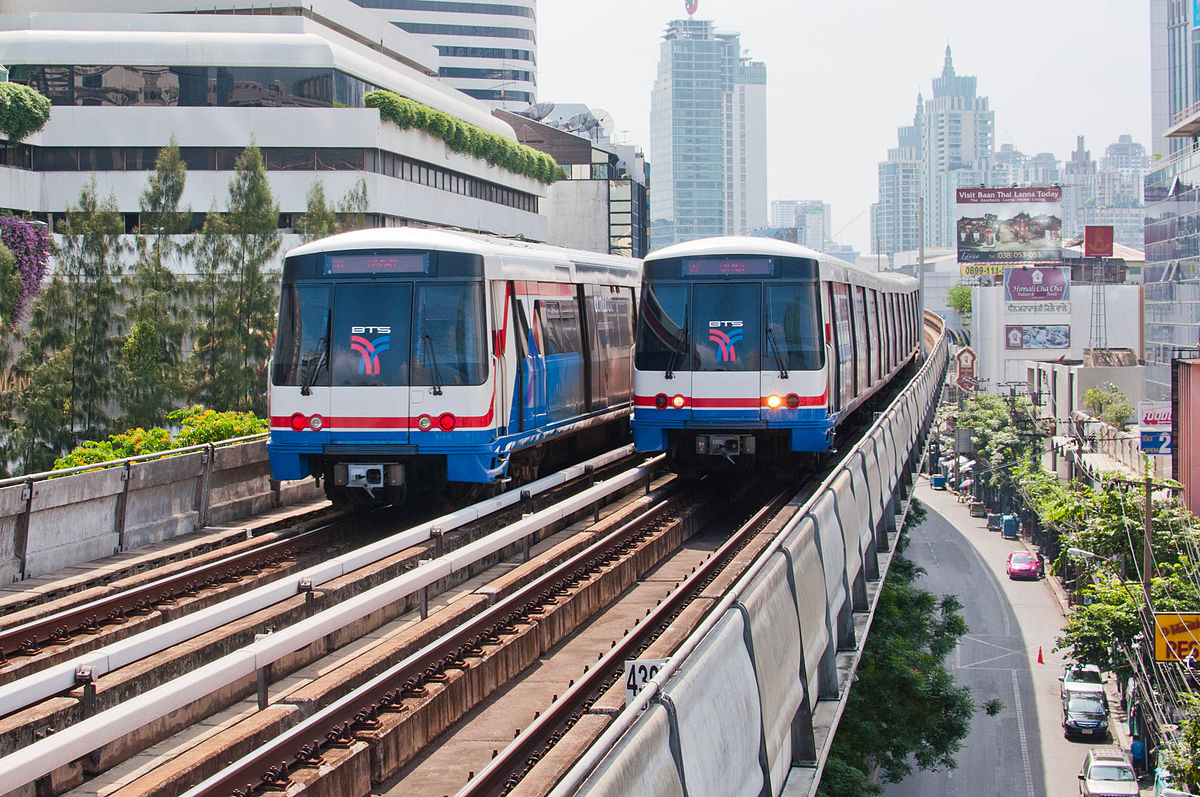
Bangkok’s first mass transit line, the Bangkok Mass Transit System or BTS, was completed in 1999 and represented the start of a change in the way that Bangkok’s residents got around the downtown areas of Bangkok.
The original mass transit light rail train in Bangkok was developed by the BTS Group to run the above ground train along Sukhumvit Road. Not too long after in 2004, an underground subway system was constructed, which was developed and run by another company called Mass Rapid Transit Authority of Thailand (MRTA).
Traditionally, these two trains have been considered separated with the BTS being “the sky train” and the MRT being “the subway”; however massive expansion of both systems have been underway for the past few years and soon the MRT will have both above and below ground lines. By 2025, Bangkok will have more mass transit lines than London if there are no major delays, which is quite impressive considering that it took London almost a century to build up its train network to what it is today. Thailand will have done so in around a third of the time.
Currently, Bangkok has 110 kilometers of mass transit light rail lines encompassing 78 stations in Bangkok. Another 193.2 kilometers is currently under construction which encompasses 126 stations due to be complete by 2020. A planned 147.1 kilometers with 70 stations are in the plan for completion between 2021 and 2025. From 2013 to 2017, the BTS green line had the highest ridership of 744,499 passengers per weekday followed by the MRT blue line at around 349,000 passengers per weekday.
The MRT purple line, linking Tao Poon to Khlong Bang Phai, was recently opened in 2016 to underwhelming ridership numbers. This was due in large part to a lack of connection between the blue line end station of Bang Sue and the purple line starting station of Tao Poon. Last year, they fixed that issue connecting these two stations together and ridership jumped from around 33,130 riders per weekday to 48,992 riders, which is still not as high as they had hoped. Another train system that should be mentioned is the Airport Rail Link (ARL) which can be accessed from around Phaya Thai BTS Station and connects to Suvarnabhumi Airport. This system has been relatively underused since its completion in 2010 carrying only around 67,631 passengers per weekday, most of which are commuters rather than airline passengers going to and from the city to the airport area stations.
The expansion plans for the light rail system in Bangkok and surrounding areas is quite extensive but the blue line is one that is worth highlighting.
As mentioned above, the blue line is part of the MRT system that currently runs from Hua Lamphong to Bang Sue; however, the expansion of this line will create the first full circle route which should create a much more seamless riding experience for passengers resulting in higher ridership than the current blue line.
The blue line is going to extend across the river to Thonburi side out to Bang Khae but also loop north to connect with Tao Poon station with an interchange at Tha Phra. This loop should lead to a significant increase in ridership as the route takes riders through many important locations such as China Town, Hua Lamphong, Lumpini, Sukhumvit, Rama 9, Ratchada, Lat Phrao, Chatuchak and then over across the Chao Phraya River into Thonburi. The Thonburi link is significant as current road routes are often very congested, especially at peak hours. The train will provide a new option that can get travelers to many key areas of Bangkok where they can then connect to other routes or walk to their destinations.
This could lead to a revitalization of the old Chinatown area, especially as a tourist destination.
Apart from this key route, the BTS and MRT line extensions when completed and combined will allow riders of the rail transport system to connect to virtually all the primary downtown and midtown areas of Bangkok. This improvement should also encourage tourists to venture out further from downtown Bangkok since tourists must rely on public transportation. Having a fixed rail route will give them more confidence to explore further out of Bangkok Central Business District (CBD) without the fear of getting lost or stuck. Furthermore, these new routes, especially locations along the blue line loop should make for good opportunities for developers of residential, retail, office, and hotel projects as access to these properties will be superior thanks to extensive connections to the blue line.
Ultimately implementation will be a large driving factor that will affect ridership.
This includes efficiency of payment methods such as the “spider card” that’s been proposed which allows one card to be used on all public transport systems as opposed to the mutually exclusive systems currently used. Safety in terms of security and equipment maintenance and timeliness of the trains will also affect rider trust and usage.
We still have seven years of construction to go just to complete the current planned network, but it is a positive sign to see progress being made on these construction plans which would make Thailand’s light rail system one of the most advanced and comprehensive in the region.
Noted: Writer by Aliwassa Pathnadabutr, Managing Director of CBRE Thailand
by kevinyeo | 12 May 2018 | Bangkok Property Market Updates, Infrastructure & Urban Development
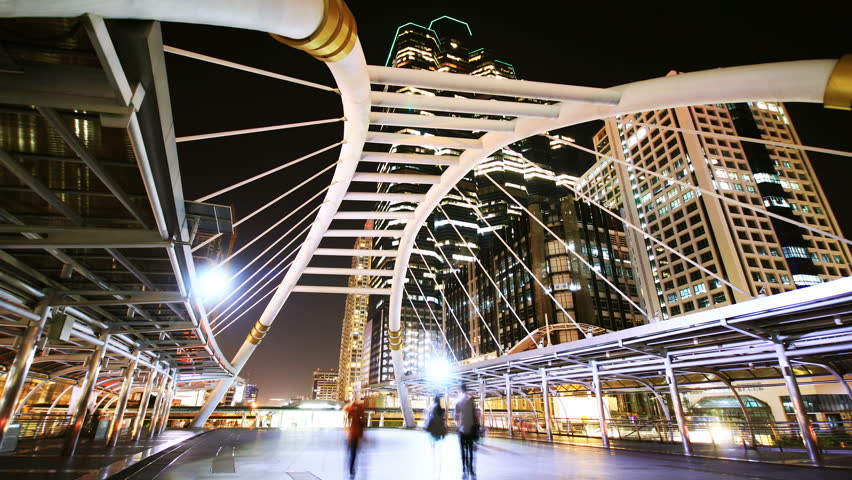
Bangkok’s condominium market remains bright, driven by rail expansions and an increasing focus on convenience among buyers, says Knight Frank Thailand Research.
In 2017, 62,751 new units entered the market, an increase from 19% in 2016, said the property consultant firm.
The average annual total sales rate was about 76%, reflecting growth from the 74% seen in 2016. The most popular locations continue to be around the Light Green Line (Sukhumvit) and the MRT Blue Line.
As for the central business district (CBD), Sukhumvit remains the most popular area, with about 11,000 new units coming into the market; this was followed by Wireless Road, Silom and Sathon with 2,300 units, and Rama IV with 817 units.
Beyond the CBD, real estate development companies focused their attention on Rama IX-Ratchadaphisek, Phahon Yothin, Lat Phrao and On Nut-Bearing, with 19,000 new units entering the market.
In 2017, the CBD and surrounding areas experienced average sales rates of 78% and 71%, respectively, while new suburban projects averaged an annual sales rate of 80%.
This serves as a good indicator of consumer confidence in the market, the consultancy said. The selling price per square meter rose in all segments, particularly the CBD, which has limited plots of land suitable for the development of new projects.
As a result, land prices soared, which is reflected in the sale prices. New projects in the CBD commanded average sales price of 248,267 baht per square meter, while the area around the CBD was priced at 131,521 baht per sqm, and new projects in the suburbs averaged 79,871 baht per sqm, increasing from 2016 by 8.6%, 1.2%, and 6.5%, respectively.
For the first quarter this year, there were 12,563 new condominiums entering the market, and new units enjoyed sales of 55%. Over half of them were launched in March 2018.
The average selling price per sqm in the CBD and surrounding areas clearly contracted from the same period of last year. This is because projects launched this quarter are located in less prominent areas, with lower grade specifications.
But the average sales price of a new unit in the suburbs grew to a record-high 110,353 baht per sqm, up 61% compared with the first quarter of 2017 and up 38% from the entire year.
The scarcity of land in the city is a factor, coupled with steadily rising land prices. Many operators are also increasingly turning their attention towards peripheral areas.
In this quarter, one project had an offering price of more than 110,000 baht per sqm. With six projects launched in the suburbs, the average selling price per square meter was pushed higher than previous years.
This year, the market outlook for suburban areas and around the CBD sees both locales with opportunities for growth, according to Knight Frank, especially for projects near mass transit train lines or no farther than one kilometer from the lines.
Such areas should continue to receive heightened attention from large and mid-scale property developers.
by kevinyeo | Apr 30, 2018 | Bangkok Property Market Updates, Infrastructure & Urban Development
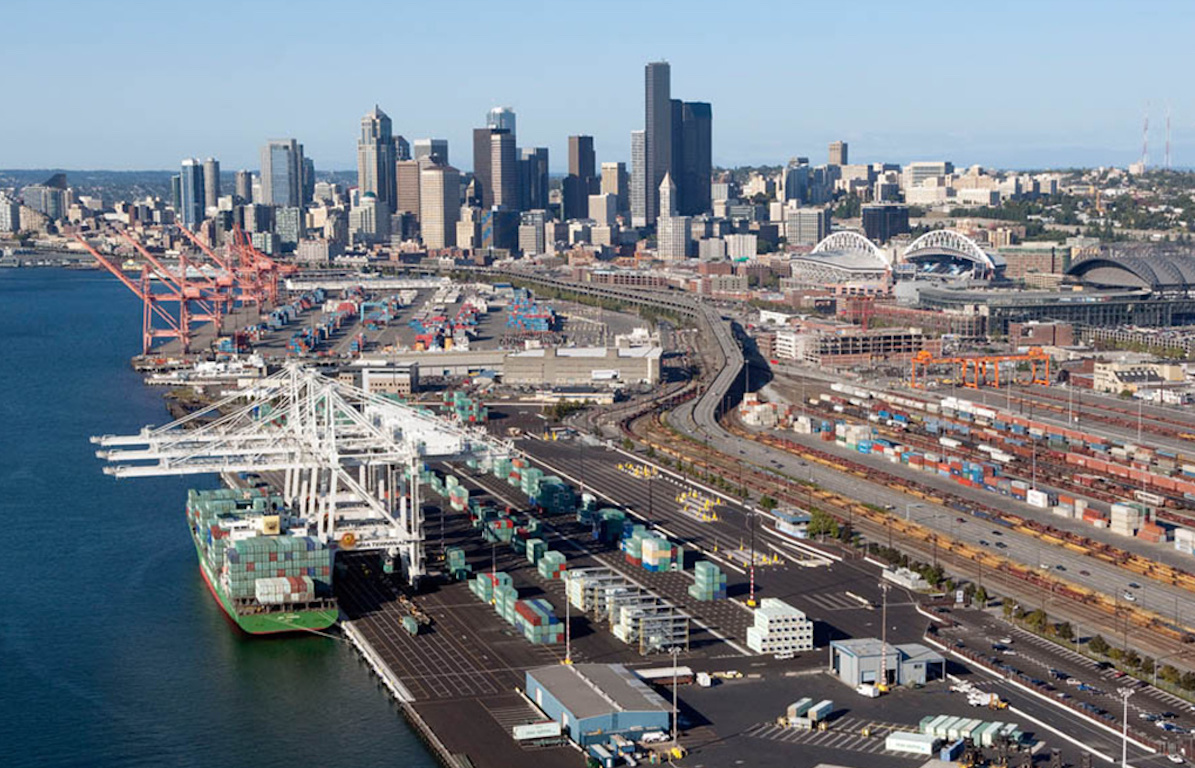
PLANNED high-speed and double-track rail projects to serve the Eastern Economic Corridor (EEC) are expected to begin services in 2023, with an investment value of THB 296.42 billion alone flagged for the high-speed train service, the State Railway of Thailand (SRT) said.
Up to THB 214.3 billion of this amount would be spent on getting the high-speed service up and running, with THB 4.99 billion put to compensation for land expropriation covering 400 rai along the route and the rest allocated to the development of commercial areas around the main station, Chulathep Chittasombat, director of the centre that oversees railway maintenance projects, said at a press conference yesterday.
Chulathep said the two infrastructure projects would equip the flagship economic zone with the rail transport it needs for freight and people.
The terms of reference for the high-speed train project – connecting the Don Mueang, Suvarnabhumi and U-Tapao airports – are being drafted on the expectation for bidding to be opened this year and construction to start in 2019.
“The plots of land planned for expropriation will account for only 5 percent of the total construction area, of which 95 percent will cover the existing rail route,” Chulathep said.
The Office of Transport and Traffic Policy and Planning is conducting a feasibility study for construction of an Inland Container Depot (ICD) in Chachoengsao province to facilitate exports. Inspection and packing would be done before the goods reach ports in the EEC area.
Regarding the second phase of the high-speed train and double-track rail services that will connect industrial estates in the EEC, the SRT is requesting for additional funds to hire consultants, at about THB 200 million for each project, to conduct studies and project design.
The bidding terms for the high-speed project will be announced in July on the expectation for bid submissions in February next year, with the bid winner likely to be announced in May next year. The high-speed project’s full services would start in 2023.
An anonymous source from Bangkok Mass Transit System Plc said that the company is interested in the high-speed project and would assess whether to proceed with a bid based on factors such as expense, the cost of funding, projected income and the break-even period.
“Once the bidding conditions come out, the figures must be taken for evaluation and discussions will be held with a partner on the return on investment. If it’s satisfactory, all the parties will join up in a bid,” the source said.
Piyasvasti Amranand, the chairman of PTT Plc, said that the board had approved PTT Group’s planned purchase of the TOR for the high-speed project with the aim of a conducting a feasibility study into it. No consideration yet had been to given to company’s seeking of a partner for joint investment.
Prasert Marittanaporn, director of CH Karnchang Plc, said that the group was interested in joining the bidding for the high-speed train, citing its readiness to proceed in the construction business.
“The company is ready and interested to bid. But the source of financing may need to be given more consideration, given the relatively high investment,” Prasert said. “It could be an investment on our own or a joint investment with a partner. We have had some talks with potential partners.”
Separately, Deputy Transport Minister Pailin Chuchottaworn yesterday said that, after having chaired a brainstorming session on the creation of an organisation for the management of the Thailand-China high-speed rail service, eight financial advisers registered with the Securities and Exchange Commission were invited to bid for a model of the establishment of such an organisation. The deputy minister cited the advisers’ expertise in financial management and real estate development.
Initially, the organisation may be established as a company to be listed on the stock exchange for fundraising and more management flexibility, he said. It must be a newly established unit owned and controlled by the public sector, independent from the SRT, which owns the high-speed train project, the deputy minister added.
“These financial advisers will present the model of the organisation within one month and then, a subcommittee will select the best proposal,” Pailin said. “The winner will be assigned as the project’s financial adviser in return as these financial advisers will conduct the study for us at no cost. The organisation is expected to be set up this year.”
The eight financial advisers are Kasikornbank, Siam Commercial Bank, United Overseas Bank (Thai), Finansa Securities, RHB, Ploenchit Capital, Avantgarde Capital, and PricewaterhouseCoopers FAS
by kevinyeo | Mar 8, 2018 | Bangkok Property Market Updates, Infrastructure & Urban Development, Investment Analysis
Eleven new mass transit lines citywide spanning 480 kilometers will change the property landscape and urban lifestyles in the next decade, say property analysts.
Surapong Laoha-Unya, chief operating officer at Bangkok Mass Transit System Plc, operator of the Skytrain, said new mass transit lines scheduled for the next decade will change the property landscape similar to the skytrain’s effect the past 18 years.
The 11 new lines include the Orange Line running from Taling Chan-Thailand Cultural Centre-Min Buri, the Pink Line from Khae Rai to Min Buri, the Yellow Line from Lat Phrao to Samrong and the recently approved 22km Brown Line monorail from Khae Rai to Lam Sali.
“Land prices in locations along the Skytrain and MRT rose by 10% per year on average, compared with an average increase of 3% in land prices in Bangkok,” he said Wednesday at a seminar on mass transit lines.
In popular locations in the inner city like Nana, Asok, Phrom Phong and Ari, land prices increased higher than 10% per year.
Mr Surapong said the amount of new housing supply being launched in Bangkok each year was falling, but condos near mass transit lines are rising, with a sales rate exceeding 70% on average.
Ridership has risen by 9.1% per year since the skytrain started running in 1999. The Green Line averages 700,000 rides on weekdays and 800,000 rides on weekends now, up from 150,000 rides in the early years.
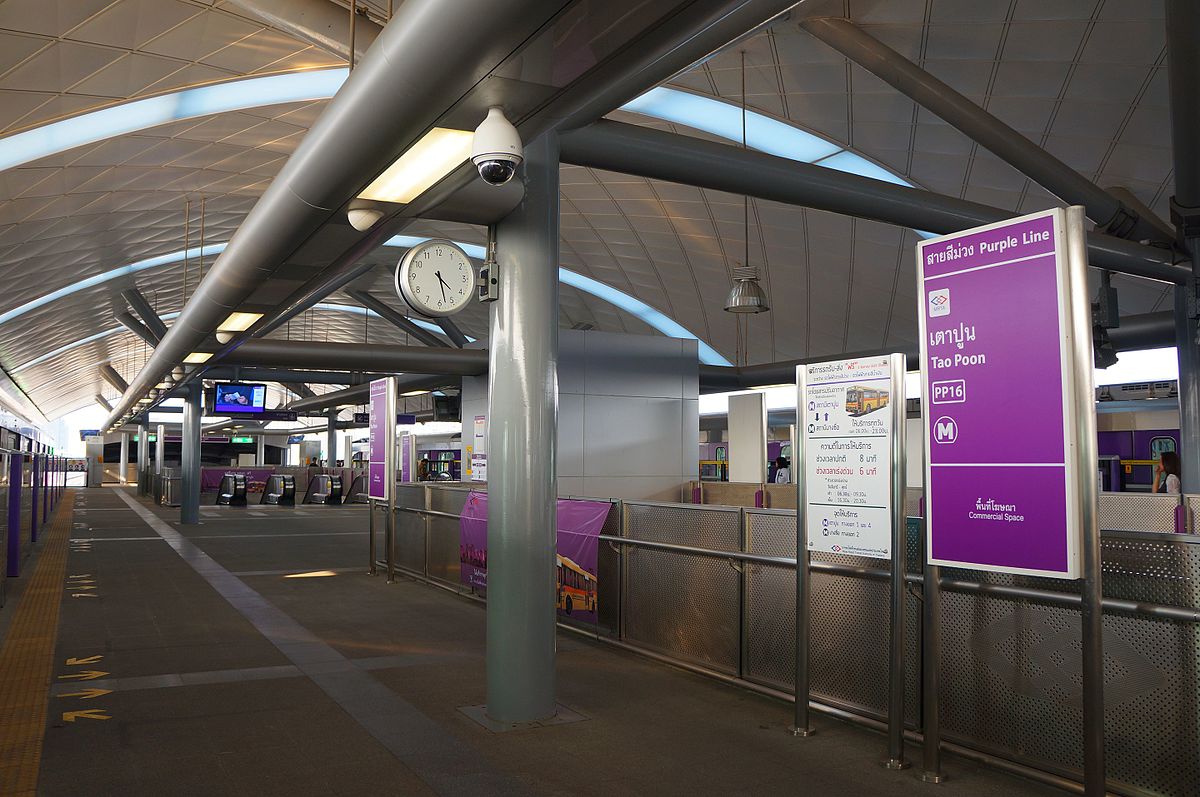
However, the number of rides on the Purple Line is only 50,000-60,000 a day.
Tritecha Tangmatitham, managing director of SET-listed developer Supalai Plc, said there were two factors that would help boost condominium demand: high land prices and heavy traffic.
“In locations along the Purple Line on Rattanathibet Road onwards, land prices are still low and traffic is not too heavy,” he said.
“People usually prefer a single house or townhouse to a condo unit. This is why there are still several unsold condos there.”
During the Purple Line’s construction, condominium launches had a good sales rate. When it was completed and a slew of new condo supply launched, some consumers found living in a condo near the Purple Line was not to their liking, said Mr Tritecha.
“The Purple Line is not popular as it takes longer and is more expensive than using a passenger van,” he said.
“Even when the missing link was connected, it did not matter.”
Over the next seven years the amount of new mass transit lines is set to triple.
“The amount of new condo supply launched in the inner city was large during the past few years as development of mass transit lines disconnected after the Purple Line,” said Mr Tritecha.
The Orange, Yellow and Pink lines will open new locations for property development, expanding to wider areas. Last year new condos launched in some locations where they had been lacking for several years, he said.
Chatchai Payuhanaveechai, chief executive and president of Government Savings Bank, said higher land prices, driven by mass transit lines, would change condo demand in inner city locations as prices soared.
“Foreigners will become a new market for the Bangkok property market as condos priced higher than 300,000 baht per square metre may not be mainly for Thais,” he said.
“Many wealthy Thais still want to live in a single house on a large plot of land.”
According to the bank’s research, the new residential supply launched in Greater Bangkok rose 3.5% last year while residential demand increased 5.5%. Residential value increased 11% as residential prices rose.
In a related development, Deputy Commerce Minister Somkid Jatusripitak, who Wednesday chaired a meeting of the Commission for Management of Land Traffic, ordered related agencies to speed up 11 new mass transit developments in Bangkok and five light rail projects in Khon Kaen, Chiang Mai, Phuket, Phitsanulok and Nakhon Ratchsima to ease the traffic congestion.
All mass transit development projects should become operational by 2025, he said.
by kevinyeo | Feb 13, 2018 | Bangkok Property Market Updates, Infrastructure & Urban Development
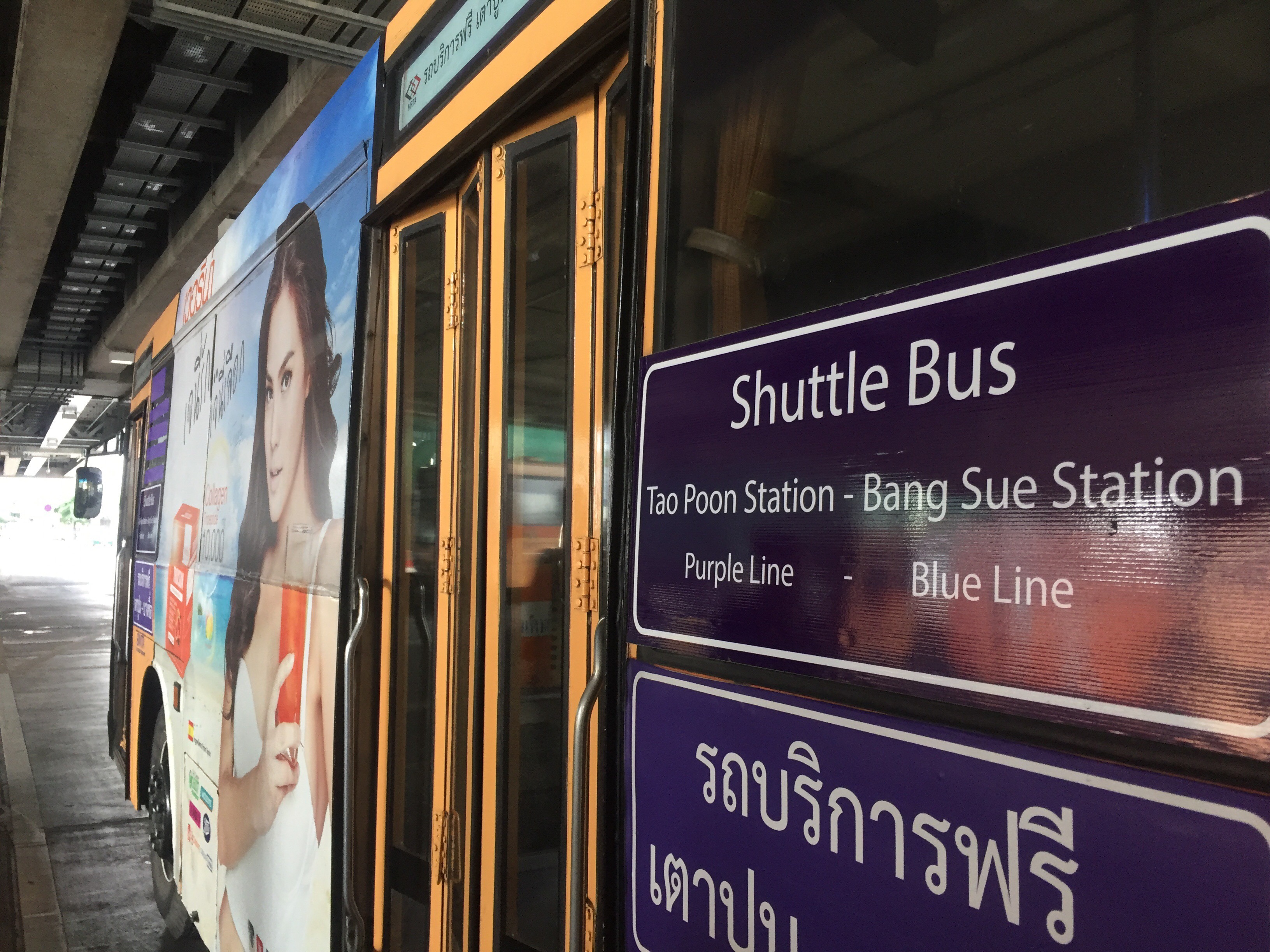
Tao Poon-Bang Sue is transforming into Thailand’s largest mass-transit hub, which is expected to be completed in 2020, property agency Knight Frank Thailand managing director Phanom Kanjanathiemthao said on Monday.
The location will also become a new business centre in Bangkok, especially as it has connected the MRT Blue Line at Bang Sue station with the Purple Line at Tao Poon station since the end of last year, he said.
This has greatly boosted the attractiveness of the residential area in Tao Poon-Bang Sue, which has been further augmented with plans to develop over 300 rai (48 hectares) of land around the stations into a transit-oriented development that encompasses mixed-use projects, the MD added.
In terms of the development of condominiums in Tao Poon-Bang Sue, from 2009 to the end of last year, there were 30,200 units in the total accumulated supply, which had an accumulated take-up rate of 90 percent.
Presently, the average selling price per square meter for grade-A condominiums launched in the Tao Poon-Bang Sue area is about THB 117,000 per square meter, Phanom said.
The highest average selling price is THB 134,000 per square meter, according to Knight Frank Thailand’s survey.
by kevinyeo | Feb 6, 2018 | Bangkok Property Market Updates, Infrastructure & Urban Development, Investment Analysis
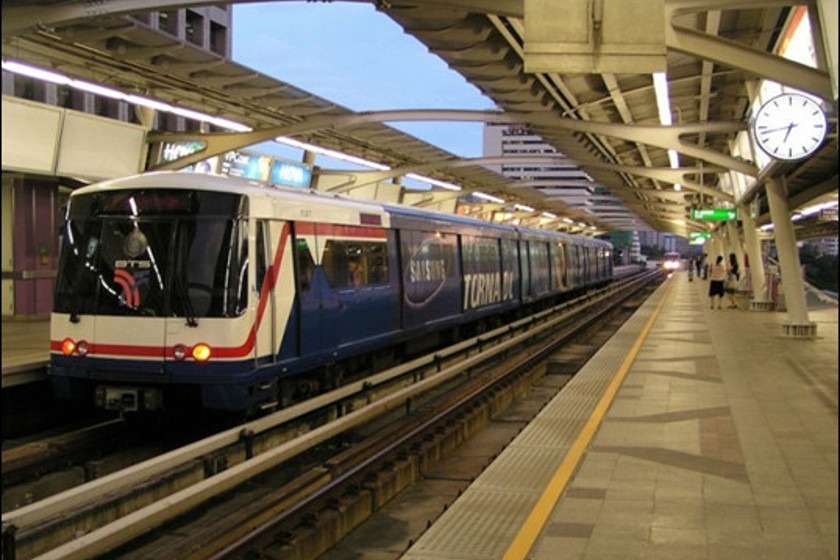
Knight Frank Thailand Research (KFTR) says new mass transit routes will continue to rule real estate conversations in the coming years, as there are a lot of major public transport changes happening in Bangkok in the near future.
The company says it expects heightened competition in previously less accessible zones of Bangkok, especially areas along the BTS Light Green Line Extension (Mo Chit-Kukot), MRT Blue Line Extension (Taopoon–Thapra-Hualamphong), MRT Pink Line (Kae Rai–Minburi), MRT Orange Line (Rama 9–Ramkamhaeng), and MRT Yellow Line (Ladprao-Huamak).
Rent and sale prices in those aforementioned areas are foreseen to increase substantially based on a project’s proximity to convenient transport.
“The amount of new supply launched in Bangkok is expected to mount continuously and big-name developers will be key players in the market supported by their solid capital structure, high bargaining power, and innovative amenities that focus more on experiences and future lifestyle,” KFTR said.
“While selling prices in the peripheral is expected to be stable on the back of land abundance and affordable land prices in the areas, prices for future supply in the CBD is anticipated to increase in line with land scarcity and soaring land prices.”
In 2018, more affordable units are expected to enter the market, especially those between THB 3 million to THB 5 million that will continue to draw attention from buyers in the mid-range market segment, KFTR said.
“However, developers should be cautious in starting new projects in the lower-end to middle market segments along new mass transit routes in the suburbs to cushion against the risk of oversupply.
“On the demand front, demand across the market will continue to be driven upwards by domestic home buyers and expatriates. Moreover, one trend that is helping drive demand is an influx of foreign buyers, especially those from China who are looking for a safe place to store their wealth.”