
Thailand’s latest data-centre investment approvals are not a Bangkok condo sales story in a direct sense. They are more important than that. They show how Thailand is trying to position itself in the next cycle of regional digital infrastructure, clean-energy demand, skilled employment and corporate investment. For foreign property buyers, the news is a confidence indicator, not a reason to abandon due diligence.
On 6 May 2026, a BOI announcement distributed through EQS/WebDisclosure said Thailand’s Board of Investment had approved six major projects worth a combined 958 billion baht, or about USD 29 billion. Three of the approvals were in data-centre and data-hosting services, with a combined investment value of 913 billion baht. The largest was described as a major expansion by TikTok System (Thailand) Co., Ltd., with infrastructure across Bangkok, Samut Prakan and Chachoengsao.
Why Data Infrastructure Matters To Bangkok Property
Digital infrastructure affects property indirectly through employment, business confidence and urban services. Data centres themselves do not create the same residential demand as a new office tower in Asok or Sathorn. Much of the physical infrastructure may sit outside the central residential core. But the corporate ecosystem around cloud services, digital platforms, logistics, engineering, cybersecurity, energy procurement and professional services can reinforce Bangkok’s role as a regional operating base.
That role matters because foreign residential demand is often linked to confidence in the city. Executives, founders, consultants, engineers and regional managers are more likely to rent or buy in Bangkok when the city is seen as connected, commercially relevant and supported by long-term infrastructure investment. In that sense, data-centre approvals sit alongside airports, mass transit, international schools, hospitals and convention facilities as part of the wider liveability and business platform.
The Macro Backdrop Is Still Mixed
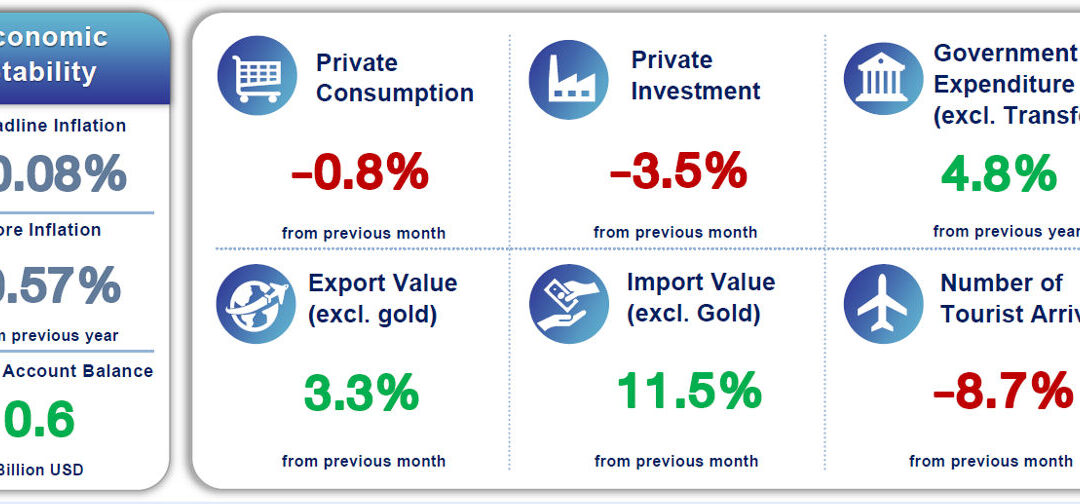
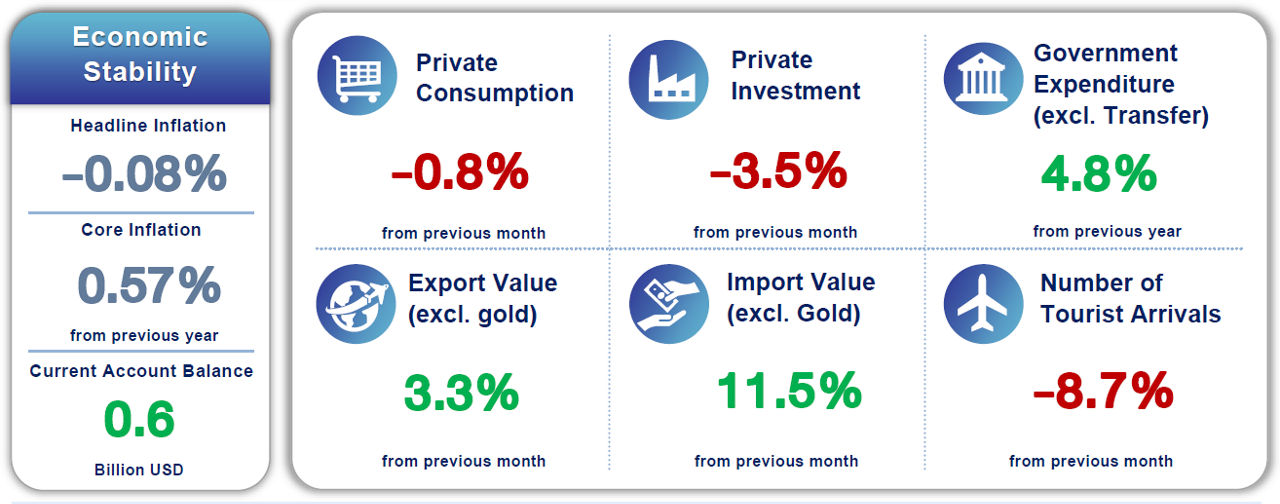
The Bank of Thailand’s 30 April 2026 release on March and first-quarter economic conditions said the economy expanded in the first quarter, supported by demand and supply factors. It also noted that March activity stabilised from the previous month, with merchandise exports and manufacturing production continuing to increase. At the same time, the central bank highlighted emerging pressure from external conflict, including weaker tourist arrivals from parts of Europe and the Middle East and higher fuel-import concerns.
The following day’s property conclusion should be measured. Strong BOI approvals can improve the medium-term narrative, but buyers should not treat them as a guarantee of near-term rental growth. The BOT’s Monetary Policy Committee kept the policy rate at 1.00 percent on 29 April 2026 and noted that credit growth remained subdued. Domestic purchasing power and bank lending caution still matter to the resale market. This is why foreign buyers should separate national investment confidence from building-level liquidity.
Where The Property Link Is Most Plausible
The strongest residential beneficiaries are likely to be areas that already serve internationally mobile workers and corporate tenants. These include central Sukhumvit, Rama 9, Ratchada, Sathorn, Silom, Phaya Thai and selected riverside or airport-linked districts. The common factor is not the data centre itself. It is the ability of the location to house people who work across Bangkok’s corporate, technology, finance and professional-service networks.
Projects with efficient layouts, strong management, direct transit access and a clear rental audience are better placed than speculative buildings far from daily convenience. Foreign buyers should also watch electricity, sustainability and building-management quality. As corporate occupiers become more sensitive to energy and operational resilience, premium residential buildings may face higher expectations for maintenance, systems and environmental performance.

Bangkok’s Premium Positioning Is Broader Than Condos
Bangkok is also preparing to host the 2026 IMF and World Bank Annual Meetings at Queen Sirikit National Convention Centre in October, according to a March joint release by Thai authorities and the IMF. Events of that scale do not make a condominium market by themselves, but they reinforce Bangkok’s position as a city capable of hosting global institutions, executives and policy audiences. For property buyers, that supports the long-term case for central locations with international services around them.
The important discipline is to keep the argument grounded. A foreign buyer should not pay any price simply because Thailand is attracting digital investment. Instead, use the news as one input in a broader checklist: infrastructure relevance, tenant pool, resale comparables, foreign quota, building management, legal transfer and currency documentation.
Buyer Takeaway
Thailand’s BOI approvals show that global technology and digital-infrastructure capital continues to take the country seriously. That is positive for Bangkok’s investment narrative. The property opportunity, however, remains selective. The best Bangkok condos for foreign buyers will be those that translate the macro story into daily usefulness: commute access, tenant demand, professional management and a credible exit market.
For investors comparing districts, start with the IBP investment analysis archive and ask the team to stress-test rental and resale assumptions before reserving a unit.