Thailand’s latest data-centre investment approvals are not a Bangkok condo sales story in a direct sense. They are more important than that. They show how Thailand is trying to position itself in the next cycle of regional digital infrastructure, clean-energy demand, skilled employment and corporate investment. For foreign property buyers, the news is a confidence indicator, not a reason to abandon due diligence.
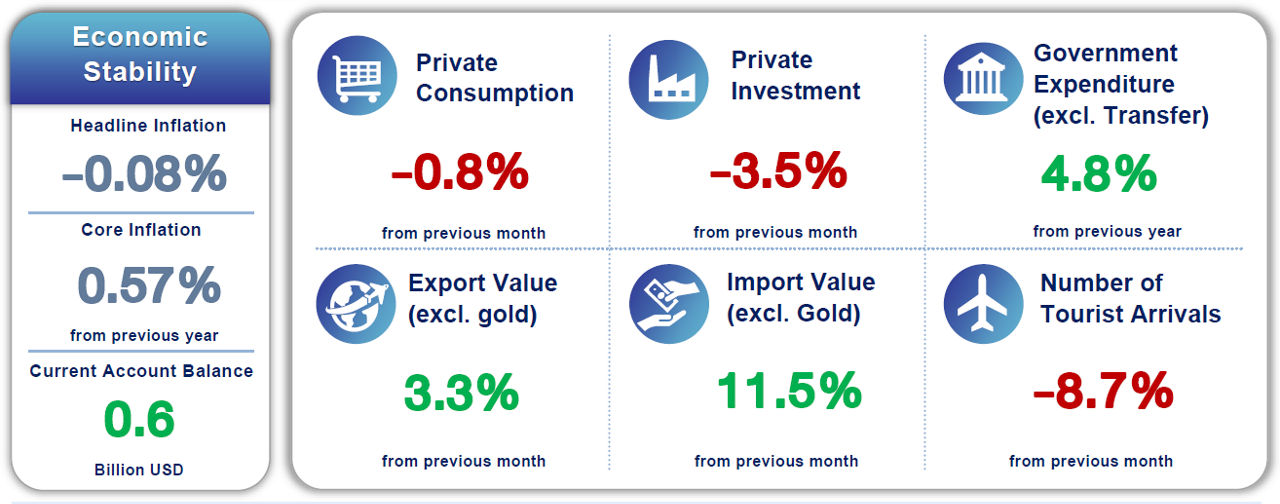
Recent official economic data shows Thailand's growth story is improving but still exposed to external risks.
On 6 May 2026, a BOI announcement distributed through EQS/WebDisclosure said Thailand’s Board of Investment had approved six major projects worth a combined 958 billion baht, or about USD 29 billion. Three of the approvals were in data-centre and data-hosting services, with a combined investment value of 913 billion baht. The largest was described as a major expansion by TikTok System (Thailand) Co., Ltd., with infrastructure across Bangkok, Samut Prakan and Chachoengsao.
Why Data Infrastructure Matters To Bangkok Property
Digital infrastructure affects property indirectly through employment, business confidence and urban services. Data centres themselves do not create the same residential demand as a new office tower in Asok or Sathorn. Much of the physical infrastructure may sit outside the central residential core. But the corporate ecosystem around cloud services, digital platforms, logistics, engineering, cybersecurity, energy procurement and professional services can reinforce Bangkok’s role as a regional operating base.
That role matters because foreign residential demand is often linked to confidence in the city. Executives, founders, consultants, engineers and regional managers are more likely to rent or buy in Bangkok when the city is seen as connected, commercially relevant and supported by long-term infrastructure investment. In that sense, data-centre approvals sit alongside airports, mass transit, international schools, hospitals and convention facilities as part of the wider liveability and business platform.
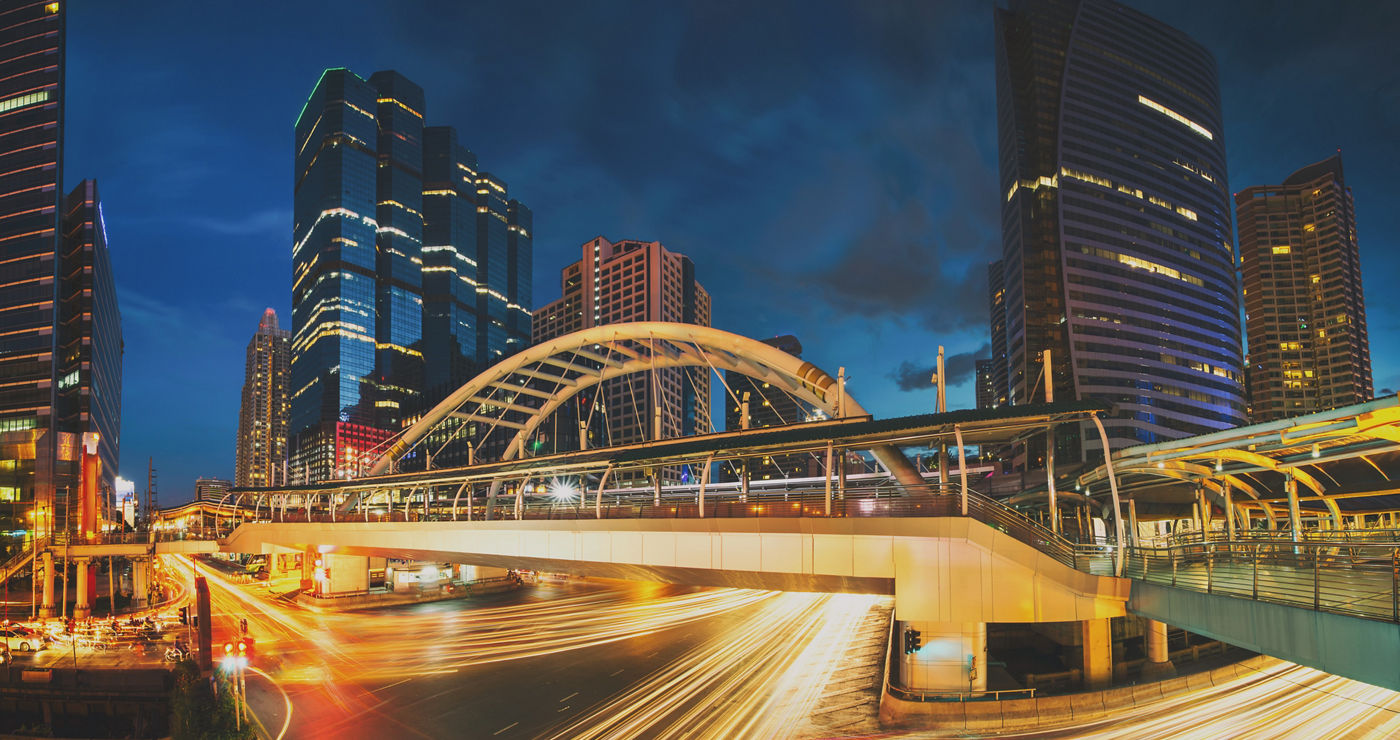
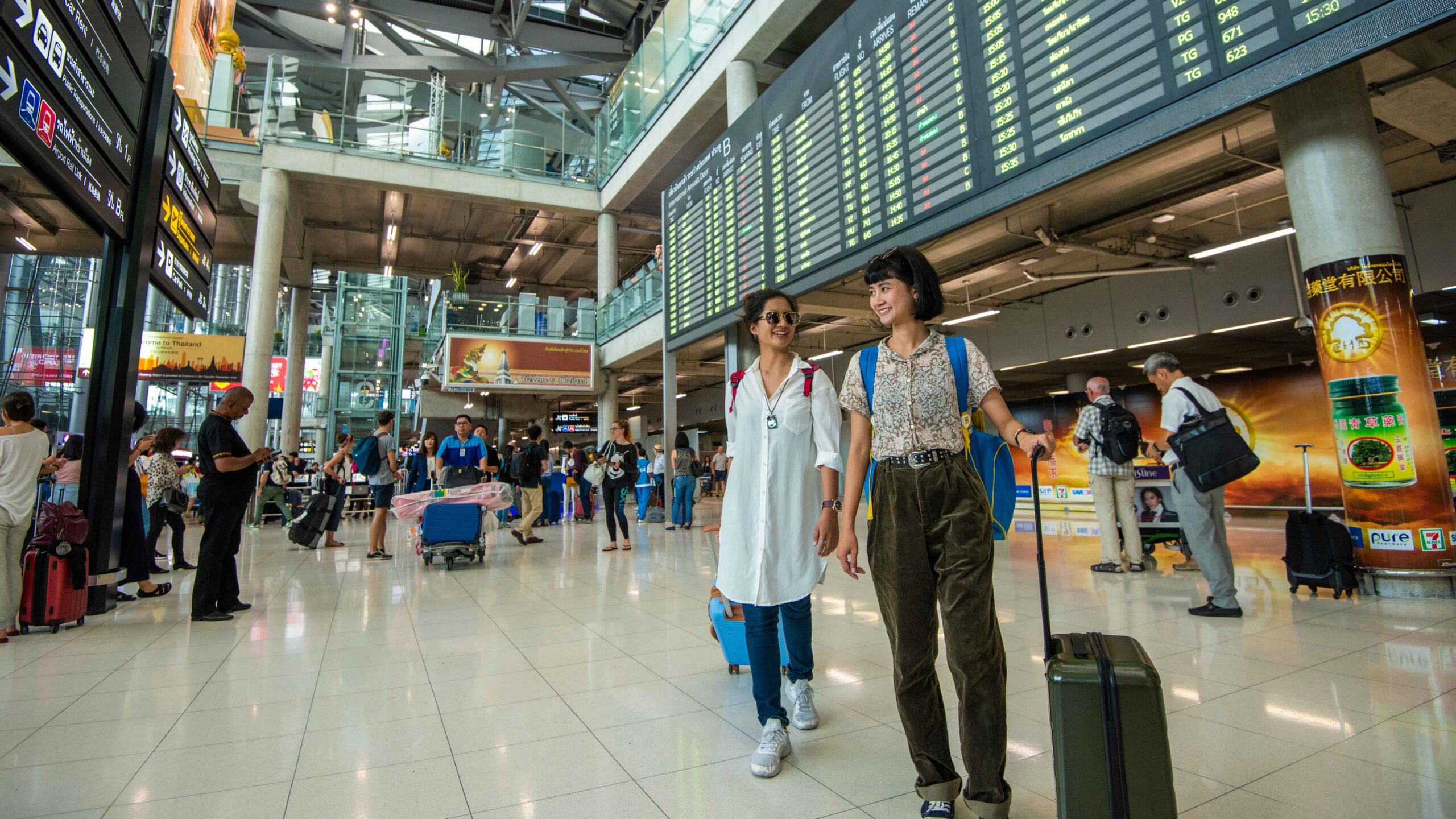
Digital infrastructure investment strengthens the wider case for Bangkok as a regional business base.
The Macro Backdrop Is Still Mixed
The Bank of Thailand’s 30 April 2026 release on March and first-quarter economic conditions said the economy expanded in the first quarter, supported by demand and supply factors. It also noted that March activity stabilised from the previous month, with merchandise exports and manufacturing production continuing to increase. At the same time, the central bank highlighted emerging pressure from external conflict, including weaker tourist arrivals from parts of Europe and the Middle East and higher fuel-import concerns.
The following day’s property conclusion should be measured. Strong BOI approvals can improve the medium-term narrative, but buyers should not treat them as a guarantee of near-term rental growth. The BOT’s Monetary Policy Committee kept the policy rate at 1.00 percent on 29 April 2026 and noted that credit growth remained subdued. Domestic purchasing power and bank lending caution still matter to the resale market. This is why foreign buyers should separate national investment confidence from building-level liquidity.
Where The Property Link Is Most Plausible
The strongest residential beneficiaries are likely to be areas that already serve internationally mobile workers and corporate tenants. These include central Sukhumvit, Rama 9, Ratchada, Sathorn, Silom, Phaya Thai and selected riverside or airport-linked districts. The common factor is not the data centre itself. It is the ability of the location to house people who work across Bangkok’s corporate, technology, finance and professional-service networks.
Projects with efficient layouts, strong management, direct transit access and a clear rental audience are better placed than speculative buildings far from daily convenience. Foreign buyers should also watch electricity, sustainability and building-management quality. As corporate occupiers become more sensitive to energy and operational resilience, premium residential buildings may face higher expectations for maintenance, systems and environmental performance.
Bangkok's role in regional finance and conferences is part of the city's premium positioning for internationally mobile residents.
Bangkok’s Premium Positioning Is Broader Than Condos
Bangkok is also preparing to host the 2026 IMF and World Bank Annual Meetings at Queen Sirikit National Convention Centre in October, according to a March joint release by Thai authorities and the IMF. Events of that scale do not make a condominium market by themselves, but they reinforce Bangkok’s position as a city capable of hosting global institutions, executives and policy audiences. For property buyers, that supports the long-term case for central locations with international services around them.
The important discipline is to keep the argument grounded. A foreign buyer should not pay any price simply because Thailand is attracting digital investment. Instead, use the news as one input in a broader checklist: infrastructure relevance, tenant pool, resale comparables, foreign quota, building management, legal transfer and currency documentation.
Buyer Takeaway
Thailand’s BOI approvals show that global technology and digital-infrastructure capital continues to take the country seriously. That is positive for Bangkok’s investment narrative. The property opportunity, however, remains selective. The best Bangkok condos for foreign buyers will be those that translate the macro story into daily usefulness: commute access, tenant demand, professional management and a credible exit market.
For investors comparing districts, start with the IBP investment analysis archive and ask the team to stress-test rental and resale assumptions before reserving a unit.
Thailand tourism policy is not only a hotel story. For Bangkok property buyers, tourism influences aviation capacity, retail sales, serviced residences, short-stay demand, restaurant spending, wellness investment and the confidence global companies have in Bangkok as a regional base.
In 2026, the Tourism Authority of Thailand is emphasising quality-led growth rather than simple arrival volume. TATs January 2026 Thailand Tourism Next announcement set a target of up to three trillion baht in total tourism revenue, while its April update reaffirmed a value-over-volume direction focused on high-value experiences, market diversification, safety, reliability and wellbeing.
This matters to foreign buyers because Bangkok is the main gateway, corporate meeting point and premium lifestyle showcase for Thailand. A stronger, better-managed tourism economy can support the citys property ecosystem even when the direct buyer is purchasing a condominium for long-term living rather than tourist rental.
TAT has reaffirmed a 2026 tourism strategy focused on value, quality and resilience. Image: TAT Newsroom.
From recovery to quality growth
TATs 2026 message is that Thailand wants to move beyond recovery and compete on value. That is important because high-volume tourism can fill rooms but still pressure infrastructure and margins. Value-led tourism aims for better spending, stronger experiences and more resilient demand across different source markets.
For Bangkok, this supports the premium end of the city. International visitors who come for wellness, dining, shopping, medical services, meetings and culture are more likely to spend in central districts. That spending helps sustain malls, restaurants, hotels, private clinics, transport services and lifestyle venues that also make Bangkok more liveable for residents.
A foreign condominium buyer should not convert tourism targets into a guaranteed yield. The connection is indirect. The better question is whether tourism policy supports the everyday ecosystem around the districts where tenants and owners want to live.
Why Bangkok benefits first
Bangkok captures a large share of national visibility because many travellers arrive through the capital, stay before onward trips, attend meetings, visit hospitals, shop, dine or use the city as a base for regional travel. Even buyers focused on long-term ownership benefit from this connectivity.
A globally connected city tends to have deeper rental demand. Expatriates, consultants, airline and hospitality staff, regional executives, medical visitors, education-related families and digital-sector workers all interact with the same urban infrastructure. Better tourism services can improve the citys reputation and make relocation feel less risky.
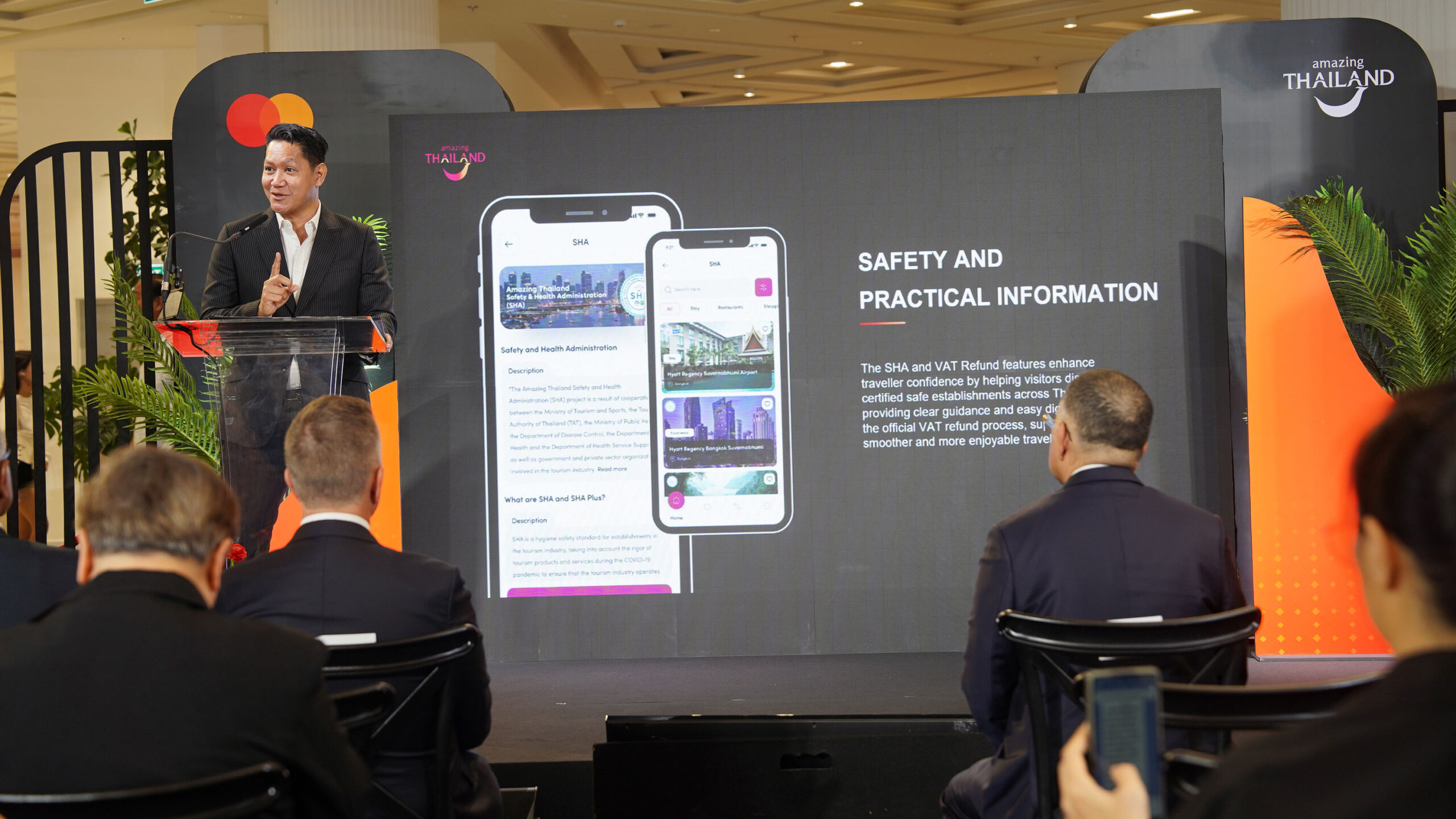
TATs digital initiatives, including the enhanced Amazing Thailand app launched with Mastercard for public rollout in March 2026, also signal a push to make travel easier and more organised. For property buyers, small improvements in visitor experience can support the broader perception that Thailand is professionalising its premium tourism platform.
Thailand Tourism Next set a quality-led direction for tourism revenue and long-term competitiveness. Image: TAT Newsroom.
The property channels to watch
The first channel is hospitality. A healthier tourism market supports hotels, serviced apartments and branded residences. That can lift expectations for service quality in nearby luxury condominiums and strengthen demand in districts with hotel, retail and office clusters.
The second channel is retail and dining. Bangkoks leading malls and lifestyle districts rely on both residents and visitors. When tourism spend is stronger, retail landlords and operators have more reason to invest in tenant mix, events and upgrades. This improves liveability for condominium owners in surrounding areas.
The third channel is corporate confidence. Tourism and MICE activity keep Bangkok visible to regional decision makers. Business travel, conferences and airline connectivity make it easier for companies to choose Bangkok for teams, sales offices or regional functions. That, in turn, supports professional tenant demand.
Risks foreign buyers should keep in view
Tourism is cyclical. Exchange rates, airline capacity, regional competition, safety perception, geopolitics and economic conditions can all affect arrivals and spending. Buyers should avoid investment cases that depend on aggressive short-stay income or constant visitor growth.
Regulation also matters. Condominium buildings have their own rules, and many juristic persons restrict hotel-like short stays. A foreign buyer who wants rental income should focus on legal long-term leasing unless the property structure clearly supports another model.
The durable takeaway is broader: tourism supports Bangkoks city quality, but a sound property purchase still depends on location, legal structure, building management, price and tenant fit.
Digital visitor services are part of Thailands effort to improve the travel experience. Image: TAT Newsroom.
What this means for a 2026 buyer
TATs value-led strategy is positive background for Bangkok property because it supports the citys premium infrastructure and international appeal. It strengthens the case for districts with hotels, hospitals, malls, parks, offices and mass transit rather than isolated projects that depend on one narrow demand source.
For buyers comparing Bangkok condominiums in 2026, the tourism story should be used as a confidence filter, not a substitute for due diligence. Choose buildings that a real resident would want to live in during normal weeks, not only during peak travel seasons.
Invest Bangkok Property can help foreign buyers connect the macro story to practical district and building choices, including rental evidence, ownership structure and exit planning.