
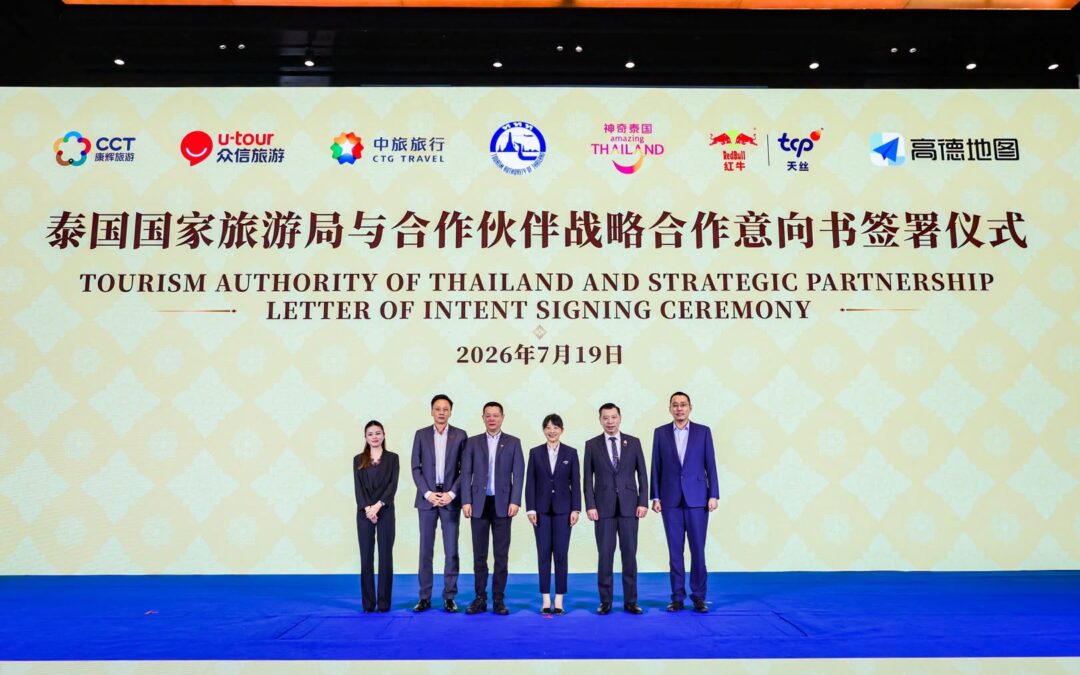
Thailand’s tourism relationship with China moved from broad policy dialogue to five practical partnership frameworks in July 2026. The Tourism Authority of Thailand announced Letters of Intent with three travel groups, a digital-map platform and a Thai consumer brand, covering multiple stages of the visitor journey.
For foreign Bangkok property buyers, the announcement is relevant as a confidence signal rather than a direct demand forecast. International travel supports hotels, retail, restaurants, transport and business services. The property question is whether better visitor planning and higher-quality experiences contribute to repeat stays, corporate links and durable city activity.
What TAT announced
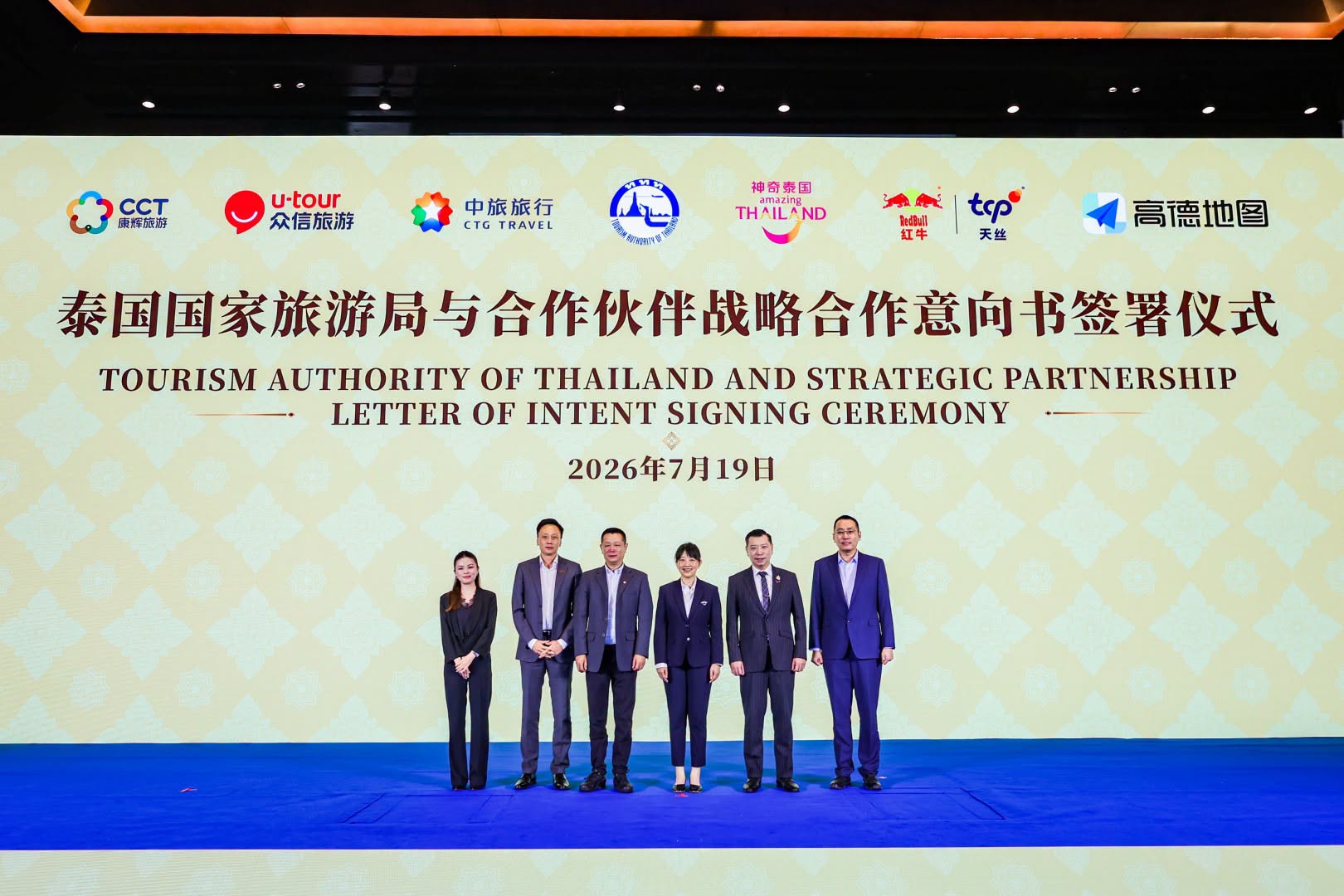
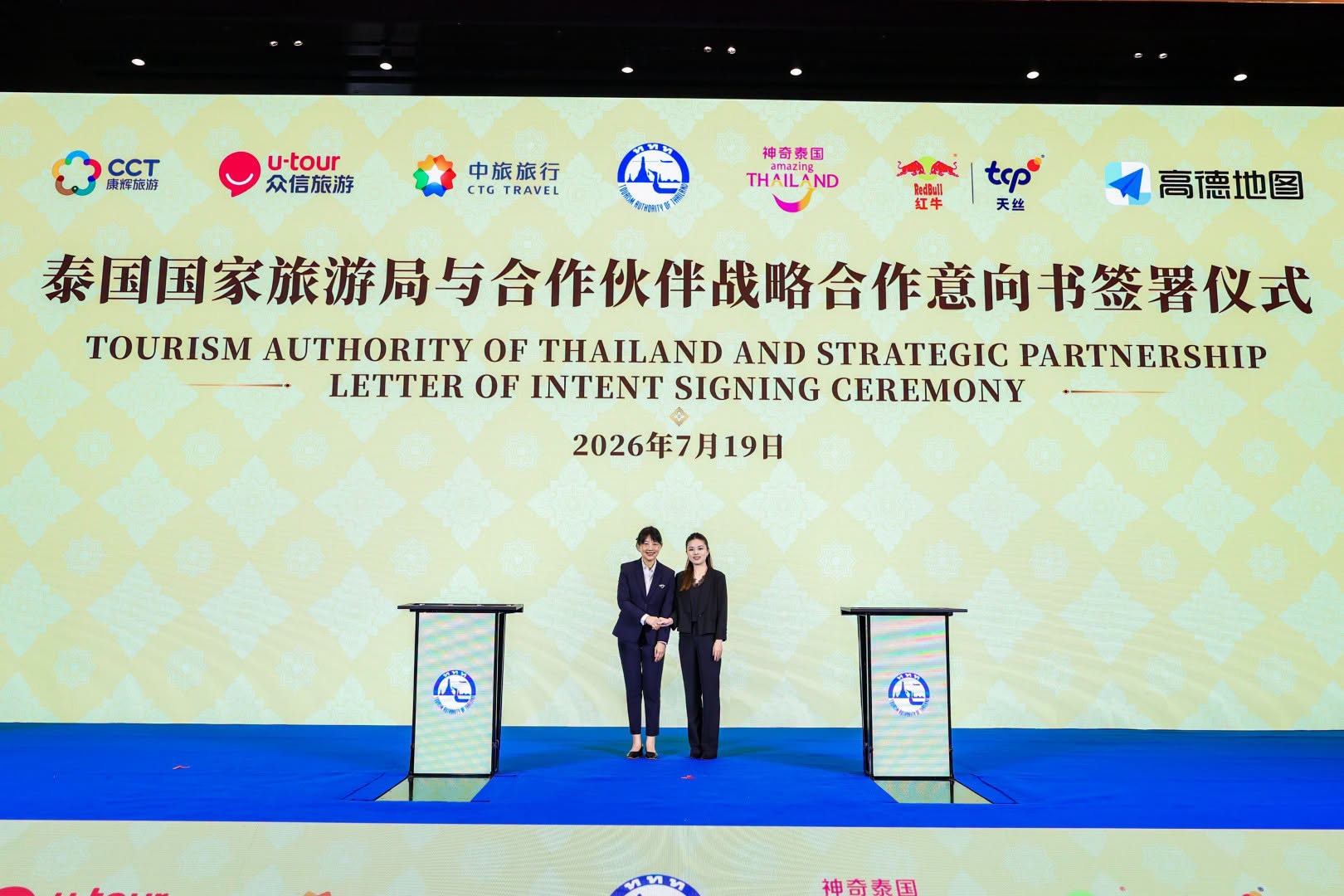
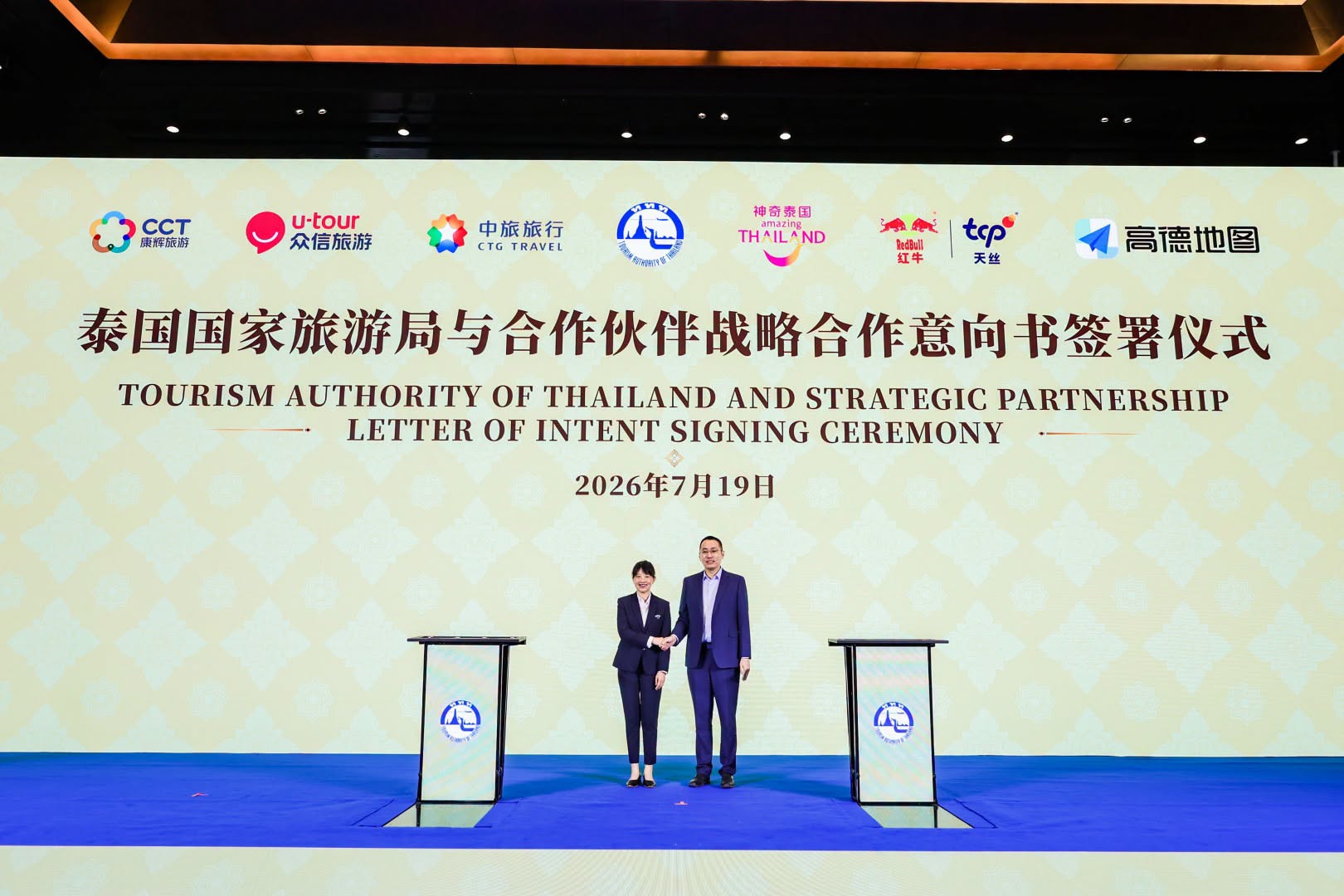
TAT said the agreements were signed on 19 July in Beijing during Prime Minister Anutin Charnvirakul’s official visit to China from 16 to 20 July. The five partners are China Tourism Group, Utour Group, China Comfort Travel Group, Amap and TCP Group.
The frameworks cover tour operations, smart travel, digital services, brand marketing and experiences in Thailand. That breadth matters because tourism confidence is not created by promotion alone. Travellers also need useful information, reliable booking, convenient movement and experiences that justify returning or staying longer.
Different partners cover different decisions
China Tourism Group is expected to help promote quality Thai tourism products through an integrated travel network. Utour Group’s framework includes leisure, wellness, honeymoons, weddings, study visits and cultural festivals, distributed through agents, retail outlets, online channels and social media.
China Comfort Travel Group’s cooperation includes destination promotion, group travel, business events, special-interest segments, service standards, safety, tourism intelligence and training. Amap is focused on smart travel, destination discovery and Thai-Chinese information for independent visitors. TCP Group’s Energetic Thailand concept connects sport, music, health and lifestyle experiences with brand communications and workforce development.
Why the connected visitor journey matters
A traveller may discover Bangkok online, compare routes in a mapping service, book through a travel group, navigate the city independently and join a branded event. When those steps are easier, Thailand can compete on confidence and experience rather than price alone.
This is consistent with a quality-tourism approach. Higher-value travel does not necessarily mean only expensive holidays. It can include longer stays, reliable services, wellness, learning, events, culture and repeat visits. Bangkok is well placed because it combines regional air access with hotels, hospitals, shopping, dining, offices, universities and extensive urban transport.
The Bangkok property connection
Tourism affects property through several channels, but they should not be confused. Visitor spending supports the city’s service economy. Business events and study visits can introduce professionals to Thailand. Wellness, weddings and lifestyle travel can deepen familiarity with Bangkok as a place to return, work or keep a second home.
These are city-level effects. They do not guarantee that a particular condominium will rent faster or rise in value. Long-stay residential demand still depends on employment, visas, schools, corporate movement, building rules, unit quality and sensible pricing. Daily or hotel-style letting should never be assumed for a normal condominium.
What investors should watch next
The useful evidence will come from implementation: new products offered through the partner networks, improved Chinese-language travel information, business-event activity, service training and the mix between group and independent visitors. Buyers can also watch whether engagement produces more repeat travel and stronger links with Thai businesses.
At property level, focus on districts that work for ordinary residents as well as visitors. Airport access, rail connectivity, healthcare, retail and professional services can strengthen a location, but the unit still needs credible long-stay tenant demand and a clear resale audience.
Avoid turning tourism news into a price promise
One set of agreements should not be capitalised into a condo offer price. Tourism can be affected by consumer confidence, aviation capacity, currency, policy and international events. Partnership announcements need time and measurable delivery.
The more defensible use is to add the news to Bangkok’s broader international-connectivity case. Thailand is actively building channels with a major travel market, while Bangkok already has the infrastructure and service depth to receive many kinds of visitor. That supports long-term confidence without removing unit-level risk.
Property takeaway
TAT’s five China partnerships show practical work across travel distribution, digital navigation, visitor service and lifestyle experiences. For Bangkok property investors, the announcement strengthens the city’s connected-destination narrative, but it should remain one input among employment, infrastructure, tenant demand and building evidence.
IBP helps foreign buyers interpret Thailand’s tourism and investment news through a property lens. Follow our Thailand economy and investment coverage or contact IBP Real Estate for a Bangkok market brief.