

A Bangkok condo can look attractive during a viewing yet still be difficult to rent, resell or explain online. For foreign investors, marketability should be tested before buying, not after the first listing goes live. The question is simple: can the next tenant or buyer understand why this unit deserves attention within a few minutes?

Marketability is not hype. It is the practical link between unit quality, building appeal, presentation, pricing and future liquidity. A marketable condo is easier to photograph honestly, easier to describe without excuses, easier to compare with alternatives and easier for an agent to show with confidence. That does not guarantee a fast lease or sale, but it gives the owner a stronger starting position.
Why marketability belongs in the investment case
Many investors underwrite rent and resale as if demand will automatically appear once the unit is available. Bangkok rarely works that neatly. Tenants and buyers compare listings quickly. They notice light, view, furniture, layout, building age, access, lobby quality, lift experience, street route and price. If the unit needs too much explanation, the owner may have to compete mainly on discount.
A marketability check slows the purchase decision down in a useful way. It asks whether the asset can survive normal competition: several similar units in the same tower, a newer project nearby, a tenant with a limited viewing window, or a resale buyer comparing photographs from another country. The stronger the marketability, the less fragile the exit plan becomes.
Start with the first online comparison
Before buying, imagine how the unit will appear beside ten competing listings. Does the living room photograph clearly? Is there enough natural light? Can the bedroom fit normal furniture? Is the kitchen usable or only decorative? Does the balcony help the story or reduce internal space? Are there obvious repairs, cluttered built-ins or old appliances that will weaken the first impression?
This exercise is especially important for compact units. A small condo can rent well if it feels simple, bright and efficient. It can struggle if the layout is hard to read, the desk area is awkward, the wardrobe blocks movement or the sofa has no logical position. Tenants decide quickly when many similar units are available.
Check the building as part of the listing
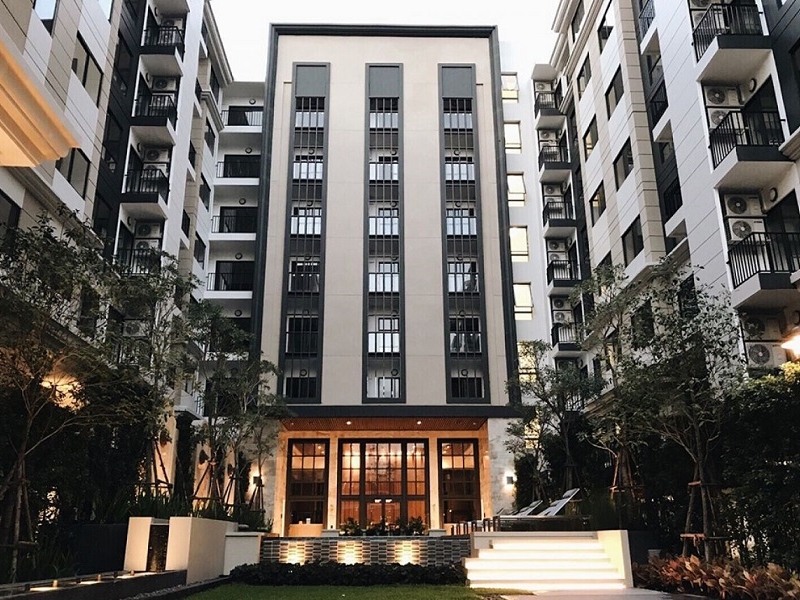
The private unit is only one part of the marketing story. A buyer should inspect the arrival sequence from street to lobby to lift to corridor. Security, signage, lighting, lift speed, corridor condition, air-conditioning in shared areas, parking, parcel handling, waste areas and common facilities all affect confidence. A renovated room in a tired building can still face market resistance.
Investors should also read the building’s resident profile. A calm building with clear rules may support long-stay tenants. A building with heavy transient use, weak visitor control or unresolved maintenance may reduce appeal, even if the location is central. The market will usually price those details eventually.
Separate personal taste from repeatable appeal
Foreign buyers often have a personal reason for liking a unit: a view, a familiar district, a favourite cafe nearby or a style of interior that feels distinctive. Personal use can be a valid part of the decision. Investment marketability requires a wider test. Would a future tenant with no emotional attachment still choose the unit? Would a resale buyer see the value without a long explanation?
Neutral does not mean bland. A unit can have personality, but the core should remain clear: efficient rooms, practical storage, durable surfaces, reliable appliances and furniture that matches the rent level. Overly personal decoration can narrow the tenant pool and make resale photographs age quickly.
Pricing should reflect marketability risk
A weaker unit can still be investable if the price properly reflects the work needed. The mistake is paying a strong price for a unit that needs presentation fixes, better furniture, a rent discount or a longer resale period. Buyers should build these items into the offer, not treat them as later surprises.
Ask what would need to happen before the unit could be listed confidently. If the answer is deep cleaning, repainting, curtain replacement, appliance upgrades, furniture editing, better lighting and new photographs, those costs belong in the purchase model. If the building itself is the problem, the discount needs to be more meaningful because one owner cannot fix common-area weaknesses alone.
Marketability checklist
- Compare the unit with active listings in the same building and nearby alternatives.
- Test whether the layout can be photographed and furnished without tricks.
- Inspect lobby, lifts, corridors, parking, parcel handling and common facilities.
- Check whether the rent or resale story depends on one narrow tenant or buyer group.
- Budget for cleaning, repairs, furniture edits and photography before listing.
- Set a walk-away price if marketability issues are larger than the discount.
Buyer takeaway
Bangkok condo marketability is the practical test between buying and eventually exiting. A strong unit should be easy to show, easy to explain and easy to compare against realistic alternatives. Foreign investors should judge marketability before making an offer, because the market will judge it later when rent or resale matters most.
IBP helps foreign buyers assess Bangkok condos by rentability, presentation, resale depth and building quality. Read more in our investment analysis archive or contact IBP Real Estate for a buyer shortlist.