
Lat Phrao is a practical north-central Bangkok district for foreign buyers who want MRT access, road connectivity, shopping, offices, local services and a different price conversation from prime Sukhumvit. It is not a simple one-station story. Buyers need to compare Lat Phrao MRT, Ratchadaphisek, Phahon Yothin, Ha Yaek Lat Phrao and nearby side streets as a connected but varied market.
The district can suit investors and owner-occupiers, especially buyers who value rail, lifestyle convenience and access to northern Bangkok. It can also disappoint buyers who assume every Lat Phrao address has the same walkability or tenant depth. The correct decision depends on the exact route, building, unit type and resale audience.
Why foreign buyers look at Lat Phrao
Lat Phrao has a useful combination of MRT access, large retail anchors, local dining, offices, road links and neighbourhood services. It connects into the wider Ratchada, Chatuchak, Phahon Yothin and Central Ladprao areas. For residents who work across different parts of Bangkok, the district can offer more flexibility than a location tied to one lifestyle node.
Foreign buyers may consider Lat Phrao when central Sukhumvit feels expensive, when they want access to northern Bangkok, or when they see value in a rail-led district with established daily infrastructure. The appeal is practical rather than purely glamorous. That can be a strength if the unit is chosen carefully.
Station access needs a real walking test
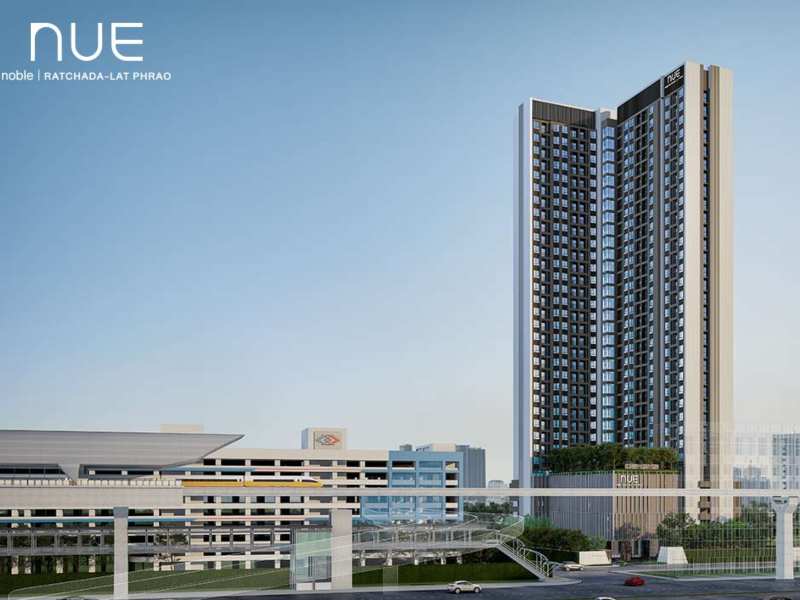
Listings often describe buildings as near MRT or interchange areas, but the actual journey matters. Buyers should walk from platform to lobby at normal commuting times. Check pavements, crossings, shade, lighting, traffic, construction barriers, motorcycle-taxi reliance and the final approach to the building.
Lat Phrao roads can be busy. A short map distance may feel less attractive if the walk is exposed or hard to cross. Conversely, a building slightly farther from the station may work well if it has shuttle support, a practical drop-off and useful services on the doorstep. The route should match the likely resident, not only the marketing map.
Compare MRT, BTS and road demand
The wider district benefits from multiple movement patterns. Some residents use MRT. Others connect to BTS, drive, use taxis, take buses or work around northern Bangkok. Investors should identify which demand group the unit is really serving. A compact unit near rail may target young professionals. A larger unit with parking may need a different story.
Rail access is helpful, but it should not be the only reason to buy. Building management, lift capacity, unit layout, noise, view, parking, furnishing and rent level still decide whether a tenant chooses the unit over nearby alternatives. A good location cannot fully rescue a weak building.
Retail and daily services are part of the value
Lat Phrao’s retail and service depth can support long-stay comfort. Supermarkets, casual dining, clinics, gyms, banks, schools, offices and transport options make the district more convenient for residents who do not want every errand to involve a long trip. That convenience can help both owner use and tenant retention.
Buyers should still inspect the immediate surroundings. A building near a major retail area may be convenient but busy. A quieter soi may be calmer but less walkable. A unit facing a main road may be easy to reach but noisier. The right trade-off depends on whether the buyer is investing, relocating or buying for occasional Bangkok use.
Building age and competition vary
Lat Phrao and nearby Ratchada include older condominiums, newer high-rise projects and mid-market buildings with different facility standards. Investors should compare common areas, lift performance, maintenance, parking, juristic responsiveness and the number of similar listings. If many comparable units are available, rent assumptions should be conservative.
Older buildings may offer larger layouts but require closer checks on repairs, common fees and resale liquidity. Newer buildings may have sharper facilities and smaller plans. Neither is automatically better. The best choice is the one where price, layout, management and demand line up.
Who should consider Lat Phrao
Lat Phrao can suit buyers who want a practical Bangkok base with rail access and a more local daily rhythm than prime tourist districts. It may also appeal to residents connected to northern Bangkok, Ratchada, Chatuchak, Kaset, Don Mueang routes or offices outside the Sukhumvit core.
It may be less suitable for buyers who need the most internationally recognised luxury address, direct riverside lifestyle, or the simplest possible expat arrival story. For those buyers, Phrom Phong, Asoke, Silom-Sathorn, Chit Lom or riverside locations may be easier to understand. Lat Phrao rewards buyers who are comfortable with a more practical, transport-led decision.
Buyer checklist
- Walk the route to MRT, retail, taxis and daily services.
- Check whether the building depends on a shuttle, car or motorcycle taxi.
- Compare lift capacity, parking, common areas and juristic management.
- Review competing rental and resale listings in nearby buildings.
- Match the unit size to a real tenant or owner-occupier profile.
- Test whether the resale story is clear against Ratchada, Chatuchak and Phahon Yothin alternatives.
Buyer takeaway
Lat Phrao MRT can be a sensible Bangkok condo district for foreign buyers who want rail-led convenience, daily services and a practical northern-city connection. It is not a shortcut to easy returns. Buy the route, building quality, layout and resale audience, not only the station name.
IBP helps foreign buyers compare Lat Phrao with other MRT and BTS-led districts. Browse our district guides or contact IBP Real Estate for a location-led shortlist.