
A Bangkok condo’s unit mix can shape investment performance as much as the view, floor or headline price. Foreign buyers often compare one unit against another, but the better question is how many similar units the building contains, who those units are likely to attract, and whether the chosen type has enough rental and resale depth.
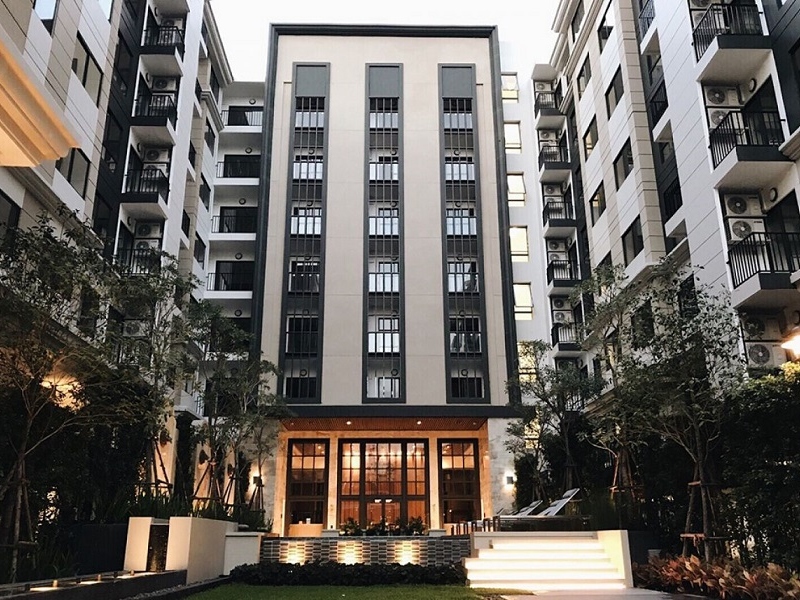
Unit mix is the distribution of studios, one-bedroom, two-bedroom, larger family units and special layouts within a condominium. It affects competition inside the building, the tenant profile, the resale audience and the amount of pressure an owner may face when several similar units are listed at the same time.
Why unit mix matters to investors
A building with hundreds of similar compact units can be easy for tenants to compare. If many owners are competing for the same renter, the cheapest well-presented unit may set the tone. That does not make compact units bad investments, but it means the buyer must be realistic about rent, furnishing standard, vacancy risk and resale timing.
A building with a more varied mix can give certain units a clearer identity. Larger corner units, efficient two-bedroom layouts, duplexes or rare stacks may stand out if the district has the right tenant base. The challenge is liquidity. A rare unit type can command attention, but it may also require a narrower buyer or tenant audience.

Match the unit type to the district
Unit mix should be read against the surrounding demand. Near office districts, compact one-bedroom units may appeal to professionals who want an easy commute. Near international schools or hospitals, larger layouts may have more practical value. In lifestyle districts with strong dining and transport, well-furnished one-bedroom units may lease faster than oversized units with weak layouts.
The mistake is buying a unit type simply because it looks affordable. A low ticket price is useful only if there is a clear tenant and future buyer for that space. Foreign investors should ask who would live in the unit, why they would choose this building, and what alternatives they would see at the same rent or purchase budget.
Check internal competition
Before buying, review current listings in the same building. Count how many similar units are for rent or sale, then compare furnishing, view, floor, condition, asking price and time on market where information is available. If several near-identical units are listed, your rent assumption should be conservative unless your unit has a visible advantage.
Internal competition is especially important in buildings dominated by one-bedroom units. Tenants can compare photographs quickly. Small differences in furniture quality, storage, light, kitchen usability and balcony condition can decide which unit receives viewings. Investors should budget for presentation because an ordinary unit in a crowded type can become price-led.

Beware of false scarcity
Agents sometimes describe a layout as rare because there are not many similar units in the building. Scarcity is useful only if demand exists. A large unit may be rare because the developer built few of them, but it still needs a buyer who wants that size, location and running cost. A small unit may be common but highly liquid if it matches the strongest tenant pool.
Foreign buyers should separate rarity from liquidity. Rarity helps when the unit solves a real problem for residents. It hurts when the market sees the unit as awkward, expensive to furnish, hard to cool, difficult to rent, or too large for the neighbourhood’s usual demand.
Furnishing and operating costs vary by unit type
A larger unit usually needs a larger furnishing budget, more air-conditioning capacity, more maintenance, higher common-area fees and a broader repair plan. A compact unit may be cheaper to prepare, but it can suffer more from weak storage or poor furniture choices. Unit mix analysis should therefore include the cost of making the unit competitive, not only the purchase price.
For landlords, the expected tenant stay also matters. A compact unit aimed at short professional tenancies may need more frequent cleaning, touch-ups and relisting. A family-sized unit may have fewer tenant changes but higher expectations for appliances, curtains, beds, storage and management response.
Questions to ask before buying
- How many units in the building are similar to this one?
- Which tenant profile does this size and layout serve best?
- Does the building have too many competing units at the same rent level?
- Would the unit still stand out if several owners lowered asking rents?
- Is the resale audience broad enough for the intended holding period?
- Does the furnishing budget fit the unit’s likely rent ceiling?
Buyer takeaway
A sensible Bangkok condo investment starts with more than the individual unit. The building’s unit mix tells buyers who they will compete against, how visible their unit can be online, and how easy the resale story may be later. The safest choice is not always the cheapest or rarest unit. It is the unit type that matches real district demand and remains easy to explain to the next tenant or buyer.
IBP helps foreign buyers compare Bangkok condos by unit type, building mix, tenant demand and exit strategy. Explore our investment analysis archive or contact IBP Real Estate for a shortlist built around your budget and holding plan.