
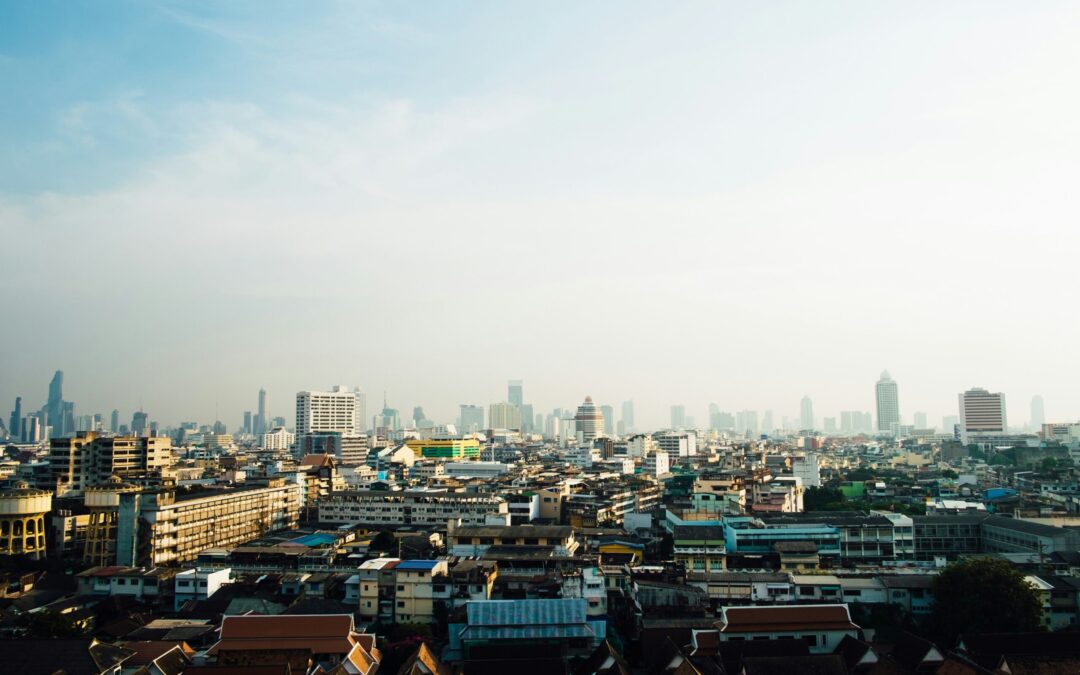
Bangkok condominium investors often talk about BTS stations first, but in 2026 retail-led districts deserve equal attention. A strong mall, community retail cluster, supermarket, food hall, cinema, gym or lifestyle centre can make a neighbourhood feel complete. For a foreign buyer who may be underwriting from overseas, that matters. Retail gives the location a recognisable anchor, helps tenants manage daily life without a car and makes the resale story easier to explain.

The point is not that every condo beside a mall is a good investment. Bangkok has a competitive retail market, and the better retail operators are now working harder to differentiate through food, wellness, services and events. CBRE Thailand’s 2026 outlook notes that retail supply reached 8.25 million square metres in 2025, with another 0.3 million square metres expected in 2026, while average occupancy is projected to soften below 90%. That tells investors to be selective. Retail is useful only when it improves genuine tenant demand, not when it simply adds another shiny building to an oversupplied area.
Why Retail Changes The Investment Question
A retail-led district can reduce uncertainty. Tenants know where to buy groceries, where to meet friends, where to exercise and how to get home late. Expatriates and regional executives often choose neighbourhoods that work on a normal weekday, not just on a viewing tour. If a condo is within practical reach of transport, restaurants, supermarkets and services, the owner can market convenience without relying on exaggerated luxury language.
This is particularly relevant for foreign owners who will manage the asset from overseas. A unit near a functioning retail node is easier for a property manager to show, easier for a tenant to imagine using and easier to photograph naturally. Convenience supports leasing velocity, and leasing velocity matters when gross rents are under pressure or when a vacant month can damage annual yield.

Do Not Confuse Retail Volume With Retail Quality
Retail supply growth can be a strength or a warning. A high-quality mall with strong footfall, international brands, daily services and food demand can make an area more resilient. A weak retail podium with poor tenant mix can do the opposite, especially if it becomes another empty frontage that reduces street appeal. Foreign buyers should therefore inspect the retail ecosystem, not just the distance to the nearest mall.
Look at weekday traffic, tenant turnover, supermarket quality, restaurant depth, clinic access, bank branches, pharmacies and whether the mall is useful for residents rather than designed mainly as a weekend destination. A retail-led condo district should support daily routines. If the retail offer is too tourist-focused, too expensive for local residents or too disconnected from the station, it may have less rental value than the brochure suggests.
Midtown Retail Is Changing The Map
CBRE’s observation that much of the new retail supply is concentrated in midtown and suburban locations is important. Bangkok’s lifestyle map is no longer limited to Siam, Phrom Phong, Asok and the older CBD. Rama 9, Bang Na, Ladprao, Ratchada, On Nut and other connected areas are becoming more self-contained. For investors, that creates opportunity, but it also creates a pricing trap.
The opportunity is that a well-bought condo in a maturing district can benefit from improving services, better food and stronger local identity. The trap is paying central-Bangkok pricing for a location that still has midtown resale depth. Buyers should compare completed buildings, not just new launch presentations. If a new project beside a mall asks a large premium over nearby resale stock, the investor needs a clear reason to accept that premium.
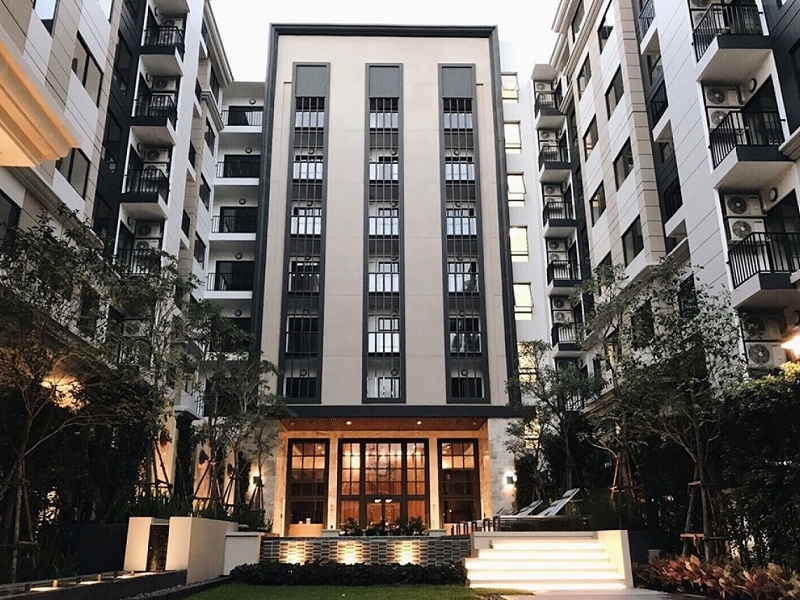
How To Underwrite A Retail-Led Condo
1. Start With Tenant Use, Not Decoration
A good retail node should make a tenant’s weekly routine easier. Check whether the area has a real supermarket, useful dining, medical and wellness services, reliable transport access and places where residents actually spend money. Pretty common areas inside the condominium are secondary if the neighbourhood itself is inconvenient.
2. Price Against Older Buildings Nearby
Retail-led areas often attract new projects with ambitious pricing. Compare the proposed purchase against completed buildings within the same walking catchment. Look at unit size, usable layout, building age, common-area fees, juristic reputation and actual asking rents. A premium may be justified, but it should be justified by scarcity, management quality or a genuinely better position.
3. Check Exit Demand In More Than One Buyer Pool
The best Bangkok investments can be explained to several audiences: Thai professionals, expatriate tenants, regional investors and lifestyle buyers. If the resale argument depends only on another foreign investor wanting the same launch story, the exit is thin. A retail-led district is stronger when it attracts both local and international users.
Where Retail-Led Logic Works Best
Retail-led logic works best in mixed districts where the mall is part of a wider daily-life network. Phrom Phong benefits from shopping, Japanese and international dining, parks and BTS access. Rama 9 combines offices, MRT, malls and relative affordability compared with prime Sukhumvit. Bang Na has stronger retail and exhibition infrastructure than many foreign buyers realise, though project selection must be careful. Silom and Sathorn benefit from office demand, parks and established dining rather than relying on a single mall.
The common thread is not luxury. It is usefulness. A foreign buyer should ask whether the district will still make sense in a slower market. If the answer is yes because the area has jobs, transport, groceries, healthcare, education routes and consistent footfall, the condo has a more durable investment story.
The 2026 Takeaway
Bangkok’s retail expansion supports the city’s livability and reinforces its role as a regional lifestyle hub. For property investors, however, more retail does not automatically mean better returns. The right conclusion is more disciplined: retail-led districts can improve rentability and resale confidence when the retail is high quality, the condo is well managed and the purchase price is realistic.
Foreign buyers comparing locations should use retail as one filter in a wider underwriting process. Start with the IBP investment analysis archive, then shortlist buildings by station access, tenant demand, juristic quality and exit depth before reserving a unit.