by kevinyeo | 8 May 2018 | Bangkok Property Market Updates, Investment Analysis
Successive Japanese real estate firms are penetrating the Thai property market by joining forces with local partners to cash in on growing demand for residences.
Tokyo Tatemono Co, one of the major developers in the Tokyo metropolitan area, is the latest entrant into Southeast Asia’s second-largest economy as condominium supply swells in Bangkok.
The company recently signed a joint venture agreement with Raimon Land Public Co to implement a 9.1-billion-baht project for the development of two high-rise condo complexes, one in Sathon and the other in Phrom Phong, both in the heart of the capital.
This is the company’s first real estate project in Thailand, following ongoing development projects in Singapore and Myanmar. The project calls for about 400 units in total, each costing more than 10 million baht, with construction set to start later and be completed in 2021.
Katsuhito Ozawa, executive managing officer of the Tokyo-based firm, said his company has good long-term prospects for property investment in Thailand and believes that stable economic growth will continue to create more residential demand.
Raimon Land, which will own a 51% stake in the planned joint venture, has mainly specialized in the middle- and upper-grade residences in the centre of the capital, and aims to double its annual revenue to 10-12 billion baht in the next five years in partnership with Tokyo Tatemono, chief executive Adrian Lee said.
Japanese developers have been flocking to the Southeast Asian nation since Mitsui Fudosan Co, a leading real estate firm at home, tapped the Thai market by teaming up with Ananda Development Plc in 2013 for a project with 1,875 residential units.
Major rivals such as the Mitsubishi Estate group, railway-to-property and hotel chain conglomerate Tokyu Corp and Nomura Real Estate Development followed suit, forming partnerships with local counterparts.
The 20 joint projects between Mitsui Fudosan and Ananda total about 16,000 housing units, the largest among Japan-Thai alliances, while Mitsubishi Jisho Residence and AP Thailand Public have developed 11 projects, supplying nearly 12,000 units in total.
Meanwhile, various partnerships have emerged such as Hankyu Hanshin Properties Corp and Sena Development Plc, Osaka-based Shinwa Real Estate and Woraluk Property Public, and Tokyo-based Hoosiers Holdings and All Inspire Development Public.
The property market in Bangkok remained vigorous in the first quarter of this year, said Nalinrat Chareonsuphong, managing director of Nexus Property Marketing. “We have started to see more condo projects that target Japanese people in Thailand and we expect to see at least 4-5 mega projects come from Japanese developers this year.”
A Thai real estate analyst, on condition of anonymity, said that Japanese investors have turned to the real estate and service sectors as “a new opportunity” to expand business abroad on the back of steady growth in the property market, especially the condo segment, although they previously focused on the manufacturing sector.
The Thai government’s investment promotion schemes such as the Eastern Economic Corridor and the expansion of mass rapid transit systems in the capital and suburban areas are providing foreign investors with positive factors to tap into the property market.
Mr Nalinrat said the proportion of medium- to small-sized developers, including foreign competitors, increased significantly in the first quarter of 2018.
Japanese investment is also a chance for Thai developers to benefit from funding and expertise, the analyst said. Kyodo
by kevinyeo | 6 May 2018 | Bangkok Property Market Updates
In chic central Bangkok, a foreign buying binge is fueling a red-active market for the ultra-luxury real estate.
At 98 Wireless, a luxury condo opened last March in the capital, one buyer from Hong Kong snapped up a USD 2.2 million (SGD 3 million) apartment without more than a moment’s thought.
“It was an impulse purchase for him,” says Uthai Uthaisangsuk, an executive at the project’s developer, Sansiri.
For the price of a cramped studio back home, the investor had bought an opulent two bedroom spread with Ralph Lauren furniture, three bathrooms outfitted with Carrera marble, butler service and a chauffeured Bentley limousine.
Scenes like this have become more common in the Thai capital, where foreign money is pushing up prices at the top of the real estate market, even as developers struggle to sell more pedestrian properties.
With the economy still recovering from a 2014 slowdown, household debt makes it tough for the average Thai person to qualify for a home loan, so companies like Sansiri and Country Group Development are selling luxury to foreigners.
“Developers are having problems selling to locals,” said Ratchaphum Jongpakdee, general manager for Thailand at real estate firm Colliers International Group.
“But they have no problem selling to foreigners.” Buyers definitely get more bang for their buck in Bangkok than in Hong Kong (comparing things like square-footage and bathroom fixtures).
But what’s surprising is that, even though condominium prices in the centre of the Thai capital have doubled in the last five years, they’re still cheaper than in less-traveled cities like Jakarta, Kuala Lumpur, or Vietnam’s Ho Chi Minh City, according to real estate advisors.
The price-gap could be set to close, though.
Once a niche tourism destination for backpackers, Bangkok in 2016 surpassed London to become the world’s most visited city, hosting 19 million overnight travelers, about two for every resident. The boom has put the city on the map for investors, especially mainland Chinese who are coming in droves.
Last year, land prices in the city centre jumped a record 30 per cent, with foreign investors making up almost a quarter of the capital’s high-end property sales, according to commercial real estate firm CBRE Group.
In the last quarter of 2017, the price of luxury condos rose more than 10 percent, outpacing every other market segment, data from Bangkok’s Real Estate Information Centre shows.
Fuel for the fire has come, ironically, because of China’s attempts to stop the outflow of money from its borders.
Caps imposed last year on how much capital people can take out of the country have had the unintended effect of funneling cash into property markets like Thailand’s, where prices are relatively cheap.
A scarcity of buildable land in the city centre is a limitation on developers. For investors, though, it’s a big reason high-end apartments should continue to appreciate, according to Patti Tomaitrichitr, an analyst at Macquarie Securities Thailand in Bangkok.
“It’s not easy to find a good plot in a good location right now, so prices will keep going up,” she said.
Sansiri, the developer behind 98 Wireless, the 25-story apartment tower named for its coveted address, began advertising luxury condos to foreign buyers in 2014, when the local economy was in the doldrums.
The company now holds marketing events in Hong Kong almost every month and last year opened three more offices in mainland China, in addition to the one it had in Beijing.
Chinese buyers helped Sansiri sell half of the 77 apartments at Wireless before construction was finished, according to Uthai, the developer’s chief operating officer.
At another luxury condo nearby, the Magnolias Ratchadamri Boulevard, some 80 percent of the units have already sold, with investors from Hong Kong, Singapore and Taiwan accounting for more than half, according to the developer, Magnolia Quality Development.
The 60-story spire features a five-star Waldorf Astoria hotel on the lower floors.
The numbers are similar at the Four Seasons Private Residences, which is currently under construction on the edge of the Chao Phraya River. Some 70 percent of the 355 units have already been purchased, with half of the buyers coming from outside Thailand, according to Ben Taechaubol, the chief executive officer at the developer, Country Group.
Thailand has fewer limits on foreign condo ownership than some places in Southeast Asia. Even though non-citizens are allowed to own no more than 49 percent of the units in any single project, they can buy condos built on freehold land, where ownership doesn’t have a time limit tied to a lease on the underlying dirt. That’s not allowed in neighboring Vietnam or Laos.
Another benefit: Foreign buyers aren’t hit with special taxes, as they are in Singapore and Hong Kong.
The January sale of Britain’s Bangkok embassy, on a coveted freehold land downtown, was Thailand’s most expensive real estate deal ever.
The buyers, a partnership between local and Hong Kong developers, paid the equivalent of about USD 600 million for a parcel the size of six football fields. The plan is to knock down the existing colonial-era buildings and put up an office tower with luxury condos or a hotel on top, according to Central Group, one of the new owners.
“Every day, developers are literally knocking on the doors of embassies, businesses and homeowners, anyone with land in the central downtown,” said Ratchaphum, the Colliers executive. “It’s almost impossible to find freehold land in these areas.” BLOOMBERG
![[Site Visit] Thai Festival 2018, Singapore](https://investbangkokproperty.com/wp-content/uploads/2018/05/Thai-Festival-2018-Singapore-1.jpg)
by Daryl Lum | 5 May 2018 | Site Visit
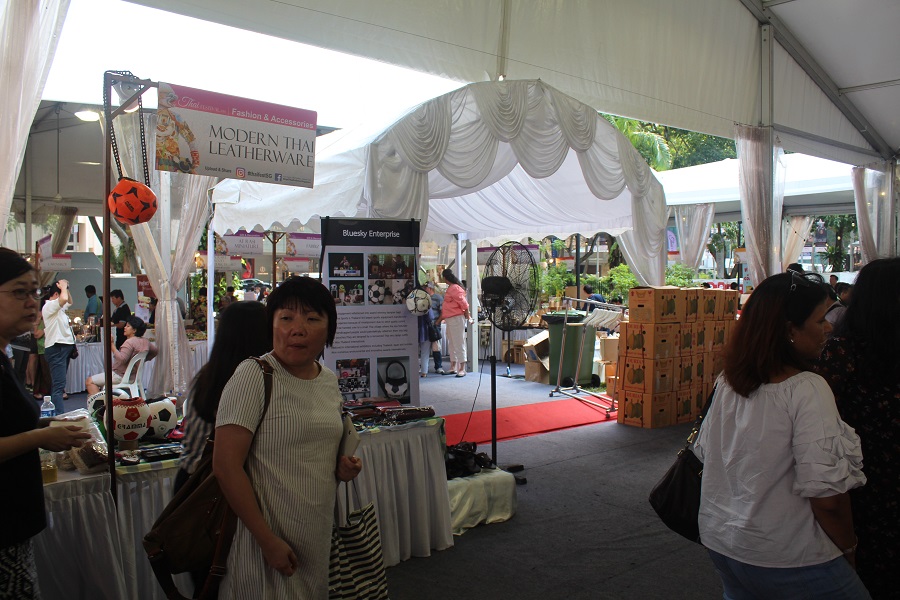
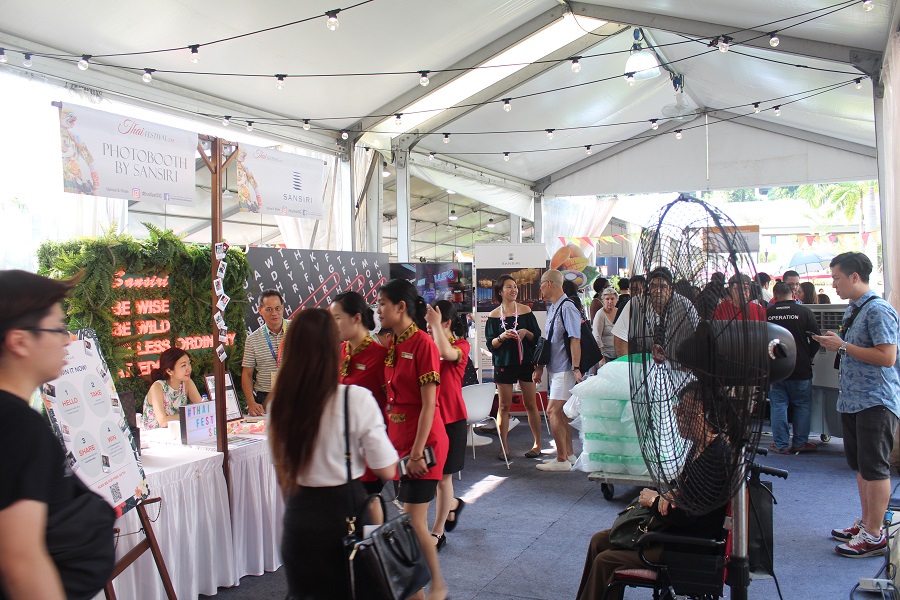
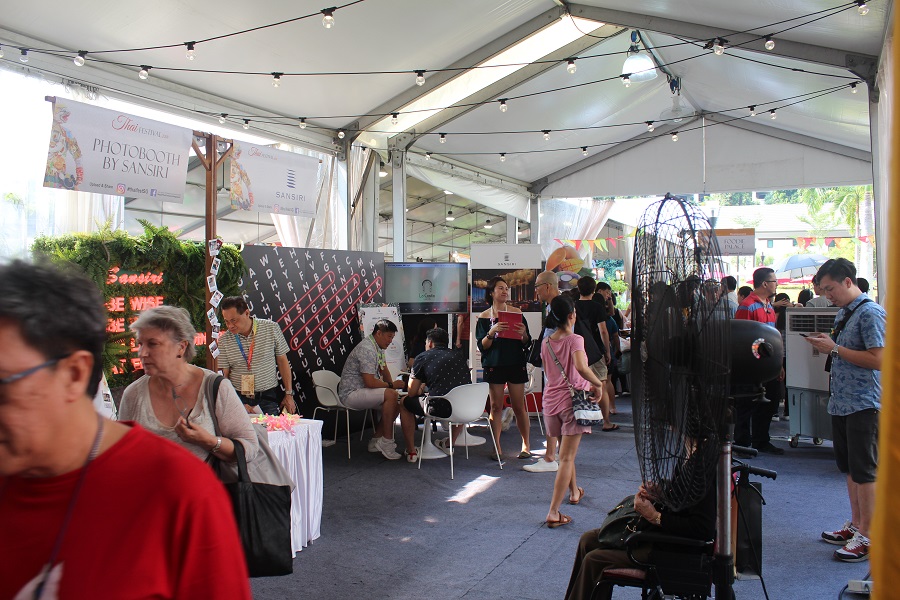
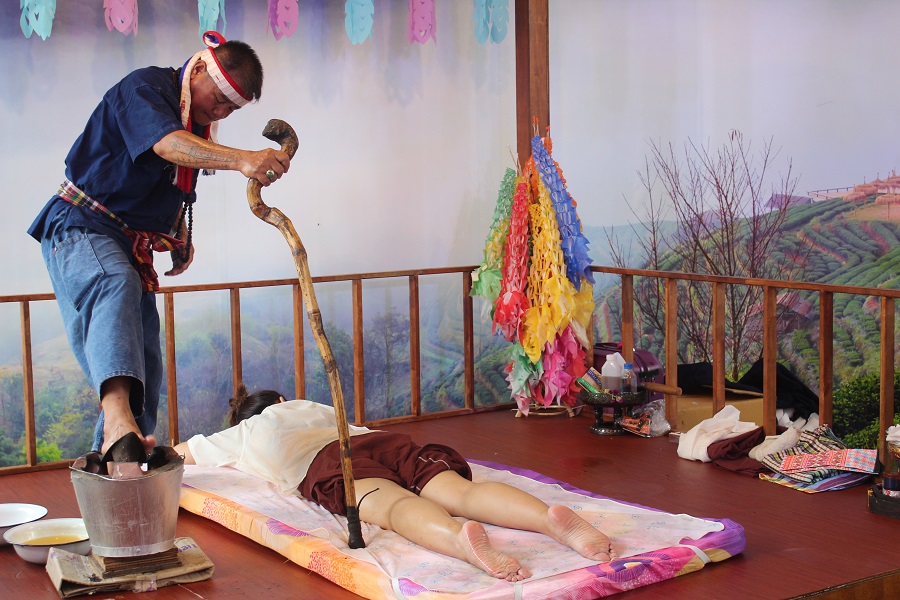
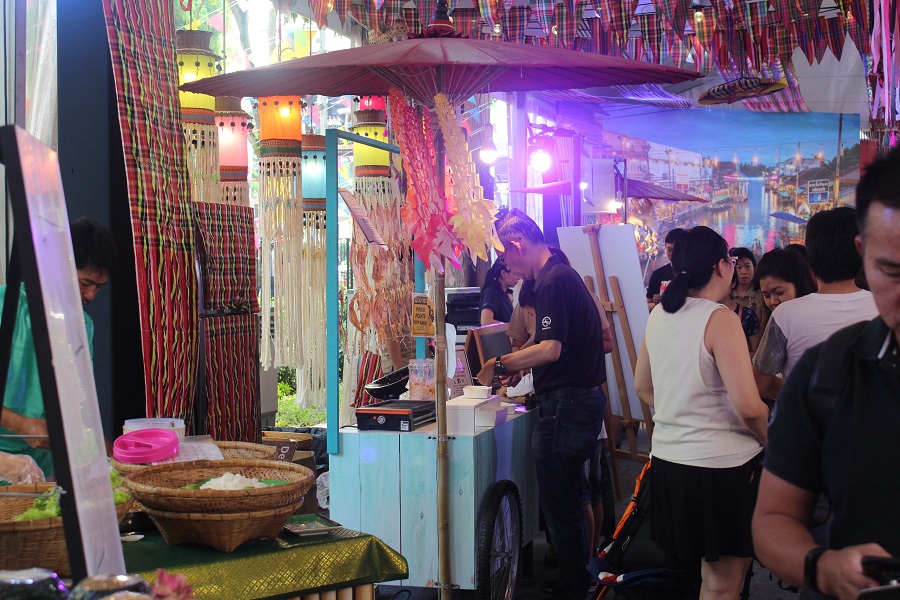
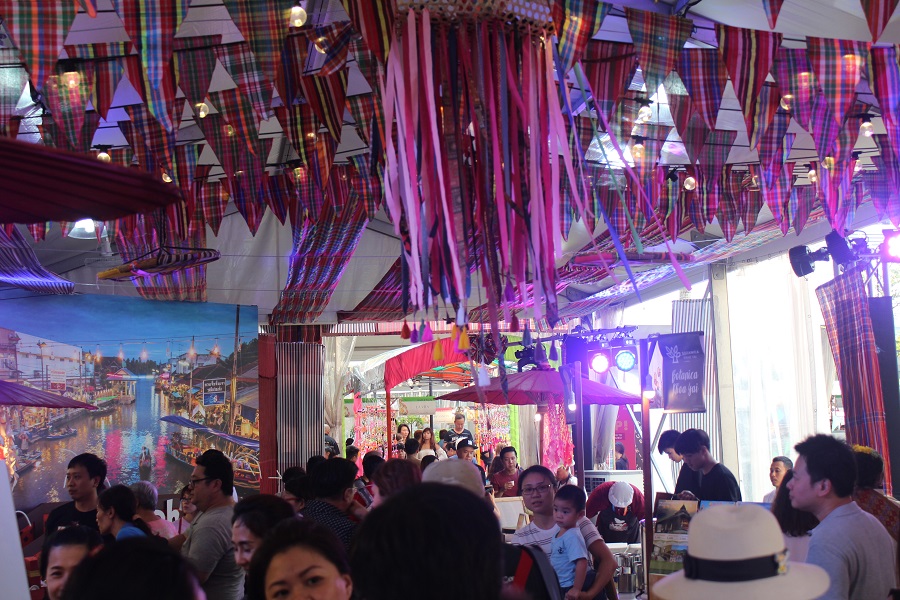
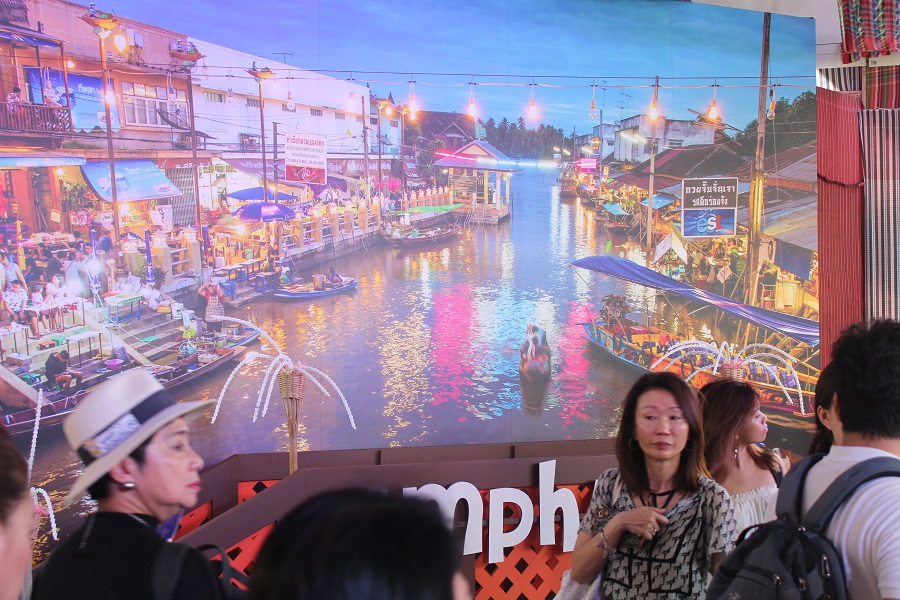
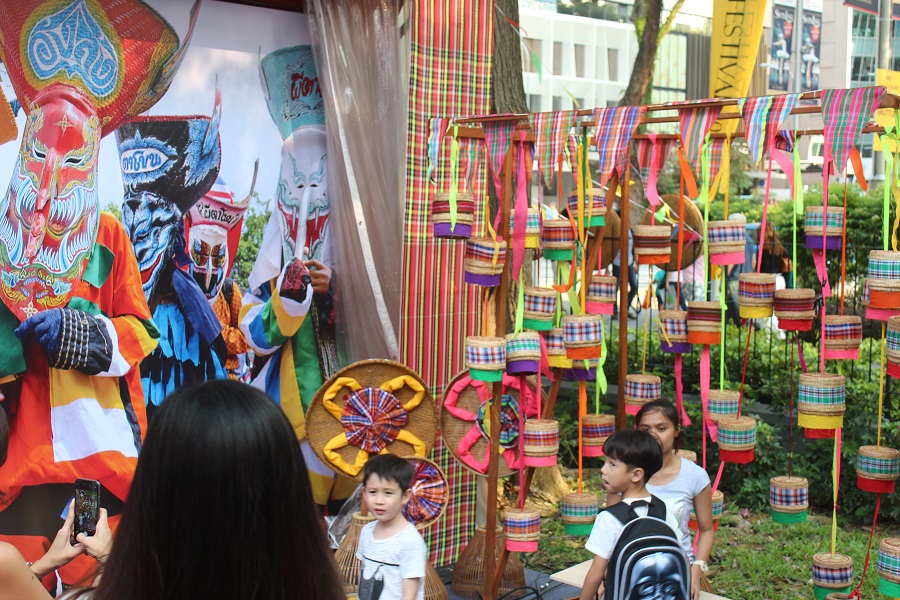
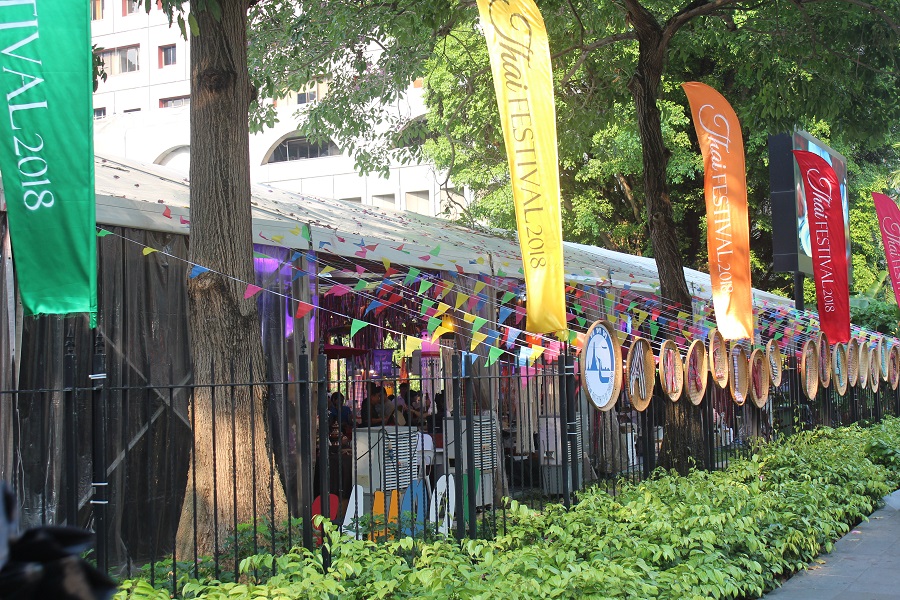
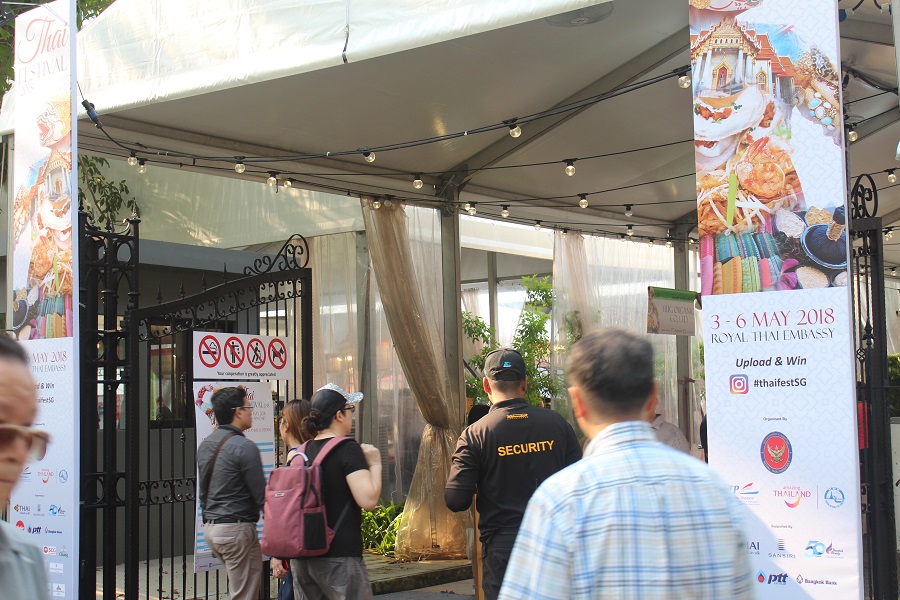
The Thai Festival is back in Singapore. This is the first reiteration of this initiative by the Royal Thai Embassy. The event in 2017 was extremely well received and it seems like the event in 2018 is a lot larger. Once again the event is held at the Royal Thai Embassy along Orchard Road.
Our team made a trip to the event. It was extremely crowded even though it was a weekday. We would expect it to be packed over the weekend. The event features Thai food, clothing and accessories, Thai massage corners and of course, a property booth. Sansiri, one of Thailand’s largest developers is present at the event. Many of our clients have bought Sansiri projects like Kawa Haus, Taka Haus, Oka Haus and The Line Sathorn.
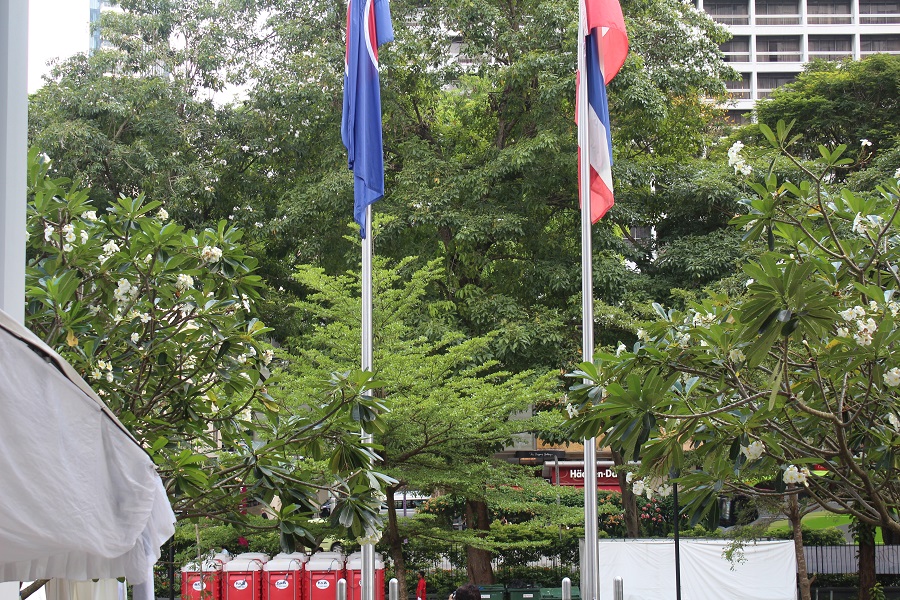
Here are some pictures of the event.
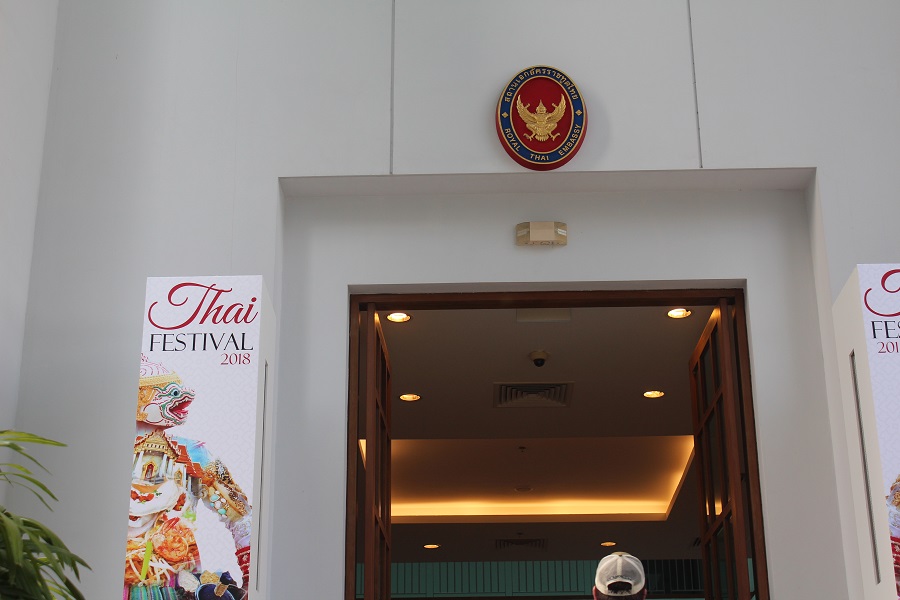
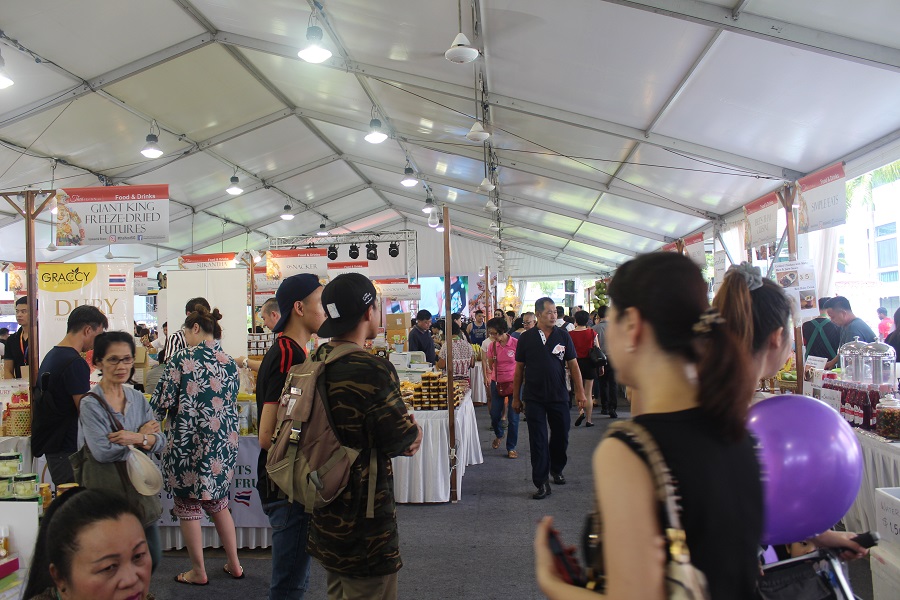
If you are keen to visit the Thai Festival 2018, here are the details:
Date: 3-6 May 2018
Time: 10 AM – 9 PM
Venue: Royal Thai Embassy, Orchard Road (MRT Orchard)
Entry Fee: Admission is FREE!
Yours Sincerely,
The Invest Bangkok Property Editorial Team
