
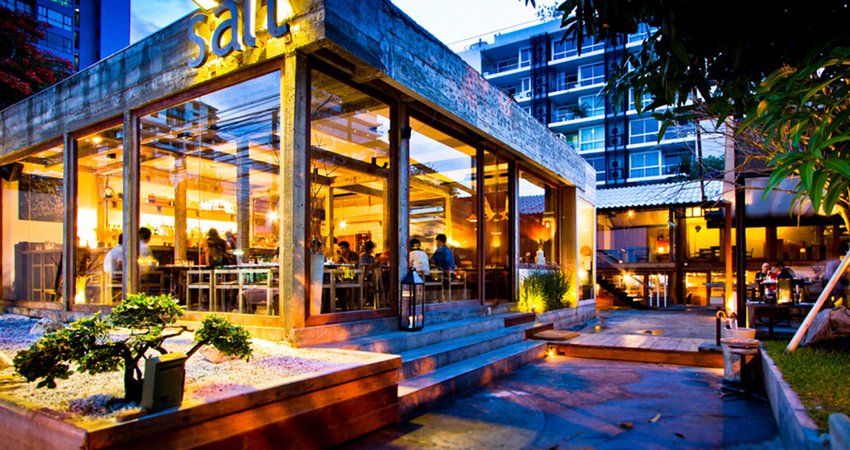
Wet-Weather Bangkok Condo Living Guide
Bangkok is highly livable for many expats, but wet weather changes how a condo location works. A building that feels convenient on a dry viewing day may be less comfortable when pavements flood, taxis are scarce, deliveries slow down or the short walk to the station becomes exposed. Foreign buyers should test wet-weather living before treating a location as truly convenient.
This does not mean avoiding Bangkok during the rainy months. It means judging buildings and neighbourhoods with realistic daily routines in mind. The best condos reduce friction when the weather is difficult, because residents can still reach transport, food, work, school, healthcare and errands without feeling trapped.
Start with the lobby-to-transport route
The first wet-weather test is simple: can a resident get from the lobby to BTS, MRT, a taxi point or main road without getting soaked or crossing unsafe waterlogged sections? A short uncovered walk may be fine in January and frustrating in July. Covered walkways, mall connections, shade structures, wide pavements and easy taxi access can change the daily experience.
Buyers should walk the route after rain if possible. Check drainage, slippery surfaces, puddles at crossings, motorcycle-taxi access and whether the building entrance becomes congested. A good location should work in ordinary bad weather, not only in brochure conditions.
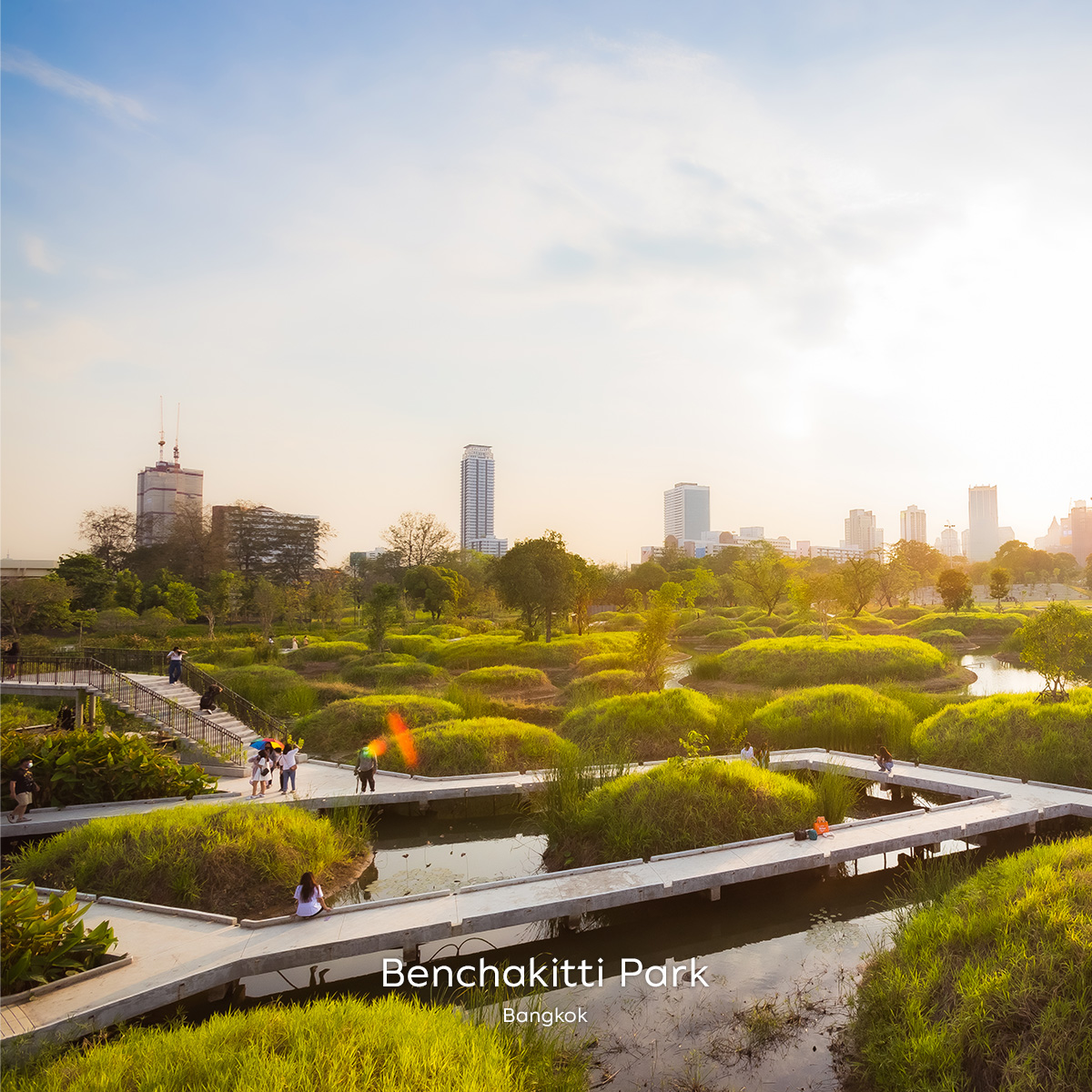
Drop-off and delivery access matter
Wet weather increases reliance on taxis, ride-hailing, food delivery, parcel delivery and building staff. A condo with a clear covered drop-off, sensible loading area and responsive security team can feel far more comfortable than a building where cars block the road or riders wait in the rain.
For landlords, this affects tenant satisfaction. Tenants may tolerate a smaller unit if daily logistics are smooth. They may leave a larger unit if every rainy evening becomes difficult. Investors should observe how the building handles peak-hour arrivals, parcel storage and visitor flow.
Check building resilience
Rainy months can reveal building-management quality. Look for water stains, leaking windows, damp corridors, slippery car parks, lift issues, poor balcony drainage, blocked gutters and musty common areas. Ask how quickly the juristic team responds to leaks and whether common areas are inspected after heavy storms.
Inside the unit, check window seals, balcony slope, air-conditioning drainage, bathroom ventilation and whether storage areas remain dry. A small leak can become expensive if the owner is overseas and nobody notices it quickly.
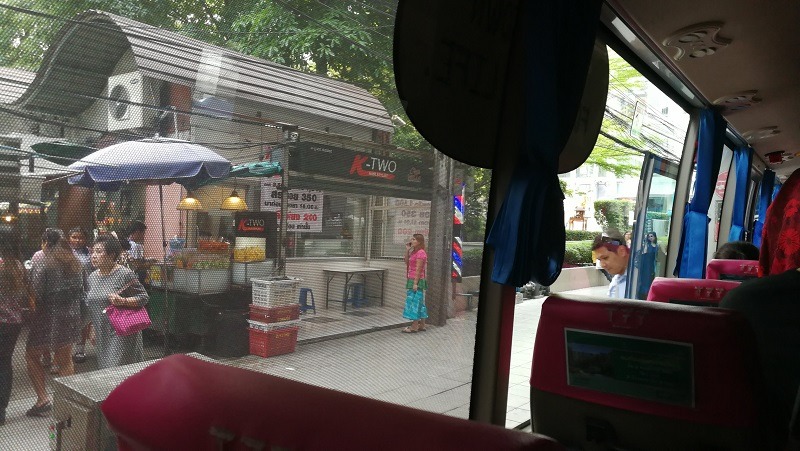
Neighbourhood convenience becomes more important
In wet weather, nearby services matter more. Residents value supermarkets, pharmacies, cafes, laundries, clinics, gyms and convenience stores that are easy to reach without a long exposed walk. A building with limited neighbourhood support may feel isolated when rain disrupts transport.
Families should also test school-bus pickup, pram routes and safe crossings. Older residents may need covered access, reliable taxis and fewer steps. Work-from-home residents may care about delivery reliability, internet stability and quiet interiors during storms.
Questions for buyers
- Is there a covered or mostly sheltered route to transport?
- Can taxis and deliveries reach the lobby easily during rain?
- Does the building show signs of leaks, damp or poor drainage?
- Are daily services close enough for a wet evening?
- Does the balcony drain properly and remain usable?
- Can an overseas owner arrange quick help if water enters the unit?
Rental and resale angle
Wet-weather comfort is not always visible in listing photos, but tenants feel it quickly. A building with good access, drainage and daily convenience can be easier to retain tenants in than a cheaper building with awkward logistics. For resale, buyers who have lived in Bangkok often ask practical questions about flooding, covered access and taxi availability.
Investors should treat these checks as part of liveability due diligence. The strongest rental units are not only attractive on a sunny viewing day. They work during the ordinary conditions residents face across the year.
Buyer takeaway
A wet-weather Bangkok condo is not defined by one feature. It is the combination of sheltered access, reliable transport options, sensible drop-off design, good building maintenance and nearby services. Foreign buyers should inspect with rain in mind before deciding whether a location is truly convenient.
IBP helps expats and foreign buyers compare Bangkok condos by lifestyle fit, transport, building management and daily comfort. Browse our Bangkok lifestyle guides or contact IBP Real Estate for a neighbourhood shortlist.