

Trusted Thailand And Bangkok Property Confidence
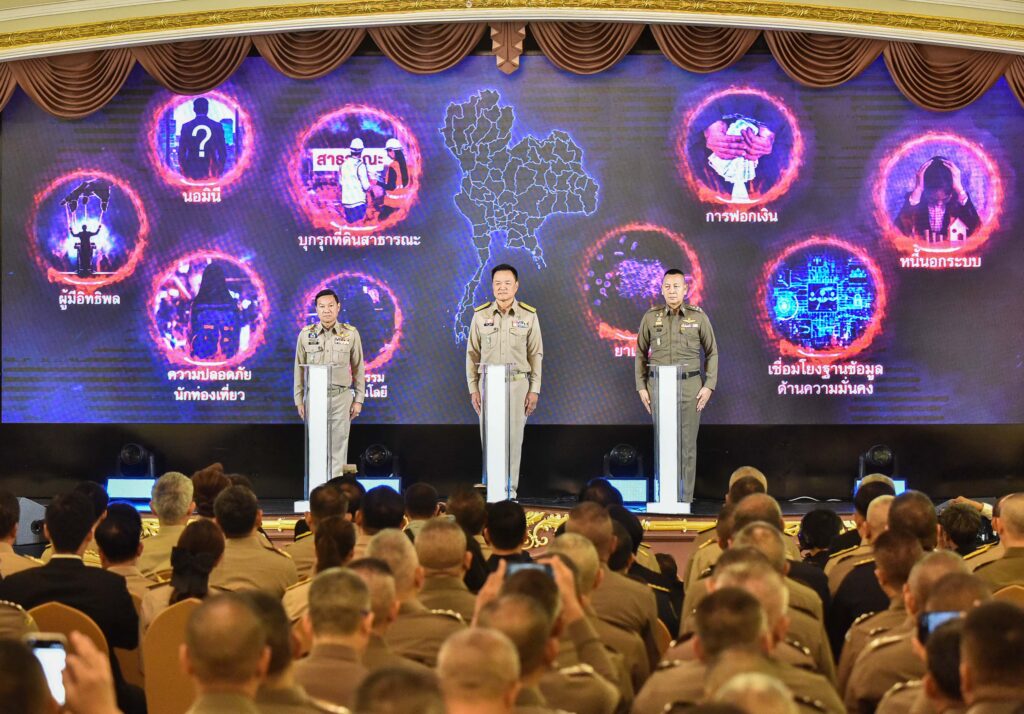
Thailand’s latest tourism safety and quality push is not only a travel-industry story. It is also a confidence signal for Bangkok property buyers. On 25 May 2026, the TAT Newsroom reported a national drive to improve tourism safety and quality standards under the Trusted Thailand direction. For foreign buyers, the important question is how such policy attention affects Bangkok’s role as a place to visit, work, rent and live.

Property demand is rarely created by one campaign. It comes from repeated signals: air access, stable services, reliable transport, healthcare, schools, retail, hotels, culture, corporate activity and a city environment that visitors are willing to return to. Tourism safety and quality sit inside that larger confidence framework. When Thailand treats visitor trust as a national priority, Bangkok’s residential market can benefit indirectly.
This should be read carefully. A safety drive does not guarantee condo price growth or rental yield. It does, however, reinforce a theme that matters to foreign owners: Bangkok competes not only on price, but on ease of use. Buyers want a city where tenants arrive smoothly, families feel comfortable, business visitors can navigate services, and repeat travellers can imagine a longer stay.
Why tourism standards matter to property
Bangkok is a residential city, a business centre and a visitor gateway at the same time. Many foreign condo buyers first encounter the city as tourists or business travellers. Their first impressions are practical: airport arrival, hotel quality, street-level safety, transport, shopping, medical access, restaurant standards and how quickly problems are handled. Those impressions influence whether Bangkok feels investable.
A stronger tourism-quality agenda can also support the ecosystem around property. Hotels, malls, hospitals, wellness providers, restaurants, event venues, private transport operators and serviced apartments all depend on visitor confidence. When these sectors perform well, they help sustain employment, business travel and rental demand in the districts foreign buyers already watch.

The foreign-buyer lens
Foreign buyers should not treat tourism as separate from property. In Bangkok, tourism and residential demand overlap. A visitor may become a repeat renter, a remote worker, a retiree, a parent assessing schools, or an investor looking for a long-term base. Even if a buyer never plans short-term rental activity, the city’s visitor economy supports the amenities that make condominium living attractive.
This is particularly true in central and lifestyle districts. Sukhumvit, Silom-Sathorn, Rama IV, Chit Lom, Phloen Chit, Riverside and emerging mixed-use nodes all rely on a blend of local residents, expatriates, business travellers and tourists. Better visitor confidence can keep these districts active beyond office hours and support the retail and service depth that tenants value.
What buyers should watch next
The useful indicators are not slogans. Buyers should monitor arrival quality, airline connectivity, hotel occupancy, MICE activity, retail footfall, healthcare tourism, event calendars and the consistency of local services. If these indicators improve together, Bangkok’s liveability story becomes easier to explain. If one area weakens, buyers should ask whether the chosen district still has enough independent demand drivers.
For example, a condo near a hospital corridor may be supported by healthcare demand and family visits. A unit near a major mall may benefit from retail, dining and transport. A property near the CBD may depend more on office leasing and business travel. Tourism quality helps the whole city, but each asset still needs its own demand logic.
Confidence is built through coordination
Tourism safety is not only about policing. It involves information, complaint handling, transport reliability, standards, communication, hospitality training and coordination between public agencies and private operators. This matters to Bangkok property because the city is experienced through many small interactions. A foreign resident or tenant notices whether taxis, airports, clinics, malls, hotels and public spaces feel organised.
When those systems improve, Bangkok’s premium positioning becomes more credible. The city can offer more than affordability: it can offer connected urban living with strong private services and a deep lifestyle base. That is one reason foreign buyers compare Bangkok not only with other Thai cities, but with regional alternatives such as Singapore, Kuala Lumpur and Ho Chi Minh City.
What this does not change
Buyers still need discipline. A national tourism push does not make every condominium a good investment. Overpriced units, weak layouts, poor management, unclear foreign quota and unrealistic rental assumptions remain risks. A property should be judged by building quality, management, location, pricing, tenant audience and exit route.
The positive reading is broader. Thailand is continuing to invest policy attention in visitor trust, and Bangkok is the main gateway that translates that trust into residential, retail, healthcare and business demand. For a foreign buyer, that supports confidence in the city, but not blind confidence in any single asset.
How to use the signal
Use tourism-confidence news as part of a dashboard. Pair it with economic data, infrastructure delivery, district supply, developer behaviour and rent evidence. If several indicators point in the same direction, a buyer can underwrite with more conviction. If the only argument is a national campaign, the purchase case is incomplete.
Bangkok’s best property opportunities are usually found where macro confidence meets practical daily demand. IBP’s Thailand economy and investment news helps foreign buyers connect national signals to district-level property decisions before they commit capital.