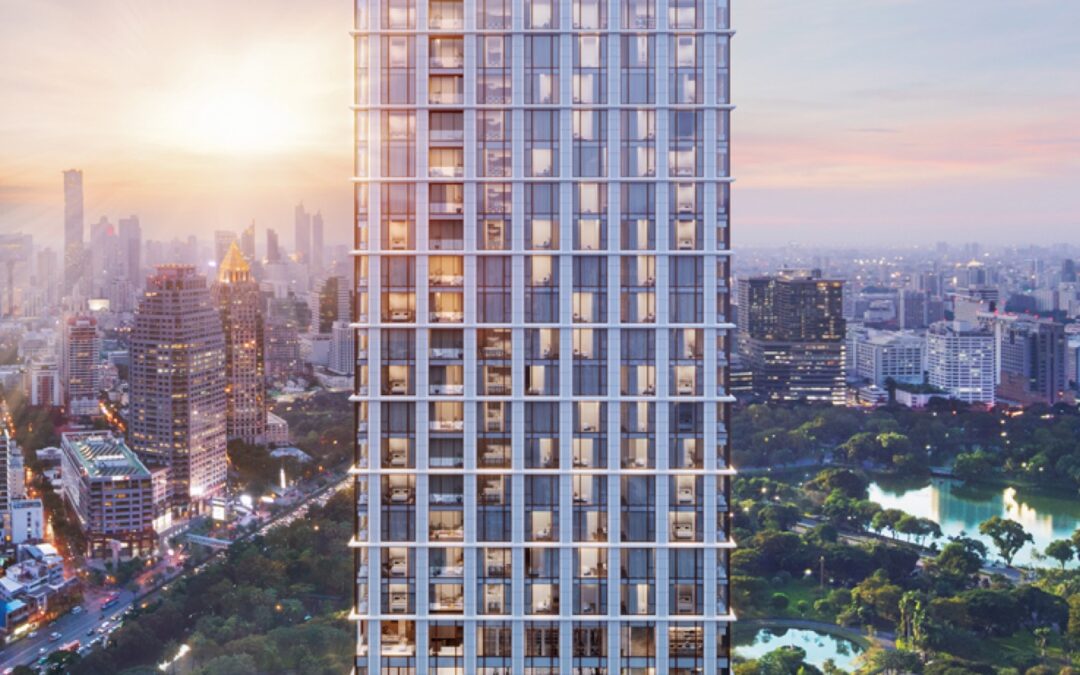
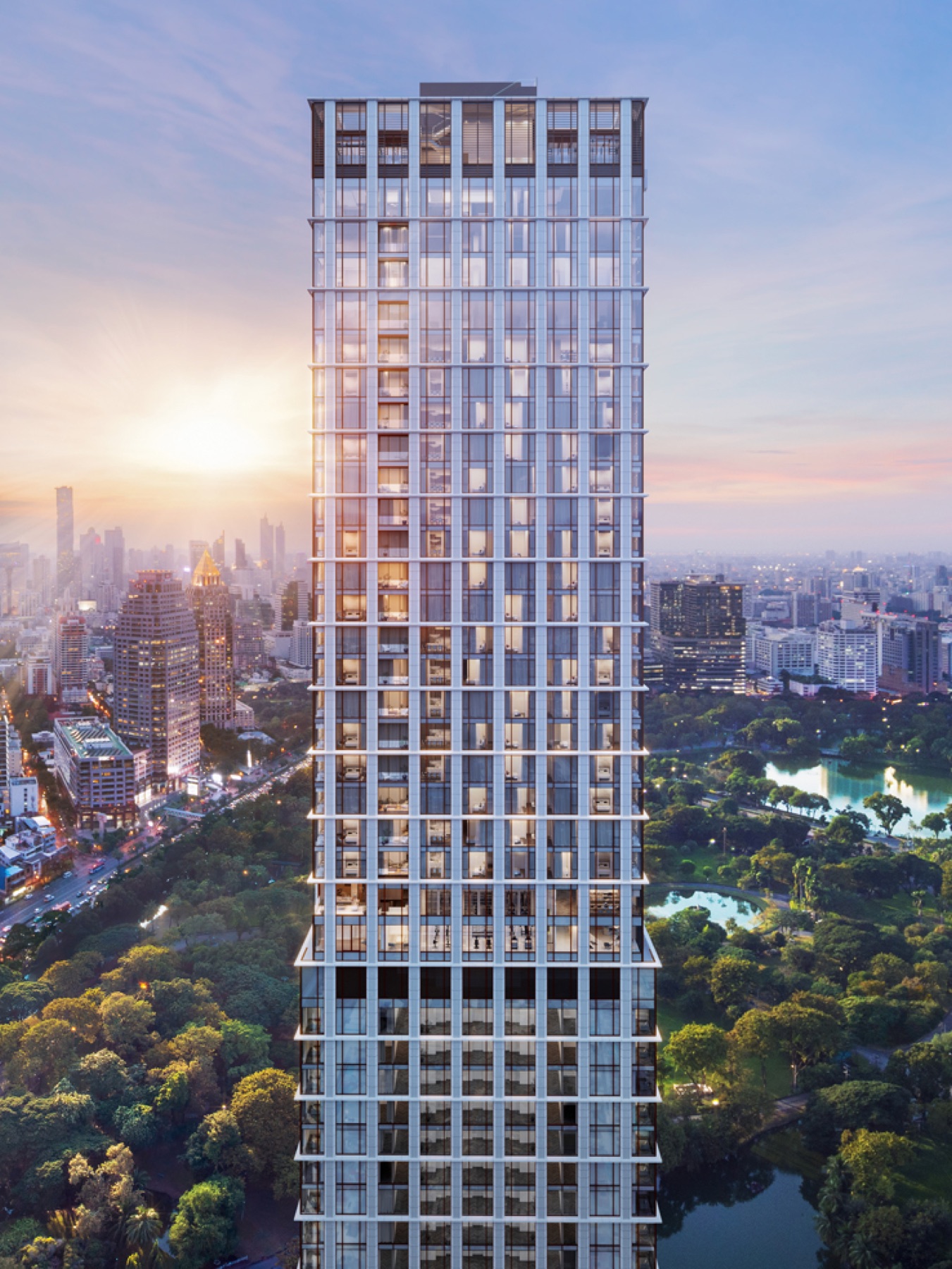
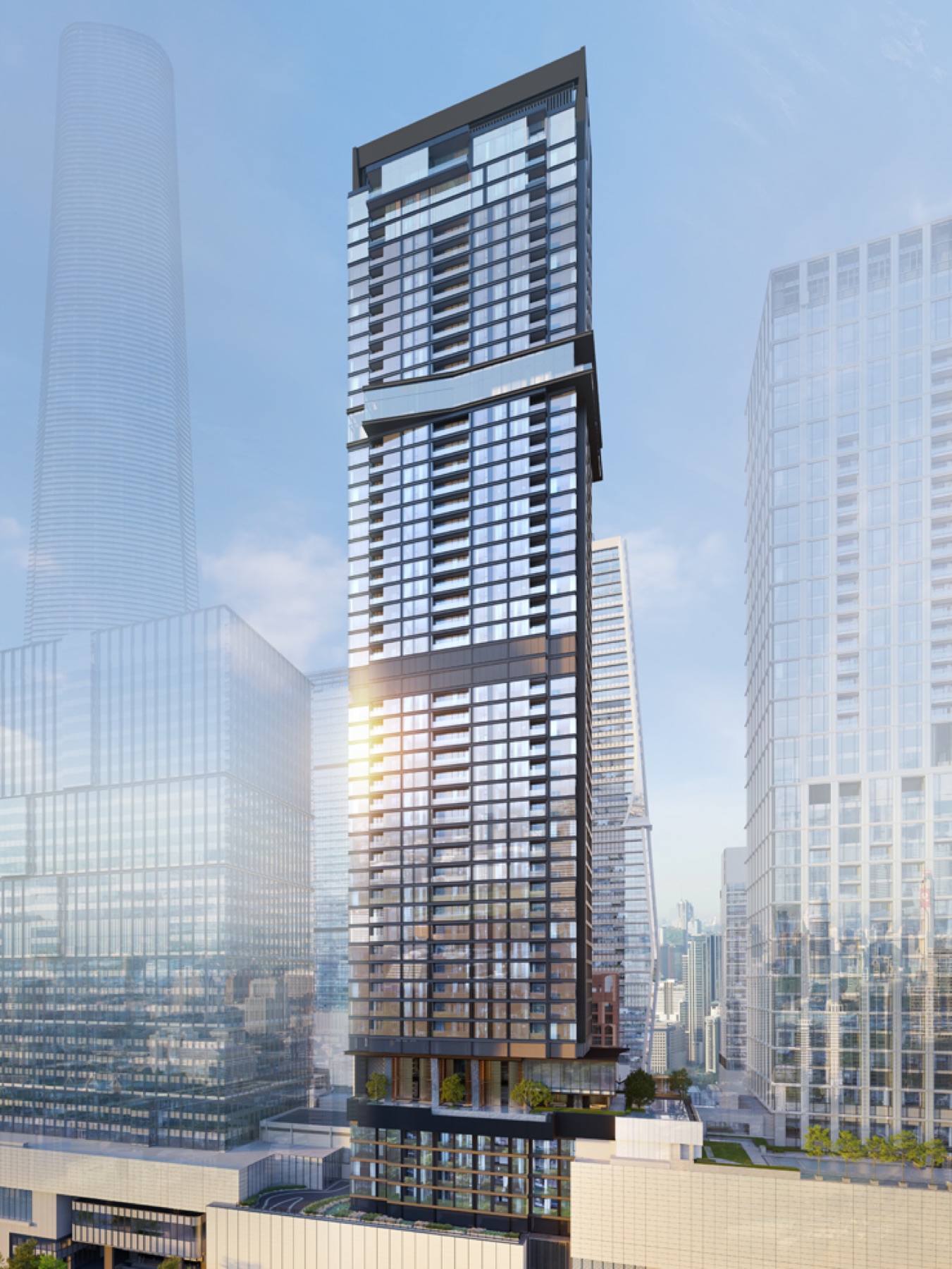
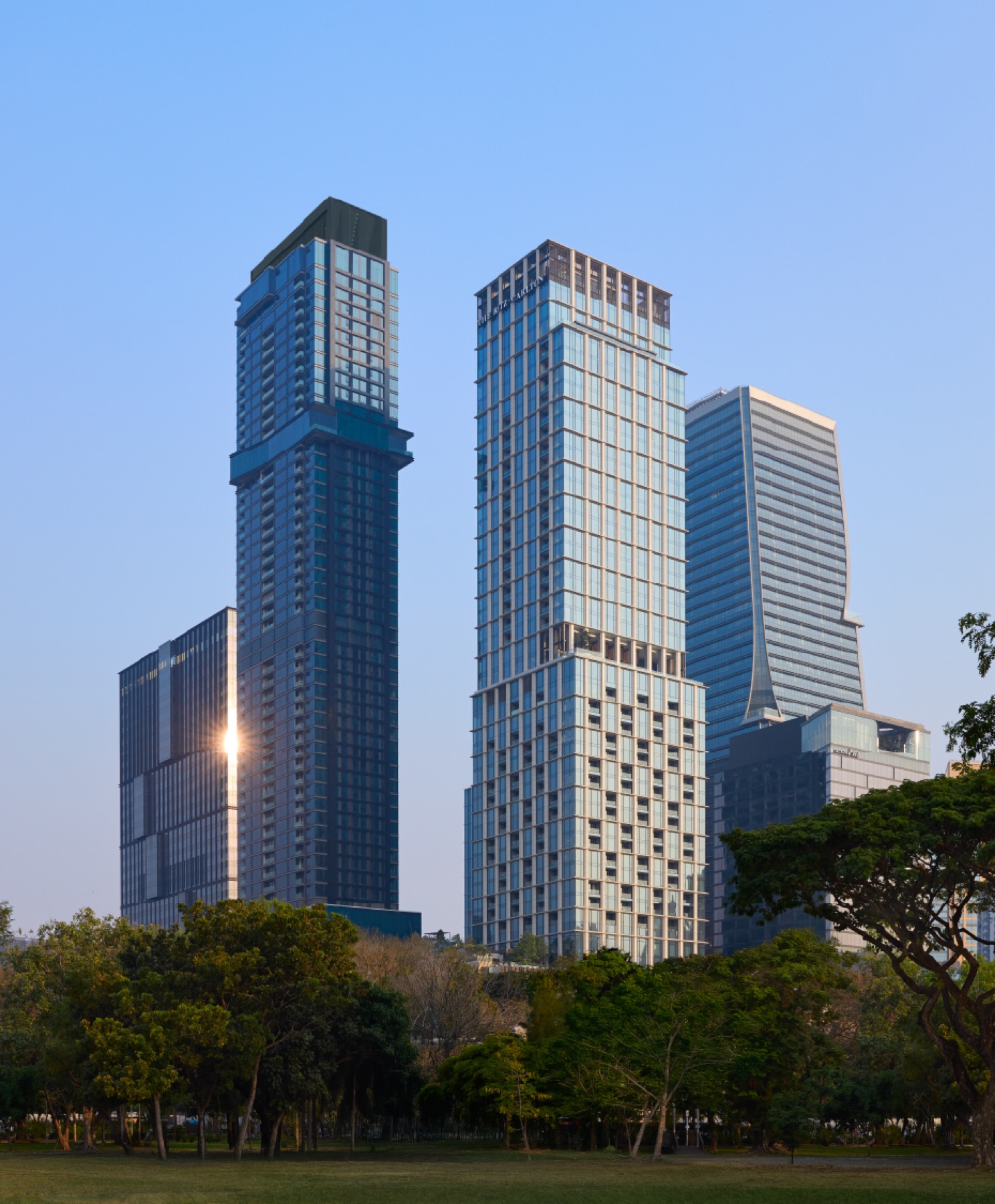
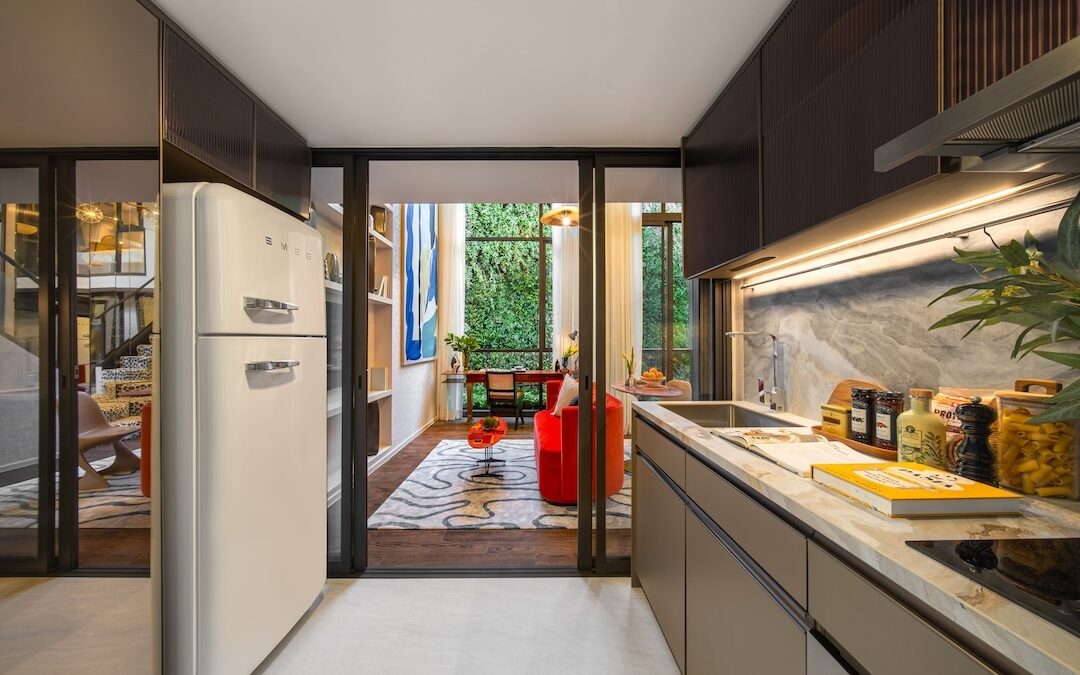
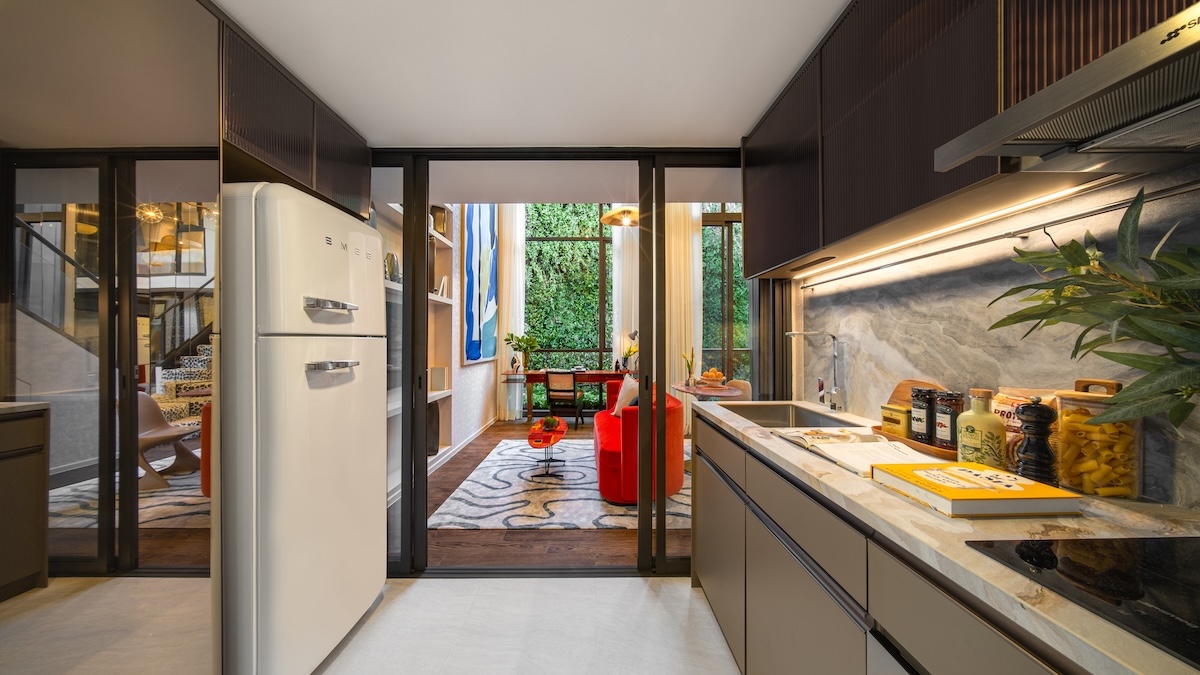
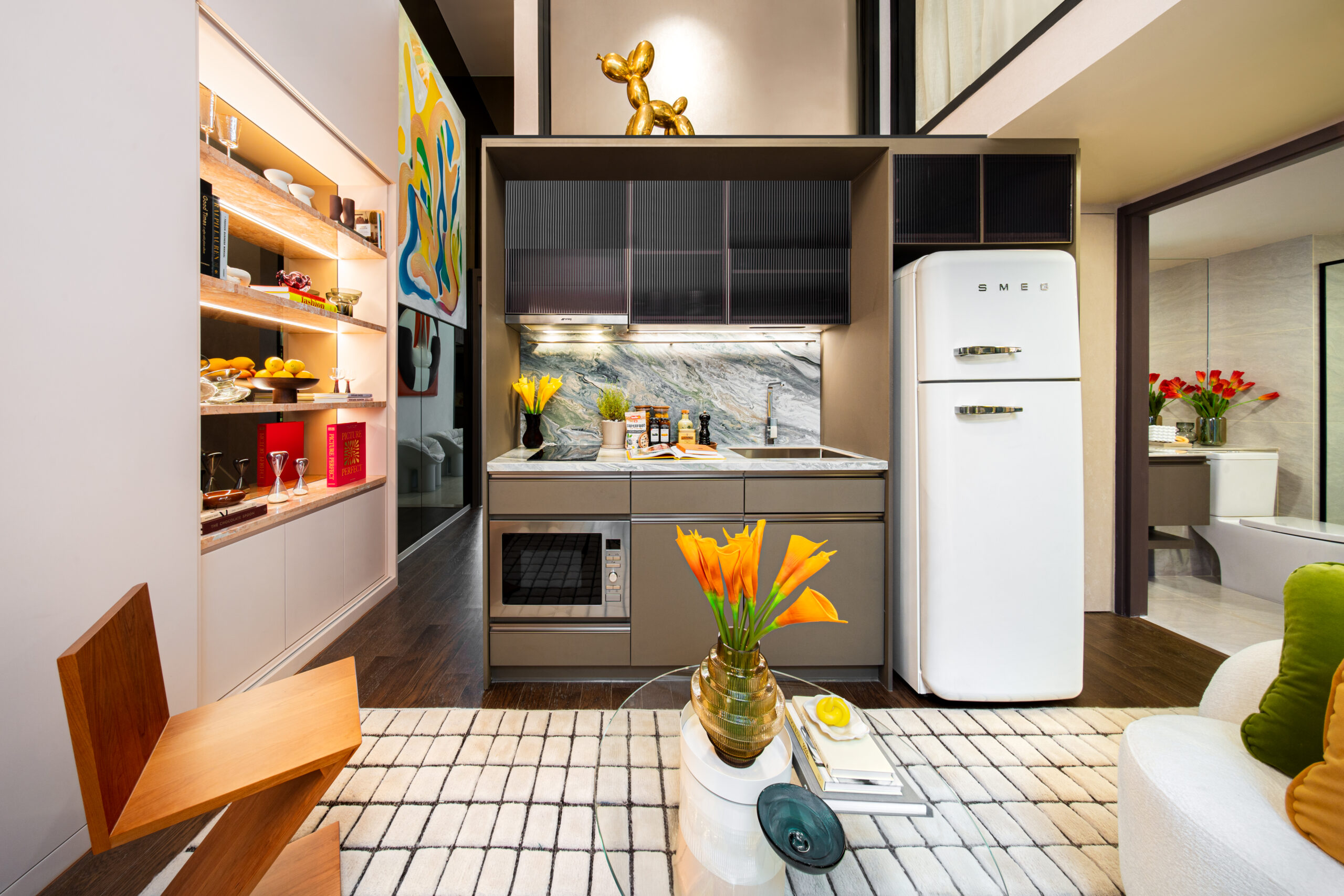
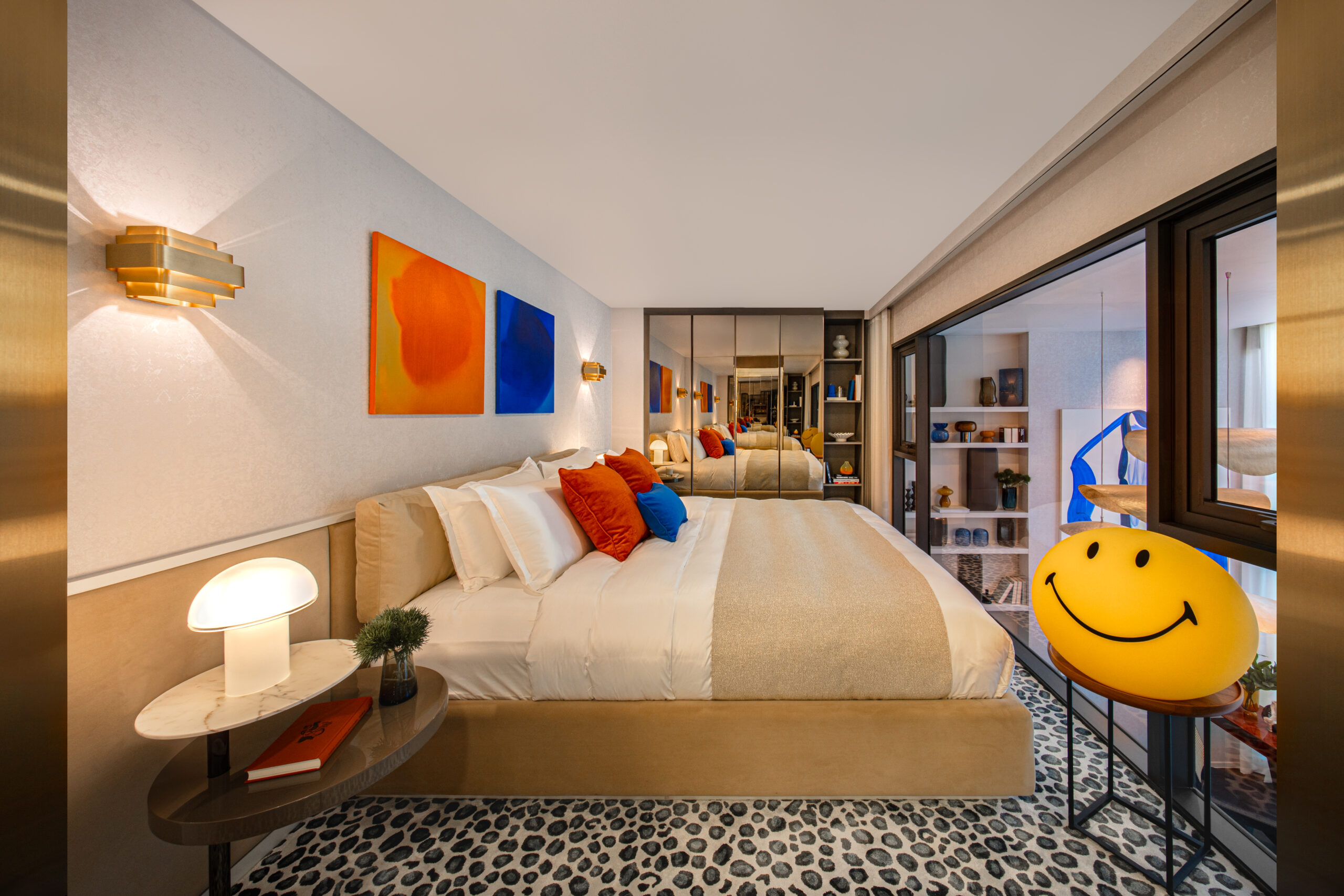
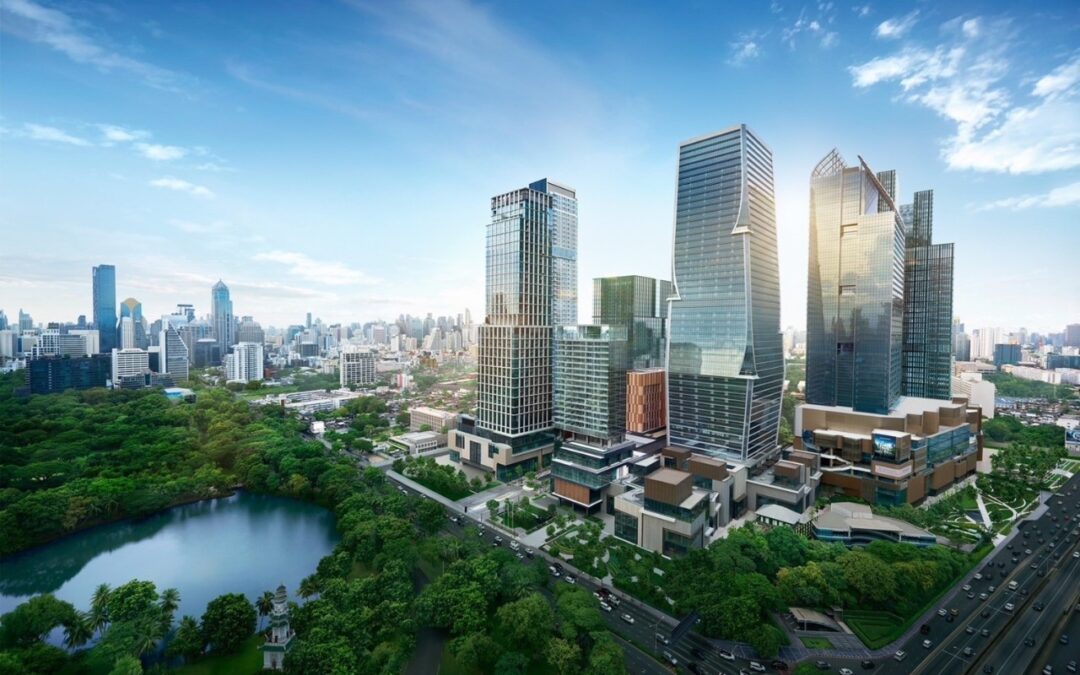
One Bangkok Residences gives foreign buyers a useful case study in how Bangkok’s top-end condo market is changing. The pitch is not simply a tower in a good location. It is a residence within a large mixed-use district on Wireless Road, close to Lumphini Park, with retail, workplace, hospitality, art, green space and smart-city positioning built into the wider address. For a buyer, that combination needs both enthusiasm and discipline.
One Bangkok positions its residences around a central Wireless Road and Lumphini Park location.
What the official residence positioning tells buyers
One Bangkok describes its residences as being anchored in place, purpose and precision, with views towards Lumphini Park and the city skyline. Its official residence page presents two named residential offerings: ONE89 wireless and EI8HTEEN SEVEN. Those brand names matter less than the due diligence behind them. A foreign buyer should separate the district story from the individual unit, building, contract and long-term ownership experience.
The appeal is clear. Wireless Road and the Lumphini area sit within one of Bangkok’s most established high-end corridors. The location links embassies, business districts, hotels, retail, parks and mass-transit access in a way that few neighbourhoods can match. For residents who want central Bangkok without giving up green-space proximity, the setting is naturally compelling.
Why mixed-use context matters
Mixed-use development can improve daily convenience. A resident may be able to move between home, dining, services, cultural programming, meetings and outdoor space with less reliance on long cross-city journeys. This is particularly attractive for expats, regional executives and frequent travellers who value time, predictable amenities and a polished urban environment.
For investors, the mixed-use setting may also widen the tenant conversation. Potential tenants are not only comparing unit size and rent; they are considering commute patterns, nearby offices, dining, wellness, security, visitor experience and the feeling of the address. A coherent district can help a unit stand out, especially in the premium rental segment.
That does not mean every unit will automatically outperform. Rental depth depends on pricing, layout, furnishing, view, completion quality, competition and the tenant’s budget. Buyers should still use IBP’s Bangkok rental yield guide to test income assumptions rather than relying only on the reputation of the development.
The residence mix should be assessed by building, unit plan, view corridor and handover detail.
Foreign quota and contract checks
Foreign buyers should confirm the foreign freehold quota for the specific building and unit before paying a non-refundable booking amount. Large branded or mixed-use projects can have strong foreign demand, so quota availability should not be assumed from general marketing. Ask for written confirmation of tenure, quota status, payment schedule, transfer timing, sinking fund, common fee, fit-out inclusions and any restrictions affecting leasing or resale.
The sale agreement should also be reviewed in detail. Buyers need to understand what happens if handover timing changes, how defects are handled, what specifications are binding, how common areas are completed, whether furniture is included, and what remedies apply if delivered details differ from the sales material. For an overseas buyer, these points are more important because inspection and negotiation may need to happen remotely.
Views, orientation and liveability
Premium Bangkok buyers often focus on views, but views should be tested carefully. A Lumphini or skyline outlook can be valuable, yet the buyer should check orientation, glare, privacy, surrounding development risk and how the view is framed from the actual living area, not only from a show unit or rendering. Higher floors may command a premium, but layout efficiency and day-to-day comfort still matter.
Liveability also depends on small details: lift zoning, lobby flow, parking, motorcycle and delivery management, air-conditioning systems, storage, kitchen practicality, pet rules, visitor access and waste handling. In a high-profile district, the shared environment may be impressive, but the private unit still needs to work as a home.
Mixed-use surroundings can support daily convenience, but buyers still need project-level checks.
Common fees and district-level services
One Bangkok’s broader sustainability and smart-city positioning is part of its identity, and buyers should understand how that translates into owner obligations. Ask which services are funded through the residential common fee, which are part of the wider district, and which require separate membership, access charges or usage fees. Clarity on this point helps investors avoid overestimating what is included in the monthly cost.
The same applies to sinking funds and long-term maintenance. Large mixed-use projects can be sophisticated, but they can also involve complex operating structures. A buyer should know who manages the residential juristic person, how shared facilities are governed, how budgets are approved and how future upgrades are funded. The goal is not to challenge the concept; it is to understand the cost of preserving it.
Resale considerations
A trophy address can help resale, but liquidity still depends on entry price and buyer depth. Future purchasers will compare One Bangkok Residences with other central luxury and ultra-prime options across Wireless Road, Langsuan, Chit Lom, Sathorn, Riverside and Sukhumvit. They will ask whether the unit’s layout, view, floor, condition and asking price justify the premium.
Foreign owners should think about exit strategy from the beginning. Keep all transfer documents, payment evidence, specification lists, warranties, defect records and furnishing receipts. If the unit is rented, preserve lease records and maintenance logs. IBP’s Bangkok property exit strategy guide can help owners think through resale preparation before they need to sell.
Bottom line for foreign buyers
One Bangkok Residences is a serious central Bangkok proposition because it combines location, district planning and premium urban amenities. The right buyer will value the convenience and the long-term address story. The wrong buyer may overpay for brand context without testing the individual unit.
Before reserving, compare the unit against competing luxury condos, confirm foreign quota, review the contract, check fee exposure and test rental or resale assumptions. IBP can help foreign buyers assess whether a One Bangkok residence fits a broader Bangkok property strategy rather than treating it as a standalone trophy purchase.
Chit Lom and Ratchaprasong sit in one of Bangkok’s most recognisable central lifestyle corridors. For luxury condominium buyers, the appeal is not only a BTS station or a famous shopping intersection. The district combines five-star hotels, high-end retail, offices, embassies nearby, walkable skywalk links, restaurants, hospitals within reach and fast access to Siam, Ploenchit, Lumphini and Wireless Road. That density gives the area a different investment logic from purely residential neighbourhoods.
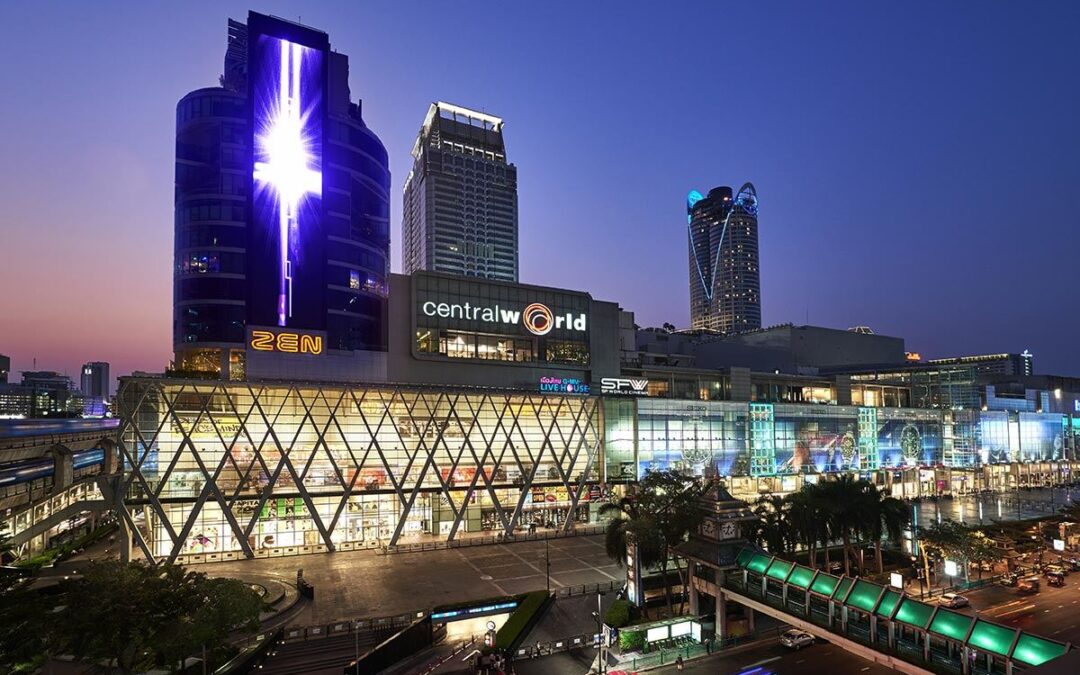
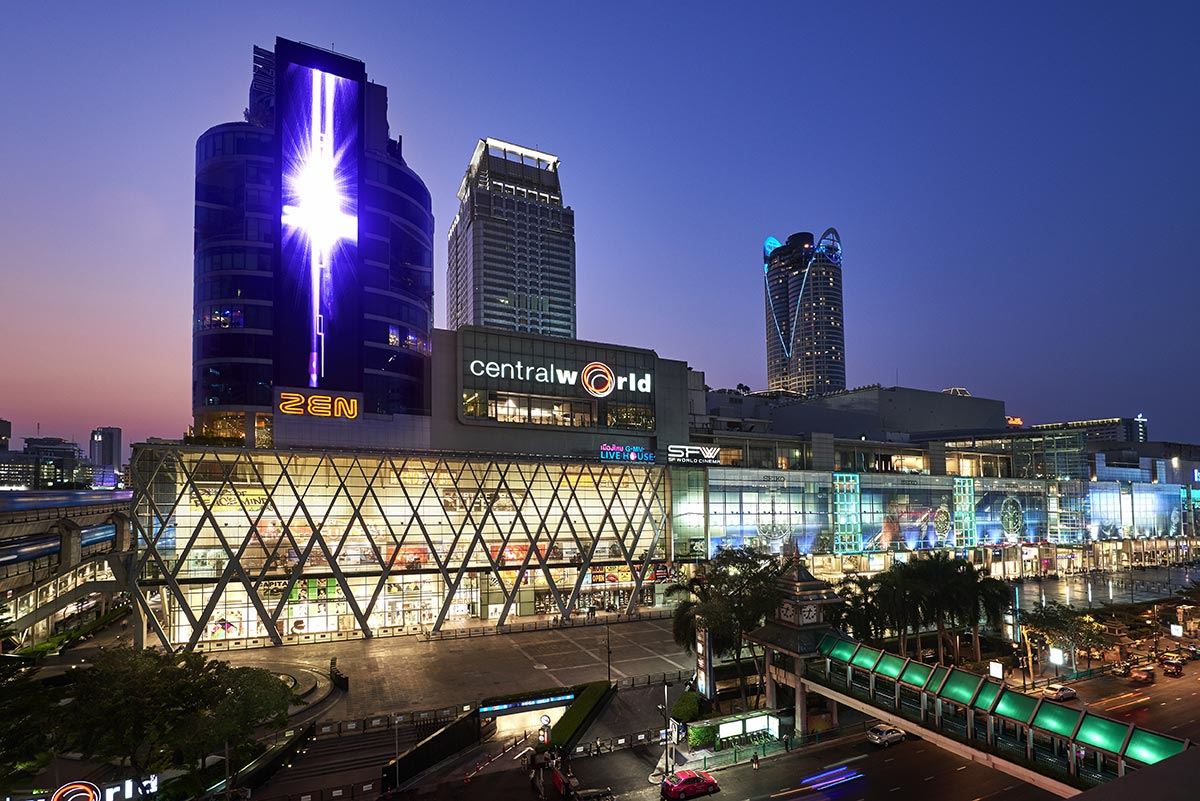
Central Pattana describes centralwOrld as a major lifestyle destination at Ratchaprasong with more than 500 stores and over 200 dining options, while Gaysorn Village positions itself as a premium lifestyle destination in the heart of Ratchaprasong. For a condo buyer, these are not only visitor attractions. They are daily-use infrastructure. Residents can shop, dine, host guests, use services, attend events and move through the area without depending entirely on taxis.
Why the district attracts premium buyers
The first advantage is centrality. Chit Lom connects west towards Siam and east towards Ploenchit, Wireless Road and Sukhumvit. It is close enough to Lumphini and Ratchadamri for buyers who want central Bangkok without being locked into only one micro-market. For regional owners who use Bangkok as a second home, that centrality reduces friction: airport transfers, hotel meetings, hospital visits, shopping and dining can all be handled within a familiar radius.
The second advantage is established prestige. Ratchaprasong has been a premium retail and hospitality address for decades. That matters in resale because future buyers already understand the location. Emerging districts can offer stronger value, but they require more explanation. Chit Lom and Ratchaprasong are easier to place in a buyer’s mental map, especially for overseas clients who know Bangkok through hotels and shopping trips.
Who should consider buying here
The area suits buyers who value convenience, hotel-level services nearby and central-city identity. It can work for regional families, executives, investors seeking a recognisable rental address, retirees who want medical and retail access, and second-home buyers who visit Bangkok several times a year. It may be less suitable for buyers who want quiet low-rise streets, large green space at the doorstep or lower common fees.
Investors should be clear about tenant type. A compact luxury unit may attract a single executive or regional visitor who wants a serviced central base. A larger two-bedroom unit may appeal to couples, embassy-linked tenants or families who prioritise the school and hospital network around central Bangkok. The unit plan should match that audience rather than simply chasing the most famous building name.
Premium retail, dining and hotels help support both owner use and rental demand.
BTS access and walkability
BTS Chit Lom is the district’s main practical anchor. The skywalk network helps residents move between malls, hotels and nearby streets with less exposure to traffic and weather. This is important for foreign buyers because Bangkok’s premium locations are not all equally walkable. A condominium can be centrally located on paper but still difficult for daily routines if the walk is unpleasant, disconnected or unsafe at night.
When inspecting a unit, buyers should walk the actual route from lobby to BTS, supermarket, pharmacy, café, mall entrance and taxi pickup. Do it during the day and evening if possible. Ratchaprasong can be busy during events, weekends and rainy periods. A buyer who understands those rhythms will make a better decision about floor, view, noise and access.
What to check before paying a premium
View protection
Central Bangkok views can change. Buyers should check neighbouring plots, setbacks, hotel towers, office redevelopment and future construction risk. A view premium only makes sense if the buyer understands how protected it is.
Building density
Luxury should not be judged only by lobby finishes. Lift ratio, corridor feel, parking, service access, delivery handling, staff quality, pool capacity and maintenance standards affect daily comfort. A famous address with crowded common areas may not feel premium after move-in.
Resale evidence
Compare completed resale buildings, not only new launch prices. Chit Lom has recognised addresses, but buyers still need achieved transaction evidence, listing depth and rental history. A unit that is easy to admire may not be easy to sell if the price is too far above comparable completed stock.
Gaysorn Village adds a quieter premium layer to the wider Chit Lom and Ratchaprasong circuit.
How it compares with nearby luxury areas
Compared with Phrom Phong and Thonglor, Chit Lom feels more central-business and hotel-led, with less of a neighbourhood café rhythm. Compared with Wireless Road, it is more retail-connected and busier. Compared with Sathorn, it is more shopping and hospitality oriented, while Sathorn offers a stronger office and financial-district identity. The right choice depends on whether the buyer values city-centre convenience, residential calm, office access, school proximity or lifestyle depth most.
For many foreign buyers, Chit Lom and Ratchaprasong work best as a personal-use plus capital-preservation purchase rather than a pure yield play. Rents can be strong, but purchase prices and common fees may compress yield. The value case often depends on reliable demand, easy recognisability, personal utility and long holding power.
Buyer takeaway
Chit Lom and Ratchaprasong are premium because the location is already proven. The district offers transport, retail, hotels, dining, healthcare access and international familiarity in a compact central area. That does not mean every unit is worth a luxury premium. Buyers should still test layout, view, building management, resale evidence and the tenant profile carefully.
IBP can help foreign buyers compare Chit Lom, Ratchaprasong, Ploenchit, Wireless Road and Lumphini options before shortlisting. Explore our district guides or contact IBP Real Estate for a luxury condo brief.
Ratchathewi is one of Bangkok’s more practical central condo locations for foreign buyers who want access without paying the full premium of Siam, Chidlom or prime Sukhumvit. It sits on the BTS Sukhumvit Line, close to Siam interchange, Phaya Thai Airport Rail Link connections, Pratunam, Chulalongkorn University, major hospitals and a wide retail catchment. That combination makes the district easy to explain to tenants, visiting owners and future resale buyers.
Ratchathewi appeals because it sits between Siam, Phaya Thai and the wider Sukhumvit-Silom office network.
The area is not a single luxury enclave. It is a mixed urban district with hotels, older shophouses, student demand, compact new condominiums, local restaurants, office workers and heavy daily traffic. That mix is exactly why due diligence matters. A foreign buyer should not buy Ratchathewi only because it is central. The right building can be highly convenient; the wrong walking route can feel noisy, congested or awkward after dark.
Why Ratchathewi Works For Foreign Buyers
The first advantage is location logic. Ratchathewi is one BTS stop from Siam and close to Phaya Thai, making it useful for residents who need to move between Bangkok’s retail core, office districts and airport-rail corridor. For a foreign owner, this gives the property a simple rental story. Tenants can live near central Bangkok without necessarily paying the highest rents of newer prime Sukhumvit buildings.
The second advantage is audience diversity. Potential tenants can include young professionals, university-linked residents, medical visitors, regional executives, digital workers and people who want quick access to Siam without living inside the busiest shopping area. That broad audience can help protect occupancy, provided the unit is correctly priced and the building is well maintained.
The best Ratchathewi purchases are judged by walking route, management quality and resale depth, not only distance on a map.
What To Check Before Buying
Walk The Route, Not Just The Radius
A project may be advertised as being near Ratchathewi BTS, but the actual walking route is what tenants experience. Check shade, crossings, footpath width, traffic noise, drainage and the feeling of the route at night. A shorter walk with unpleasant crossings can be weaker than a slightly longer route that feels safe and predictable. Bangkok buyers often underestimate this point when they rely only on maps.
Study The Building’s Age And Management
Ratchathewi includes both newer boutique projects and older stock. Newer buildings may offer efficient layouts and better facilities, but they can also command higher prices. Older buildings may offer larger space or better yields, but maintenance history becomes more important. Foreign buyers should inspect common areas, lift condition, car park flow, juristic notices, staff presence and the general discipline of the lobby. A central location cannot compensate for weak building management over time.
Compare Actual Resale Competition
Because Ratchathewi is central, sellers sometimes price units as though every project deserves a Siam-level premium. Buyers should compare nearby completed buildings by net usable area, floor, view, age, distance to station and furniture quality. If two similar units compete for the same tenant, the better-managed and better-priced option usually wins. Do not overpay for a story that the resale market may not recognise later.
Rental Positioning In Ratchathewi
Ratchathewi rentals generally need to be easy and functional. A compact one-bedroom unit can work if it has a proper work surface, storage, natural light and a comfortable route to transit. Larger units should justify their premium with a better view, corner layout, parking or a lifestyle advantage. Furniture should be durable rather than overly decorative, because tenants in this area often value convenience and reliability over show-flat styling.
Short-term rental assumptions should be treated carefully. Many Bangkok condominium juristic rules restrict daily or hotel-like letting, and enforcement can be strict in buildings where residents complain. Foreign landlords should plan around legal, long-term residential leasing unless they have written confirmation that a different model is permitted and properly licensed. For most investors, a stable long-term tenant is a cleaner strategy.
Amenities matter most when they support tenant demand and long-term building upkeep.
Who Should Consider Ratchathewi
Ratchathewi suits buyers who want a central address with daily convenience and a potentially wider tenant pool than some purely residential districts. It can be especially relevant for investors who prioritise BTS access, proximity to Siam and easier airport movement via the Phaya Thai corridor. It may also suit owners who visit Bangkok regularly and want a practical base near shopping, food, hospitals and transport.
It is less suitable for buyers who want a quiet resort-like environment, very large family layouts or a purely luxury neighbourhood identity. The district is busy and urban. Traffic, older buildings and mixed street conditions are part of the context. Buyers who expect the polish of Langsuan or the lifestyle branding of Thonglor may prefer to pay for those districts instead.
A Foreign-Buyer Shortlist Method
Start with buildings within a walkable distance of BTS, but do not stop there. Remove projects with weak management, awkward access, excessive unsold or resale supply, poor natural light or layouts that feel smaller than their stated area. Then compare net purchase price against realistic rental demand. Finally, check foreign quota, title, juristic documents, common-fee obligations and sinking fund position before signing.
A good Ratchathewi condo is rarely the cheapest unit on the list. It is the unit where price, access, condition and future exit demand align. That is the standard foreign buyers should apply in any central Bangkok district, but it is especially important here because the neighbourhood is convenient and imperfect at the same time.
Why The District Still Deserves Attention
Bangkok property works best when a location is useful in ordinary life. Ratchathewi is useful. It connects to shopping, transit, education, healthcare and business districts without requiring a car. For foreign buyers, that everyday usefulness can support rentability and resale clarity. The opportunity is not to buy anything with a Ratchathewi label; it is to buy selectively in buildings that make the district’s convenience tangible.
For comparable central-area options, review the IBP district guides and shortlist buildings with the team before committing to a reservation.
One Bangkok is not a condominium project in isolation. It is a district-scale mixed-use development that changes how foreign buyers should read Rama IV, Lumphini, Wireless Road, Sathorn and nearby central Bangkok neighbourhoods.
For luxury condominium buyers, the most important question is not simply whether One Bangkok is impressive. It is whether the district creates durable daily-use demand: offices that bring senior employees, retail that supports weekend life, hotels that lift service expectations, public spaces that improve walkability, and a stronger identity for an area that sits between several established prime zones.
This One Bangkok district guide looks at the development from a foreign-buyer perspective. It focuses on what can support property confidence, what should still be checked carefully, and how to think about nearby condominium choices without being carried away by the scale of a single landmark.
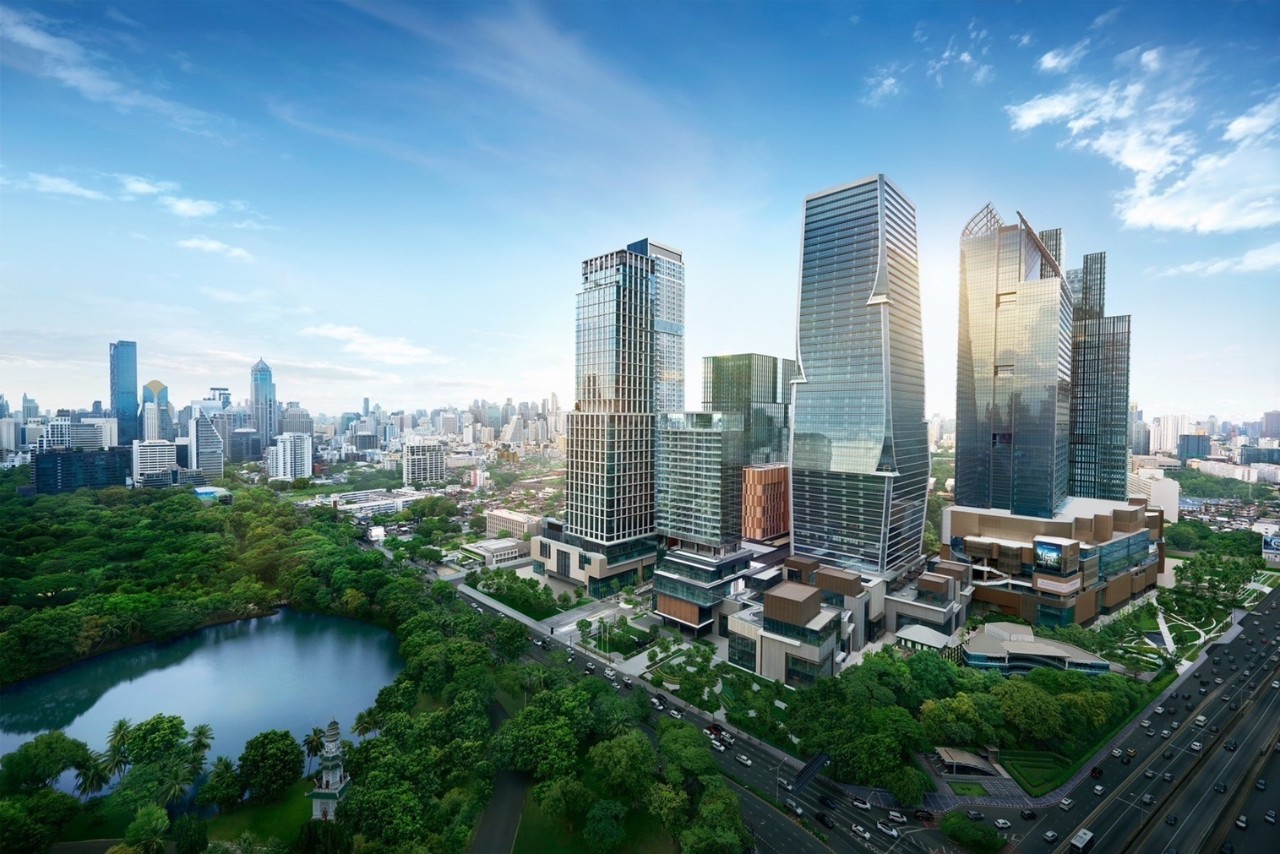
One Bangkok opened as a large mixed-use district connecting Rama IV with the Silom and Sathorn business areas. Image: One Bangkok.
Why One Bangkok matters to the central map
Bangkok has several recognised prime addresses: Sukhumvit, Chidlom, Langsuan, Wireless Road, Sathorn, Silom and the riverside. Rama IV has always had strong geography, sitting beside Lumphini Park and close to multiple business districts, but parts of it lacked the polished pedestrian environment and lifestyle identity that foreign buyers often expect from a premium address.
One Bangkok helps close that gap. Its official opening announcement described a mixed-use neighbourhood with retail, work, leisure, hotels and residential towers. For buyers nearby, the potential benefit is not only visual. A district with offices, dining, retail and events can make daily life easier and can help tenants understand why they might choose this side of town.
The strongest property impact is likely to be felt in buildings that already have good fundamentals: freehold tenure, sensible layouts, strong management, easy access to MRT or BTS links, and a walkable relationship to Lumphini, Silom, Sathorn or Wireless Road.
Foreign buyers should also remember that district change takes time to price properly. Some nearby owners may immediately raise expectations, while tenants and resale buyers may wait until the retail, office, hotel and public-realm pattern is fully settled. That gap can create both opportunity and overpricing.
Office demand is part of the residential story
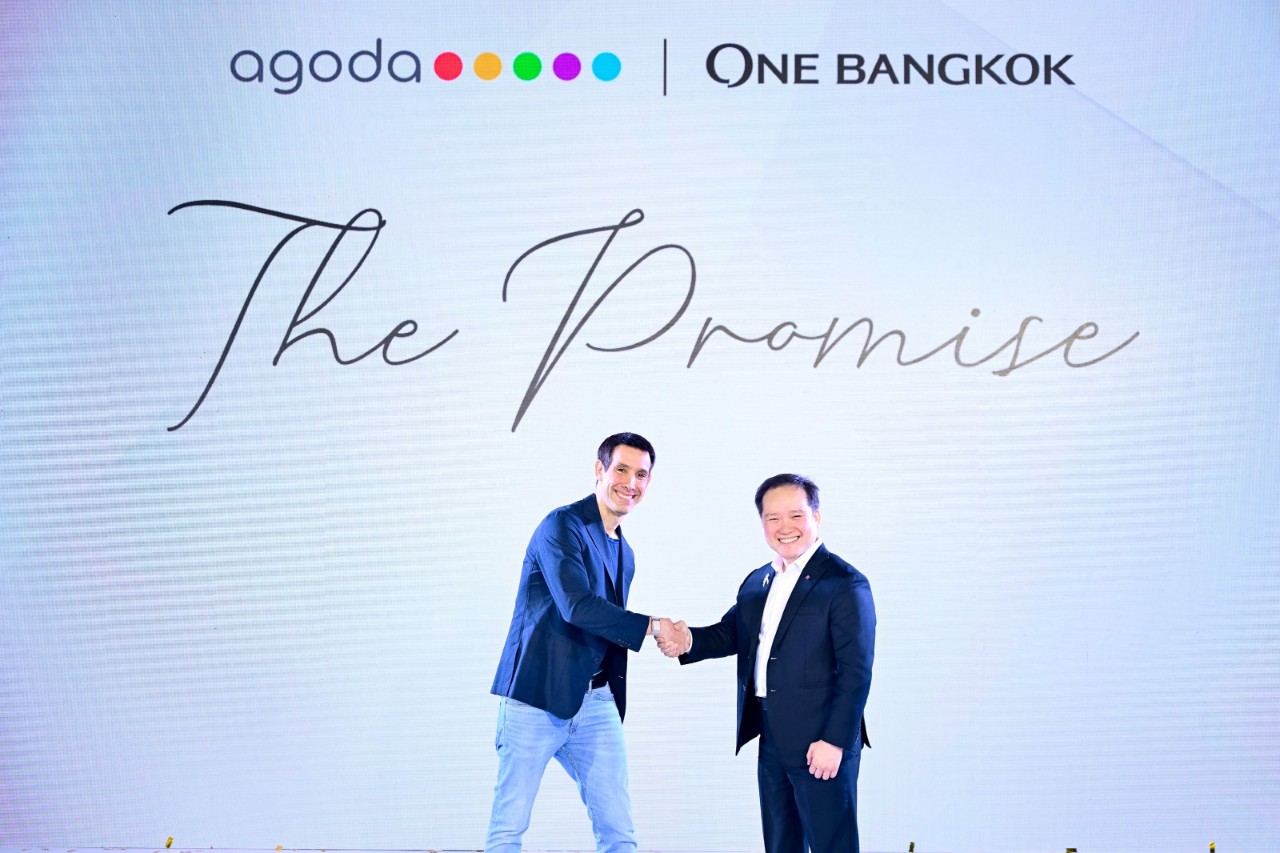
A mixed-use district becomes more relevant to condominiums when it attracts real occupiers. One Bangkok announced in December 2025 that Agoda would relocate its Thailand operations to One Bangkok Tower 5, occupying more than 26,000 square metres across seven floors in the first phase, with the move slated for April 2026.
For foreign buyers, this kind of office commitment matters because residential demand often follows employment quality. International companies bring expatriate staff, regional managers, visiting executives and suppliers. Even when employees do not live next door, they add spending power and visibility to the district.
That does not guarantee rental returns. It simply improves the logic for nearby housing demand, particularly for units that suit professionals who want a short commute, premium facilities and access to central Bangkok amenities without relying on a car for every errand.
One Bangkoks district-scale public realm and mixed-use setting support the Rama IV-Lumphini lifestyle story. Image: One Bangkok.
Retail and public space can change weekend behaviour
The retail component is also important. One Bangkok positions its retail offer around multiple precincts, dining, shopping and lifestyle experiences. In a city where mall access, restaurants and air-conditioned walkability influence where tenants choose to live, this is not a minor detail.
Foreign residents often compare Bangkok districts by weekend convenience. Can they walk to dinner, groceries, coffee, fitness, a park and transport? Can guests find the building easily? Are there enough destinations nearby to make the area feel active after office hours? One Bangkok strengthens the answer for the Rama IV-Lumphini area.
Buyers should still check the exact walking route from any condominium under consideration. Bangkok distances can be misleading. A building that is close on a map may be less comfortable on foot because of road crossings, heat, construction, pavement quality or station access.
How to compare nearby condominiums
A One Bangkok effect should never replace building-level due diligence. Compare nearby condominiums by age, tenure, ceiling height, unit efficiency, parking ratio, facilities, common fees, sinking fund, juristic management and foreign quota. Then compare rent evidence and resale listings in the same building and nearby competitors.
New luxury launches around the district may command a premium because they sell a future lifestyle story. Completed resale buildings may offer more visible evidence: actual maintenance quality, current rents, real owner behaviour and established juristic management. Neither route is automatically better.
If buying for own use, prioritise the route you will actually walk and the amenities you will actually use. If buying for investment, prioritise tenant depth, furnishing standard and exit liquidity. A beautiful address that is difficult to rent at the required price is not a defensive investment.
The best shortlists usually include at least one completed resale building and one new or recently completed project. That comparison keeps the buyer anchored: one option shows proven operations, while the other shows current specification and future district pricing.
Agodas announced relocation to One Bangkok Tower 5 underlines the office-demand role of the district. Image: One Bangkok.
The buyer takeaway
One Bangkok raises the profile of Rama IV and reinforces the centrality of the Lumphini-Silom-Sathorn-Wireless Road corridor. Its office commitments, retail scale and public-space strategy make the district more legible to foreign residents and corporate tenants.
The opportunity is selective. Buyers should look for buildings that benefit from the improved district without overpaying for vague proximity. The best purchases will still be the ones with clear legal structure, liveable layouts, sensible pricing and a realistic rental or resale audience.
If you are evaluating condominiums near One Bangkok, Invest Bangkok Property can help compare completed buildings, new launches, foreign quota and rental evidence before you decide whether the district premium is justified.