
Sindhorn Kempinski Residences Bangkok Buyer Notes
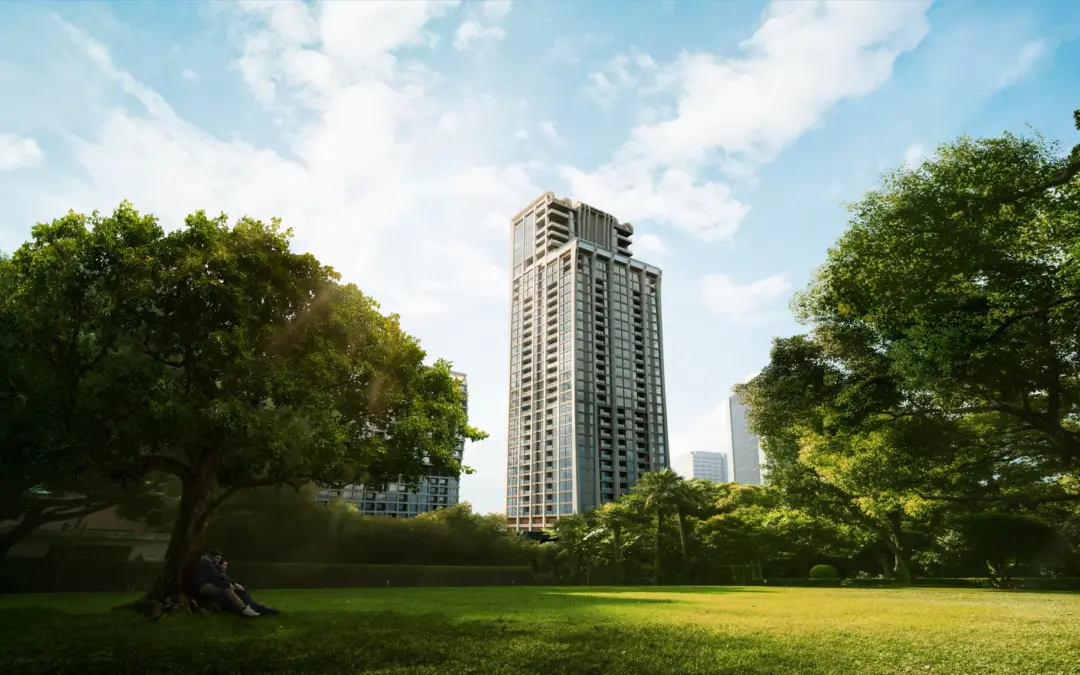
The Residences at Sindhorn Kempinski Hotel Bangkok represent a specific type of luxury purchase: branded residential living in a quiet central setting. For foreign buyers, the appeal is easy to understand. The project connects hotel-style service expectations, landscaped surroundings, access to Lumphini Park, and the convenience of the wider Lang Suan and Wireless Road area. The investment question is more precise: does the branded premium match the buyer’s intended use, holding period and resale audience?
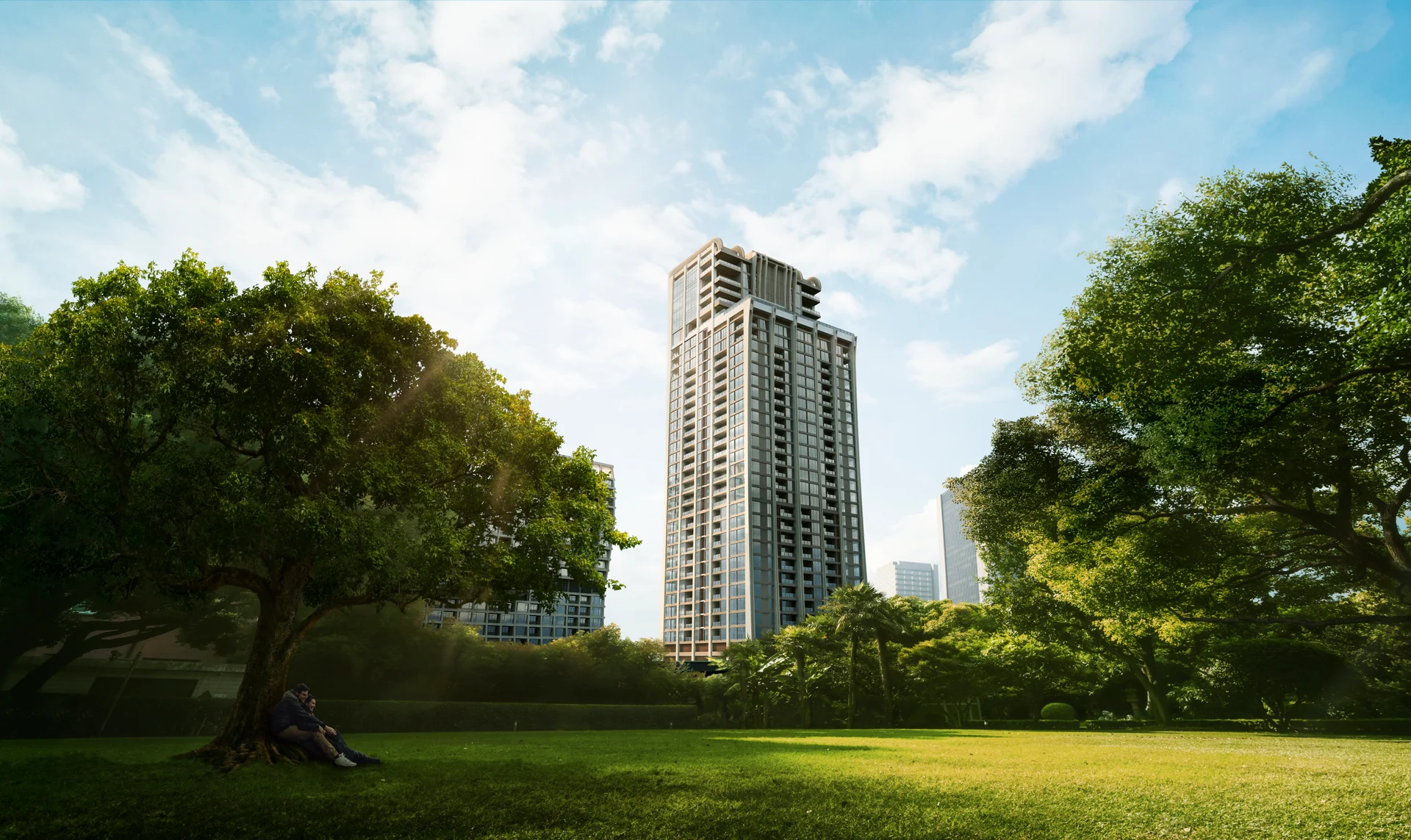
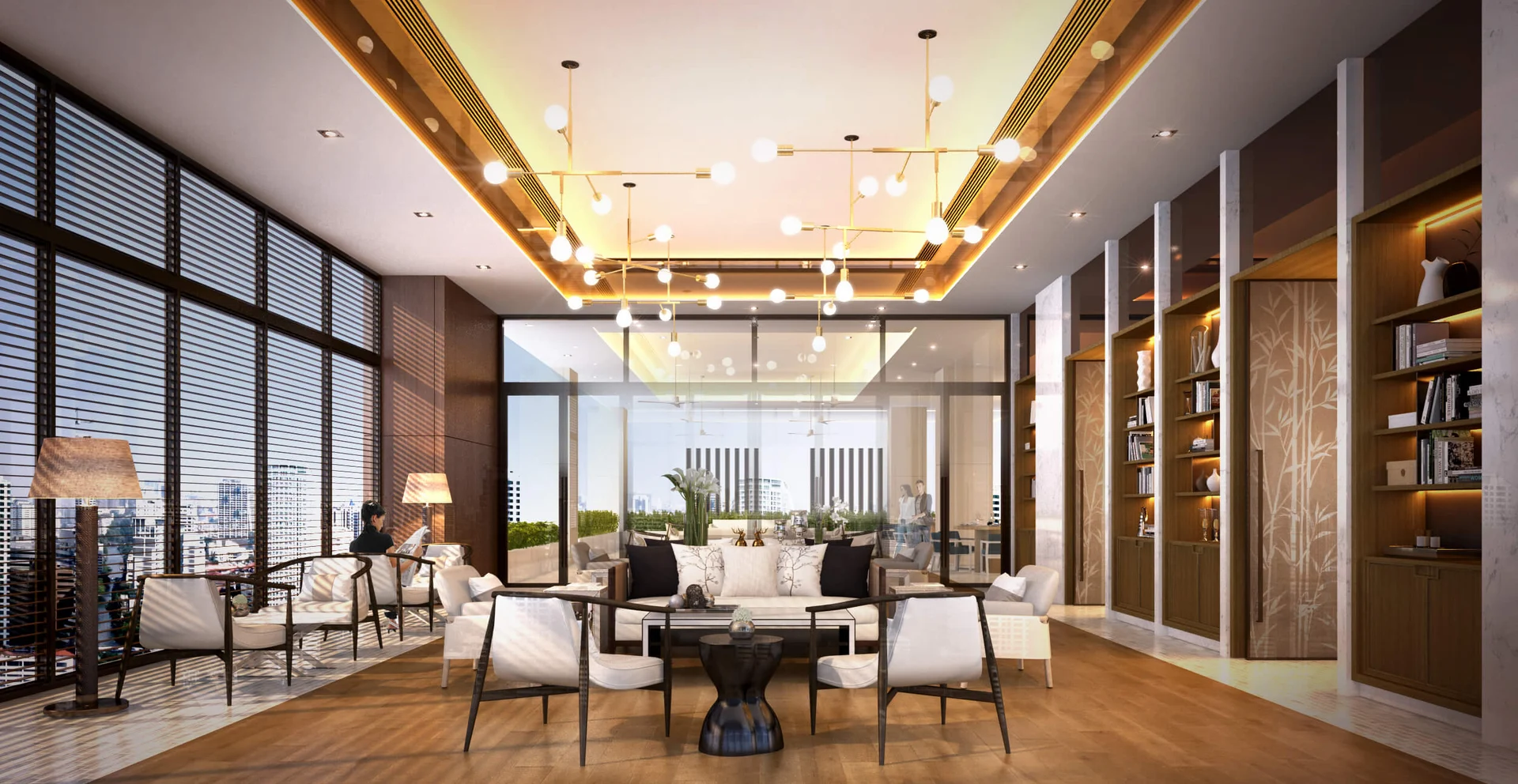
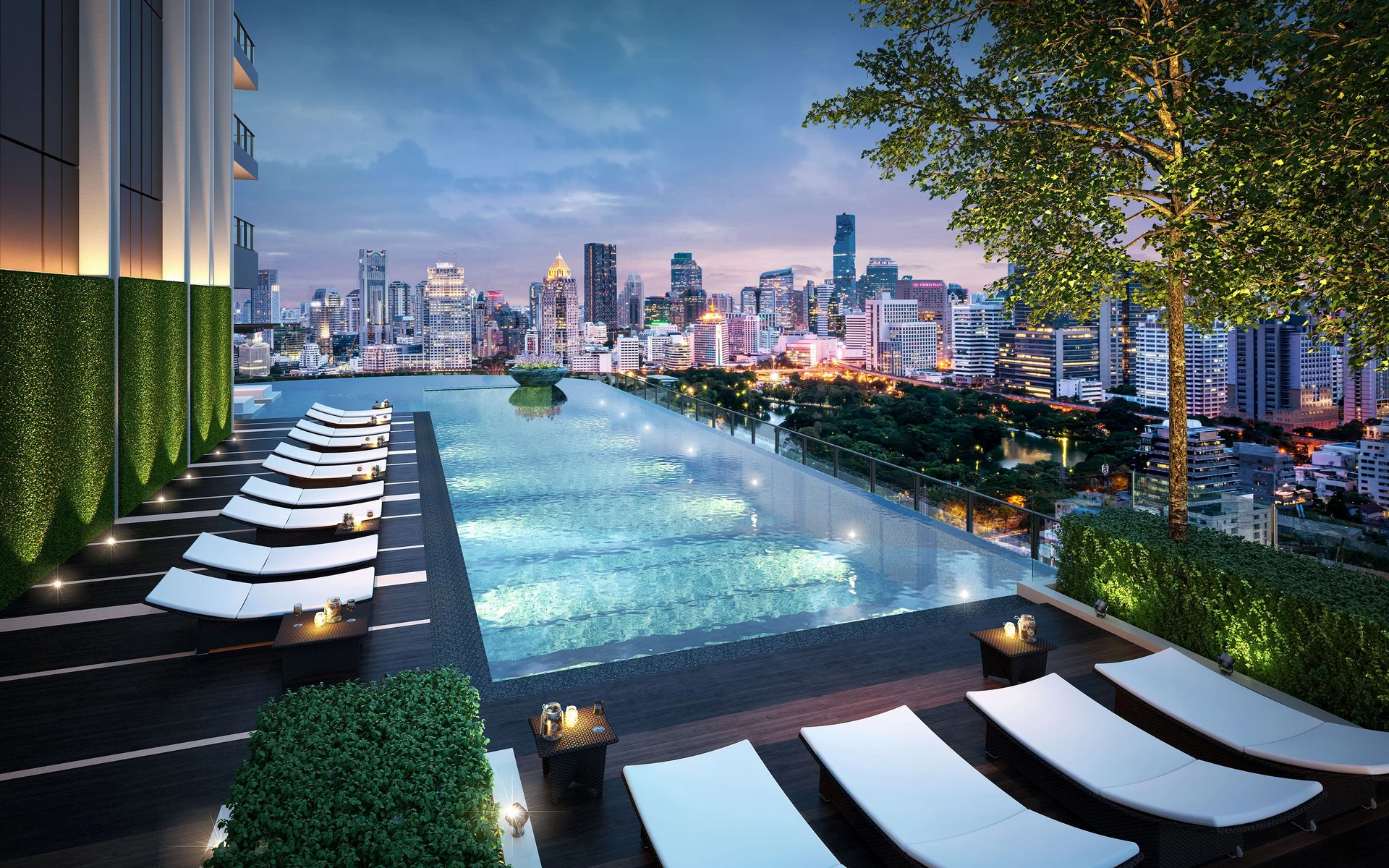
Kempinski describes the residences as a collection of 231 units ranging from one to four bedrooms, with sizes stated from 50 to 500 square metres, and with access to facilities including a private residence lounge, lobby, swimming pool, fitness room, landscaped gardens, retail and restaurants within Sindhorn Village. Those facts help frame the product. This is not a mass-market investor building. It is a premium, lifestyle-led address where buyer fit matters more than headline yield.
The location case
The strongest location argument is calm centrality. Lang Suan and the surrounding Lumphini area are close to offices, embassies, hotels, hospitals, schools, retail and park space, but they feel less hectic than some parts of Sukhumvit. That is valuable for buyers who want Bangkok access without living directly above the busiest nightlife and tourist corridors.
For owner-occupiers, Lumphini Park access is a real daily-life advantage. Morning walks, wellness routines and outdoor space can make a central Bangkok unit feel more liveable over repeated stays. For investors, the park and hotel-led environment help define the future buyer or tenant profile: executives, families, long-stay residents and regional owners who value service, security and privacy.
What branded living adds
A branded residence can offer more than a name on the brochure. It can influence service standards, arrival experience, maintenance expectations, amenity quality and buyer confidence. In Bangkok, where building management varies widely, that can be meaningful. A foreign buyer who is abroad for long periods may value a project where the resident experience is professionally managed and easier to explain to future tenants or buyers.
The brand does not remove ordinary ownership risk. Buyers still need to check title, foreign quota, building rules, common fees, sinking fund, maintenance records, insurance arrangements and resale evidence. A brand can support confidence, but it does not replace due diligence. The unit still has to work on its own merits.
Unit selection matters more at the top end
In a premium project, the spread between a good unit and a difficult unit can be large. Foreign buyers should compare outlook, privacy, natural light, ceiling feel, lift access, parking, storage, kitchen practicality, maid or service area, and noise exposure. Larger residences may appeal to owner-occupiers and families but can have a narrower rental audience. Smaller residences may be easier to lease but still carry premium running costs.
Buyers should also think about furniture and presentation. A branded residence usually needs a finish that matches the building. Under-furnishing can weaken rental appeal, while over-personalised decoration can narrow resale demand. The best strategy is often restrained, durable and consistent with the building’s service-led positioning.
Questions for a viewing
- What services are included for residence owners and what costs extra?
- How do common fees compare with similar premium buildings nearby?
- How often are major shared facilities refurbished or maintained?
- What restrictions apply to leasing, pets, renovations and short-stay use?
- What resale evidence exists for similar unit sizes and floors?
- How does the walking route feel to BTS, Lumphini Park, retail and hospitals?
These questions help separate emotional prestige from practical ownership. A branded residence should make daily life easier, not simply more expensive. If the services are not relevant to the buyer, the premium may be difficult to justify. If the buyer values privacy, wellness, park access and hotel-quality management, the premium may fit the use case.
Resale and rental positioning
The likely exit audience is not the entire Bangkok market. It is a smaller group of buyers who want a central, high-service address and are willing to pay for a refined environment. That can support resilience, but it also means pricing must be realistic. If the owner needs a fast exit, the buyer pool may be thinner than for a lower-priced unit near a mass-market BTS station.
For rental, the building is more suited to quality long-stay demand than high-turnover assumptions. Corporate tenants, relocating executives and regional families may understand the value of service and location. The landlord still needs to check building rules, lease compliance and furnishing standards before projecting rent.
Foreign buyers should also compare the building with non-branded luxury alternatives nearby. A strong unbranded condominium may offer larger layouts or lower running costs, while the branded option may offer better service discipline and easier international recognition. The right answer depends on how the buyer will actually use the unit.
Buyer takeaway
Sindhorn Kempinski is best read as a lifestyle-led luxury ownership case, not a simple yield play. The project’s strengths are brand, calm central location, park access and a service environment. The due diligence work is to match those strengths with the buyer’s budget, holding period and future exit audience.
IBP can help foreign buyers compare Bangkok branded residences against completed luxury condominiums in Lumphini, Wireless Road, Sathorn and Sukhumvit. Browse our project reviews or contact IBP Real Estate for a private shortlist.