
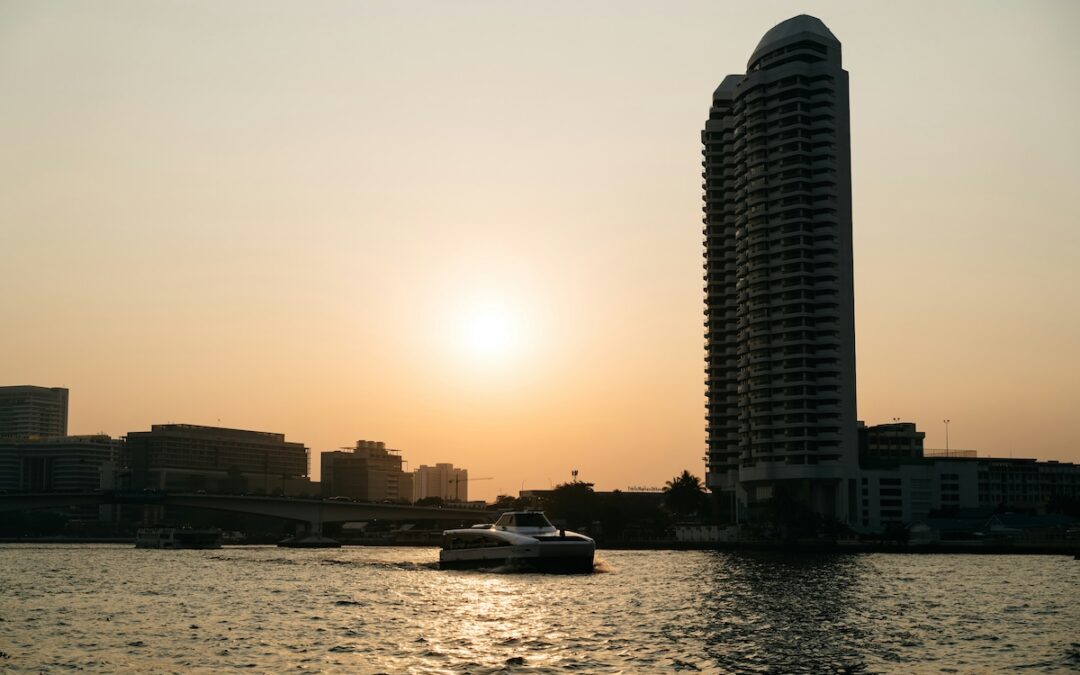
Bangkok Riverside Lifestyle Guide For Foreign Buyers
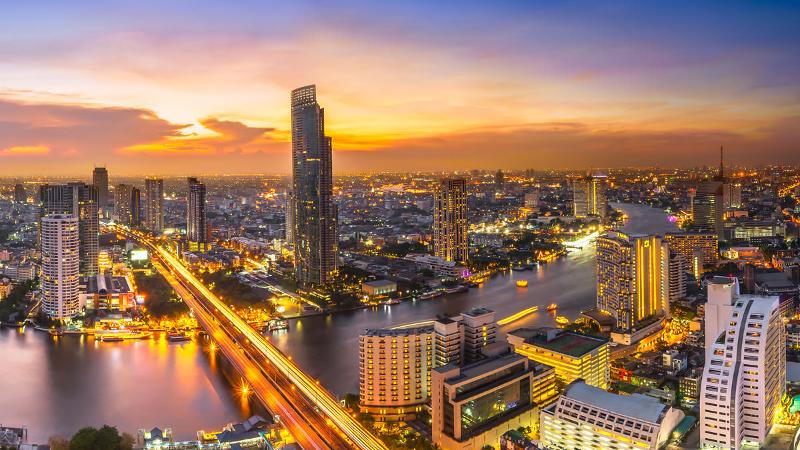
Bangkok riverside living appeals to foreign buyers who want the city to feel calmer without leaving the capital. The Chao Phraya brings light, views, hotel dining, temple access and a slower weekend rhythm that is different from Sukhumvit, Sathorn or Rama IX.
The riverside is not the right answer for every buyer. It can be elegant, distinctive and highly liveable, but daily convenience depends on the exact pier, road access, shuttle service, rail connection and the way a household moves through Bangkok. A beautiful river view does not automatically solve school runs, office commutes or grocery habits.
This guide explains how to read Bangkok riverside lifestyle from a property perspective: what foreign residents tend to value, where the practical compromises sit, and why liveability can support tenant appeal when the building and location are chosen carefully.
The lifestyle advantage
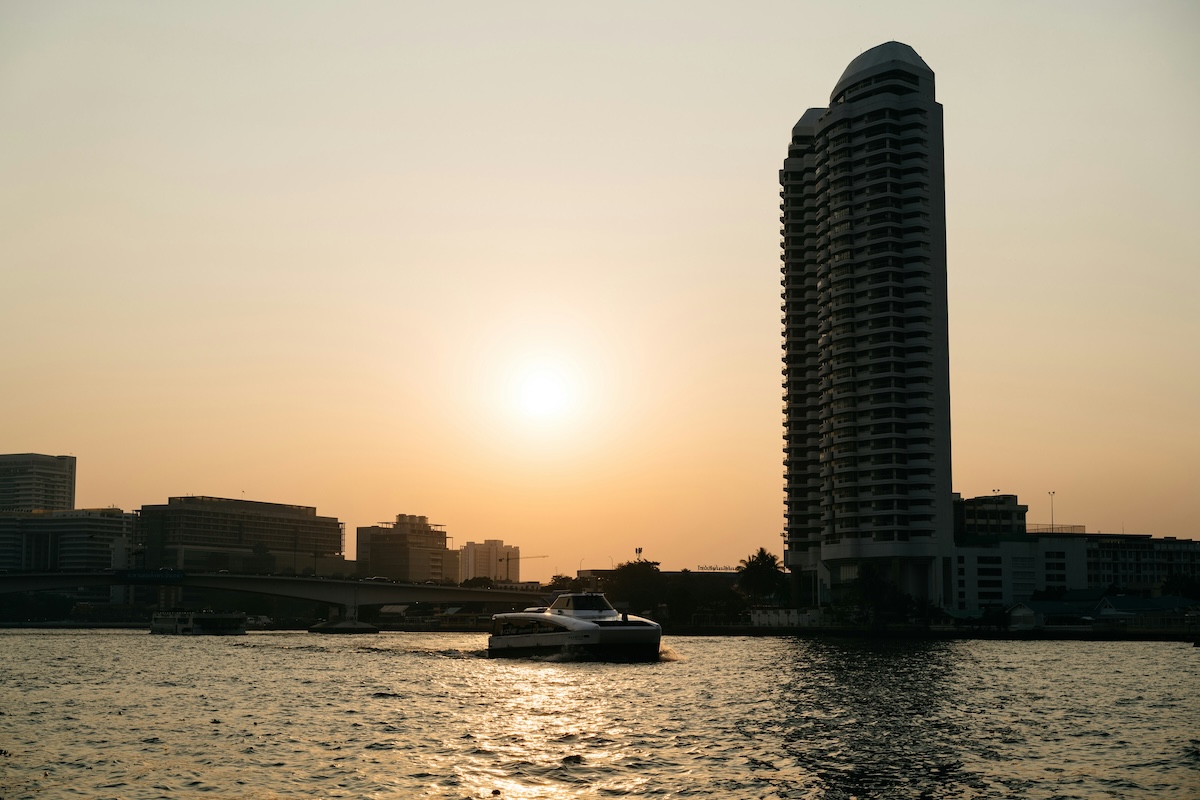
The strongest riverside advantage is atmosphere. Bangkok can be intense at street level, but the river opens the city visually. High-floor units with broad views feel more private, and many residents value the sense of space that comes from looking across water rather than directly into another tower.
The area also has a hospitality layer that suits foreign residents. Riverside hotels, restaurants, spas and event spaces make it easy to host visiting family or clients. Cultural landmarks and old-city access add texture that newer commercial districts sometimes lack.
For buyers who split time between Bangkok and another country, the riverside can feel more memorable than a standard investment unit. That emotional quality can matter for own-use purchases, provided the numbers and building quality still make sense.
Transport is the deciding detail
Riverside convenience varies sharply. Some buildings connect well to BTS stations, expressway routes, hotel shuttles or river piers. Others are more dependent on taxis and private cars. Before buying, test the actual commute at the times you will use it: morning school run, evening return, weekend mall trip and airport transfer.
The river boat network can be useful, but it is not a direct replacement for BTS or MRT access for everyone. Buyers should ask whether the building has a reliable shuttle, how often it runs, where it drops off, and whether residents actually use it.
For rental investors, transport clarity affects tenant depth. A tenant who works in Sathorn may accept a riverside home with easy shuttle or BTS access. A tenant who needs several daily cross-town trips may prefer a central rail-linked district even if the unit is smaller.
Who the riverside suits
The riverside often suits buyers who value views, hospitality, privacy and weekend lifestyle over being in the middle of the nightlife or office grid. It can work well for couples, senior executives, semi-retired owners, families with flexible transport plans and buyers who entertain visiting guests.
It can also suit tenants who want a premium Bangkok experience rather than the most compressed commute. Hotel-branded services, strong juristic management, larger layouts and river-facing balconies can widen appeal in the upper rental segment.
However, investors should avoid assuming every riverfront unit is liquid. Some buildings have large units with high monthly costs and a narrower buyer pool. Resale evidence in the same building is important, especially for older projects.
What to check inside the building
Riverside buildings face specific maintenance questions. Check facade condition, balcony rules, water-management history, lift reliability, parking, flood planning for access roads, air-conditioning systems and long-term capital works. A building with an well-known view still needs disciplined management.
Review common fees and sinking fund because riverfront facilities can be expensive to maintain. Pools, gardens, piers, shuttles and large lobbies add value when they are run well, but they also require budgets. Underfunded buildings may struggle to keep the premium feel that attracted buyers in the first place.
Unit orientation matters. Afternoon heat, river bend, bridge views, neighbouring towers and future construction can all change how a unit feels. Visit at different times of day where possible, and ask for any known development plans on adjacent plots.
A balanced buyer view
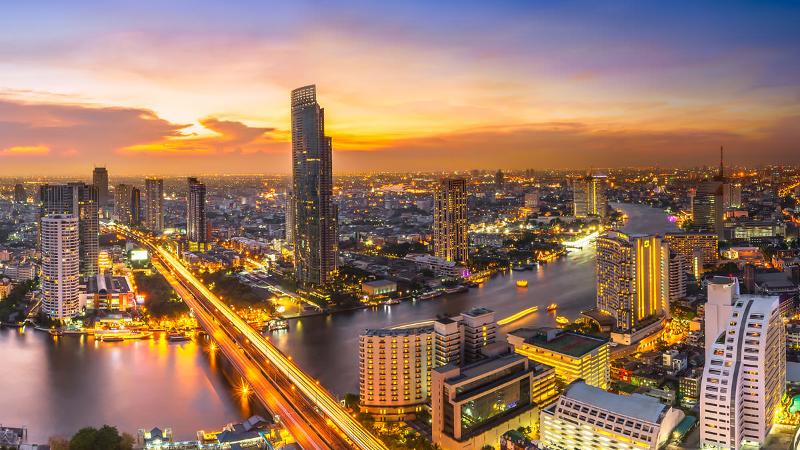
Bangkok riverside lifestyle is compelling when the building fits the buyers real routine. It offers a sense of place, a strong hospitality network and a softer version of city living. For foreign buyers, it can make Bangkok feel less transactional and more like a long-term home.
The investment case should remain grounded. Prioritise buildings with credible management, clear transport solutions, strong views, sensible layouts and evidence of rental or resale demand. Avoid paying only for the postcard image if the day-to-day living pattern is awkward.
If you are weighing riverside condominiums against Sukhumvit, Sathorn or Lumpini options, Invest Bangkok Property can help compare lifestyle fit, rental depth, foreign quota and exit strategy before you choose.