

Bangkok Healthcare Living Guide For Expats
For many foreign buyers, Bangkok’s appeal is not only price, yield or skyline living. It is the fact that the city can support a comfortable long-stay life. Healthcare access sits near the centre of that decision. Retirees, families, remote workers and regional executives often want to know that good hospitals, specialist clinics, pharmacies, dentists and wellness services are reachable without turning every appointment into a full-day journey.

This does not mean every buyer must live beside a hospital. In Bangkok, the better approach is to choose a neighbourhood where healthcare access is part of a wider daily-life system: transport, supermarkets, food, parks, schools, serviced apartments, taxis, rail links and building management. A beautiful condo in an isolated location can feel less attractive when a parent needs a paediatric appointment, a retiree needs follow-up care, or an owner wants reliable physiotherapy after surgery.
Why Healthcare Access Supports Property Confidence
Healthcare access affects both personal comfort and investment demand. A tenant relocating to Bangkok may compare neighbourhoods by commute, school route and hospital access. A long-stay owner may prioritise emergency travel time and specialist availability. A family may want clinics, pharmacies and international-standard services nearby. These practical requirements can help certain districts stay liquid because they appeal to real residents, not only short-term investors.
Bangkok’s private healthcare ecosystem is one reason the city remains competitive with other regional hubs. Foreign residents can live in central areas with a high concentration of services, English-speaking support and transport options. For property buyers, this creates a lifestyle premium around neighbourhoods that feel organised and reassuring. That premium is strongest when the building itself is also well managed, quiet and easy to access by car or rail.

Neighbourhoods To Consider
Sukhumvit: Convenience And International Services
Phrom Phong, Thonglor, Ekkamai and Asok remain popular because they combine hospitals and clinics with supermarkets, international restaurants, parks, schools and BTS access. The trade-off is price. Foreign buyers should be disciplined about unit size and building age, because the strongest streets can command a premium even when layouts are ordinary.
Sathorn And Silom: Business Access With Mature Services
Sathorn and Silom suit buyers who want office access, established condominiums, hospitals, embassies and strong dining options. These districts can work well for professionals and couples who prefer a more businesslike central lifestyle. The key is to study traffic patterns and walking routes, as not every address is equally pleasant outside office hours.
Riverside: Calmer Living With Travel-Time Checks
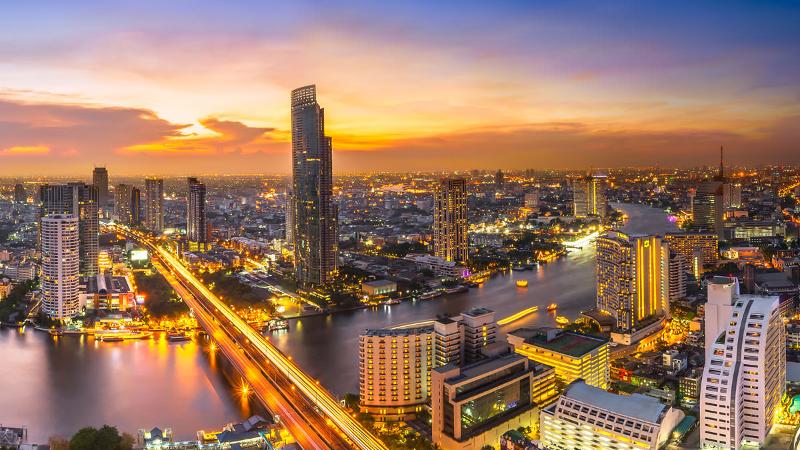
The Chao Phraya riverside offers space, hotel-style amenities and a calmer evening atmosphere. It can suit retirees and lifestyle buyers who prioritise views and a slower rhythm. The practical question is healthcare travel time. Some riverside buildings have excellent car access, while others depend heavily on shuttle boats or road routes that may feel slower during peak hours.
How To Evaluate A Building For Healthcare-Led Living
Start with the route to your preferred hospital or clinic at different times of day. Bangkok traffic can change the meaning of distance. A five-kilometre journey may be easy on a Sunday morning and frustrating during a weekday storm. Check whether the building has reliable taxi access, sensible drop-off design and staff who can help residents coordinate urgent transport.
Inside the building, look for features that support long-term comfort: good lifts, backup power procedures, clear emergency exits, accessible lobby design, responsive management and quiet common areas. Older buyers should pay close attention to steps, ramps, bathroom layouts and the distance from lift to unit. These details may seem small during a viewing but matter over years of ownership.
Insurance, Records And Practical Setup
Foreign residents should arrange health insurance before assuming Bangkok care will be simple to pay for directly. Keep digital copies of insurance cards, passport, emergency contacts, medication lists and preferred hospitals. If the unit will be used by family members or rented to expats, prepare a simple home file with nearby clinics, emergency numbers, building contacts and pharmacy locations.
For landlords, healthcare access can be a soft selling point in a listing, but it should be described naturally. Tenants respond better to practical wording such as ‘easy access to hospitals, supermarkets and BTS’ than exaggerated claims. A well-prepared unit with stable internet, clean furniture, blackout curtains and responsive maintenance often matters as much as the neighbourhood brand.
What Foreign Buyers Should Avoid
Avoid choosing a property only because it has a resort-style pool or a dramatic lobby if the daily logistics are weak. Avoid buildings where taxis struggle to stop, juristic communication is poor or common areas feel neglected. Avoid assuming that the newest project is always better for long-stay living; some mature buildings offer larger layouts, calmer communities and more predictable management.
The Liveability Takeaway
Bangkok is attractive because it lets foreign residents combine urban comfort with high-service daily life. Healthcare access is one of the clearest examples. It gives retirees confidence, helps families settle and supports tenants who want practical convenience rather than holiday novelty. For property buyers, the best healthcare-led choice is not necessarily the closest building to a hospital. It is the condo that balances medical access, transport, neighbourhood services and long-term building quality.
For help comparing neighbourhoods by lifestyle and ownership goals, explore the IBP expat living guides and ask the team to shortlist buildings that fit your health, commute and family requirements.