

Tasteful Thailand And Bangkok Dining Liveability
Bangkok’s dining culture is more than a lifestyle bonus for foreign condo buyers. It is part of the city’s liveability, soft power and repeat-visit appeal. That point was reinforced on 26 May 2026 when the Tourism Authority of Thailand celebrated Tasteful Thailand, a TAT-supported food documentary series for Tencent Video and WeTV, after it was named a Gold Winner in the General-Documentary category at the 47th Annual Telly Awards in the United States.
The award itself does not tell a buyer which condominium to choose. It does, however, show why Bangkok continues to feel accessible and distinctive to international residents. Food gives newcomers a way to understand neighbourhoods, daily routines and local culture quickly. For expats, second-home owners and long-stay visitors, that matters.
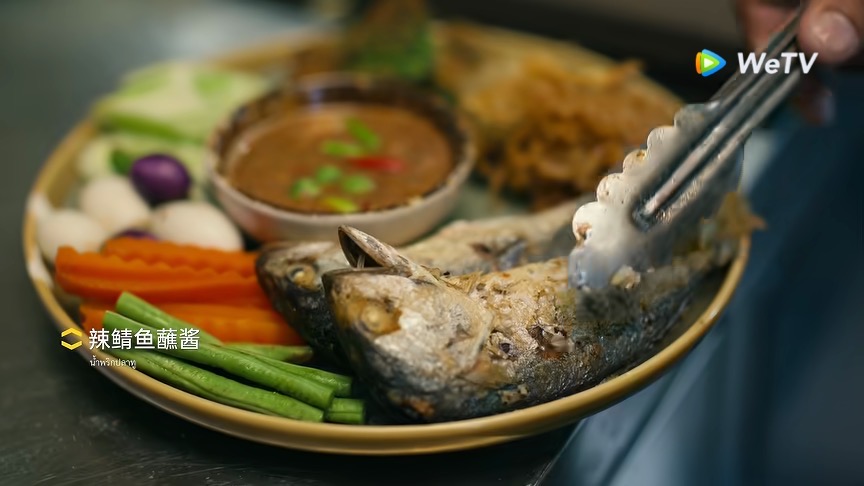
TAT said the series presents Thai gastronomy as a meaningful travel experience rooted in ingredients, heritage and people. Across 10 short episodes, Tasteful Thailand traces ingredients and food cultures around the country, including Bangkok routes for Yen Ta Fo and scented sweets. For Bangkok property buyers, the message is simple: food culture is part of the city infrastructure that makes ownership more usable.
Why dining affects property decisions
Foreign buyers often rank transport, building quality and price first. They should. But daily dining access influences whether a location works after the purchase excitement fades. A good Bangkok address should make ordinary meals easy: breakfast before school, simple lunches, reliable delivery, nearby coffee, family restaurants, quality supermarkets, weekend dining and places to take visiting guests.
This is why some districts retain appeal beyond the building itself. Phrom Phong, Thonglor, Ekkamai, Ari, Chit Lom, Sathorn, Silom, Charoen Krung and riverside Bangkok all offer different food patterns. Some are restaurant-led, some are cafe-led, some are market-led and some are hotel or mall-led. The right neighbourhood depends on how the owner expects to live.

Culture-led liveability
Bangkok dining is not only about high-end restaurants. Street food, markets, old shophouses, hotel dining rooms, Japanese enclaves, international groceries, Thai-Chinese kitchens, vegan cafes, bakery culture and delivery platforms all sit together. That variety reduces friction for foreign residents because they can enjoy local culture without losing practical choice.
For landlords, this can support tenant demand. A tenant relocating from overseas may compare several similar condo units, then choose the one with easier daily routines. The building with the better food and grocery ecosystem nearby can feel more liveable even if the facilities are similar. This is especially true for families, remote workers, retirees and tenants staying long enough to care about habits rather than tourist highlights.
How to inspect a dining neighbourhood
A buyer should walk the neighbourhood at the times they would actually eat. Morning coffee, weekday lunch, rainy evening takeaway and weekend dinner all reveal different strengths. Check whether sidewalks are comfortable, whether taxis can stop safely, whether delivery riders can access the building, whether restaurants stay open at useful hours and whether grocery access fits the household’s cooking style.
Also compare price points. A neighbourhood with only premium restaurants can be exciting for guests but less practical for everyday life. A stronger daily-use district usually offers a mix: local meals, mid-range restaurants, international options, supermarkets and a few special-occasion venues.
What foreign buyers should remember
- Dining access should be tested during real daily routines, not only during a weekend viewing.
- A strong food ecosystem can widen tenant demand and make owner use more comfortable.
- Delivery convenience is useful, but walkable options still matter during traffic or rain.
- Families should check breakfast, supermarket and casual dinner options, not only fine dining.
- Investors should compare dining access with rent evidence, building quality and resale depth.
Buyer takeaway
Tasteful Thailand’s international recognition is a reminder that Bangkok’s food culture is a serious liveability asset. It helps the city feel premium, human and easy to return to. For property buyers, the practical lesson is to judge neighbourhood dining as part of the ownership experience, not as an afterthought.
IBP can help foreign buyers compare Bangkok neighbourhoods by lifestyle fit, rental appeal and daily convenience. Read our Bangkok lifestyle guides or contact IBP Real Estate for a neighbourhood-led condo shortlist.