
Bangkok Coworking Cafe Living For Expat Buyers
Bangkok’s liveability for foreign buyers is often discussed through parks, malls, hospitals and transport. For many modern expats, one more layer matters: the workday ecosystem. Coworking spaces, cafes, quiet lobbies, delivery access, gyms, grocery runs and short commutes can decide whether a condo feels usable for remote work, hybrid employment or a part-time Bangkok base.
This does not mean every buyer needs a fashionable cafe downstairs. It means a purchase should be tested against the buyer’s weekly routine. A building that photographs well may feel awkward if the owner cannot take calls, collect parcels, grab lunch, meet a client, reach the BTS or find a quiet place to work when contractors are inside the unit.
For landlords, workday liveability can also support tenant appeal. Bangkok tenants increasingly compare buildings by how they function during ordinary days, not only by pool views or lobby design. A unit near the right everyday services can be easier to rent and easier to keep occupied.
Why workday routines affect property choice
Foreign buyers often visit Bangkok during a compressed viewing trip. They may see several properties, eat at destination restaurants and move around with an agent. That can hide the routine test. After purchase, life becomes more ordinary: morning coffee, online meetings, parcel deliveries, gym sessions, school pickup, supermarket trips, rainy-season taxis and evening meals.
A good Bangkok condo location reduces friction in those moments. The strongest neighbourhoods offer a mix of places to work, eat, exercise, shop and move. Phrom Phong, Thonglor, Ekkamai, Asoke, Ari, Chit Lom, Sathorn, Silom and Rama IV each offer different versions of this ecosystem. The right choice depends on the household’s work style, budget and transport needs.
Building coworking versus neighbourhood coworking
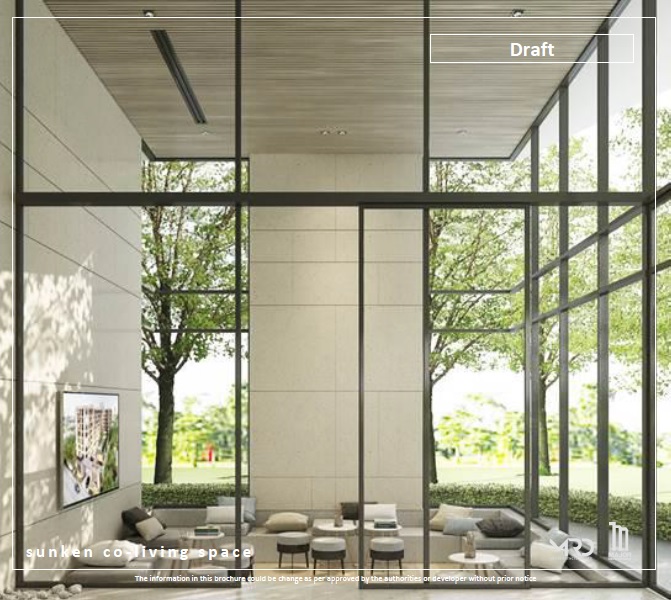
Some newer condominiums include coworking rooms, lounges, meeting pods or library-style spaces. These are valuable only when they are quiet, bookable, well maintained and sized for the resident population. A beautiful lounge can become difficult to use if there are too few seats, weak Wi-Fi, no call privacy or unclear rules.
Neighbourhood coworking is a separate advantage. A nearby serviced office, hotel lounge, cafe or flexible workspace gives owners an escape route when the unit is noisy, being cleaned or occupied by visiting family. Remote workers should test walking routes, noise, power sockets, seating comfort, internet reliability and whether the venue remains usable in the afternoon.
Cafe access is practical, not decorative
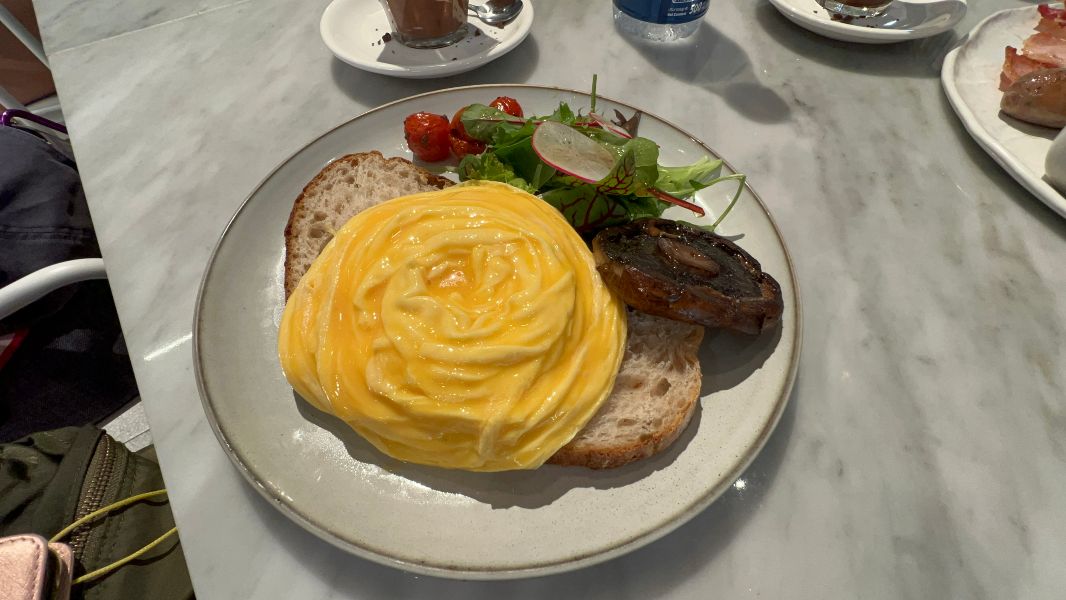
Cafe access matters because it creates flexibility. It helps with quick breakfasts, informal meetings, work breaks and weekend routines. But buyers should look beyond trendiness. A useful cafe neighbourhood has opening hours that match real life, seating that does not feel temporary, rain-friendly access, delivery options and enough variety that residents do not depend on one venue.
Food access should also include simple lunch and dinner choices. A district with only premium restaurants can be exciting, but day-to-day living is easier when local meals, supermarkets, bakeries, casual restaurants and international options sit close together. This is one reason mixed-use and retail-connected districts often feel easier for new expats.
Delivery, lobby and parcel management
Bangkok’s delivery culture is convenient, but the building must handle it well. Ask how food delivery, parcels, ride-hailing and visitors are managed. A crowded lobby or confusing access process can frustrate tenants and residents. For landlords, delivery and parcel rules should be explained before move-in so tenants do not clash with security or juristic staff.
Buyers should also check lift capacity, loading areas, parking, motorcycle access and whether drivers can stop safely nearby. These small details affect daily comfort, especially during rain or heavy traffic.
How to inspect a workday neighbourhood
- Visit on a weekday morning, lunch period and rainy evening, not only on a weekend.
- Test the walk from building lobby to BTS, MRT, cafes, supermarket and main road.
- Check whether building workspaces are quiet, bookable and actually used by residents.
- Look for practical lunch, grocery and delivery options, not only destination dining.
- Ask security how parcels, food delivery, guests and ride-hailing pickups are handled.
- Compare the routine with likely tenant profiles if the unit will be rented out.
Buyer takeaway
Coworking and cafe access may sound like lifestyle detail, but it is really a liveability test. Bangkok works best for expat owners when the condo, building and neighbourhood make ordinary workdays simple. The easier the routine, the more likely the property will be used, leased and recommended.
IBP can help foreign buyers compare Bangkok neighbourhoods by daily routine, tenant demand and ownership practicality. Read our expat living guides or contact IBP Real Estate for a lifestyle-led property shortlist.