
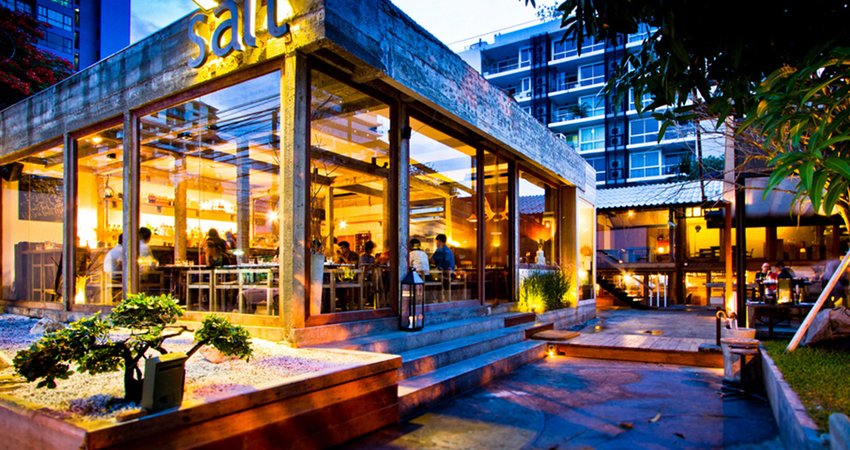
Bangkok Covered-Route Condo Living Guide
Bangkok condo buyers often ask how close a building is to a BTS or MRT station. Distance matters, but comfort matters too. A five-minute route with shade, covered sections, safe crossings and easy drop-off can feel very different from a shorter route that is hot, exposed, noisy or awkward.
For foreign buyers, covered-route living is a practical liveability check. It affects work commutes, school runs, grocery trips, hospital visits, restaurant evenings, gym routines and how willing tenants are to stay after the first lease. The best route is not always the shortest; it is the one residents will actually use in Bangkok’s heat, rain and traffic.
Start at the unit door, not the station
The route begins inside the building. Check the lift wait, lobby layout, driveway, canopy, security desk, parcel area and the first pavement outside the gate. A building can be close to rail yet frustrating if the lobby exit is cramped, taxis cannot stop safely, or the first crossing is difficult.
Buyers should walk from the unit door to the station platform, not only from the building frontage to the station entrance. Include lift time, lobby exit, road crossings, ticket gates and platform access. This gives a more honest picture of the daily journey.
Covered links are useful, but only when they connect
Bangkok has valuable covered connections around some malls, office towers, skywalks, station entrances and mixed-use projects. These links can improve comfort, especially for residents who commute daily or carry laptops, shopping bags or children. But a covered section that ends at a difficult crossing may be less useful than it looks.
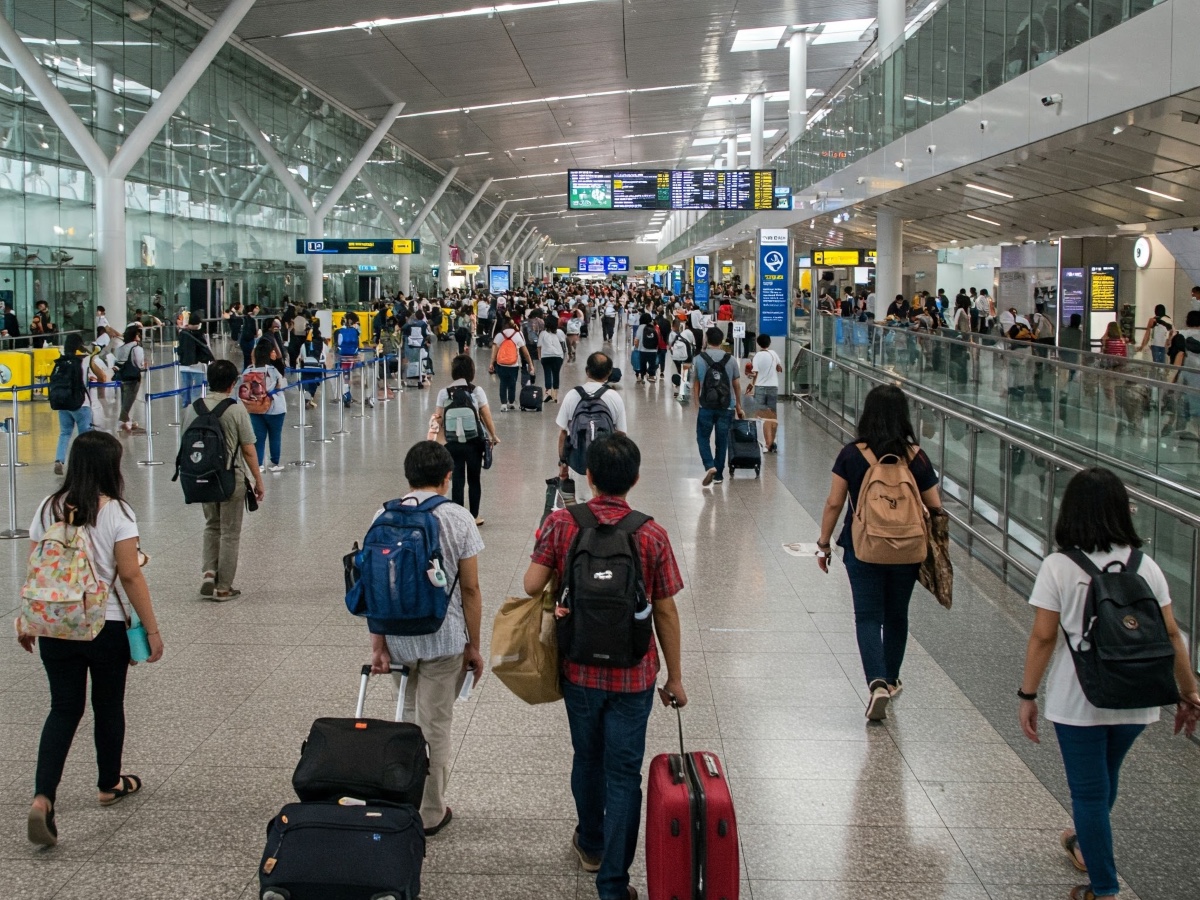
Inspect whether the route links to the places residents need most: rail, supermarket, pharmacy, clinic, cafes, office lobby, school-bus pickup, taxi stand, mall, park or hospital shuttle. A covered route is most valuable when it supports ordinary errands, not only a marketing photograph.
Shade can matter as much as a roof
Not every useful route needs a full roof. Trees, arcades, building setbacks, awnings, station structures and mall frontage can all make walking more comfortable. Shade matters in Bangkok because a route that feels easy at 7pm may feel much harder at noon.
Foreign buyers should test the route at realistic times. A buyer inspecting after sunset may miss heat, glare and traffic. A tenant who works from home may care about midday errands. A family may care about school pickup. A retiree may prioritise calmer daytime walking and places to sit.
Crossings and pavement quality are part of the value
Covered access is less useful if the route requires unsafe crossings, broken pavements, narrow sections, steep stairs, poor lighting or awkward motorcycle-taxi conflict. Buyers should note every point where the route becomes uncomfortable. A single difficult crossing can change how often residents walk.
Accessibility also matters. Families with strollers, older residents, visitors with luggage and residents recovering from medical treatment may need lifts, ramps and smooth surfaces. A condo that feels premium inside should still work for real movement outside.
How covered routes affect rental demand
Tenants often compare buildings by rent, furniture and station distance. After moving in, they judge convenience more practically. If the walk to rail is unpleasant, if taxis struggle to stop, or if grocery trips are difficult, a tenant may leave for a building that feels easier even if the map distance is similar.
For landlords, covered-route quality can support tenant retention. It can also widen the tenant pool to people who do not want a car, are new to Bangkok, work hybrid schedules, or expect easy access to malls and services. The owner should still price the unit realistically, but a comfortable route can help the property feel more useful.
Do not overpay for a weak link
Developers and agents may highlight proximity to a station, mall or skywalk. Buyers should test whether that link is complete, public, open at useful hours and comfortable in normal conditions. A private shortcut, limited-hours mall route or future promised connection should not be valued the same as a reliable public path.
If the route depends on a mall, office tower or private development, ask whether access hours could change. If the route depends on a future project, treat it as upside rather than a certainty unless it is complete and open.
Buyer checklist
- Walk from the unit door to the platform, not only from gate to station.
- Check shade, roof cover, crossings, pavement quality and lighting.
- Test the route at commute time, midday and evening where possible.
- Confirm whether mall or office links are public and open at useful hours.
- Check taxi, ride-hailing, delivery and visitor drop-off points.
- Compare the route with nearby buildings before paying a premium.
Buyer takeaway
Bangkok covered-route condo living is about practical comfort. Foreign buyers should inspect shade, crossings, station access, mall links, taxis, delivery points and daily services before assuming a short distance equals a convenient home. A better route can make a condo easier to live in, rent out and explain at resale.
IBP helps foreign buyers compare Bangkok condos by liveability, transport and practical ownership. Browse our expat living guides or contact IBP Real Estate for a neighbourhood shortlist.