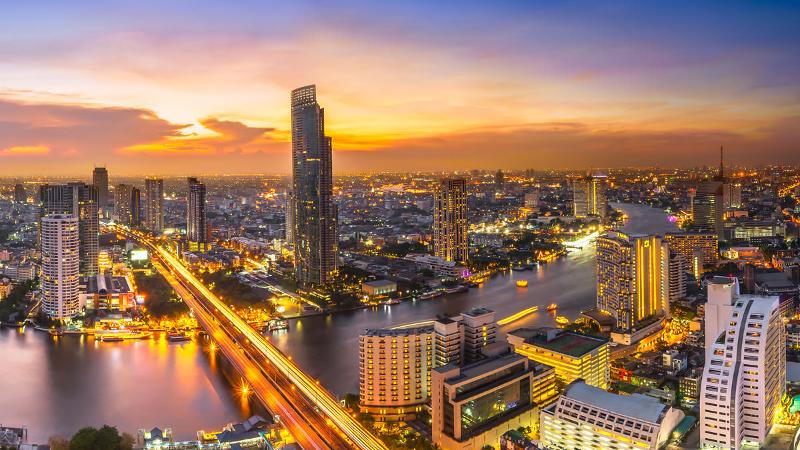
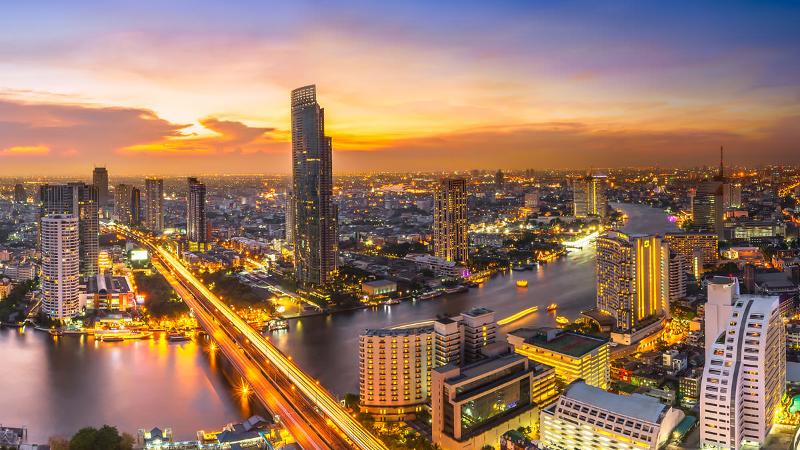
Ekkamai is often described as Thonglor’s quieter neighbour, but that undersells its appeal for foreign condo buyers. The district has BTS access, restaurants, cafes, supermarkets, community malls, clinics, schools, gyms and a residential rhythm that can feel easier than more intense parts of Sukhumvit. For overseas buyers who want Bangkok liveability without being in the middle of the busiest nightlife streets, Ekkamai deserves a careful look.
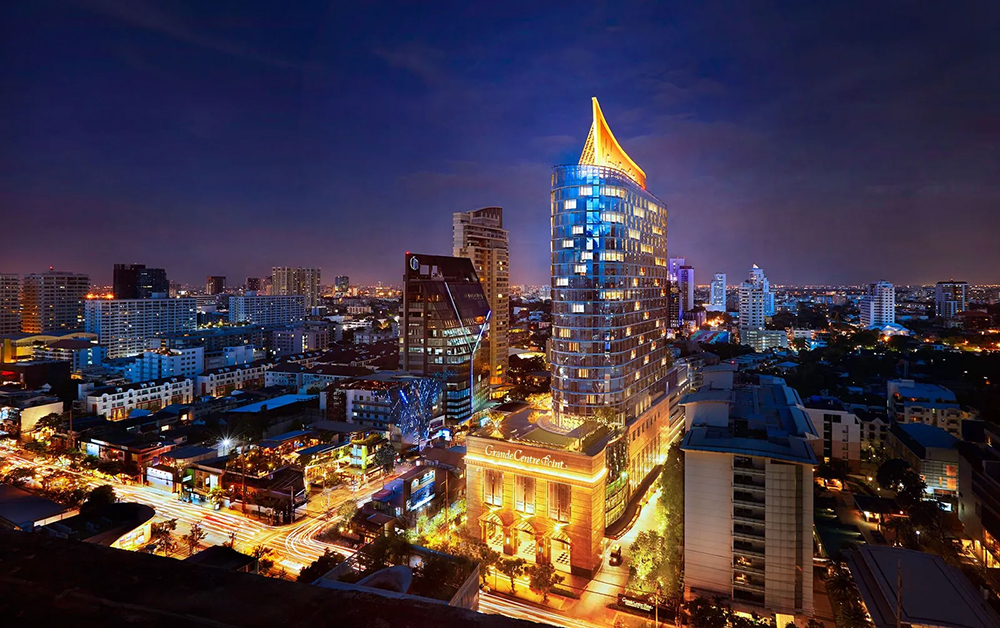
Ekkamai sits beside Thonglor but often feels more residential, which can suit long-stay foreign owners and tenants.
The buyer question is not whether Ekkamai is fashionable. It is whether a specific condo supports real daily life. The best Ekkamai units are easy to reach, quiet enough to live in, close to useful services and located in buildings that age well. A weaker unit can still carry the Ekkamai label while being too deep in a soi, too noisy, too investor-heavy or too awkwardly planned for long-stay tenants.
Why Ekkamai works for foreign residents
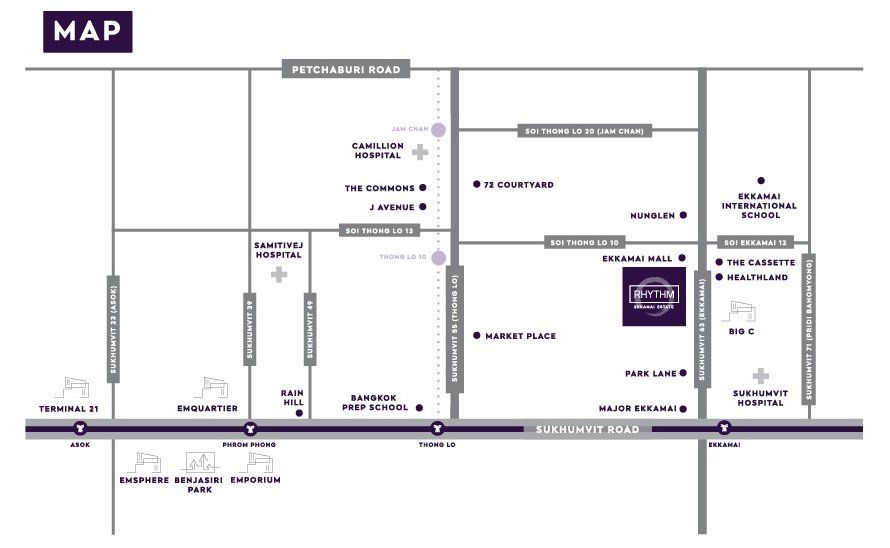
Ekkamai has a useful position on the Sukhumvit BTS line. It gives residents direct rail access to Phrom Phong, Asok, Siam and On Nut, while taxis and private cars can connect towards Phetchaburi Road, Rama IV and the expressway network. The district also sits close to Thonglor’s dining and nightlife without requiring every resident to live inside Thonglor’s busiest lanes.
That balance is attractive to several groups: young professionals, regional executives, couples, Japanese and Korean residents, digital workers, and families who want Sukhumvit convenience with a slightly more neighbourhood-led feel. For foreign owners, a district that appeals to multiple tenant types is usually safer than one dependent on a single trend.
The lifestyle pattern
Ekkamai is practical in the small ways that matter after the first week. Residents can find coffee, groceries, restaurants, salons, casual bars, fitness studios, pet services, medical clinics and schools within short travel distances. Gateway Ekkamai and nearby community retail add convenience, while Thonglor, Phrom Phong and On Nut broaden the dining and shopping field.
This daily convenience supports long-stay rental demand. Tenants who renew leases usually do so because the neighbourhood makes routines easy. A condo that is ten minutes from useful services in real traffic may perform better than a more glamorous unit that is inconvenient every morning.
Condominium selection in Ekkamai should balance BTS access, soi depth, noise, layout and building management.
How to judge an Ekkamai condo
Walkability to BTS
A map distance can be misleading. Some sois are pleasant to walk; others are narrow, broken, hot or difficult after rain. If BTS access is part of the investment case, test the walk at commuting time and at night. A shuttle service is helpful, but it should not be the only reason the location works.
Soi depth and traffic
Ekkamai Road and its side streets can be busy, especially around schools, restaurants and evening venues. A deeper soi may give more quiet, but it can also add time and reduce tenant convenience. Buyers should compare actual travel time to BTS, supermarkets and main roads, not just the project brochure.
Unit size and furnishing
Long-stay tenants in Ekkamai often value usable kitchens, storage, work areas and comfortable bedrooms. Overly compact layouts may rent quickly at the right price, but they can face more competition. A well-planned one-bedroom or two-bedroom unit with sensible furnishing can be more resilient than a flashy but cramped unit.
Who Ekkamai suits
Foreign buyers who want Sukhumvit access with a slightly calmer residential feel.
Owners targeting long-stay professional tenants rather than pure short-stay tourism.
Residents who use BTS but also rely on taxis, ride-hailing and nearby lifestyle services.
Buyers comparing Thonglor pricing but open to better value nearby.
Ekkamai can also work for families, but the unit and building must be chosen carefully. Larger layouts, parking, school routes, hospital access and noise control become more important. A family tenant will notice shortcomings that a single professional may tolerate for a shorter lease.
Daily routes to BTS, supermarkets, schools, cafes and hospitals matter more than a district name alone.
Where buyers should be cautious
Do not assume every Ekkamai condo has the same tenant pool. Some buildings are effectively priced as Thonglor alternatives, while others compete more directly with On Nut or Phra Khanong. The correct rent depends on age, facilities, walkability, view, furnishing and building reputation. Overpaying for a district label can reduce both yield and resale flexibility.
Noise is another issue. Restaurants, bars, roads, motorcycles and construction can all affect liveability. Inspect at more than one time of day and check whether the unit faces a busy road, school drop-off zone, entertainment venue or construction site.
Buyer takeaway
Ekkamai is one of Bangkok’s most livable middle-prime Sukhumvit districts because it combines convenience with a more residential mood. For foreign condo buyers, its strength is not only lifestyle; it is the practical tenant demand created by transport, amenities and proximity to stronger neighbouring districts. The right purchase should feel easy to live in, easy to rent and easy to explain at resale.
IBP can help you compare Ekkamai, Thonglor, Phrom Phong and On Nut units by real tenant demand and building condition. Explore our district guides or contact IBP Real Estate for a buyer-focused shortlist.
Bangkok Pride 2026 is more than a colourful day on Silom Road. For foreign property buyers, it is a useful liveability signal. It shows a city that can organise large public events, bring together civic and private-sector partners, activate central districts and present itself as open, social and globally connected.
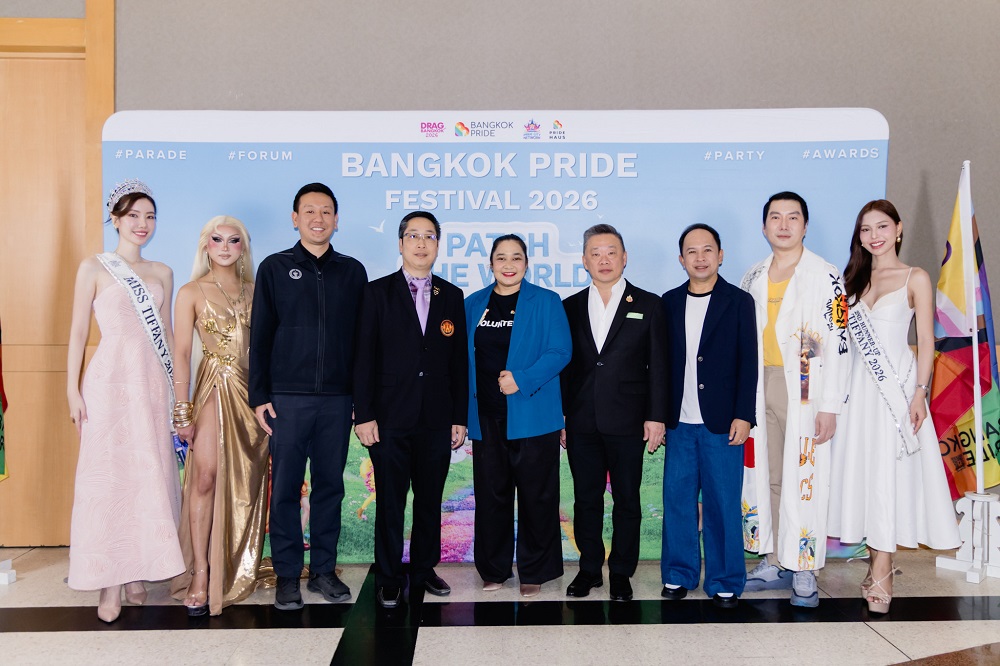
Bangkok Pride Festival 2026 brings public, civic and private-sector partners into the city's liveability story.
Siam Piwat’s official release says Bangkok Pride Festival 2026 will be held under the theme Patch the World with Pride, with Silom Road transformed into a rainbow road and a 300-metre rainbow flag among the highlights. The release also describes a 4.8-kilometre route starting at Chong Nonsi Canal Park, moving through Silom, Sala Daeng, Henri Dunant and Rama 1 Road, and passing major Siam retail landmarks before concluding at Pathum Wan Intersection. For residents, this is the kind of citywide cultural moment that makes Bangkok feel lived-in rather than merely convenient.
Why Culture Matters To Property Decisions
Foreign buyers often begin with legal structure, foreign quota and rental yield. Those checks are essential, but long-term satisfaction also depends on whether the city feels rich enough to live in. Culture, public events, art, dining, parks, retail and inclusive neighbourhoods all influence whether a buyer returns often, recommends the city to friends or eventually decides to stay longer.
Bangkok’s strength is that it combines many versions of urban life. Silom can be a finance district, a nightlife district, a heritage district and an LGBTQ+ cultural district. Siam can be a retail hub, student area and event corridor. Riverside neighbourhoods offer slower heritage and hotel-led living. Sukhumvit offers international dining, schools, hospitals and transport. This variety makes the city more resilient for foreign owners.
The 2026 festival is connected with Bangkok's wider WorldPride 2030 ambition.
Silom And Siam As Liveability Anchors
The 2026 Pride route is significant because it links Silom’s LGBTQ+ history with Rama 1 and the Siam retail area. That connection matters for property buyers because the strongest Bangkok neighbourhoods are rarely single-use. A good district has workday demand, evening energy, transport, public identity and places where residents can meet. Silom and Siam both show how public life and private investment can reinforce each other.
For condo buyers, the lesson is not to buy only because an event passes nearby. The lesson is to value districts that stay active across different times of day and different user groups. A building near offices but without evening life may feel empty after work. A nightlife district without transport or daily services may be inconvenient. The best locations balance utility and culture.
Bangkok’s WorldPride Ambition
Bangkok Pride’s official site describes the organisation as the largest Pride Parade and Festival platform in Southeast Asia and says it is preparing a bid to host WorldPride 2030 in Bangkok. Whether or not a buyer follows Pride closely, the ambition itself is relevant. Global events require hotels, transport, public coordination, security, retail participation and international communications. They also put the city in front of a wider audience.
That visibility can support Bangkok’s premium positioning. Foreign buyers compare Bangkok with Singapore, Kuala Lumpur, Ho Chi Minh City, Hong Kong and other regional bases. A city that feels inclusive, creative and internationally visible has an advantage in attracting residents who could choose several places to live.
Events that activate Silom, Siam and the wider city help foreign residents see Bangkok as open, social and globally connected.
How Buyers Can Read Lifestyle Signals
Lifestyle signals should be converted into practical property questions. Is the building close enough to transport for event days and normal weekdays? Can guests reach the lobby easily? Are there restaurants, supermarkets, clinics and public spaces within a realistic radius? Does the street feel comfortable after dark? Does the neighbourhood attract both local residents and international visitors?
For owners planning to rent, those details can matter as much as a swimming pool. Tenants choose buildings that make their daily lives easier and their weekends better. A condo near an active cultural district can be attractive if the building itself remains calm, secure and well managed.
The Buyer Takeaway
Bangkok Pride 2026 shows the city at its most public, confident and connected. It also reminds foreign buyers that property value is shaped by more than unit size and headline yield. The best Bangkok homes sit inside neighbourhoods with identity, services, transport and social energy.
For buyers comparing neighbourhoods by lifestyle fit, start with IBP’s Bangkok lifestyle and events guides, then match the district to your own use case: family living, regular visits, rental income or a future long-stay base.
For foreign buyers comparing Bangkok condo locations, Benjakitti Park has become one of the clearest liveability advantages in the Asok-Rama IV-Queen Sirikit area. It gives the city something many global buyers understand immediately: a large central green space that supports exercise, evening walks, family routines and a calmer lifestyle beside major business districts.
The park does not make every nearby condo a good purchase. But it can strengthen the lifestyle case for selected buildings, especially when combined with MRT access, Sukhumvit connectivity, convention demand, healthcare, dining and central office clusters. For long-stay owners and tenants, that daily-use value matters.
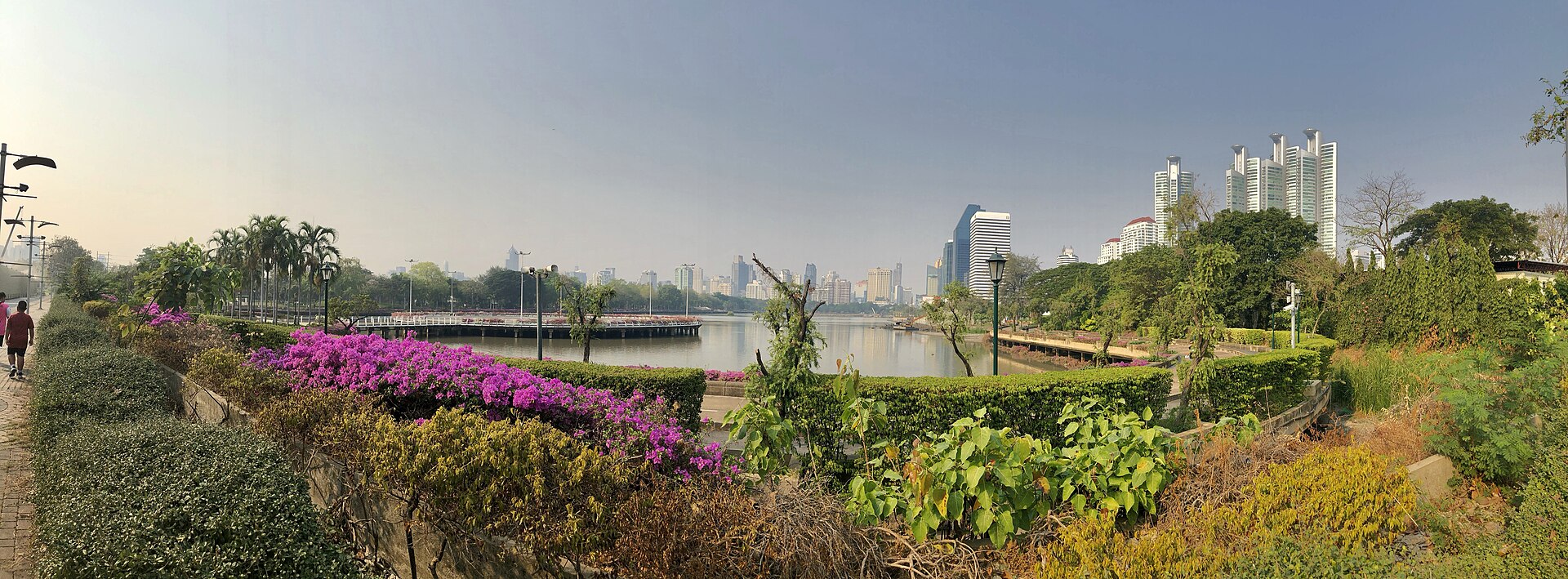
Benjakitti Forest Park gives central Bangkok residents a major green space close to Asok, Rama IV and Queen Sirikit MRT.
What Benjakitti Adds To Central Bangkok
The official Greener Bangkok park page describes Benjakitti as a large forest park in the heart of the city, covering 450 rai, with an ecological design intended to support urban breathing space, local plants, flood mitigation and water-quality improvement. It lists daily opening hours from 04.30 to 22.00, with cycling hours from 06.00 to 17.30.
Those details matter because liveability is often built from small routines. A resident who can walk, run, cycle or meet friends without leaving the central city has a different relationship with Bangkok than someone who depends entirely on malls and taxis. Green space can make a dense district feel more sustainable for longer stays.
Benjakitti also changes the perception of surrounding neighbourhoods. Asok has long been known for interchange convenience and office density. Queen Sirikit MRT and Rama IV are increasingly associated with mixed-use development, convention activity and park access. Together, they create a more complete lifestyle proposition.
Which Buyer Profiles Benefit Most
The park is especially relevant for owner-occupiers who plan to spend meaningful time in Bangkok. Retirees, hybrid workers, families, wellness-focused residents and frequent visitors may all value a central address that still provides outdoor space. For these buyers, the park can be part of the reason to choose a smaller central unit over a larger but less walkable suburban home.
Corporate tenants can also value the park, particularly those working around Asok, Ploenchit, Rama IV, Khlong Toei, Queen Sirikit National Convention Centre or the wider CBD. A tenant may pay more attention to commute and building quality, but the ability to unwind nearby can influence renewal decisions.
Families should test the full routine. Park access is useful, but school runs, hospital proximity, noise, pavement quality, grocery options and building facilities still matter. A child-friendly building with a practical route to the park may outperform a unit that is technically closer but awkward to reach.
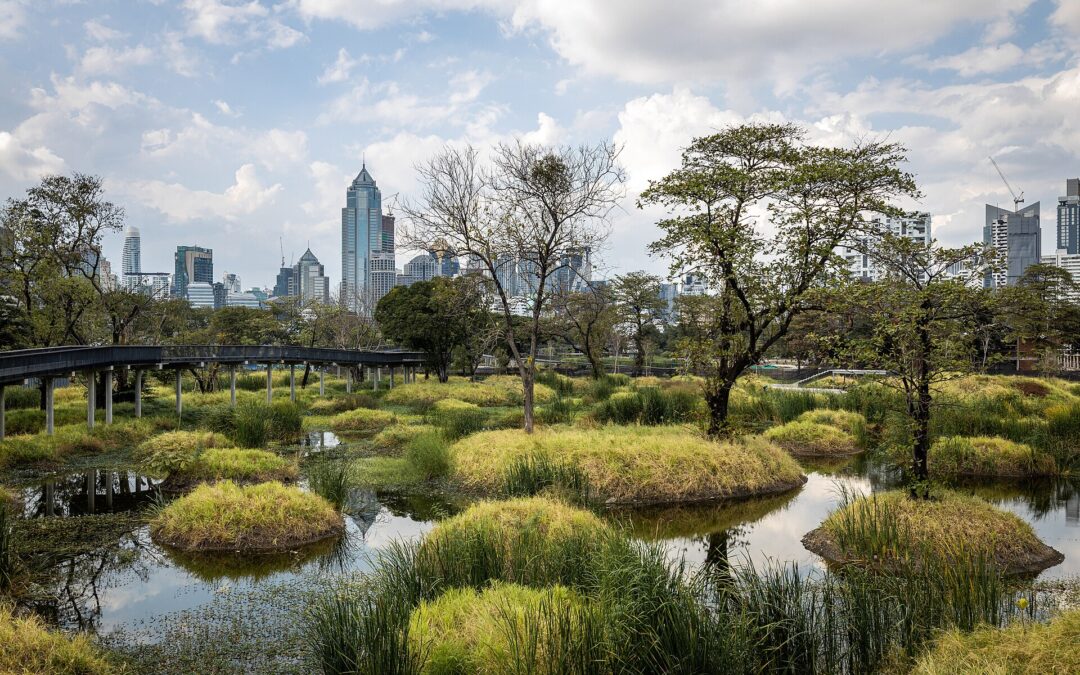
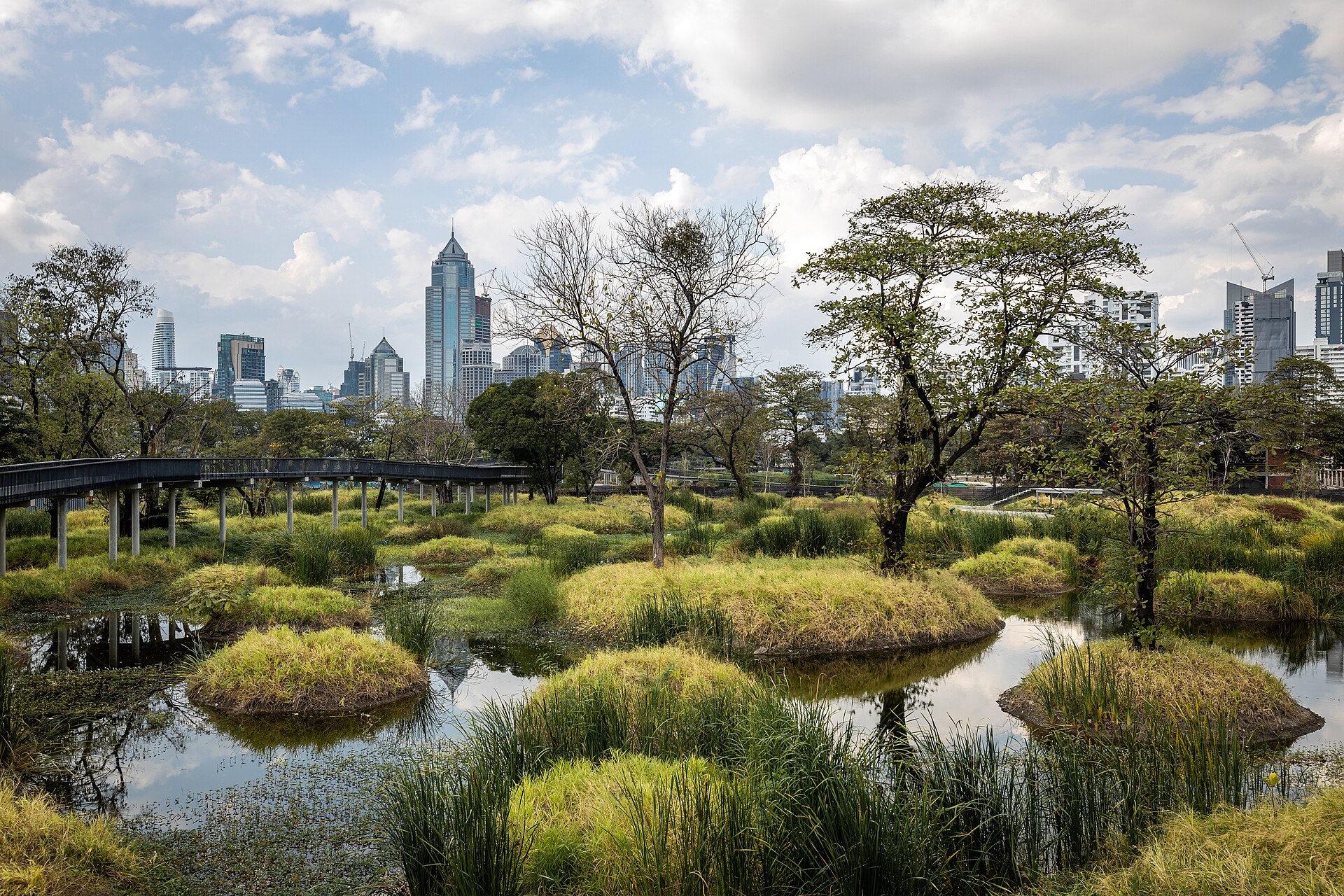
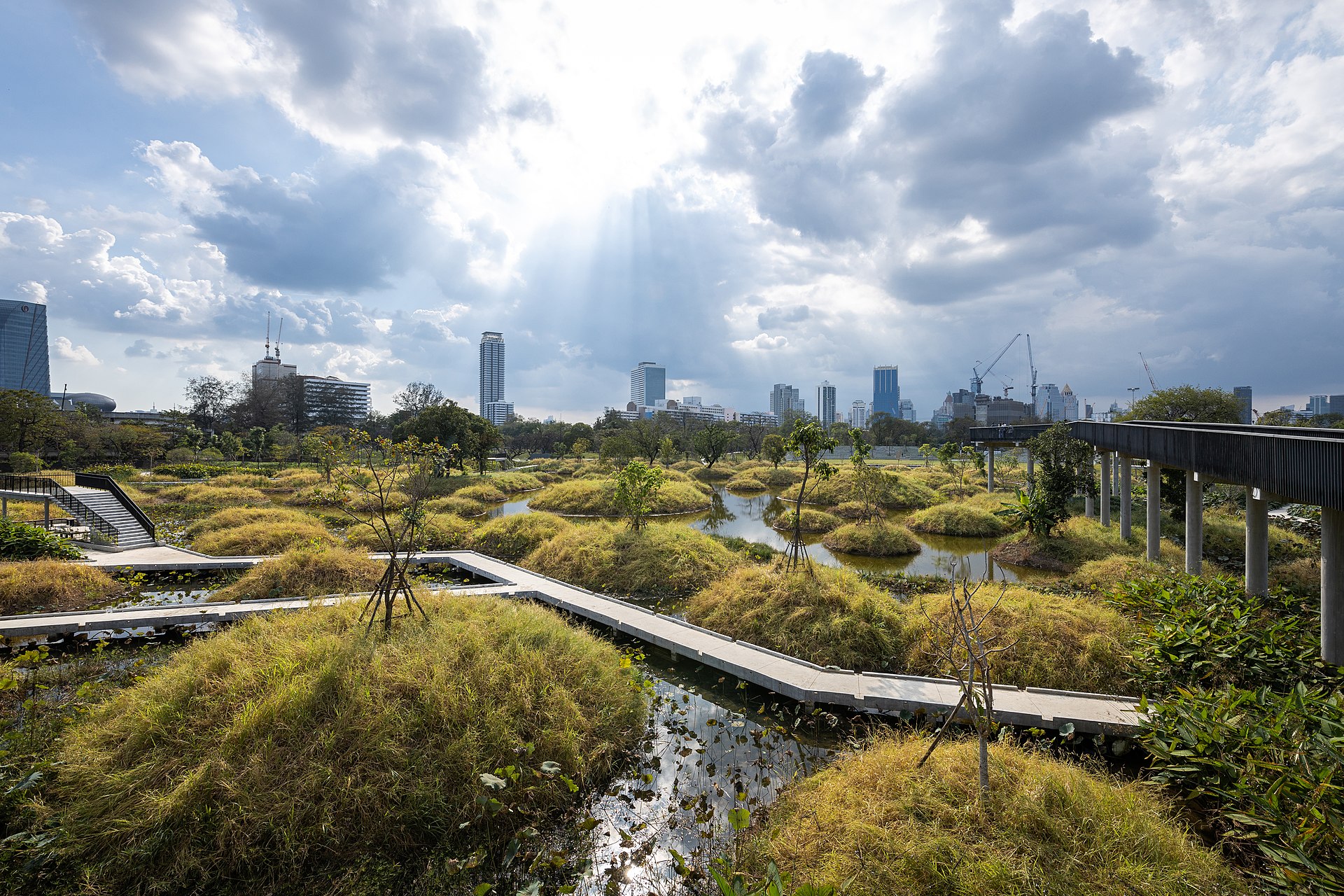
Elevated walkways, wetlands and skyline views make the park part of daily life rather than only a weekend destination.
How To Compare Nearby Condo Locations
Do not rely only on distance to the park boundary. Walk the exact route from the building lobby to the entrance a resident would use. Check shade, crossings, construction sites, traffic, lighting and whether the route feels comfortable at the times you would actually go. A slightly longer but easier walk may be more valuable than a short route across difficult roads.
Queen Sirikit MRT can suit buyers who want park access, convention-centre proximity and improving Rama IV connectivity. Asok and Sukhumvit suit buyers who want interchange access, offices, Terminal 21, restaurants and deep rental demand. Phrom Phong and Thonglor buyers may use Benjakitti less often but still value the wider green-space network.
Unit choice should reflect the target tenant. A compact one-bedroom may suit a single professional who wants rail access and evening exercise. A larger two-bedroom may suit a couple or small family who values quieter streets and parking. A premium unit with park or skyline views may appeal to lifestyle buyers, but the price must still be benchmarked against resale evidence.
The Rental And Resale Angle
Parks rarely create rental demand by themselves. They work best as an enhancer. A tenant first needs the right commute, budget, building standard and layout. Once those boxes are ticked, Benjakitti can help the unit feel more liveable than similar options with less outdoor access.
For resale, park proximity can make a listing easier to explain to international buyers. A foreign buyer may not know every soi, but a major park beside a central transport corridor is simple to understand. This clarity can help during resale marketing, especially when combined with professional photography and a well-maintained unit.
The risk is overpaying for the story. If a building has weak management, heavy future supply, awkward access or poor unit layouts, the park will not solve those issues. A buyer should compare achieved resale prices and current competing listings before placing a premium on lifestyle value.
Park access should be weighed with building quality, walking routes, transport and the surrounding rental audience.
A Day-To-Day Ownership Checklist
Visit the park and neighbourhood during weekday morning, weekend afternoon and evening periods. The experience can vary sharply by heat, traffic, crowds and construction activity. Check whether the building’s facilities duplicate the park or complement it. A good gym, pool and park route can create a strong wellness package.
Ask the juristic office about bicycle storage, pet rules, short-term rental policies, visitor parking and building maintenance. These rules affect everyday comfort more than a glossy amenity list. If the buyer plans to lease the unit, the rules should also match the intended tenant profile.
Finally, remember that liveability is personal. Some buyers want quiet green space and early-morning exercise. Others want restaurants, nightlife and fast office access. Benjakitti is valuable because it gives central Bangkok another layer of choice, but the best condo is still the one that fits the owner’s real routine.
Buyer Takeaway
Benjakitti Park strengthens the case for selected central Bangkok condos, especially around Asok, Queen Sirikit MRT and Rama IV. The purchase still needs hard checks on building quality, access, price and rental audience. IBP can help foreign buyers compare park-side convenience with the wider investment fundamentals before shortlisting units.
For many foreign buyers, Bangkok’s appeal is not only price, yield or skyline living. It is the fact that the city can support a comfortable long-stay life. Healthcare access sits near the centre of that decision. Retirees, families, remote workers and regional executives often want to know that good hospitals, specialist clinics, pharmacies, dentists and wellness services are reachable without turning every appointment into a full-day journey.
Healthcare access is one reason Bangkok remains practical for long-stay foreign residents and families.
This does not mean every buyer must live beside a hospital. In Bangkok, the better approach is to choose a neighbourhood where healthcare access is part of a wider daily-life system: transport, supermarkets, food, parks, schools, serviced apartments, taxis, rail links and building management. A beautiful condo in an isolated location can feel less attractive when a parent needs a paediatric appointment, a retiree needs follow-up care, or an owner wants reliable physiotherapy after surgery.
Healthcare access affects both personal comfort and investment demand. A tenant relocating to Bangkok may compare neighbourhoods by commute, school route and hospital access. A long-stay owner may prioritise emergency travel time and specialist availability. A family may want clinics, pharmacies and international-standard services nearby. These practical requirements can help certain districts stay liquid because they appeal to real residents, not only short-term investors.
Bangkok’s private healthcare ecosystem is one reason the city remains competitive with other regional hubs. Foreign residents can live in central areas with a high concentration of services, English-speaking support and transport options. For property buyers, this creates a lifestyle premium around neighbourhoods that feel organised and reassuring. That premium is strongest when the building itself is also well managed, quiet and easy to access by car or rail.
The strongest expat neighbourhoods combine medical access with transport, dining and daily services.
Neighbourhoods To Consider
Sukhumvit: Convenience And International Services
Phrom Phong, Thonglor, Ekkamai and Asok remain popular because they combine hospitals and clinics with supermarkets, international restaurants, parks, schools and BTS access. The trade-off is price. Foreign buyers should be disciplined about unit size and building age, because the strongest streets can command a premium even when layouts are ordinary.
Sathorn And Silom: Business Access With Mature Services
Sathorn and Silom suit buyers who want office access, established condominiums, hospitals, embassies and strong dining options. These districts can work well for professionals and couples who prefer a more businesslike central lifestyle. The key is to study traffic patterns and walking routes, as not every address is equally pleasant outside office hours.
Riverside: Calmer Living With Travel-Time Checks
The Chao Phraya riverside offers space, hotel-style amenities and a calmer evening atmosphere. It can suit retirees and lifestyle buyers who prioritise views and a slower rhythm. The practical question is healthcare travel time. Some riverside buildings have excellent car access, while others depend heavily on shuttle boats or road routes that may feel slower during peak hours.
Long-stay owners should balance lifestyle appeal with practical travel time to hospitals and clinics.
How To Evaluate A Building For Healthcare-Led Living
Start with the route to your preferred hospital or clinic at different times of day. Bangkok traffic can change the meaning of distance. A five-kilometre journey may be easy on a Sunday morning and frustrating during a weekday storm. Check whether the building has reliable taxi access, sensible drop-off design and staff who can help residents coordinate urgent transport.
Inside the building, look for features that support long-term comfort: good lifts, backup power procedures, clear emergency exits, accessible lobby design, responsive management and quiet common areas. Older buyers should pay close attention to steps, ramps, bathroom layouts and the distance from lift to unit. These details may seem small during a viewing but matter over years of ownership.
Insurance, Records And Practical Setup
Foreign residents should arrange health insurance before assuming Bangkok care will be simple to pay for directly. Keep digital copies of insurance cards, passport, emergency contacts, medication lists and preferred hospitals. If the unit will be used by family members or rented to expats, prepare a simple home file with nearby clinics, emergency numbers, building contacts and pharmacy locations.
For landlords, healthcare access can be a soft selling point in a listing, but it should be described naturally. Tenants respond better to practical wording such as ‘easy access to hospitals, supermarkets and BTS’ than exaggerated claims. A well-prepared unit with stable internet, clean furniture, blackout curtains and responsive maintenance often matters as much as the neighbourhood brand.
What Foreign Buyers Should Avoid
Avoid choosing a property only because it has a resort-style pool or a dramatic lobby if the daily logistics are weak. Avoid buildings where taxis struggle to stop, juristic communication is poor or common areas feel neglected. Avoid assuming that the newest project is always better for long-stay living; some mature buildings offer larger layouts, calmer communities and more predictable management.
The Liveability Takeaway
Bangkok is attractive because it lets foreign residents combine urban comfort with high-service daily life. Healthcare access is one of the clearest examples. It gives retirees confidence, helps families settle and supports tenants who want practical convenience rather than holiday novelty. For property buyers, the best healthcare-led choice is not necessarily the closest building to a hospital. It is the condo that balances medical access, transport, neighbourhood services and long-term building quality.
For help comparing neighbourhoods by lifestyle and ownership goals, explore the IBP expat living guides and ask the team to shortlist buildings that fit your health, commute and family requirements.
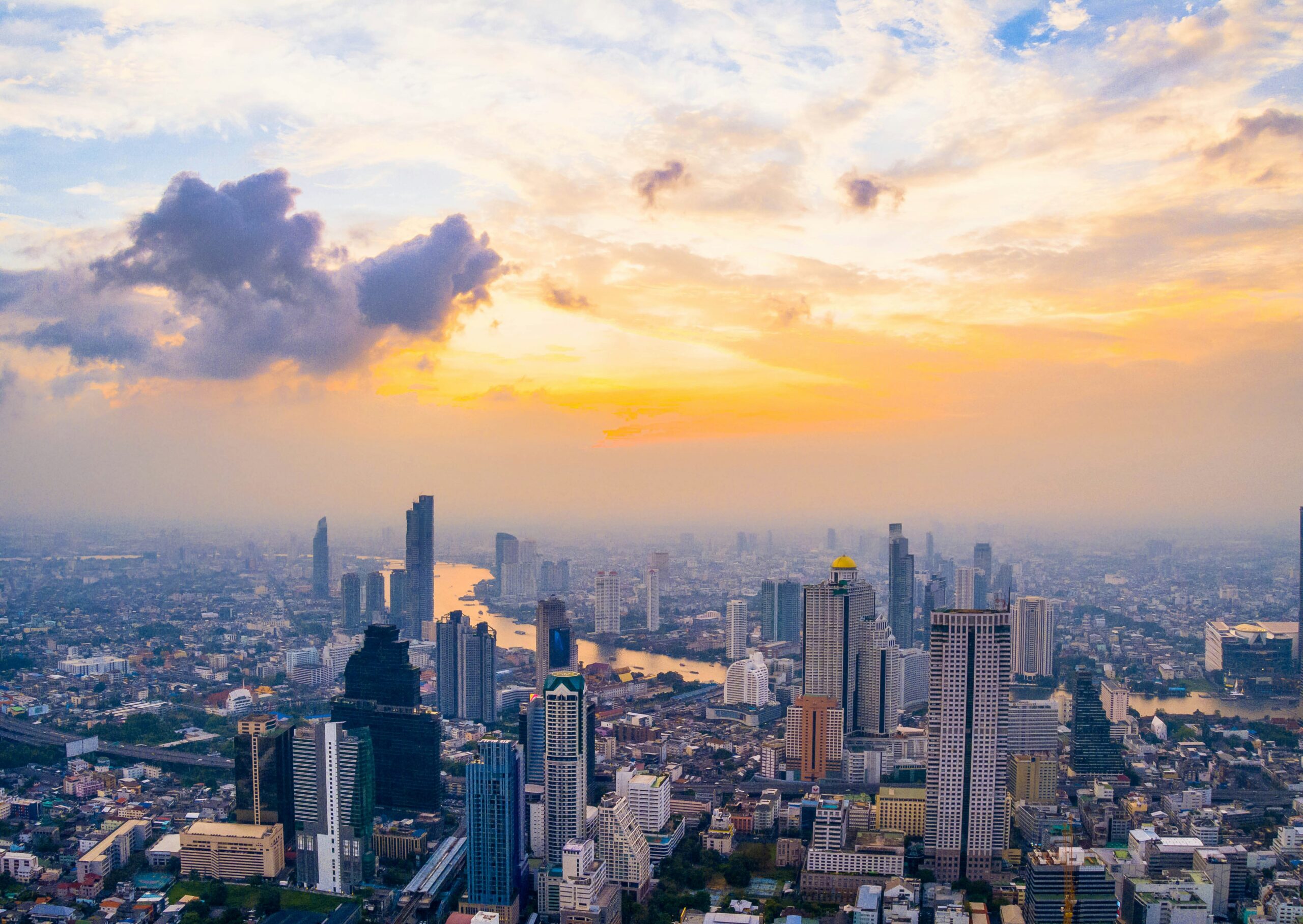
Bangkok riverside living appeals to foreign buyers who want the city to feel calmer without leaving the capital. The Chao Phraya brings light, views, hotel dining, temple access and a slower weekend rhythm that is different from Sukhumvit, Sathorn or Rama IX.
The riverside is not the right answer for every buyer. It can be elegant, distinctive and highly liveable, but daily convenience depends on the exact pier, road access, shuttle service, rail connection and the way a household moves through Bangkok. A beautiful river view does not automatically solve school runs, office commutes or grocery habits.
This guide explains how to read Bangkok riverside lifestyle from a property perspective: what foreign residents tend to value, where the practical compromises sit, and why liveability can support tenant appeal when the building and location are chosen carefully.
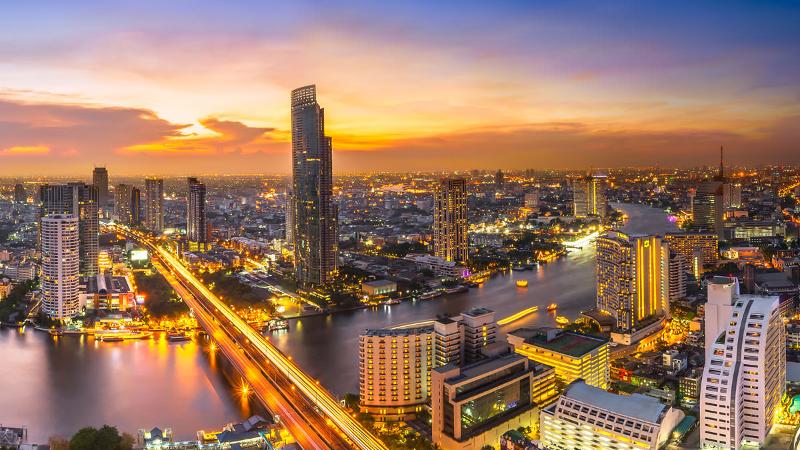
The Chao Phraya gives Bangkok a distinct residential rhythm compared with inland BTS and MRT districts.
The lifestyle advantage
The strongest riverside advantage is atmosphere. Bangkok can be intense at street level, but the river opens the city visually. High-floor units with broad views feel more private, and many residents value the sense of space that comes from looking across water rather than directly into another tower.
The area also has a hospitality layer that suits foreign residents. Riverside hotels, restaurants, spas and event spaces make it easy to host visiting family or clients. Cultural landmarks and old-city access add texture that newer commercial districts sometimes lack.
For buyers who split time between Bangkok and another country, the riverside can feel more memorable than a standard investment unit. That emotional quality can matter for own-use purchases, provided the numbers and building quality still make sense.
Transport is the deciding detail
Riverside convenience varies sharply. Some buildings connect well to BTS stations, expressway routes, hotel shuttles or river piers. Others are more dependent on taxis and private cars. Before buying, test the actual commute at the times you will use it: morning school run, evening return, weekend mall trip and airport transfer.
The river boat network can be useful, but it is not a direct replacement for BTS or MRT access for everyone. Buyers should ask whether the building has a reliable shuttle, how often it runs, where it drops off, and whether residents actually use it.
For rental investors, transport clarity affects tenant depth. A tenant who works in Sathorn may accept a riverside home with easy shuttle or BTS access. A tenant who needs several daily cross-town trips may prefer a central rail-linked district even if the unit is smaller.
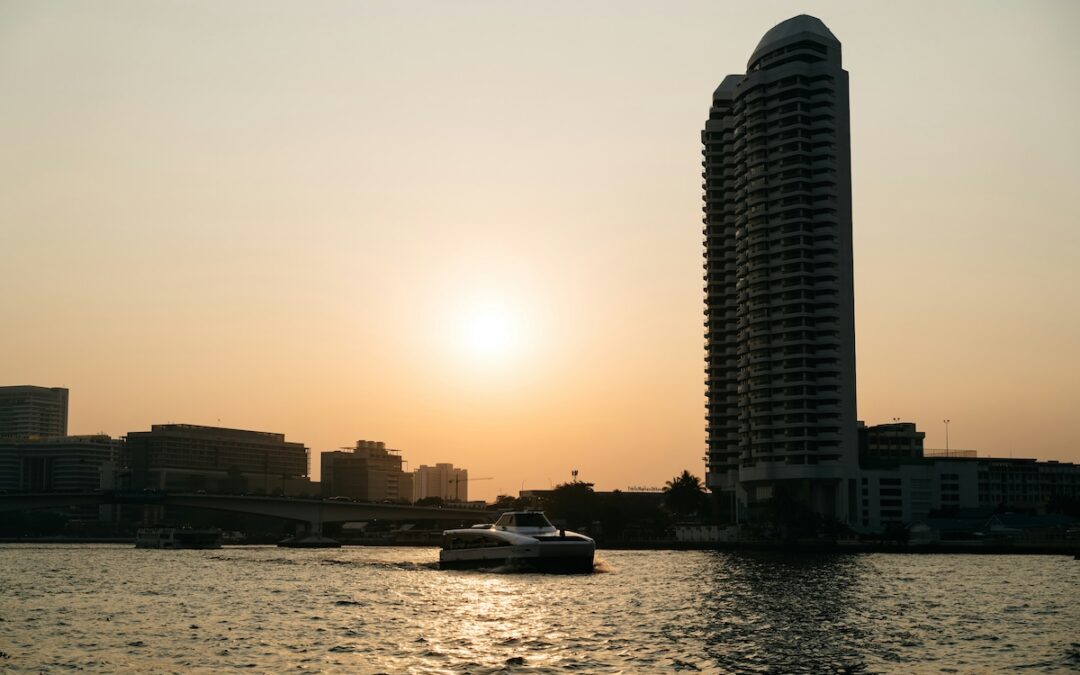
River views, hotel dining and cultural access are key lifestyle advantages for some foreign residents.
Who the riverside suits
The riverside often suits buyers who value views, hospitality, privacy and weekend lifestyle over being in the middle of the nightlife or office grid. It can work well for couples, senior executives, semi-retired owners, families with flexible transport plans and buyers who entertain visiting guests.
It can also suit tenants who want a premium Bangkok experience rather than the most compressed commute. Hotel-branded services, strong juristic management, larger layouts and river-facing balconies can widen appeal in the upper rental segment.
However, investors should avoid assuming every riverfront unit is liquid. Some buildings have large units with high monthly costs and a narrower buyer pool. Resale evidence in the same building is important, especially for older projects.
What to check inside the building
Riverside buildings face specific maintenance questions. Check facade condition, balcony rules, water-management history, lift reliability, parking, flood planning for access roads, air-conditioning systems and long-term capital works. A building with an well-known view still needs disciplined management.
Review common fees and sinking fund because riverfront facilities can be expensive to maintain. Pools, gardens, piers, shuttles and large lobbies add value when they are run well, but they also require budgets. Underfunded buildings may struggle to keep the premium feel that attracted buyers in the first place.
Unit orientation matters. Afternoon heat, river bend, bridge views, neighbouring towers and future construction can all change how a unit feels. Visit at different times of day where possible, and ask for any known development plans on adjacent plots.
Riverside property choices should be tested against transport habits and daily convenience, not views alone.
A balanced buyer view
Bangkok riverside lifestyle is compelling when the building fits the buyers real routine. It offers a sense of place, a strong hospitality network and a softer version of city living. For foreign buyers, it can make Bangkok feel less transactional and more like a long-term home.
The investment case should remain grounded. Prioritise buildings with credible management, clear transport solutions, strong views, sensible layouts and evidence of rental or resale demand. Avoid paying only for the postcard image if the day-to-day living pattern is awkward.
If you are weighing riverside condominiums against Sukhumvit, Sathorn or Lumpini options, Invest Bangkok Property can help compare lifestyle fit, rental depth, foreign quota and exit strategy before you choose.