

Bangkok feels different before the hottest and busiest part of the day. Parks are active, food stalls and markets settle into rhythm, cafés prepare for commuters and rail journeys begin to reveal how a neighbourhood actually works. A morning visit can therefore be one of the most useful tests in a condo search.

Foreign buyers often view apartments in the late morning or afternoon, when a sales appointment is convenient. That can hide the routine that matters most to residents: waking light, breakfast, exercise, school traffic, the first commute and the route back to the lobby carrying groceries.
Start inside the unit
Visit early enough to understand natural light and heat. Check whether the bedroom becomes bright before the resident wants to wake, whether curtains provide enough control and whether the kitchen and living room feel pleasant without artificial lighting.
Listen with the air-conditioning and television off. Morning traffic, school activity, construction, temple sounds, deliveries and building housekeeping may be different from the afternoon soundscape. The aim is not silence; it is a level and pattern that fit the household.
Test the first ten minutes outside
Walk from the apartment to the street as a resident would. Note lift waiting, lobby traffic, service movement, taxi pickup and the condition of pavements or covered routes. A building can have excellent facilities and still create daily friction if leaving it during the weekday peak is awkward.
Check whether coffee, breakfast, convenience shopping and basic services are genuinely usable at the time needed. Opening patterns can change, so inspect the current neighbourhood rather than relying on an old listing description.
Make exercise easy enough to repeat
A good gym, pool, park or walking loop adds most value when residents can use it without complicated planning. Inspect the condominium gym during a realistic morning period. Check crowding, equipment condition, ventilation, changing areas and whether the space suits the intended routine.
For outdoor exercise, follow the entire route. A park shown on a map may require crossing busy roads or walking along an uncomfortable section. Shade, lighting, crossings, dogs, surface quality and access gates can matter more than the straight-line distance.
Use food access as a liveability test
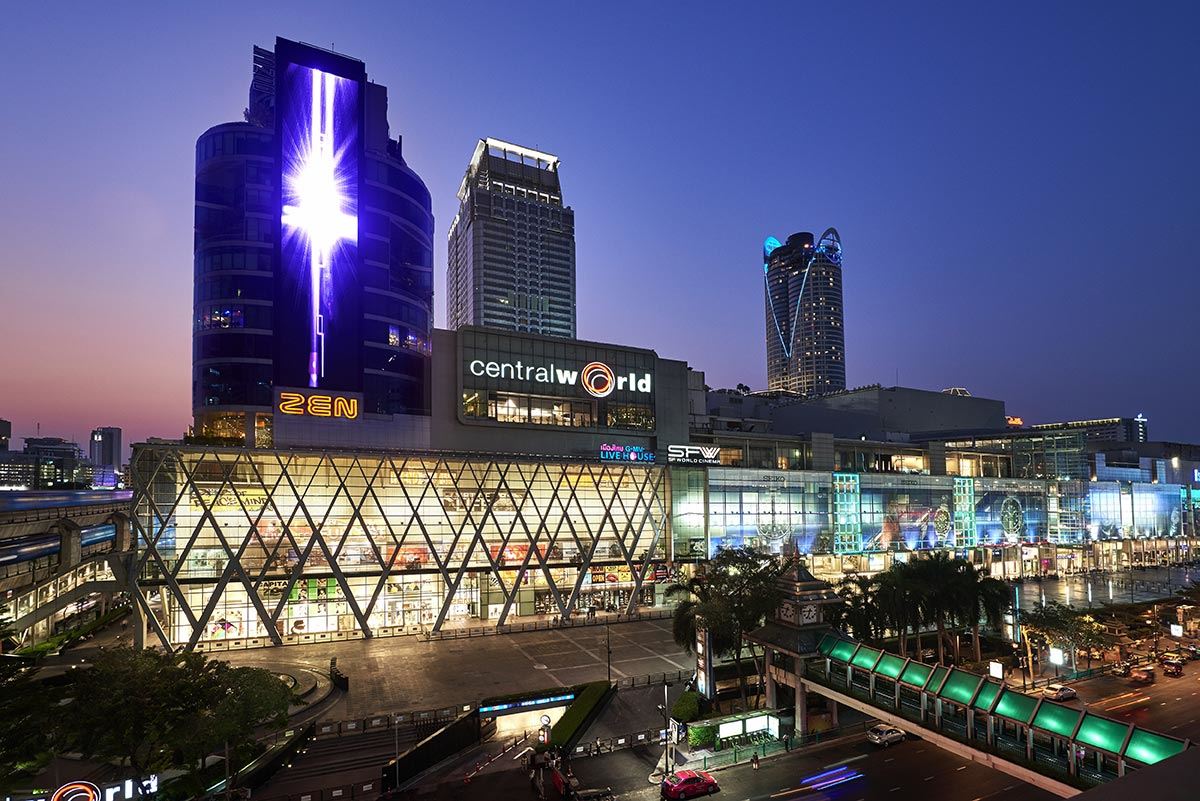
Bangkok’s markets, street vendors, bakeries, cafés and supermarkets allow different morning routines. Some residents want a quick coffee beside BTS; others want fresh produce, cooked Thai breakfast or a quiet table for an early meeting. The right district is the one where the preferred routine is easy on an ordinary weekday.
Buy a small grocery basket and carry it back to the unit. This simple exercise tests crossings, heat, lift access, kitchen storage and whether the neighbourhood supports regular cooking. It can reveal more than a list of nearby amenities.
Observe school and office traffic
Morning congestion can change a street completely. Families should examine school transport, drop-off queues and the route from lobby to car or rail. Professionals should test whether the walk to BTS or MRT remains comfortable when other commuters, deliveries and motorbikes are active.
A short mapped distance is not the same as a predictable journey. Measure the door-to-platform route, including lifts, ticket gates and crossings, and repeat it on the day and time most relevant to the household.
Check heat and rain resilience
Even early mornings can be warm, and rain can arrive when residents are leaving for work or school. Look for shade, awnings, drainage, safe crossings and places where taxis can stop without blocking traffic. A covered connection may be more valuable in daily life than a slightly shorter exposed walk.
Inside the building, consider where umbrellas dry, whether wet shoes can be managed and whether lobby floors become slippery. These small design and management details influence how premium a residence feels during real weather.
Consider household differences
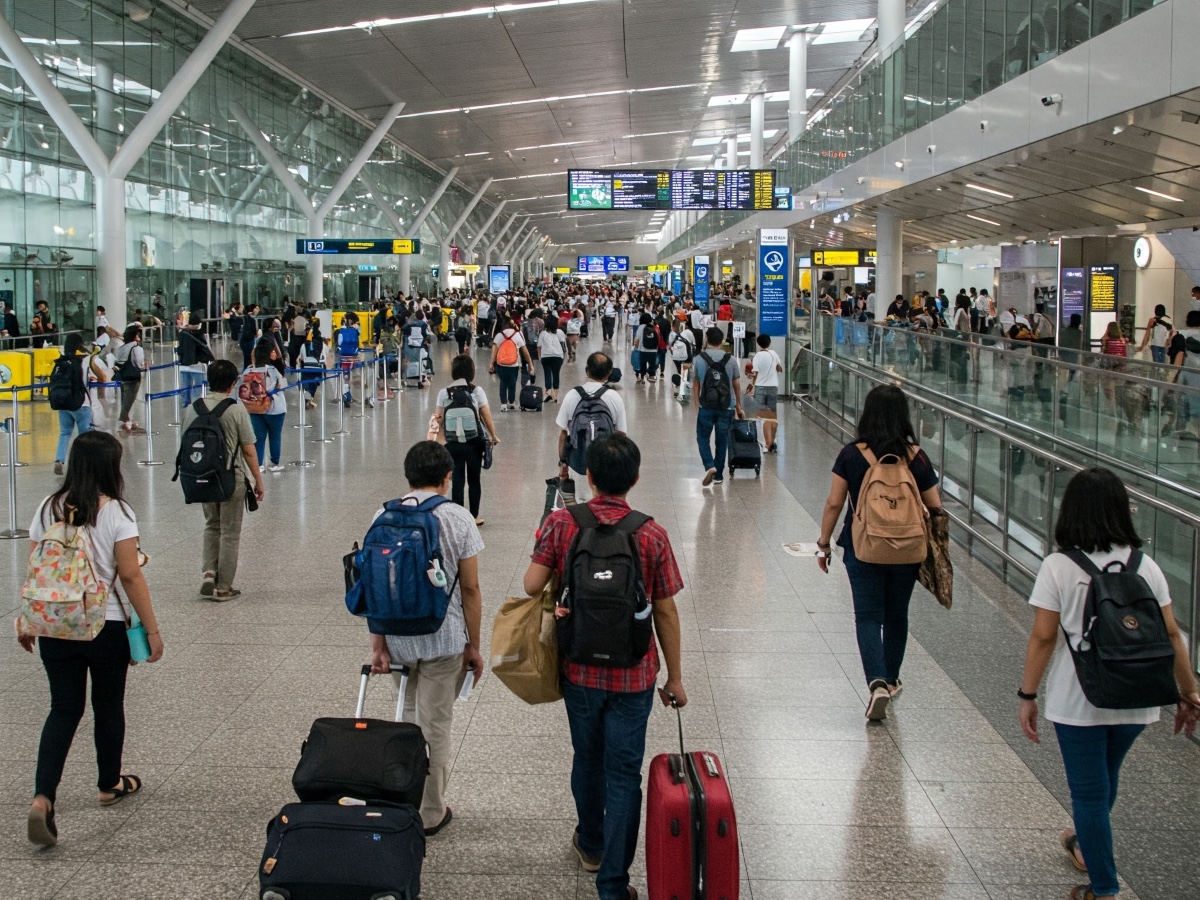
A single professional may prioritise fast rail access and coffee. A family may need breakfast, school logistics and space for bags. A retired resident may value a safe park route, pharmacy and quieter pace. A frequent traveller may care about early airport departures and luggage movement.
Investors should choose a likely resident profile before treating morning convenience as a rental advantage. A feature only supports rent when the target tenant will use it and the unit, building and price already make sense.
Morning-viewing checklist
- Inspect bedroom light, heat and noise early in the day.
- Time the lift, lobby and exit route during weekday activity.
- Walk to rail, breakfast, groceries and exercise options.
- Observe school, office, delivery and drop-off traffic.
- Test shade, crossings, drainage and wet-weather access.
- Carry a normal purchase back to the kitchen and storage.
- Match the routine to the likely resident or tenant.
Liveability takeaway
Bangkok morning living shows whether a condo supports habits rather than just aspirations. When exercise, food, transport and household logistics fit together, the city can feel exceptionally convenient, energetic and liveable for foreign residents.
IBP can help buyers compare Bangkok neighbourhoods through real daily routines. Browse our Bangkok lifestyle guides and expat living coverage, or contact IBP Real Estate for a liveability-led shortlist.