
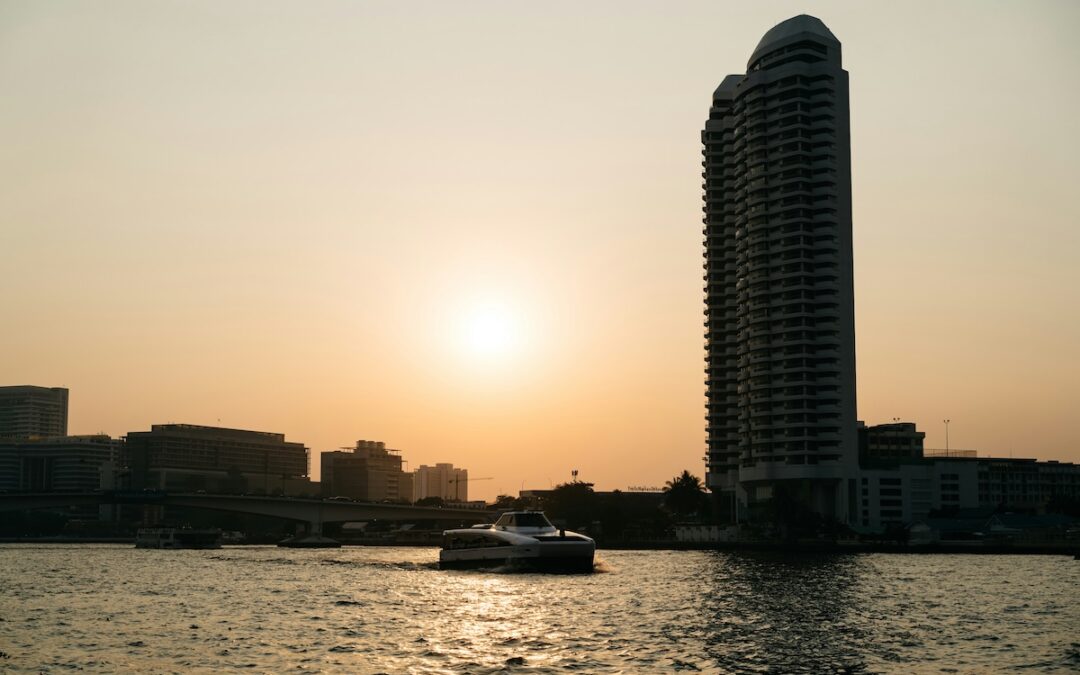
Krung Thon Buri is one of Bangkok’s more practical cross-river condo locations for foreign buyers who want access to the Silom side without living directly inside the densest part of the central business district. Its appeal is not based on a single luxury landmark. It comes from rail connectivity, Chao Phraya proximity, local neighbourhood texture and improving convenience around Khlong San and Charoen Nakhon.
For investors and lifestyle buyers, the district should be judged carefully. It can offer better value than some core CBD addresses, but buildings vary widely by age, walkability, view protection and tenant profile. The right purchase depends on whether the unit solves a real daily routine.
Where Krung Thon Buri fits in Bangkok
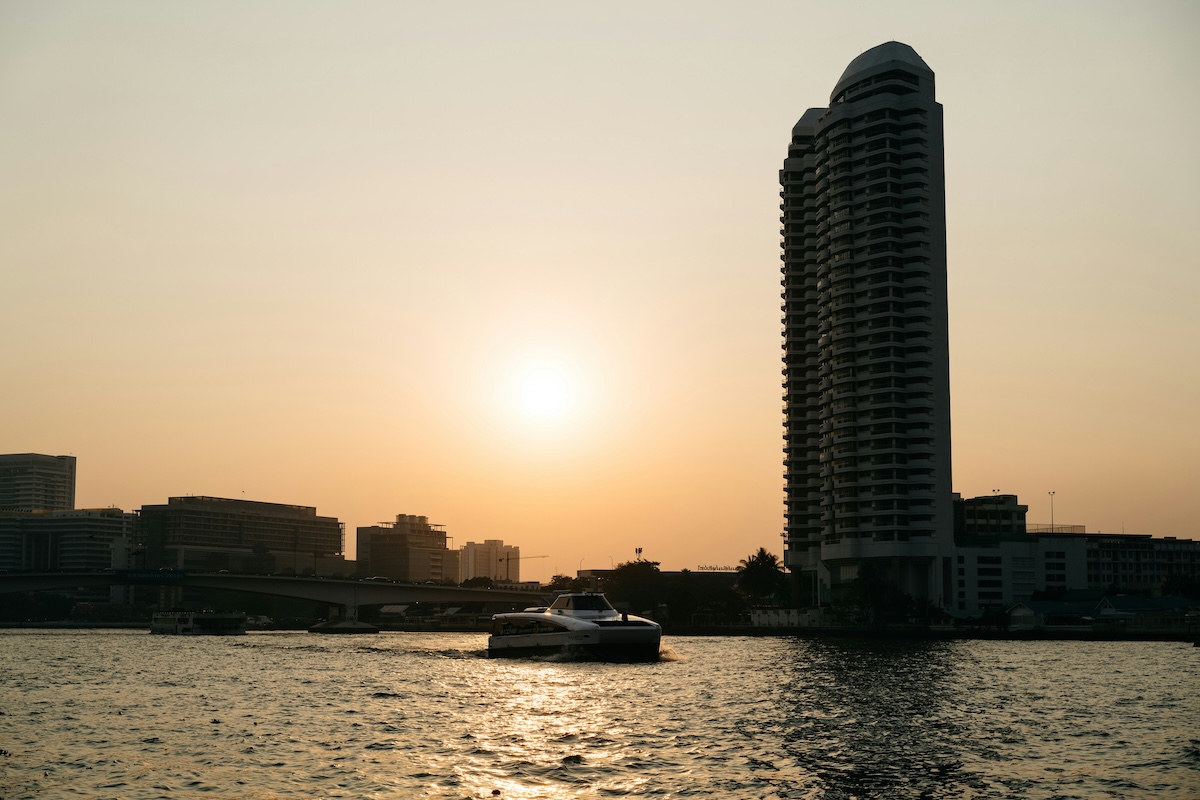
Krung Thon Buri sits on the Thonburi side of the Chao Phraya, close to Saphan Taksin, Sathorn, Charoen Nakhon and Wongwian Yai. The area gives residents a bridge into the Silom-Sathorn office corridor while keeping access to west-bank neighbourhoods that feel less corporate than the inner CBD.
The BTS Silom Line is the main reason many buyers consider the location. Krung Thon Buri station connects back towards Saphan Taksin, Surasak, Chong Nonsi, Sala Daeng, Siam and National Stadium in one direction, and towards Wongwian Yai, Talat Phlu and Bang Wa in the other. The Gold Line connection also improves access to Charoen Nakhon and ICONSIAM, which has changed how many foreign residents perceive the riverfront side of Bangkok.
This connectivity gives the district a mixed tenant audience: office workers who commute into Sathorn or Silom, residents who prefer riverside lifestyle, and renters who want rail access but do not need a prime Sukhumvit address. That tenant mix can be useful, but it also means each building needs its own analysis.
Because the district serves several audiences, buyers should avoid using one comparator. A Sathorn office tenant, a river lifestyle tenant and an owner-occupier from Thonburi may value different things. Strong pricing comes from matching the unit to the right audience rather than assuming all cross-river demand behaves the same way.
Strengths for condo buyers
The first strength is optionality. Residents can use BTS, taxis, motorcycle taxis, river crossings and nearby road links depending on the time of day. In Bangkok, that matters. A district with only one strong route can become frustrating when traffic, rain or peak-hour crowding changes the plan.
The second strength is lifestyle depth. Charoen Nakhon, Khlong San and nearby river areas now offer malls, hotels, casual dining, heritage streets, ferry access and quieter residential pockets. Foreign buyers who enjoy Bangkok beyond office towers may find the area more layered than a conventional CBD condo district.
The third strength is value comparison. Some Krung Thon Buri buildings can price below comparable core-Sathorn or prime-Sukhumvit assets while still offering rail access. The discount is not automatically an opportunity, but it gives disciplined buyers room to compare total ticket size, rent depth and exit audience.
Risks and buyer checks
Walkability is uneven. A condo may look close to BTS on a map but require an awkward footpath, exposed road crossing or motorcycle-taxi ride in daily life. Foreign buyers should walk the route during heat, rain and evening hours before deciding that a location is convenient.
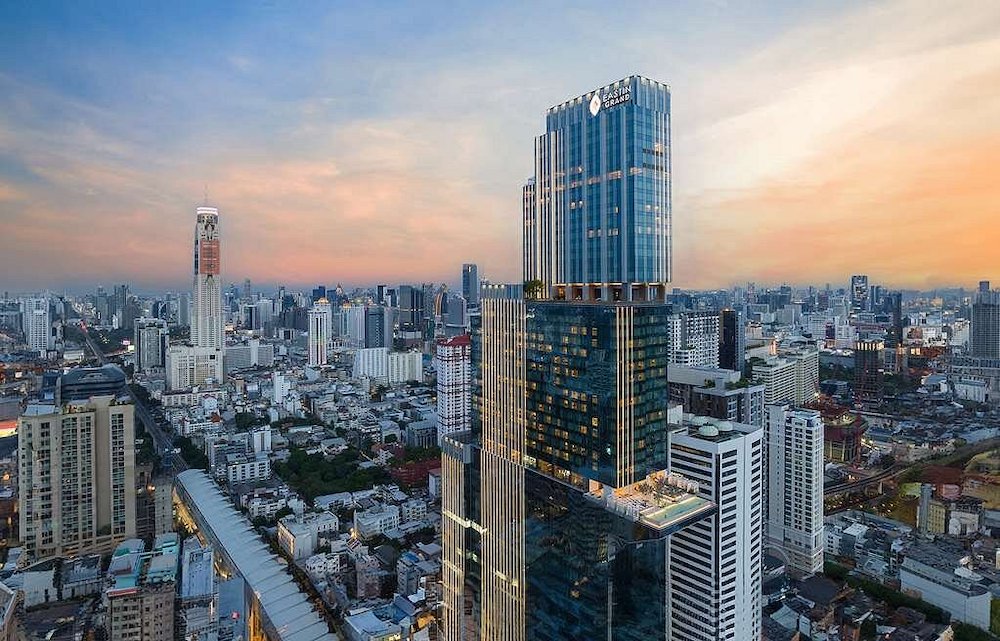
View risk is also important. River and skyline views can support both owner enjoyment and resale appeal, but future construction, neighbouring plots and lower-floor obstructions can change the value story. Buyers should ask what is protected by the site position and what is simply a current open view.
Building age and management quality matter more than district branding. Some older buildings may offer larger rooms, while newer buildings may have smaller layouts and stronger facilities. Neither is automatically better. Review common-area condition, lift waiting times, sinking-fund planning, parking, juristic responsiveness and resident mix.
Questions for the sales file
Ask how many units are owner-occupied, how many are investor-owned, what rents have recently been achieved, how quickly similar units let, whether pets are allowed, how short-term stays are controlled and what major repairs are planned. A building that is quiet, clean and well managed can outperform a more photogenic project with weak operations.
Who the district suits
Krung Thon Buri can suit foreign buyers who work around Sathorn or Silom but want a less compressed residential setting. It may also suit owners who use Bangkok part-time and want river access, hotel dining, cross-river shopping and straightforward rail trips. For investors, the strongest units are usually those that are easy to explain: close to rail, sensible layout, good management and a clear tenant profile.
It may be less suitable for buyers who want the deepest expatriate services of Phrom Phong, Thonglor or Asoke, or for families that need a specific school commute. In those cases, the savings may not compensate for daily travel friction.
How to compare a Krung Thon Buri unit
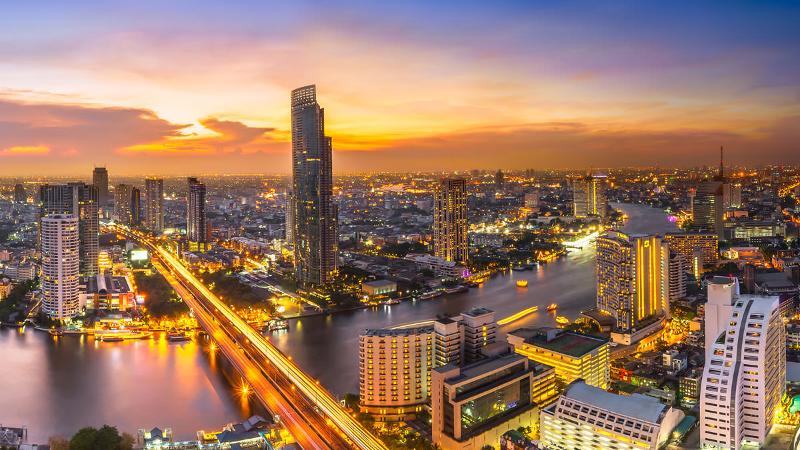
Start with the total ticket, not only price per square metre. Then compare station access, room shape, furnishing cost, expected rent, building fees, future repairs and resale audience. A slightly smaller unit with a better walk to BTS may be easier to lease than a larger unit in a weaker micro-location.
Foreign buyers can use IBP’s district and BTS/MRT guides alongside investment analysis when comparing Krung Thon Buri with Sathorn, Charoen Nakhon, Bang Na or Phaya Thai. The best answer is usually not the cheapest district, but the district that fits the intended tenant and holding period.
Before reserving a unit, ask IBP to review the building, tenant profile, juristic records and resale logic. Krung Thon Buri can be a sensible cross-river choice, but only when the specific condo is strong enough to carry the location story.