
Bangkok’s transport improvements do not always arrive as new stations or new lines. Sometimes the useful upgrade is friction removal. MRTA’s EMV contactless fare-payment rollout, effective from 1 June 2026 across four MRT lines under MRTA supervision, is a small operational change with a practical property angle: rail districts become easier to use when payment, entry and movement feel simpler.
For foreign condo buyers, this matters because a Bangkok unit is often judged by daily usability. A station nearby is valuable, but the full experience matters: ticketing, interchange, rainy-season access, signage, lifts, escalators, platform reliability, late-evening travel and how easily visiting family or tenants can move around the city without learning a complex local system.
What MRTA announced
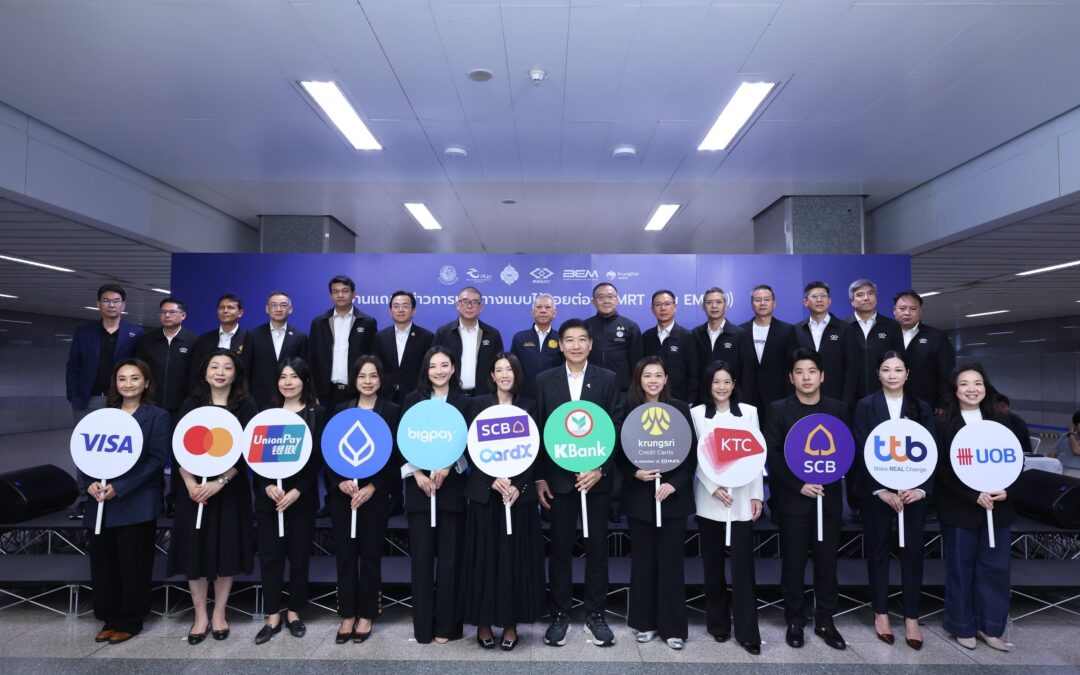
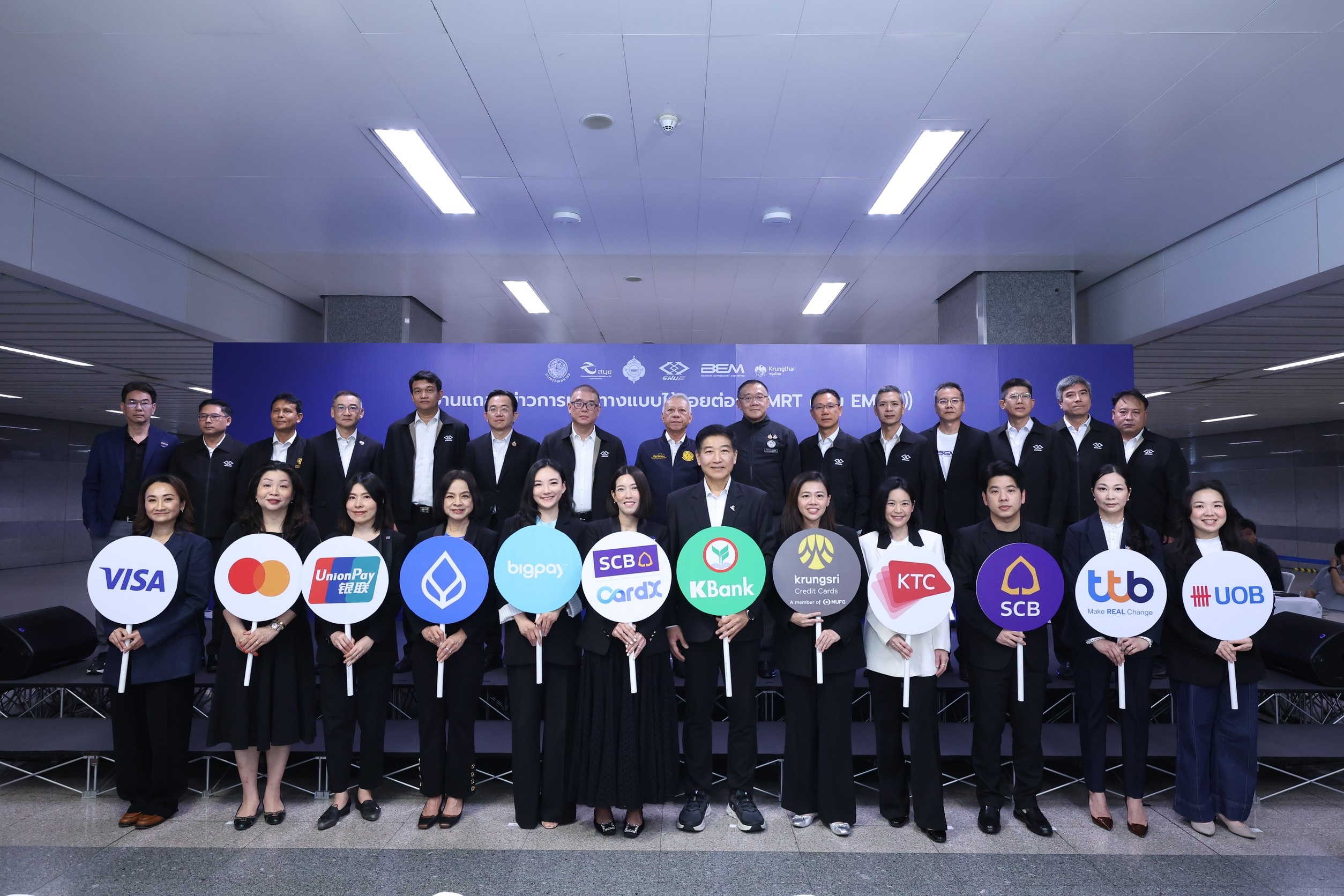
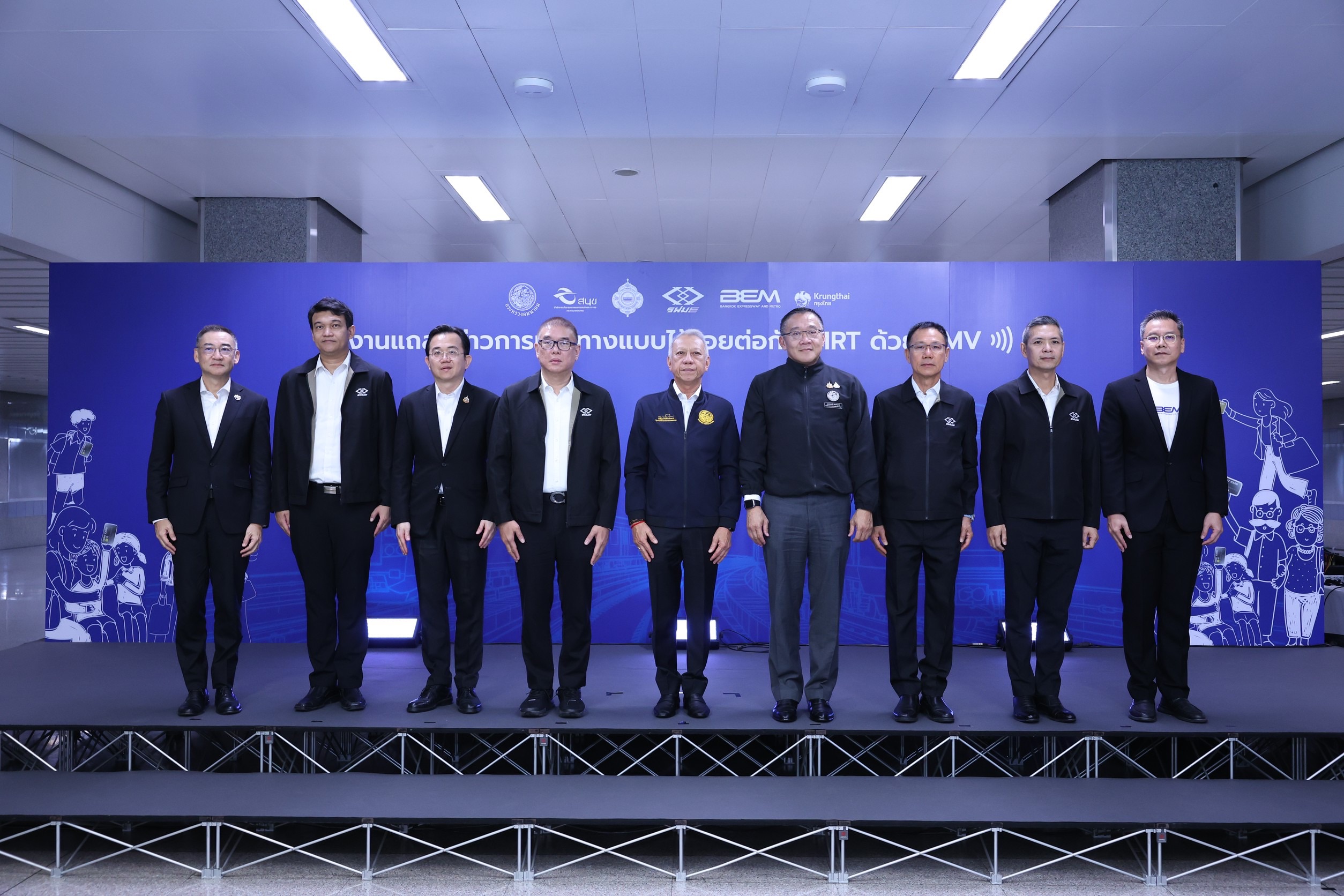
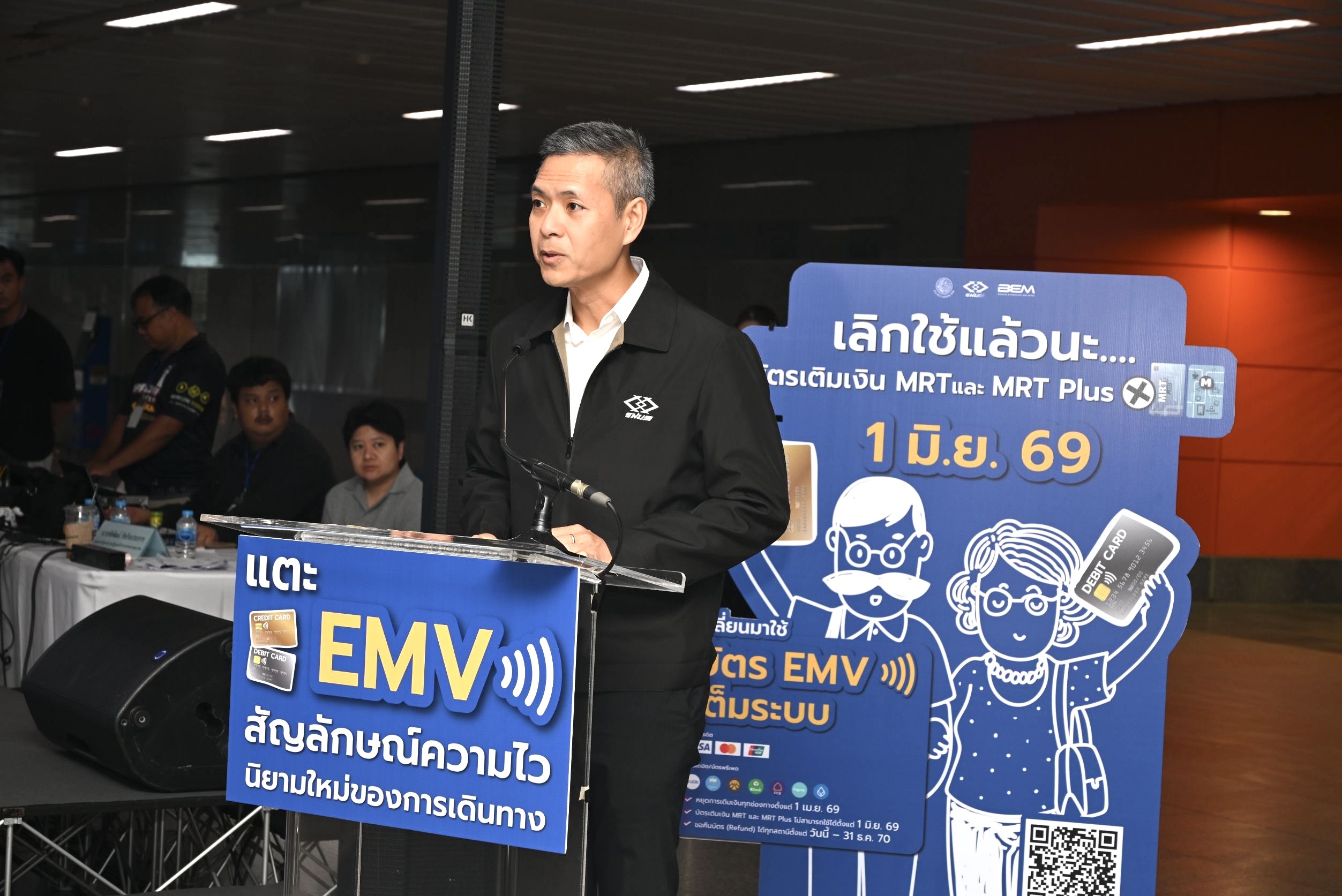
MRTA’s official release described a February 2026 press conference with the Ministry of Transport, MRTA, Bangkok Expressway and Metro, and Krungthai Bank. The announcement covered the adoption of EMV contactless payment and an account-based ticketing upgrade, with the service scheduled to begin on 1 June 2026 for four MRT lines under MRTA supervision.
The technical language matters less to buyers than the user outcome. EMV contactless payment means eligible bank cards can become part of the fare-payment experience. Account-based ticketing moves more processing away from the physical stored-value card and toward a back-end account system. In plain terms, the rail network becomes closer to the payment habits that many international residents already use in other major cities.
Why payment friction affects property value
Transport convenience is not only distance to station. A building that is five minutes from MRT but awkward to use may underperform a building that offers a smoother everyday routine. If tenants can tap in quickly, visitors can move without buying a local transit card and residents can combine MRT with BTS, taxis, delivery services and airport journeys more naturally, the district feels more usable.
This is especially relevant for foreign owners who rent out units. Tenants often compare buildings through daily routines rather than investment theory. They ask whether the commute is simple, whether guests can find the station, whether a partner or child can move around safely, and whether the neighbourhood works without a car. Payment simplicity strengthens that answer.
Districts likely to benefit most
The clearest benefit is for districts where MRT is central to the liveability story: Rama 9, Ratchada, Lat Phrao, Bang Sue, Bang Khae, Tao Poon, Phra Ram 9, Sukhumvit-Asok, Sam Yan, Silom, Hua Lamphong and the growing station-linked zones on newer lines. These areas already rely on rail to connect offices, malls, hospitals, universities, embassies and residential towers.
For buyers, the lesson is to inspect rail access as a complete journey. Walk from the building to the station in heat and rain. Check lift access if elderly family, children or luggage are part of the lifestyle. Test the route at peak hours and late evening. A payment upgrade helps, but it does not remove poor footpaths, difficult crossings or inconvenient station exits.
How to use this in a condo shortlist
A rail-led shortlist should compare three layers. The first is station distance: actual walking time, not brochure distance. The second is station quality: exits, lifts, escalators, crowds, interchanges and payment flow. The third is neighbourhood support: groceries, cafes, pharmacies, hospitals, schools, offices and taxi access around the station.
When those three layers work together, the condo can appeal to a wider tenant and resale audience. A unit near a rail station that feels intuitive to use can suit expatriate employees, local professionals, students, medical visitors and part-time owners. A unit near a rail station that feels confusing or unpleasant may need a lower rent or a more patient owner.
A measured investment reading
MRTA’s contactless rollout does not guarantee higher condo prices. It is an operational improvement, not a new land-use plan. The buyer still needs to check price, building quality, rent evidence, foreign quota, common fees, vacancy risk and resale liquidity. However, it supports a broader direction: Bangkok is continuing to make rail travel more accessible to everyday users.
That direction matters because Bangkok’s best property districts are increasingly judged by connectivity and repeated convenience. Buyers who understand that can look beyond simple “near station” marketing and focus on buildings that truly reduce daily friction.
Buyer takeaway
The 1 June 2026 MRT contactless payment rollout is a useful reminder that infrastructure value comes from usability. Foreign buyers should give extra weight to buildings where rail access is not only close, but easy to use, easy to explain to tenants and resilient across daily routines.
IBP Real Estate can compare station-linked buildings across MRT and BTS districts before you shortlist. Continue with our infrastructure updates and district guides for practical location checks.