
Bangkok condo buyers often compare transport, hospitals, schools, restaurants and shopping before choosing a district. Museum access deserves a place in that liveability checklist too. For expat families, part-time owners and culture-led residents, museums create a quieter, more durable relationship with the city than weekend dining alone.
This does not mean every buyer needs to live beside a museum. It means a good Bangkok base should make culture easy to reach. A household that can visit Phra Nakhon, Museum Siam, the Queen Sirikit Museum of Textiles, the National Museum Bangkok, riverside galleries or smaller neighbourhood museums without turning the trip into a major production will usually experience the city more fully.
Why culture access affects liveability
Foreign buyers sometimes judge Bangkok only through convenience: nearest BTS station, airport route, supermarket and hospital. Those are essential. But long-term liveability also depends on whether the city continues to feel interesting after the first few months. Museums help because they give residents repeatable reasons to explore language, history, craft, design, religion, food and urban change.
This is especially useful for families. A museum visit can turn a humid weekend into a structured outing. It can help children understand Thailand beyond international school and shopping-centre life. For retirees and part-time owners, museums offer a slower way to learn the city without needing nightlife or constant travel.
Phra Nakhon as a cultural anchor
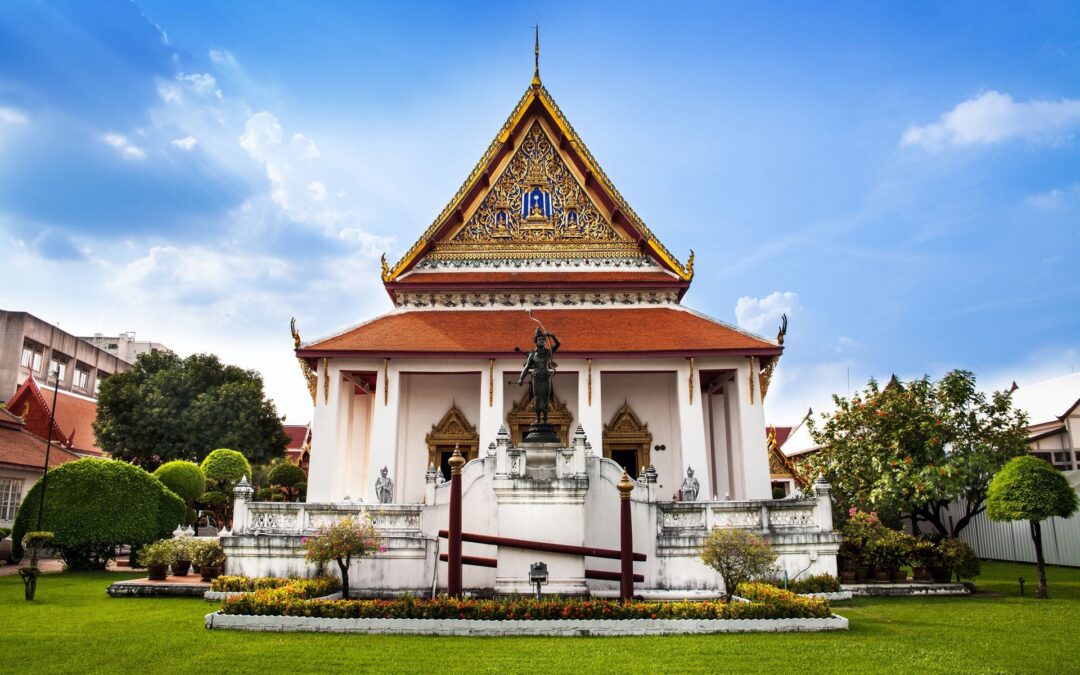
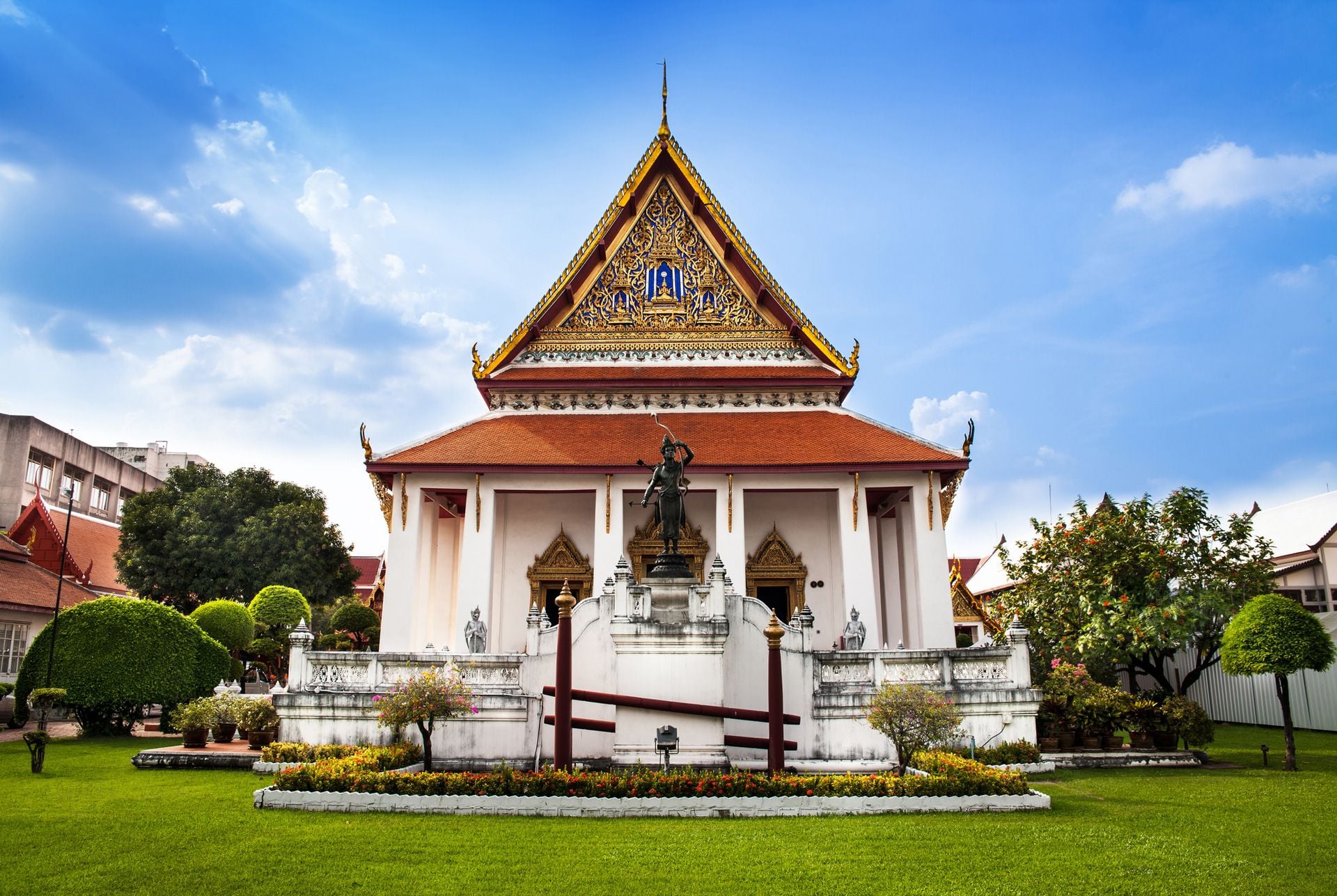
Phra Nakhon is one of Bangkok’s strongest cultural anchors. The Thailand 2026 Annual Meetings visitor guide describes the National Museum Bangkok as being amid the historic Phra Nakhon district, surrounded by temples, palaces and centuries of Thai heritage. It notes that the museum is located within the former Grand Palace Front Palace, originally built in 1782 for the Vice King, and converted into a public museum in 1887.
For condo buyers, that history is not only tourist information. It explains why older districts near the river, Sanam Luang, Grand Palace, Pak Khlong Talat and Charoen Krung can feel different from tower-led central areas. A buyer who values heritage may prefer slightly longer commutes if weekend access to Bangkok’s older cultural fabric is important.
Museum Siam and family-friendly learning
Museum Thailand lists Museum Siam in Phra Nakhon and identifies it as a public organisation connected with history and archaeology. Its location near historic Bangkok makes it useful for families and visitors who want a more accessible introduction to Thai identity and everyday culture.
For property buyers, the practical lesson is to think in routines. Can family members reach a museum by MRT, taxi, river connection or a short drive? Is there enough nearby food, shade and walking space to make the trip pleasant? A district with easy cultural outings can be more enjoyable for visiting relatives and children, even if it is not the most obvious investment address.

Queen Sirikit Museum of Textiles and premium visitors
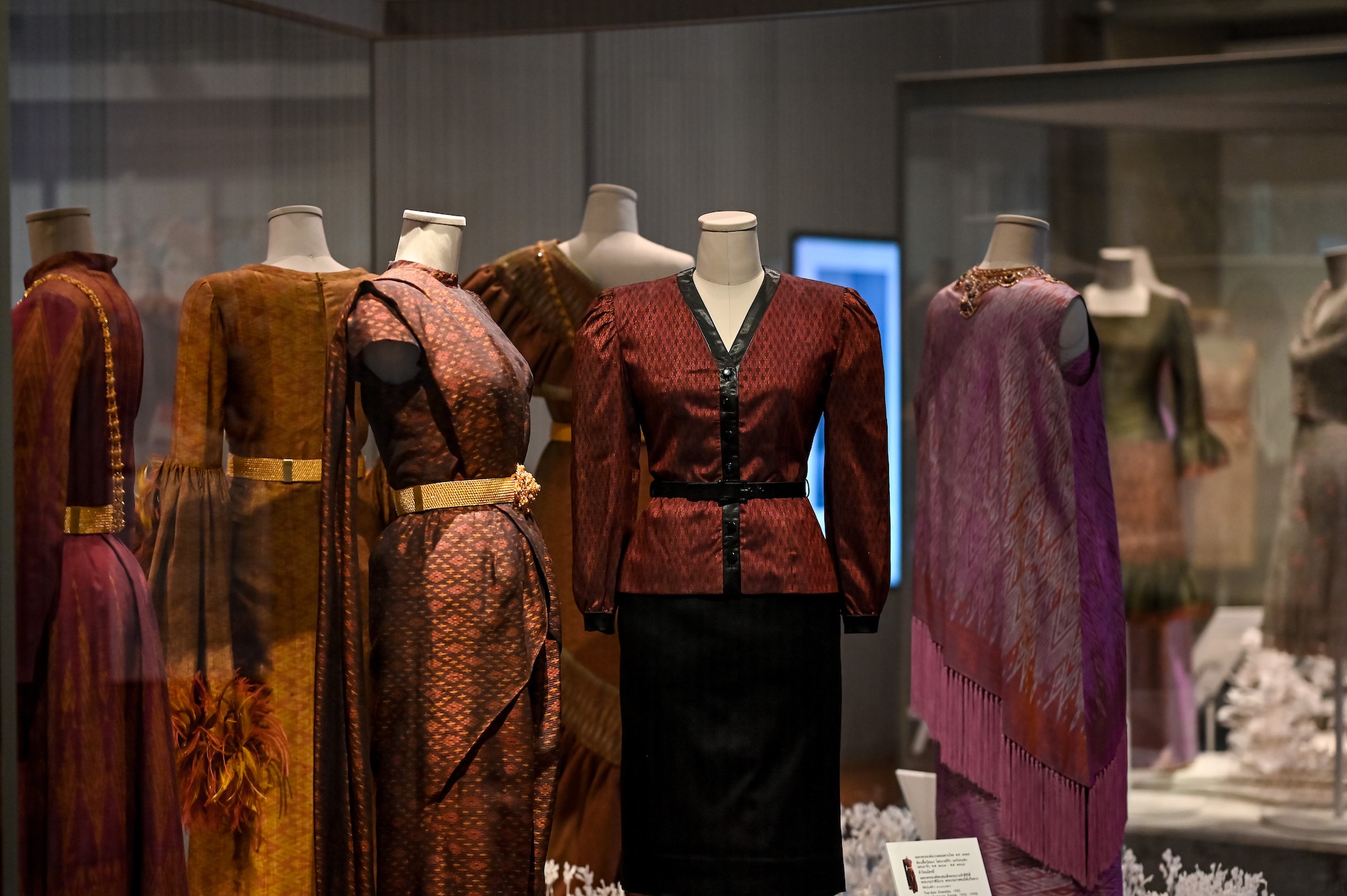
The official Grand Palace page says the Queen Sirikit Museum of Textiles is located inside the Grand Palace at the Ratsadakorn-bhibhathana Building, and that the museum was established to preserve Thailand’s textile arts for future generations. It also lists visitor information, separate admission for museum-only visitors and the Phra Nakhon location.
This type of cultural depth supports Bangkok’s premium-city positioning. International buyers are not only looking for a place to sleep. Many want a city that can host parents, children, friends, clients and repeat guests. Museums, galleries and heritage districts give Bangkok an advantage because they make short stays richer and longer stays less repetitive.
How this affects district choice
Buyers who value museums do not all need the same district. Riverside and Charoen Krung buyers may enjoy easier access to heritage walks, galleries and boat routes. Silom and Sathorn buyers can reach old-town culture while keeping office access. Sukhumvit buyers may rely more on MRT, taxis or planned weekend trips. Rama IV and Khlong Toei buyers may benefit from improving links across central Bangkok.
The key is to test the trip, not only the map. Bangkok journeys vary by heat, rain, traffic and family tolerance. A museum that looks close may feel difficult with children. A district that looks further away may be easier if the MRT connection is simple.
Buyer checklist
- Test weekend routes to Phra Nakhon, Charoen Krung, Riverside and central galleries.
- Check whether MRT, BTS, taxi, boat or private car access works for the household.
- Think about visiting relatives, children, retirees and part-time use, not only daily commuting.
- Balance cultural access with hospitals, groceries, schools, parking and airport routes.
- Treat museums as a liveability layer, not a replacement for building due diligence.
Buyer takeaway
Bangkok museum access can make condo ownership feel more meaningful, especially for foreign buyers who want to understand the city rather than simply use it. Culture does not replace the fundamentals of title, price, building management and transport, but it can make the right Bangkok base more enjoyable year after year.
IBP can help expat buyers compare Bangkok neighbourhoods by daily convenience, cultural access and long-term liveability. Read our Bangkok lifestyle guides or contact IBP Real Estate for a neighbourhood-led shortlist.