
Thailand’s latest investment approvals give foreign property buyers a useful macro signal, but they should be read carefully. The Board of Investment’s May 2026 announcement pointed to a major new wave of high-technology and infrastructure-linked projects, led by data centres and supported by clean-energy and facilitation measures. For Bangkok property, the relevance is not a simple promise of higher condo prices. It is confidence in the wider economy, business travel, regional headquarters activity and the service ecosystem that makes Bangkok a practical base.

What was announced
The BOI’s current press-release list includes a 6 May 2026 announcement titled Thailand Approves $29 Billion Investment Wave as Data Center Demand Surges. The detailed release, republished by business media, said the BOI approved six major projects worth a combined 958 billion baht, or about USD 29 billion. Three data-centre and data-hosting projects accounted for 913 billion baht, including a large TikTok System Thailand expansion across Bangkok, Samut Prakan and Chachoengsao, plus projects linked to Skyline Data Center and Bridge Data Centres.
The same announcement also covered renewable energy, recycled plastic pellet production and potassium chloride production. It noted that additional projects were selected for Thailand FastPass, a mechanism designed to coordinate permits and help strategic projects move more quickly from approval to operation. For foreign buyers, the important detail is the policy direction: Thailand is trying to compete for high-value digital, clean-energy and industrial investment, not only conventional manufacturing.
Why this matters to Bangkok property
Bangkok benefits when Thailand attracts firms that need executives, specialists, consultants, suppliers, legal advisers, finance teams and regional visitors. Even when factories or data centres sit outside the capital, Bangkok often remains the place where decision-makers live, meet, fly through, educate their children and use private healthcare. That helps explain why property demand in central Bangkok cannot be analysed only through local household credit.
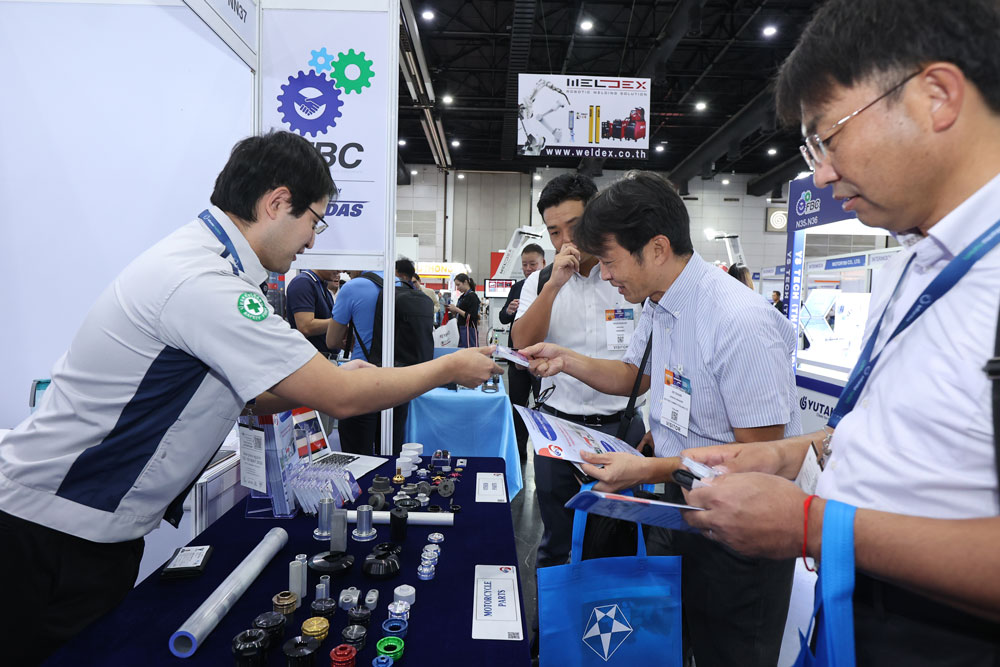
The effect is indirect. A data-centre investment in Chonburi does not automatically fill a Sukhumvit condominium. But a deeper digital economy can support demand for serviced apartments, prime rentals, international schools, hospitals, private clubs, premium retail and office-linked residential districts. Investors should look for these links rather than assuming that any macro headline benefits every building.
The Q1 investment backdrop
The BOI also reported that first-quarter 2026 investment applications exceeded 1.01 trillion baht across 624 projects, about 2.4 times the value in the same period a year earlier. Digital, electronics, clean energy, agriculture and food processing, logistics and automotive were among the major categories. The foreign direct investment component was also substantial, with Singapore, the United Kingdom and Japan among the leading economies by value in the Q1 report.
For property buyers, this reinforces Thailand’s role as a regional platform. It does not remove risks: power readiness, skilled labour, global trade volatility and implementation timing still matter. But it shows that international capital is evaluating Thailand at scale. Bangkok’s strongest property locations are the ones most likely to benefit from that confidence because they already serve international residents and corporate users.
How to translate macro news into a condo decision
- Prioritise districts with proven executive rental demand, not only locations near future promises.
- Check whether the building suits the likely tenant: corporate lease, family relocation, regional commuter or owner-occupier.
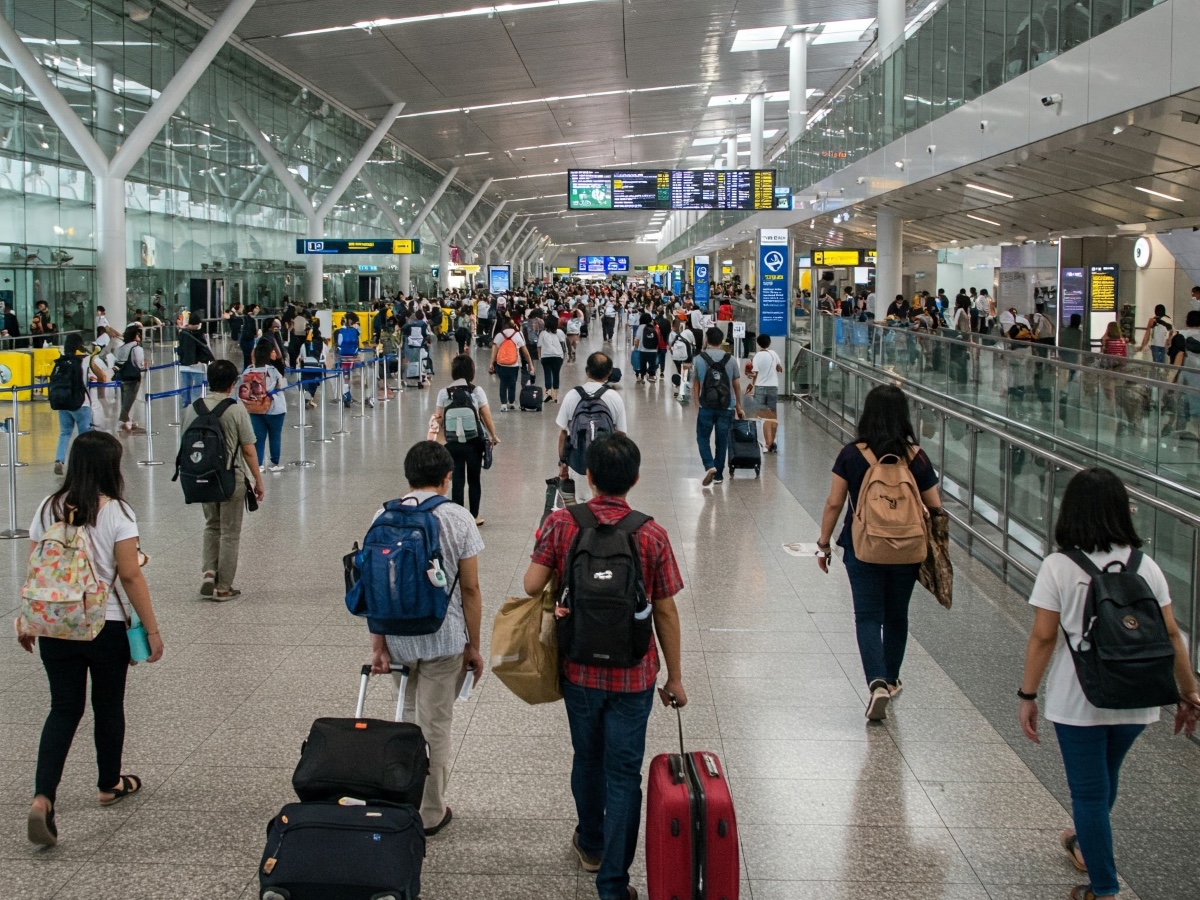
- Treat airport access, BTS/MRT links, hospitals and schools as demand infrastructure.
- Avoid using national investment headlines to justify overpaying for weak layouts or poorly managed buildings.
- Model resale liquidity under conservative assumptions, because macro confidence does not guarantee a fast exit.
Districts to watch through this lens
Sukhumvit from Asok through Phrom Phong, Thonglor and Ekkamai remains relevant because of expat services, retail depth and access to offices. Rama 9 and Ratchada can appeal where corporate, Chinese-speaking, healthcare and transport demand intersect. Sathorn and Silom continue to matter for finance, embassies, law firms and established CBD tenants. Riverside and Rama IV addresses can work when they combine premium living with easy routes to business districts and airports.
A balanced conclusion for buyers
Thailand’s investment wave is supportive for confidence, but it should be a background filter, not the main reason to buy. A foreign condo purchase still needs the basics: legal transferability, clean funds evidence, foreign quota, building management, realistic rental demand and a sensible exit route. The best interpretation is that Thailand’s business environment is giving Bangkok a stronger long-term platform, while the buyer’s return is still decided at district, building and unit level.
Use IBP’s Bangkok property investment guide and Rama 9 and Ratchada guide to compare demand drivers. If you want to connect macro confidence with a real shortlist, contact IBP for a building-level review before committing funds.