
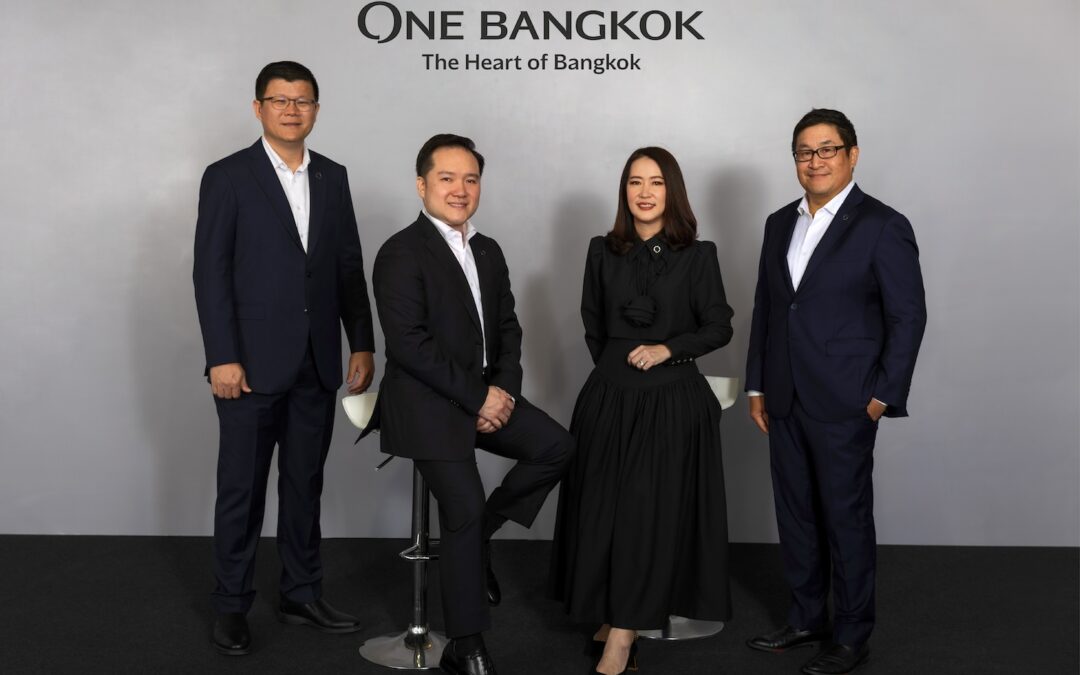
One Bangkok has changed how many foreign buyers read the Rama IV and Lumphini area. The district is no longer only a road between Silom, Sathorn and Sukhumvit. It is becoming a mixed-use centre where offices, retail, hotels, public space, art, dining and residential demand intersect. For buyers comparing luxury condos nearby, that matters.
This does not mean every unit near Rama IV is automatically a strong investment. Large mixed-use anchors can improve convenience and visibility, but the best purchase still depends on building quality, walkability, view protection, traffic, tenant profile and entry price. Foreign buyers should treat One Bangkok as a district catalyst, then test each condominium on its own merits.
Why Rama IV is gaining buyer attention
Rama IV sits between several established demand pools. Silom and Sathorn provide office and embassy demand. Lumphini gives access to one of Bangkok’s most important green spaces. Wireless Road and Lang Suan remain prime addresses for luxury hotels, serviced residences and embassies. Sukhumvit and Asoke are close enough to influence tenant expectations, but the area has its own more formal, business-district character.
One Bangkok adds another layer: a large integrated district with workplaces, retail, hospitality, public areas and cultural programming. For overseas buyers, this helps explain why nearby condos can appeal to executives, diplomats, consultants, regional managers and long-stay residents who want central access without living deep inside nightlife-heavy sois.
The transport question
Foreign buyers should look carefully at actual daily routes. The area benefits from MRT access around Lumphini and Queen Sirikit National Convention Centre, with BTS connections reachable through Silom, Sala Daeng, Ratchadamri, Chit Lom and Phloen Chit depending on the address. However, Bangkok traffic can change the lived experience from one side of a junction to another.
A condo that looks close on a map may feel inconvenient if the walking route is exposed, interrupted or unpleasant. Buyers should test the path at weekday rush hour, after dark and during rain. For rental demand, a practical walk to MRT, office towers, supermarkets and dining often matters more than a prestigious district label.
What type of buyer fits this district
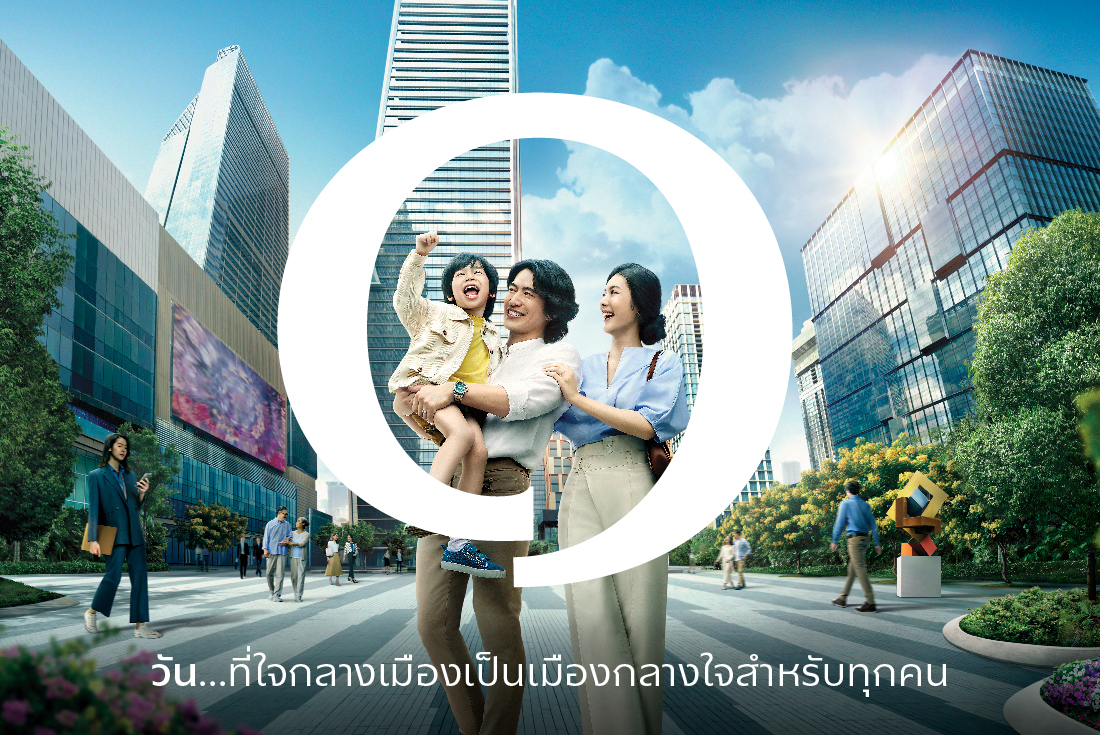
The strongest fit is usually a buyer who values central Bangkok, professional tenant demand and lifestyle infrastructure. A compact one-bedroom may suit a single executive or consultant. A larger two-bedroom may appeal to couples, small families or executives who want a home office. Premium units with park, skyline or open-city views can attract owner-occupiers who are less yield-driven and more focused on quality of life.
Investors should still avoid assuming unlimited rental depth. Luxury tenants compare many options across Lang Suan, Wireless, Sathorn, Silom, Asoke and Phrom Phong. The unit must be well furnished, easy to maintain and priced against real competing stock, not only against developer positioning.
How One Bangkok changes the lifestyle case
Mixed-use districts can make daily life easier. Residents nearby may gain access to stronger dining, shopping, events, wellness, hotels, workspaces and public realm. This can help a district feel more complete, especially for foreigners who want a predictable routine soon after relocation.
The lifestyle effect is not only about convenience. Large destinations can also improve how a neighbourhood is perceived internationally. When visiting buyers can understand the district within one afternoon, the sales story becomes clearer. That can support resale confidence if the building itself is strong.
Risks to check before buying
Rama IV is a major road, so noise, dust and traffic exposure must be assessed unit by unit. Buyers should check balcony usability, glazing, air-conditioning placement and whether future construction could affect views. A beautiful show unit does not answer these questions. Visit the actual unit or appoint someone to inspect it at different times of day.
Also compare common-area fees and sinking funds carefully. Luxury buildings with extensive amenities can be expensive to operate. The right question is whether the fees support a well-maintained asset and rental premium, not whether they are simply high or low.
Resale and rental positioning
For resale, the most defensible units are usually in completed, well-managed buildings with recognisable addresses, efficient layouts, good ceiling heights and a view or daily convenience advantage. For rentals, owners should think like tenants: commute, supermarket, gym, food, hospital access, guest parking and easy taxi pickup all matter.
Foreign buyers who want new-launch exposure should compare payment terms, developer track record, expected completion risk and future competing supply. Buyers who prefer lower execution risk may find completed resale units easier to evaluate because rent, management and building condition can be verified.
Buyer takeaway
One Bangkok strengthens the Rama IV-Lumphini story, but it does not replace due diligence. The district is attractive because it connects business, lifestyle, transport and green-space access in a way that feels increasingly global. The best condo purchase will still be specific: right building, right unit, right price and right holding plan.
Explore more IBP district and BTS/MRT guides if you are comparing central Bangkok locations. Invest Bangkok Property can help you compare buildings, check documents and connect Bangkok market themes with unit-level due diligence before you commit capital.