
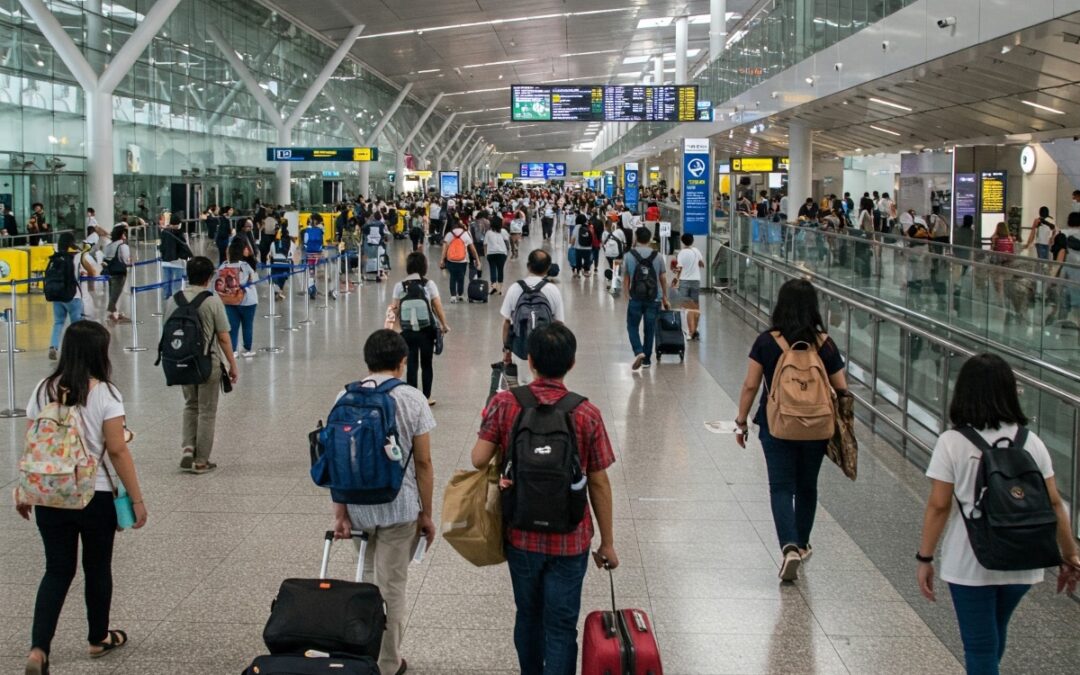
Bangkok property confidence is not built only by condominium launches. It is also shaped by the city’s ability to move people in and out efficiently. For foreign buyers, airports matter because they affect business travel, family visits, medical trips, tourism, tenant demand and the convenience of owning a Bangkok base from overseas. Recent AOT-linked reporting and Thai government updates point to a travel market that remains busy and infrastructure-led, even as global conditions stay uneven.
During the Songkran 2026 travel period, government and business-media updates reported that Airports of Thailand expected about 3.7 million passengers across its six major airports, with total flights projected above 23,000 for the April holiday window. Earlier public reporting on AOT’s fiscal first quarter also showed passenger traffic of 34.47 million across the six-airport network for October to December 2025. These figures are not a direct forecast for condo prices, but they are relevant to how Bangkok competes as a regional base.
Why airport demand matters to property buyers
International property buyers rarely look at a city in isolation. They compare Bangkok with Singapore, Kuala Lumpur, Ho Chi Minh City, Hong Kong, Tokyo, Dubai and regional resort markets. A strong airport network makes Bangkok easier to use. Owners can visit more often, tenants can relocate with less friction, and regional executives can justify living in the city while covering Southeast Asia.
This is especially important for condominium demand in central and near-central districts. A tenant working for a regional office may care about the time from condo to airport as much as the time from condo to office. A family using Bangkok for medical care may prioritise access to hospitals and international flights. A foreign owner who lives overseas may prefer a building that can be reached without complicated transfers after a late arrival.
Suvarnabhumi and Don Mueang give Bangkok a two-airport advantage
Bangkok’s airport system serves different kinds of demand. Suvarnabhumi is the principal international gateway and supports long-haul, premium and connecting traffic. Don Mueang remains important for low-cost regional and domestic travel. Together they give Bangkok more route depth than a single-airport city of similar size. For property, that means a broader visitor base and more flexible travel patterns.
This helps explain why districts with strong road, rail or expressway access to airports retain buyer attention. Phaya Thai, Asok, Rama IX, Lat Phrao, On Nut, Bang Na, Sathorn and riverside areas all have different airport-access stories. None should be bought on airport convenience alone, but connectivity can support rental appeal when combined with building quality and daily amenities.
Expansion and automation are part of the confidence story
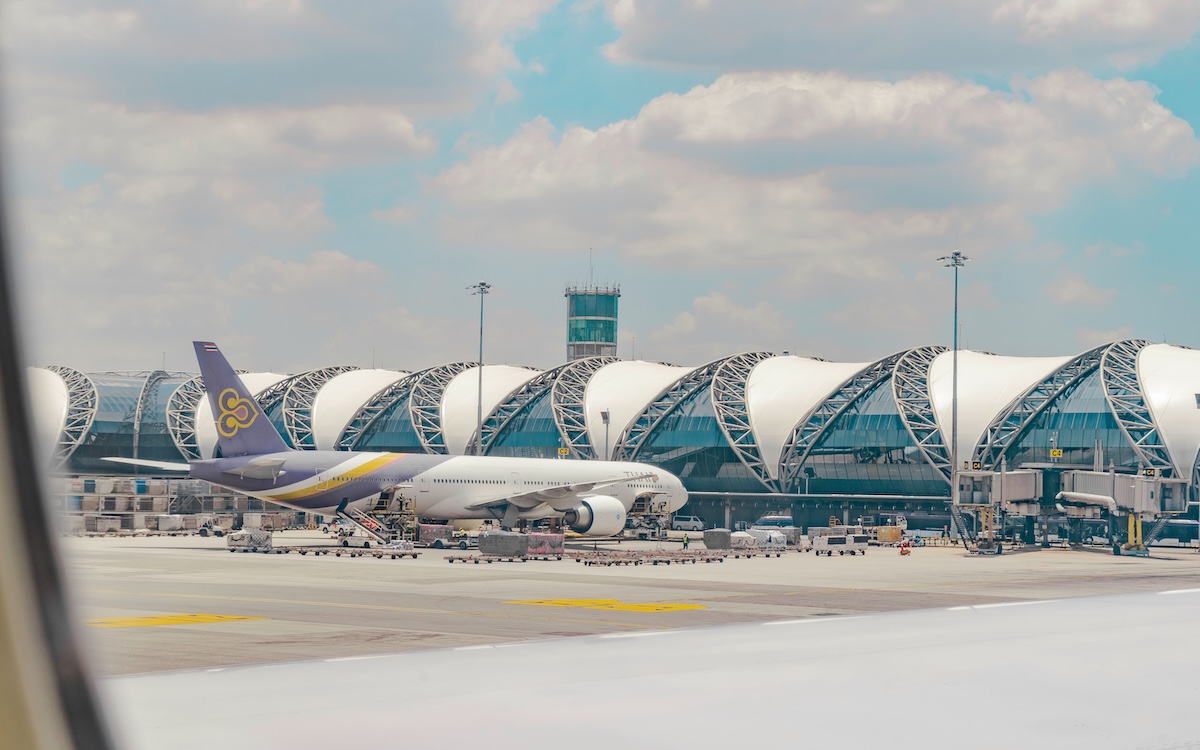
Public reporting on AOT’s first-quarter fiscal 2026 performance also referenced expansion plans across the six airports, with long-term capacity targets intended to handle much higher passenger volumes by 2034. Separate Songkran updates highlighted operational measures such as self-check-in, self-baggage drop, biometric processing, shuttle services and passenger-support staffing. For foreign buyers, these details matter because airport experience affects how livable Bangkok feels over repeated trips.
The property link is practical rather than speculative. Better airport handling can support tourism, conferences, medical travel, corporate travel and family relocation. Those activities create demand for hotels, serviced apartments, long-stay rentals, retail and private healthcare. Condominium owners benefit when a district sits within that wider demand ecosystem, especially if the unit is easy to manage and priced realistically.
Tourism is not the only property angle
Many investors overstate the tourism argument for Bangkok condos. Short-stay tourism does not automatically translate into legal, profitable condominium rentals, and owners must respect building rules and Thai regulations. The stronger airport-property link is often long-stay demand: executives, consultants, medical visitors, entrepreneurs, international families and frequent travellers who want a stable base.
That distinction should influence unit choice. A long-stay tenant usually wants storage, a workable kitchen, good internet, quiet sleep, reliable juristic management and a neighbourhood with supermarkets and transport. A view alone is not enough. Airport connectivity helps, but the building must still function as a home.
What buyers should watch in 2026
- Whether international arrivals continue to recover in quality as well as quantity.
- How airport expansion and automation affect actual passenger experience.
- Which Bangkok districts benefit from improved rail, expressway or airport-link access.
- Whether corporate travel, medical travel and regional events translate into long-stay rental demand.
- How building rules treat short-stay activity, because not all tourist demand is usable by condo landlords.
A disciplined buyer should treat airport growth as one confidence signal, not a reason to overpay. If two similar units have the same rent evidence and building quality, better connectivity can be the deciding factor. If a unit is overpriced or poorly managed, airport growth will not rescue the investment.
Property takeaway
Bangkok’s airport activity reinforces the city’s position as a globally connected place to live, work and invest. For foreign buyers, that supports the long-term case for well-located condominiums, especially those serving practical tenant demand. The best opportunities remain specific: a good building, a sensible price, a real tenant profile and an exit story that does not depend on hype.
IBP can help overseas buyers compare Bangkok districts by transport, rental demand and ownership practicality. Start with our infrastructure coverage or contact IBP Real Estate for a buyer-focused shortlist.